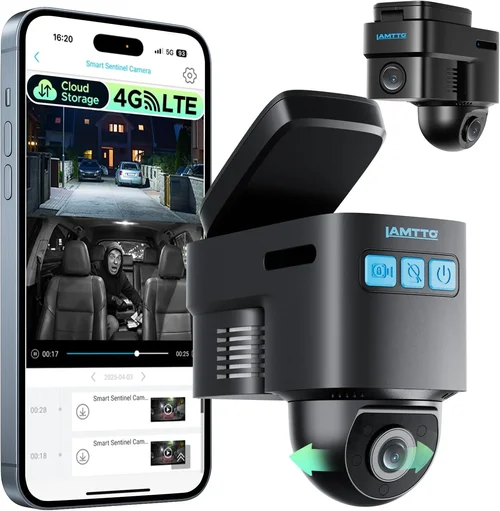
Best Dash Cam for Side Collision Guide
When it comes to protecting yourself on the road, few things are as important as having reliable evidence when an accident occurs. A dash cam that effectively captures side collisions can make all the difference in insurance claims, legal disputes, or simply ensuring your safety. With so many options flooding the market, finding the best dash cam for catching sides isn’t just about picking the most expensive model—it’s about understanding what features truly matter and how they perform under real-world conditions.
This comprehensive guide is designed to cut through the noise and give you the knowledge you need to make a smart, informed decision. Whether you’re a new driver looking for basic protection, a seasoned commuter who needs advanced recording capabilities, or someone who wants peace of mind knowing their vehicle has an extra set of eyes, we’ve got you covered. We’ll walk you through every critical factor to consider, compare different types of dash cams, highlight common pitfalls, and offer expert advice tailored specifically for side-impact scenarios.
The dash cam market has evolved dramatically over the past decade. What started as simple looped video recorders has transformed into sophisticated systems with GPS tracking, parking mode, night vision, and AI-powered alerts. But not all dash cams are created equal—especially when it comes to lateral coverage. Many models focus heavily on front-facing recording while neglecting the blind spots that often lead to T-bone accidents or dooring incidents. That’s why this guide dives deep into side-specific performance metrics, including field of view, lens quality, stabilization technology, and emergency recording triggers.
By the end of this article, you’ll understand exactly what to look for in a dash cam capable of capturing side collisions with clarity and reliability. You’ll learn how to evaluate technical specs beyond marketing hype, how to interpret user reviews without falling for fake ratings, and how to choose a device that integrates seamlessly into your daily driving routine. Plus, we’ll share our top picks across multiple price ranges so you can find the perfect balance between performance and affordability.
Whether you drive a compact sedan, an SUV, or a commercial truck, having the right dash cam installed can be a game-changer. Let’s get started.
What to Look for When Buying Dash Cams
1. Field of View (FOV)
The single most important specification when selecting a dash cam for side collision detection is its field of view. Most standard dash cams offer a 120–140-degree horizontal FOV, but this typically only covers the front windshield area. For true side impact protection, you need a camera system that can capture both front and rear perspectives simultaneously—or at least one unit with an ultra-wide-angle lens capable of seeing directly into adjacent lanes.
A dual-lens setup (front and rear) is ideal because it provides full 360-degree situational awareness. However, if you’re working within budget constraints, look for a single-lens model with a minimum 150-degree diagonal FOV. This ensures that when a vehicle pulls out from a side street or parallel parks too close, the incident will be captured clearly without excessive distortion.
2. Video Resolution & Recording Quality
Resolution determines how much detail your dash cam can capture during fast-moving events like sudden lane changes or side swipes. While Full HD (1080p) was once considered sufficient, today’s standards demand at least 2K (1440p) resolution for clear license plate identification and facial recognition if needed.
For serious side collision documentation, aim for a minimum of 2K front recording and 1080p rear (if using a dual-cam system). Higher resolutions mean larger file sizes, so pair this with efficient compression codecs like H.265 instead of older H.264. Also consider whether the camera supports variable bitrate encoding—this dynamically adjusts file size based on motion, saving storage space during quiet drives while maintaining quality during high-action moments.
3. Night Vision Capabilities
Sides of the road are especially dangerous at night due to reduced visibility and increased risk of blind-spot collisions. Your dash cam must perform reliably after sunset. Look for models equipped with Sony Starvis sensors—these deliver exceptional low-light performance by amplifying available light without introducing graininess or noise.
Additional features like infrared LEDs (for parking mode), HDR (High Dynamic Range), and automatic exposure control further enhance nighttime clarity. Avoid cameras that rely solely on software-based night enhancements; hardware improvements yield far superior results.
4. Emergency Event Detection
This feature automatically saves footage when sensors detect sudden deceleration, impact, or abrupt steering maneuvers—perfect for capturing side impacts that might otherwise be overwritten in normal looped recording.
Modern dash cams use G-sensor technology to measure forces acting on the vehicle. When thresholds are exceeded (typically above 2–3G), the system locks the current video segment so it won’t be deleted during routine cleanup cycles. Ensure your chosen model allows manual adjustment of sensitivity levels so you can fine-tune responses based on your driving style and road conditions.
5. Parking Mode & Motion Detection
If your car spends extended periods parked near busy intersections or urban areas prone to hit-and-runs, parking mode becomes essential. This function keeps the dash cam powered (via hardwiring kit) and records continuously while the engine is off.
Motion-activated parking mode conserves battery life by only saving clips when movement is detected. For side collisions, however, time-lapse recording may be more effective since stationary vehicles can still be struck from the side without obvious motion cues. Check whether your dash cam offers flexible parking modes and if it includes impact-triggered alerts sent to your smartphone via Wi-Fi or cellular connectivity.
6. Storage Capacity & Loop Recording
Dash cams operate on loop recording—older files are automatically overwritten once the memory card fills up. To ensure no critical footage is lost, especially during side incidents, use a high-quality microSD card with Class 10 speed rating and minimum 64GB capacity (ideally 128GB+).
Some advanced models support dual SD cards for redundancy or extended recording time. Also verify compatibility with exFAT formatting, which handles large files better than FAT32 limitations (which caps individual files at 4GB).
7. Build Quality & Weather Resistance
Dash cams face extreme temperatures, direct sunlight, rain, snow, and vibrations daily. Cheaper plastic housings warp or crack under thermal stress; look for devices with metal brackets, tempered glass screens, and IP65/IP67 waterproof ratings.
Mounting stability matters too—loose units wobble during hard braking or curving, causing blurry footage. Secure suction cups or adhesive mounts rated for long-term use prevent dislodgment. Additionally, ensure the lens isn’t obstructed by air fresheners, phone holders, or dashboard accessories.
8. User Interface & Mobile App Integration
A clutter-free interface lets you quickly access settings, review footage, or adjust sensitivity without distraction. Touchscreen displays simplify navigation but consume more power; button-only controls offer reliability during cold weather when gloves interfere with touch inputs.
Mobile apps enable remote viewing, live streaming (in premium models), firmware updates, and cloud backup. For side collision evidence, being able to instantly retrieve footage via app saves precious time after an incident.
Different Types of Dash Cams
Common Buying Mistakes to Avoid
❌ Mistake: Ignoring Real-World Side Coverage
Why it’s bad: Many buyers assume any dash cam will capture side collisions, but most single-lens models only record straight ahead. If your car gets hit from the side, those cameras won’t help unless you have a rear-facing unit or wide-angle lens.
What to do instead: Prioritize dual-lens systems or models explicitly marketed for 360-degree protection. Read technical specs carefully—don’t rely on vague terms like “wide angle” without verifying actual degrees.
❌ Mistake: Skipping Night Performance Testing
Why it’s bad: Side collisions often happen at dusk or dawn when lighting is poor. Cameras with weak low-light sensors produce blurry, unusable footage even if they look great during daytime tests.
What to do instead: Watch sample night recordings from verified owners. Look for reviews mentioning “clear license plates at night” or “noisy images after sunset.”
❌ Mistake: Choosing Based Solely on Price
Why it’s bad: The cheapest dash cams skimp on sensor quality, mount stability, and build materials. A $40 device may fail within months due to overheating or mounting issues, rendering it useless when needed most.
What to do instead: Focus on value—not just lowest cost. Compare features across mid-range options ($100–$200) where reputable brands offer reliable performance.
❌ Mistake: Overlooking Storage Requirements
Why it’s bad: Without adequate storage, emergency footage gets overwritten before you can access it. A 32GB card might seem enough, but 2K recording eats up space rapidly—especially with continuous parking mode enabled.
What to do instead: Calculate required capacity: 1 hour of 2K video ≈ 1GB. Plan for at least 24 hours of buffer time. Invest in 128GB+ cards and consider models supporting dual slots.
❌ Mistake: Not Checking Compatibility
Why it’s bad: Dash cams require specific wiring kits, voltage regulators, and smartphone OS support. An incompatible model either won’t install properly or lacks necessary apps for remote access.
What to do instead: Verify compatibility with your car make/model before purchasing. Check if the manufacturer lists confirmed installations or offers professional installation services.
❌ Mistake: Assuming All Brands Are Equal
Why it’s bad: Generic Chinese-made devices flood Amazon with fake 5-star ratings. These often lack firmware updates, customer support, or genuine warranties—critical if you need assistance after an accident.
What to do instead: Stick to established brands like BlackVue, Thinkware, Garmin, or Rexing. Research their reputation for reliability and responsiveness before buying.
Budget Guidelines: How Much Should You Spend?
Determining the right budget depends on your usage frequency, vehicle type, and desired features. Here’s a breakdown of what each tier delivers:
Entry-Level ($50–$100)
This range includes basic single-lens models with 1080p recording and modest FOV (around 120 degrees). They’re suitable for occasional drivers who mainly want front-facing protection. Expect limited night performance, minimal smart features, and plastic construction. While affordable, these rarely include side coverage—so avoid them if preventing lateral impacts is your priority.
Mid-Range ($100–$250)
The sweet spot for most drivers. Dual-lens systems dominate this tier, offering front and rear recording with improved sensors, better mounts, and added perks like parking mode and mobile apps. You’ll find reliable 2K resolution, decent night vision, and robust build quality here. Brands like Viofo, Z-Edge, and Kuuga shine in this category with strong track records for side collision documentation.
Premium ($250–$500)
Enthusiasts and frequent commuters should consider premium models featuring Sony Starvis sensors, AI alerts, cloud connectivity, and professional-grade mounts. These often include GPS logging, voice commands, and enhanced emergency event detection. Thinkware A110W and BlackVue DR970X-2CH exemplify this level—offering crystal-clear side-view capture and seamless integration with insurance providers.
Luxury ($500+)
Top-tier systems go beyond dash cams into fleet management platforms. Three-camera setups, 4K recording, thermal imaging, and real-time alerts dominate this space. Ideal for commercial operators, rideshare drivers, or collectors wanting museum-quality evidence. While overkill for casual users, these provide unparalleled protection against all types of collisions—including subtle side impacts missed by lesser devices.
Expert Tips for Getting the Best Deal
- Time Your Purchase Strategically: Major sales occur during Black Friday, Cyber Monday, and back-to-school seasons. Retailers like Amazon, Best Buy, and B&H Photo often discount dash cams by 20–40% during these windows.
- Compare Retailers Carefully: Online stores usually have wider selections and lower prices, but physical electronics shops allow hands-on testing. Visit local stores to inspect build quality and interfaces before ordering online.
- Watch for Hidden Discounts: Sign up for brand newsletters to receive exclusive coupons. Student, military, or first-responder discounts are sometimes available through partner programs.
- Verify Warranty Terms: Premium models come with 2–3 year warranties. Confirm coverage includes accidental damage (common with dash cam drops) and whether repairs are done in-house or outsourced.
- Understand Return Policies: Most sellers offer 30-day returns. Keep original packaging and test the unit immediately upon delivery to ensure functionality.
- Test Before Committing: If possible, rent or borrow a dash cam from friends to evaluate ease of use, mounting stability, and software intuitiveness. This prevents buyer’s remorse later.
- Check Firmware Update History: Reputable brands release regular updates improving performance and security. Avoid products discontinued within the last 18 months—they may lose support soon.
Frequently Asked Questions
Q: Do I really need a dual-lens dash cam to catch side collisions?
A: Not necessarily—but it makes life much easier. A single-lens camera angled slightly downward toward the passenger side can capture some lateral activity, especially on highways with merging traffic. However, dual-lens systems eliminate guesswork by providing complete front/rear coverage. If budget allows, dual-lens is strongly recommended.
Q: Can a dash cam detect when a side collision is imminent?
A: Standard dash cams don’t predict accidents—they only record what happens. However, advanced models with built-in ADAS (Advanced Driver Assistance Systems) include lane departure warnings and forward collision alerts. These won’t stop impacts but can give drivers split-second reaction time. Note that ADAS features vary widely by brand and aren’t foolproof.
Q: Will my dash cam work if my car battery dies?
A: Only if it has a dedicated hardwiring kit. Direct cigarette lighter power drains your battery overnight. Hardwired installations connect to your fuse box with a voltage-sensitive relay that cuts power when ignition turns off—preventing drain. Always install with a professional or follow manufacturer instructions precisely.
Q: How long does recorded footage last before being overwritten?
A: It depends on storage capacity and recording settings. At default 1-minute clips and a 128GB card, expect 48+ hours of continuous recording. Longer clips reduce total duration. You can customize clip lengths (30 sec to 5 min) and enable overwrite protection for recent files.
Q: Are dash cam recordings admissible in court?
A: Generally yes—if properly maintained. Footage must be unaltered, timestamped, and stored securely. Avoid editing or deleting clips after incidents. Keep original files on multiple devices (computer + cloud) to prove authenticity. Consult legal counsel for jurisdiction-specific rules.
Q: Can I use two separate dash cams in one car?
A: Technically possible, but risky. Multiple units create conflicting power draws, signal interference, and mounting chaos. Manufacturers void warranties if unauthorized modifications exceed factory specs. Stick to approved multi-camera kits from the same brand for optimal compatibility.
Q: What’s the difference between loop recording and event locking?
A: Loop recording continuously saves video segments, overwriting oldest files first. Event locking uses G-sensors to flag critical clips (like impacts) so they’re preserved until manually reviewed. Both work together—looping handles regular traffic, locking protects emergencies.
Q: Should I buy a dash cam with or without GPS?
A: GPS adds valuable context—speed, location, and direction data—helpful for reconstructing accidents. It also enables geo-fencing (alerts if you enter restricted zones). Disadvantages include privacy concerns and increased power consumption. Choose based on your comfort level with data sharing.
Our Final Recommendations
Best for Budget-Conscious Buyers
Viofo A110S Duo – Priced around $150, this dual-lens system delivers crisp 2K front and 1080p rear recording with reliable night vision. Its magnetic mount simplifies installation, and the included parking mode works seamlessly with hardwiring kits. Despite its affordability, it includes essential side-collision safeguards through comprehensive coverage.
Best Overall Value
Thinkware U1000 – At approximately $280, this premium model earns its price with stellar image quality, intuitive interface, and robust build. Features like cloud connectivity, voice control, and dual SD card slots future-proof your investment. Widely praised for courtroom-ready evidence and seamless integration with insurance companies.
Best Premium Option
BlackVue DR970X-2CH – For those seeking unmatched reliability, this top-tier system offers 4K front recording, superior low-light performance, and optional LTE module for real-time alerts. Professional-grade durability and global warranty coverage make it ideal for demanding drivers prioritizing absolute safety.
Best for Beginners
Kuuga K2 Pro – Simple setup, clear visuals, and affordable at $130. Includes everything needed for basic side awareness: dual lenses, parking mode, and mobile app. Great entry point for new drivers learning dash cam fundamentals without overwhelming complexity.
Best for Advanced Users
Garmin Dashcam Mini – Compact yet powerful, this 1440p recorder integrates with Garmin ecosystem for route planning and driver coaching. Advanced users appreciate its anti-glare coating, flexible mounting, and compatibility with existing Garmin devices. Slightly pricier at $200, but worth it for tech integrators.
Conclusion: Making the Right Choice
Selecting the best dash cam for catching sides isn’t just about technical specifications—it’s about aligning your needs with realistic expectations and budget constraints. Remember, no device guarantees prevention, but the right dash cam significantly strengthens your position after an incident. Prioritize dual-lens systems for true 360-degree vigilance, invest in proven night vision technology, and never sacrifice build quality for minor savings.
Take time to research, read independent reviews, and test interfaces before committing. Your peace of mind—and potential legal leverage—depend on choosing wisely. Whether you opt for a budget-friendly duo or splurge on enterprise-grade gear, the goal remains unchanged: keep yourself, passengers, and others safe on every journey.