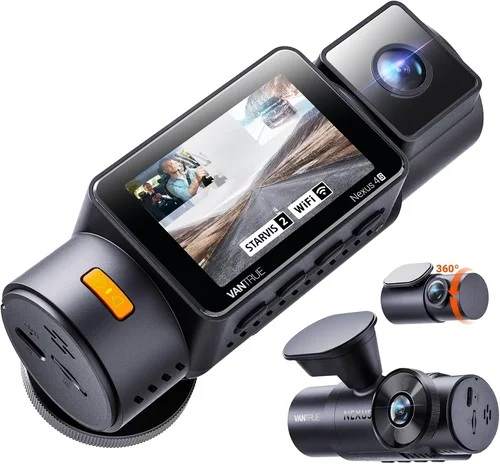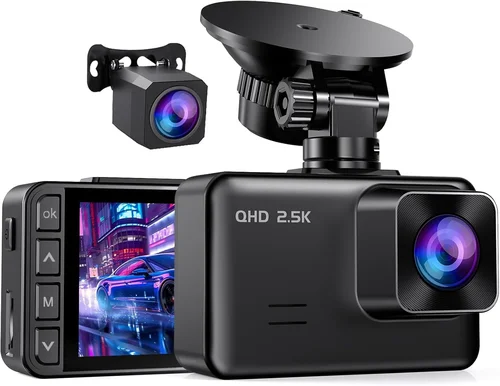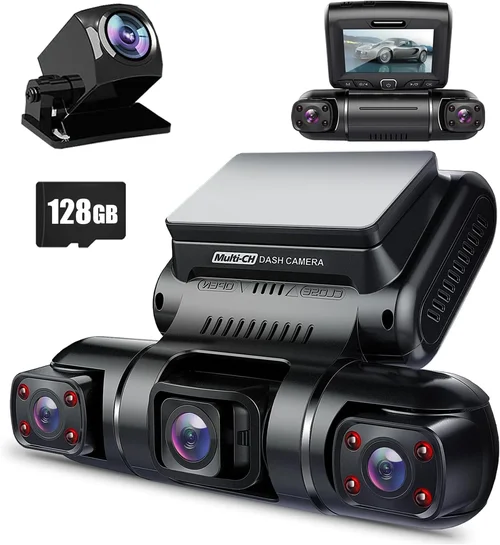
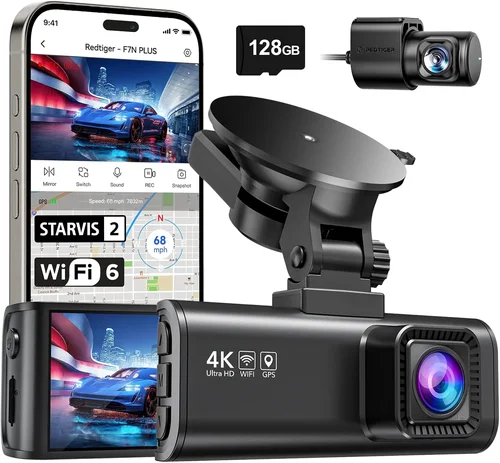
Complete 24/7 Dash Cam Buying Guide
Why investing in a 24/7 dash cam isn’t just about capturing traffic violations—it’s about peace of mind, financial protection, and legal defense when you need it most. In an era where road safety concerns are higher than ever, having continuous recording capabilities transforms your vehicle into a personal witness that never sleeps. This comprehensive buying guide will walk you through everything you need to know about selecting the perfect dash cam for round-the-clock recording, from understanding technical specifications to comparing real-world performance across different models.
Whether you’re a daily commuter worried about insurance claims, a rideshare driver protecting your livelihood, or simply someone who wants documented proof of their driving record, this guide will help you navigate the complex world of dash cam technology. We’ll break down the essential features, explain why certain specifications matter more than others, and provide practical advice on how to choose equipment that will serve you reliably for years to come. By the end of this article, you’ll have the knowledge to make an informed decision that balances cost with capability, ensuring you get maximum value from your investment.
The market for dash cams has exploded in recent years, with manufacturers constantly pushing the boundaries of what these devices can do. From basic single-camera setups to advanced multi-channel systems with GPS tracking and cloud connectivity, the options can be overwhelming. This guide cuts through the marketing hype to focus on what truly matters for 24/7 recording: reliability, storage management, image quality under various lighting conditions, and robust build quality. We’ll examine real user experiences, analyze technical specifications in context, and provide honest assessments of which features deliver actual benefits versus those that are primarily marketing gimmicks. Our goal is to equip you with the insights needed to select a dash cam that will protect you, document important events, and provide valuable evidence when disputes arise.
What to Look for When Buying Dash Cams
1. Budget & Price Range
Your budget plays a crucial role in determining which dash cam features are available to you, but it’s important to understand that price doesn’t always correlate directly with quality or reliability. Entry-level models typically start around $50-$80 and offer basic recording functionality with limited resolution and minimal additional features. These budget options may suffice for occasional use but often lack the robust build quality and advanced features needed for true 24/7 operation. Mid-range models ($80-$150) represent the sweet spot for most buyers, offering excellent value with reliable performance, good video quality, and essential features like loop recording and parking mode. Premium models ($150-$300+) provide professional-grade capabilities including higher resolutions, superior low-light performance, enhanced durability, and advanced connectivity options. Luxury-tier devices ($300+), while expensive, are designed for commercial drivers, fleet operators, or those requiring maximum reliability and feature sets.
When evaluating your budget, consider not just the initial purchase price but also ongoing costs including storage requirements, power consumption, and potential replacement needs. Some high-end models require specialized memory cards or additional accessories that can significantly increase total ownership costs. Additionally, factor in the value of having documented evidence during insurance claims or legal situations—the cost of a premium dash cam often pales in comparison to the savings from avoiding fraudulent claims or defending against false accusations.
2. Performance Specifications
Video resolution forms the foundation of any dash cam’s effectiveness, with Full HD (1920×1080) being the minimum recommended standard for clear license plate recognition. While 720p was once considered adequate, modern traffic conditions and the need for detailed evidence make Full HD the bare minimum requirement. For optimal clarity, especially in daylight conditions, look for cameras capable of 1080p at 60 frames per second, which provides smoother motion capture and better detail retention during fast-moving scenarios. Higher resolutions like 2K (2560×1440) and 4K (3840×2160) offer even greater detail but require more storage space and processing power.
Frame rate significantly impacts video quality, particularly for capturing fast-moving vehicles or sudden incidents. The standard 30fps works well for most situations, but 60fps provides noticeably smoother footage during rapid movements and emergency braking scenarios. When evaluating frame rates, remember that higher fps means larger file sizes and potentially shorter recording times on your memory card. Audio recording capabilities vary widely between models—some include built-in microphones for capturing conversations or environmental sounds, while others focus solely on video. If audio is important to you, verify that the microphone quality is sufficient and that the camera supports appropriate audio codecs.
3. Build Quality & Durability
For 24/7 recording, build quality directly impacts reliability and longevity. Look for cameras constructed with high-grade materials that can withstand temperature extremes, humidity, and vibration. Military-grade shock resistance ratings indicate superior durability, particularly important for vehicles traveling on rough roads or exposed to harsh weather conditions. The housing should be sealed against dust and moisture, with IP rating certifications providing assurance of environmental protection levels.
Heat management becomes crucial during extended recording sessions, especially in parked vehicles exposed to direct sunlight. Cameras with efficient heat dissipation designs maintain consistent performance without thermal throttling or unexpected shutdowns. Power management systems also affect durability—look for models with stable voltage regulation that won’t drain your car battery excessively or cause electrical issues. Thermal cutoffs and automatic power-off features prevent damage during extreme temperatures while maintaining safe operation.
4. Features & Functionality
Loop recording automatically overwrites the oldest footage when storage fills up, ensuring continuous operation without manual intervention. This feature is essential for 24/7 recording as it eliminates the need to constantly monitor storage capacity or manually delete old files. Most modern dash cams implement intelligent loop recording that preserves critical events while efficiently managing storage space.
Parking mode represents one of the most valuable features for continuous monitoring, allowing the dash cam to record when your vehicle is stationary. Advanced parking modes include impact detection that triggers recording upon detecting vibrations or movement, while time-lapse recording captures periodic footage to conserve storage. Motion detection can be useful but often results in excessive false positives from passing traffic or animals, so look for adjustable sensitivity settings and consider combining it with impact detection for better efficiency.
GPS tracking adds valuable context to your recordings by embedding location, speed, and direction data into each video file. This information proves invaluable for reconstructing accident scenarios or demonstrating compliance with speed limits. Some models offer GLONASS compatibility alongside GPS for improved positioning accuracy, particularly in urban canyons or areas with limited satellite visibility.
5. Brand Reputation
Established brands with proven track records generally offer better reliability and customer support than unknown manufacturers. Companies like BlackVue, Garmin, Thinkware, and Nextbase have built reputations through consistent product quality and responsive customer service. Research brand history, read independent reviews, and check warranty terms before making your decision. Long-standing companies typically provide better long-term support and have refined their products based on real-world feedback.
Brand reputation also affects software updates and feature improvements—reputable manufacturers regularly release firmware updates to address bugs, improve performance, and add new capabilities. Check whether the brand offers online support forums, mobile apps, and comprehensive documentation. A strong support infrastructure ensures you can resolve issues quickly and take advantage of new features as they become available.
6. Warranty & Support
A comprehensive warranty demonstrates manufacturer confidence in their product quality and provides protection against defects. Look for warranties covering at least one year, with some premium models offering two-year coverage. Extended warranty options may be available for purchase, particularly valuable for commercial applications where downtime equals lost revenue.
Support responsiveness varies significantly between brands, so research customer service experiences before purchasing. Reliable brands typically offer multiple support channels including phone, email, live chat, and comprehensive online resources. Check response times and resolution quality through online reviews and user forums. Having accessible technical support can save hours of frustration when encountering setup issues or hardware problems.
7. Size & Portability
Compact designs reduce visual obstruction and minimize interference with mirrors or other dashboard components. Ultra-slim profiles (less than 1.5 inches thick) fit seamlessly into most vehicle interiors while maintaining excellent field of view. However, smaller cameras sometimes compromise on component quality or heat dissipation, so balance size considerations with performance requirements.
Portable dash cams designed for multiple vehicles offer convenience but may lack the robust construction needed for permanent installation. Consider your usage patterns—if you primarily drive one vehicle, a dedicated unit makes more sense. If you frequently switch between cars, portable options provide flexibility but may require additional mounting solutions or power adapters.
User Reviews & Ratings
Real-world user experiences provide invaluable insights beyond manufacturer specifications. Pay attention to recurring themes in reviews, particularly regarding reliability, ease of use, and long-term performance. Star ratings give general impressions but often lack specific details about what works well or poorly. Detailed reviews mentioning specific scenarios or technical aspects help identify models that perform consistently across various conditions.
Consider the source credibility when reading reviews—professional reviewers, verified purchasers, and forum discussions offer different perspectives. Be cautious of overly positive or negative reviews that seem exaggerated or lack substance. Look for balanced assessments that acknowledge both strengths and limitations of each model.
Different Types of Dash Cams
Common Buying Mistakes to Avoid
❌ Mistake: Ignoring Storage Requirements
Why it’s bad: Underestimating storage needs leads to constant memory card swaps or loss of critical footage. A typical Full HD dash cam recording at 30fps generates approximately 3GB of data per hour, meaning you’ll need frequent card changes or expensive high-capacity storage solutions.
What to do instead: Calculate your storage needs based on expected usage patterns. For daily commuting, consider 32GB cards for 10-12 hours of recording or 64GB cards for full-day coverage. Always purchase high-quality Class 10 UHS-I cards from reputable manufacturers to ensure reliability and optimal performance.
❌ Mistake: Overlooking Parking Mode Limitations
Why it’s bad: Many buyers assume all dash cams handle parking mode equally well, but power consumption and trigger sensitivity vary dramatically. Some models drain car batteries excessively or fail to detect actual impacts while triggering constantly for minor vibrations.
❌ Mistake: Prioritizing Resolution Over Low-Light Performance
Why it’s bad: High-resolution cameras often sacrifice low-light sensitivity, resulting in grainy or unusable footage during dawn, dusk, or nighttime driving. Without adequate low-light performance, even 4K recordings provide little value when actual incidents occur after dark.
What to do instead: Evaluate low-light performance separately from resolution specs. Look for cameras with wide aperture lenses (f/1.8 or lower), excellent noise reduction algorithms, and specialized night vision modes. Real-world testing videos from multiple sources provide better insight than manufacturer claims alone.
❌ Mistake: Neglecting Heat Management
Why it’s bad: Extended recording sessions generate significant heat buildup, causing thermal throttling, automatic shutdowns, or permanent hardware damage. Many dash cams fail during hot summer months due to inadequate cooling solutions or poor thermal design.
What to do instead: Choose models with demonstrated heat management capabilities. Check user reports about performance during prolonged use, especially in parked vehicles exposed to direct sunlight. Look for features like automatic shutdown during extreme temperatures and efficient heat dissipation design.
❌ Mistake: Choosing Based Solely on Price
Why it’s bad: The cheapest option often proves most expensive in the long run due to poor reliability, frequent replacements, or inadequate features. Budget models may lack essential functionality like proper parking mode, reliable loop recording, or durable construction needed for daily use.
What to do instead: Evaluate total cost of ownership rather than just initial purchase price. Factor in replacement frequency, storage costs, power consumption, and potential insurance savings. A slightly more expensive reliable model often outperforms multiple cheap replacements over time.
❌ Mistake: Overlooking Installation Complexity
Why it’s bad: Complex installations lead to improper mounting, wiring issues, or damage to vehicle components. Some advanced features like hardwiring require electrical knowledge or professional assistance, while others create messy cable management problems.
What to do instead: Assess your comfort level with vehicle modifications before purchasing. Simple magnetic mounts work well for temporary use, while hardwired installations require more expertise. Consider professional installation services for complex setups or multiple camera systems.
Budget Guidelines: How Much Should You Spend?
Entry-Level ($50 – $80): These affordable options provide basic dash cam functionality suitable for occasional use or secondary vehicles. Expect Full HD recording, simple loop recording, and minimal additional features. While adequate for casual drivers, entry-level models often compromise on build quality, low-light performance, and reliability. They’re best suited for budget-conscious users who only need basic documentation without demanding advanced features. Be prepared for potential limitations in extreme conditions or heavy usage scenarios.
Mid-Range ($80 – $150): Representing the sweet spot for most buyers, mid-range dash cams deliver excellent value with reliable performance and essential features. You’ll find robust build quality, decent low-light capabilities, effective parking modes, and solid video quality. These models typically include GPS tracking, impact detection, and efficient power management suitable for daily commuting. The added investment over entry-level options pays dividends in durability, feature completeness, and long-term reliability. Most serious dash cam users find this price range offers the best balance of capability and affordability.
Premium ($150 – $300): Professional-grade dash cams in this category provide superior performance with advanced features and enhanced durability. Expect 2K or 4K recording capabilities, exceptional low-light performance, sophisticated parking modes, and robust build quality suitable for demanding conditions. Premium models often include dual-channel recording, advanced connectivity options, and superior heat management. The higher price reflects improved components, better manufacturing standards, and comprehensive feature sets. Ideal for rideshare drivers, delivery personnel, or anyone requiring maximum reliability and evidentiary quality.
Luxury ($300+): Top-tier dash cams represent the pinnacle of automotive recording technology, designed for commercial operations, fleet management, or extreme reliability requirements. These systems offer multiple camera channels, AI-powered analytics, cloud connectivity, and military-grade durability. Luxury features include advanced driver assistance integration, real-time incident alerts, and professional-grade storage solutions. While expensive, these systems provide unmatched protection and evidentiary quality for high-stakes applications. Consider luxury options only when the consequences of failure justify the substantial investment.
Expert Tips & Pro Advice
When to buy: Timing your purchase strategically can yield significant savings without compromising quality. Major retailers typically offer substantial discounts during holiday weekends, back-to-school periods, and seasonal clearance events. Black Friday and Cyber Monday represent prime opportunities for dash cam deals, while post-holiday January sales often feature remaining stock at reduced prices. Consider waiting for new model releases, as existing versions frequently receive price reductions to clear inventory.
Where to buy: Online retailers provide competitive pricing and extensive selection, while physical stores allow hands-on evaluation before purchasing. Amazon, Best Buy, and Walmart offer convenient shopping with detailed product information and customer reviews. Specialty electronics stores may provide expert advice and immediate availability, though often at slightly higher prices. Always compare prices across multiple platforms and factor in shipping costs, return policies, and warranty transferability when making your decision.
How to spot deals: Identify genuine discounts by researching manufacturer suggested retail prices and tracking historical pricing trends. Subscribe to retailer newsletters for exclusive promotional codes and early access to sales events. Use price tracking tools and browser extensions that monitor price fluctuations, alerting you when items reach desired price points. Be wary of unrealistic “sale” prices that may actually represent inflated original costs rather than genuine savings.
Warranty considerations: Extended warranties can provide valuable protection but often represent poor value compared to manufacturer warranties. Evaluate whether extended coverage justifies its cost based on product reliability and your risk tolerance. Focus on manufacturer warranties from reputable brands rather than third-party providers, as original equipment warranties typically offer better coverage and customer service. Check warranty terms carefully, including coverage duration, claim processes, and exclusions.
Return policies: Comprehensive return policies reduce purchase risk and allow testing under real-world conditions. Look for retailers offering 30+ day return windows with minimal restocking fees. Free returns eliminate financial risk if the dash cam doesn’t meet expectations, while flexible return policies accommodate installation complications or compatibility issues. Verify return procedures and timelines before purchasing, especially for hardwired installations that may complicate returns.
Testing before buying: Whenever possible, test dash cams in-store or through rental programs to evaluate performance under actual driving conditions. Hands-on experience reveals installation complexity, menu navigation intuitiveness, and overall build quality that specifications cannot convey. Pay attention to button placement, menu organization, and mounting system ease during testing. If testing isn’t feasible, rely heavily on detailed video demonstrations and user reviews from experienced owners.
Additional considerations: Consider future-proofing your investment by selecting models with upgradeable firmware and compatible accessories. Modular designs allow component upgrades as technology advances, while standardized connectors ensure compatibility with various mounting solutions and power adapters. Evaluate ecosystem integration—cameras that work seamlessly with companion apps or cloud services provide better long-term value through regular feature updates and enhanced functionality.
FAQs Section
Q: What resolution should I look for in a 24/7 dash cam?
A: For reliable evidence collection, Full HD (1920×1080) at 30fps represents the minimum acceptable standard. However, for optimal clarity and license plate recognition, aim for 1080p60 or higher resolutions. 2K cameras offer significantly improved detail without excessive storage demands, while 4K provides maximum detail but requires substantial storage capacity and processing power. Balance resolution needs with practical storage constraints and your specific usage requirements.
Q: How much storage do I really need?
A: Storage requirements depend on your recording needs and usage patterns. A typical Full HD camera uses approximately 3GB per hour at 30fps. For daily commuting, a 32GB card provides 10-12 hours of recording, while 64GB cards offer full-day coverage. Consider your driving duration, local regulations regarding evidence retention, and whether you need continuous versus event-triggered recording when selecting storage capacity.
Q: Is parking mode worth the extra cost?
A: Yes, parking mode is essential for 24/7 protection, especially for rideshare drivers, delivery personnel, or anyone concerned about hit-and-run incidents or vandalism. Advanced parking modes with impact detection and time-lapse recording provide comprehensive coverage without excessive storage consumption. Ensure the model you choose has reliable power management to prevent car battery drainage and adjustable sensitivity to minimize false triggers.
Q: How do I prevent battery drainage during parking mode?
A: Battery drainage occurs when dash cams consume excessive power during parking mode operation. Solutions include using hardwired kits that connect directly to your vehicle’s fuse box, selecting models with efficient power management systems, or implementing smart parking modes that activate only during detected impacts. Some systems include battery backup circuits or automatic shutoff features to prevent excessive drain while maintaining protection.
Q: What’s the difference between loop recording and G-sensor recording?
A: Loop recording automatically overwrites older footage when storage fills up, ensuring continuous operation. G-sensor (impact detection) recording triggers saving of current footage when detecting sudden movements or impacts, preserving critical events. Most modern dash cams combine both features—loop recording manages continuous coverage while G-sensor protects important incidents. Understanding how these systems work together helps optimize storage usage and evidence preservation.
Q: How important is low-light performance for nighttime driving?
A: Low-light performance is crucial since many incidents occur after dark. Look for cameras with wide aperture lenses (f/1.8 or lower), excellent noise reduction algorithms, and specialized night vision modes. Wide dynamic range (WDR) technology helps balance bright headlights with darker road surfaces, while infrared LEDs provide illumination without visible light pollution. Real-world testing videos from multiple sources provide better insight than manufacturer specifications alone.
Q: Should I choose wired or wireless dash cams?
A: Wired dash cams offer reliable, permanent installations with stable connections and unlimited recording time. Wireless models provide convenience with app control, cloud storage, and easier installation but may suffer from connection instability or limited range. Choose wired systems for maximum reliability and continuous operation, or wireless options if you prioritize convenience and mobile integration over absolute stability.
Q: How do I properly install my dash cam for optimal performance?
A: Proper installation ensures optimal field of view and reliable operation. Position the camera to minimize windshield distortion while maintaining clear visibility of the road ahead. Use high-quality mounting brackets that don’t obstruct airbags or mirrors, and secure all cables neatly along factory routing paths. For hardwired installations, consult your vehicle’s wiring diagram or seek professional assistance to avoid electrical issues. Test all functions thoroughly after installation.
Q: What maintenance does a dash cam require?
A: Regular maintenance includes cleaning the lens with microfiber cloths, checking memory card functionality, and verifying recording status periodically. Replace memory cards every 1-2 years depending on usage, and keep firmware updated through manufacturer websites. For hardwired installations, inspect connections annually for corrosion or loose connections. Most maintenance tasks are simple and prevent costly repairs or data loss.
Q: Can dash cam footage be used as legal evidence?
A: Dash cam footage can serve as valuable supplementary evidence in legal proceedings, but admissibility depends on jurisdiction, chain of custody requirements, and evidence standards. Footage should be timestamped, geotagged, and stored securely to maintain integrity. Consult legal professionals about evidence requirements in your area, and always preserve original files rather than relying on compressed copies for court presentations.
Final Recommendations
Best for Budget-Conscious Buyers: For those seeking reliable dash cam protection without breaking the bank, the Viofo A119 Mini offers exceptional value with Full HD recording, effective parking mode, and robust build quality. Priced competitively in the entry-to-mid-range spectrum, this model delivers essential features including GPS tracking, impact detection, and efficient power management suitable for daily commuting. Its compact design minimizes dashboard obstruction while maintaining excellent field of view, and user reviews consistently praise its reliability and straightforward installation process.
Best Overall Value: The Garmin Dashcam Mini represents the ideal balance of features, performance, and reliability for most drivers. With its sleek design, impressive low-light capabilities, and seamless smartphone integration, this model excels in both everyday driving and parking protection. The included parking mode with motion detection and impact sensing provides comprehensive 24/7 coverage, while Garmin’s reputation for quality ensures long-term satisfaction. Its intuitive interface and reliable performance make it accessible to beginners while offering advanced features appreciated by experienced users.
Best Premium Option: For those requiring professional-grade protection and maximum reliability, the BlackVue DR970X-2CH stands out as the industry leader in dash cam technology. This dual-channel system delivers stunning 2K recording quality, exceptional low-light performance, and robust cloud connectivity features. Its military-grade durability and proven track record make it ideal for fleet operators, rideshare drivers, or anyone demanding absolute reliability. The comprehensive feature set includes advanced parking modes, GPS tracking, and reliable storage management, though the higher price reflects its professional-grade capabilities.
Best for Beginners: New dash cam users benefit from the Thinkware Q800 PRO, which combines ease of use with solid performance and reliable features. Its straightforward menu system, automatic settings optimization, and dependable loop recording make it approachable for first-time users. The model includes effective parking mode, GPS tracking, and good low-light capabilities without overwhelming complexity. Thinkware’s reputation for quality and responsive customer support provides additional peace of mind for those new to dash cam technology.
Best for Advanced Users: Experienced dash cam users seeking maximum capability will appreciate the Nextbase 622GW, which offers exceptional video quality, advanced parking features, and comprehensive connectivity options. With its impressive 1440p recording, superior low-light performance, and robust build quality, this model meets demanding requirements for evidentiary quality and reliability. Advanced features include voice control, Wi-Fi connectivity, and cloud storage integration, making it ideal for tech-savvy users who want the latest capabilities and maximum protection.
Conclusion: Making the Right Choice
Selecting the perfect dash cam for 24/7 recording requires careful consideration of your specific needs, budget constraints, and usage patterns. The ideal solution balances essential features like reliable recording quality, effective parking protection, and robust build quality with practical considerations such as storage requirements, installation complexity, and long-term reliability. Rather than chasing the highest specifications or most expensive models, focus on finding a system that provides trustworthy protection without unnecessary complexity or excessive costs.
Remember that continuous recording capability transforms your vehicle into an impartial witness that documents events objectively and provides valuable evidence when disputes arise. Whether you’re protecting yourself from insurance fraud, defending against false allegations, or simply wanting documented proof of your driving record, the right dash cam delivers peace of mind and financial protection. Take time to research thoroughly, consider your actual usage needs, and don’t hesitate to invest in quality when it matters most.
The dash cam market continues evolving rapidly, with manufacturers introducing new technologies and features regularly. Stay informed about advancements in image processing, storage management, and connectivity options, but resist the temptation to chase every new specification. Instead, prioritize proven reliability, comprehensive feature sets, and manufacturer reputation—factors that ensure your chosen device will serve you faithfully through countless miles and years of service. Your investment in quality protection today prevents headaches and potential financial losses tomorrow, making thoughtful selection the smartest choice you can make for your driving safety and peace of mind.