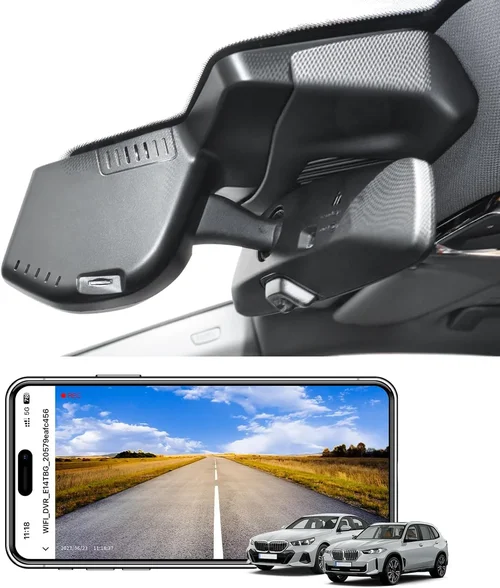
Smart Dash Cam Buying Guide for Police Encounters
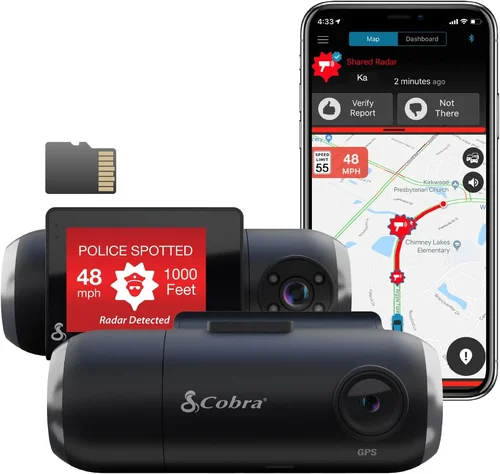
When it comes to protecting yourself and your loved ones during potentially dangerous police encounters, having reliable video evidence can make all the difference. A dash cam isn’t just about capturing traffic violations or documenting road conditions—it’s about creating a transparent record of interactions that may become critical in legal proceedings, insurance claims, or even personal safety situations. In recent years, dash cams have evolved far beyond simple recording devices, incorporating advanced features like night vision, emergency detection, cloud connectivity, and enhanced audio capabilities. For drivers who want to be prepared for any situation on the road, especially those who might find themselves in tense or legally complex encounters with law enforcement, choosing the right dash cam requires careful consideration of multiple factors.
This comprehensive buying guide will walk you through everything you need to know about selecting the best dash cam for police encounters. You’ll learn about the essential features that matter most in high-stakes situations, understand how different types of dash cams perform under pressure, discover common pitfalls to avoid when making your purchase, and get expert recommendations tailored to various budgets and needs. Whether you’re a concerned citizen wanting to protect your rights, a professional driver who frequently interacts with law enforcement, or someone simply looking to document important moments on the road, this guide will equip you with the knowledge to make an informed decision that could one day prove invaluable.
The market for dash cams has grown dramatically over the past decade, with hundreds of models now available from dozens of manufacturers. While this abundance gives consumers more choices than ever before, it also makes finding the right device overwhelming. Many dash cams look similar at first glance, but their performance in real-world scenarios—especially during stressful police encounters—can vary significantly. Some prioritize image quality above all else, while others focus on advanced safety features or cloud connectivity. Understanding these differences and knowing what to prioritize based on your specific needs is crucial. This guide cuts through the marketing hype and technical jargon to provide practical, actionable advice that helps you navigate the complex world of dash cam technology and select a device that truly delivers peace of mind when you need it most.

What to Look for When Buying Dash Cams
1. Budget & Price Range
Before diving into specific features, it’s essential to establish your budget. Dash cams range from basic models under $50 to premium devices costing $500 or more. For police encounter scenarios, you generally want to avoid the absolute cheapest options as they often lack critical features like good low-light performance, reliable loop recording, or robust build quality. However, you don’t necessarily need to spend top dollar to get excellent protection. Most experts recommend setting aside between $100-$300 for a dash cam that offers solid performance for everyday driving and police interaction documentation. Consider your financial situation honestly—while it’s tempting to go for the most expensive model, mid-range devices often provide the best balance of features and reliability for the majority of users.
2. Performance Specifications
Performance specifications determine how well your dash cam captures footage in various conditions. The most important specs include video resolution (1080p vs 4K), frame rate (30fps vs 60fps), sensor size, and low-light sensitivity. For police encounters, you need clear, detailed footage that can capture license plates, facial features, and vehicle movements clearly. Resolution is crucial—aim for at least 1080p Full HD, though 4K provides superior detail for close-up evidence. Frame rate matters too; 30fps is standard, but 60fps captures smoother motion during rapid movements or sudden stops. The sensor size affects low-light performance, with larger sensors performing better in dim conditions. Additionally, consider the field of view—typically 120-170 degrees—as wider angles provide better coverage but may reduce clarity at the edges.
3. Build Quality & Durability
A dash cam that breaks during a critical moment is worthless. Build quality encompasses both physical durability and internal component reliability. Look for devices with sturdy housing, secure mounting systems, and reliable electronics that won’t fail under heat, cold, or vibration. Temperature resistance is particularly important since dash cams operate in extreme environments—from freezing winter nights to scorching summer days inside parked vehicles. Waterproof or water-resistant construction protects against rain, snow, and accidental spills. The lens should be scratch-resistant and positioned securely to avoid dislodging during sudden braking or accidents. Internal components like SD cards, processors, and power management systems should also be robust enough to handle continuous operation without overheating or failing.
4. Features & Functionality
Modern dash cams offer numerous features beyond basic recording. Emergency incident detection automatically saves footage when sudden acceleration, hard braking, or collisions occur—critical for police encounter documentation. GPS tracking records location data alongside video, helping establish where interactions occurred. Built-in Wi-Fi enables wireless file transfer to smartphones for quick access to evidence. Cloud storage provides remote backup of footage, protecting against theft or destruction of local recordings. Advanced audio features including noise reduction and wind suppression improve voice clarity during police communications. Night vision capabilities using infrared or enhanced low-light sensors ensure visibility during nighttime stops or low-light conditions. Two-way audio allows limited communication but should be used cautiously due to privacy laws. G-sensor sensitivity settings let you customize when automatic recording triggers.
5. Brand Reputation
Choosing a reputable brand significantly reduces the risk of purchasing a defective or unreliable device. Established manufacturers invest in research, testing, and customer support, resulting in more consistent performance and better long-term reliability. Well-known brands typically offer longer warranties, more reliable firmware updates, and responsive customer service. Research user reviews across multiple platforms, check professional ratings from trusted tech reviewers, and look for brands with a track record of producing durable, feature-rich dash cams. Avoid unknown or generic brands that may cut corners on components or provide inadequate customer support when issues arise.
6. Warranty & Support
A solid warranty demonstrates manufacturer confidence in their product and provides peace of mind. Look for dash cams with at least a one-year warranty covering defects and hardware failures. Premium models often come with extended warranty options or accidental damage protection. Reliable customer support is equally important—responsive technical assistance can resolve issues quickly and prevent small problems from becoming major headaches. Check if the manufacturer offers live chat, phone support, email assistance, and comprehensive online resources like troubleshooting guides and firmware update instructions. International warranty coverage matters if you travel frequently or live in areas where local service centers are limited.
7. Size & Portability
While dash cams primarily mount on vehicle windshields, size considerations extend beyond physical dimensions. Compact designs are less obtrusive and easier to conceal discreetly, which some users prefer for privacy reasons. However, extremely small units may sacrifice battery life, cooling capacity, or mounting stability. Consider whether you need a single-camera setup or dual-camera system (front and rear). Dual cameras require additional space and wiring but provide complete coverage. Some users prefer portable dash cams that can be moved between vehicles or serve as backup cameras. Battery-powered models offer flexibility but may have shorter recording times. Evaluate how the size affects installation, visibility, and overall usability in your specific vehicle setup.
8. User Reviews & Ratings
Real-world user experiences provide invaluable insights that specifications alone cannot convey. Pay attention to consistent themes in reviews rather than individual outlier opinions. Look for patterns regarding reliability, ease of use, image quality, and customer service responsiveness. Check multiple review sources including retailer websites, independent review sites, and social media forums. Be wary of fake or overly promotional reviews that may not reflect genuine user experiences. Focus on detailed reviews that discuss specific scenarios relevant to police encounters—nighttime performance, audio clarity during stops, GPS accuracy, and how well the device handles stress during sudden movements or temperature extremes.
Different Types of Dash Cams

Common Buying Mistakes to Avoid
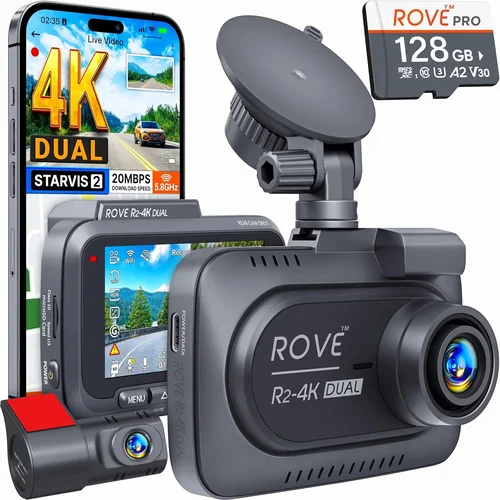
❌ Mistake: Choosing Based Solely on Price
Why it’s bad: Opting for the cheapest dash cam available often results in poor image quality, unreliable performance, and premature failure. Cheap devices may lack essential features like proper low-light sensitivity, robust emergency detection, or durable construction. During a police encounter, you need a device that consistently delivers clear, reliable footage—not something that fails when you need it most.
What to do instead: Establish a realistic budget that prioritizes quality and reliability over minimal cost. Invest in a mid-range model from a reputable brand that offers the features you actually need for police encounter documentation. Remember that the cheapest option often costs more in the long run due to replacement frequency or inadequate performance.
❌ Mistake: Ignoring Storage Requirements
Why it’s bad: Many buyers overlook the importance of adequate storage capacity and compatible memory cards. Insufficient storage means important footage gets overwritten before you can review it, especially during extended drives or when multiple events occur. Using incompatible or low-quality SD cards leads to corruption, lost footage, and system failures.
❌ Mistake: Overlooking Audio Capabilities
Why it’s bad: Audio quality is crucial during police encounters since verbal interactions often contain vital information that video alone cannot capture. Poor audio recording with excessive background noise, muffled voices, or wind interference renders the footage nearly useless for understanding conversations or commands.
What to do instead: Prioritize dash cams with clear microphone quality and effective noise reduction technology. Test audio performance in typical driving conditions before relying on it. Consider models with wind suppression and adjustable sensitivity settings to optimize voice clarity during stops.
❌ Mistake: Failing to Consider Installation Complexity
Why it’s bad: Complex installation processes can deter regular use or lead to improper mounting that compromises performance. If a dash cam requires extensive wiring, professional installation, or difficult mounting procedures, you’re less likely to set it up correctly or maintain it consistently.
What to do instead: Choose models designed for straightforward DIY installation with clear instructions. Look for adhesive mounts, simple power connections (cigarette lighter or hardwiring), and intuitive menus. Test the installation process yourself before depending on the device for critical documentation.
❌ Mistake: Neglecting Software and App Compatibility
Why it’s bad: Modern dash cams rely heavily on companion apps for file management, settings adjustment, and cloud uploads. Incompatible software, buggy apps, or poor user interfaces make it difficult to access footage quickly during emergencies or manage settings efficiently.
What to do instead: Research the manufacturer’s mobile app thoroughly before purchasing. Download demo versions if available, read user reviews specifically about app functionality, and verify compatibility with your smartphone operating system. Ensure the app provides quick access to recent footage and easy sharing capabilities.
❌ Mistake: Assuming All Dash Cams Are Equal
Why it’s bad: Treating all dash cams as interchangeable devices ignores significant variations in performance, reliability, and feature sets. Different models excel in different areas—some prioritize image quality, others focus on safety features, and many compromise on critical aspects to cut costs.
What to do instead: Compare specific models head-to-head based on your actual needs rather than assuming “all dash cams work the same.” Read detailed comparisons, watch video reviews demonstrating real-world performance, and prioritize features that matter most for police encounter scenarios.
❌ Mistake: Disregarding Legal and Privacy Considerations
Why it’s bad: Recording audio in some jurisdictions requires consent from all parties, and improper use of dash cam footage can lead to legal complications. Ignoring these considerations may result in evidence being ruled inadmissible or facing privacy violations.
What to do instead: Research your local laws regarding dash cam usage, especially audio recording regulations. Understand what constitutes reasonable expectations of privacy and how to properly handle recorded footage. Keep copies of important recordings and understand chain-of-custody requirements if evidence might be used in legal proceedings.
Budget Guidelines: How Much Should You Spend?
Entry-Level ($50 – $100): What to Expect
For drivers on a tight budget or those testing dash cam functionality, entry-level models offer basic recording capabilities at affordable prices. These devices typically provide 1080p resolution, 120-degree field of view, and essential features like loop recording and G-sensor activation. While they may lack advanced capabilities like GPS tracking, cloud connectivity, or superior low-light performance, they still serve as functional backups for minor incidents. Entry-level models are suitable for occasional drivers, rental car use, or as secondary cameras. However, for police encounter scenarios, exercise caution—many budget models struggle with night vision, have unreliable emergency detection, or use inferior components that fail under stress. If your primary concern is basic documentation rather than high-stakes evidence collection, entry-level options can suffice, but don’t expect professional-grade results.
Mid-Range ($100 – $250): The Sweet Spot for Most Buyers
This price range represents the optimal balance between features, performance, and affordability for the majority of drivers. Mid-range dash cams typically offer 1080p or 2K resolution, excellent low-light sensitivity, reliable emergency detection, GPS tracking, and robust build quality. You’ll find models with Wi-Fi connectivity, decent audio quality, and user-friendly interfaces. This category includes many of the recommended choices for police encounter protection because they deliver consistent performance without unnecessary premium features that inflate costs. Mid-range devices often come with solid warranties, responsive customer support, and proven reliability records. For drivers who want dependable evidence collection without overspending, this tier provides the best value proposition with features that matter most in real-world scenarios.
Premium ($250 – $500): For Enthusiasts and Professionals
Premium dash cams target serious users and professionals who demand the highest levels of performance and reliability. These devices typically feature 4K Ultra HD recording, superior low-light capabilities, advanced safety features like collision warnings and lane departure alerts, dual-camera systems, and comprehensive cloud integration. Premium models often include professional-grade components, extended warranties, and specialized features like HDR imaging, better audio processing, and enhanced GPS accuracy. While the price point may seem high, premium dash cams offer peace of mind for high-risk drivers, commercial operators, or anyone requiring court-admissible evidence with exceptional detail. However, for most personal use cases, premium features may exceed practical needs while adding unnecessary cost.
Luxury ($500+): Top-Tier Features
Ultra-premium dash cams represent the cutting edge of automotive surveillance technology, offering features beyond most users’ requirements. These include 4K/60fps recording, professional cinema-quality audio, advanced driver assistance systems, multiple camera inputs, AI-powered event detection, and enterprise-level security features. Luxury models often come with dedicated support teams, guaranteed uptime SLAs, and specialized applications for fleet management or security operations. While these devices deliver exceptional performance and reliability, the price-to-benefit ratio diminishes significantly for individual consumers. Luxury dash cams are typically justified only for professional drivers, security personnel, or individuals in high-risk professions where every detail of documentation could have life-altering consequences.
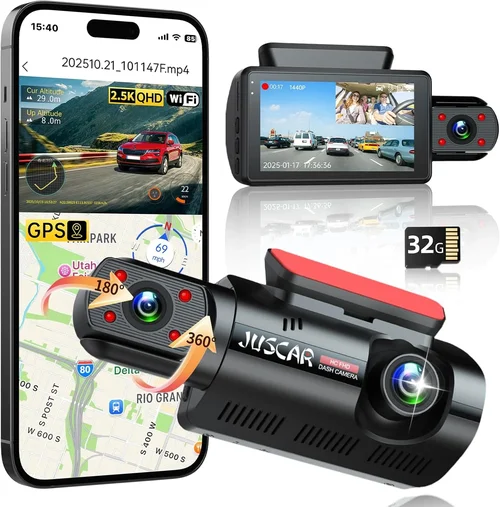
Expert Tips for Getting the Best Deal
Timing Your Purchase Strategically
The best time to buy dash cams is during seasonal sales periods rather than waiting for potential price increases. Black Friday and Cyber Monday typically offer the deepest discounts, but early spring and late summer also see significant markdowns as manufacturers introduce new models. Avoid purchasing immediately upon product launch unless you absolutely need the latest features, as prices drop substantially within 2-3 months. Subscribe to price alert services or manufacturer newsletters to track deals and receive notifications when your desired model drops in price. Holiday weekends often feature special promotions, and back-to-school seasons sometimes include tech accessories deals that benefit dash cam buyers.
Choosing the Right Retailer
Reputable retailers provide better return policies, genuine warranty coverage, and reliable customer service compared to discount outlets or unauthorized sellers. Online marketplaces like Amazon, Best Buy, and B&H Photo Video offer competitive pricing with buyer protection programs. Physical stores allow hands-on testing before purchase, which is valuable for evaluating build quality, button placement, and screen readability. Consider authorized dealer networks for manufacturer-direct purchases that guarantee genuine parts and warranty fulfillment. Avoid gray market importers or unauthorized resellers who may sell refurbished or counterfeit products lacking proper certification and support.
Identifying Authentic Deals
Be skeptical of unusually deep discounts that seem too good to be true—they often indicate refurbished, returned, or defective units. Check seller ratings and review history before making large purchases. Look for bundles that include extras like extra SD cards, protective cases, or mounting accessories at no additional cost. Compare prices across multiple retailers to ensure you’re getting a genuinely discounted item rather than just a higher markup disguised as a deal. Read the fine print regarding return policies, warranty terms, and shipping restrictions before committing to any purchase.
Warranty and Support Considerations
Extended warranty options can provide valuable protection for high-cost investments. Evaluate whether the base warranty adequately covers your expected usage patterns and risk factors. Manufacturer-direct warranties typically offer better coverage than third-party extended plans. Verify what components are covered, the claim process duration, and whether repairs require shipping the entire unit. Customer support quality significantly impacts your experience—research response times, technical expertise, and multilingual support availability. Choose manufacturers with established reputations for responsive service rather than companies known for slow support or complex claim procedures.
Understanding Return Policies
Flexible return policies are crucial given the complexity of dash cam technology and varying installation requirements. Look for retailers offering at least 30-day return windows with original packaging and accessories included. Some manufacturers provide in-home trial periods or money-back guarantees specifically for dash cams. Understand restocking fees and return shipping responsibilities before purchasing. Testing the device thoroughly during the return window ensures you can identify any performance issues or compatibility problems before committing long-term. Having a clear return policy reduces anxiety about making the wrong choice and encourages honest evaluation of the device’s capabilities.
Testing Before Committing
Whenever possible, test dash cams in person before purchasing. Visit electronics stores that display dash cam models for demonstration, or borrow units from friends and colleagues to evaluate performance firsthand. Test key features like emergency detection sensitivity, audio clarity in various conditions, menu navigation ease, and file retrieval speed. Check how the device performs in different lighting scenarios, including challenging low-light conditions that commonly occur during police stops. Verify that the mounting system works reliably with your vehicle’s windshield type and that the power connection meets your installation preferences. Hands-on testing reveals limitations that specifications alone cannot convey.
Negotiating Better Terms
Don’t hesitate to negotiate when purchasing from authorized dealers or through manufacturer direct channels. Ask about bundle deals, trade-in opportunities, or loyalty program benefits that could reduce your out-of-pocket expense. Mention competitor pricing or upcoming sales to encourage better offers. For bulk purchases or professional customers, inquire about volume discounts or customized solutions. Even small concessions like free installation services, extended trial periods, or complimentary accessories can significantly enhance value without reducing quality. Building rapport with knowledgeable sales representatives often leads to helpful advice and better deals than shopping solely for lowest price.
Future-Proofing Your Investment
Consider how your dash cam needs might evolve over time. Choose models with expandable storage, upgradable firmware, and compatibility with emerging technologies. Avoid proprietary formats or closed ecosystems that lock you into specific accessories or services. Select devices that receive regular firmware updates to maintain performance and add new features. Think about whether you might need additional cameras, external sensors, or integration with other vehicle systems in the future. Investing in a platform with upgrade paths ensures your dash cam remains useful and relevant throughout its lifespan rather than becoming obsolete after a few years.

Frequently Asked Questions
Q: Is it legal to record police officers with my dash cam?
A: In most US states, recording police officers with your dash cam is perfectly legal as long as you’re recording from your own vehicle and not interfering with police activities. Federal law generally protects your right to record public officials performing their duties in public spaces. However, audio recording laws vary by state—some require consent from all parties being recorded, while others permit recording without consent. Always check your specific state laws regarding audio recording and understand that officers may ask you to turn off recording during investigations, which you should comply with to avoid escalating tensions.
Q: What resolution should I choose for police encounter documentation?
A: For police encounters, at least 1080p Full HD resolution is essential to capture clear details like license plates, facial features, and vehicle movements. While 4K offers superior detail, it requires more storage space and processing power. Most experts recommend 2K (1440p) as an excellent balance between detail and manageable file sizes. The key is ensuring the resolution works reliably in various lighting conditions rather than simply choosing the highest specification. Test different resolutions in real-world conditions to find what provides optimal clarity without overwhelming your storage capacity or draining your vehicle’s electrical system.
Q: How much storage space do I really need?
A: Storage requirements depend on your average daily driving time and desired footage retention period. As a rule of thumb, 1080p footage uses approximately 1GB per hour, while 4K uses around 3GB per hour. For moderate drivers averaging 30 minutes of daily recording wanting to keep 3 days of footage, a 32GB card suffices. More aggressive drivers or those needing extended retention periods should consider 64GB or 128GB cards. Always carry spare cards since important footage gets overwritten automatically. Use high-quality, high-speed cards (Class 10 or UHS-I) to prevent corruption and ensure smooth recording performance.
Q: Should I choose a single camera or dual camera system?
A: Single front-facing cameras work well for most drivers, providing comprehensive coverage of what happens ahead of your vehicle. Dual camera systems (front and rear) offer complete vehicle documentation, preventing rear incidents from going unrecorded and providing context during multi-vehicle interactions. Dual systems are ideal for fleet vehicles, delivery drivers, or anyone who frequently encounters situations involving following vehicles. However, they require additional power consumption, more complex installation, and greater storage demands. Choose based on your specific needs—single cameras for general protection, dual systems for comprehensive coverage.
Q: How do I ensure my dash cam footage holds up in court?
A: Court-admissible dash cam footage requires proper documentation, metadata preservation, and chain-of-custody protocols. Ensure your device timestamps accurately, records location data, and maintains consistent quality without compression artifacts. Store original files securely rather than relying on compressed exports. Create backup copies on separate storage devices and consider cloud backup for critical evidence. Document when and how you obtained the footage, and avoid editing or altering the original recording. Consult with legal professionals about specific evidence requirements in your jurisdiction, as standards vary by case type and court rules.
Q: Can I install my dash cam myself, or do I need professional installation?
A: Most modern dash cams designed for consumer use include DIY installation kits with clear instructions, adhesive mounts, and cigarette lighter power adapters. Simple installations take 15-30 minutes for experienced users, while hardwiring or dual-camera setups may require more time or professional assistance. Professional installation is recommended for complex wiring, permanent mounting, or integrating with existing vehicle systems. However, many drivers successfully install their own dash cams without issues. Practice the installation process beforehand and ensure you understand the wiring diagram and mounting procedure for your specific model.
Q: How often should I clean and maintain my dash cam?
A: Regular maintenance ensures optimal performance and longevity. Clean the exterior lens weekly with a soft microfiber cloth to remove dust, fingerprints, and smudges that degrade image quality. Check the mounting surface monthly for proper adhesion and reposition if necessary. Verify that the power connection remains secure and that the device powers on consistently. Review storage capacity regularly and replace SD cards showing signs of wear or corruption. Update firmware when new versions become available to maintain performance and security. Seasonal maintenance includes checking temperature tolerance during extreme weather and ensuring proper ventilation to prevent overheating.
Q: What should I do if my dash cam stops working during a police stop?
A: If your dash cam malfunctions during a police interaction, remain calm and cooperative. Politely inform the officer that your recording device has stopped working, which is a common technical issue. Request that they wait while you attempt basic troubleshooting or contact customer support if needed. Do not argue about the device’s functionality—focus on maintaining respectful communication. Remember that the officer’s primary concern is safety and protocol compliance. After the interaction, immediately address the technical issue, check for damage, and verify that all functions work properly before relying on the device again.
Q: Are there any privacy concerns I should be aware of with dash cam audio recording?
A: Yes, privacy considerations are crucial when using dash cam audio recording features. Laws regarding audio recording vary significantly by jurisdiction, with some states requiring consent from all parties being recorded and others allowing recording without consent. Be aware that recording conversations with passengers, other drivers, or pedestrians may have legal implications. Consider disabling audio recording if you frequently travel to states with strict consent requirements or if privacy concerns outweigh the benefits of audio documentation. Always respect reasonable expectations of privacy and avoid recording in situations where consent would be required.
Q: How can I maximize battery life if using a portable dash cam?
A: To extend battery life in portable dash cams, adjust settings for power efficiency rather than performance. Reduce screen brightness or disable the display entirely, lower video resolution when full detail isn’t needed, and minimize Wi-Fi and GPS usage. Use motion-activated recording to conserve power when parked, and consider connecting to your vehicle’s power source whenever possible. Carry spare batteries or power banks for extended use, and monitor battery health regularly since lithium-ion batteries degrade over time. Choose devices with efficient power management features and avoid leaving portable units plugged in for extended periods after reaching full charge.
Our Final Recommendations
Best for Budget-Conscious Buyers
For drivers seeking reliable dash cam protection without breaking the bank, the Viofo A119 V3 stands out as an exceptional value proposition. Priced competitively in the mid-range category, this single-lens dash cam delivers impressive 1080p recording at 60fps with a wide 140-degree field of view. Its Sony Starvis sensor provides remarkable low-light performance crucial for nighttime police stops, while the built-in GPS accurately tracks location data. The A119 V3 includes reliable emergency detection via G-sensor, loop recording capabilities, and user-friendly controls. While it lacks some premium features like Wi-Fi or dual cameras, it offers dependable core functionality at an accessible price point. This model consistently receives positive reviews for its reliability and performance in real-world police encounter scenarios, making it an excellent choice for budget-conscious drivers who refuse to compromise on essential protection features.
Best Overall Value
The BlackVue DR970X-1CH emerges as the definitive choice for drivers seeking the perfect blend of features, reliability, and performance. This premium single-camera system delivers stunning 2K recording quality with superior low-light sensitivity thanks to its Sony STARVIS CMOS sensor. What truly sets BlackVue apart is its robust cloud connectivity—the device automatically uploads footage to BlackVue’s secure servers, providing an immutable backup that protects against theft or destruction of local recordings. The DR970X-1CH includes comprehensive GPS tracking, built-in Wi-Fi for easy file management, and professional-grade audio recording with wind noise reduction. Its military-grade build quality ensures durability in extreme temperatures and conditions. While priced at the higher end of the spectrum, the combination of cloud backup, exceptional image quality, and reliable performance justifies the investment for drivers who understand that police encounter evidence must be rock-solid and tamper-proof.
Best Premium Option
For those demanding the absolute best in dash cam technology, the Garmin Dash Cam 76 delivers outstanding performance with unique safety-focused features. This device combines 1080p recording with Garmin’s LiveSight technology, which overlays safety alerts directly onto the video feed—showing nearby hazards, speed cameras, and accident-prone intersections in real time. Its super-wide 180-degree field of view captures nearly everything in front of the vehicle, while the dual-band GPS provides precise location tracking. The 76 model includes advanced safety features like incident detection, automatic recording during sudden movements, and voice command functionality. Its compact design minimizes obstruction, and the included suction cup mount provides secure installation. While not the cheapest option, Garmin’s reputation for quality and the added layer of proactive safety information make this an exceptional choice for drivers who prioritize comprehensive protection and advanced functionality.
Best for Beginners
New dash cam users will appreciate the simplicity and reliability of the Nextbase 322GW. This entry-to-mid-range model offers intuitive operation with clear menus, automatic settings optimization, and straightforward installation procedures. It delivers solid 1080p recording with a 130-degree field of view, adequate low-light performance for most conditions, and reliable emergency detection. The Nextbase 322GW includes built-in Wi-Fi for easy file transfer to smartphones, cloud backup capabilities, and GPS tracking—features typically found in more expensive models. Its compact size doesn’t obstruct the driver’s view, and the included accessories make installation straightforward. The manufacturer provides excellent customer support and regular firmware updates to maintain performance. For beginners seeking a hassle-free introduction to dash cam technology without overwhelming complexity, this model strikes an ideal balance between functionality and ease of use.
Best for Advanced Users
Professional drivers and advanced users will find the Thinkware F800 Pro 2K to be the ultimate dash cam solution. This device pushes the boundaries of what consumer dash cams can achieve, featuring stunning 2K recording at 30fps with exceptional dynamic range and color accuracy. Its advanced image stabilization technology eliminates blur during rapid movements or emergency maneuvers, ensuring crystal-clear footage even during high-stress situations. The F800 Pro includes comprehensive safety features like lane departure warnings, forward collision alerts, and speed limit indicators—all displayed directly on the recording overlay. Dual-band GPS provides pinpoint accuracy, while the robust build quality withstands extreme temperatures and vibrations. The accompanying mobile app offers sophisticated playback tools, cloud backup options, and customizable settings for experienced users. While priced accordingly, the Thinkware F800 Pro represents the pinnacle of consumer dash cam technology for drivers who demand nothing less than perfection in evidence collection and safety enhancement.
Conclusion: Making the Right Choice
Selecting the best dash cam for police encounters requires thoughtful consideration of your specific needs, driving patterns, and risk factors. Rather than chasing the latest technology or the lowest price point, successful dash cam buyers focus on finding the right balance between essential features and reliable performance. Remember that a dash cam’s primary purpose isn’t entertainment or convenience—it’s evidence creation and protection during potentially life-altering situations. Prioritize devices that deliver consistent, high-quality recording in various conditions, include reliable emergency detection, and provide secure methods for preserving footage.
The investment in a quality dash cam goes beyond mere equipment purchase—it represents your commitment to personal safety, legal protection, and accountability on the roads. Choose devices from reputable manufacturers with proven track records, prioritize comprehensive features over flashy extras, and never compromise on build quality or reliability. Regular maintenance, proper installation, and understanding your device’s capabilities ensure maximum effectiveness when you need it most.
Ultimately, the best dash cam for police encounters is the one you’ll actually use consistently and trust completely. Take time to research, test if possible, and select a device that aligns with your priorities and budget. With the right dash cam in place, you’ll have peace of mind knowing that you’re prepared to document important moments and protect yourself and your loved ones through transparent, reliable evidence collection.