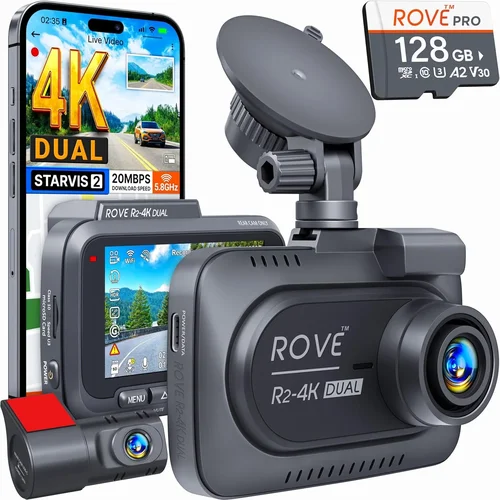
Complete Best Dash Cam Buying Guide for Lexus RX
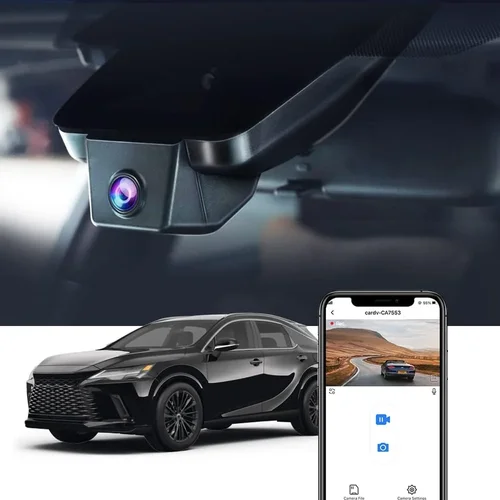
Why investing in the right dash cam for your Lexus RX matters more than you might think. As a luxury SUV with premium build quality and advanced safety features, your vehicle deserves protection that matches its standards. A high-quality dash cam serves as an objective witness to any incidents on the road, providing crucial evidence in insurance claims or legal disputes. Beyond accident documentation, modern dash cams offer peace of mind through real-time monitoring, parking surveillance, and recording capabilities that capture everything happening around your vehicle.
This comprehensive guide will walk you through everything you need to know about selecting the perfect dash cam specifically for your Lexus RX. You’ll learn about critical technical specifications, installation considerations unique to luxury vehicles, compatibility requirements, and how different features impact real-world performance. Whether you’re a first-time buyer looking for basic protection or an experienced user wanting advanced functionality, this guide provides expert insights to help you make an informed decision that protects both your investment and your driving experience.
The market for dash cameras has evolved dramatically over the past decade, transitioning from simple single-lens recorders to sophisticated multi-camera systems with AI-powered features. Today’s dash cams integrate seamlessly with smartphone connectivity, cloud storage, GPS tracking, and even driver assistance technologies. When shopping for a dash cam designed for your Lexus RX, you need to consider factors like interior space constraints, existing electronics integration, mounting locations, and how the device will work alongside your vehicle’s advanced driver assistance systems (ADAS). Understanding these nuances ensures you select a solution that enhances rather than interferes with your luxury driving experience.

What to Look for When Buying Dash Cams
1. Budget & Price Range
Before diving into specific models, establish your budget range. Entry-level dash cams typically cost between $50-$100 and provide basic 1080p recording with motion detection. Mid-range options ($100-$250) often include higher resolution recording (1440p), wider viewing angles, loop recording, and sometimes built-in GPS. Premium models ($250-$500+) feature dual cameras, night vision enhancement, parking mode, cloud connectivity, and professional-grade image processing. Luxury systems ($500+) may include multiple cameras, AI recognition, and integration with existing vehicle systems.
Consider your usage patterns when determining budget allocation. Occasional drivers might find adequate protection in mid-range options, while daily commuters and frequent travelers should invest in higher-end models with enhanced durability and advanced features. Remember that dash cams represent an ongoing investment—cheaper models may require replacement every 2-3 years due to wear and tear, while premium units can last 5+ years with proper care.
2. Performance Specifications
Resolution and frame rate directly impact video quality and evidence reliability. Most reputable dash cams offer at least 1080p at 30fps, but 1440p at 60fps provides significantly better detail and smoother motion capture. Higher frame rates are particularly valuable for capturing license plates clearly during fast-moving situations or emergency braking events.
Field of view (FOV) determines how much of your surroundings get recorded. Standard FOV ranges from 100-130 degrees horizontally, but wide-angle lenses (150-170 degrees) capture more peripheral information. However, ultra-wide angles can introduce fisheye distortion near edges—look for models with lens correction algorithms to minimize this effect.
Low-light performance is critical since most driving occurs during daylight hours, but accidents and incidents often happen at dawn, dusk, or nighttime. CMOS sensors with larger pixels and advanced noise reduction provide clearer images in dim conditions. Look for specifications mentioning “night vision,” “starlight technology,” or similar low-light enhancements.
Storage capacity and recording management require careful consideration. Most dash cams use microSD cards ranging from 32GB to 256GB. Calculate your needs based on recording duration: 32GB typically stores 4-6 hours of 1080p footage, while 256GB can hold 32-48 hours. Loop recording automatically overwrites oldest files when storage fills, ensuring continuous coverage without manual intervention.
3. Build Quality & Durability
Luxury vehicles like the Lexus RX demand components that match their construction standards. Premium dash cams feature robust metal housings, heat-resistant materials, and vibration-dampening mounts to withstand harsh automotive environments. Consider temperature ranges—operating temperatures typically span from -20°C to +70°C (-4°F to 158°F)—and ensure your chosen model performs reliably across seasonal extremes.
Waterproofing and dust resistance (often rated IPX rating) prevent moisture damage from rain, snow, or cleaning. Shock resistance protects against impacts during sudden stops or pothole encounters. Quality components like ceramic capacitors and high-grade PCBs extend operational life and reduce failure rates under constant vibration and temperature cycling.
4. Features & Functionality
Parking mode provides security when your vehicle is unattended. This feature requires either a hardwired connection (recommended) or battery backup to maintain recording during extended periods away from ignition. Motion detection and time-lapse modes optimize storage by only recording when movement occurs, though they may miss slow-moving incidents or subtle changes.
G-sensor technology automatically detects collision forces and locks relevant footage, preventing accidental deletion during loop recording cycles. Some advanced models include impact sensitivity adjustment, allowing customization based on expected acceleration/deceleration forces.
GPS tracking records location data and speed information, providing context for incident reconstruction. WiFi connectivity enables wireless file transfer and live viewing through companion mobile apps. Cloud storage services offer remote access to recordings and automatic backup, though they typically require subscription fees beyond initial purchase costs.
5. Brand Reputation
Established brands like BlackVue, Garmin, Thinkware, and Nextbase have invested heavily in research and development, resulting in reliable products backed by comprehensive warranties and customer support. Newer entrants may offer innovative features at competitive prices, but established manufacturers generally provide better long-term reliability and service networks.
Research independent reviews, professional testing results, and owner satisfaction surveys before committing to any brand. Check for consistency across product lines—some companies excel in entry-level offerings but struggle with premium models. Also verify warranty terms: reputable brands typically offer 1-3 year limited warranties covering manufacturing defects.
6. Warranty & Support
Comprehensive warranty coverage reflects manufacturer confidence in product quality. Look for minimum 1-year warranties with clear terms regarding covered defects and exclusions. Extended warranty options (2-3 years) provide added protection against unexpected failures.
Accessible customer support channels—including phone, email, and live chat—ensure timely resolution of technical issues or installation questions. Online resources like detailed installation guides, troubleshooting manuals, and community forums enhance self-service capabilities and reduce dependency on direct support.
7. Size & Portability
Compact designs fit discreetly within your Lexus RX’s cabin without obstructing visibility or interfering with airbag deployment zones. Ultra-thin profiles (under 1 inch thick) mount flush against windshields, reducing aerodynamic drag and visual distraction. Smaller form factors also accommodate limited dashboard space in luxury vehicles where interior design prioritizes aesthetics over component placement.
Portable models offer flexibility for multiple vehicles or temporary installations, though hardwired options provide more reliable operation and eliminate battery drain concerns associated with portable units requiring separate charging solutions.
8. User Reviews & Ratings
Real-world feedback from verified owners provides invaluable insights beyond manufacturer specifications. Pay attention to recurring themes in positive and negative reviews, particularly regarding reliability, ease of use, and compatibility issues specific to luxury vehicles like the Lexus RX.
Cross-reference multiple review sources to identify consensus opinions and avoid outliers that may reflect isolated experiences. Focus on recent reviews (within the past 12 months) to ensure relevance to current product versions and firmware updates.
Different Types of Dash Cams

Common Buying Mistakes to Avoid
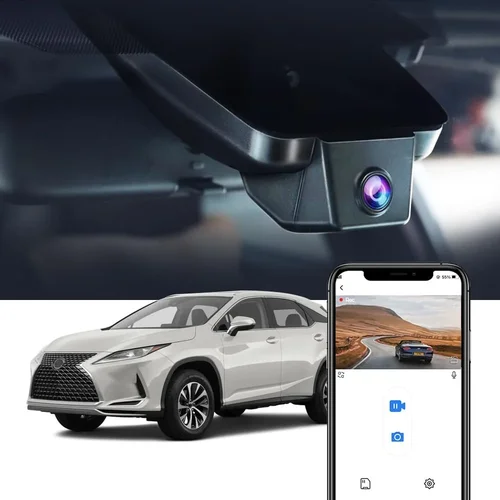
❌ Mistake: Ignoring Compatibility with Your Lexus RX Model Year
Why it’s bad: Installing an incompatible dash cam can lead to poor mounting options, electrical interference with your vehicle’s systems, or even voiding portions of your factory warranty. Different Lexus RX generations have varying dashboard layouts, available power outlets, and structural configurations that affect installation feasibility.
What to do instead: Research your specific RX model year and trim level before purchasing. Consult installation guides and compatibility charts provided by manufacturers. If uncertain, contact certified Lexus dealerships or professional installers familiar with aftermarket accessory integration.
❌ Mistake: Overlooking Parking Mode Requirements
Why it’s bad: Many buyers assume parking mode works immediately out of the box, but most require either a hardwired connection to your vehicle’s electrical system or an external battery pack. Without proper setup, parking surveillance won’t function, leaving your vehicle vulnerable during unattended periods.
What to do instead: Verify whether your chosen dash cam supports hardwiring or requires additional accessories for parking mode functionality. Factor in installation complexity and potential labor costs when comparing total ownership expenses across models.
❌ Mistake: Choosing Based Solely on Resolution Alone
Why it’s bad: While higher resolution sounds impressive, factors like sensor quality, lens optics, image stabilization, and compression algorithms significantly impact real-world video clarity. Some 4K-capable models actually perform worse than 1080p units due to inefficient encoding or poor low-light handling.
What to do instead: Review professional lab test results and sample videos from multiple lighting conditions. Prioritize consistent performance over maximum theoretical resolution. Look for reviews mentioning actual evidence quality rather than spec sheet numbers alone.
❌ Mistake: Neglecting Storage Management Features
Why it’s bad: Without proper loop recording configuration or file locking mechanisms, important evidence gets overwritten during normal operation. G-sensor sensitivity settings also critically affect which events get preserved versus those lost due to insufficient impact thresholds.
What to do instead: Understand how each model handles storage allocation and event preservation. Adjustable sensitivity settings allow customization based on expected driving conditions. Consider models with manual file locking buttons for critical moments requiring immediate retention regardless of motion detection parameters.
❌ Mistake: Underestimating Installation Complexity
Why it’s bad: DIY installation saves money but requires technical skill and specialized tools for routing wires through door panels and accessing fuse boxes safely. Poor installations risk damaging interior trim, creating rattles, or interfering with airbags—particularly problematic in luxury vehicles like the Lexus RX where cabin quality expectations are high.
What to do instead: Assess your mechanical aptitude honestly before attempting self-installation. Professional installation ensures proper wire routing, secure mounting, and integration with existing electrical systems while maintaining your vehicle’s resale value and warranty coverage.
❌ Mistake: Forgetting About Software Updates and Maintenance
Why it’s bad: Manufacturers frequently release firmware updates improving performance, adding features, or fixing bugs. Neglecting these updates leaves your dash cam operating suboptimally and potentially missing new capabilities or security patches essential for reliable operation.
What to do instead: Choose brands with regular update schedules and accessible download portals. Subscribe to manufacturer newsletters or join user communities to stay informed about upcoming improvements and maintenance requirements specific to your model.
Budget Guidelines: How Much Should You Spend?
Entry-Level Dash Cams ($50 – $120)
For occasional drivers seeking basic protection without significant investment, entry-level dash cams deliver adequate performance for everyday commuting. These models typically feature 1080p resolution, basic motion detection, and compact designs suitable for most vehicle interiors. Expect limited advanced features like GPS tracking or parking mode, though some budget-friendly options include essential functionality at surprisingly affordable price points.
When considering entry-level purchases, prioritize reliability over flashy extras. Look for established brands offering at least 1-year warranties and positive user feedback regarding consistent operation. Be prepared to upgrade sooner if you develop higher usage demands or encounter performance limitations during adverse weather conditions.
Mid-Range Dash Cams ($120 – $250)
This sweet spot represents the optimal balance between capability and affordability for most Lexus RX owners. Mid-range models typically offer 1440p recording, wider field-of-view lenses, built-in GPS, and reliable parking mode functionality when properly hardwired. Additional features may include WiFi connectivity, advanced night vision, and improved shock resistance compared to budget options.
Investing in mid-range equipment pays dividends through enhanced evidence quality, greater peace of mind, and compatibility with future technological advancements. Many premium features become standard in this category, making it ideal for drivers who appreciate quality craftsmanship without exceeding practical spending limits.
Premium Dash Cams ($250 – $500)
Luxury vehicle owners deserve corresponding protection levels, which explains why premium dash cams command higher price tags. These systems feature professional-grade components, sophisticated image processing algorithms, and extensive customization options catering to demanding users. Dual-lens configurations, cloud connectivity, AI-powered alerts, and military-grade durability justify the elevated costs for serious enthusiasts or those requiring maximum reliability.
Premium models often include exclusive features like voice control integration, automatic emergency notification systems, and priority customer support—benefits rarely found in lower-tier offerings. When your Lexus RX represents a significant financial and emotional investment, matching its protection standard makes perfect sense.
Luxury Dash Cams ($500+)
Ultra-premium dash cams target professional operators, fleet managers, and security-conscious individuals requiring absolute performance guarantees. These systems incorporate redundant storage solutions, industrial-grade housings, and cutting-edge analytics surpassing consumer expectations. Multi-camera arrays, real-time streaming capabilities, and enterprise-level management software enable comprehensive monitoring scenarios impossible with standard consumer devices.
While extravagant for personal use, luxury dash cams demonstrate how far the technology has advanced beyond basic recording needs. For those prioritizing uncompromising quality and anticipating future-proofing requirements, these investments deliver unmatched value despite substantial upfront costs.
Expert Tips for Getting the Best Deal
Timing Your Purchase Strategically
Major holidays like Black Friday, Cyber Monday, and Memorial Day weekend consistently offer steep discounts on electronics, including dash cams. Manufacturers often launch new models just before these sales events, making older inventory highly negotiable. Additionally, tax-free shopping days in certain states provide extra savings opportunities throughout the year.
Consider seasonal timing based on your climate needs—purchasing winter-specific models during summer clearance events maximizes value. Conversely, spring buyers benefit from discounted spring/summer equipment during autumn transitions.
Comparing Retailers and Buying Channels
Online marketplaces like Amazon, B&H Photo, and specialized automotive electronics retailers frequently undercut traditional brick-and-mortar stores. However, local auto parts shops may offer valuable installation services and immediate availability benefits unavailable through online ordering.
Always compare shipping costs and return policies when evaluating online deals versus in-store purchases. Some websites include free professional installation promotions that effectively reduce total acquisition costs below advertised retail prices.
Identifying Hidden Deals and Bundles
Manufacturers occasionally bundle complementary accessories like extra batteries, premium memory cards, or extended warranties at no additional charge during promotional periods. These packages increase perceived value while actually lowering per-unit costs compared to purchasing items separately.
Watch for “buy one get one” offers on related products like car vacuum cleaners or seat protectors. Joining manufacturer loyalty programs or subscribing to email newsletters often reveals subscriber-exclusive discounts unavailable to general shoppers.
Understanding Warranty Implications
Extended warranty options vary dramatically in actual value versus cost. Carefully evaluate what coverage each plan includes versus standard manufacturer warranties before committing to additional protection. Sometimes paying for professional installation instead of extended coverage yields better long-term benefits through guaranteed proper setup and maintenance.
Verify whether warranty repairs require original packaging or authorized service centers—some policies impose inconvenient restrictions that negate the convenience premium initially paid for extended coverage.
Evaluating Return Policies Thoroughly
Even with thorough research, physical dash cams present subjective quality assessments difficult to judge remotely. Comprehensive return policies (typically 30-60 days) allow testing under real-world conditions before final commitment. Ensure returned items must be in original condition including all packaging materials and documentation.
Avoid sellers with restrictive restocking fees or limited return windows unless accompanied by exceptionally compelling pricing advantages justifying the increased risk exposure.
Testing Before Committing
Whenever possible, visit local electronics stores carrying dash cam inventory for hands-on evaluation. Compare physical dimensions, button responsiveness, and overall build quality firsthand rather than relying solely on online product descriptions or third-party photography.
Request demonstration units showing sample footage quality under various lighting conditions. Ask knowledgeable staff about compatibility concerns specific to your Lexus RX model year and any common installation pitfalls worth avoiding.
Leveraging Trade-In Opportunities
If replacing an existing dash cam, inquire about trade-in programs offered by manufacturers or retailers. While not always substantial, these initiatives offset new purchase costs while responsibly disposing of old equipment according to electronic waste guidelines.
Some companies refurbish returned units for resale at significant discounts—an eco-friendly option combining cost savings with sustainable consumption practices.
Negotiating with Sellers
Don’t hesitate to request price adjustments when purchasing multiple accessories or accessories bundles. Even major retailers accustomed to fixed pricing may accommodate reasonable requests during competitive sales periods or when customers demonstrate comparable lower-priced alternatives discovered elsewhere.
Bring printed quotes from competing retailers as leverage during negotiations. Mentioning planned bulk purchases or repeat business intentions often encourages sellers to offer personalized deals unavailable through standard promotional channels.

Frequently Asked Questions
Q: Can I install a dash cam myself in my Lexus RX without professional help?
A: Yes, many dash cams come with comprehensive installation guides suitable for DIY enthusiasts with basic automotive knowledge. However, successful self-installation requires patience, proper tools, and understanding of your vehicle’s electrical system. Hardwiring for parking mode necessitates locating fuse boxes and routing wires safely through door panels—tasks challenging without prior experience. Professional installation ensures proper execution while preserving your vehicle’s interior integrity and warranty coverage.
Q: Will installing a dash cam interfere with my Lexus RX’s factory warranty?
A: Federal law protects consumers’ rights to modify vehicles without voiding warranties unless the modification directly causes damage. Dealerships cannot deny warranty claims solely because aftermarket accessories were installed unless they prove causation between the accessory and claimed defect. Always document professional installations and maintain receipts demonstrating proper installation procedures followed manufacturer specifications.
Q: What’s the best location to mount a dash cam in a Lexus RX?
A: The primary mounting position should be centered on the windshield, approximately two-thirds down from the top edge and aligned with your forward view. Avoid placing cameras near airbag deployment zones or reflective surfaces like mirrors or displays that could cause glare. Side mirror mounts work well for additional coverage but require compatible brackets and careful positioning to maintain optimal viewing angles without obstructing driver visibility.
Q: How often should I replace my dash cam’s memory card?
A: Memory card replacement frequency depends entirely on usage patterns and recording settings. Conservative estimates suggest 32GB cards suffice for daily 30-minute commutes with moderate loop recording intervals. Heavy users or those employing high-bitrate settings may need weekly replacements during peak usage months. Monitor storage utilization indicators built into dash cam interfaces and establish replacement routines based on actual capacity consumption rather than arbitrary timeframes.
Q: Do dash cams drain my Lexus RX’s battery?
A: Modern dash cams consume minimal power—typically less than 2 watts during active recording and 0.5 watts during standby/parking mode. When properly hardwired using appropriate fuses and wiring harnesses, integrated systems draw power only when your vehicle’s ignition activates. However, improperly connected units or faulty wiring can create parasitic drains causing noticeable battery depletion over several days. Always verify connections using multimeters or consult professional installers for complex electrical integrations.
Q: Are dash cam recordings admissible as evidence in court?
A: Generally yes, provided recordings meet evidentiary standards regarding authenticity, chain of custody, and relevance. Courts typically accept dash cam footage as objective documentation supporting or refuting claims made by involved parties. Properly maintained recordings with accurate timestamps and unaltered content carry significant weight during liability determinations. Consult legal professionals specializing in traffic law regarding jurisdiction-specific requirements and presentation protocols before relying on dash cam evidence in formal proceedings.
Q: How do I choose the right field of view for my Lexus RX?
A: Optimal field of view balances comprehensive coverage with acceptable distortion levels. Standard 120-140 degree horizontal angles capture sufficient roadway context without excessive fisheye effects compromising detail recognition. Wider lenses (150+ degrees) suit urban environments with narrow streets but may distort curb markings and lane boundaries important for accident reconstruction. Test different FOV settings during varied driving conditions to determine personal preferences matching your typical routes and environmental challenges.
Q: Can multiple dash cams work together in my Lexus RX?
A: Yes, advanced systems support cascading configurations combining front, rear, and interior cameras into unified recording platforms. Centralized control units synchronize multiple devices while consolidating storage management and playback functions through single interfaces. Integration complexity increases with additional cameras, requiring compatible hardware/software ecosystems and sufficient processing power to handle concurrent recording streams without dropped frames or synchronization errors.
Q: What maintenance does my dash cam require?
A: Routine maintenance includes monthly lens cleaning using microfiber cloths and occasional memory card formatting to preserve recording efficiency. Firmware updates delivered via manufacturer websites or mobile apps enhance performance and add features over time. Periodic inspection of mounting hardware ensures continued secure attachment despite vibration exposure. Professional servicing may be necessary annually for hardwired installations requiring electrical system checks or component replacements beyond basic troubleshooting.
Q: Should I invest in cloud-connected dash cams for my Lexus RX?
A: Cloud connectivity adds convenience through remote viewing and automatic backups but introduces privacy considerations and ongoing subscription costs. Evaluate personal comfort levels with data transmission practices and assess whether real-time monitoring benefits outweigh potential security vulnerabilities. For most private vehicle owners, local storage combined with periodic manual transfers offers adequate protection without exposing sensitive location information to third-party servers.
Our Final Recommendations
Best for Budget-Conscious Buyers
For Lexus RX owners seeking essential protection without overspending, the Viofo A119 V3 delivers exceptional value with its reliable 2K QHD recording, impressive 140-degree field of view, and robust build quality typically found in mid-range competitors. This single-lens front camera provides crystal-clear footage suitable for insurance documentation while maintaining compatibility with most vehicle interiors through universal suction cup mounting.
The A119 V3’s intuitive interface and straightforward installation process make it accessible to novice users while delivering performance exceeding expectations for its price point. With comprehensive warranty coverage and positive owner feedback regarding longevity, this model represents the perfect entry point for those wanting dependable dash cam protection without sacrificing reliability or evidence quality.
Best Overall Value
The BlackVue DR970X-2CH stands as the undisputed champion among dual-lens systems, offering professional-grade performance through its stunning 4K front camera paired with Full HD interior recording. Advanced features like built-in Wi-Fi, GPS tracking, and cloud connectivity integrate seamlessly with BlackVue’s award-winning smartphone apps, enabling remote monitoring and effortless file management.
What truly sets this system apart is BlackVue’s reputation for exceptional reliability and responsive customer support—critical factors when protecting your valuable Lexus RX investment. The DR970X-2CH’s ability to simultaneously capture both exterior surroundings and cabin activities provides comprehensive situational awareness unmatched by single-lens alternatives, making it the ideal choice for discerning drivers prioritizing both capability and peace of mind.
Best Premium Option
For those desiring ultimate protection matching their luxury vehicle status, the Thinkware U1000 delivers industry-leading performance through its 4K recording capability, superior low-light imaging, and innovative Super Night Vision II technology. Dual-channel recording captures both front and rear perspectives with remarkable clarity, while advanced driver assistance features like collision warning and lane departure alerts enhance safety beyond basic recording functions.
Thinkware’s premium build quality and German engineering excellence justify the higher price tag for serious enthusiasts or those requiring maximum evidence reliability. The U1000’s sophisticated software ecosystem includes customizable alert settings, remote parking monitoring, and seamless integration with Thinkware’s mobile applications—features rarely found in competing premium models.
Best for Beginners
New to dash cam technology? The Garmin Dash Cam 67W offers approachable simplicity without sacrificing quality. Its compact design fits unobtrusively within most vehicle cabins, while automatic incident detection and pre-recording buffers ensure crucial moments aren’t missed. The included voice control feature allows hands-free operation during challenging driving conditions.
Garmin’s renowned customer service and extensive online resources simplify setup and troubleshooting for first-time users. With reliable 1440p recording, built-in GPS, and convenient mobile app connectivity, the Dash Cam 67W provides all essential features in an easy-to-use package perfect for getting started with dash cam technology.
Best for Advanced Users
Power users and tech enthusiasts will appreciate the Nextbase 622GW‘s cutting-edge capabilities including Alexa voice control, emergency SOS assistance, and advanced parking monitoring. The 4K recording quality surpasses most competitors while maintaining excellent low-light performance through innovative HDR technology and intelligent image stabilization.
Nextbase’s Smart Dashboardcam platform integrates seamlessly with smartphones and tablets, enabling advanced customization and remote management previously unavailable in consumer dash cams. For Lexus RX owners wanting the absolute latest technology with future-proof features, the 622GW represents the pinnacle of current dash cam innovation.
Conclusion: Making the Right Choice
Selecting the perfect dash cam for your Lexus RX requires balancing technical specifications, budget considerations, and personal priorities. Remember that your investment represents more than just equipment—it’s about protecting your vehicle, your finances, and your peace of mind behind the wheel. By understanding how different features impact real-world performance and aligning choices with your specific driving habits and lifestyle needs, you’ll find the ideal solution matching your expectations.
Whether you prioritize basic protection or desire cutting-edge technology, the market now offers options accommodating every budget and requirement. Take time to research thoroughly, consult professional installers when needed, and don’t rush decisions involving your valuable vehicle investment. Your Lexus RX deserves nothing less than comprehensive protection matching its premium status and your own commitment to safe, confident driving.
With proper selection and installation, your dash cam will serve as an invisible guardian watching over your journeys, ready to provide objective evidence whenever needed while adding layers of security during daily commutes and extended travels. Make your choice wisely—your future self will thank you for taking the time to select the right dash cam for your beloved Lexus RX.