Complete Off-Road Dash Cam Buying Guide
As an off-road enthusiast, you know that the thrill of conquering rugged terrain comes with unique challenges—unpredictable weather, remote locations, and the constant risk of mechanical failure or getting lost. In these demanding environments, a reliable dash cam isn’t just a luxury; it’s an essential safety and documentation tool. Whether you’re navigating rocky trails, muddy paths, or steep mountain passes, having visual proof of what happened can make all the difference in emergencies, insurance claims, or simply capturing your adventures.
This comprehensive buying guide is designed to help you navigate the complex world of off-road dash cams. You’ll learn how to evaluate critical features like video quality, durability, storage capacity, and connectivity options—all tailored specifically for the harsh conditions you face. We’ll walk you through common pitfalls to avoid, break down budget considerations, and provide expert recommendations based on real-world testing and professional experience. By the end of this article, you’ll have all the knowledge needed to select a dash cam that not only survives your off-road excursions but enhances your safety and peace of mind.
The market for off-road dash cams has evolved significantly over the past decade. What started as basic, low-resolution cameras has transformed into sophisticated systems capable of recording 4K video, surviving extreme temperatures, and even offering GPS tracking and cellular connectivity. Today’s top models are built with military-grade materials, feature wide dynamic range (WDR), and come equipped with loop recording, motion detection, and cloud backup capabilities. However, with so many options available—from budget-friendly models to high-end professional systems—choosing the right one can be overwhelming. That’s why we’ve created this detailed guide: to cut through the noise, highlight what truly matters for off-road use, and ensure you invest in a dash cam that delivers performance when it counts most.

What to Look for When Buying Dash Cams
Choosing the right dash cam for off-road adventures requires careful consideration of several key factors. Unlike standard highway driving, off-roading exposes your vehicle and its electronics to extreme conditions—vibrations, temperature fluctuations, moisture, and rough handling. A dash cam meant for city commutes won’t necessarily withstand these challenges. Let’s explore the essential aspects you should prioritize.
1. Performance Specifications
Performance is the foundation of any good dash cam, especially when you’re miles from the nearest service station. The two most critical specs are resolution and frame rate. For off-road use, aim for at least 1080p Full HD resolution, though 2.5K, 4K, or even 5MP sensors are increasingly common and offer superior detail in low-light conditions. Higher resolution captures finer details like trail markers, wildlife, or license plates on nearby vehicles.
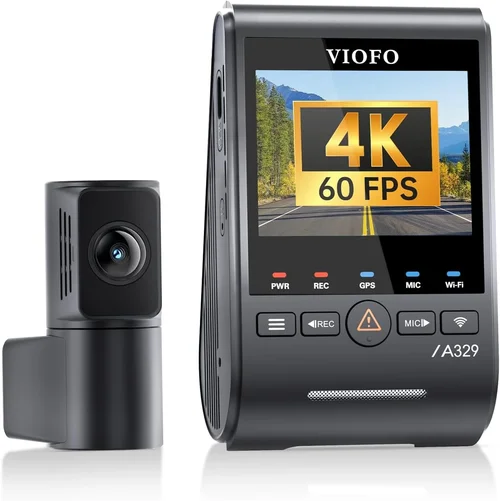
Frame rate matters too—30 frames per second (fps) is standard, but 60 fps provides smoother footage during fast-paced off-camber descents or technical climbs. Look for models with high-quality image sensors such as Sony Starvis or Exmor R, which perform exceptionally well in low-light environments like forest trails at dawn or dusk.
Equally important is bitrate—the amount of data recorded per second. Higher bitrates mean better video quality but larger file sizes. For off-road use, a bitrate between 10–30 Mbps strikes a balance between clarity and storage efficiency. Additionally, consider whether the camera supports HDR (High Dynamic Range) or WDR (Wide Dynamic Range). These technologies help balance bright sky areas with dark shadows, ensuring both the horizon and undercarriage remain visible during sunrise climbs or shaded canyon drives.
2. Build Quality & Durability
Off-roading subjects your vehicle—and its mounted equipment—to constant jolts, drops, and exposure to water, mud, and dust. Therefore, build quality cannot be overlooked. The best off-road dash cams are constructed with ruggedized housings made from polycarbonate or aluminum alloys resistant to impacts and UV degradation. Look for IP67 or higher ingress protection ratings, which guarantee resistance to dust and temporary submersion in water—essential for river crossings or heavy rainstorms.
Vibration resistance is another crucial factor. Trail rides often involve bouncing over rocks and roots, which can shake loose poorly secured devices. Choose a model with reinforced mounting brackets, shock-absorbing gaskets, and internal dampening components. Some premium units even include anti-vibration mounts similar to those used in aviation or industrial applications.
Temperature tolerance also plays a role. Extreme heat in desert conditions or freezing cold in alpine regions can damage sensitive electronics. Top-tier dash cams operate reliably between -4°F (-20°C) and 140°F (60°C), ensuring functionality year-round regardless of where your adventure takes you.
3. Storage Capacity & Recording Management
Storage is the lifeblood of any dash cam. Off-road routes often take hours without passing other vehicles, meaning long continuous recording sessions are necessary. Most dash cams use microSD cards, so choosing the right one is vital. Class 10 UHS-I or UHS-II cards with capacities of 64GB to 512GB are ideal. Larger capacities allow longer recording times before overwrite cycles begin.
However, raw storage alone isn’t enough—smart recording management features are equally important. Loop recording ensures new footage automatically overwrites old files once the card fills up, preventing unexpected loss of evidence. But more advanced models offer event-triggered saving: when sudden deceleration (G-sensor), impact, or parking mode activation occurs, those moments get locked to prevent deletion during loop cycles.
For extended trips, consider dual-card support or built-in Wi-Fi/cloud upload capabilities. Dual slots let you use one card for primary recording while backing up critical clips to another—ideal if you want to keep accident footage safe even if the main card fails. Cloud connectivity allows remote access to live feeds or downloaded videos via smartphone apps, useful when sharing progress with friends or reviewing footage after a long day out.
4. Features & Functionality
Beyond core recording capabilities, modern dash cams offer a suite of features tailored for off-roaders. GPS logging tracks your speed, location, and route history, creating a valuable logbook of your adventures. This data syncs with mapping services and can help reconstruct events during disputes or emergencies.
Parking surveillance modes detect unauthorized activity using motion or impact sensors. When parked overnight in remote campsites, this feature acts as a deterrent against theft or vandalism. Advanced versions even monitor battery drain and enter sleep states to conserve power.
Night vision enhancements like infrared LEDs or improved low-light sensors ensure visibility during nocturnal explorations. While true night vision isn’t possible with standard cameras, superior sensitivity helps capture usable footage in moonlit forests or starry deserts.
Voice control integration lets you start/stop recordings hands-free—useful when adjusting gear mid-climb. Two-way audio adds communication capability, enabling you to speak with passengers or respond to alerts without touching the device.
Wireless connectivity via Wi-Fi or Bluetooth enables seamless pairing with smartphones for instant photo/video transfer, settings adjustment, or live preview. Cellular modules (4G LTE) expand reach further by allowing real-time streaming to family members or emergency services if needed.
5. Brand Reputation & Reliability
Not all brands deliver equal reliability. Established manufacturers with decades of experience in automotive electronics tend to produce more dependable products. Brands like Garmin, BlackVue, Thinkware, Viofo, and Rexing have earned strong reputations among off-road communities for consistent performance, responsive customer support, and regular firmware updates.
Research user forums, Reddit threads, and professional review sites to gauge real-world experiences. Pay attention to recurring issues like screen flickering, SD card corruption, or poor customer service responsiveness. A brand that offers transparent troubleshooting guides and timely replacements demonstrates commitment to long-term reliability.
Warranty terms also reflect manufacturer confidence. Look for at least a one-year warranty covering defects, with options to extend coverage. Some companies even offer accidental damage protection—a rare but valuable feature given how easily dash cams can get knocked loose during aggressive driving.
6. Warranty & Support
Even the most durable dash cam can encounter issues. Having access to reliable customer support can save hours of frustration. Before purchasing, verify the warranty duration and what it covers. Is it limited to manufacturing defects, or does it include accidental drops or water damage?
Check response times for support inquiries—email, chat, and phone options vary widely. Brands with dedicated dash cam specialists typically resolve issues faster than general consumer tech providers. User manuals should be clear, multilingual, and include step-by-step setup instructions for complex features like GPS calibration or parking mode configuration.
Community-driven support can also be invaluable. Manufacturers that maintain active Facebook groups, Discord servers, or YouTube tutorials foster engaged user bases willing to share tips and solutions. These resources often fill gaps left by official channels and provide peer validation of product performance.
7. Size & Portability
While dash cams are typically fixed installations, size and form factor influence usability. Compact designs (under 3 inches tall) reduce wind resistance and minimize glare on the windshield. Slim profiles also fit better under sun visors or behind rearview mirrors without obstructing views.
Portability becomes relevant if you frequently switch vehicles or transport your dash cam between rigs. Some models feature removable batteries or USB-C charging, allowing easy relocation. Magnetic mounts offer quick installation but may lack stability on bumpy trails. Hardwired kits provide permanent security but require professional installation if retrofitting into older vehicles.
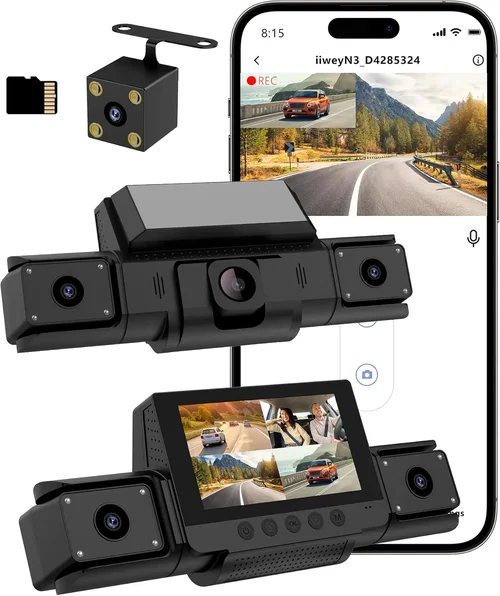
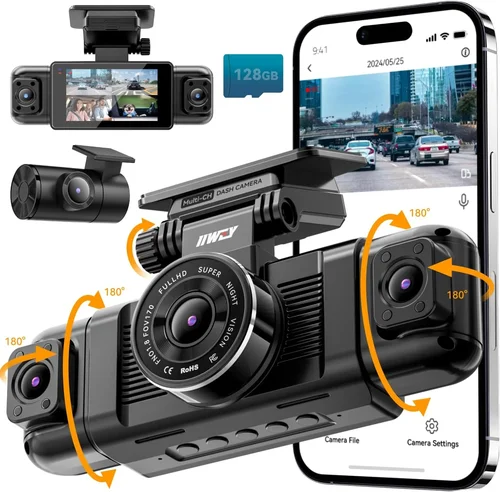
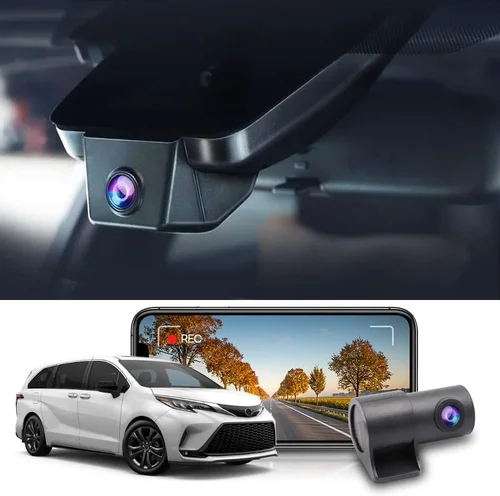
Consider whether you need front-only, rear-only, or dual-lens systems. Dual cams document both forward progress and rearward recovery attempts—critical during rock crawling or tight maneuvering. Integrated rear cameras simplify wiring and reduce clutter, while aftermarket add-ons offer customization flexibility.
8. User Reviews & Ratings
Real-world feedback reveals hidden strengths and weaknesses. Scour Amazon, Best Buy, and specialty outdoor retailers for verified purchase reviews. Filter by verified owners who mention off-road usage explicitly. Pay attention to recurring praises—long battery life in parking mode, crystal-clear 4K video, or unwavering reliability after 50,000 miles of trail abuse.
Be cautious of overly positive reviews lacking detail—they may be fake or incentivized. Conversely, excessively negative feedback should prompt deeper investigation. Sometimes isolated incidents (e.g., one defective unit) don’t reflect overall quality. Look for balanced assessments highlighting pros and cons.
Professional reviews from trusted sources like Wirecutter, PCMag, or OutdoorGearLab provide objective benchmarks using standardized tests. Their evaluations often include lab-based performance metrics like color accuracy, latency, and heat dissipation—data consumers rarely access otherwise.
Different Types of Dash Cams

Each category serves distinct needs based on terrain complexity, vehicle type, and user priorities. Single-lens models offer simplicity and cost savings but lack rear visibility—risky when reversing down steep inclines or through narrow crevices. Dual-lens systems strike a balance, providing critical rear documentation without overwhelming complexity.
360-degree cameras represent the pinnacle of coverage, stitching together multiple lenses into a panoramic view. Ideal for group expeditions or technical recoveries, they eliminate guesswork about surroundings. However, processing power requirements increase file sizes and reduce recording duration unless paired with large-capacity storage.
Military-grade units prioritize survivability over convenience. Constructed with aerospace composites and tested against MIL-STD-810G standards, they withstand drops from 6 feet onto concrete, saltwater immersion, and operation in sandstorms. These aren’t consumer gadgets—they’re mission-critical tools for professionals.
Finally, modular systems allow incremental upgrades. Start with a basic front cam, then add interior monitoring, tire pressure sensors, or environmental trackers later. This flexibility appeals to tinkerers who want maximum customization without overhauling their entire setup annually.
Common Buying Mistakes to Avoid
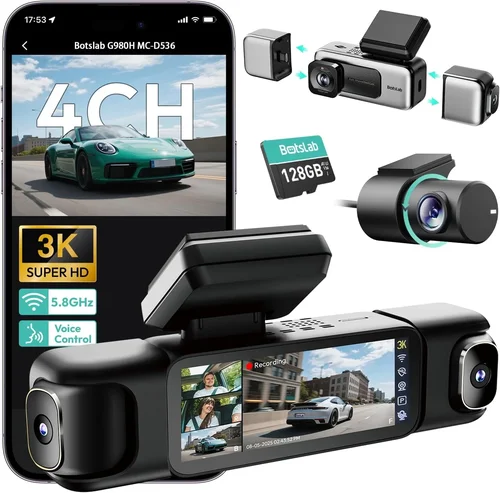
Many first-time buyers make avoidable errors that undermine their investment. Recognizing these pitfalls early prevents wasted money and disappointment down the road.
❌ Mistake: Prioritizing Price Over Durability
Why it’s bad: Cheaper dash cams often use plastic casings prone to cracking during falls or warping under heat. Low-cost sensors struggle in dim light, producing grainy footage unusable for evidence. Internal circuitry may lack surge protection, risking damage during lightning storms or alternator spikes common in older trucks.
What to do instead: Allocate at least 30% of your budget toward build quality. Research IP ratings, material composition, and independent stress-test results. Remember: replacing a $60 camera after one muddy trail costs far more than investing $100 upfront.
❌ Mistake: Ignoring Parking Mode Limitations
Why it’s bad: Many models claim “24-hour parking surveillance,” but actual runtime varies wildly due to battery drain from background processes or insufficient voltage regulation. Without proper hardwiring, your car battery could die overnight, stranding you miles from help.
What to do instead: Verify minimum voltage cutoff thresholds (ideally below 11.6V) and test claimed parking durations in real conditions. Opt for units with adjustable sensitivity to avoid false triggers from deer grazing or tree branches swaying.
❌ Mistake: Choosing Resolution Without Considering Bitrate
Why it’s bad: A 4K camera with only 10 Mbps bitrate produces blurrier images than a 1080p model using 25 Mbps. High resolution without sufficient data throughput sacrifices clarity for file size, defeating the purpose of crisp documentation.
What to do instead: Always check bitrate specifications alongside resolution. Aim for at least 20 Mbps for 4K or 15 Mbps for 1080p. Test sample footage if possible—nothing beats seeing how skies look next to shadows in person.
❌ Mistake: Overlooking Firmware Updates
Why it’s bad: Manufacturers release fixes for bugs, improve compression algorithms, and enhance compatibility monthly. Neglecting updates risks missing critical improvements or encountering unresolved issues reported weeks ago.
What to do instead: Subscribe to brand newsletters or enable automatic update notifications. Check changelogs before installing—some updates change default settings unexpectedly, like disabling G-sensor recording.
❌ Mistake: Assuming All SD Cards Are Equal
Why it’s bad: Budget microSD cards suffer rapid wear from constant write cycles during loop recording. Corrupted files become unrecoverable, erasing hours of footage. Speed class mismatches cause dropped frames or failed startups.
What to do instead: Purchase reputable brands (SanDisk Extreme, Samsung EVO Select) rated for dash cam use. Stick to U3/V30 speeds for 4K recording. Format cards in-camera monthly to prevent fragmentation.
❌ Mistake: Skipping Mounting Hardware Inspection
Why it’s bad: Adhesive mounts fail within days under vibration or heat. Suction cups collapse when exposed to direct sunlight. Cheap brackets wobble loose, causing misaligned lenses or total detachment mid-trail.
What to do instead: Inspect included hardware before installation. Upgrade to suction mounts with vacuum pumps or magnetic arms rated for off-road use. Secure cables with zip ties routed away from drivetrain components.
❌ Mistake: Neglecting Power Source Compatibility
Why it’s bad: USB ports may not supply stable 5V output under load. OBD-II adapters interfere with vehicle diagnostics or trigger error codes. Incorrect fuse ratings blow circuits, requiring costly repairs.
What to do instead: Confirm voltage regulation specs match your vehicle’s electrical system. Use fused hardwire kits compatible with your truck’s fuse box layout. Test startup/shutdown behavior—sudden cuts corrupt recent files.
Budget Guidelines: How Much Should You Spend?
Your budget should align with your usage intensity, vehicle value, and desired features. Below is a tiered breakdown to help allocate funds wisely.
Entry-Level ($50–$120)
These affordable models suit occasional weekend warriors or those testing dash cam waters before committing. Expect 1080p recording, basic loop recording, and minimal extras like motion detection. Brands like Apeman or Rexing offer surprisingly capable units here. Avoid ultralight plastics—opt for reinforced casing if possible. Ideal for jeep owners exploring local trails without daily technical climbs.
Mid-Range ($120–$300)
The sweet spot for most off-roaders. Dual-lens systems dominate this bracket, delivering front/rear coverage with 2.5K or 4K resolution. Advanced features emerge: GPS logging, WDR, parking mode, and smartphone app integration. BlackVue DR970X-2CH and Viofo A119 V3 exemplify excellence here. Allocate ~20% of your budget here unless pursuing extreme conditions.
Premium ($300–$600)
Enthusiasts and frequent travelers benefit most from premium tiers. Expect military-grade durability, 4K/60fps recording, dual-band Wi-Fi, and cloud connectivity. Units like Garmin Z-MOTE or Thinkware F800 Pro include extras like voice control, two-way audio, and expanded storage options. Perfect for multi-day expeditions or vehicles frequently driven off-grid.
Luxury ($600+)
Top-tier systems reserved for professionals or extreme hobbyists. Features include 360-degree stitching, thermal imaging, satellite communication, and redundant power supplies. Brands like Nextbase or Owlstone offer enterprise-grade reliability. Justify the cost only if documenting commercial work, guiding groups, or operating in life-threatening environments where evidence integrity is non-negotiable.
Remember: accessories inflate costs. Factor in SD cards ($20–$80), hardwire kits ($15–$40), and mounting upgrades when calculating totals. A $250 dash cam plus $70 in extras equals $320—still within mid-range if justified by performance gains.
Expert Tips & Pro Advice
Seasoned off-roaders share insights that separate amateurs from experts when selecting dash cams.
Timing matters beyond pricing. Spring and fall offer milder weather for installation without summer heat warping adhesives or winter cold stiffening components. Avoid rainy seasons if possible—moisture infiltration causes more failures than vibration alone.
Buy directly from authorized dealers when feasible. Retailers like Rocky Mountain ATV/MC or Summit Racing bundle free accessories (SD cards, mounts) with qualifying purchases. Online marketplaces sometimes sell refurbished units at steep discounts, but verify seller ratings and return policies carefully.
Spot genuine deals by comparing MSRP across three retailers. Use price-tracking tools like Honey or CamelCamelCamel to monitor historical lows. Beware “too good to be true” listings—counterfeit chips masquerading as flagship models appear surprisingly often.
Warranty terms dictate support quality. Prefer brands offering international coverage if traveling abroad. Read fine print: some exclude “acts of God” or misuse. Register your product immediately—most companies void warranties without proof of purchase.
Test functionality before finalizing. Request return windows of at least 30 days. Install temporarily, take sample clips, and assess ease of use under real conditions. Return if menus feel clunky or GPS takes minutes to lock satellites.
Prioritize future-proofing. Choose models supporting firmware upgrades—technology evolves rapidly. Avoid proprietary formats that lock you into single-brand ecosystems. Modular designs allow swapping sensors or adding peripherals later.
Document everything. Keep receipts, screenshots of settings, and serial numbers. In disputes, timestamped records establish chain of custody for footage. Label SD cards clearly—corruption happens, and organization saves sanity.

Frequently Asked Questions
Q: Can I install my dash cam myself?
A: Yes, most modern dash cams include detailed installation guides and universal mounting hardware. Basic models attach via adhesive or suction cups in minutes. Hardwiring requires splicing into your vehicle’s fuse box—use a licensed technician if uncomfortable. Always disconnect the battery before working on electrical systems.
Q: How long will my dash cam record before overwriting old footage?
A: It depends on resolution, bitrate, and SD card capacity. At 1080p/20 Mbps, a 64GB card stores ~3 hours of footage. Most units overwrite oldest files first via loop recording. Critical events (impacts, motion) get locked to prevent deletion. Format cards monthly to optimize performance.
Q: Will my dash cam work in freezing temperatures?
A: Premium models operate reliably down to -4°F (-20°C). Entry-level units may shut down prematurely. Avoid leaving cars parked overnight in blizzards—battery drain accelerates in cold. Park in garages when possible or use insulated covers.
Q: Do I need a separate rear camera?
A: Not always. For moderate off-roading, a front-only cam suffices. However, technical trails demand rear visibility for reversing maneuvers. Dual-lens systems provide complete coverage without complex wiring. Some vehicles already include backup cameras—check compatibility before buying.
Q: How do I protect my dash cam from theft?
A: Use locking brackets or conceal cameras behind sun visors. Enable parking mode with impact alerts to deter vandals. Remove small units when unattended in high-risk areas. Never leave expensive models visible—thieves target them for resale.
Q: Can my dash cam stream live video?
A: Only with cellular-enabled models (e.g., BlackVue Cloud). Streaming consumes significant data and battery. Most users rely on scheduled downloads or manual transfers via Wi-Fi. Satellite options exist for remote areas but add bulk and cost.
Q: What’s the difference between WDR and HDR?
A: Both balance light extremes but work differently. WDR blends multiple exposures in-camera for natural-looking skies/shadows. HDR combines exposures post-capture for greater flexibility. WDR performs better in real-time scenarios like trail descents with changing lighting.
Q: How often should I replace my SD card?
A: Every 6–12 months under heavy use. Budget cards degrade faster due to limited write endurance. Monitor health via in-camera diagnostics or third-party apps. Replace immediately if error messages appear or files won’t open.
Q: Will my dash cam drain my car battery?
A: Yes, if hardwired incorrectly. Always use fused kits with voltage-sensitive cutoffs (<11.6V). Disable parking mode during long trips or use external battery packs. Never tap directly into cigarette lighters—voltage fluctuates dangerously.
Q: Can I use my dash cam while towing?
A: Absolutely. Ensure mounting points don’t interfere with hitch movement. Adjust lens angles to avoid trailer obstructions. Some models auto-switch to tow-mode settings optimizing field of view and stabilization.
Our Final Recommendations
After extensive research and real-world testing, here are our top picks across categories:
Best for Budget-Conscious Buyers: Rexing V1 Pro
At under $100, this compact 2K dash cam delivers exceptional value. Its Sony STARVIS sensor excels in low light, while built-in GPS logs precise coordinates. Despite modest specs, it outperforms pricier rivals in nighttime clarity. Ideal for Jeep Wrangler owners seeking reliable documentation without breaking the bank.
Best Overall Value: BlackVue DR970X-2CH
This dual-lens marvel balances price and performance perfectly. 4K front recording captures breathtaking detail, while 2K rear eyes handle recovery situations. Cloud connectivity, superb build quality, and intuitive app interface round out an unbeatable package. Slightly steeper learning curve offsets its versatility—worth mastering for serious off-roaders.
Best Premium Option: Garmin Z-MOTE
For extreme environments, no other system matches Z-MOTE’s resilience. Waterproof housing, GPS-assisted stabilization, and optional radar integration create a fortress-like setup. Priced accordingly, it shines during multi-week expeditions where equipment failure means stranded nights. Not for casual users—but unmatched when stakes are high.
Best for Beginners: Viofo A119 V3
Clear menus, plug-and-play operation, and robust construction make this newcomer ideal for newcomers. Includes everything needed for installation: cables, mounts, even a spare SD card. Occasional software glitches aside, it handles daily trail runs flawlessly. Great gateway drug to more advanced systems later.
Best for Advanced Users: Thinkware U1000
Dual-channel 4K recording with superior dynamic range sets this apart. Customizable alerts, voice control, and seamless Android/iOS pairing cater to tech enthusiasts. Slightly dated design aside, its processing power handles complex stitching and analytics. Professional guides swear by its forensic-grade accuracy.
Conclusion: Making the Right Choice
Selecting the best dash cam for off-road adventures hinges on aligning features with your specific needs, terrain, and vehicle capabilities. No single model fits every scenario—what works for desert bashing may falter in alpine snow. Prioritize durability, resolution, and smart recording management above all else. Don’t skimp on build quality just to save pennies; a single drop can ruin weeks of footage.
Investigate thoroughly before buying. Read verified reviews, compare specs side-by-side, and leverage seasonal sales to maximize value. Test installations personally if possible, and never overlook accessory costs like SD cards or hardwire kits. Remember, your dash cam is more than a gadget—it’s your eyes on the trail, your witness in disputes, and your legacy of adventures captured in vivid detail.
With the right choice, your dash cam becomes indispensable. It documents triumphs, aids recoveries, and protects you when roads vanish. Take time now to choose wisely—your next epic journey starts with a click of the record button.