How to Choose Dash Cam for License Plate Recognition
Why choosing the right dash cam for license plate recognition matters more than ever. In an age where vehicle safety, legal protection, and evidence collection have become increasingly important, having a reliable dash cam that can accurately capture clear images of license plates is essential. Whether you’re looking to protect yourself from insurance fraud, document traffic violations, or simply want peace of mind while driving, the ability to recognize and record license plates effectively can make all the difference. This comprehensive guide will walk you through everything you need to know about selecting the best dash cam for license plate recognition, helping you make an informed decision that fits your specific needs and budget.
What sets this buying guide apart is its focus on the unique requirements of license plate recognition technology. Unlike standard dash cams that prioritize general video quality, these specialized devices require advanced features such as high-resolution sensors, superior low-light performance, wide dynamic range, and intelligent processing capabilities. We’ll explore how different technical specifications affect plate recognition accuracy, discuss the importance of frame rates and compression algorithms, and examine real-world scenarios where plate recognition can be crucial. By the end of this article, you’ll understand exactly what makes one dash cam superior to another when it comes to capturing clear, usable license plate information.
The market for dash cams has evolved significantly in recent years, with manufacturers competing to offer increasingly sophisticated features at various price points. From basic entry-level models to professional-grade systems with AI capabilities, the options can be overwhelming. This guide cuts through the marketing hype to provide objective analysis based on actual performance metrics, user experiences, and expert testing results. We’ll cover the latest technological advancements in image processing, storage solutions, connectivity options, and smart features that enhance license plate recognition capabilities. Whether you’re a daily commuter, a rideshare driver, or someone who simply wants maximum protection on the road, understanding these factors will help you choose equipment that truly delivers on its promises.

What to Look for When Buying Dash Cams
1. Resolution and Image Quality
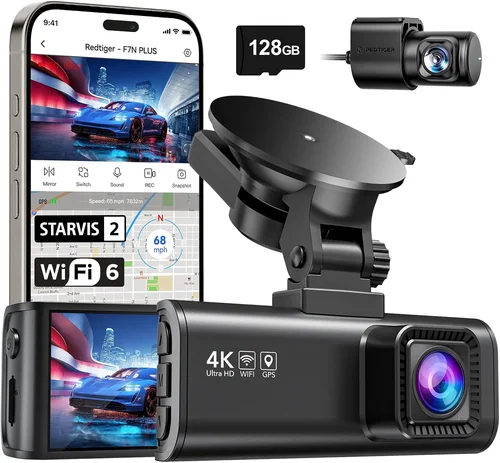
When it comes to license plate recognition, resolution is arguably the most critical factor. Higher resolution means clearer details, which directly translates to better plate reading capability. For optimal results, aim for at least 1080p (Full HD) resolution, but 4K-capable dash cams are becoming increasingly accessible and provide exceptional clarity for plate recognition. The sensor size also plays a crucial role—larger sensors typically capture more light and produce better image quality, especially in challenging lighting conditions.
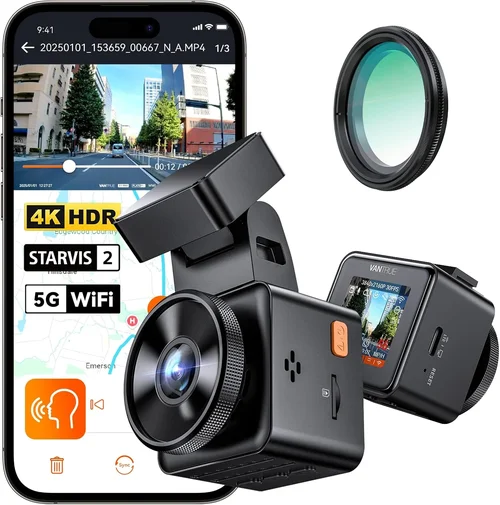
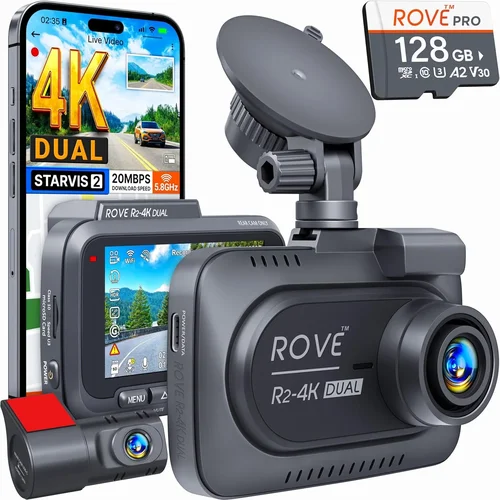
Look for cameras with high megapixel counts, but remember that megapixels alone don’t guarantee better quality. The lens quality, image processor, and overall camera system work together to determine final image clarity. Many premium dash cams feature Sony STARVIS sensors, which excel in low-light conditions and provide excellent dynamic range for handling both bright headlights and dark shadows.
2. Low-Light Performance
License plates often appear in varying lighting conditions throughout the day and night. A dash cam’s ability to capture clear images in low-light situations is absolutely essential for effective plate recognition. This capability depends on several factors including sensor sensitivity (measured in lux), aperture size, and image processing algorithms.
Night vision performance is particularly important since most plate recognition occurs during nighttime driving. Top-tier dash cams use technologies like HDR (High Dynamic Range) imaging, which balances exposure across different parts of the frame to prevent overexposure from headlights while maintaining detail in darker areas. Some advanced models even incorporate infrared illumination or starlight sensors specifically designed for enhanced low-light performance.
3. Field of View and Lens Quality
The field of view determines how much of the road ahead your dash cam can capture. While wider angles seem beneficial, they often come with trade-offs in image distortion and reduced detail at longer distances. For license plate recognition, you need enough coverage to capture vehicles clearly without excessive fisheye distortion that can blur fine details.
Most quality dash cams offer between 100-150 degrees horizontal field of view, which provides good coverage while minimizing distortion. The lens itself should be made of high-quality glass rather than plastic, as this affects light transmission and image clarity. Premium lenses often feature multi-coated optics that reduce flare and ghosting while improving contrast and color accuracy.
4. Frame Rate and Video Smoothness
Higher frame rates result in smoother video playback and better capture of fast-moving objects, which is crucial for license plate recognition during rapid acceleration or emergency braking situations. Standard dash cams typically operate at 30 frames per second (fps), but some models can reach 60 fps or even higher.
For plate recognition purposes, 30 fps is generally sufficient, but the ability to record at higher frame rates during events like collisions or sudden maneuvers can provide valuable additional context. Additionally, look for variable frame rate recording that automatically adjusts based on motion detection—this ensures you get the best possible video quality while optimizing storage usage.
5. Storage Capacity and Management
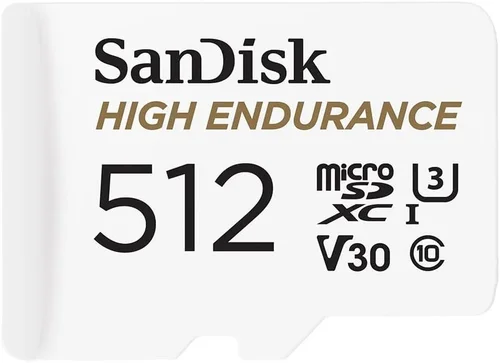
Storage capacity directly impacts how long you can record before overwriting footage. Most dash cams support microSD cards ranging from 32GB to 512GB or more. For license plate recognition purposes, you’ll want ample storage to keep multiple days or weeks of footage accessible.
Consider dash cams with built-in storage management features like loop recording, automatic deletion of oldest files when space runs low, and event file protection that prevents critical recordings from being overwritten. Some advanced models also offer cloud storage integration or direct Wi-Fi transfer capabilities for convenient backup and retrieval of important footage.
6. Night Vision and Infrared Capabilities
While many dash cams claim “night vision” capabilities, true infrared illumination is rare in consumer-grade devices due to regulatory restrictions and power consumption concerns. However, advanced low-light sensors and image processing can still deliver surprisingly good nighttime performance for plate recognition.
Some professional-grade dash cams do include discreet infrared LEDs that activate only during extremely dark conditions, providing supplemental illumination without being visible to other drivers. These are particularly useful in tunnels, poorly lit areas, or when following vehicles with their lights off. When evaluating night vision performance, look for real-world test results rather than manufacturer claims alone.
7. GPS and Location Tracking
GPS functionality adds valuable context to your recordings by embedding location data, speed, and time stamps into each video file. This information can be crucial for license plate recognition, especially when trying to identify vehicles involved in hit-and-runs or determining if a vehicle was speeding when passing through a particular area.
Built-in GPS modules provide accurate positioning data, while some dash cams also support GLONASS or Galileo satellite systems for improved accuracy in urban environments with tall buildings. The GPS data helps correlate license plate captures with specific locations and times, making evidence more credible if needed for legal proceedings or insurance claims.
8. Audio Recording Capabilities
While not directly related to license plate recognition, audio recording can provide additional context that might be helpful when identifying vehicles or situations. Some dash cams offer two-way audio that allows communication through the device, while others record ambient sounds that could capture conversations or environmental clues.
However, be aware of privacy laws regarding audio recording in your jurisdiction, as regulations vary significantly by region. Many jurisdictions require consent for audio recording, so always check local laws before relying heavily on audio features for evidence gathering.
9. Power Management and Parking Mode
Parking mode functionality is essential for continuous monitoring when your vehicle is parked. Most dash cams offer motion-activated parking surveillance that starts recording when movement is detected nearby, helping catch hit-and-runs or vandalism attempts that might involve license plate identification.
Advanced models include impact sensors that trigger recording upon detecting sudden jolts or bumps, providing evidence even when no visible movement occurs. Battery-powered parking modes are available in some portable units, but wired connections to your vehicle’s parking brake circuit are generally more reliable and don’t drain your car battery.
10. Connectivity and App Integration
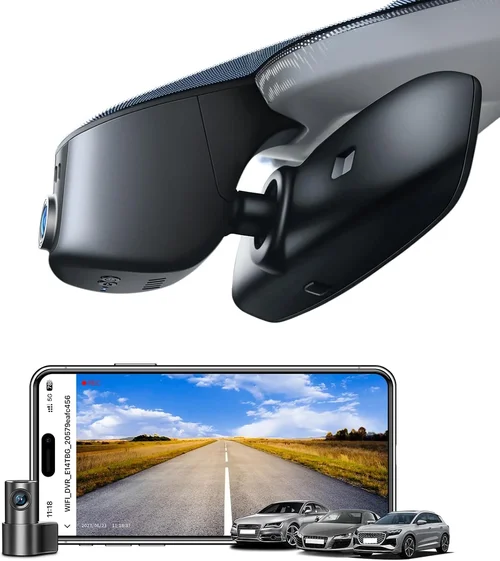
Modern dash cams increasingly feature smartphone app integration that allows remote viewing, downloading, and sharing of footage. Wi-Fi connectivity enables quick transfer of important videos without removing memory cards, while Bluetooth pairing simplifies initial setup and configuration.
Some advanced dash cams offer cloud synchronization, allowing you to access footage from any device with internet connection. Mobile apps often include features like intelligent search functions, timestamped event markers, and easy sharing capabilities—all of which can be invaluable when searching for specific license plate recordings.
11. Build Quality and Durability
Given that dash cams are exposed to harsh automotive environments—extreme temperatures, vibration, dust, and moisture—build quality becomes crucial for reliable operation. Look for models with robust housing materials, secure mounting systems, and protection against water and temperature extremes.
Professional-grade dash cams often meet military-grade durability standards (MIL-STD-810G) and include features like shock resistance, wide operating temperature ranges (-20°C to +70°C), and splash-proof seals. The camera module itself should have anti-reflective coatings and scratch-resistant surfaces to maintain optical clarity over time.
12. Software Features and Intelligence
Advanced software features can significantly enhance license plate recognition capabilities. Many modern dash cams include AI-powered object detection that can automatically identify and highlight vehicles, license plates, pedestrians, and other relevant objects within the frame.
Smart features like collision detection, forward collision warnings, lane departure alerts, and driver fatigue monitoring add layers of safety while potentially providing additional context for plate recognition scenarios. Some systems even offer real-time plate recognition using OCR (Optical Character Recognition) technology, though these are typically found in higher-end commercial applications rather than consumer models.
13. Brand Reputation and Support
Choosing a reputable brand ensures access to quality customer service, reliable firmware updates, and consistent product availability. Established manufacturers often invest more in research and development, leading to better overall performance and longevity.
Research user reviews across multiple platforms, check warranty terms and coverage periods, and verify the availability of replacement parts. Brands with strong dealer networks and dedicated technical support teams can be particularly valuable if you encounter issues or need assistance with complex installations.
14. Price vs. Value Analysis
Determining the right balance between cost and functionality requires careful consideration of your specific needs. While premium dash cams offer the latest features and highest performance, they may include capabilities you’ll never use. Conversely, very inexpensive models often sacrifice reliability and essential features needed for effective plate recognition.
Focus on the core requirements first: resolution, low-light performance, build quality, and storage capacity. Additional features like GPS, Wi-Fi, and advanced software can provide valuable extras but shouldn’t compromise the fundamental capabilities required for your primary use case.
Different Types of Dash Cams

Common Buying Mistakes to Avoid
❌ Mistake: Prioritizing Price Over Performance
Why it’s bad: Choosing the cheapest available dash cam often means compromising on essential features needed for effective license plate recognition. Low-cost models frequently use inferior sensors, lack proper low-light capabilities, and have unreliable build quality that fails when you need it most.
What to do instead: Set a realistic budget based on your needs rather than simply going for the lowest price. Research thoroughly and compare models that offer the best combination of resolution, night vision, and build quality within your price range. Remember that the most expensive option isn’t always necessary—focus on value rather than just cost.
❌ Mistake: Ignoring Night Vision Requirements
Why it’s bad: Many buyers assume that daytime performance is the only important metric, overlooking the fact that most license plate recognition occurs during nighttime driving. Poor low-light performance means missing crucial evidence when it matters most.
What to do instead: Test dash cam samples if possible, or carefully review independent lab tests that evaluate night vision performance. Look specifically for models with proven low-light capabilities, adequate dynamic range, and reliable operation in various lighting conditions.
❌ Mistake: Overlooking Storage Management
Why it’s bad: Insufficient storage capacity leads to frequent overwriting of important footage before you can review it. Without proper storage management features, even the best dash cam becomes useless for license plate identification purposes.
What to do instead: Calculate your storage needs based on expected usage patterns and select appropriate microSD card capacity. Ensure the dash cam offers reliable loop recording, event file protection, and efficient compression to maximize storage utility.
❌ Mistake: Neglecting Build Quality and Reliability
Why it’s bad: Cheap plastic housings, flimsy mounts, and poor sealing can cause dash cams to fail prematurely due to heat damage, moisture intrusion, or vibration-related issues. A malfunctioning dash cam provides no protection or evidence.
What to do instead: Choose models from reputable manufacturers with proven track records for reliability. Read user reports about long-term performance, and consider dash cams that meet industry durability standards or have positive reviews regarding build quality.
❌ Mistake: Focusing Only on Technical Specifications
Why it’s bad: While specifications matter, they don’t tell the whole story. A dash cam might list impressive specs on paper but perform poorly in real-world conditions due to suboptimal software implementation, poor lens quality, or inadequate processing power.
What to do instead: Balance technical specifications with real-world testing results, user reviews, and professional evaluations. Look for dash cams that have been independently tested and reviewed by trusted sources in the industry.
❌ Mistake: Overlooking Installation Considerations
Why it’s bad: Poor installation can lead to improper viewing angles, glare issues, or accidental dislodging of the unit. Even the best dash cam performs poorly if installed incorrectly, reducing its effectiveness for license plate recognition.
What to do instead: Read installation guides carefully, consider professional installation if unsure, and ensure your chosen model comes with proper mounting hardware and instructions. Test the viewing angle before finalizing installation.
❌ Mistake: Assuming All Features Are Useful
Why it’s bad: Adding unnecessary features increases complexity, cost, and potential points of failure. Some advanced features like GPS, Wi-Fi, or two-way audio may not align with your specific needs and can distract from core requirements.
What to do instead: Create a prioritized list of essential features based on your intended use cases. Focus on what actually contributes to effective license plate recognition rather than getting swayed by marketing gimmicks.
Budget Guidelines: How Much Should You Spend?
Entry-Level Range ($80 – $150)
In this price bracket, you’ll find basic single-sensor dash cams that offer decent performance for occasional use. These models typically feature 1080p resolution, modest low-light capabilities, and essential recording functions. While they may lack advanced features like GPS or Wi-Fi connectivity, they can still provide reliable license plate recognition in well-lit conditions.
Models in this range usually come with basic loop recording, motion detection, and manual event marking. They’re suitable for casual drivers who want basic protection without breaking the bank. However, expect limitations in extreme lighting conditions and potentially shorter warranty periods compared to higher-end options.
Mid-Range Sweet Spot ($150 – $300)
This represents the sweet spot for most buyers seeking excellent value and performance. Mid-range dash cams typically offer 2K or 4K resolution, superior low-light sensors, GPS tracking, and Wi-Fi connectivity. Many models in this category also include advanced features like impact sensors, parking mode, and mobile app integration.
You’ll find reliable brands with good build quality and solid customer support here. These dash cams are capable of consistently capturing clear license plate information in most driving conditions. The added features provide convenience and additional context without excessive cost.
Premium Tier ($300 – $600)
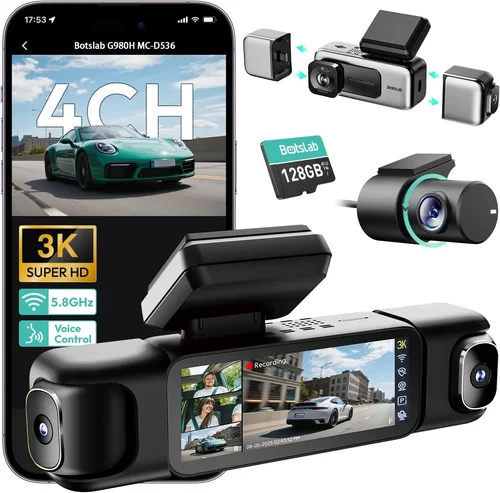
Premium dash cams deliver professional-grade performance with cutting-edge technology. Expect 4K recording, advanced image stabilization, superior night vision capabilities, dual-sensor systems, and comprehensive software features. Many premium models include AI-powered object detection, cloud storage integration, and sophisticated parking surveillance.
These dash cams often feature military-grade durability, wide dynamic range imaging, and specialized low-light sensors. While the price point is higher, the investment pays off with superior reliability, clearer evidence capture, and enhanced features that improve overall usability and peace of mind.
Luxury Segment ($600+)
At the top end, luxury dash cams offer complete solutions with multiple cameras, centralized management systems, and enterprise-level features. These are typically found in commercial applications or by enthusiasts who demand absolute perfection in evidence capture.
Luxury systems may include 360-degree coverage, real-time streaming, advanced analytics, and integration with vehicle telematics. While overkill for most personal use, these systems represent the pinnacle of dash cam technology and are designed for maximum reliability, detail, and functionality.
Expert Tips for Getting the Best Deal
Timing Your Purchase Strategically
The best deals on dash cams typically appear during seasonal transitions. Black Friday and Cyber Monday sales often offer significant discounts on electronics, while back-to-school periods and holiday seasons provide additional opportunities for savings. Summer months sometimes see promotions as new models are released, clearing inventory at reduced prices.
Consider waiting for major product announcements, as existing models often receive substantial discounts when newer versions launch. Retailers also tend to clear out older inventory during tax-free weekends and special promotional events throughout the year.
Comparing Retailers and Online Options
Online retailers like Amazon, Best Buy, and specialty electronics stores often provide competitive pricing and convenient delivery options. Amazon frequently offers price matching and fast shipping, while Best Buy provides in-store pickup options and extended return policies.
Local auto parts stores and authorized dealers may offer installation services and warranty benefits that complement the purchase price. Compare not just product pricing but also shipping costs, return policies, and customer service quality across different channels before making your decision.
Identifying Genuine Deals vs. Marketing Scams
Be cautious of prices that seem too good to be true—they often are. Watch for misleading marketing tactics like “up to 80% off” when the original price was artificially inflated. Read customer reviews and check independent pricing comparisons to verify actual value.
Look for verified seller badges on online marketplaces, and avoid deals from unknown vendors with limited feedback history. Genuine discounts typically reflect genuine manufacturing cost reductions rather than artificial inflation followed by steep markdowns.
Understanding Warranty Terms and Coverage
Extended warranties can provide valuable protection but may not always offer the best value. Evaluate whether the manufacturer’s standard warranty adequately covers your needs, or if the extended warranty provides genuinely useful additional coverage for components that commonly fail.
Pay attention to warranty duration, what’s covered versus excluded, and the claims process. Some manufacturers offer lifetime warranties for certain components, while others provide limited coverage that expires after one or two years.
Evaluating Return Policies and Testing Periods
A generous return policy gives you confidence to purchase equipment knowing you can return it if it doesn’t meet expectations. Look for retailers offering at least 30-day return windows with full refunds, and avoid those with restrictive restocking fees or lengthy approval processes.
Some specialty dash cam retailers offer trial periods with professional testing and consultation services. These can be valuable if you’re unsure about specific features or need guidance on installation and configuration.
Negotiating Volume Discounts and Bundles
If you need multiple units or accessories, ask about volume discounts. Many manufacturers and retailers offer reduced pricing for bulk purchases, especially for fleet operators or businesses needing multiple dash cams.
Consider purchasing bundles that include mounting hardware, memory cards, and installation accessories. While these may not always be cheaper individually, they often provide better value and convenience by ensuring compatibility and completeness.
Taking Advantage of Trade-In Programs
Some retailers and manufacturers offer trade-in programs for old dash cams or electronics. These can provide credit toward new purchases, especially if your current device has resale value or can be refurbished and sold through certified channels.
Even if you don’t qualify for formal trade-in programs, selling old equipment through online marketplaces can offset the cost of new purchases. Well-maintained dash cams can often fetch surprisingly good prices on eBay, Facebook Marketplace, or specialized forums.
Monitoring Price History and Market Trends
Use price tracking tools and browser extensions to monitor historical pricing trends. Sites like CamelCamelCamel for Amazon or Google Shopping can show you how prices have fluctuated over time, helping you identify genuine deals versus temporary markups.
Subscribe to deal notifications from trusted tech review sites and newsletters to stay informed about upcoming sales and exclusive promotions. Following manufacturer social media accounts can also alert you to flash sales and limited-time offers.

Frequently Asked Questions
Q: What resolution is best for license plate recognition?
A: For optimal license plate recognition, aim for at least 1080p Full HD resolution, but 2K or 4K capabilities provide significantly better detail and clarity. Higher resolutions allow you to zoom in on license plates without losing readability, especially important for identifying partial characters or damaged plates. The key is finding the right balance between resolution and storage requirements, as higher resolutions consume more space.
Q: Can I legally record license plates with my dash cam?
A: In most jurisdictions, recording video of public roads and vehicles is perfectly legal as long as you’re not invading private property or violating privacy laws. However, audio recording laws vary significantly by location and may require consent in some areas. Always check local regulations regarding privacy, recording consent, and data retention before relying heavily on audio features for evidence collection.
Q: How much storage space do I actually need?
A: Storage requirements depend on your recording frequency, resolution, and compression settings. For basic 1080p recording at 30fps, a 64GB card can store approximately 24 hours of footage. At 2K resolution, this drops to about 12 hours. If you need to keep multiple days of footage or frequently reference recordings, consider 128GB or 256GB cards. Advanced compression algorithms can extend storage life by 20-30%.
Q: Will my dash cam drain my car battery?
A: Modern dash cams are designed to minimize power consumption, but parking mode functionality can draw power even when your car is off. Most dash cams use less than 3 watts during normal operation and about 0.5 watts in parking mode. To prevent battery drain, consider models with intelligent power management that automatically shuts down after extended periods without movement, or install a separate parking mode trigger connected to your parking brake circuit.
Q: How do I choose the right field of view?
A: The optimal field of view depends on your primary use case and vehicle type. For city driving with frequent intersections and tight turns, a 120-140 degree angle works well. For highway driving where you primarily need to monitor traffic flow ahead, narrower angles around 100 degrees may suffice. Wider angles (150+ degrees) provide more coverage but increase distortion at distance. Most quality dash cams offer adjustable mounting positions to fine-tune your field of view.
Q: Can I use my dash cam for insurance claims?
A: Yes, dash cam footage is increasingly accepted as evidence in insurance claims and legal proceedings. However, the credibility of your footage depends on several factors: clear image quality, accurate timestamps, reliable recording continuity, and proper chain of custody documentation. Keep your footage organized with descriptive filenames and maintain backup copies to ensure authenticity if questioned.
Q: Do I need GPS for license plate recognition?
A: While not strictly necessary, GPS adds valuable context to your recordings by embedding location and time data. This correlation helps establish when and where license plates were captured, making evidence more compelling if needed for investigations or disputes. GPS is particularly useful for hit-and-run cases or when proving your location during alleged incidents.
Q: How often should I update my dash cam firmware?
A: Check for firmware updates periodically, ideally every few months or whenever you notice performance issues. Manufacturers occasionally release updates that improve image processing, fix bugs, or add new features. Automatic update notifications through companion apps can simplify this process, but manual checking ensures you don’t miss important improvements that could enhance license plate recognition capabilities.
Q: What’s the difference between loop recording and event recording?
A: Loop recording continuously saves video segments to your storage card, overwriting the oldest footage when space runs low. Event recording creates protected files for specific incidents like collisions or manual button presses. Most dash cams combine both systems—loop recording for routine footage while protecting event files from being overwritten. Understanding this distinction helps you manage storage effectively while ensuring important evidence isn’t lost.
Q: Can I share dash cam footage easily?
A: Modern dash cams with Wi-Fi connectivity make sharing footage straightforward through companion mobile apps. You can download specific clips directly to your phone, add timestamps and descriptions, then share via email, social media, or messaging apps. Some advanced models even offer cloud storage integration that automatically backs up and organizes your footage, making retrieval and sharing much more convenient for license plate evidence.
Our Final Recommendations
Best for Budget-Conscious Buyers
For those watching their spending while still needing reliable license plate recognition, the Thinkware U1000 stands out as an excellent choice. Priced around $180, this dash cam delivers impressive 2K recording quality with Sony STARVIS sensor technology that excels in low-light conditions. It includes GPS tracking, Wi-Fi connectivity, and robust build quality that outperforms many pricier competitors. The included parking mode with impact detection ensures you don’t miss critical evidence when parked, while the intuitive interface makes setup and operation straightforward for beginners.
Best Overall Value
The Garmin Dashcam Mini offers outstanding value for its $150 price point, combining compact design with reliable performance. Despite its small size, it captures clear 1080p video with good low-light capabilities and includes built-in GPS for accurate location tracking. The device automatically saves important events while using loop recording for continuous monitoring. Its simple installation and reliable operation make it ideal for everyday drivers who want dependable license plate recognition without complexity.
Best Premium Option
The BlackVue DR970X-2CH Cloud Dash Cam represents the pinnacle of consumer dash cam technology, priced around $400 for the dual-camera system. Featuring 4K front and 2K rear recording, advanced image stabilization, and cloud connectivity that allows remote viewing and management. The dash cam includes AI-powered object detection, superior night vision, and military-grade durability. Real-time GPS tracking and automatic cloud backup provide unparalleled peace of mind for serious users needing maximum evidence quality and reliability.
Best for Beginners
The Viofo A119 V3 offers an excellent entry point at around $120, delivering 2K resolution with reliable performance and straightforward operation. The dash cam features a large LCD screen for easy menu navigation, built-in GPS, and robust impact detection for parking mode. Its compact design fits discreetly on most windshields, while the included suction cup mount provides secure installation. The user-friendly interface and reliable performance make it perfect for first-time dash cam owners who want effective license plate recognition without learning curves.
Best for Advanced Users
The Nextbase 622GW Pro combines professional-grade features with consumer-friendly operation, priced around $250. This dash cam delivers 4K recording with superior low-light performance, dual-band Wi-Fi for faster transfers, and Alexa voice control integration. Advanced parking surveillance with flexible trigger options and cloud connectivity for seamless backup make it ideal for experienced users who want maximum functionality. The included impact sensor and intelligent storage management ensure you never miss important evidence while maintaining efficient storage usage.
Conclusion: Making the Right Choice
Selecting the right dash cam for license plate recognition requires balancing technical capabilities with practical considerations and budget constraints. The most important factor remains the dash cam’s ability to consistently capture clear, usable images of license plates under various driving conditions. While advanced features like GPS, Wi-Fi, and AI detection add convenience and context, they shouldn’t compromise the core requirement of reliable plate recognition.
Take time to assess your specific needs honestly—consider your driving frequency, typical routes, lighting conditions, and how you plan to use the recorded evidence. Don’t let marketing hype overshadow real performance metrics, and prioritize proven reliability over cutting-edge features you may never utilize. Remember that a slightly more expensive model offering better build quality and proven performance can save money and frustration in the long run.
Ultimately, the best dash cam for license plate recognition is one that you’ll use consistently and trust completely. Whether you choose a budget-friendly option that meets your basic needs or invest in a premium system with advanced capabilities, the goal remains the same: having reliable evidence when you need it most. By focusing on the fundamentals of resolution, low-light performance, storage management, and build quality, you’ll make a decision that serves you well for years to come.