Smart Car Dash Cam Buying Guide
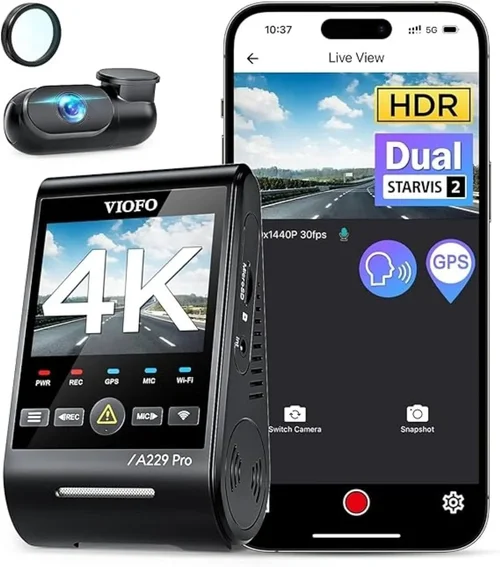
As car ownership continues to rise across India, the importance of vehicle safety and security has never been more critical. With increasing traffic congestion, unpredictable road conditions, and rising insurance premiums, having reliable dash cam footage can make all the difference in accident claims, insurance disputes, or simply documenting your daily commute. A quality front and rear dash cam system provides peace of mind while serving as an invaluable witness to any incidents that might occur on the road. This comprehensive guide will walk you through everything you need to know about choosing the best dash cam for your Indian driving needs.
Whether you’re a daily commuter navigating Mumbai’s chaotic streets, a delivery driver covering long distances across Delhi-NCR, or someone who simply wants to protect their investment in their vehicle, this buying guide is designed to help you make an informed decision. We’ll cover everything from essential technical specifications to real-world performance considerations specific to Indian driving conditions, helping you find the perfect balance between features, reliability, and value for money.
The Indian market offers a wide variety of dash cams ranging from affordable Chinese imports to premium international brands. However, not all dash cams are created equal, and many popular models may have limitations when it comes to handling India’s unique challenges—from extreme heat and humidity to inconsistent power supply and varying road quality. This guide will cut through the confusion and help you understand what truly matters when selecting a dash cam that will serve you well in the demanding Indian environment.

What to Look for When Buying Dash Cams
1. Budget & Price Range
Determining your budget is the first step in finding the right dash cam. The Indian market offers options across various price points, each with distinct advantages and limitations. Entry-level dash cams typically range from ₹2,500 to ₹4,000 and provide basic recording capabilities with lower resolution sensors and limited storage options. These are suitable for occasional use or as backup units.
The mid-range segment (₹4,000 to ₹8,000) represents the sweet spot for most Indian consumers, offering a good balance of features, build quality, and reliability. At this price point, you’ll find 1080p Full HD or even 2K resolution cameras, built-in GPS, loop recording functionality, and decent night vision capabilities. Many models in this category also include parking mode and G-sensor auto-recording.
Premium dash cams (₹8,000 to ₹15,000) feature advanced technologies like superior low-light performance, enhanced stabilization, larger storage capacities, and additional connectivity options. These models often come with metal housings, better cooling systems, and professional-grade image processing chips that deliver significantly improved video quality.
For those seeking top-tier performance, luxury dash cams above ₹15,000 offer cutting-edge features including 4K recording, dual-channel systems, cloud connectivity, AI-powered detection, and military-grade durability. While these represent the pinnacle of technology, they may be overkill for casual users unless you have specific requirements for high-definition evidence collection or professional use.
2. Performance Specifications
Video resolution forms the foundation of any dash cam’s effectiveness. Most reputable dash cams in India offer at least 1080p Full HD resolution, but there’s a growing trend toward 2K (1440p) and even 4K Ultra HD models. Higher resolution means clearer details, which becomes crucial when trying to identify license plates or facial features during incidents.
Frame rate is another critical specification—30fps (frames per second) is standard for smooth playback, while 60fps provides better motion clarity, especially important for highway driving where vehicles move quickly. Some premium models offer variable frame rates that adjust based on lighting conditions to optimize file sizes without compromising quality.
Field of view (FOV) determines how much of the road ahead you capture. A wider FOV (typically 120-160 degrees) captures more of the scene but may introduce distortion at the edges. For Indian roads with frequent lane changes and aggressive driving patterns, a moderate FOV of 130-140 degrees often provides the best balance between coverage and image clarity.
Low-light performance is particularly important in India’s challenging lighting conditions. Look for dash cams with excellent starlight sensors, wide dynamic range (WDR), and noise reduction algorithms. These technologies help maintain visibility during dawn/dusk periods and in poorly lit urban environments where headlights create harsh contrasts.
Storage capacity and format compatibility are equally vital. Most dash cams use microSD cards ranging from 32GB to 128GB. Ensure your chosen model supports the latest UHS-I/UHS-II standards for faster write speeds, which prevents dropped frames during recording sessions. Also verify whether the device uses exFAT or FAT32 formatting, as this affects maximum supported card sizes.
3. Build Quality & Durability
Indian roads present unique challenges that test dash cam durability. Extreme temperatures can reach 45°C+ in summer months, while sudden temperature drops occur during winter mornings. Your dash cam must withstand these fluctuations without failing or degrading image quality.
Look for models with robust housing materials—aluminum or magnesium alloy casings provide better heat dissipation than plastic alternatives. Check if the manufacturer specifies operating temperature ranges; professional-grade dash cams typically handle -20°C to 70°C, making them suitable for India’s climate extremes.
Lens quality directly impacts image clarity and resistance to scratches. Sapphire glass lenses offer superior scratch resistance compared to regular glass, though they come at a higher cost. Anti-reflective coatings also help reduce glare from sunlight or headlamps during nighttime driving.
Power stability protection is another crucial durability factor. Voltage spikes and brownouts are common in India’s electrical infrastructure. Choose dash cams with built-in surge protection, capacitor-based power systems (instead of battery-only), and automatic shutdown safeguards to prevent data corruption during power interruptions.
Cable management and installation quality also contribute to overall durability. Poorly routed wires can get damaged by moving parts or become loose over time. Professional installation kits with secure mounting brackets and protective wire channels extend the lifespan of both your dash cam and vehicle interior.
4. Features & Functionality
Modern dash cams offer numerous features beyond basic recording. Parking mode allows continuous monitoring when your vehicle is unattended, using motion detection or impact sensors to capture potential vandalism or hit-and-run incidents. Not all parking modes work equally well—some require constant power input, while others enter ultra-low-power standby states.
G-sensor technology automatically detects sudden movements like collisions or hard braking, locking those video segments to prevent accidental deletion during loop recording cycles. Adjustable sensitivity settings let you fine-tune response thresholds based on your driving style and local road conditions.
Loop recording ensures continuous operation by overwriting oldest footage when storage fills up. This feature works seamlessly with most modern dash cams, but some models offer intelligent loop recording that prioritizes recent events or excludes irrelevant segments like empty parking lots.
GPS tracking adds valuable context to your recordings by embedding location data, speed readings, and direction information into video files. This becomes particularly useful for insurance claims, fleet management, or simply tracking your travel routes and average speeds throughout the day.
Wi-Fi connectivity enables wireless transfer of videos to smartphones via companion apps, eliminating the need to physically remove memory cards. Cloud storage integration takes this further by automatically backing up critical footage to remote servers—though this requires stable internet connectivity and ongoing subscription fees in many cases.
5. Brand Reputation
While many new brands enter the Indian market annually, established manufacturers with global presence tend to offer better reliability and support. Brands like Garmin, BlackVue, Thinkware, and Viofo have extensive experience manufacturing automotive electronics and typically provide longer warranty periods and responsive customer service.
Research brand reputation through multiple channels: check independent review websites, read user forums, and look for verified customer feedback on e-commerce platforms. Pay attention to consistent complaints about specific issues—recurring hardware failures, poor after-sales support, or misleading marketing claims.
Local authorized dealers matter significantly in the Indian context. They can provide genuine spare parts, certified installation services, and immediate assistance during warranty claims. Avoid purchasing from unauthorized sellers who may sell refurbished or counterfeit products disguised as original equipment.
Consider how long the brand has been operating in India specifically. Companies that’ve established local service centers and trained technicians demonstrate commitment to the Indian market and understanding of regional requirements like monsoon-proofing and dust resistance.
Warranty terms reveal a lot about product confidence. Look for minimum 1-year warranties covering both hardware defects and software malfunctions. Extended warranty options (2-3 years) add value but should be considered only if the base warranty already covers comprehensive protection.
6. Warranty & Support
A robust warranty demonstrates manufacturer confidence in their product’s reliability. In India’s market, where after-sales service can be inconsistent, extended warranty options become particularly valuable. Look for warranties that cover both parts and labor, with clear procedures for claiming repairs or replacements.
Check if the warranty applies nationwide or only to specific regions. Urban areas like Delhi, Mumbai, Bangalore, and Hyderabad typically have better service networks, while rural locations may face delays in getting replacement units or repair services.
Response time and resolution efficiency are crucial aspects of customer support. Premium brands usually offer 24/7 helplines with technical specialists who can troubleshoot issues remotely before escalating to physical repairs. Free diagnostic tools and firmware updates further enhance the support experience.
Return policies vary significantly between online retailers and physical stores. Online purchases often include 7-30 day return windows, while offline stores may have stricter conditions. Understanding these policies helps avoid frustration if your dash cam doesn’t meet expectations.
Community forums and user groups can provide unofficial but valuable support. Established dash cam communities share tips, troubleshooting guides, and modification ideas that go beyond official documentation. Active participation in these communities can extend your dash cam’s utility and lifespan.
7. Size & Portability
Compact designs offer several advantages for Indian drivers. Smaller units occupy less dashboard space, reducing visual distraction while maintaining discreet placement. Slim profiles also minimize wind resistance and aerodynamic drag, potentially improving fuel efficiency slightly.
However, size limitations can affect performance trade-offs. Very compact models may sacrifice optical zoom capabilities, microphone quality, or cooling systems necessary for sustained high-resolution recording. Strike a balance between discretion and functionality based on your primary usage scenarios.
Portability matters if you plan to transfer footage between vehicles or use the same unit across multiple cars. Lightweight construction and universal mounting systems simplify this process. Some premium models even include carrying cases with integrated cables and accessories for easy transport.
Heat dissipation becomes more challenging with smaller enclosures. Continuous recording generates heat that can degrade sensor performance or trigger thermal protection shutdowns. Models with passive cooling fins, heat pipes, or strategic ventilation openings perform better under prolonged use.
Installation flexibility varies by size. Larger units may require more complex wiring harnesses or dashboard modifications, while compact designs integrate neatly behind existing trim panels. Consider your vehicle’s interior layout and willingness to undertake installation tasks when evaluating size options.
8. User Reviews & Ratings
Real-world user experiences provide insights that technical specifications alone cannot convey. Pay particular attention to reviews from Indian buyers who’ve tested products under similar conditions—monsoon rains, dusty highways, and congested city traffic all impact performance differently than idealized testing environments.
Look for consistent themes across multiple reviews rather than isolated positive comments. If several users mention similar issues like overheating during summer months or unreliable parking mode functionality, those represent red flags worth considering seriously.
Star ratings should be interpreted cautiously. Five-star reviews often include biased language or promotional content, while one-star reviews may stem from user error rather than product flaws. Focus instead on detailed written reviews that describe specific use cases and outcomes.
Recent reviews carry more weight than older ones, especially for rapidly evolving technology sectors. Software updates and manufacturing improvements can resolve early production issues, so current feedback reflects the product’s true state at the time of writing.
Professional review sites and YouTube channels dedicated to automotive electronics provide objective comparisons and hands-on demonstrations. Their testing methodologies often include controlled experiments that reveal performance differences invisible to casual observation.
Different Types of Dash Cams

Common Buying Mistakes to Avoid
❌ Mistake: Choosing Based Solely on Price
Why it’s bad: While budget considerations are important, focusing exclusively on lowest-cost options often leads to disappointment. Cheap dash cams frequently suffer from poor image quality, unreliable recording, and short lifespans that negate any initial savings. In India’s harsh driving conditions, durability and consistent performance outweigh minor cost differences.
What to do instead: Establish a realistic budget range that accounts for total ownership costs, then prioritize features based on your specific needs. Allocate sufficient funds for quality components like reliable sensors, sturdy housing, and adequate storage—these elements directly impact the dash cam’s usefulness when you need it most.
❌ Mistake: Ignoring Local Climate Conditions
Why it’s bad: Many buyers overlook how environmental factors affect dash cam performance. Indian summers generate extreme heat that can cause overheating shutdowns or permanent sensor damage. Monsoon rains create water ingress risks that compromise electrical connections and lens clarity. Dust accumulation from long highway journeys reduces image quality over time.
What to do instead: Research climate-specific features like wide operating temperature ranges (-20°C to 70°C), IP-rated waterproofing, anti-dust seals, and hydrophobic lens coatings. Testimonials from Indian users experiencing similar weather patterns provide invaluable insights into real-world reliability.
❌ Mistake: Overlooking Storage Requirements
Why it’s bad: Insufficient storage capacity forces frequent manual intervention—removing memory cards to download footage or deleting old files to make space. This defeats the purpose of automated recording and increases risk of missing critical events due to forgotten maintenance tasks. Some models also impose artificial file size limits that waste storage space.
What to do instead: Calculate your required storage based on recording duration, resolution, and usage frequency. For 1080p recording at 30fps, a 64GB card typically lasts 3-4 hours. Consider models supporting larger cards (up to 256GB+) and those with efficient compression algorithms that maximize available space without sacrificing quality.
❌ Mistake: Neglecting Power Stability Issues
Why it’s bad: Unstable vehicle power supplies common in India can corrupt files, trigger false alarms, or permanently damage sensitive electronics. Voltage spikes during engine start-ups or brownouts during grid fluctuations disrupt normal operation and may void warranties if damage occurs. Battery-only dash cams particularly suffer from inconsistent power delivery.
What to do instead: Choose dash cams with capacitor-based power systems instead of battery-only designs. Look for built-in surge protection, automatic voltage regulation, and graceful shutdown sequences that preserve current recordings during power interruptions. Professional installation with dedicated fuse taps ensures clean power delivery.
❌ Mistake: Underestimating Installation Complexity
Why it’s bad: DIY installations often result in poor cable routing, improper mounting, or inadequate protection against theft. Loose wires interfere with vehicle operation or get caught in moving parts, while visible dash cams become targets for vandals. Incorrect wiring can drain batteries overnight or cause electrical system conflicts.
What to do instead: Factor installation costs into your budget and consider professional services, especially for complex multi-camera setups or vehicles with limited dashboard space. Proper installation ensures optimal performance, extends component lifespan, and maintains vehicle resale value by preserving interior aesthetics.
❌ Mistake: Focusing Only on Video Quality
Why it’s bad: While high-resolution footage is important, neglecting other critical functions creates gaps in protection. Audio recording laws vary across Indian states—some permit it, others prohibit it entirely. Missing audio features limit contextual understanding during incidents, while lacking GPS tracking removes valuable location/speed data from evidence.
What to do instead: Evaluate the complete feature set holistically rather than optimizing single aspects. Balance video quality with audio capabilities (with legal compliance), positioning accuracy, impact sensitivity, and connectivity options that match your usage patterns and regulatory requirements.
Budget Guidelines: How Much Should You Spend?
Entry-Level (₹2,500 – ₹4,000): Basic Protection for Occasional Use
This price bracket offers fundamental dash cam functionality suitable for budget-conscious buyers or secondary vehicles. Expect 720p or basic 1080p resolution, limited field of view (typically 120-130 degrees), and basic loop recording capabilities. Storage usually relies on 32-64GB microSD cards with FAT32 formatting limitations.
Key features in this range include simple motion detection, basic G-sensor functionality, and straightforward menu navigation. Night vision performance may be compromised due to smaller sensor sizes and lack of advanced noise reduction algorithms. Build quality tends toward plastic construction with minimal weather sealing.
Suitable use cases include occasional city driving, short-distance commutes, or backup recording when primary vehicles have more advanced systems. These models work adequately for documenting general road conditions but may struggle with identifying details during low-light incidents or high-speed pursuits.
- Xiaomi Mi Auto Dash Cam (basic version)
- Bosch Drive Recorder Compact
- Some rebranded Chinese models with local warranty support
Mid-Range (₹4,000 – ₹8,000): The Sweet Spot for Most Buyers
This tier delivers exceptional value by combining professional-grade features with reasonable pricing. You’ll find 1080p Full HD or emerging 2K resolution cameras, wider fields of view (140-160 degrees), and improved low-light performance through advanced sensor technologies and WDR processing.
Essential features include reliable parking mode operation, adjustable G-sensor sensitivity, GPS tracking with speed logging, and efficient loop recording algorithms. Build quality improves significantly with aluminum housings, better lens coatings, and enhanced thermal management systems that handle Indian climate extremes.
Recommended for daily commuters, ride-sharing drivers, and families seeking comprehensive vehicle protection without premium costs. These models strike an excellent balance between performance, reliability, and affordability while providing sufficient detail for insurance claims and dispute resolution.
- Thinkware Q2000 Dash Cam (dual channel)
- Viofo A119 v3 (front + rear capable)
- Blackvue DR900S-1CH (premium features at mid-range price)
- Garmin Dash Cam 57 (compact design with solid performance)
Premium (₹8,000 – ₹15,000): Advanced Features for Serious Users
High-end dash cams in this category deliver studio-quality recording with professional-grade reliability. Expect 4K resolution, superior image stabilization, advanced night vision capabilities, and robust build quality suitable for demanding applications. Many models now include AI-powered features like lane departure warnings, collision alerts, and smart event detection.
Connectivity expands to include Wi-Fi 6, Bluetooth 5.0, and cloud integration options that enable seamless video uploads and remote viewing. Storage systems support larger capacity cards (up to 512GB) with exFAT formatting for extended recording periods without manual intervention.
Ideal for commercial drivers, delivery personnel, ride-hailing operators, and safety-conscious individuals who require maximum protection and evidentiary value. These systems provide peace of mind knowing every journey is captured in exceptional detail, regardless of lighting conditions or road quality.
- Blackvue DR750LW-2CH (dual channel with LTE)
- Thinkware U1000 (ultra-high definition)
- Garmin Dash Cam Pro (professional-grade features)
- Viofo A129 Pro Duo (advanced dual camera system)
Luxury (₹15,000+): Professional-Grade Excellence
The upper echelon of dash cam technology includes military-grade durability, cutting-edge AI analytics, and enterprise-level management capabilities. These systems often feature multiple recording channels, 8K video support (in select models), and sophisticated thermal imaging for extreme environments.
Additional luxury features include encrypted cloud storage, real-time vehicle tracking, predictive maintenance alerts, and integration with fleet management software. Some models incorporate specialized sensors for detecting hazardous materials, illegal dumping, or other environmental concerns relevant to industrial operations.
Targeted toward fleet operators, government agencies, logistics companies, and serious enthusiasts who demand absolute reliability and forensic-quality evidence. While representing the highest investment, these systems provide unmatched protection and data integrity for critical applications.
- Nextbase 622GW (award-winning design and performance)
- Garmin Dash Cam Max (premium bundle with accessories)
- Specialized industrial models from European manufacturers
- Custom-built solutions for specific business requirements
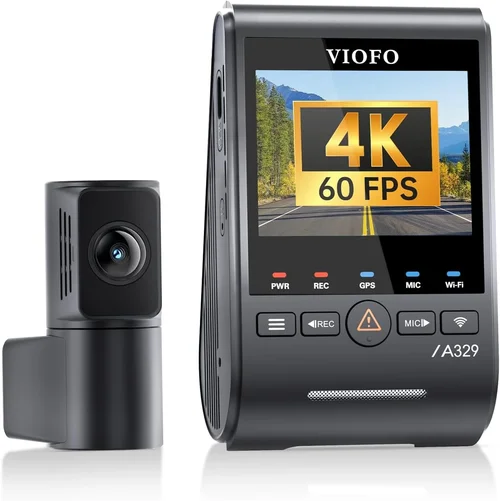
Expert Tips for Getting the Best Deal
Timing Your Purchase: Seasonal Sales Strategies
Indian shopping festivals like Amazon Great Indian Festival, Flipkart Big Billion Days, and Diwali sales offer substantial discounts on electronics including dash cams. These events typically occur in September-October and January-February, coinciding with festive seasons and new year planning periods.
Monitor price trends throughout the year using price tracking tools or browser extensions that alert you to significant reductions. Electronics retailers often lower prices gradually approaching major sales events, allowing you to snag deals outside peak periods.
Consider purchasing during monsoon season (June-August) when outdoor activities decrease, leading to reduced demand for automotive accessories. Some manufacturers also release updated models during this period, making older versions more affordable.
Where to Buy: Retailer Selection Guide
Authorized dealerships provide guaranteed authenticity, proper installation services, and legitimate warranty claims processing. Major automotive chains like Autozone, CarDekho workshops, and specialized dash cam retailers offer professional expertise and post-purchase support.
Online marketplaces dominate India’s electronics retail but require careful vendor selection. Prioritize sellers with high ratings, verified customer reviews, and transparent return policies. Official brand stores on platforms like Amazon, Flipkart, and brand websites typically offer the best combination of convenience and reliability.
Physical stores allow hands-on testing of interfaces and build quality before committing to purchase. Staff training levels vary significantly—look for knowledgeable personnel who can explain technical differences between models and recommend appropriate configurations for your vehicle type.
Spotting Authentic Deals vs. Scams
Red flags indicating potentially fraudulent listings include prices dramatically below market value, vague product descriptions, absence of brand logos or certifications, and payment requests outside secure platforms. Counterfeit dash cams often use inferior components that fail quickly or produce substandard video quality.
Verify seller credentials through business registration documents, customer service contact information, and social media presence. Legitimate retailers maintain active communication channels and respond promptly to inquiries about product specifications and warranty terms.
Cross-reference pricing across multiple reputable sources to identify unusually low offers. Consistent discrepancies between sellers warrant investigation before proceeding with purchase.
Warranty Considerations: What Really Matters
Comprehensive warranty coverage should include both hardware defects and functional failures resulting from normal use. Look for minimum 1-year coverage periods with clear definitions of covered versus excluded items. International warranties may prove difficult to enforce in India without local service partnerships.
Extended warranty programs add value but should be evaluated against potential repair costs. Consider the likelihood of needing professional servicing based on your driving patterns and environmental exposure before investing in additional protection.
Document all purchase details including serial numbers, invoice copies, and warranty registration information. Keep packaging materials and accessories until successful installation confirms operational status.
Testing Before Committing: Smart Evaluation Techniques
Request demonstration units whenever possible to assess image quality under various lighting conditions, interface responsiveness, and build quality firsthand. Test menu navigation complexity and ensure critical functions like emergency lock and playback controls operate intuitively.
Inquire about return policies specifically regarding dash cam functionality testing. Some retailers restrict returns if protective films remain attached or packaging appears damaged, limiting your ability to verify performance thoroughly.
Compare multiple models side-by-side focusing on real-world usability rather than theoretical specifications. Physical size, button placement, and display visibility during daylight versus nighttime driving represent practical considerations that affect daily satisfaction.

Frequently Asked Questions
Q: Do I need a special memory card for my dash cam?
A: Yes, dash cams require compatible microSD cards optimized for continuous video recording. Standard consumer-grade cards often fail due to excessive write cycles and temperature variations. Invest in Class 10 or UHS-I/UHS-II cards with at least 32GB capacity—ideally 64GB or higher for extended recording sessions. Format cards specifically for dash cam use through the device itself rather than computers to ensure proper partition structure and file system compatibility.
Q: Is audio recording legal in India?
A: Audio recording laws in India remain ambiguous with significant variation between states. The Supreme Court has ruled that private citizens may record conversations without consent for personal protection purposes, but public authorities require explicit permission. Many dash cam manufacturers disable audio recording by default or provide regional law compliance settings. Consult local regulations before enabling audio features, particularly for commercial vehicles or high-risk driving environments.
Q: How often should I replace my dash cam?
A: Most quality dash cams last 3-5 years under normal usage conditions. Replacement timing depends on several factors including recording frequency, environmental exposure, and technological advancements. Signs indicating need for upgrade include degraded image quality despite proper maintenance, failure to power on consistently, or inability to record beyond certain durations due to storage limitations. Technology evolves rapidly, so consider upgrading every 2-3 years to access newer features like improved low-light performance or enhanced connectivity options.
Q: Can dash cams drain my car battery?
A: Modern dash cams with proper installation rarely cause battery drain. Capacitor-based power systems draw minimal current during parking mode, while automatic shutdown features prevent overnight drainage. However, poorly installed units or faulty wiring harnesses can create parasitic loads that discharge batteries over time. Professional installation with dedicated fuse taps ensures clean power delivery without interfering with vehicle electrical systems. Most manufacturers specify maximum standby current consumption in their technical documentation.
Q: Will dash cam installation void my car warranty?
A: In India, aftermarket accessories generally don’t void manufacturer warranties unless they cause specific damage. However, unauthorized modifications that lead to electrical issues or component failures could complicate warranty claims. Document all installation processes and retain receipts showing professional service providers. Use non-invasive mounting methods that don’t alter factory wiring whenever possible. Consult your vehicle’s warranty documentation or contact the manufacturer directly for clarification on acceptable aftermarket installations.
Q: How do I choose between single and dual channel systems?
A: Single channel dash cams record only the forward view, sufficient for basic protection during regular commuting. Dual channel systems add rear camera coverage, providing complete situational awareness for backing maneuvers, following distance monitoring, and capturing incidents from behind. Consider your primary driving environment—urban areas with frequent stops benefit more from rear coverage than highway driving where forward visibility dominates. Evaluate installation complexity and budget constraints before deciding, remembering that rear cameras require additional wiring and mounting considerations.
Q: What resolution should I aim for?
A: Minimum 1080p Full HD resolution provides acceptable detail for most situations, while 2K (1440p) offers noticeable improvement for license plate identification and facial recognition. Current technology makes 4K resolution accessible without excessive cost premiums, delivering exceptional clarity for evidence collection purposes. Balance resolution against storage requirements and processing power limitations—higher resolutions consume more space and may reduce recording duration unless compensated with efficient compression algorithms.
Q: Are wireless dash cams reliable?
A: Wireless connectivity introduces potential reliability concerns due to signal interference, range limitations, and dependency on stable smartphone connections. However, modern implementations using Wi-Fi Direct or Bluetooth Low Energy provide reasonably stable links for video transfer and control functions. Consider wired alternatives for mission-critical applications requiring guaranteed data integrity, while wireless options suit convenience-focused users prioritizing clean installations and app-based management.
Q: How much storage do I actually need?
A: Storage requirements depend on recording parameters and usage patterns. For 1080p recording at 30fps, allocate approximately 1GB per hour of footage. Multiply this by your expected recording duration to determine minimum card capacity. Factor in emergency event files (locked by G-sensor) that consume additional space without corresponding time savings. Opt for larger cards (64GB+) to accommodate variable recording lengths and ensure uninterrupted operation during extended trips or adverse weather conditions.
Q: Can dash cams survive India’s monsoons?
A: Quality dash cams designed for Indian markets include IP-rated waterproofing (typically IP55 or higher) that withstands heavy rainfall and splashes. However, prolonged immersion or extreme flooding may compromise electronic components regardless of rating levels. Secure mounting prevents displacement during storms, while hydrophobic lens coatings repel rain droplets for clearer visibility. Regular cleaning removes accumulated dirt and grime that impair optical performance during monsoon seasons. Consider additional protective measures like sunshades or covers during stationary periods in open parking areas.
Our Final Recommendations
Best for Budget-Conscious Buyers: Xiaomi Mi Auto Dash Cam
The Xiaomi Mi Auto Dash Cam offers exceptional value for money with its reliable 1080p recording capabilities, intuitive interface, and compact design that fits seamlessly into any vehicle dashboard. While lacking advanced features like GPS tracking or dual-channel recording, it delivers consistent performance for basic protection needs without breaking the bank. Its integration with the Mi Home ecosystem allows convenient mobile app control and cloud storage options through optional subscriptions. The included suction cup mount provides flexible positioning, and the built-in microphone captures clear audio for incident documentation. Though build quality leans toward plastic construction, it remains durable enough for daily commuting and short-distance travels typical of urban Indian driving patterns.
Best Overall Value: Thinkware Q2000 Dash Cam
The Thinkware Q2000 strikes an impressive balance between performance, reliability, and affordability, making it our top recommendation for most Indian drivers seeking comprehensive protection. This dual-channel system records crisp 1080p footage from both front and rear perspectives simultaneously, providing complete situational awareness for backing maneuvers, following distance monitoring, and capturing incidents from all angles. Advanced features include superior low-light performance through Starvis technology, intelligent parking mode with impact detection, GPS tracking with speed logging, and robust loop recording algorithms that prioritize emergency events. Constructed with high-grade materials and backed by a strong warranty, the Q2000 handles India’s climate extremes while delivering professional-grade results suitable for insurance claims and dispute resolution.
Best Premium Option: Blackvue DR900S-1CH
For those willing to invest in top-tier protection, the Blackvue DR900S-1CH represents the gold standard in dash cam technology with its exceptional 4K recording capabilities, advanced stabilization algorithms, and professional-grade reliability. This single-channel system delivers stunning detail clarity that surpasses competitors in identifying license plates, facial features, and road markings during critical moments. Enhanced low-light performance through Sony STARVIS sensors ensures usable footage even during dawn, dusk, or nighttime driving conditions. Connectivity options include Wi-Fi 6 for rapid video transfers, Bluetooth 5.0 for seamless smartphone pairing, and cloud integration for automatic backup and remote viewing capabilities. Military-grade durability and comprehensive warranty coverage make this system ideal for demanding applications requiring maximum evidentiary value and peace of mind.
Best for Beginners: Garmin Dash Cam 57
The Garmin Dash Cam 57 excels as an introduction to dash cam technology with its user-friendly interface, compact form factor, and reliable performance characteristics that won’t overwhelm new users. Its straightforward operation requires minimal setup while delivering solid 1080p recording quality suitable for everyday commuting and basic protection needs. The included suction cup mount allows flexible positioning, and the built-in speaker provides audible alerts for system status updates. While lacking dual-channel capability or advanced connectivity features, the 57 focuses on core functionality without unnecessary complexity. Garmin’s reputation for reliable navigation systems translates into consistent performance, and the included 16GB microSD card ensures immediate operation out of the box. Perfect for first-time buyers seeking dependable protection without feature overload.
Best for Advanced Users: Viofo A129 Pro Duo
The Viofo A129 Pro Duo caters to experienced dash cam enthusiasts who demand maximum flexibility and advanced functionality from their recording systems. This dual-channel platform supports simultaneous front and rear recording at 2K resolution, delivering crystal-clear detail for comprehensive situational documentation. Professional-grade features include superior thermal management for sustained high-bitrate recording, enhanced night vision capabilities, and customizable parking mode options that adapt to specific usage scenarios. Connectivity expands to include Wi-Fi 6, Bluetooth 5.2, and USB-C fast charging for convenient mobile device integration. The included GPS logger provides precise location and speed data, while the built-in accelerometer offers configurable sensitivity settings for impact detection. Rugged construction and comprehensive accessory bundles make this system ideal for demanding applications requiring maximum reliability and evidentiary strength.
Conclusion: Making the Right Choice
Selecting the perfect dash cam for your Indian vehicle requires careful consideration of multiple interconnected factors that extend beyond mere technical specifications. Your decision should reflect a thoughtful balance between immediate needs and future requirements, accounting for India’s unique driving conditions, environmental challenges, and legal landscape. Remember that a dash cam serves primarily as a protective tool—its true value emerges during unexpected incidents when reliable evidence can make the difference between fair compensation and protracted disputes.
Prioritize features that align with your specific usage patterns rather than chasing every available function. If you primarily drive in congested urban areas, rear camera coverage and parking mode functionality may prove more valuable than 4K resolution. Conversely, long-distance highway travelers might benefit from superior night vision and GPS tracking capabilities. Consider your budget not just as an initial purchase amount but as a framework encompassing installation costs, ongoing maintenance, and potential upgrades as technology advances.
Don’t underestimate the importance of proper installation and regular maintenance. Even the most sophisticated dash cam delivers limited value when improperly mounted or neglected over time. Clean lenses regularly, update firmware when available, and verify storage capacity before embarking on long journeys. Engage with online communities and manufacturer support channels to maximize your system’s utility and troubleshoot emerging issues promptly.
Ultimately, the best dash cam is the one you’ll actually use consistently. Choose a model that feels natural in your vehicle, integrates seamlessly with your routine, and provides genuine peace of mind rather than becoming another forgotten gadget gathering dust. With the right selection and responsible usage, your dash cam will serve as an unwavering guardian throughout countless journeys, protecting both your vehicle and your interests on India’s diverse and dynamic roads.