Best Car Dash Cam Buying Guide for Front & Rear
In today’s increasingly complex driving environment, having reliable evidence of what happens on the road can make all the difference. Whether you’re dealing with insurance claims, traffic violations, or simply want peace of mind while driving, a quality dash cam serves as your vehicle’s silent guardian. The Indian market offers numerous options, but choosing the right one—especially a dual-channel model that records both front and rear views—requires careful consideration of multiple factors.
This comprehensive buying guide will walk you through everything you need to know about selecting the best car dash cam for front and rear recording in India. We’ll cover essential features, performance specifications, budget considerations, and expert recommendations to help you make an informed decision. By the end of this article, you’ll understand exactly what to look for and how to choose a dash cam that meets your specific needs and driving conditions.
The dash cam market in India has evolved significantly over the past few years, with manufacturers offering increasingly sophisticated technology at competitive prices. From basic single-camera units to advanced dual-channel systems with night vision, parking mode, and cloud connectivity, there’s a wide variety available. However, not all dash cams are created equal, and understanding the differences between them is crucial for making the right purchase.

What to Look for When Buying Dash Cams
1. Budget & Price Range
Your budget plays a crucial role in determining the features and quality you can expect from a dash cam. In India, dash cams typically range from ₹3,000 to ₹25,000 for dual-channel models. Entry-level options around ₹4,000-₹6,000 may offer basic functionality but often compromise on image quality and reliability. Mid-range models priced between ₹8,000-₹15,000 generally provide the best balance of features, build quality, and performance. Premium units above ₹15,000 offer advanced capabilities like superior night vision, better stabilization, and enhanced durability.
When setting your budget, remember that a dash cam is an investment in safety and security. While it’s tempting to opt for the cheapest option, spending a bit more upfront often saves money in the long run by avoiding frequent replacements and providing better protection during incidents.
2. Performance Specifications
Performance specifications are critical indicators of a dash cam’s capability. The most important metrics include resolution (typically 1080p or 4K), field of view (measured in degrees), and video quality in various lighting conditions. For dual-channel dash cams, both cameras should have similar specifications to ensure consistent recording quality from both perspectives.
Look for models with at least 1920×1080 resolution per camera, which provides clear footage for identification purposes. A wider field of view (130-170 degrees) captures more of the road ahead and behind, reducing blind spots. Additionally, consider the frame rate—higher frame rates (30fps or more) result in smoother video, especially important for capturing fast-moving events or license plates.
3. Build Quality & Durability
Build quality directly impacts a dash cam’s longevity and reliability. In India’s diverse climate conditions—from extreme heat in summer to monsoon humidity—the device must withstand temperature fluctuations and moisture exposure. High-quality dash cams feature robust housing materials, proper sealing against dust and water, and secure mounting systems.
Check for IP rating certification if available, though most consumer dash cams don’t have formal ratings. Instead, look for reviews mentioning performance in challenging weather conditions. The camera lens should be made of durable glass rather than plastic, and the overall construction should feel solid and well-made. Pay attention to the power cable routing and whether it’s designed to avoid interfering with airbag deployment areas.
4. Features & Functionality
Modern dash cams offer numerous features beyond basic recording. Essential features include loop recording (which automatically overwrites old footage when storage is full), G-sensor (for automatic incident detection and file locking), and parking mode (which continues monitoring when the car is off). For dual-channel models, ensure both cameras support these features simultaneously.
Advanced capabilities worth considering include:
– Night vision enhancement: Look for models with low-light optimization or infrared LEDs
– Wide dynamic range (WDR): Helps balance bright headlights with dark interiors
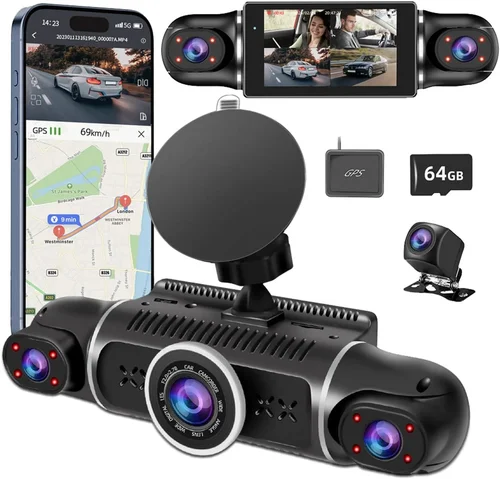
– GPS tracking: Records location and speed data alongside video
– Wi-Fi connectivity: Allows wireless app control and file transfer
– Cloud backup: Some premium models offer cloud storage options
– Voice recording: Optional feature for audio documentation
5. Brand Reputation
While brand reputation isn’t everything, established brands often provide better quality control, customer support, and warranty coverage. Well-known manufacturers like VIOFO, BlackVue, Garmin, and Xiaomi have gained trust through consistent product quality and responsive customer service. In the Indian market, brands like EZVIZ, YI Technology, and some regional manufacturers also offer competitive options.
Research user reviews and professional testing results before making a decision. A reputable brand typically offers longer warranty periods (1-3 years) and has readily available spare parts. Avoid unknown brands that promise exceptional features at suspiciously low prices, as they often cut corners on materials and manufacturing standards.
6. Warranty & Support
Reliable warranty coverage and customer support can save significant headaches after purchase. Most quality dash cams come with at least a one-year manufacturer warranty covering defects and malfunctions. Some brands offer extended warranty options or comprehensive international warranties.
Check what’s included in the warranty—does it cover accidental damage, water exposure, or just manufacturing defects? Also, verify the availability of customer support in India. Brands with local service centers or responsive online support channels tend to provide better post-purchase assistance. Keep all purchase receipts and warranty cards organized for easy reference.
7. Size & Portability
While size isn’t as critical as functionality, compact dash cams offer several advantages. Smaller models are less obtrusive, easier to install discreetly, and take up less dashboard space. They’re also harder for others to notice, which can be beneficial in certain situations.
However, smaller cameras sometimes sacrifice image quality or battery life. Consider your installation preferences and whether you prioritize subtlety over maximum performance. Most dual-channel dash cams are designed to be unobtrusive while still providing adequate mounting positions for optimal viewing angles.
8. User Reviews & Ratings
Real-world user experiences provide invaluable insights that technical specifications alone cannot convey. Check multiple review sources including e-commerce platforms, tech forums, and dedicated dash cam communities. Pay attention to recurring complaints or praise regarding specific issues like software stability, battery performance, or customer service responsiveness.
Look for balanced reviews that mention both strengths and weaknesses. Be cautious of overly positive reviews that seem suspiciously uniform, as they might indicate paid promotions rather than genuine feedback. Seasonal variations matter too—some users report different performance levels during monsoon season versus dry months.
Different Types of Dash Cams

Common Buying Mistakes to Avoid
❌ Mistake: Choosing Based Solely on Price
Why it’s bad: Opting for the cheapest option often leads to poor image quality, unreliable performance, and frequent malfunctions. Inadequate recording quality renders the dash cam useless during actual incidents when clear evidence is needed.
What to do instead: Set a realistic budget based on your usage frequency and prioritize features that matter most to you. Remember that a dash cam is an investment in safety—spending a little extra for quality pays dividends in reliability and peace of mind.
❌ Mistake: Ignoring Installation Requirements
Why it’s bad: Poor installation affects both performance and safety. Incorrect positioning can result in blocked views, glare issues, or interference with vehicle components like airbags. DIY installations without proper tools often lead to loose mounts or damaged wiring.
What to do instead: Plan your installation carefully, ensuring optimal camera angles and secure mounting. Use quality mounting hardware and route cables neatly away from moving parts. If unsure, consult professional installation services or experienced users for guidance.
❌ Mistake: Overlooking Storage Capacity Needs
Why it’s bad: Insufficient storage means you’ll lose recent footage when the card fills up. Many users underestimate how quickly high-resolution videos consume storage space, leading to missed critical recordings during important events.
What to do instead: Calculate your storage requirements based on video resolution and desired retention period. For 1080p recording at 30fps, expect to use approximately 1GB per minute. Plan for at least 32GB cards and consider purchasing multiple high-quality cards for redundancy.
❌ Mistake: Neglecting Night Vision Capabilities
Why it’s bad: Poor night vision severely limits the dash cam’s effectiveness during evening or nighttime driving. Most accidents involving pedestrians or cyclists occur in low-light conditions, making good night vision crucial for comprehensive protection.
What to do instead: Specifically look for models advertised with enhanced night vision, WDR (wide dynamic range), or low-light optimization features. Test night performance if possible, and read reviews mentioning nighttime recording quality.
❌ Mistake: Focusing Only on Camera Specifications
Why it’s bad: While camera specs are important, overlooking other components like power management, software stability, and build quality can result in a device that fails when you need it most. A powerful camera in a poorly designed unit may overheat or shut down unexpectedly.
What to do instead: Evaluate the complete system including processing power, cooling mechanisms, and overall design. Consider user reports about overheating, software crashes, or unexpected shutdowns during regular operation.
❌ Mistake: Not Checking Compatibility
Why it’s bad: Dash cams require specific power connections and may interfere with vehicle electronics. Using incompatible accessories or installation methods can damage your car’s electrical system or void warranties.
What to do instead: Verify compatibility with your vehicle model before purchasing. Check if the dash cam works with your cigarette lighter socket, hardwiring kit, or OBD-II connection method. Ensure all required accessories are included or readily available.
Budget Guidelines: How Much Should You Spend?
Entry-Level (₹4,000 – ₹7,000)
For occasional drivers or those on a tight budget, entry-level dual-channel dash cams provide basic functionality at an affordable price. These models typically offer 1080p recording, loop recording, and G-sensor functionality. While image quality may be adequate for daytime use, night vision performance often leaves much to be desired. Expect limited features like manual parking mode activation and basic mobile apps. This tier is suitable for city driving with moderate traffic conditions.
Mid-Range (₹8,000 – ₹15,000)
This sweet spot offers the best value proposition for most Indian drivers. Mid-range models deliver significantly improved image quality, better low-light performance, and additional useful features like GPS tracking, Wi-Fi connectivity, and enhanced parking mode. Build quality improves noticeably, with more durable materials and better weather resistance. These units typically support microSD cards up to 256GB and offer reliable performance across various driving conditions.
Premium (₹15,000 – ₹25,000)
Premium dash cams represent top-tier performance and reliability. They feature superior sensors, advanced image processing, and professional-grade build quality. Look for models with 4K resolution per channel, excellent night vision, intelligent parking monitoring, and comprehensive app ecosystems. Additional features may include cloud connectivity, voice commands, and sophisticated collision detection algorithms. These units are ideal for daily commuters, delivery drivers, or anyone requiring maximum protection and evidence quality.
Luxury (₹25,000+)
Ultra-premium models offer cutting-edge technology and luxury features rarely found in consumer electronics. These may include multi-camera setups, AI-powered event detection, thermal imaging, and integration with smart home systems. While overkill for most drivers, luxury dash cams serve professionals, fleet operators, or enthusiasts who demand absolute reliability and advanced functionality.
Expert Tips for Getting the Best Deal
Timing Your Purchase
Plan your purchase around major sales events for better deals. In India, the best opportunities typically appear during:
– Diwali season: October-November offers significant discounts across electronics
– Republic Day: January sales often include tech products
– Summer clearance: May-June sees end-of-season markdowns
– Online marketplace festivals: Amazon Great Indian Festival, Flipkart Big Billion Days
Consider buying slightly out of season—monsoon dash cam sales often occur in spring before the rainy season begins.
Choosing Retailers Wisely
Different retailers offer varying advantages:
– Amazon/Flipkart: Best for price comparison and customer reviews
– Samsung/LG brand stores: Exclusive models and bundled offers
– Local electronics shops: Immediate availability and hands-on testing
– Car accessory specialists: Professional installation and expert advice
Always check return policies before purchasing. Online retailers typically offer 7-15 day return windows, while physical stores may have shorter periods.
Spotting Authentic Deals
Beware of unrealistic discounts that signal counterfeit products. Genuine dash cams rarely drop below 20% of their original price except during major sales events. Watch for telltale signs of fake deals:
– Prices dramatically lower than international equivalents
– Unusually generic packaging
– Missing authentication codes or serial numbers
– Seller ratings with suspiciously perfect scores
Verify seller credibility through independent review sites and community forums.
Warranty Considerations
Extend your warranty whenever possible. Most manufacturers offer 1-year standard warranties, but extended plans can add 1-2 years of coverage. Check if the warranty covers accidental damage, which is valuable given the dash cam’s exposed position.
Register your product immediately after purchase to activate warranty benefits. Keep digital copies of receipts and registration confirmations.
Testing Before Buying
Whenever possible, test the dash cam before committing:
– In-store demos: Ask to see live footage and menu navigation
– Video samples: Request sample clips showing various lighting conditions
– Mounting demonstration: Verify ease of installation and cable routing
– Button response: Test interface responsiveness and menu navigation
If testing isn’t feasible, research extensively through video reviews and user testimonials.
Accessory Planning
Factor in accessory costs when budgeting. Essential extras include:
– High-quality microSD cards: At least Class 10 UHS-I for reliable performance
– Professional installation kit: Hardwiring harnesses for permanent installation
– Additional mounting brackets: For alternative placement options
– Protective cases: For storage and transport
Some retailers bundle accessories with dash cam purchases, offering better value than buying separately.

Frequently Asked Questions
Q: Do I need a dual-channel dash cam if I already have insurance?
A: While insurance protects you financially, it doesn’t provide objective evidence of incidents. Dash cams serve as impartial witnesses that can clarify disputes and prevent false claims. Many insurance companies actually offer discounts for vehicles equipped with dash cams, recognizing their role in reducing fraud and improving claim accuracy.
Q: How much storage space do I really need for my dash cam?
A: It depends on your recording quality and retention requirements. For 1080p recording at 30fps, expect to use approximately 1GB per minute. If you want to keep footage for a week, plan for at least 16GB (1GB × 60 minutes × 24 hours × 7 days = 1008GB minimum). However, most users prefer to delete old files regularly, keeping only recent or flagged incidents.
Q: Can dash cams record while the car is parked?
A: Yes, most modern dash cams feature parking mode that continues recording when the vehicle is turned off. This requires either a hardwired power connection or a separate battery pack. Parking mode typically activates when motion is detected or when the car detects impact via the built-in G-sensor, ensuring you capture any incidents that occur while you’re away from your vehicle.
Q: Will a dash cam drain my car battery?
A: Modern dash cams are designed to minimize battery drain. Most consume less than 1A of current, equivalent to a small LED light. However, continuous parking mode usage can drain batteries over time. To prevent this, install a capacitor-based parking mode system or connect the dash cam to the ignition circuit so it only operates when the car is running or in accessory mode.
Q: What’s the difference between 1080p and 4K resolution for dash cams?
A: Higher resolution provides sharper images and better detail recognition, particularly important for reading license plates. However, 4K dash cams generate significantly larger files that consume storage faster and require more processing power. For most drivers, 1080p provides sufficient detail for identification purposes, while 4K excels in capturing fine details like facial features or small objects.
Q: How do I choose the right microSD card for my dash cam?
A: Select cards specifically designed for continuous recording:
– Capacity: Minimum 32GB, preferably 64GB or higher
– Speed class: UHS-I U3 or higher for reliable performance
– Brand reliability: SanDisk, Samsung, or Kingston are recommended
– Temperature range: Industrial grade for extreme climates
Avoid counterfeit cards and always format the card in the dash cam itself before first use.
Q: Are dash cams legal in India?
A: Yes, dash cams are completely legal in India for personal vehicle use. There are no specific laws prohibiting their use, and they’re widely accepted as evidence in traffic courts and insurance claims. However, recording audio without consent may raise privacy concerns under India’s Information Technology Act, so focus on video-only recording for legal compliance.
Q: How often should I replace my microSD card?
A: Replace microSD cards every 1-2 years depending on usage patterns. Signs of degradation include:
– Files becoming corrupted or unreadable
– Recording interruptions or errors
– Sudden failure during important events
– Noticeable slowdown in performance
Regular backups of important footage can prevent data loss when cards reach end-of-life.
Q: Can I use a dash cam in extreme weather conditions?
A: Quality dash cams are designed to handle Indian climate extremes:
– Heat: Most perform well up to 60°C (140°F)
– Humidity: Sealed designs prevent moisture damage
– Rain/Snow: Weather-resistant lenses and housings
– Temperature swings: Robust materials prevent cracking
However, prolonged exposure to extreme conditions may affect longevity. Clean lenses regularly and ensure proper ventilation to maintain optimal performance.
Q: What should I do with old dash cam footage?
A: Establish a systematic approach for footage management:
– Immediate review: Check for important incidents daily
– Archival strategy: Save flagged events to cloud or external drives
– Regular cleanup: Delete non-essential footage to free storage
– Secure storage: Encrypt sensitive footage and store offline
Consider using dash cam apps that automatically upload important clips to cloud storage for added protection.
Our Final Recommendations
Best for Budget-Conscious Buyers
For those seeking reliable dual-channel functionality without breaking the bank, the EZVIZ C6WN offers exceptional value. Priced around ₹6,500, it delivers 1080p recording from both cameras, decent night vision, and essential features like loop recording and G-sensor protection. The compact design fits discreetly on most dashboards, and the included suction cup mount provides secure attachment. While lacking advanced features like GPS or Wi-Fi, it performs reliably for everyday use and comes from a trusted brand with good Indian customer support.
Best Overall Value
The VIOFO A119 V3 stands out as the gold standard for mid-range dual-channel dash cams. Priced at approximately ₹12,500, it combines professional-grade performance with user-friendly operation. Both cameras deliver crisp 1080p footage with impressive low-light sensitivity, while advanced features like parking mode with impact detection and optional GPS logging provide comprehensive protection. The build quality exceeds expectations, with sturdy construction and reliable operation across various conditions. Its popularity among professional drivers and fleet operators speaks volumes about its reliability and performance consistency.
Best Premium Option
For those demanding the highest level of protection and performance, the BlackVue DR970-2CH-X provides unmatched quality. At around ₹18,000, this premium model features superior Sony STARVIS sensors that excel in challenging lighting conditions, 4K recording capability, and robust cloud connectivity. Advanced features include dual-band Wi-Fi, parking mode with super capacitors, and sophisticated event detection algorithms. The metal casing ensures durability, while the intuitive interface makes operation straightforward. While expensive, its reliability and feature set justify the investment for serious drivers and professionals.
Best for Beginners
New to dash cam technology? The Xiaomi Mi Dual Dash Cam offers an excellent introduction to dual-channel recording at an accessible price point of ₹8,500. The simple setup process, clean interface, and reliable performance make it ideal for first-time users. Both cameras deliver clear 1080p footage, and the included accessories simplify installation. The companion app provides easy playback and settings adjustment, while the compact design won’t overwhelm your dashboard. Despite being beginner-focused, it maintains respectable build quality and performance standards.
Best for Advanced Users
Tech enthusiasts and power users will appreciate the Garmin Dashcam Mini’s sophisticated feature set. Priced around ₹14,000, it offers 1440p recording, built-in GPS, and seamless smartphone integration. The compact form factor hides advanced capabilities like automatic incident detection and cloud backup. Advanced users can customize recording settings, access detailed trip data, and remotely monitor their vehicle. The rugged design withstands daily commuting demands, while the reliable performance builds on Garmin’s established reputation for quality navigation equipment.
Conclusion: Making the Right Choice
Selecting the best dash cam for front and rear recording in India requires balancing multiple factors including budget, performance requirements, and specific usage scenarios. Rather than chasing the latest features or lowest prices, focus on finding a model that provides reliable evidence capture when you need it most. Remember that a quality dash cam serves as your vehicle’s vigilant guardian, documenting events objectively and potentially preventing disputes or false claims.
The Indian driving environment presents unique challenges—from congested city streets to unpredictable rural roads—making comprehensive recording capability essential. A dual-channel system gives you complete situational awareness, protecting both your perspective and documenting events from the opposite viewpoint. Whether you choose a budget-conscious entry-level model or invest in premium features, the key is ensuring your choice matches your driving habits and priorities.
Take time to research thoroughly, compare real-world reviews, and consider your specific needs before making a decision. Proper installation, maintenance, and usage habits will maximize your dash cam’s effectiveness regardless of the model selected. With the right choice, you’ll gain valuable peace of mind knowing that you’re protected and prepared for whatever the road brings.
Ultimately, the best dash cam for you is the one that provides reliable protection, captures clear evidence, and fits comfortably within your budget and lifestyle. By following this comprehensive guide and prioritizing your specific requirements, you’ll make an informed decision that serves you well for years to come.