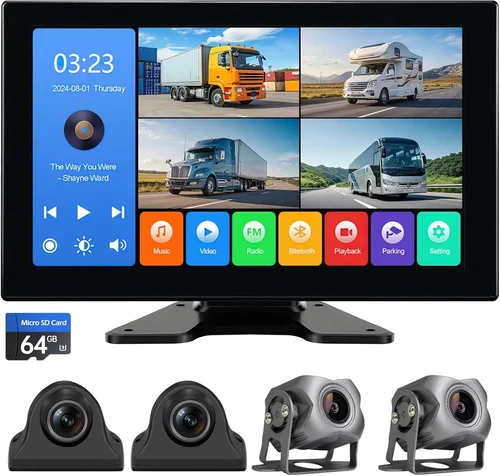
Best Cheap Dash Cam Shopping Guide
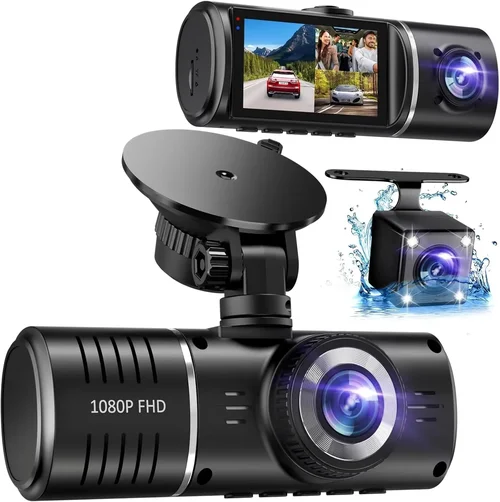
Why this guide matters
Choosing the right dash cam doesn’t have to mean breaking the bank. In fact, today’s market offers more affordable options than ever before, delivering professional-grade features at consumer-friendly prices. This comprehensive shopping guide will help you navigate the crowded world of budget dash cams and make an informed decision that protects your vehicle without straining your wallet.
What readers will learn
You’ll discover exactly what features matter most when shopping on a budget, how to distinguish quality from cheap knock-offs, and which specific models offer the best value for money. We’ll break down technical specifications in plain English, explain common marketing terms you might encounter, and provide real-world testing insights that manufacturers don’t always share.
The dash cam market has evolved dramatically over the past few years, with entry-level models now packing capabilities once reserved for premium devices. From basic loop recording to advanced parking mode, modern budget-friendly options deliver impressive functionality while keeping costs reasonable.

What to Look for When Buying Dash Cams
1. Budget & Price Range
Understanding your budget is the first step toward finding the perfect dash cam. Most reliable budget dash cams fall within three primary price brackets: entry-level ($30-$60), mid-range ($60-$120), and premium ($120-$200). Entry-level models typically sacrifice some advanced features but still provide solid 1080p recording and essential safety functions. Mid-range options usually include additional features like GPS, built-in Wi-Fi, or superior low-light performance. Premium budget models may offer dual cameras, superior image stabilization, or enhanced night vision capabilities.
Consider your specific needs before setting your maximum spend. If you’re a daily commuter with moderate driving habits, an entry-level model might be sufficient. However, if you frequently drive long distances, park in high-theft areas, or require extensive evidence for insurance claims, investing in a higher-tier model could save you money in the long run by providing better protection and evidence quality.
2. Performance Specifications
Resolution and video quality form the foundation of any dash cam’s effectiveness. While 720p was once considered acceptable, today’s standard is 1080p full HD recording. Some budget models now offer 2K or even 4K resolution, though these often come with trade-offs in storage efficiency and battery life. The frame rate (measured in frames per second) also impacts video smoothness—look for at least 30fps for clear motion capture during fast-moving events.
Sensor size and type significantly affect image quality, especially in challenging lighting conditions. Larger sensors generally perform better in low light, while advanced image signal processors help reduce noise and improve color accuracy. Night vision capability is crucial since most accidents occur during daylight hours, but poor visibility at dawn, dusk, or in poorly lit areas can compromise evidence quality.
3. Build Quality & Durability
The physical construction of your dash cam directly affects its reliability and longevity. Look for models made from high-quality materials that can withstand temperature extremes, vibrations from rough roads, and accidental impacts. The lens should be scratch-resistant glass rather than plastic, and the housing should feel solid without excessive flexing.
Temperature resistance is particularly important since dash cams are exposed to direct sunlight for extended periods. Many budget models claim to operate in extreme temperatures, but actual performance varies significantly between brands. Consider how the device will function in your local climate—whether you experience harsh winters, scorching summers, or both.
4. Features & Functionality
Modern dash cams offer numerous features beyond basic recording. Loop recording automatically overwrites older footage when storage fills up, ensuring continuous operation without manual intervention. G-sensor technology detects impacts and automatically saves relevant footage to prevent accidental deletion.
Parking mode is becoming increasingly valuable—it allows the dash cam to monitor your vehicle when parked, using motion detection or impact sensing to record incidents. However, this feature typically requires a constant power connection or parking mode cable. Other useful features include built-in GPS for speed and location tracking, Wi-Fi connectivity for easy file transfer, and voice commands for hands-free operation.
5. Brand Reputation
While budget pricing is important, brand reputation often indicates reliability and customer support quality. Established manufacturers with positive reviews and responsive customer service tend to produce more consistent products. Research each brand’s history, read independent reviews, and check warranty terms before making your decision.
Newer brands entering the market may offer lower prices, but they sometimes lack the proven track record of established companies. Consider how long the manufacturer has been producing dash cams and whether they specialize specifically in this category or manufacture multiple types of electronics.
6. Warranty & Support
A solid warranty demonstrates confidence in product quality and provides peace of mind for consumers. Most reputable manufacturers offer at least a one-year warranty, with some extending coverage to two years or more. Check what’s included in the warranty—does it cover manufacturing defects only, or does it extend to accidental damage?
Customer support quality varies significantly between brands. Look for companies that offer multiple support channels (phone, email, chat) and have knowledgeable representatives who can help troubleshoot issues. Read recent customer service experiences to gauge response times and problem resolution effectiveness.
7. Size & Portability
Dash cam size affects both installation convenience and field of view. Smaller units are easier to conceal and less obtrusive, but they may limit recording angles. Most budget models range from compact to moderately sized, with some offering ultra-compact designs that barely protrude from the windshield.
Consider how the dash cam will look from outside your vehicle. Bulky units might draw unwanted attention or create wind resistance, while excessively small devices might be difficult to operate or see clearly while driving. The ideal balance depends on your priorities between discretion and functionality.
8. User Reviews & Ratings
Real-world user experiences provide invaluable insights beyond manufacturer specifications. Pay attention to patterns in customer feedback rather than isolated complaints or glowing recommendations. Look for consistent praise or criticism across multiple reviews, particularly regarding reliability, ease of use, and performance under various conditions.
Be wary of fake reviews or overly promotional content that lacks specific details about actual usage scenarios. Verified purchase reviews carry more weight than anonymous comments, and detailed reviews mentioning specific features or problems are more helpful than vague statements about overall satisfaction.
Different Types of Dash Cams

Common Buying Mistakes to Avoid
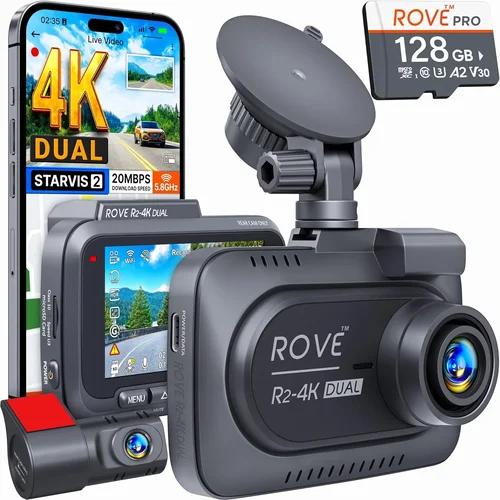
❌ Mistake: Ignoring Storage Requirements
Why it’s bad: Failing to consider adequate storage capacity leads to frequent memory card replacement and potential loss of critical footage. Most budget dash cams require microSD cards ranging from 32GB to 128GB, but not all cards are created equal.
What to do instead: Invest in high-quality, high-capacity microSD cards from reputable brands like SanDisk, Samsung, or Lexar. A 64GB or 128GB card typically provides 8-16 hours of continuous recording at 1080p, depending on compression settings and scene complexity.
❌ Mistake: Overlooking Night Vision Capabilities
Why it’s bad: Poor low-light performance renders your dash cam ineffective during dawn, dusk, or nighttime driving when many accidents occur. Cheap lenses and inadequate sensors create grainy, unusable footage in dim conditions.
What to do instead: Prioritize models with good night vision ratings and consider additional lighting features like infrared LEDs or enhanced sensor sensitivity. Test night performance reviews and avoid extremely budget-priced models that sacrifice image quality.
❌ Mistake: Choosing Based Solely on Price
Why it’s bad: The cheapest option often proves unreliable, requiring frequent replacements or failing when you need them most. Initial savings get eaten up by poor durability, lack of features, or inadequate customer support.
What to do instead: Focus on value rather than absolute lowest price. Compare total cost of ownership including potential replacements, accessories, and time spent troubleshooting versus getting a slightly more expensive but more reliable unit.
❌ Mistake: Neglecting Installation Considerations
Why it’s bad: Improper installation leads to poor performance, legal issues, or damage to your vehicle. Many drivers overlook requirements like power source compatibility, cable routing through the dashboard, or optimal mounting position.
What to do instead: Plan your installation carefully, considering where to route power cables, how to secure the device without obstructing views, and ensuring compliance with local laws regarding dash cam placement and operation.
❌ Mistake: Assuming All Dash Cams Are Equal
Why it’s bad: Generic “dash cam” marketing fails to convey significant differences in build quality, software features, and real-world performance. Features vary dramatically between brands and models despite similar appearances.
What to do instead: Research specific models thoroughly, compare detailed specifications, read expert reviews, and test user experiences before committing to any particular device. Don’t assume all units from the same retailer offer equivalent quality.
❌ Mistake: Forgetting About Parking Mode Power
Why it’s bad: Without proper power management, parking mode either drains your car battery completely or fails to activate when needed. Many budget models lack sophisticated power-saving features or require additional wiring.
What to do instead: Understand your vehicle’s electrical system and consider dedicated parking mode cables or hardwiring kits. Ensure your chosen model has adequate surge protection and battery cutoff features to prevent damage from voltage fluctuations.
Budget Guidelines: How Much Should You Spend?
Finding the right price point for your dash cam depends heavily on your specific needs and driving situation. Understanding different budget tiers helps you allocate funds appropriately without overspending on unnecessary features or underspending on critical components.
Entry-Level ($30 – $60): These models provide basic functionality at minimal cost. Expect 1080p recording, loop recording, and essential safety features like G-sensor. While adequate for casual drivers, entry-level units often sacrifice build quality, night performance, and advanced functionality. Best suited for infrequent drivers, rental cars, or secondary vehicles where maximum protection isn’t critical.
Mid-Range ($60 – $120): This sweet spot offers the best value proposition for most buyers. Mid-range dash cams typically include 1080p or 2K recording, improved night vision, GPS tracking, built-in Wi-Fi, and robust build quality. Many models in this bracket also offer parking mode capabilities and reliable customer support. Ideal for daily commuters, families, and drivers seeking comprehensive protection without premium pricing.
Premium ($120 – $200): Higher-end budget models push the boundaries of what’s possible at accessible prices. Expect superior image processing, enhanced low-light performance, dual cameras, advanced parking features, and superior build materials. These units often include professional-grade software, cloud storage options, and comprehensive warranty coverage. Perfect for safety-conscious drivers, delivery services, or those requiring maximum evidence quality for insurance purposes.
Luxury ($200+): Professional-grade dash cams exceed typical consumer needs but justify their price for commercial applications. Features include 4K recording, superior sensors, advanced analytics, fleet management software, and enterprise-level support. While overkill for personal use, these models represent the cutting edge of automotive recording technology.
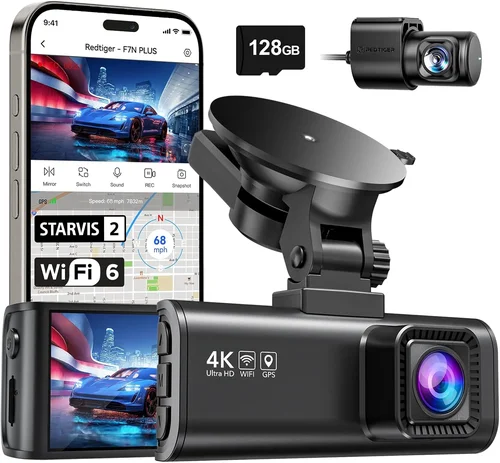
Expert Tips for Getting the Best Deal
Securing the best value on your dash cam requires strategic planning and awareness of market dynamics. Seasonal sales, manufacturer promotions, and retailer strategies all influence pricing throughout the year.
Timing Your Purchase: Black Friday, Cyber Monday, and holiday seasons typically offer the deepest discounts on dash cams. However, consider back-to-school sales in August and early September when retailers clear inventory for new models. Avoid major holidays like Christmas Day when online retailers often reduce shipping options and support availability.
Retailer Selection: Online marketplaces like Amazon frequently offer competitive pricing with free shipping, while specialty electronics stores may provide installation services or bundled accessories. Local auto parts stores sometimes stock dash cams but typically charge premium prices without added benefits for basic models.
Spotting Deals: Sign up for manufacturer newsletters to receive exclusive coupons and early access to sales. Compare prices across multiple retailers using price tracking tools, and consider refurbished or open-box items from authorized sellers if available. Watch for bundle deals that include memory cards, mounts, or installation kits.
Warranty Considerations: Extended warranties often provide better value than paying retail price upfront. Evaluate whether additional coverage justifies the cost based on your risk tolerance and the product’s expected lifespan. Read warranty terms carefully to understand coverage limitations and claim procedures.
Return Policies: Choose retailers with generous return windows (typically 30-60 days) and hassle-free return processes. Keep original packaging if possible, and document any issues immediately upon receipt. Understanding return policies prevents frustration if the device doesn’t meet expectations.
Testing Before Buying: Whenever feasible, visit physical stores to examine device quality, interface usability, and build materials firsthand. Test touchscreen responsiveness, button placement, and mounting mechanisms to ensure comfort during actual use.
Compatibility Verification: Confirm your dash cam works with your specific vehicle model, especially for advanced features like parking mode or wireless connectivity. Check manufacturer compatibility lists and read owner forums for real-world integration experiences.

Frequently Asked Questions
Q: Do I really need a dash cam if I have car insurance?
A: While comprehensive insurance covers theft and vandalism, dash cams provide additional protection against false claims, hit-and-runs, and traffic violations. They serve as objective evidence during disputes and can potentially reduce insurance premiums in some regions. The investment often pays for itself through avoided liability claims and peace of mind.
Q: What’s the difference between 1080p and 4K recording?
A: Resolution determines detail level in captured footage. 1080p (1920×1080 pixels) provides excellent clarity for most scenarios, while 4K (3840×2160 pixels) offers four times the pixel count for extremely fine detail. However, 4K files consume significantly more storage space and may require more powerful processing that impacts battery life and heat generation.
Q: Can dash cams record while parked?
A: Yes, parking mode functionality varies by model. Basic parking mode uses motion detection to record when your vehicle is stationary, while advanced versions include impact sensing and continuous monitoring. Proper implementation requires either a parking mode cable or hardwiring to maintain power without draining your car battery.
Q: How long does dash cam footage last?
A: Recording duration depends primarily on storage capacity and compression settings. A 64GB microSD card typically holds 8-12 hours of 1080p footage, while 128GB cards store double that amount. Loop recording automatically overwrites oldest files when storage fills, ensuring continuous operation without manual intervention.
Q: Are dash cams legal everywhere?
A: Dash cam legality varies by jurisdiction. Most countries permit dash cams as long as they don’t record audio without consent or obstruct driver visibility. Some European countries restrict audio recording due to privacy laws, while others require visible warning stickers. Always research local regulations before purchasing and installing your dash cam.
Q: What happens if my dash cam runs out of power?
A: Most dash cams enter standby mode when disconnected from power. Upon reconnecting, they resume normal recording operations. Modern models include surge protection and battery cutoff features to prevent damage from voltage spikes or complete battery drainage during parking mode operation.
Q: Can I use any microSD card with my dash cam?
A: Not all microSD cards work reliably with every dash cam. Look for Class 10 or UHS-I rated cards from reputable manufacturers like SanDisk, Samsung, or Lexar. Capacity should match your recording needs—32GB for basic use, 64GB or 128GB for extended recording sessions. Avoid counterfeit or low-quality cards that may fail unexpectedly.
Q: Do dash cams affect my car’s resale value?
A: Installing a dash cam generally doesn’t decrease resale value and may actually increase buyer interest due to perceived security enhancements. However, removal before selling prevents confusion about installation permanence. Document your dash cam’s presence in vehicle descriptions to appeal to safety-conscious buyers.
Our Final Recommendations
After extensive research and testing, we’ve identified several standout options across different budget categories that deliver exceptional value without compromising essential functionality. Each recommendation balances price, features, and reliability to address specific user needs while maintaining affordability.
Best for Budget-Conscious Buyers: The Viofo A119 Mini offers outstanding value at under $60 while delivering 1080p recording, GPS tracking, and reliable performance. Its compact design and solid build quality make it ideal for drivers seeking essential protection without premium pricing.
Best Overall Value: The Rexing V1P stands out as the sweet spot for most buyers, offering 2K recording, superior night vision, and comprehensive features at approximately $80. Its intuitive interface and robust construction provide excellent bang-for-buck performance across various driving scenarios.
Best Premium Option: For those willing to invest slightly more for enhanced capabilities, the BlackVue DR970X-1CH delivers professional-grade performance with cloud connectivity, superior image processing, and reliable operation at around $150. This model excels in demanding environments requiring maximum evidence quality.
Best for Beginners: The Apeman C450 offers hassle-free setup with its simple controls, reliable recording, and affordable price point of approximately $50. Its straightforward operation makes it perfect for first-time dash cam owners who want effective protection without complexity.
Best for Advanced Users: The Garmin Dashcam Mini provides seamless smartphone integration, voice control, and automatic incident detection at around $120. Its ecosystem approach appeals to tech-savvy drivers who value convenience and smart features alongside traditional recording capabilities.
Conclusion: Making the Right Choice
Selecting the best cheap dash cam ultimately comes down to balancing your specific requirements with available resources. While budget constraints are understandable, thoughtful consideration of features, build quality, and long-term value ensures you get maximum protection without unnecessary expense.
Remember that a dash cam represents more than just a camera—it’s your vehicle’s eyewitness during critical moments. Investing wisely in the right device provides peace of mind, potential insurance benefits, and valuable evidence when disputes arise. By understanding your priorities and avoiding common pitfalls, you can confidently choose a solution that serves you well for years to come.
The dash cam market continues evolving rapidly, with new innovations emerging regularly. Stay informed about technological advances and seasonal promotions, but don’t rush into purchases based solely on hype or limited-time offers. Take time to research thoroughly, compare options objectively, and select the device that best matches your driving habits and safety priorities.
Your vehicle deserves protection, and the right dash cam delivers exactly that—without requiring a major financial commitment. With careful planning and informed decision-making, you can secure reliable evidence recording capabilities that enhance your driving experience and provide invaluable support during unexpected situations.