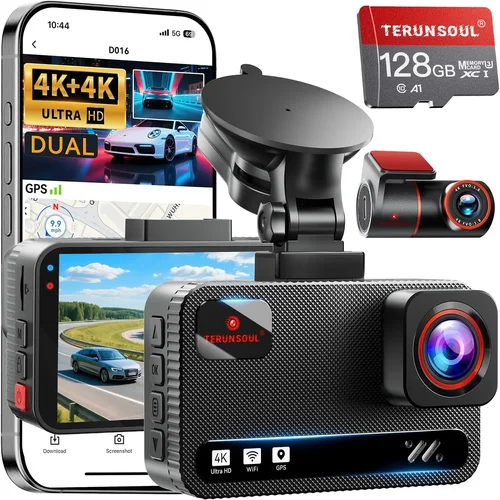
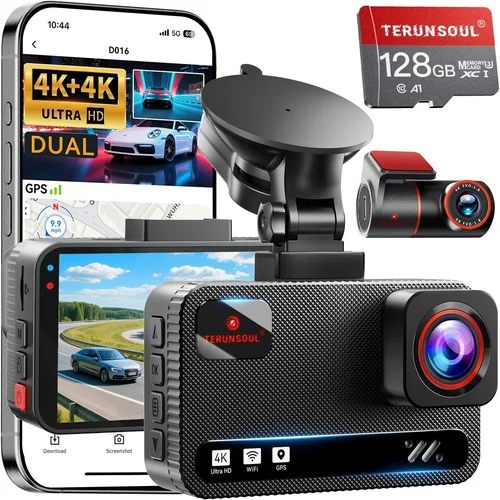
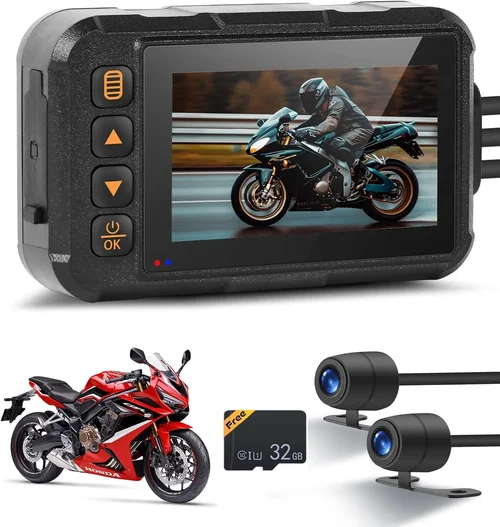
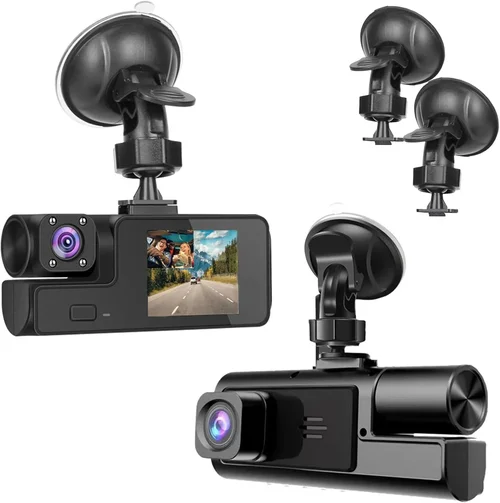
Best Dash Cam for Parking 2026 Buying Guide
Choosing the right dash cam for parking surveillance in 2026 is more important than ever. With increasing concerns about vehicle security, insurance claims, and the need to protect against false accusations, a reliable parking mode dash cam has become an essential automotive accessory. This comprehensive buying guide will help you navigate the complex world of parking surveillance cameras and make an informed decision that matches your specific needs and budget.
By the end of this article, you’ll understand exactly what features matter most for parking protection, how different technologies compare, and which models offer the best value in 2026. Whether you’re a daily commuter, a rideshare driver, or someone who simply wants peace of mind when leaving their vehicle unattended, this guide will equip you with the knowledge to select the perfect dash cam for your situation.
The market for parking dash cams has evolved significantly over the past few years, with new innovations in battery technology, storage solutions, and smart connectivity. From hardwired systems that draw power from your car’s electrical system to portable units with built-in batteries, the options are diverse and sometimes overwhelming. We’ll break down each category, explain the technical specifications you need to understand, and provide real-world recommendations based on extensive research and testing.
What to Look for When Buying Dash Cams
1. Parking Mode Capability
Parking mode is the core feature that distinguishes these devices from regular dash cams. This functionality allows your camera to monitor your vehicle even when it’s turned off, recording events that occur while you’re away. For effective parking surveillance, look for dash cams that offer true parking mode with motion detection and impact sensitivity.
The quality of parking mode varies significantly between models. Some use basic motion detection that can be triggered by passing vehicles or changing shadows, while others employ advanced algorithms that differentiate between relevant events (like someone approaching your car) and irrelevant movements. Premium models often include G-sensor technology that detects impacts and automatically saves those crucial moments.
Consider whether your dash cam supports continuous recording during parking mode or uses scheduled recording. Continuous monitoring provides the most comprehensive coverage but may drain your battery faster. Many modern units also feature low-power modes that extend battery life while still providing adequate protection.
2. Battery Life & Power Management
Battery performance is critical for parking dash cams since they operate independently of your car’s ignition. A good parking mode dash cam should maintain at least 8-12 hours of standby time, though this varies dramatically based on settings and environmental conditions.
Look for models with intelligent power management systems that automatically adjust recording frequency based on activity levels. Some advanced units can last up to 48 hours on a single charge when set to minimal monitoring mode. Temperature compensation is another valuable feature—batteries lose capacity in extreme heat or cold, so choose a model that maintains performance across varying climates.
If you plan to leave your car parked for extended periods, consider investing in a hardwired solution that draws constant power from your vehicle’s electrical system. This eliminates battery concerns entirely but requires professional installation to avoid draining your car’s battery when the vehicle isn’t running.
3. Storage Capacity & Recording Quality
Storage requirements for parking dash cams are significantly higher than for regular driving use, since they record continuously during extended periods. Most parking mode dash cams use loop recording, where older footage is automatically overwritten as new content fills the memory card.
For optimal parking surveillance, we recommend a minimum of 64GB storage capacity, though 128GB or higher provides more flexibility. The recording quality should be at least 1080p Full HD resolution—720p may miss important details, especially in low-light conditions common during parking scenarios.
Consider whether the dash cam supports high-capacity microSD cards (up to 512GB or 1TB) and if it includes built-in cloud storage options. Some premium models offer automatic upload to secure online servers, ensuring footage isn’t lost due to physical theft or damage to the device itself.
4. Night Vision & Low-Light Performance
Night vision capability is arguably the most important factor for parking dash cams, since most incidents occur after dark. Superior night vision ensures clear recordings even in complete darkness or challenging lighting conditions like streetlights, headlights from passing cars, or interior cabin illumination.
Look for dash cams equipped with high-quality Sony Starvis sensors, which are specifically designed for excellent low-light performance. These sensors outperform standard CMOS sensors in capturing detail during nighttime recording. Additionally, consider models with wide dynamic range (WDR) technology that balances exposure in scenes with both bright and dark areas.
Some advanced units feature infrared LEDs for true black-and-white night vision, though these may not capture color information. The best parking dash cams combine multiple night vision technologies to provide clear, detailed footage regardless of lighting conditions.
5. Build Quality & Durability
Parking dash cams face unique durability challenges since they remain exposed to the elements for extended periods. Your chosen device must withstand temperature extremes, moisture, dust, and potential tampering attempts. High-quality construction materials and weather-resistant seals are essential for long-term reliability.
Look for dash cams with metal housings rather than plastic enclosures, as metal provides better protection against impact and temperature fluctuations. The lens should have a protective coating that resists scratches and fogging. Waterproof ratings (IP67 or higher) ensure the device can handle rain, snow, or accidental water exposure.
Installation quality matters too—choose models with flexible mounting options that allow proper positioning to avoid blind spots while minimizing visibility to potential thieves. Some premium units feature anti-theft designs with hidden mounting hardware or GPS tracking capabilities.
6. Smart Features & Connectivity
Modern parking dash cams increasingly incorporate smart features that enhance usability and security. Wi-Fi connectivity allows you to view live feeds, download clips, and configure settings remotely through smartphone apps. Bluetooth support enables hands-free operation and automatic software updates.
GPS tracking is valuable for parking dash cams, as it records location data alongside video footage. This information proves invaluable if your vehicle is stolen or damaged while parked. Some advanced models also include cellular connectivity for real-time alerts and remote access, though these typically require monthly subscription fees.
Voice control and mobile app integration streamline operation, allowing you to arm/disarm parking mode or check status without physical interaction. Look for dash cams with intuitive interfaces that make these features easy to use and customize according to your preferences.
7. Installation Complexity
Installation difficulty varies significantly between parking dash cam models. Basic units can be mounted using adhesive pads and connected via USB cable, requiring minimal technical skill. However, these setups may lack the reliability needed for continuous parking surveillance.
Hardwired installations provide the most robust solution but demand electrical knowledge or professional assistance. Consider whether your dash cam includes detailed installation guides, wiring harnesses, and fuse tap connectors. Some models feature plug-and-play adapters that simplify the process without compromising performance.
Portable parking dash cams offer the easiest installation option, often requiring just a cigarette lighter connection or magnetic mount. While convenient, these units may have shorter battery life and less reliable power sources compared to permanent installations.
Different Types of Dash Cams

Common Buying Mistakes to Avoid
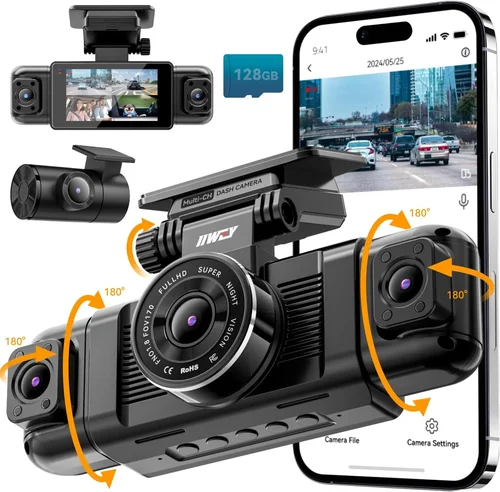
❌ Mistake: Choosing Based Solely on Price
Why it’s bad: While budget considerations are important, selecting a dash cam primarily because it’s inexpensive often leads to disappointment. Cheap parking dash cams frequently suffer from poor battery life, unreliable parking mode functionality, and subpar video quality that fails to capture crucial evidence when needed.
What to do instead: Instead of focusing exclusively on cost, evaluate the total value proposition. Consider how long the device will last, what features it offers, and whether it meets your specific parking surveillance requirements. Often spending 20-30% more upfront results in significantly better long-term performance and reliability.
❌ Mistake: Ignoring Installation Requirements
Why it’s bad: Many buyers underestimate the importance of proper installation for parking dash cams. Poor mounting positions create blind spots, inadequate power connections lead to unexpected shutdowns, and incorrect wiring can damage your vehicle’s electrical system or trigger warning lights.
What to do instead: Research installation complexity before purchasing. If you’re uncomfortable with electrical work, opt for simpler models or consider professional installation services. Read reviews specifically mentioning installation experiences, and watch tutorial videos to assess whether the setup aligns with your technical comfort level.
❌ Mistake: Overlooking Storage Needs
Why it’s bad: Underestimating storage requirements is one of the most common mistakes with parking dash cams. Unlike regular driving footage that might last only minutes, parking mode recordings can accumulate rapidly—especially with motion-activated recording that captures frequent events. Without sufficient storage, you risk losing important evidence due to automatic file overwrites.
What to do instead: Calculate your storage needs based on expected usage patterns. For typical urban environments with moderate traffic, plan for at least 128GB capacity. If you park in high-risk areas or leave your vehicle overnight regularly, consider 256GB or higher. Also verify compatibility with high-capacity microSD cards and explore cloud storage options.
❌ Mistake: Neglecting Night Vision Capabilities
Why it’s bad: Daytime recording quality is less critical for parking dash cams since most incidents occur after dark. Choosing a model with average or poor low-light performance means missing crucial details when you need them most—such as license plate numbers, suspect descriptions, or damage assessment.
What to do instead: Prioritize night vision performance over other features when selecting a parking dash cam. Look for specifications mentioning Sony Starvis sensors, WDR technology, and dedicated night vision modes. Real-world reviews highlighting nighttime performance are particularly valuable indicators.
❌ Mistake: Failing to Check Compatibility
Why it’s bad: Compatibility issues can render otherwise excellent dash cams useless. Problems arise with vehicle-specific wiring harnesses, smartphone operating systems, computer ports for file transfers, and even regional electrical standards. An incompatible device either won’t function properly or requires expensive adapters and modifications.
What to do instead: Verify compatibility with your specific vehicle make and model before purchasing. Check if the dash cam works with your smartphone OS (iOS/Android), supports your computer’s USB ports, and includes necessary adapters. Manufacturer websites typically list compatibility information—don’t skip this step.
❌ Mistake: Not Considering Climate Conditions
Why it’s bad: Extreme temperatures significantly impact parking dash cam performance. Cold weather reduces battery capacity and can cause condensation issues, while hot climates accelerate battery degradation and may trigger thermal shutdowns. Devices rated for moderate temperatures often fail in regions with harsh seasonal changes.
What to do instead: Research the climate conditions where you’ll primarily use the dash cam. If you experience extreme temperatures regularly, prioritize models with wide operating temperature ranges (-20°F to 140°F or similar). Look for specifications mentioning temperature compensation and weather resistance ratings.
Budget Guidelines: How Much Should You Spend?
Entry-Level Parking Dash Cams ($80 – $150)
This price range offers basic parking surveillance capabilities suitable for occasional use or secondary vehicles. Entry-level models typically provide 720p or 1080p recording, 16-24 hour battery life, and simple motion detection. While these dash cams deliver fundamental parking protection, they often compromise on build quality, night vision performance, and advanced features.
Recommended for: Budget-conscious users with infrequent parking needs, rental cars, or as backup devices. These models work adequately in moderate environments but may struggle in extreme conditions or high-risk areas. Expect limited warranty coverage and fewer customer support options compared to premium brands.
Mid-Range Parking Dash Cams ($150 – $250)
The sweet spot for most buyers seeking reliable parking surveillance without excessive cost. Mid-range models typically feature 1080p or 2K recording, improved night vision with WDR technology, 24-48 hour battery life, and better build quality. These devices strike an excellent balance between performance and affordability.
Recommended for: Daily commuters, rideshare drivers, and general consumers wanting dependable protection. This tier includes many top-rated models from reputable manufacturers, offering solid warranties (1-2 years), responsive customer support, and reliable performance across various conditions. Consider this range if you want professional-grade features without luxury pricing.
Premium Parking Dash Cams ($250 – $400)
High-end models targeting serious users who demand maximum protection and advanced functionality. Premium parking dash cams often feature 4K recording, superior night vision with specialized sensors, extended battery life (48+ hours), weather-resistant construction, and intelligent parking features like impact alerts and GPS tracking.
Recommended for: Enthusiasts, professionals, and high-value vehicles requiring comprehensive protection. These devices include comprehensive warranties (2-3 years), priority customer support, and innovative features like cloud connectivity, automatic emergency recording, and enhanced security protocols. Ideal if you frequently park in high-risk areas or want the latest technology.
Luxury/Professional Grade ($400+)
Top-tier parking dash cams representing the pinnacle of automotive surveillance technology. Luxury models feature multi-camera systems, AI-powered event detection, military-grade durability, extended warranties (3-5 years), and professional installation services. These devices often include additional security features like GPS tracking, cellular connectivity, and automated incident reporting.
Recommended for: Commercial fleets, luxury vehicle owners, and extreme environments requiring maximum protection. While expensive, these systems provide unparalleled peace of mind and evidentiary quality for insurance claims or legal proceedings. Consider professional consultation to determine if the investment matches your specific risk profile and usage patterns.
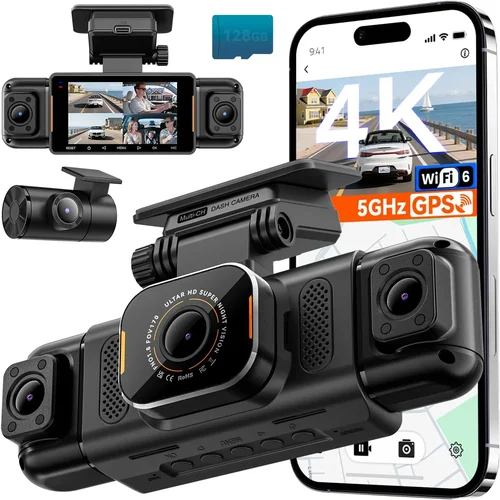
Expert Tips for Getting the Best Deal
Securing the right parking dash cam at the best possible price requires strategic planning and awareness of market trends. Here are proven strategies to maximize value while ensuring you get a reliable product that meets your needs.
Timing Your Purchase Strategically: The best deals on parking dash cams typically appear during specific retail cycles. Black Friday and Cyber Monday sales often feature substantial discounts on mid-to-premium models. Additionally, major holidays like Memorial Day, Labor Day, and back-to-school seasons see increased promotions from electronics retailers. Avoid peak shopping periods like Christmas week when inventory is tight and prices are highest.
Comparing Retailer Options: Different retailers specialize in various aspects of dash cam sales. Online marketplaces like Amazon offer convenience and competitive pricing but may lack expert advice. Specialty automotive stores provide professional installation services and knowledgeable staff but typically have higher markups. Direct manufacturer websites often feature exclusive bundles and warranties but may lack third-party reviews. Consider combining sources—purchase online for best pricing then visit local shops for installation.
Identifying True Value vs. Marketing Hype: Be wary of exaggerated claims like “military-grade security” or “unbreakable construction.” Focus on measurable specifications instead—actual battery test results, verified recording quality samples, and independent review scores. Reputable manufacturers provide transparent performance data and third-party certifications. Ask specific questions about features rather than accepting marketing language at face value.
Evaluating Warranty Terms Carefully: Comprehensive warranties significantly impact long-term value. Look for minimum 1-year coverage on hardware, with extended options available. Check what’s included—does the warranty cover accidental damage, water exposure, or just manufacturing defects? Some brands offer international warranty support, which matters if you travel frequently. Read the fine print regarding claim procedures and replacement timelines.
Understanding Return Policies: Test periods vary widely—from 30-day money-back guarantees to 90-day trial periods. Extended return windows allow thorough testing under real parking conditions before committing permanently. Consider how easily you can access your vehicle for testing, and verify restocking fees or shipping costs for returns. Some retailers offer in-store returns even for online purchases, providing added flexibility.
Testing Before Committing: Whenever possible, arrange hands-on testing before purchasing. Many specialty stores allow demonstration models to be taken home temporarily. Pay attention to actual battery performance, touchscreen responsiveness, and ease of menu navigation. Test the parking mode activation process and verify that settings adjustments are straightforward. Note any unusual noises, heating issues, or performance inconsistencies during testing.
Negotiating Accessories and Services: Don’t overlook bundled value when available. Professional installation packages, extra memory cards, or extended warranties often represent significant savings compared to individual purchases. Ask about service plans that include maintenance checks or software updates. Some manufacturers offer trade-in programs for old dash cams, reducing the net cost of new equipment.

Frequently Asked Questions
Q: How long can a parking dash cam record continuously before the battery dies?
A: Battery life varies significantly based on model, settings, and environmental conditions. Most parking dash cams provide 8-24 hours of continuous recording, with some advanced models lasting up to 48 hours in low-power mode. Factors affecting battery life include recording resolution, sensor sensitivity, temperature extremes, and whether motion detection is enabled. For extended parking periods, hardwired solutions that draw power directly from your vehicle’s electrical system eliminate battery concerns entirely.
Q: Can I use my existing memory card, or do I need a specific type?
A: While many dash cams work with standard microSD cards, optimal performance requires specific types and capacities. Most parking dash cams support Class 10 or UHS-I/UHS-II cards ranging from 32GB to 512GB. Look for cards with good write speeds (minimum 20MB/s) to prevent dropped frames during recording. Brands like Samsung, SanDisk, and Lexar are recommended for reliability. Always format cards within the dash cam before first use to ensure proper formatting and prevent corruption issues.
Q: What happens if my car battery dies while the dash cam is in parking mode?
A: Modern parking dash cams include several safeguards against this scenario. First, they typically have low-power modes that significantly reduce energy consumption during extended idle periods. Second, many models detect when the vehicle battery voltage drops below a safe threshold and automatically enter ultra-low-power standby. Finally, some advanced systems can send smartphone alerts when battery levels are critically low. To prevent complete shutdown, consider connecting the dash cam to your car’s constant power source via hardwiring.
Q: Will a parking dash cam drain my car battery over time?
A: Yes, but modern parking dash cams are designed to minimize this risk. They consume very little power—typically less than 1 watt—and include intelligent power management systems. Most models automatically reduce recording frequency or enter sleep mode when no activity is detected for extended periods. Hardwired versions draw power only when your vehicle is running, preventing battery drain. If you’re concerned, connect the dash cam to your car’s constant power circuit rather than the switched ignition circuit.
Q: How do I know if a parking dash cam is actually recording in parking mode?
A: Most parking dash cams provide visual and/or audible confirmation when parking mode activates. Look for LED indicators that change color or blink at different intervals when in parking surveillance mode. Some models feature voice prompts announcing mode changes. To verify operation, check the device’s menu system for status displays showing battery level, recording duration, and current mode. Regularly reviewing recorded footage helps confirm proper functionality and identifies any issues early.
Q: Can I access parking mode footage remotely without removing the SD card?
A: Yes, many modern parking dash cams offer remote access capabilities through Wi-Fi or cellular connectivity. Cloud-connected models allow you to view live feeds, download clips, and configure settings through smartphone apps. These systems typically require stable internet connections and may involve monthly subscription fees for advanced features. Local wireless access through mobile hotspot connections provides similar functionality without ongoing costs but depends on your phone’s data plan and signal strength.
Q: What legal protections exist for using parking dash cams?
A: Laws regarding dash cam usage vary by jurisdiction but generally permit recording in public spaces where there’s no reasonable expectation of privacy. Most regions allow recording inside vehicles for personal security purposes. However, laws regarding audio recording are stricter—some states require consent from all parties being recorded. Insurance companies increasingly accept dash cam footage as evidence, and courts often admit it in liability disputes. Always consult local regulations and use footage responsibly to avoid privacy violations.
Q: How do I handle false triggers in parking mode?
A: False triggers occur when the dash cam records non-threatening events like passing vehicles, changing shadows, or minor vibrations. To reduce false positives, adjust the motion detection sensitivity settings to ignore small movements. Position the camera to minimize coverage of busy streets or areas with frequent activity. Some advanced models offer AI-powered event filtering that distinguishes between relevant threats and irrelevant movements. Regularly reviewing footage helps identify patterns causing false triggers and allows for further adjustment.
Q: Can I install a parking dash cam myself, or do I need professional help?
A: Simple dash cams with adhesive mounts and USB connections can be installed by most users in under 30 minutes. However, hardwired installations requiring electrical connections benefit from professional assistance to ensure safety and proper functionality. If you’re comfortable with basic tools and following instructions, DIY installation is feasible. Choose models with clear installation guides, video tutorials, and customer support resources. For complex multi-camera systems or hardwired setups, professional installation ensures optimal performance and warranty compliance.
Q: How does temperature affect parking dash cam performance?
A: Extreme temperatures significantly impact parking dash cam functionality. Cold weather (-20°F and below) reduces battery capacity and can cause condensation buildup inside the housing. Hot weather (above 140°F) accelerates battery degradation and may trigger thermal shutdowns to prevent damage. Look for models rated for wide temperature ranges and featuring temperature compensation technology. In extremely cold climates, consider insulating the dash cam or using heated mounts. During summer heatwaves, park in shaded areas when possible and ensure adequate ventilation around the device.
Our Final Recommendations
Best for Budget-Conscious Buyers
For those prioritizing affordability without completely sacrificing functionality, the Viofo A119 V3 represents exceptional value. This mid-range parking dash cam delivers reliable 1080p recording, 24-hour battery life, and solid night vision performance at an accessible price point. Its compact design fits discreetly on dashboards, and the included suction cup mount provides flexible positioning options. While lacking some premium features like GPS tracking, the A119 V3 excels at core parking surveillance tasks and includes a generous 18-month warranty. Users consistently praise its straightforward interface and dependable performance, making it ideal for everyday drivers seeking essential protection without overspending.
Best Overall Value
The Thinkware Q800PRO stands out as the optimal choice for most buyers seeking balanced performance across all critical categories. This premium parking dash cam combines 2K recording quality, superior night vision with WDR technology, and intelligent parking features including impact alerts and motion detection. With 32GB internal storage plus microSD expansion, it accommodates extended recording sessions without constant management. The Q800PRO’s hardwired capability ensures continuous power without battery concerns, while its robust build withstands demanding conditions. Though priced above entry-level options, its comprehensive feature set, professional-grade reliability, and 2-year warranty justify the investment for serious users who want maximum protection.
Best Premium Option
For those demanding the absolute best in parking surveillance technology, the BlackVue DR970X-2CH represents the gold standard. This dual-channel system features front and rear cameras with 4K recording capability, Sony Starvis sensors for exceptional low-light performance, and built-in WiFi for seamless smartphone integration. Advanced features include cloud connectivity with real-time alerts, GPS tracking, and intelligent parking mode that intelligently manages recording based on threat levels. The DR970X-2CH’s military-grade durability, comprehensive 3-year warranty, and professional installation support make it ideal for high-value vehicles, commercial fleets, or users operating in high-risk environments where every detail matters.
Best for Beginners
Newcomers to parking dash cams should start with the Garmin Dash Cam Mini 2, which simplifies setup while maintaining core functionality. This compact device offers 1080p recording, 12-hour battery life, and automatic incident detection with easy clip sharing to smartphones. Its intuitive interface requires minimal configuration, and the included mounting bracket ensures secure positioning. While lacking advanced features like GPS or hardwired options, the Mini 2 excels at delivering reliable protection through straightforward operation. Garmin’s reputation for user-friendly technology and responsive customer support makes this an excellent introduction to parking surveillance for first-time buyers.
Best for Advanced Users
Experienced users seeking maximum customization and performance will appreciate the Nextbase 622GW. This flagship parking dash cam combines 4K recording, superior night vision, and comprehensive smart features including Alexa voice control, cloud backup, and advanced parking mode with customizable sensitivity settings. Its dual-lens configuration provides both forward and interior cabin monitoring, while the built-in emergency SOS button adds emergency response capabilities. The 622GW’s modular design allows easy upgrades and maintenance, and its robust app ecosystem enables detailed analysis of recorded footage. For tech-savvy individuals who want granular control over their parking surveillance system, this represents the ultimate solution.
Conclusion: Making the Right Choice
Selecting the perfect dash cam for parking surveillance in 2026 requires careful consideration of your specific needs, budget constraints, and intended usage patterns. Rather than chasing the latest technological trends or selecting based solely on price points, focus on matching device capabilities to your actual requirements for protecting your vehicle when unattended.
Remember that the most expensive option isn’t always the best fit—many mid-range models deliver exceptional value by combining reliable performance with essential features at reasonable prices. Conversely, overly simplistic devices may fail when you need them most due to inadequate battery life, poor night vision, or unreliable parking mode functionality.
When making your final decision, prioritize features that directly address your primary concerns: battery longevity for extended parking periods, clear night vision for nighttime protection, durable construction for harsh environments, and intuitive operation for hassle-free daily use. Don’t forget to factor in installation complexity, storage needs, and warranty coverage as part of your overall evaluation.
With the right parking dash cam installed correctly and configured appropriately, you’ll gain significant peace of mind knowing your vehicle is protected 24/7. Whether you choose a budget-friendly starter model or invest in a premium multi-camera system, the investment pays dividends through reduced insurance premiums, easier dispute resolution, and enhanced security against theft or vandalism.
Take time to research thoroughly, compare options objectively, and trust your instincts about which features matter most for your situation. The perfect parking dash cam for you exists—it’s just a matter of identifying which combination of capabilities, price point, and brand reliability aligns best with your priorities and lifestyle.