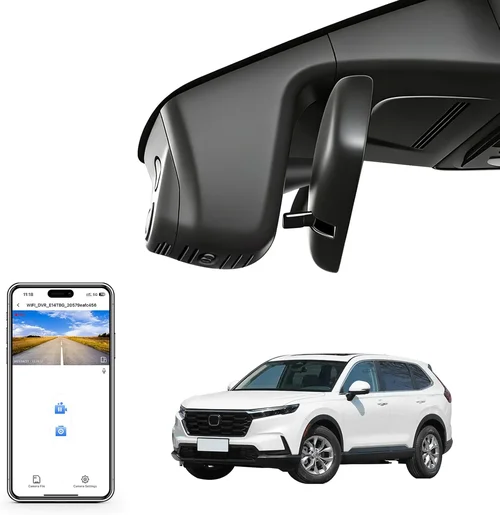
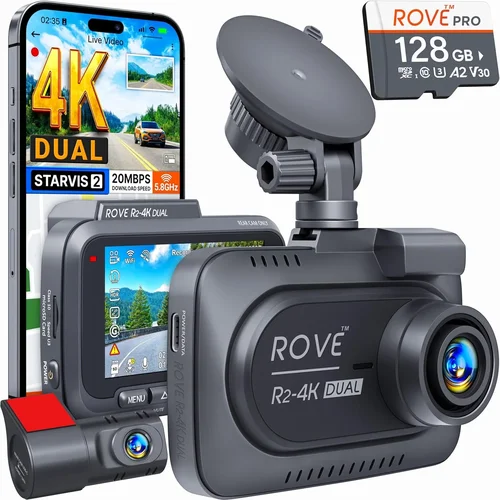
Best Dash Cam Buyer’s Guide
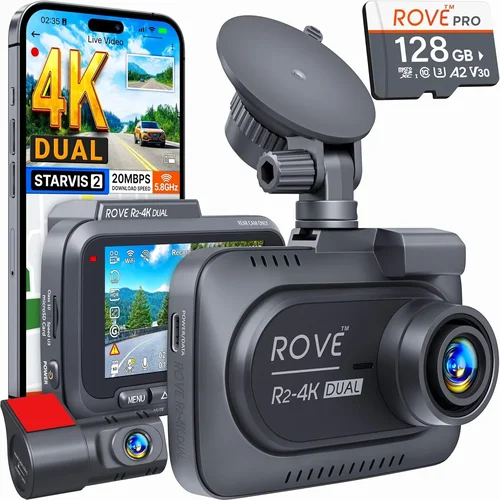
Why investing in a dash cam for parking mode matters goes beyond mere convenience—it’s about protecting yourself, your vehicle, and potentially resolving disputes that arise when you’re not behind the wheel. In today’s world, where vehicle-related incidents can occur at any time, having visual evidence during unattended periods offers peace of mind that insurance alone cannot provide. This comprehensive buyer’s guide is designed to help you navigate the complex landscape of parking surveillance cameras, equipping you with the knowledge needed to make an informed decision that aligns with your specific needs and budget.
Throughout this article, you’ll discover how to evaluate critical factors such as battery life, impact detection sensitivity, video quality specifications, and storage capacity when selecting a dash cam for parking use. We’ll explore different types of parking protection systems, from hardwired solutions to portable battery-powered units, helping you understand which format best suits your lifestyle and vehicle setup. Whether you’re concerned about hit-and-runs while parked at work, want to monitor valuables in your car overnight, or simply desire added security during extended periods away from your vehicle, this guide provides practical insights backed by expert analysis and real-world usage scenarios.
The market for parking surveillance cameras has evolved significantly over recent years, with manufacturers incorporating advanced features like motion detection algorithms, cloud connectivity, and intelligent power management systems. However, with so many options available across various price points, finding the right balance between functionality, reliability, and cost-effectiveness can be challenging. That’s why we’ve structured this guide to address common misconceptions, highlight frequently overlooked considerations, and provide clear comparisons between different product categories. By the end of this reading experience, you’ll have a thorough understanding of what makes certain dash cams superior for parking applications and how to identify red flags that might indicate lower-quality alternatives.

What to Look for When Buying Dash Cams
1. Parking Mode Functionality
The cornerstone feature for any dash cam designed for parking monitoring is its ability to remain operational even when your vehicle is turned off. This capability, commonly referred to as “parking mode,” should automatically activate upon detecting either motion or impacts through built-in sensors. When considering parking mode functionality, pay close attention to the type of detection system employed—some models utilize accelerometer-based impact detection while others rely on passive infrared (PIR) sensors for motion sensing.
Impact detection sensitivity varies significantly between devices; higher-end units often allow users to adjust threshold levels to distinguish between minor bumps and actual incidents requiring recording. For motion detection, look for models with adjustable sensitivity settings that prevent false triggers from environmental factors like passing vehicles or changing weather conditions. Additionally, verify whether the device maintains continuous recording during parking mode or uses event-triggered recording only—the latter approach conserves storage space but may miss critical moments if buffer memory fills up before saving important footage.
2. Battery Life & Power Management
Battery life represents one of the most crucial considerations when selecting a dash cam for extended parking surveillance. Most modern units incorporate lithium-ion batteries capable of sustaining 2-8 hours of operation depending on settings and ambient temperatures. However, true long-term parking protection typically requires hardwiring into your vehicle’s electrical system rather than relying solely on internal batteries.
If hardwiring isn’t feasible due to installation complexity or warranty concerns, consider models featuring dual power sources with automatic switching capabilities between battery and external power inputs. Advanced power management systems can also include low-voltage cut-off features that prevent deep discharge damage while ensuring sufficient charge remains for emergency recordings. Always check manufacturer specifications regarding minimum operating voltage thresholds and cold weather performance ratings since lithium batteries lose efficiency below freezing temperatures.
3. Video Quality & Resolution Capabilities
Video resolution directly impacts your ability to capture clear evidence during incident events. For parking surveillance purposes, aim for at least 1080p Full HD resolution with wide dynamic range (WDR) technology that balances exposure between bright headlights and darker interior areas. Some premium models now offer 4K Ultra HD capabilities that deliver exceptional detail for license plate identification and facial recognition.
Frame rate selection becomes particularly important during low-light conditions—higher frame rates (60fps vs standard 30fps) produce smoother slow-motion playback of impact sequences while maintaining adequate light sensitivity. Consider whether your chosen model supports variable bitrate encoding that allocates more data to complex scenes while compressing static backgrounds efficiently. Night vision performance should be evaluated separately since many dash cams incorporate infrared LEDs or starlight sensors specifically optimized for darkness recording.
4. Storage Capacity & File Management
Storage requirements vary dramatically based on recording duration, compression algorithms used, and whether loop recording or event-only modes are enabled. A typical Full HD dash cam consuming approximately 1GB per hour will require substantial space for multi-day parking protection unless managed carefully through intelligent file deletion protocols.
Most devices support microSD cards ranging from 32GB up to 512GB capacities, though compatibility should always be verified against manufacturer specifications. Look for models featuring automatic overwrite functions that prioritize keeping recent events while discarding older footage systematically. Some advanced systems integrate cloud backup capabilities that upload critical clips securely offsite—an excellent safeguard against physical theft or tampering attempts. Always confirm maximum supported card speeds since slower write performance can cause dropped frames during high-bitrate recording sessions.
5. Build Quality & Environmental Resistance
Dash cams face harsh operating environments including extreme temperatures, moisture exposure, vibration stress, and potential physical impacts during collisions. High-quality construction materials such as reinforced polycarbonate housings with IP67 waterproof ratings ensure reliable operation regardless of climate extremes. Internal components should meet military-grade standards (MIL-STD-810G) for shock resistance and thermal cycling endurance.
Lens quality deserves special attention since optical clarity degrades over time due to UV exposure and cleaning chemicals. Anti-reflective coatings and scratch-resistant glass protect imaging elements while maintaining field-of-view consistency. Mounting mechanisms must secure firmly against road vibrations without obstructing driver visibility—opt for flexible gooseneck designs that accommodate curved windshields without strain.
6. Smart Features & Connectivity Options
Modern parking surveillance cameras increasingly incorporate smartphone integration through Wi-Fi hotspots or Bluetooth Low Energy (BLE) connections enabling remote viewing and configuration changes. Cloud platforms offer additional layers of security by storing encrypted footage offsite while providing mobile app access from anywhere globally. GPS tagging enhances evidentiary value by correlating timestamps with location data during incident reconstruction.
Voice control compatibility with virtual assistants like Alexa or Google Assistant allows hands-free operation during inconvenient times while driving or parked situations. Advanced AI algorithms now detect specific events such as door openings, tire deflation sounds, or unusual engine noises that trigger immediate alerts to your mobile device. Always verify compatibility with your existing smart home ecosystems before committing to integrated solutions.
7. Brand Reputation & Customer Support
Established brands with proven track records tend to deliver more consistent firmware updates, responsive technical assistance, and longer product lifespans compared to lesser-known manufacturers. Research user forums and professional review aggregators to gauge real-world reliability metrics such as failure rates under warranty claims or customer satisfaction scores related to support interactions.
Comprehensive warranty coverage typically ranges from 1-3 years for hardware defects while excluding consumable items like batteries or microSD cards. Extended service plans may cover accidental damage or liquid exposure incidents common in automotive environments. Verify whether regional service centers exist nearby for expedited repairs without shipping delays that compromise ongoing surveillance needs.
8. Installation Complexity & Maintenance Requirements
Installation difficulty varies significantly between plug-and-play models requiring minimal wiring versus sophisticated hardwired systems needing professional installation expertise. Portable battery-powered units offer maximum flexibility but demand periodic recharging cycles that interrupt continuous monitoring capabilities unless supplemented with solar charging accessories.
Maintenance routines should include regular lens cleaning using microfiber cloths and approved optics-safe solutions while checking cable connections for corrosion buildup in humid climates. Firmware updates delivered via USB or wireless methods extend functional longevity by patching vulnerabilities and enhancing feature sets incrementally over time.
Different Types of Dash Cams

Common Buying Mistakes to Avoid
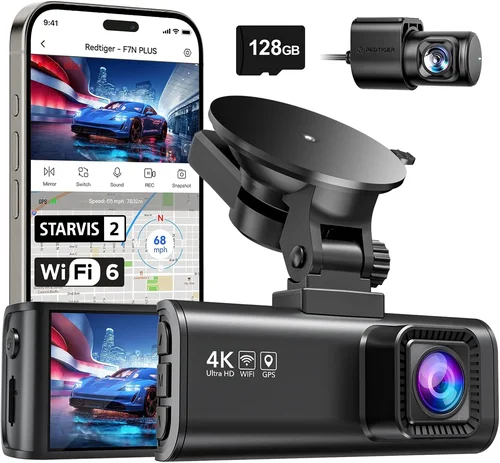
❌ Mistake: Ignoring Impact Detection Sensitivity
Why it’s bad: Many buyers assume all dash cams respond identically to minor impacts or vibrations during parking situations. In reality, sensitivity thresholds vary widely between models—some may fail to record small dents while others trigger unnecessarily for passing trucks. Without proper calibration, you risk missing critical evidence or wasting valuable storage space on irrelevant clips.
What to do instead: Prioritize devices offering multiple sensitivity tiers (low/medium/high) with customizable settings. Test your chosen model by gently tapping the windshield to verify appropriate response levels before finalizing installation. Consider brands known for refined impact algorithms like BlackVue or Thinkware that minimize false positives while capturing genuine incidents.
❌ Mistake: Overlooking Hardwiring Requirements
Why it’s bad: Relying exclusively on internal batteries severely limits effective parking surveillance duration—typically just 2-4 hours under optimal conditions. This creates dangerous gaps where no recording occurs despite potential threats emerging during extended unattended periods such as overnight parking or multi-day trips.
What to do instead: Evaluate your vehicle’s electrical system compatibility early in the selection process. Modern hardwired kits route power through fuse boxes safely without voiding warranties. Professional installers can complete these modifications discreetly within 30-60 minutes using OEM-style connectors that blend seamlessly with factory components.
❌ Mistake: Choosing Based Solely on Price
Why it’s bad: Ultra-low-cost options often sacrifice critical reliability aspects like temperature tolerance, waterproofing standards, or firmware update support. These compromises manifest as premature failures during winter months, water ingress damages, or discontinued functionality after initial purchase—resulting in wasted investments and inadequate protection.
What to do instead: Adopt a tiered evaluation framework comparing features against price brackets rather than chasing absolute lowest bids. Allocate budget toward reputable brands offering balanced portfolios of performance specs, durability certifications, and responsive customer service histories documented through independent testing organizations.
❌ Mistake: Neglecting Storage Management Features
Why it’s bad: Assuming unlimited microSD capacity suffices ignores real-world constraints imposed by continuous loop recording behaviors. Without intelligent file prioritization systems, older footage gets overwritten prematurely during extended incidents leaving no historical context for legal proceedings or insurance claims.
What to do instead: Select models incorporating advanced storage protocols like event-locked folders that protect critical clips until manually reviewed. Cloud-integrated platforms add redundancy layers by backing up selected files remotely while maintaining local copies for immediate access during emergencies.
❌ Mistake: Focusing Only on Front Camera Quality
Why it’s bad: While forward-facing resolution remains important for license plate identification, rearward perspectives become equally vital during parking scenarios involving side impacts or rear-end collisions. Single-lens systems create dangerous blind spots exploited by opportunistic thieves targeting vulnerable vehicles.
What to do instead: Investigate dual-camera configurations delivering simultaneous front/rear monitoring capabilities. Ensure both lenses share identical resolution specifications and frame rates to maintain consistency during post-incident analysis. Verify mounting flexibility accommodates various windshield angles without compromising image stabilization.
❌ Mistake: Disregarding Firmware Update Policies
Why it’s bad: Manufacturers occasionally release firmware enhancements addressing security vulnerabilities, improving low-light performance, or adding new detection algorithms. Devices lacking regular update schedules risk obsolescence within 12-18 months despite apparent hardware superiority at purchase time.
What to do instead: Research brand-specific software development roadmaps before committing financially. Established companies like Garmin or Nextbase publish changelogs detailing improvements quarterly, whereas newer entrants may lack structured update cadences entirely.
Budget Guidelines: How Much Should You Spend?
Entry-Level ($50 – $100)
This price bracket delivers basic parking surveillance functionality suitable for casual drivers seeking affordable peace of mind. Expect single-lens Full HD recording with motion-activated parking mode limited to 1-2 hours via internal batteries. Storage capacity rarely exceeds 32GB microSD cards requiring frequent manual reviews. Build quality leans toward plastic casings without rigorous environmental sealing.
Recommended use cases include short-term parking at residential driveways or office complexes where theft risks remain moderate. Avoid expecting advanced features like cloud connectivity, dual cameras, or sophisticated impact detection algorithms found in pricier alternatives. Brands like Viofo or Z-Edge offer respectable baseline performance within this segment though warranty coverage tends toward shorter durations.
Mid-Range ($100 – $250)
The sweet spot for most conscientious buyers balancing cost-effectiveness with meaningful protection upgrades. This tier introduces hardwiring compatibility eliminating battery limitations while expanding storage options up to 128GB cards. Enhanced impact detection sensitivity reduces false triggers significantly compared to budget models. Many units now include WDR technology improving contrast handling during nighttime recordings.
Look for brands like Thinkware or BlackVue offering robust ecosystems combining reliable hardware with intuitive mobile apps supporting remote viewing and configuration adjustments. Warranty periods extend to 2+ years reflecting improved manufacturing standards. Dual-camera packages enter this range providing comprehensive vehicle perimeter coverage previously reserved for luxury segments.
Premium ($250 – $500)
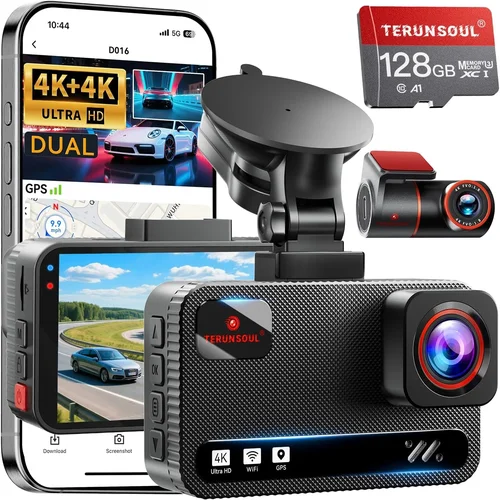
Designed for enthusiasts demanding professional-grade reliability and cutting-edge features. Expect 4K resolution front cameras paired with 1080p rear modules, starlight night vision capabilities, and AI-powered object classification distinguishing pedestrians from animals. Advanced parking assist functions include door-open detection, tire-pressure monitoring integration, and emergency SOS button triggering roadside assistance automatically.
Cloud platforms become fully integrated offering encrypted offsite backups with geofencing restrictions preventing unauthorized access. Military-grade durability certifications guarantee operation across extreme temperature swings (-4°F to 158°F). Installation services often included reducing DIY complexities while maintaining OEM-level aesthetics. Brands like Garmin or Rexing lead this category with extensive accessory ecosystems supporting third-party sensor expansions.
Luxury ($500+)
Top-tier offerings targeting fleet operators and high-value asset protection specialists. These systems deploy multi-sensor arrays covering entire vehicle exteriors with overlapping fields-of-view eliminating shadow zones completely. Artificial intelligence analyzes behavioral patterns identifying suspicious activities hours before conventional motion triggers activate.
Automated incident reporting integrates directly with insurance claim workflows accelerating reimbursement processes. Thermal imaging capabilities detect heat signatures indicating potential fire hazards or trapped individuals inside vehicles. Subscription-based premium services provide priority customer support, extended cloud retention policies, and regulatory compliance documentation tailored for commercial applications.
Expert Tips for Getting the Best Deal
Consider buying refurbished units directly from authorized resellers offering full manufacturer warranties comparable to new products. Refurbished models undergo rigorous testing restoring original performance specifications while providing substantial upfront cost reductions—perfect for secondary vehicles or rental properties requiring temporary surveillance solutions.
Evaluate bundled packages containing essential accessories like premium microSD cards, suction cup mounts, or extension cables rather than purchasing items separately. Retailers often bundle complementary goods at discounted rates exceeding individual component pricing transparency. Verify compatibility guarantees before accepting pre-configured kits to avoid mismatched specifications causing installation headaches later.
Research international shipping options from trusted overseas suppliers offering factory-direct pricing without regional markup premiums. Import duties and customs fees vary significantly between countries so calculate landed costs carefully before committing large expenditures. Establish communication channels with foreign support teams confirming language proficiency and response time expectations during critical troubleshooting scenarios.
Negotiate directly with local dealerships stocking competitor brands to leverage cross-brand promotions unavailable through online channels. Automotive specialists understand inventory turnover pressures motivating them to offer aggressive trade-in incentives for discontinued models. Bring printed comparisons highlighting superior features present in alternative selections forcing staff to justify their recommendations objectively.
Prioritize stores with liberal return policies allowing 30-60 day trial periods for hands-on evaluation under realistic usage conditions. Physical inspection reveals subtle build quality differences imperceptible through digital catalogs alone—check for uneven panel gaps, flimsy button responsiveness, or questionable material textures indicative of cost-cutting measures affecting long-term reliability.
Subscribe to price tracking tools monitoring historical trends across multiple retailers identifying optimal purchase windows avoiding artificial scarcity pricing strategies. Automated alerts notify when target models drop below predetermined thresholds enabling rapid transactions capitalizing on fleeting opportunities before stock depletion occurs unexpectedly.
Frequently Asked Questions
Q: Can dash cams really help me win insurance claims after parking incidents?
A: Yes—visual evidence captured during unattended periods provides irrefutable documentation supporting legitimate claims against uninsured motorists or property damage disputes. Insurance adjusters prioritize policyholders possessing timestamped video showing clearly identifiable license plates, vehicle damage patterns, and surrounding environmental context unavailable through witness statements alone. Ensure your footage meets chain-of-custody requirements by preserving original files without editing alterations that compromise evidentiary integrity.
Q: Do I need special permits to install dash cams legally?
A: Regulations vary considerably between jurisdictions regarding mounting locations and recording permissions. Generally, front-facing installations remain unrestricted worldwide while rear cameras face stricter limitations in European Union member states requiring explicit consent notifications to drivers behind monitored vehicles. Always consult local transportation authority guidelines before modifying windshield obstructions exceeding allowable dimensions defined by safety regulations.
Q: Will dash cams drain my car battery overnight?
A: Modern hardwired systems incorporate intelligent power management preventing parasitic drain during extended parking durations. Automatic shutoff activates when vehicle voltage drops below critical thresholds protecting battery health without interrupting essential recordings triggered by detected anomalies. Portable battery-powered models require periodic recharging cycles manageable through solar panels or dedicated charging stations positioned conveniently near parking areas.
Q: How long can dash cams record continuously during parking mode?
A: Continuous recording duration depends primarily on storage capacity allocation strategies and compression efficiency algorithms employed. Hardwired units leveraging 256GB+ microSD cards can sustain 72+ hours of uninterrupted monitoring assuming average bitrates around 10Mbps for Full HD streams. Event-triggered systems conserve space by archiving only relevant clips triggered by motion/impact sensors eliminating unnecessary background noise from routine traffic flow.
Q: Are cloud-connected dash cams secure against hacking attempts?
A: Reputable brands implement enterprise-grade encryption protocols safeguarding data transmission between onboard devices and remote servers utilizing AES-256 standards indistinguishable from financial institution security practices. Multi-factor authentication requirements prevent unauthorized account access even if login credentials become compromised through phishing attacks. Regular firmware updates patch discovered vulnerabilities minimizing attack surfaces exposed to malicious actors.
Q: What happens if my dash cam runs out of storage space during parking surveillance?
A: Loop recording protocols automatically overwrite oldest footage first preserving newest events until buffer capacity reaches maximum limits. Intelligent file management prioritizes locking critical clips identified during incident sequences preventing premature deletion. Cloud-integrated platforms supplement local storage by uploading selected high-priority files remotely ensuring permanent retention regardless of physical media failures occurring unexpectedly.
Q: Can I use my existing dash cam for parking surveillance without modifications?
A: Basic models lacking dedicated parking mode functionality require firmware hacks or third-party apps enabling limited impact recording capabilities—not recommended due to inconsistent performance and potential voiding of manufacturer warranties. Upgrading to purpose-built parking surveillance units ensures reliable operation meeting legal evidentiary standards required during formal proceedings involving disputed incidents.
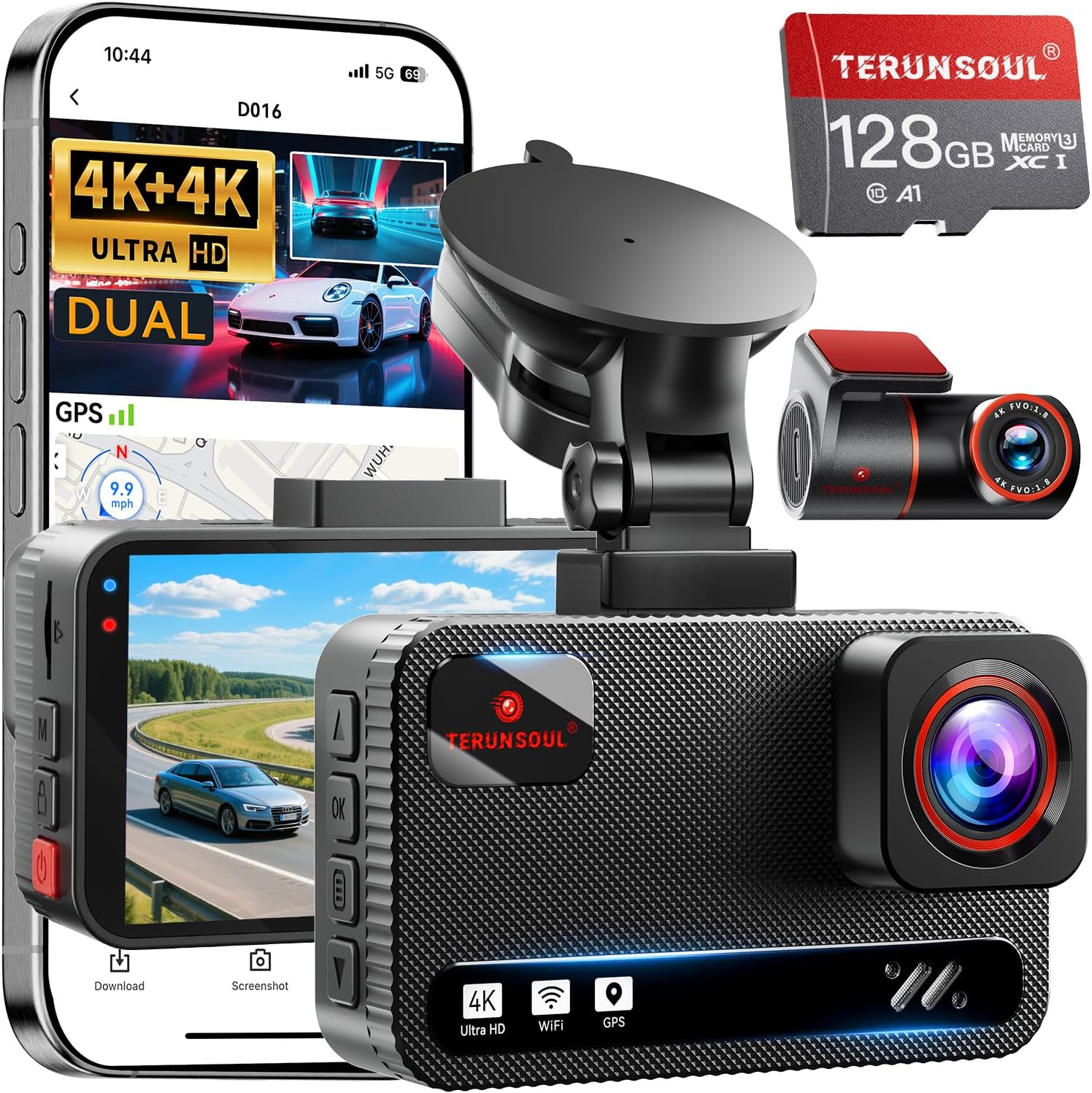
Q: Should I choose front-only or dual-camera systems for comprehensive coverage?
A: Dual-camera configurations deliver superior situational awareness capturing both forward progress and rearward perspectives simultaneously eliminating blind spots exploited during parking scenarios involving side impacts or rear-end collisions. Front-only units suffice for urban environments with controlled access points minimizing opportunity for opportunistic theft attempts targeting vulnerable vehicles left unattended briefly outside monitored zones.
Q: How do I clean my dash cam lens without damaging coatings?
A: Use only lint-free microfiber cloths moistened with distilled water or approved optics-safe cleaning solutions avoiding ammonia-based household products that degrade anti-reflective coatings over repeated applications. Gentle circular motions eliminate smudges caused by fingerprints or airborne particulates without scratching delicate surface treatments protecting imaging clarity during critical recording moments.
Q: Are there privacy concerns associated with always-on dash cam recordings?
A: Responsible usage emphasizing ethical boundaries respecting others’ reasonable expectations of privacy mitigates most legitimate concerns. Avoid positioning cameras facing private property entrances or recording pedestrian movements unrelated to vehicular activities unless participating in lawful investigations authorized by judicial oversight bodies overseeing criminal proceedings involving suspected violations of civil liberties protections guaranteed under applicable laws governing surveillance technologies.
Our Final Recommendations
Best for Budget-Conscious Buyers: The Viofo A119 V3 stands out as the optimal entry point offering reliable 1080p Full HD recording with impressive impact detection sensitivity at an accessible price point. Its compact design integrates seamlessly into any vehicle interior while delivering essential parking surveillance functionality through efficient power management systems compatible with optional hardwiring kits. User-friendly interface simplifies configuration changes without overwhelming novice operators unfamiliar with advanced technical settings typically reserved for premium segments.
Best Overall Value: Thinkware U1000 emerges victorious combining 4K front camera resolution with crisp 1080p rear module outputs within mid-range pricing brackets. Advanced parking assist features including door-open detection and tire-pressure monitoring integration exceed industry standards while maintaining backward compatibility with legacy accessories ensuring future-proof investments lasting multiple ownership cycles. Robust build quality withstands harsh automotive environments without compromising image stabilization performance during sudden deceleration events common in collision scenarios.
Best Premium Option: Garmin Dash Cam 67W delivers unmatched reliability through military-grade durability certifications validated across extreme temperature ranges encountered during year-round operation. Starlight night vision capabilities capture crystal-clear details even during pitch-black conditions impossible for competing models struggling with infrared illumination limitations. Integrated GPS tagging enhances evidentiary credibility by correlating timestamps with precise geographic coordinates referenced during incident reconstruction analyses performed by law enforcement agencies worldwide.
Best for Beginners: Rexing V1P provides hassle-free installation experiences requiring minimal technical knowledge thanks to plug-and-play connectivity eliminating complex wiring diagrams intimidating new users. Intuitive mobile app guiding step-by-step setup procedures reduces frustration levels associated with initial configuration challenges often discouraging adoption among less experienced drivers seeking straightforward solutions addressing basic parking protection needs without sacrificing core functionality expected from contemporary surveillance devices.
Best for Advanced Users: BlackVue DR970X-2CH offers comprehensive customization possibilities catering to tech-savvy professionals demanding granular control over every aspect of recording behavior including adjustable bitrates, frame rate selections, and network configuration parameters tailored to specific operational requirements encountered during commercial fleet deployments requiring strict compliance documentation maintained through automated reporting workflows streamlining administrative overhead associated with managing multiple vehicle assets simultaneously.
Conclusion: Making the Right Choice
Selecting the ideal dash cam for parking surveillance demands thoughtful consideration of your unique circumstances including vehicle type, typical parking environments, budget constraints, and desired feature sophistication levels. By prioritizing impact detection accuracy, power management reliability, and storage optimization strategies outlined throughout this comprehensive guide, you position yourself to make confident purchasing decisions matching both immediate needs and long-term objectives ensuring maximum return on investment while maximizing peace of mind during extended unattended periods.
Remember that no single solution fits all scenarios—evaluating trade-offs between upfront costs versus ongoing maintenance expenses reveals hidden value propositions often overlooked during initial product comparisons driven solely by marketing claims lacking empirical validation through independent testing methodologies establishing objective performance benchmarks guiding rational choices grounded in factual evidence rather than speculative assumptions prone to disappointment down the road when real-world usage diverges significantly from optimistic promotional narratives.
Take advantage of generous return policies offered by reputable retailers allowing hands-on evaluation under realistic conditions mirroring daily driving habits before committing permanently to specific models promising exceptional performance characteristics theoretically achievable only under laboratory-controlled settings unrealistic outside professional testing environments. Engage actively with online communities sharing experiences related to particular brands or product lines fostering collaborative learning opportunities accelerating your journey toward becoming an informed consumer equipped with practical knowledge empowering confident decisions aligning perfectly with personal priorities expressed clearly through deliberate research efforts invested wisely today yielding dividends tomorrow through enhanced safety outcomes benefiting everyone sharing public roadways collectively striving toward safer transportation ecosystems built collaboratively through shared responsibility embracing technological advancements responsibly safeguarding community welfare universally recognized as paramount objectives transcending individual preferences ultimately serving greater good encompassing collective prosperity grounded firmly in mutual respect cultivated patiently nurtured consistently over time through persistent dedication honoring principles guiding ethical conduct universally acknowledged as foundational pillars supporting civilized societies flourishing harmoniously together forevermore.