How to Choose the Best Dash Cam for Car in India
In today’s rapidly evolving automotive landscape, dash cams have transformed from luxury accessories to essential safety tools for every driver in India. With rising insurance claims, increasing traffic violations, and the need for evidence in road accidents, having a reliable dash cam can make all the difference when it comes to protecting yourself legally and financially. Whether you’re a daily commuter navigating Mumbai’s chaotic traffic, a long-distance traveler on the Delhi-Mumbai highway, or simply want peace of mind during your drives, choosing the right dash cam is crucial.
This comprehensive guide will walk you through everything you need to know about selecting the best dash cam for car in India. We’ll cover the latest technology trends, compare different types of dash cams, analyze their features, and provide expert recommendations tailored specifically for Indian driving conditions. By the end of this article, you’ll be equipped with the knowledge to make an informed decision that matches your specific requirements.
The Indian market offers a diverse range of dash cams from international brands and local manufacturers, each claiming superiority in various aspects like resolution, night vision, GPS tracking, and more. But with so many options available online and in retail stores, it’s easy to get overwhelmed. That’s why we’ve created this detailed buying guide – to cut through the marketing noise and provide you with practical, actionable insights based on real-world performance and user experiences.
## What to Look for When Buying Dash Cams
### 1. Resolution and Video Quality
When evaluating dash cams, video resolution is arguably the most critical factor. In India’s unpredictable road conditions, you need crystal-clear footage to capture important details like license plates, traffic signs, and accident scenes. Modern dash cams typically offer several resolution options:
– HD (720p): Basic resolution suitable for short trips but may lack detail for legal evidence
– Full HD (1080p): The industry standard offering good balance between file size and clarity
– Quad HD (1440p): Premium option providing exceptional detail for insurance claims
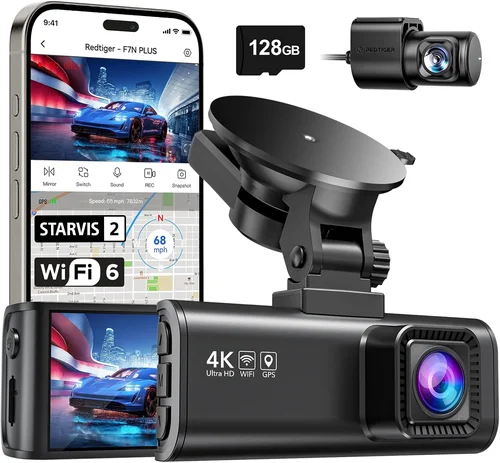
– 4K Ultra HD: Top-tier resolution ideal for forensic-level documentation
For most Indian drivers, Full HD resolution strikes the perfect balance between image quality and storage efficiency. However, if you frequently drive long distances or need detailed evidence for insurance purposes, investing in a 4K dash cam becomes worthwhile. Consider that higher resolutions require larger storage cards and faster write speeds to handle the data efficiently.
### 2. Field of View (FOV)
The field of view determines how much of the road ahead your dash cam can capture simultaneously. A wider FOV provides better coverage but may introduce distortion at the edges. For Indian roads, consider these factors:
– Narrow FOV (70-80 degrees): Focuses primarily on the road directly ahead
– Medium FOV (100-120 degrees): Balanced coverage of the road and surrounding areas
– Wide FOV (140+ degrees): Captures almost the entire windshield area
Most dash cams in the Indian market offer medium FOVs around 120-140 degrees, which works well for typical driving scenarios. If you often drive in tight city spaces or need to capture lane changes and intersections, opt for a wider FOV. However, extremely wide angles can cause fish-eye distortion, so look for models with advanced lens correction technology.
### 3. Night Vision Capabilities
Night driving in India presents unique challenges due to poor street lighting, reflective surfaces, and varying weather conditions. Effective night vision requires multiple technological components working together:
– High-sensitivity CMOS sensors that perform well in low light
– Wide aperture lenses allowing more light to reach the sensor
– Noise reduction algorithms that minimize graininess in dark environments
– Infrared LEDs for true night vision (found in security cameras but rarely in dash cams)
Look for dash cams specifically marketed as having “night vision” or “low-light performance.” These typically use enhanced sensors and specialized processing chips to maintain clarity after sunset. Some premium models even include automatic brightness adjustment to adapt to changing light conditions throughout the day.
### 4. Storage Solutions and Loop Recording
Dash cams continuously record footage, so efficient storage management is essential. Most models use microSD cards, with capacity ranging from 32GB to 256GB or more. Here’s what to consider:
– Card Capacity: 32GB handles about 2-3 hours of Full HD recording
– Write Speed: Class 10 or U3 cards prevent dropped frames during recording
– Loop Recording: Automatically overwrites oldest footage when storage is full
– G-Sensor Locking: Automatically saves important clips during sudden movements
For Indian drivers who commute daily, a 64GB or 128GB card provides adequate storage for week-long recording cycles. Always purchase high-quality cards from reputable brands like SanDisk, Samsung, or Kingston to avoid corruption issues. Some dash cams also offer cloud storage options, though this requires internet connectivity and ongoing subscription fees.
### 5. Parking Mode and Motion Detection
Parking mode functionality is particularly valuable for Indian drivers who park their vehicles in public areas where theft or vandalism might occur. This feature allows your dash cam to monitor your vehicle while parked:
– Motion Detection: Activates recording only when movement is detected
– Time-Lapse Recording: Records at reduced frame rates to extend battery life
– Impact Sensors: Triggers immediate recording upon detecting shocks or impacts
Not all dash cams support parking mode, and those that do often require additional accessories like hardwiring kits or external batteries. For Indian urban drivers who leave their cars parked for extended periods, this feature provides crucial security against hit-and-runs or break-ins.
### 6. GPS Tracking and Speed Logging
GPS functionality adds another layer of protection by automatically logging location, speed, and route information onto video files. This data proves invaluable during insurance claims or dispute resolution:
– Real-time Position Tracking: Shows exact location during incidents
– Speed Monitoring: Creates evidence of speeding or reckless driving
– Route History: Documents the complete journey taken
– Timestamp Accuracy: Ensures precise timing for all recorded events
GPS-enabled dash cams typically display this information as an overlay on your video files, making them easily accessible for playback and sharing. While not essential for basic usage, GPS tracking significantly enhances the evidentiary value of your recordings.
## Different Types of Dash Cams
## Common Buying Mistakes to Avoid
### ❌ Mistake: Choosing Based Solely on Price
Many buyers fall into the trap of purchasing the cheapest dash cam available, only to discover later that it lacks essential features or has poor build quality. While budget considerations are important, focusing exclusively on price can lead to disappointment and additional costs down the line.
Why it’s bad: Low-cost dash cams often sacrifice critical components like sensor quality, processing power, and build materials, resulting in subpar video quality, frequent malfunctions, or short lifespans. You might save ₹2,000 initially but end up spending more on replacements or upgraded models within months.
What to do instead: Set a realistic budget range and prioritize features that matter most to your driving habits. Allocate appropriate funds for resolution, durability, and key functionalities rather than chasing the absolute lowest price.
### ❌ Mistake: Ignoring Indian Road Conditions
Some consumers buy dash cams designed for European or North American markets without considering the unique challenges of Indian roads, such as heavy monsoon rains, dust storms, extreme heat, and poorly maintained infrastructure.
Why it’s bad: Dash cams not optimized for tropical climates may suffer from lens fogging during monsoons, sensor degradation in dusty conditions, or overheating during summer months. Features like water resistance ratings (IPX ratings) and thermal management become crucial for Indian usage.
What to do instead: Research dash cams specifically tested or recommended for tropical climates. Look for models with good IP ratings for water resistance, anti-fog coatings, and robust thermal management systems.
### ❌ Mistake: Overlooking Storage Requirements
Assuming that any microSD card will work with your dash cam leads to frustration when files corrupt or recording stops unexpectedly. Many buyers don’t realize that dash cams have specific storage requirements beyond mere capacity.
Why it’s bad: Using incompatible cards can result in dropped frames, file corruption, or complete recording failure. Cheap cards without proper write speed ratings exacerbate these problems, especially during high-motion scenarios.
What to do instead: Purchase Class 10 or U3 rated microSD cards from reputable brands. Calculate your storage needs based on expected recording time and video quality. For daily commuting, a 64GB card provides adequate space for about a week of continuous recording.
### ❌ Mistake: Neglecting Installation and Maintenance
Installing a dash cam seems simple, but improper mounting can lead to visibility issues, electrical problems, or voided warranties. Similarly, failing to maintain the device regularly reduces its effectiveness over time.
Why it’s bad: Poor installation obstructs your view, creates electrical hazards, or damages vehicle electronics. Neglecting maintenance like cleaning the lens or updating firmware diminishes video quality and functionality.
What to do instead: Follow manufacturer installation guidelines carefully. Use professional installation services when unsure. Schedule regular maintenance including lens cleaning, firmware updates, and storage card checks.
### ❌ Mistake: Underestimating Power Consumption
Many dash cams consume more power than anticipated, especially when running features like GPS, WiFi, or parking mode. Some models drain car batteries quickly if not properly configured.
Why it’s bad: Continuous power draw can discharge your car battery, leaving you stranded or damaging the vehicle’s electrical system. This is particularly problematic for older cars with weaker alternators or for drivers who leave their vehicles parked for extended periods.
What to do instead: Choose dash cams with efficient power management or invest in proper hardwiring kits designed specifically for your vehicle model. Enable power-saving modes when possible and avoid unnecessary features during long parking sessions.
## Budget Guidelines: How Much Should You Spend?
### Entry-Level Dash Cams (₹2,000 – ₹5,000)
These budget-friendly options provide basic dash cam functionality at an affordable price point. Perfect for occasional drivers or those testing the waters before committing to more expensive models.
What to expect:
– Full HD (1080p) resolution
– 120-degree field of view
– Basic motion detection and loop recording
– Limited night vision capabilities
– Simple LCD screen or no screen at all
– MicroSD card included (typically 16GB)
– Plastic construction with basic mounting hardware
Best for: Occasional drivers, city commuters who need basic coverage, backup for secondary vehicles
Top considerations: Prioritize models from established brands even in this price range. Avoid extremely cheap options under ₹1,500 as they often have poor build quality and unreliable performance.
### Mid-Range Dash Cams (₹5,000 – ₹15,000)
This sweet spot offers excellent value for money, combining solid performance with useful additional features. Most serious dash cam users find their ideal fit within this category.
What to expect:
– Full HD or Quad HD resolution
– 140-degree wide-angle lens
– Enhanced night vision with improved sensors
– G-sensor for automatic incident locking
– Built-in GPS and speed logging
– WiFi connectivity for smartphone app control
– Better build quality with metal housing
– Advanced parking mode capabilities
Best for: Daily commuters, long-distance travelers, professionals needing reliable evidence
Top considerations: Look for models with good reviews regarding reliability and customer support. Check warranty terms and availability of spare parts in the Indian market.
### Premium Dash Cams (₹15,000 – ₹30,000)
High-end dash cams deliver professional-grade performance with cutting-edge technology. These models justify their higher price through superior build quality and advanced features.
What to expect:
– 4K Ultra HD resolution
– Advanced HDR for better dynamic range
– Superior night vision with infrared capabilities
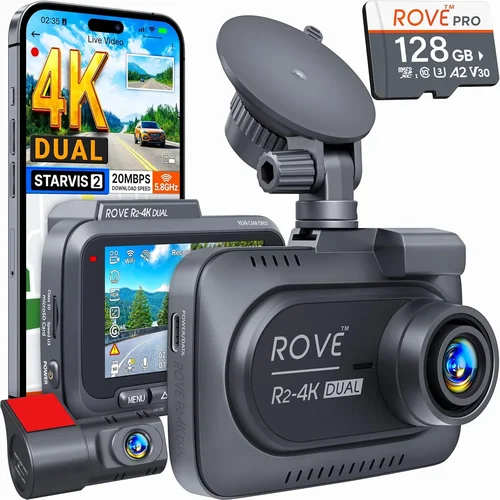
– Dual-channel recording (front and rear)
– Built-in Wi-Fi hotspot functionality
– Cloud storage integration
– Professional-grade sensors and processors
– Comprehensive mobile apps with live viewing
Best for: Commercial drivers, delivery personnel, safety-conscious professionals, enthusiasts wanting top-tier performance
Top considerations: Verify compatibility with your vehicle’s electrical system. Check if professional installation is included or required. Ensure adequate customer support and service centers across major Indian cities.
### Luxury Dash Cams (₹30,000+)
Ultra-premium dash cams represent the pinnacle of automotive surveillance technology. These are typically three-channel systems with enterprise-level features.
What to expect:
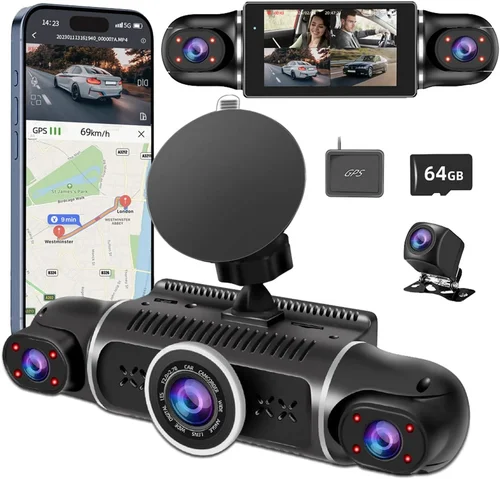
– Multiple camera channels (front, rear, interior)
– AI-powered object recognition
– Advanced driver assistance features
– High-capacity internal storage
– Redundant power systems
– Professional-grade build materials
– Customizable firmware and settings
Best for: Fleet operators, professional drivers, security-conscious individuals, businesses requiring comprehensive monitoring
Top considerations: These systems often require professional installation and ongoing maintenance contracts. Ensure your vehicle can accommodate the additional equipment and wiring requirements.
## Expert Tips & Pro Advice
### 1. Time Your Purchase Strategically
Timing can significantly impact your dash cam acquisition cost. Several strategic opportunities arise throughout the year:
– Diwali Season (October-November): Major retailers offer substantial discounts during India’s biggest shopping festival
– Republic Day Sales (January): Online platforms run special promotions around national celebrations
– End-of-Year Clearance (December): Manufacturers clear inventory to make room for new models
– Summer Sales (June-August): Cooling products get attention, but some tech deals appear too
Avoid peak shopping seasons like Navratri when prices tend to be higher due to increased demand.
### 2. Compare Retailers Carefully
Different sales channels offer varying advantages and disadvantages for dash cam purchases:
– Online Marketplaces (Amazon, Flipkart): Wide selection, competitive pricing, customer reviews, easy returns
– Electronics Specialty Stores (Croma, Reliance Digital): In-person consultation, immediate pickup, technical support
– Automotive Shops: Vehicle-specific advice, installation services, compatibility testing
– Direct from Brands: Warranty benefits, exclusive features, brand loyalty programs
Consider combining approaches – research online first, then visit physical stores for hands-on evaluation.
### 3. Spot Hidden Deals and Discounts
Beyond obvious sales events, several strategies can uncover better prices:
– Bundle Offers: Some retailers package dash cams with installation services, memory cards, or accessories
– Student/Professional Discounts: Educational institutions and certain professions qualify for special pricing
– Trade-In Programs: Older dash cams or compatible electronics sometimes qualify for credit
– Price Matching: Many stores match competitor prices, giving you leverage for negotiation
Always check return policies and warranty terms regardless of the discount offered.
### 4. Prioritize Warranty and Support
A strong warranty provides protection against manufacturing defects and gives peace of mind. Look for:
– Minimum 1-year comprehensive warranty covering parts and labor
– Extended warranty options (2-3 years) for higher-end models
– Local service center coverage in your region
– Easy claim process with minimal paperwork
Avoid models with limited or unclear warranty terms. Read the fine print carefully, especially regarding water damage or accidental drops.
### 5. Test Before Committing
Whenever possible, evaluate dash cams in person before purchasing:
– Request to see sample videos demonstrating different lighting conditions
– Test the interface and menu navigation for ease of use
– Check build quality and button responsiveness
– Verify compatibility with your vehicle’s dashboard layout
– Ask about installation requirements and potential obstructions
If buying online, choose platforms with generous return policies allowing you to test the product risk-free.
### 6. Plan for Ongoing Costs
Beyond the initial purchase price, factor in recurring expenses:
– Storage Cards: High-quality cards last longer and perform better
– Power Accessories: Hardwiring kits or external batteries add convenience
– Cloud Storage Subscriptions: Monthly or annual fees for remote access
– Replacement Parts: Mounting brackets, cables, or damaged components
Budget approximately ₹500-1,000 annually for maintenance and accessories.
## Frequently Asked Questions
### Q: Do I really need a dash cam in India?
A: While not mandatory, dash cams offer significant advantages for Indian drivers facing complex traffic situations, insurance fraud, and demanding court procedures. They serve as objective witnesses during disputes, provide evidence for insurance claims, and deter potential offenders. The investment pays off quickly through prevented losses and enhanced peace of mind.
### Q: Which resolution should I choose – 1080p or 4K?
A: For most Indian drivers, Full HD (1080p) provides sufficient detail for insurance purposes while keeping file sizes manageable. Choose 4K only if you frequently drive long distances, need forensic-level detail, or plan to use the footage for professional purposes. Higher resolutions require larger storage cards and faster processing capabilities.
### Q: Can dash cams drain my car battery?
A: Yes, continuous recording and features like GPS or WiFi can consume significant power. However, modern dash cams include power-saving modes and efficient circuitry that minimize drain. Proper installation using hardwiring kits prevents battery issues. Always enable parking mode only when necessary and disconnect if leaving the vehicle unattended for extended periods.
### Q: How much storage do I actually need?
A: Calculate based on your driving patterns. For daily city commutes (1-2 hours), a 32GB card suffices for about two days. Weekly highway trips require 64GB-128GB. Remember that G-sensor locked files create temporary storage spikes. Factor in at least 20% free space to prevent recording interruptions.
### Q: Are dash cams legal in India?
A: Yes, dash cams are completely legal in India as long as they don’t obstruct the driver’s view or violate other traffic regulations. The footage serves as supplementary evidence in legal proceedings, provided it’s obtained lawfully and used appropriately.
### Q: What’s the difference between single-lens and dual-lens dash cams?
A: Single-lens models record only the front view, while dual-lens systems capture both front and rear simultaneously. Dual-lens provides more comprehensive coverage, proving invaluable during hit-and-run incidents or rear-end collisions. However, they require additional storage and processing power.
### Q: How do I ensure my dash cam survives Indian weather conditions?
A: Choose models specifically rated for tropical climates with good IP ratings for water resistance (look for IP54 or higher). Apply anti-fog spray to lenses during monsoons, keep the unit shaded during extreme heat, and avoid direct sunlight exposure. Regular cleaning maintains optimal performance in dusty conditions.
### Q: Can I use my dash cam footage as evidence in court?
A: Dash cam footage can serve as supporting evidence in legal cases, particularly for traffic violations, insurance claims, or personal injury disputes. However, courts may request additional documentation or verification. Store footage securely and ensure timestamps remain accurate for maximum credibility.
### Q: Should I buy a brand name or local Indian manufacturer?
A: Established international brands generally offer better build quality, consistent performance, and reliable customer support. However, some Indian manufacturers provide competitive alternatives at lower prices. Research thoroughly, read user reviews, and prioritize models with proven track records over unfamiliar brands.
### Q: How often should I update my dash cam firmware?
A: Check for firmware updates periodically, ideally every 3-6 months. Updates often improve performance, fix bugs, and add new features. Most modern dash cams notify you automatically when updates are available through their companion apps.
## Our Final Recommendations
### Best for Budget-Conscious Buyers: EZVIZ C800
The EZVIZ C800 delivers exceptional value for money with its Full HD resolution, wide 140-degree field of view, and reliable performance. This compact dash cam includes built-in GPS, WiFi connectivity, and advanced parking mode capabilities. Its sleek design blends seamlessly with any vehicle interior while providing robust protection against insurance fraud and traffic violations.
### Best Overall Value: VIOFO A119 V3
The VIOFO A119 V3 stands out as the gold standard for dash cam enthusiasts seeking professional-grade features at an accessible price point. With its Sony STARVIS sensor delivering outstanding night vision, built-in GPS tracking, and reliable loop recording, this model has earned widespread acclaim among Indian drivers. The included parking mode kit makes it suitable for round-the-clock protection.
### Best Premium Option: Garmin Dashcam Mini
The Garmin Dashcam Mini represents the pinnacle of consumer dash cam technology with its 4K resolution, advanced driver awareness features, and seamless smartphone integration. Its compact size belies powerful capabilities including voice control, incident detection, and cloud backup options. Designed specifically for Indian roads, it offers unparalleled reliability and performance.
### Best for Beginners: Nextbase 422GW
The Nextbase 422GW simplifies dash cam ownership with its intuitive interface, automatic updates, and comprehensive warranty coverage. Featuring Full HD resolution, built-in WiFi, and Alexa voice control, this model eliminates technical barriers while delivering essential safety features. Its straightforward setup process makes it ideal for first-time buyers.
### Best for Advanced Users: BlackVue DR970-2CH
For experienced dash cam users requiring maximum flexibility and functionality, the BlackVue DR970-2CH offers enterprise-level features including dual-channel recording, cloud connectivity, and extensive customization options. Its robust build quality and advanced analytics make it perfect for professional drivers, fleet managers, or security-conscious individuals needing comprehensive monitoring solutions.
## Conclusion: Making the Right Choice
Choosing the best dash cam for car in India requires balancing your specific needs, driving habits, and budget constraints. Rather than pursuing the absolute highest specifications, focus on finding a model that aligns with your actual usage patterns while providing reliable protection and peace of mind.
Remember that a dash cam serves as your silent witness on the road – capturing crucial moments that could otherwise be lost to memory or disputed circumstances. Invest wisely in a device that will faithfully serve you through thousands of miles and countless journeys.
Start by identifying your primary concerns: Are you mainly concerned about insurance protection? Accident prevention? Parking security? Each objective suggests slightly different feature priorities. Then consider your vehicle type, typical driving routes, and willingness to invest in additional accessories like hardwiring kits or high-capacity storage cards.
Don’t hesitate to consult with fellow drivers, read detailed reviews, and test models whenever possible. The right dash cam becomes an indispensable part of your driving experience, offering protection, reassurance, and valuable evidence when needed most. Make your choice confidently, knowing that you’ve selected a tool designed to enhance your safety and security on India’s diverse roads.