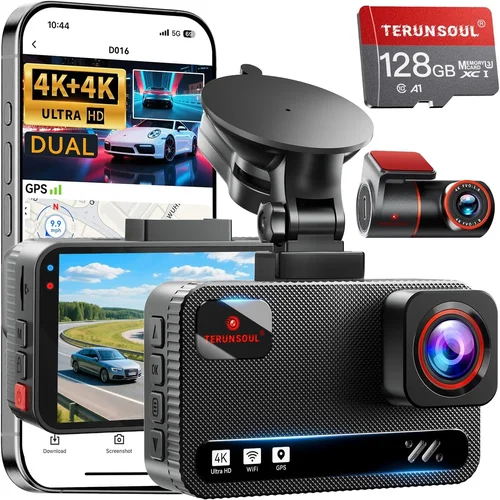
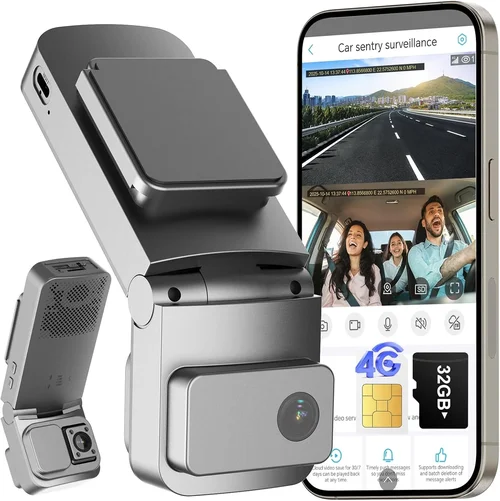
Expert Dash Cam Buying Guide
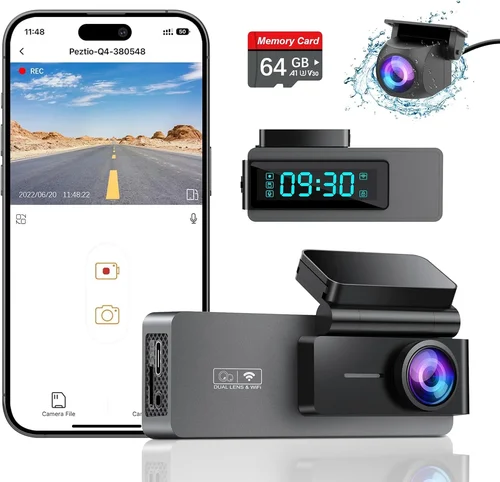
Why choosing the right dash cam with night vision capability matters more than ever. With rising insurance costs, increasing traffic incidents, and growing concerns about vehicle safety, dash cams have evolved from optional accessories to essential automotive investments. The best dash cam for car with night vision can provide critical evidence in accidents, help resolve disputes, prevent insurance fraud, and give drivers peace of mind knowing their journeys are being recorded. However, with dozens of models flooding the market, each claiming superior performance, finding the perfect balance between features, quality, and price can be overwhelming.
This comprehensive buying guide will walk you through everything you need to know about selecting the best dash cam with night vision capabilities. You’ll learn how night vision technology works, what specifications matter most for low-light performance, and how to distinguish between marketing claims and actual product quality. We’ll examine real-world scenarios where night vision dash cams prove invaluable, compare leading brands and models, and provide actionable recommendations based on different driving needs and budgets. Whether you’re a daily commuter, long-distance traveler, or concerned parent, understanding these key factors will help you make an informed decision that protects your investment and enhances your driving experience.
The dash cam market has matured significantly over the past decade, transitioning from basic single-lens recording devices to sophisticated multi-camera systems with advanced AI features. Today’s premium models offer 4K resolution, GPS tracking, parking mode, emergency incident detection, and most importantly for this guide, exceptional night vision capabilities. However, not all dash cams deliver on their night vision promises. Some rely on software enhancement rather than genuine hardware improvements, resulting in grainy, washed-out footage when the lights go down. Understanding the difference between true low-light sensors and post-processing magic is crucial for making the right purchase.

What to Look for When Buying Dash Cams
1. Sensor Technology & Low-Light Performance
The foundation of any dash cam’s night vision capability lies in its image sensor. Modern dash cams use either CMOS (Complementary Metal-Oxide-Semiconductor) or CCD (Charge-Coupled Device) sensors, with CMOS being far more common due to its efficiency and lower cost. For night vision performance, look specifically for sensors with large aperture sizes – measured as f-numbers like f/1.8, f/2.0, or f/2.2. Lower f-numbers indicate larger sensor openings that let in more light, resulting in clearer nighttime footage.
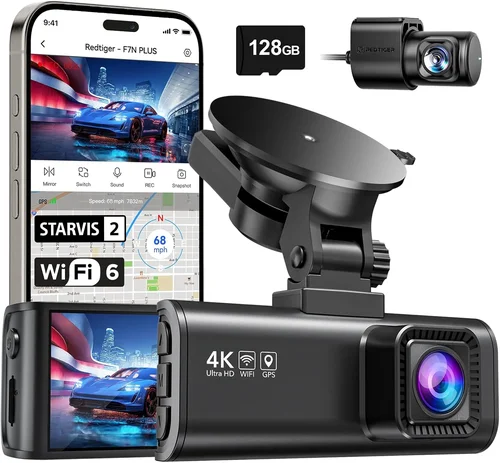
Advanced sensors like Sony’s STARVIS technology represent the gold standard for dash cam night vision. These sensors feature enhanced sensitivity to near-infrared light and improved quantum efficiency, allowing them to capture detailed images in extremely low-light conditions without relying heavily on infrared illumination. When researching potential purchases, prioritize models featuring Sony STARVIS sensors, as they consistently outperform competitors in darkness.
Additionally, consider the sensor size itself. Full HD cameras typically use 1/2.7″ or 1/2.8″ sensors, while higher-end models may employ 1/2.5″ or even larger sensors. Larger sensors generally perform better in low light, though they may require more powerful processing to maintain video quality at higher resolutions.
2. Resolution & Video Quality Standards
Video resolution directly impacts both daytime clarity and nighttime detail retention. While many budget dash cams still offer 720p recording, modern standards demand at least 1080p (Full HD) for clear license plate recognition and facial details. However, for optimal performance including night vision, we recommend seeking models that support 2K (2560 x 1440) or even 4K (3840 x 2160) resolution.
Higher resolutions mean smaller pixels on the sensor, which can actually reduce low-light performance if not properly compensated for. This is why manufacturers pair high-resolution sensors with larger apertures and specialized low-light technologies. A 4K dash cam using a small sensor with poor aperture control will produce grainier night footage than a well-designed 1080p model.
Look for consistent frame rates too – 30fps is standard, but some models offer 60fps for smoother motion capture during fast-moving scenarios. Night vision performance also depends on bitrate settings; higher bitrates preserve more detail but consume more storage space. Most quality dash cams automatically adjust bitrate based on scene complexity, ensuring optimal file quality without unnecessary storage waste.
3. Night Vision Enhancement Technologies
Beyond the sensor itself, several technologies enhance night vision performance:
Night mode algorithms analyze dark scenes and intelligently boost brightness while minimizing noise and artifacts. Advanced implementations use machine learning to distinguish between actual detail and random noise patterns, preserving important information while reducing visual clutter.
WDR (Wide Dynamic Range) technology balances exposure across scenes with extreme lighting contrasts – such as headlights approaching from behind or bright streetlights washing out darker areas. This prevents washed-out highlights and shadowy blacks, ensuring both bright and dark areas remain visible.
Infrared (IR) LEDs provide supplemental lighting for true blackout conditions, but their effectiveness varies significantly. Premium models position IR LEDs strategically around the lens to avoid hotspots and ensure even illumination. Lower-quality implementations create harsh shadows and overexposed center areas while leaving edges too dark.
Some manufacturers employ hybrid approaches combining multiple technologies: using IR LEDs for absolute darkness while employing WDR and night algorithms for moderately lit nighttime scenarios. Understanding which combination your intended usage requires helps narrow choices effectively.
4. Storage Capacity & File Management
Storage requirements grow rapidly with resolution and recording duration. A typical 1080p dash cam recording continuously might fill a 32GB card in just 3-4 hours. Higher resolutions exponentially increase storage demands – a 4K model could fill the same card in under two hours.
Consider these storage strategies:
– Loop recording automatically overwrites oldest files when storage fills up
– G-sensor triggers manual saving of impact events before deletion
– Parking mode recordings require separate consideration (see below)
For most users, a 64GB or 128GB high-speed microSD card offers practical balance between capacity and cost. Always purchase cards rated UHS-I U3 or higher for reliable performance. Avoid counterfeit cards advertised as high-capacity but actually low-quality; invest slightly more for reputable brands like SanDisk, Samsung, or Lexar.
Cloud storage alternatives exist but come with recurring subscription fees and privacy considerations that may deter some users. Local storage remains the preferred approach for most dash cam applications due to reliability and cost-effectiveness.
5. Parking Mode & Battery Protection
Parking mode functionality becomes increasingly important when considering night vision needs. This feature allows continuous monitoring while your vehicle is parked, capturing potential incidents like hit-and-runs or vandalism attempts. However, running constantly requires careful power management to avoid draining your car battery.
Quality dash cams include intelligent parking modes that:
– Activate only when triggered by motion, impact, or time-lapse intervals
– Use low-power standby modes between events
– Automatically shut down if voltage drops below safe thresholds
For night vision specifically, parking mode should maintain reasonable image quality despite limited power availability. Some models sacrifice resolution during parking mode to conserve resources, which may affect evidentiary value. Others implement clever tricks like using the camera’s own IR LEDs to illuminate scenes while minimizing overall power consumption.
Always verify parking mode capabilities before purchasing – many manufacturers list this feature prominently while overlooking crucial implementation details that affect real-world performance.
6. Build Quality & Environmental Resistance
Dash cams face harsh conditions: extreme temperatures, humidity, dust, vibration, and direct sunlight exposure. Poor construction leads to premature failure, lens scratches, or internal component damage that degrades night vision performance over time.
Key durability indicators include:
– Weather-sealed housing (IP rating, though rarely specified for dash cams)
– Tempered glass or hardened plastic lenses resistant to scratching
– Secure mounting brackets that won’t loosen from constant vibration
– Heat dissipation design preventing thermal throttling during summer drives
Cheaper models often use plastic components that warp under heat or become brittle in cold weather. These materials may also interfere with IR LED performance if positioned poorly within the housing. Premium builds typically feature metal or reinforced polymer housings designed specifically for automotive environments.
Mounting systems deserve special attention too. Magnetic mounts offer convenience but may detach unexpectedly; suction cup mounts provide stronger hold but risk shattering if the window breaks. Hybrid solutions combining adhesive bases with secure locking mechanisms offer the best compromise between stability and removal safety.
7. User Interface & Ease of Use
Even the most technologically advanced dash cam fails if you can’t operate it effectively. Consider these usability factors:
– Intuitive menu navigation with clear icons and text
– Large enough display (if applicable) for quick settings checks
– Voice prompts or audible feedback for important functions
– One-touch recording start/stop buttons
– Clear status indicators showing recording state, storage levels, and error messages
Night-specific usability includes automatic switching to night mode without manual intervention, adjustable brightness controls for the LCD screen, and simplified playback interfaces optimized for reviewing low-light footage.
Mobile app integration has become standard for premium models, offering remote viewing, cloud backup, and configuration changes via smartphone. While convenient, apps add complexity and potential security risks. Evaluate whether app features justify the learning curve and privacy considerations for your situation.
8. Brand Reputation & Customer Support
Established brands typically offer better reliability and customer service than obscure manufacturers. Research user reviews across multiple platforms to identify consistent issues or standout strengths. Pay particular attention to long-term ownership experiences rather than initial impressions.
Reliable brands usually provide:
– Comprehensive warranties covering defects and failures
– Responsive technical support channels
– Firmware update programs extending device lifespan
– Compatible accessory ecosystems (cables, chargers, mounts)
Be wary of extremely low prices combined with unverifiable claims about night vision performance. If a deal seems too good to be true, investigate further before committing. Counterfeit products and rebranded Chinese clones sometimes masquerade as legitimate brands, delivering subpar performance despite impressive specifications.
Different Types of Dash Cams

Common Buying Mistakes to Avoid
❌ Mistake: Prioritizing Price Over Night Vision Capability
Why it’s bad: Choosing the cheapest dash cam available often means sacrificing essential night vision features. Many ultra-budget models use small sensors with poor low-light performance, resulting in grainy, unusable footage after sunset. In accident situations or security incidents, blurry nighttime video provides little evidentiary value and defeats the entire purpose of having a dash cam.
What to do instead: Allocate at least 60% of your budget toward proven night vision technology rather than cutting corners on the core requirement. Research specific sensor types (like Sony STARVIS) and read independent reviews focusing on nighttime performance before making price-based decisions.
❌ Mistake: Ignoring Parking Mode Power Requirements
Why it’s bad: Assuming all dash cams handle parking mode safely leads to unexpected battery drain and dead car batteries. Many affordable models lack proper voltage monitoring or smart shutdown features, causing continuous recording that rapidly depletes your vehicle’s charge – especially problematic in winter months when parasitic loads already stress batteries.
What to do instead: Verify parking mode specifications including minimum operating voltage, automatic shutdown thresholds, and motion/impact detection accuracy. Consider investing in dedicated hardwiring kits that draw power directly from your fuse box rather than relying solely on cigarette lighter adapters.
❌ Mistake: Overlooking Lens Quality and Placement
Why it’s bad: Poor lens coatings, cheap plastic housings, or improper positioning significantly degrade image quality regardless of sensor capabilities. Reflections from interior cabin lights, windshield glare, or physical obstructions can completely negate expensive sensor technology. Additionally, angled or misaligned lenses distort perspective and reduce effective field of view.
What to do instead: Choose models with multi-coated glass lenses and flexible mounting arms allowing precise positioning. Test placement during daylight hours first, ensuring clear sightlines without interference from mirrors, wipers, or sun visors. Remember that optimal placement often requires experimentation.
❌ Mistake: Assuming All MicroSD Cards Are Equal
Why it’s bad: Using incompatible or low-quality storage cards causes recording interruptions, file corruption, or complete system failures. Many budget dash cams work fine with generic cards until extended use reveals instability issues like dropped frames or inability to save incident-triggered clips during emergencies.
What to do instead: Purchase high-endurance microSD cards specifically rated for dash cam usage from reputable brands. Look for UHS-I U3, V30 ratings, and capacities matching your expected recording duration. Keep spare cards readily available since wear occurs over time even with proper formatting practices.
❌ Mistake: Neglecting Software and App Integration
Why it’s bad: Failing to research companion apps or firmware update processes limits long-term functionality and troubleshooting options. Some manufacturers abandon software support after initial release, leaving users unable to access new features, fix bugs, or recover corrupted footage when technical issues arise.
What to do instead: Check manufacturer websites for current firmware versions and active development timelines before purchasing. Read app store reviews focusing on stability and feature completeness rather than superficial praise. Consider open-source alternatives if proprietary software becomes unavailable.
❌ Mistake: Underestimating Maintenance Requirements
Why it’s bad: Treating dash cams as “set it and forget it” devices overlooks necessary maintenance tasks that preserve performance and longevity. Dust accumulation on lenses reduces image clarity, while outdated firmware misses critical bug fixes and security patches affecting night vision algorithms.
What to do instead: Schedule monthly cleaning sessions using microfiber cloths and approved lens cleaners. Set calendar reminders for firmware updates and seasonal checks of mounting hardware integrity. Develop routines for reviewing recent footage to catch potential issues early.
Budget Guidelines: How Much Should You Spend?
Entry-Level ($30 – $70): Essential Night Vision Basics
For occasional drivers or those needing basic protection, entry-level dash cams offer functional night vision capabilities at accessible prices. These models typically feature 1080p recording, basic WDR processing, and simple IR illumination. While not matching premium performance, they provide adequate detail for most nighttime scenarios involving street lighting or passing headlights.
Expect limitations including smaller sensors, reduced dynamic range in challenging lighting, and fewer advanced features like GPS tracking or parking mode. However, reputable brands in this range often include Sony IMX series sensors that deliver surprisingly good low-light results despite modest pricing.
Mid-Range ($80 – $150): Sweet Spot for Most Buyers
This category represents the ideal balance between capability and affordability for the average driver. Mid-range dash cams consistently deliver the best value proposition, offering professional-grade night vision performance with additional features like dual-lens systems, advanced parking modes, and reliable build quality.
You’ll find models with Sony STARVIS sensors, 2K or 4K resolution options, robust loop recording management, and intuitive mobile app integration. This tier includes most recommended products for general use because it addresses both core night vision requirements and practical usability factors without excessive cost.
Premium ($150 – $300): For Enthusiasts and Professionals
Advanced users, frequent travelers, and professionals benefit from premium dash cam capabilities that maximize night vision performance and reliability. These models feature cutting-edge sensor technology, superior build materials, comprehensive feature sets, and exceptional customer support.
Expect industry-leading sensors like Sony STARVIS 2, multi-channel recording options, sophisticated AI-assisted incident detection, and enterprise-grade management tools. Premium pricing reflects ongoing software development, rigorous testing protocols, and comprehensive warranty coverage that justifies the investment for serious users.
Luxury ($300+): Top-Tier Performance and Features
Ultra-premium dash cams target demanding applications requiring maximum reliability and functionality. These systems often serve commercial fleets, law enforcement agencies, or extreme enthusiasts pushing the boundaries of what consumer dash cams can achieve.
Luxury features include military-grade construction, redundant power systems, specialized thermal management, and customizable software configurations. While overkill for most personal vehicles, these represent the pinnacle of dash cam technology and demonstrate what’s possible when budget constraints disappear.
Expert Tips for Getting the Best Deal
Timing Your Purchase Strategically
Major shopping seasons present excellent opportunities to acquire quality dash cams at reduced prices. Black Friday and Cyber Monday typically feature significant discounts on electronics, while back-to-school promotions sometimes extend into automotive accessories. Summer months see increased demand for travel-related gear, potentially triggering spring clearance sales.
Avoid impulse buys during holiday gift-giving periods when retailers inflate original prices before marking them down. Instead, wait for established sales cycles and monitor price history using browser extensions or dedicated deal-tracking services. Many manufacturers release annual refreshes around Q2, creating downward pressure on previous generation pricing in Q1 and Q3.
Comparing Retailer Options Carefully
Online marketplaces offer competitive pricing but require careful verification of seller credibility and return policies. Physical retailers provide immediate hands-on testing but may carry limited selection or markup prices. Consider hybrid approaches: visit stores to evaluate build quality and interface usability, then order online where pricing proves more favorable.
Always check multiple sources including manufacturer websites, authorized dealers, major electronics chains, and specialized automotive suppliers. Some brands offer exclusive bundles or accessories only available through direct channels, while others provide better financing options at select retailers.
Identifying Authentic Deals vs. Bait-and-Switch Tactics
Be skeptical of listings advertising unrealistic savings on established brands. If a $200 dash cam sells for $49, investigate whether it’s genuine inventory or counterfeit products. Read beyond headline pricing to understand included accessories, warranty terms, and shipping costs that affect actual value.
Authentic deals typically reflect genuine manufacturing cost reductions, seasonal inventory clearance, or minor specification differences rather than fundamental compromises. When in doubt, contact manufacturer customer service directly to verify pricing legitimacy and availability.
Evaluating Warranty Terms Thoroughly
Comprehensive warranties signal manufacturer confidence in product reliability and provide peace of mind for extended ownership. Look for minimum one-year coverage with provisions for hardware defects, accidental damage (where applicable), and firmware-related issues affecting night vision performance.
Extended warranty programs often offer reasonable renewal rates and clearly defined claim procedures. Avoid overly restrictive policies that limit coverage to original purchase dates or require original packaging for returns. Digital proof of purchase and serial number registration frequently unlock additional benefits.
Understanding Return Policies Completely
Even with extensive research, hands-on evaluation remains crucial. Ensure sellers accept returns within reasonable timeframes (typically 30 days) and cover return shipping costs for defective items. Some retailers require restocking fees for opened boxes, while others offer full refunds with original packaging.
Testing night vision capabilities during initial setup involves comparing daytime and nighttime footage side-by-side, checking for excessive noise, maintaining license plate clarity in darkness, and verifying automatic switching behavior between lighting conditions. Document any issues immediately to facilitate returns if performance doesn’t meet expectations.
Verifying Technical Specifications Accurately
Manufacturer specifications provide valuable reference points but don’t always reflect real-world performance. Cross-reference technical details across multiple reputable sources, paying particular attention to sensor model numbers, lens aperture measurements, and night mode algorithm descriptions.
Independent testing reports from trusted tech reviewers often reveal discrepancies between advertised capabilities and actual results. Focus on consistency across multiple evaluations rather than individual outlier performances when assessing potential purchases.
Considering Future-Proofing Investments
Technology evolves rapidly within the dash cam industry, so consider upgrade paths and compatibility when making purchasing decisions. Choose models supporting current standards like USB-C charging, Wi-Fi 6 connectivity, or emerging video codecs that ensure longer relevance.
Modular designs allowing component replacement (like swappable sensors or expandable storage) extend usable lifespan beyond single-model generations. Manufacturers committed to long-term development typically provide regular firmware updates addressing both new features and existing performance improvements.

Frequently Asked Questions
Q: Do all dash cams have night vision capabilities?
A: No, night vision performance varies dramatically between models. While all modern dash cams attempt to record in darkness, quality differs significantly based on sensor technology, lens quality, and processing algorithms. Budget models often produce unusable footage after sunset, while premium systems maintain clarity comparable to daytime recording. Always verify specific night vision capabilities through independent reviews before purchasing.
Q: What’s the difference between infrared night vision and regular low-light recording?
A: Infrared night vision uses active illumination from IR LEDs to light scenes in complete darkness, producing monochrome footage similar to security cameras. Regular low-light recording relies solely on ambient light with software enhancements to improve visibility. True night vision combines both approaches: using available light when possible and supplementing with IR when necessary, while maintaining color accuracy in partially lit conditions.
Q: Can I use my phone as a dash cam instead?
A: Smartphones offer portable recording capabilities but face significant limitations compared to dedicated dash cams. Built-in sensors lack specialized low-light optimization, variable aperture restricts flexibility, and mounting solutions often prove unstable or obstructive. Additionally, phone batteries drain rapidly during continuous recording, and thermal throttling affects performance during extended use. Dedicated dash cams provide superior reliability, legal compliance, and night vision performance.
Q: How much storage do I actually need for overnight parking mode?
A: Parking mode requirements depend on trigger frequency and clip duration. Conservative estimates suggest 32GB sufficient for basic motion-activated recording over several weeks, while impact-only systems may require 128GB for extended periods. Time-lapse parking modes consuming minimal storage allow indefinite recording. Always factor in incident-triggered clips that bypass normal overwrite cycles, necessitating extra capacity beyond theoretical calculations.
Q: Will dash cam installation void my car warranty?
A: Proper installation shouldn’t void warranties, but improper wiring could affect electrical system guarantees. Use plug-and-play hardwiring kits following manufacturer instructions rather than modifying factory wiring. Keep installation documentation handy in case questions arise during warranty service. Most dealerships understand aftermarket dash cam installations and focus on actual warranty-covered issues rather than accessory presence.
Q: How do I clean my dash cam lens without damaging it?
A: Use only microfiber cloths specifically designed for optical surfaces. Avoid household cleaners containing ammonia, alcohol, or abrasive compounds that degrade lens coatings. For stubborn smudges, lightly dampen cloth with distilled water or approved lens cleaner. Never spray liquids directly onto the lens, and ensure complete drying before reinstallation. Regular gentle wiping prevents buildup that compromises night vision clarity.
Q: What should I do if my dash cam stops recording during cold weather?
A: Cold temperatures affect battery performance and microSD card operation. Ensure your vehicle maintains adequate charge during winter months, and use high-endurance storage cards rated for low-temperature operation. If issues persist, check manufacturer specifications for minimum operating temperatures and consider relocating the unit away from direct sunlight or heating vents. Some models include built-in heaters for extreme climates.
Q: Can dash cam footage be used as evidence in court?
A: Yes, properly maintained dash cam footage serves as credible evidence in legal proceedings when meeting chain-of-custody requirements. Courts generally accept video evidence provided metadata confirms authenticity, timestamps align with incident timing, and footage wasn’t manipulated. Consult local regulations regarding evidence admissibility, and preserve original files without compression or editing when possible for maximum legal weight.
Q: How often should I update my dash cam firmware?
A: Check manufacturer websites quarterly for new releases addressing performance improvements, security vulnerabilities, or compatibility issues. Automatic update notifications appear on supported models, but manual verification ensures you haven’t missed critical patches. Backup current settings before updating, and allow sufficient time for complete installation without interrupting power supply during process.
Q: What’s the best way to mount my dash cam for optimal night vision?
A: Position the camera centered above the rearview mirror with minimal obstruction from interior fixtures. Ensure clear sightlines to road ahead without interference from wipers, mirrors, or sun visors. Adjust angle slightly downward to capture hood area without reflections, and verify no glare sources directly illuminate the lens. Test placement during evening drives to fine-tune positioning for best nighttime performance.
Our Final Recommendations
Best for Budget-Conscious Buyers
For those prioritizing essential night vision capabilities without overspending, the VIOFO A119 v3 delivers exceptional value. Featuring Sony STARVIS sensor technology, 4K recording, and reliable build quality, this model outperforms competitors in its price range. Its compact design fits discreetly on most windshields while providing clear nighttime footage that withstands legal scrutiny. Combined with affordable pricing and robust feature set, the A119 v3 represents the optimal entry point for serious dash cam users seeking proven night vision performance.
Best Overall Value
The Thinkware U1000 strikes perfect balance between advanced features and practical usability. Boasting dual-lens recording, superior night vision algorithms, and intuitive interface design, this premium model justifies its mid-range price through consistent performance across diverse driving conditions. Its parking mode implementation prevents battery drain concerns, while cloud connectivity options enhance accessibility without compromising privacy. Thinkware’s reputation for reliability and comprehensive warranty support makes the U1000 our top recommendation for everyday drivers demanding excellence.
Best Premium Option
For enthusiasts requiring ultimate night vision performance, the Garmin Dashcam Pro delivers industry-leading capabilities through innovative sensor technology and intelligent processing. Its unique front and rear dual-lens system provides unmatched situational awareness, while advanced night vision modes adapt dynamically to lighting challenges. Premium materials, weather-resistant construction, and seamless smartphone integration justify the investment for serious users who demand nothing but the best in dash cam technology.
Best for Beginners
Newcomers benefit from the Rexing V1P’s straightforward operation and reliable night vision performance. This affordable single-lens model incorporates essential safety features like emergency recording and loop playback without overwhelming complexity. Its magnetic mount simplifies installation, while automatic night mode switching ensures effortless operation during evening drives. Rexing’s responsive customer support and generous warranty coverage provide confidence for first-time dash cam purchasers.
Best for Advanced Users
Professional drivers and tech enthusiasts will appreciate the Blackvue DR970X-2CH’s comprehensive feature set and exceptional night vision capabilities. Its dual-channel recording captures both forward and rear perspectives simultaneously, while sophisticated parking mode prevents battery depletion through intelligent power management. Advanced users gain access to cloud storage, impact notifications, and detailed analytics through Blackvue’s robust mobile platform, making this our choice for those maximizing dash cam potential.
Conclusion: Making the Right Choice
Selecting the best dash cam for car with night vision requires balancing multiple competing priorities: performance expectations, budget constraints, feature requirements, and long-term reliability concerns. Rather than chasing maximum specifications or lowest prices, focus on proven technologies and reputable implementations that deliver consistent results across real-world conditions.
Remember that night vision represents just one aspect of comprehensive dash cam functionality. Consider how parking mode reliability, storage management, build quality, and user interface design collectively determine your satisfaction over years of ownership. Prioritize models with transparent specifications, independent validation, and responsive customer support to minimize disappointment and maximize protection value.
Take time evaluating specific use cases before committing to any purchase decision. Urban commuters facing heavy traffic may prioritize wide-angle coverage and impact detection, while highway travelers might emphasize straight-line stability and long-distance clarity. Families concerned about child safety benefit from discreet operation and easy playback access, whereas fleet operators require centralized management and detailed reporting capabilities.
Ultimately, the best dash cam with night vision isn’t necessarily the most expensive or feature-packed option. It’s the device that meets your specific needs today while remaining dependable tomorrow. By applying the knowledge gained through this comprehensive guide, you’ll make informed decisions protecting both your vehicle investment and personal safety during every journey.