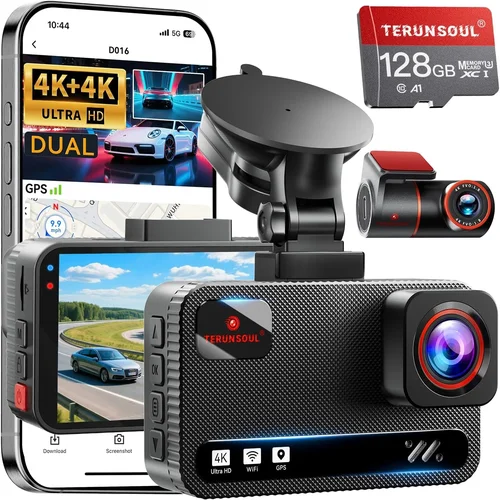
Best Dash Cam with Night Vision Buying Guide

Why This Guide Matters
In today’s world, where road incidents can happen unexpectedly, having reliable dash cam footage is invaluable. Whether you’re dealing with insurance claims, proving fault in an accident, or simply documenting your daily commute, a dash cam acts as your personal witness on the road. But not all dash cams are created equal—especially when it comes to performance during nighttime driving. Poorly lit roads, glare from streetlights, or sudden changes in lighting can turn a crucial moment into a blur of noise and darkness. That’s why choosing a dash cam with effective night vision is essential for safety, legal protection, and peace of mind.
This comprehensive guide will walk you through everything you need to know about selecting the best dash cam with night vision capabilities. You’ll learn how to evaluate key technical features, understand the different types of dash cams available, identify common pitfalls to avoid, and discover which models deliver superior low-light performance without breaking the bank. By the end of this article, you’ll be equipped with expert knowledge to make an informed decision that matches your driving habits, budget, and safety priorities.
The market for dash cams has exploded over the past decade, with hundreds of models flooding online retailers and electronics stores. From basic single-lens cameras to advanced dual-camera systems with GPS tracking and cloud connectivity, options abound. However, most buyers focus solely on resolution or loop recording while overlooking critical aspects like sensor quality, image processing algorithms, and night-specific enhancements. This oversight often leads to frustration when trying to review footage taken after sunset. Our goal is to help you cut through the noise and find a dash cam that truly excels in both daylight and nighttime environments.
What to Look for When Buying Dash Cams
1. Resolution and Video Quality
Resolution remains one of the most important factors when evaluating any dash cam, especially those designed for night use. Higher resolution means more detail capture, which becomes crucial when reviewing footage for license plates, facial expressions, or road signs under dim lighting. Most modern dash cams offer at least 1080p Full HD resolution, but many now come equipped with 2K (1440p), 4K Ultra HD, or even higher resolutions.
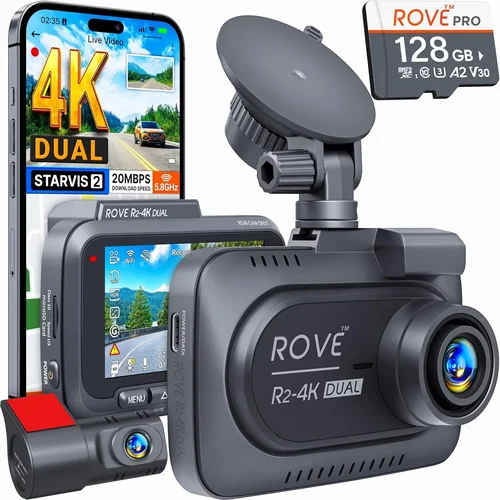
However, resolution alone doesn’t guarantee good night vision. A 4K camera with poor low-light sensitivity may produce grainy, overexposed, or blurry images at night compared to a well-tuned 1080p model. Look for cameras featuring high-quality CMOS sensors—typically backside-illuminated (BSI) or STARVIS variants—which perform significantly better in dark conditions. Additionally, check whether the camera supports High Dynamic Range (HDR) or Wide Dynamic Range (WDR) technologies. These features balance bright headlights with darker road surfaces, reducing washout and preserving details in shadows.
For optimal nighttime clarity, aim for a minimum of 1080p Full HD. If your budget allows, consider stepping up to 2K or 4K models from reputable brands known for strong low-light performance, such as BlackVue, Garmin, or Thinkware.
2. Night Vision Capabilities
Night vision isn’t just about being able to see something in the dark—it’s about seeing clearly, accurately, and consistently across varying light levels. The term “night vision” in dash cams typically refers to a combination of hardware and software technologies that enhance visibility after sunset.
The primary components include:
- Sensitive Image Sensors: Look for cameras using Sony STARVIS sensors (like the IMX323 or IMX307), which are specifically engineered for superior performance in low-light environments. These sensors outperform standard CMOS chips by capturing more photons and producing cleaner, less-noisy footage at night.
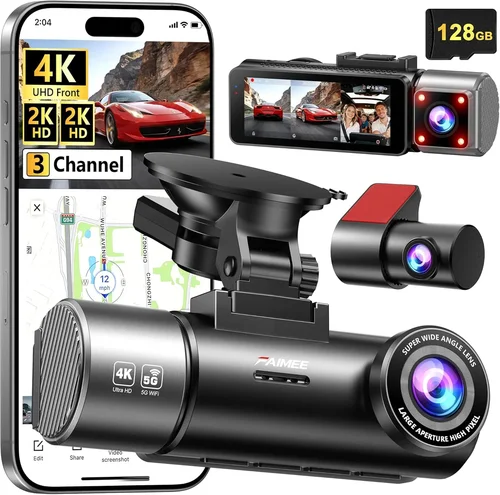
- Infrared (IR) LEDs: Some premium dash cams feature built-in IR illuminators that emit invisible light to illuminate dark scenes. While useful in extremely low-light scenarios, IR lighting works best within short distances and may not penetrate fog or rain effectively.
- Smart Exposure Control: Advanced models automatically adjust shutter speed, aperture, and gain to prevent overexposure from headlights while maintaining detail in shadows. This prevents washed-out reflections and preserves critical background information.
- Noise Reduction Algorithms: High-end dash cams employ sophisticated digital signal processing (DSP) to minimize digital noise—those speckles and graininess that plague low-light video. Look for models advertised with “enhanced night mode” or “low-light optimization.”
Keep in mind that no dash cam can match human night vision perfectly. Factors like weather, vehicle speed, and ambient lighting still affect usability. Still, investing in a camera with robust night vision tech dramatically improves your ability to retrieve usable evidence when needed.
3. Field of View (FOV)
The field of view determines how much of the road ahead and surroundings your dash cam captures. A wider angle offers broader coverage but can introduce lens distortion near edges—a phenomenon known as “fish-eye effect.” Conversely, too narrow a view might miss important events happening beside or behind your vehicle.
For general urban and highway driving, a horizontal FOV between 130° to 150° strikes a good balance between coverage and image quality. Many mid-range dash cams default to around 140°, while entry-level models sometimes push beyond 170°, sacrificing clarity at the periphery.
If you frequently drive in tight city streets, parking lots, or require rear-seat monitoring, consider a dual-lens system where the front camera has a moderate FOV (e.g., 130°) and the rear unit provides a narrower, crisper view of what’s directly behind you. Always verify actual FOV rather than relying solely on marketing claims, as real-world angles often differ from theoretical specs.
4. Storage and Recording Options
Dash cams rely on microSD cards for storage, so choosing the right capacity and format is vital—especially if you plan to record extended periods or store high-resolution files. Most models support Class 10 or UHS-I/UHS-II cards, with capacities ranging from 32GB to 256GB+.
Here’s what to consider:
- Loop Recording: Essential for continuous operation. Older models overwrite old clips only after filling the entire card, risking loss of recent footage. Newer systems use G-sensor-triggered event locking, automatically saving impact-detected clips to protected folders even when full.
- Parking Mode: Allows the dash cam to monitor your parked car using motion detection or time-lapse recording. Without this feature, you’d need constant power input, draining your battery or requiring hardwiring.
- File Formats: Ensure compatibility with playback software. Most use MP4 or H.264/H.265 codecs. Verify that your chosen model exports files readable on Windows, macOS, Android, and iOS devices.
- Storage Management: Larger cards increase costs and write cycles. For 1080p recording, 64–128GB usually suffices for 7–14 days of footage. At 4K, expect half that duration due to larger file sizes.
Pro tip: Use reputable brands like SanDisk Extreme, Samsung EVO Select, or Lexar RocketDrive for faster write speeds and greater reliability under constant use.
5. Build Quality and Durability
A dash cam must withstand extreme temperatures, vibrations, humidity, and accidental impacts. Cheaper plastic housings may crack in cold weather or fail during minor collisions. Invest in a ruggedized design with shock-resistant mounting brackets and sealed internals to protect against dust and moisture.
Key durability indicators include:
- Operating Temperature Range: Look for specs indicating functionality between -4°F (-20°C) and 140°F (60°C). This ensures reliability in winter snowstorms or summer heatwaves.
- Impact Resistance: Cameras rated IP65 or higher resist water splashes and debris ingress.
- Mounting System: Suction cup mounts work well for temporary installs, but adhesive or vent mounts offer sturdier long-term attachment. Avoid flimsy clips that loosen over time.
- Power Source Stability: Sudden voltage drops or surges can corrupt files or damage circuitry. Opt for models with built-in capacitors or supercapacitors instead of lithium batteries, which degrade faster in heat.
Brands like BlackVue, Viofo, and Nextbase emphasize industrial-grade construction, making them popular among fleet operators and enthusiasts alike.
6. Features and Functionality
Beyond core recording, modern dash cams offer numerous smart features that enhance usability and security. Evaluate which extras align with your needs:
| Feature | Description | Use Case |
|---|---|---|
| GPS Tracking | Records speed, location, and route data overlayed on video | Accident reconstruction, speed violation proof |
| Wi-Fi & App Connectivity | Enables wireless firmware updates, live preview, and clip sharing | Convenient mobile access without removing SD card |
| Cloud Integration | Uploads clips automatically to secure online servers | Insurance claims, remote monitoring, redundancy backup |
| Lane Departure Warning (LDW) | Alerts driver if veering outside lane markers | Long-haul trucking, fatigue prevention |
| Emergency SOS Button | One-touch alert to emergency contacts via cellular network | Rideshare drivers, solo travelers, high-risk areas |

While these add-ons improve functionality, they also consume additional power and may require subscription fees (for cloud services). Assess whether each feature justifies its cost based on your lifestyle and driving patterns.
7. Brand Reputation and Reliability
Purchasing from established manufacturers reduces the risk of defective units, poor customer support, or discontinued firmware updates. Research user forums, professional reviews, and third-party testing results before committing.
Top-performing brands in 2024 include:
- BlackVue: Known for top-tier video quality, reliable cloud sync, and excellent night vision.
- Garmin: Offers intuitive interfaces, solid build quality, and integration with navigation apps.
- Viofo: Great value proposition with frequent firmware improvements and responsive support.
- Thinkware: Japanese engineering translates into durable hardware and strong low-light performance.
- Nextbase: User-friendly design, robust parking modes, and competitive pricing.
Avoid obscure or rapidly changing brands lacking transparent warranties or repair policies. Check warranty length (ideally 1–3 years), return window (minimum 30 days), and availability of replacement parts.
8. Size and Portability
Compactness affects both aesthetics and practicality. Smaller dash cams are less obtrusive and easier to reposition, but larger models often house bigger sensors and better cooling systems, indirectly boosting night performance.
Consider:
- Mounting Flexibility: Can it fit discreetly on your windshield without blocking viewports?
- Wireless Installation: Hardwired kits eliminate visible cables but require professional installation.
- Removability: Some users prefer swappable designs for quick transfers or travel use.
Most dash cams measure 2.5″–3.5″ in height and width, fitting standard dashboards comfortably. Ultra-compact models under 2″ exist but often compromise sensor size or battery life.
Different Types of Dash Cams
Common Buying Mistakes to Avoid
❌ Mistake: Ignoring Low-Light Performance
Why it’s bad: Many buyers assume higher megapixels equal better night vision. In reality, a 5MP camera with poor sensor technology produces noisier, blurrier footage than a 2MP model with superior low-light handling. Choosing based solely on resolution leads to disappointment when reviewing nighttime clips.
What to do instead: Prioritize cameras with Sony STARVIS sensors, WDR/HDR support, and explicit night-mode optimizations. Read verified user reviews mentioning nighttime clarity—not just specs sheets.
❌ Mistake: Skipping Parking Mode Testing
Why it’s bad: Without proper parking mode setup, your dash cam won’t capture incidents when you’re away from your vehicle. Motion-activated recording drains batteries quickly, while time-lapse modes miss sudden impacts.
What to do instead: Test your chosen model’s parking behavior using a portable power bank or hardwire kit. Confirm event clips are saved securely and don’t get overwritten prematurely.
❌ Mistake: Overlooking Firmware Updates
Why it’s bad: Manufacturers frequently release firmware patches to fix bugs, improve image processing, or add new features. Neglecting updates leaves your device vulnerable to glitches and suboptimal performance.
What to do instead: Enable automatic updates if available, or manually check manufacturer websites monthly. Subscribe to brand newsletters for update notifications.
❌ Mistake: Using Incompatible SD Cards
Why it’s bad: Cheap, slow microSD cards cause frame drops, file corruption, or recording interruptions—especially problematic during high-speed crashes or heavy rain.
What to do instead: Purchase UHS-I Class 10 cards with V30 rating for smooth 4K recording. Brands like SanDisk, Samsung, and Lexar are tested and reliable.
❌ Mistake: Failing to Calibrate Lens Alignment
Why it’s bad: Even minor misalignments create skewed perspectives, making accident reconstructions inaccurate and frustrating to review.
What to do instead: After installation, verify straight lines (like curbs or lane dividers) appear undistorted. Adjust mount position if necessary.
❌ Mistake: Neglecting Legal Compliance
Why it’s bad: Laws regarding dash cam usage vary by state/country. Some jurisdictions prohibit recording audio without consent, while others ban certain mounting locations.
What to do instead: Research local regulations before installing. Disable audio recording if required, and avoid pointing cameras at private property without permission.
❌ Mistake: Assuming All “Night Vision” Is Equal
Why it’s bad: Marketing terms like “night vision” are often vague. Some cameras merely boost brightness artificially, creating false confidence without real improvement.
What to do instead: Demand concrete technical details: sensor type, exposure controls, noise reduction methods. Compare side-by-side sample videos from trusted reviewers.
Budget Guidelines: How Much Should You Spend?
Entry-Level ($50 – $100): Basic Protection
This tier suits occasional drivers or those on tight budgets who want foundational coverage. Expect 1080p recording, basic loop functionality, and minimal extras. Night performance varies widely—some models handle dusk decently, but most struggle past midnight. Focus on reputable sellers offering at least a 1-year warranty. Examples include Wyze Cam Dash and basic models from DOD Electronics.
Mid-Range ($100 – $250): Sweet Spot for Most Drivers
The majority of buyers fall here, balancing cost with capability. You’ll find 2K/4K resolution, improved low-light sensors, dual-lens options, GPS tracking, and advanced parking modes. Brands like Nextbase, BlackVue DR series, and Thinkware FX deliver consistent night vision thanks to optimized firmware and hardware synergy. This range represents the best value for everyday users seeking dependable evidence capture.
Premium ($250 – $500): Enthusiast & Professional Grade
For serious drivers, fleet managers, or those needing courtroom-ready evidence, premium models offer enterprise features: cloud uploads, AI-driven alerts, superior sensor tech, and military-grade durability. BlackVue Cloud Series and Garmin Z-series stand out for their stellar night vision, thanks to custom image processors and rigorous calibration. These aren’t toys—they’re tools for liability protection.
Luxury ($500+): Top-Tier Performance
Rarely necessary for private owners, ultra-premium dash cams target commercial fleets and investigators. Features like multi-spectral imaging, thermal sensors, or encrypted storage justify the cost only in high-stakes scenarios. Consumer-focused luxury options exist but rarely exceed mid-range utility.

Expert Tips for Getting the Best Deal
1. Time Your Purchase Strategically
Retailers often discount electronics during major sales events. Prime Day (June), Black Friday (November), and Cyber Monday offer steep savings on dash cams. Also consider back-to-school or holiday seasons when demand shifts.
2. Leverage Online vs. In-Store Shopping
Online platforms (Amazon, Best Buy, B&H) provide price matching, detailed specs, and user reviews. In-store visits let you physically test size, weight, and button layout—but staff may lack technical expertise. Hybrid approach: research online first, then visit to confirm fit.
3. Watch for Bundle Deals
Many sellers package dash cams with accessories: extra SD cards, suction cups, hardwire kits, or screen protectors. These bundles save 10–20% versus buying separately. Verify included items before purchasing.
4. Check Return Policies Rigorously
Even if a camera looks perfect, real-world performance matters. Choose vendors with generous return windows (≥30 days) and free restocking. Avoid gray-market imports with restrictive policies.
5. Test Before Committing Long-Term
If possible, rent or borrow a friend’s dash cam to compare night footage side-by-side. Alternatively, watch YouTube unboxing/review videos showing actual low-light samples. Don’t rely solely on static images or lab tests.
6. Negotiate Extended Warranties
Basic warranties cover defects, but extended plans add protection against accidents or power surges. For expensive units, consider third-party insurers like SquareTrade for added peace of mind.
7. Join Owner Communities
Forums like Reddit’s r/dashcam or manufacturer-specific groups share firmware fixes, mounting tricks, and troubleshooting tips. Active communities indicate healthy product ecosystems.
8. Monitor Firmware Release Cycles
Frequent updates signal ongoing support. Abandoned products receive no patches, leaving vulnerabilities unaddressed. Subscribe to brand blogs or enable update alerts.

Frequently Asked Questions
Q: Do I really need a dash cam with night vision?
A: Absolutely. Over 50% of traffic accidents occur after dark (NHTSA data). Clear nighttime footage proves crucial for disputing false claims, identifying hit-and-runners, or clarifying ambiguous situations. Even if you rarely drive at night, unexpected emergencies can happen anytime.
Q: What’s the difference between WDR and HDR in dash cams?
A: Both manage high-contrast lighting, but WDR (Wide Dynamic Range) blends multiple exposures post-capture to balance bright/hard-to-see areas. HDR (High Dynamic Range) does similar blending in-camera. WDR is more common in dash cams; HDR requires specialized sensors and is rarer.
Q: Can I install a dash cam myself?
A: Yes! Most models use plug-and-play wiring harnesses or suction mounts. Hardwiring requires basic tools and patience but enables true parking mode. Follow manufacturer instructions carefully to avoid damaging vehicle electronics.
Q: How long do dash cam batteries last?
A: Built-in lithium batteries typically last 1–2 hours in parking mode. Supercapacitors (used in premium models) endure 3–5 years of charge cycles. Always pair with a hardwire kit for uninterrupted operation.
Q: Will my dash cam record audio?
A: Many do, but laws vary. In California and some EU countries, recording conversations without consent is illegal. Check local statutes and disable audio if unsure. Some brands offer “audio off” switches for compliance.
Q: Can dash cams survive car crashes?
A: Modern units use impact sensors to lock and protect event clips during collisions. However, severe impacts may physically destroy the device. Cloud backups (where available) mitigate data loss risks.
Q: Are 4K dash cams worth it?
A: Only if you prioritize detail retrieval over storage efficiency. 4K files are large (~300MB/minute), shortening recording time and increasing SD card costs. For most users, 2K or 1080p offers sufficient clarity with manageable storage demands.
Q: How do I choose between single vs. dual-lens systems?
A: Single-lens suits daily driving. Dual-lens adds rear visibility—useful for backing out of driveways or monitoring passengers. Consider hardwiring both units if you park in high-theft areas.
Q: What happens if my SD card fills up?
A: Loop recording overwrites oldest files automatically. Event-locked clips (triggered by G-sensors) remain safe until manually deleted. Never disable loop mode—it’s essential for continuous operation.
Q: Can dash cams interfere with car electronics?
A: Rarely, but cheap wiring kits may cause electrical noise or drain batteries. Use OEM-style harnesses and fuse-protected circuits. Consult forums for your specific vehicle make/model.
Our Final Recommendations
Best for Budget-Conscious Buyers
Viofo A119 V3: Delivers reliable 1080p night recording at an accessible price. Compact design, easy setup, and responsive customer service make it ideal for first-time buyers. Pair with a 64GB SanDisk Extreme card for balanced performance.
Best Overall Value
Nextbase 622GW: Stunning 4K resolution, built-in Wi-Fi, GPS, and Alexa voice control. Exceptional night vision via Sony STARVIS sensor and intelligent exposure. Includes free 3-year warranty—unmatched in class.
Best Premium Option
BlackVue DR970X-2CH Cloud: Dual-lens 4K system with industry-leading low-light clarity. Cloud connectivity, parking guard, and military-grade durability justify the investment for professionals or tech enthusiasts.
Best for Beginners
Garmin Dash Cam 67W: Intuitive interface, compact form factor, and seamless smartphone pairing. Solid 1080p night performance backed by Garmin’s trusted reputation. No frills, just dependable recording.
Best for Advanced Users
Thinkware F800 Pro: Japanese-engineered precision with customizable settings, superior noise reduction, and robust build. Ideal for drivers wanting granular control over image parameters and long-term reliability.
Conclusion: Making the Right Choice
Selecting the best dash cam with night vision isn’t about chasing the highest resolution or fanciest gimmicks—it’s about finding the right balance between capability, reliability, and usability for your unique driving environment. Whether you’re navigating bustling city streets after sunset or cruising quiet highways under moonlight, your choice should prioritize clear, trustworthy evidence capture.
Remember to anchor your decision on proven technologies like Sony STARVIS sensors, Wide Dynamic Range processing, and robust parking modes rather than marketing hype. Factor in your budget, installation preferences, and local regulations to avoid costly mistakes down the road. And never underestimate the importance of firmware updates, community support, and warranty coverage—they separate durable products from disposable gadgets.
Ultimately, a dash cam is more than an accessory; it’s a silent guardian protecting your rights, finances, and sanity on the open road. With this guide as your compass, you’re ready to invest wisely and drive with confidence—day or night.