Complete Fleet Dash Cam Buying Guide

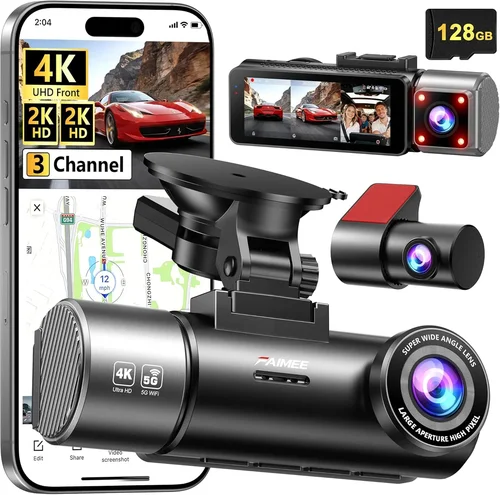
When managing a fleet of vehicles, protecting your business from liability and ensuring driver safety should be top priorities. One of the most effective tools for achieving both goals is a high-quality dash cam system. However, not all dash cams are created equal—especially when it comes to commercial use. A consumer-grade camera might save you money upfront, but it could cost you dearly in the long run if it fails during an incident or lacks the necessary features for fleet management.
This comprehensive guide is designed to help fleet managers, transportation companies, and logistics professionals navigate the complex world of commercial dash cam systems. You’ll learn how to evaluate different brands based on critical performance factors, understand the types of systems available, avoid common pitfalls, and make informed decisions that align with your operational needs and budget.
The market for fleet dash cams has evolved significantly over the past decade. What started as simple single-camera recorders has transformed into sophisticated network-enabled systems capable of real-time monitoring, cloud storage, driver behavior analytics, and integration with telematics platforms. Today’s leading manufacturers offer solutions tailored specifically for fleet operators, providing centralized management, automatic incident alerts, and detailed reporting tools that can reduce insurance premiums and improve compliance.
Whether you’re outfitting a small delivery service with five vehicles or managing a nationwide trucking operation with hundreds of rigs, this guide will walk you through everything you need to know to choose the right dash cam company for your fleet.

What to Look for When Buying Dash Cams
Selecting the right dash cam company isn’t just about picking the cheapest option or the one with the most flashy features. It’s about finding a reliable partner that offers durable hardware, robust software, responsive support, and scalable solutions. Here are the key factors every fleet manager should consider before making a purchase.
1. Budget & Price Range
Your budget sets the foundation for your entire decision-making process. Fleet dash cams range from under $100 per unit for basic models to over $500 for advanced systems with dual cameras, GPS tracking, and AI-powered analytics. While it may be tempting to go with the lowest-cost option, remember that dash cams are investments in safety and risk mitigation. A cheaper unit might break after six months, leaving your drivers vulnerable during accidents. On the other hand, overspending on unnecessary features could strain your operational budget without delivering proportional benefits. Consider total cost of ownership—not just the initial price—including installation fees, data plans, maintenance, and potential replacements.
2. Performance Specifications
Performance determines whether your dash cam will capture clear evidence when it matters most. Look for models with at least 1080p Full HD resolution; anything lower than that risks missing critical details like license plates or road signs. Night vision capabilities are equally important—optical image stabilization (OIS) and wide dynamic range (WDR) help maintain clarity in low-light conditions. Frame rates should be at least 30 fps to ensure smooth video playback. Additionally, check the field of view (FOV): a 140-degree angle provides good coverage without excessive distortion, while narrower angles may miss important peripheral events.
3. Build Quality & Durability
Fleet vehicles operate in harsh environments—extreme temperatures, constant vibration, exposure to dirt and moisture. Your dash cam must withstand these conditions. Industrial-grade enclosures with IP67 or higher waterproof ratings are essential. Shock-resistant mounting brackets and heat-tolerant components prevent failures in hot climates. Some top-tier brands even test their units in simulated highway vibrations and temperature extremes to guarantee reliability. Don’t skimp on build quality—a poorly constructed camera won’t last long in real-world use.
4. Features & Functionality
Modern fleet dash cams come packed with features beyond basic recording. Event-triggered recording automatically saves footage during sudden stops, hard braking, or collisions using G-sensors. Parking mode monitors your vehicle even when powered off, great for preventing hit-and-runs. Loop recording ensures continuous operation by overwriting older files once storage fills up. Advanced systems offer Wi-Fi connectivity for easy file retrieval, GPS logging for route verification, and driver identification via facial recognition. For larger fleets, centralized management platforms allow remote viewing, firmware updates, and configuration changes across all units simultaneously.
5. Brand Reputation
Not all dash cam manufacturers are created equal. Established brands with years of experience in automotive electronics tend to deliver more reliable products backed by solid warranties. Research customer reviews, industry certifications, and case studies from similar-sized fleets. Companies specializing in commercial solutions usually understand the unique demands of fleet operations better than generic consumer brands. Look for testimonials from logistics companies, school districts, or municipal fleets—they face comparable challenges and can provide valuable insights.
6. Warranty & Support
A strong warranty reflects confidence in product quality. Most reputable dash cam companies offer at least a two-year parts and labor guarantee, with some extending coverage up to five years. Check what’s included: Is accidental damage covered? What about software updates? Responsive technical support is crucial—especially when dealing with multiple units across different locations. Ideally, the manufacturer provides 24/7 assistance via phone, email, or live chat. Also, verify whether local service centers exist near your operating regions for faster repairs.
7. Size & Portability
While size isn’t always critical for fixed installations, smaller form factors can reduce wind resistance and improve aesthetics. Compact designs also make it easier to hide wiring and minimize visibility to potential thieves. However, don’t sacrifice functionality for compactness. Ensure the chosen model fits securely behind the rearview mirror without obstructing the driver’s line of sight. Some systems integrate seamlessly into existing dashboards, while others require custom mounts.
8. User Reviews & Ratings
Real-world feedback from other fleet operators is invaluable. Platforms like Trustpilot, Google Reviews, and specialized transportation forums often contain honest assessments from users who’ve lived with the product daily. Pay attention to recurring complaints—such as frequent false triggers, poor night performance, or unreliable cloud sync—and weigh them against overall satisfaction scores. Remember that individual experiences vary, but consistent patterns across dozens of reviews signal genuine issues.
Different Types of Dash Cams

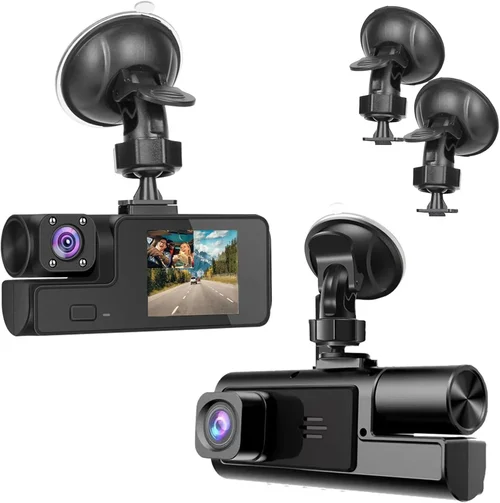
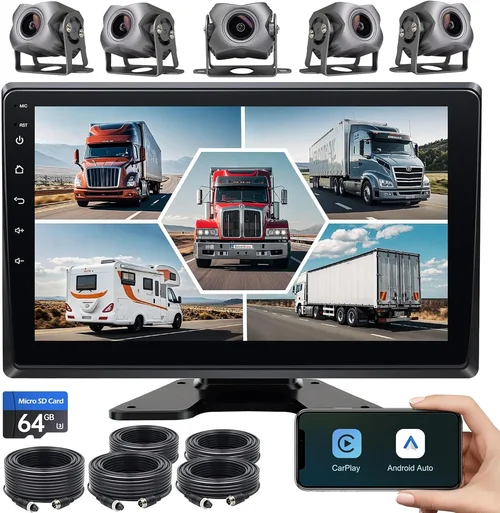
Each type serves distinct purposes depending on fleet size, operational complexity, and regulatory requirements. Single cameras work well for small businesses where simplicity is key, while dual cameras provide fuller situational awareness—capturing both external road conditions and internal driver activity. AI-powered systems add intelligence by analyzing driving patterns and flagging risky behaviors, making them ideal for companies focused on safety culture improvement. Cloud-based platforms shine for geographically dispersed fleets needing unified oversight, whereas modular solutions offer flexibility for organizations planning future expansions.
Common Buying Mistakes to Avoid
Even experienced fleet managers can fall into traps when selecting dash cam systems. Being aware of these common errors helps you make smarter choices and avoid costly mistakes down the road.
❌ Mistake: Prioritizing Cost Over Quality
Why it’s bad: Choosing the cheapest dash cam available often leads to frequent breakdowns, poor video quality, and inadequate evidence collection during incidents. In legal disputes, blurry or incomplete footage can weaken your position or even be dismissed entirely.
What to do instead: Focus on value rather than price alone. Invest in proven brands with strong track records in commercial applications. Remember that reliable dash cams pay for themselves through reduced insurance premiums, fewer liability claims, and improved driver accountability.
❌ Mistake: Ignoring Scalability Needs
Why it’s bad: Starting with a basic system might seem fine initially, but if your fleet grows rapidly, replacing every unit later becomes expensive and logistically challenging. Incompatible software or proprietary formats can create integration headaches.
What to do instead:: Select platforms that support incremental expansion. Look for open APIs, standardized protocols, and compatibility with third-party telematics devices. This ensures seamless upgrades without disrupting existing workflows.
❌ Mistake: Skipping Pilot Testing
Why it’s bad:: Deploying untested equipment across your entire fleet risks widespread failures before you realize problems. Drivers may complain about usability issues, or technicians might struggle with installation complexities.
What to do instead:: Run trials with representative vehicles under real operating conditions. Gather feedback from both drivers and maintenance staff. Use this data to refine settings, training materials, and support procedures before full rollout.
❌ Mistake: Neglecting Data Security
Why it’s bad:: Many dash cams store sensitive information—driver identities, customer locations, confidential routes. If security measures are weak, hackers could access this data, leading to privacy violations or corporate espionage.
What to do instead:: Verify encryption standards, password policies, and access controls. Choose vendors compliant with GDPR, CCPA, or industry-specific regulations. Regularly audit user permissions and update firmware to patch vulnerabilities.
❌ Mistake: Overlooking Driver Buy-In
Why it’s bad:: Even the best dash cam fails if drivers resist using it. Privacy concerns, perceived surveillance, or technical difficulties cause low adoption rates and inconsistent usage.
What to do instead:: Involve drivers early in selection and deployment phases. Provide transparent communication about benefits (e.g., protection against false accusations), offer training sessions, and address concerns promptly. Recognize positive behaviors to foster acceptance.
❌ Mistake: Assuming All Brands Are Equal
Why it’s bad:: Generic “fleet dash cam” labels mislead buyers into thinking all products function similarly. In reality, expertise varies widely between manufacturers—some excel in hardware durability, others in software innovation, and few combine both effectively.
What to do instead:: Research each brand’s specialization. Ask about R&D investment, partnerships with automotive OEMs, and certifications like ISO 9001. Request references from clients in comparable industries.
❌ Mistake: Forgetting About Maintenance & Upgrades
Why it’s bad:: Dash cams require periodic checks—SD card swaps, lens cleaning, battery replacements—and software updates to maintain optimal performance. Without a maintenance plan, units degrade quickly and become unreliable.
What to do instead:: Negotiate service contracts covering routine inspections, spare parts availability, and remote diagnostics. Automate update schedules whenever possible to minimize downtime.
Budget Guidelines: How Much Should You Spend?
Understanding pricing tiers helps align expectations with capabilities. Below is a breakdown of typical costs associated with fleet dash cam systems:
Entry-Level ($50 – $150 per unit)
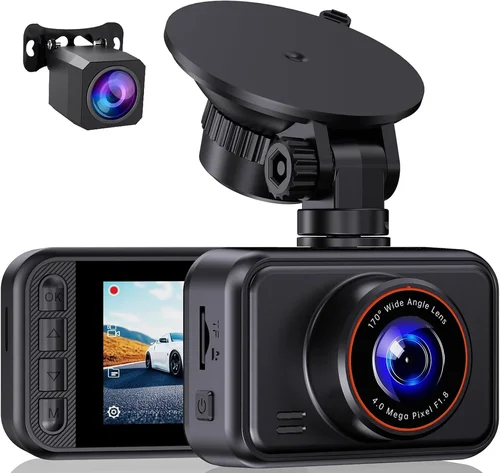
At this price point, you’re looking at basic single-camera models suitable for very small fleets or supplementary use. These units typically offer 720p resolution, loop recording, and minimal smart features. They lack advanced analytics, cloud connectivity, or robust build quality. While affordable upfront, they rarely deliver sufficient ROI for serious fleet operations due to limited functionality and shorter lifespans.
Mid-Range ($150 – $300 per unit)
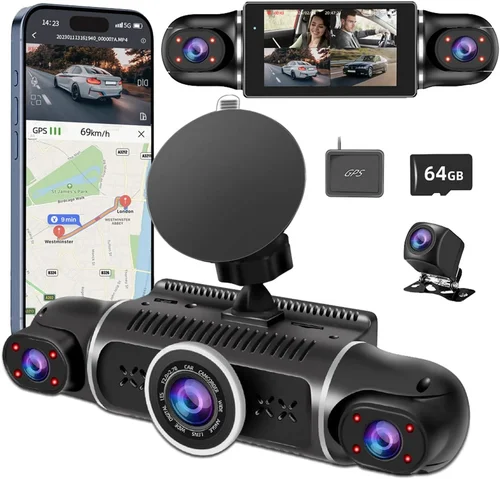
This sweet spot balances performance and affordability for most medium-sized fleets. Dual-camera systems dominate here, featuring Full HD recording, decent night vision, G-sensor activation, and sometimes integrated GPS. Some include Wi-Fi for file transfers and mobile apps for basic monitoring. Build quality approaches industrial standards, and many brands offer extended warranties. Subscription-free options abound, though premium cloud services may incur additional fees.
Premium ($300 – $600 per unit)
Top contenders in this category deliver exceptional reliability and feature sets tailored for demanding environments. Expect high-end sensors, superior image processing, AI-driven insights, and seamless integration with telematics platforms. Units often boast military-grade construction, anti-vandal coatings, and redundant power sources. Centralized management suites enable granular control over thousands of devices. While pricier, these investments yield significant returns through enhanced safety metrics and reduced operational risks.
Luxury ($600+ per unit)
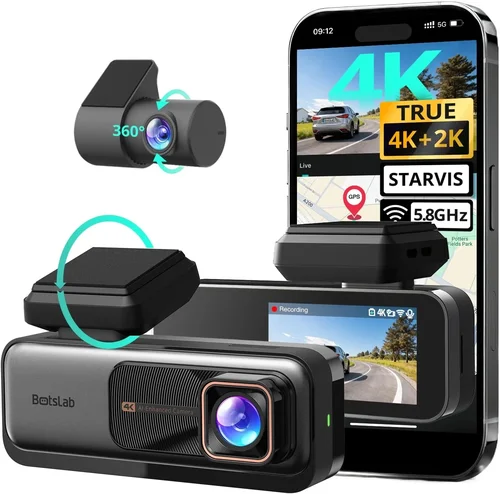
For ultra-high-stakes applications—think armored transport, emergency services, or government contractors—luxury dash cams offer cutting-edge technology unmatched by mainstream offerings. Capabilities include 4K Ultra HD recording, thermal imaging, facial recognition, predictive collision avoidance, and encrypted data transmission. Custom configurations, dedicated support teams, and lifetime warranties justify the steep costs. Only justified for organizations where every detail must be flawlessly documented and analyzed.
Expert Tips for Getting the Best Deal
Navigating the dash cam market requires strategy to maximize savings without compromising quality. Here are actionable tips from industry veterans:
– Time Your Purchase Strategically: Major retailers and distributors frequently run promotions during Q1 (January–March) and Q4 (October–December), coinciding with new fiscal cycles and holiday shopping seasons. Sign up for newsletters to catch exclusive discounts.
– Leverage Bulk Discounts: Most manufacturers offer tiered pricing—the more units you buy, the greater the per-unit discount. Negotiate volume deals directly with sales representatives, emphasizing long-term partnership potential.
– Compare Retailers Wisely: Online marketplaces like Amazon often bundle accessories (memory cards, mounts), while specialty automotive suppliers provide technical expertise and hands-on demos. Physical stores allow immediate troubleshooting but may charge higher markups.
– Watch for Hidden Fees: Beware of “free” installation packages that lock you into expensive service contracts. Clarify whether taxes, shipping, and handling are included in quoted prices.
– Verify Return Policies: Opt for vendors offering generous return windows (at least 30 days). Test hardware thoroughly—check video clarity, audio sync, button responsiveness, and app stability before finalizing orders.
– Negotiate Extended Warranties:: Instead of paying full price for add-on coverage, ask if manufacturers will extend standard warranties at discounted rates. Sometimes bundling multiple products increases negotiation leverage.
– Explore Leasing Options: For fleets unwilling to commit large upfront sums, leasing programs spread payments over time while including maintenance and upgrades. Evaluate residual values and end-of-term purchase options carefully.
– Join Industry Associations: Groups like the American Trucking Associations or National Private Truck Council often negotiate group purchasing agreements with preferred vendors, yielding exclusive rates for members.

Frequently Asked Questions
Q: Do I need professional installation for dash cams?
A: Professional installation ensures proper mounting, secure wiring, and compliance with local laws regarding obstructions. While DIY kits exist, improper setup can void warranties, damage interiors, or create electrical hazards. Certified installers also handle complex integrations with existing vehicle systems.
Q: How much storage do I need per vehicle?
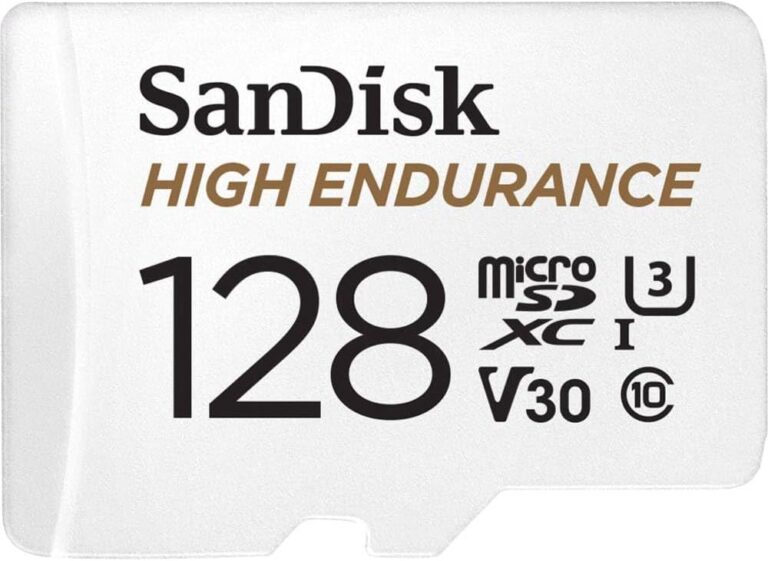
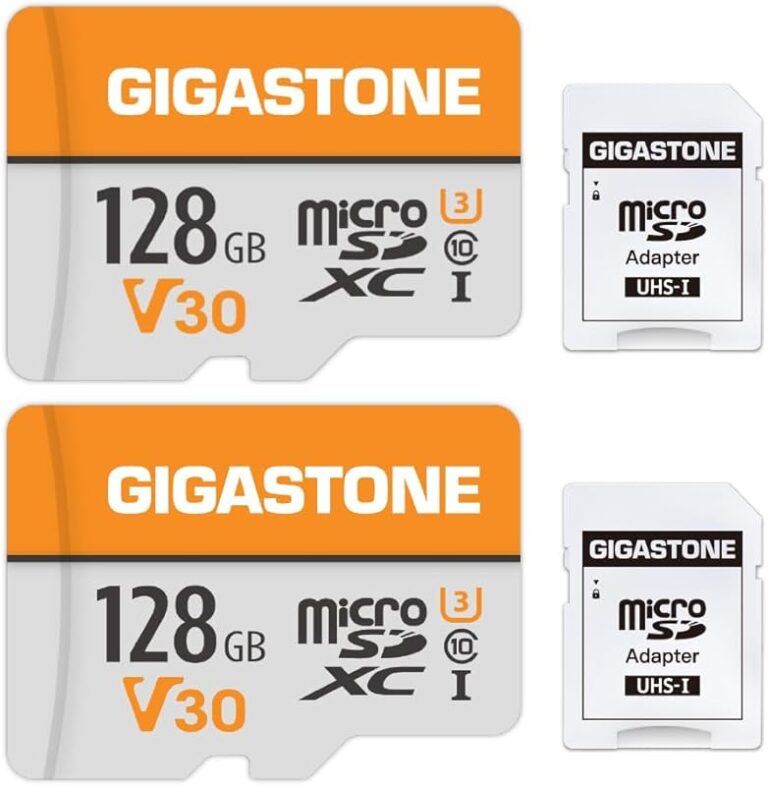
A: Storage requirements depend on recording duration and resolution. As a rule: 16GB SD cards suffice for 2 hours of 1080p footage; 32GB supports 4 hours; 64GB extends to 8+ hours. Larger fleets benefit from cloud backups to avoid physical media swapping. Adjust based on incident review frequency and retention policies.
Q: Can dash cams record while parked?
A: Yes, but only if the vehicle remains powered or uses a parking mode circuit that draws minimal current. Battery drain varies by model—some shut down after 24 hours, others support weeks of monitoring via motion/G-sensor triggers. Always confirm specifications before deployment.
Q: Will dash cams affect my insurance premiums?
A: Many insurers offer discounts for fleets equipped with certified dash cam systems demonstrating improved safety records. Documentation requirements differ by provider—ensure your chosen brand meets their criteria and maintains accurate logs.
Q: How do I manage footage from dozens of vehicles?
A: Centralized cloud platforms aggregate recordings into searchable databases accessible via web portals or mobile apps. Advanced filters let you locate events by date, location, driver ID, or severity level. Automated tagging reduces manual review time.
Q: Are there legal restrictions on using dash cams?
A: Regulations vary by jurisdiction. Most states permit recording public roads, but recording inside private property (e.g., parking garages, customer sites) may violate wiretapping laws. Consult local attorneys to ensure compliance with consent requirements and data handling rules.
Q: What happens if my dash cam breaks during an accident?
A: Reliable brands implement redundancy measures like backup batteries, fail-safe memory cards, and automatic uploads to secure servers. Even if primary hardware fails, recent footage may survive in volatile memory or cloud buffers. Choose vendors with transparent failure recovery protocols.
Q: Can I retrofit older vehicles with modern dash cams?
A: Absolutely. Modern systems support 12V DC power and universal mounting brackets compatible with virtually any sedan, SUV, truck, or van. Retrofit kits include adapters for older cigarette lighters, OBD-II ports, or direct wiring harnesses. Confirm voltage compatibility before ordering.
Our Final Recommendations
After extensive research and evaluation, here are our top picks for fleet dash cam companies across different categories:
Best for Budget-Conscious Buyers
Viofo A119 V3
With its rugged design, reliable 1440p recording, and affordable pricing under $120 per unit, Viofo delivers excellent bang-for-buck performance. Ideal for small delivery fleets needing dependable front-facing protection without breaking the bank.
Best Overall Value
BlackVue DR970X-2CH
Combining dual Full HD cameras, built-in GPS, Wi-Fi connectivity, and cloud compatibility, BlackVue strikes the perfect balance between features and cost. Their intuitive Drive Recorder app and robust build quality make this a favorite among mid-sized operators.
Best Premium Option
Garmin Dash Cam Pro Series
Engineered for professional fleets, Garmin’s Pro series offers 4K Ultra HD recording, advanced driver assistance systems (ADAS), and seamless integration with their eco-system of navigation and telematics tools. Justified for enterprises prioritizing maximum safety and compliance.
Best for Beginners
Thinkware F800 Pro
User-friendly interface, straightforward setup, and reliable performance at around $150 make Thinkware an excellent entry point for new adopters. Includes useful features like lane departure warnings and blind spot detection without overwhelming complexity.
Best for Advanced Users
Nextbase 522GW Fleet Edition
Tailored for tech-savvy managers, Nextbase combines 4K recording, Alexa voice control, and AI-powered event detection with enterprise-grade management software. Scalable architecture supports thousands of simultaneous connections—perfect for growing organizations.
Each recommendation reflects careful consideration of real-world performance, customer satisfaction, and alignment with common fleet needs. Whichever path you choose, prioritize vendors committed to ongoing innovation, responsive support, and ethical data practices.
Conclusion: Making the Right Choice
Choosing the best dash cam company for your fleet isn’t merely a transaction—it’s a strategic decision impacting safety, efficiency, and financial resilience. By focusing on critical factors like build quality, scalability, and support infrastructure, you position your organization to thrive in an increasingly regulated and competitive landscape.
Remember that no single solution fits all scenarios. Assess your specific pain points: Are you battling high insurance costs? Struggling with driver turnover? Facing frequent liability disputes? Tailor your selection accordingly. Engage stakeholders across departments—from operations to HR—to build consensus and drive adoption.
Finally, treat dash cams as living assets requiring regular maintenance, software updates, and policy reviews. The most successful fleets continuously refine their systems based on feedback loops and emerging technologies. Stay curious, remain adaptable, and never stop investing in safer roads for everyone.
By following this guide and leveraging expert insights, you’ll equip your fleet with trusted eyes on the road—turning every journey into a testament to preparedness, professionalism, and peace of mind.