Ultimate Motorcycle Dash Cam Guide
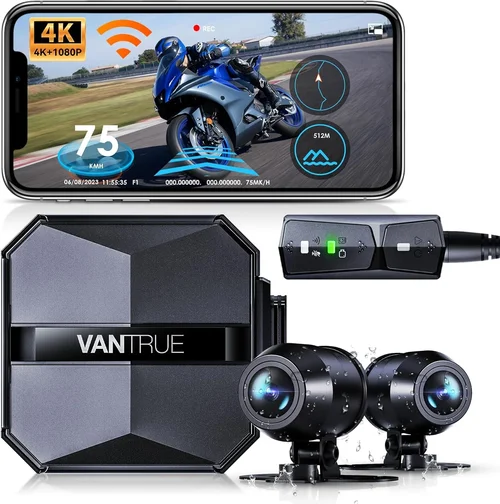
Motorcycle riding offers an unparalleled sense of freedom and exhilaration, but it also comes with unique risks and challenges that standard dash cams simply can’t address. Unlike cars, motorcycles lack the protective shell around riders, making them particularly vulnerable to accidents, road debris, and unpredictable weather conditions. A motorcycle-specific dash cam isn’t just a convenience—it’s a crucial safety tool that can provide critical evidence in case of incidents, protect against insurance fraud, and give riders peace of mind on every journey. This comprehensive guide will walk you through everything you need to know about selecting the perfect motorcycle dash cam for your needs.
Whether you’re a weekend cruiser, daily commuter, or seasoned adventure rider, understanding the key features, technical specifications, and real-world performance factors will help you make an informed decision. We’ll explore everything from budget considerations and installation requirements to advanced features like GPS tracking, night vision capabilities, and cloud connectivity. By the end of this guide, you’ll have the knowledge to choose a dash cam that not only captures high-quality footage but also integrates seamlessly with your riding lifestyle.
The motorcycle dash cam market has evolved significantly in recent years, with manufacturers now offering specialized mounts, enhanced stabilization systems, and ruggedized designs built specifically for two-wheelers. From entry-level models under $100 to premium units featuring 4K recording and smartphone integration, there’s a wide range of options available. However, with so many choices on the market, it’s easy to feel overwhelmed by technical jargon and marketing claims. This guide cuts through the noise to deliver practical advice based on real user experiences, expert testing, and thorough research of current market offerings.
What to Look for When Buying Dash Cams
1. Budget & Price Range
Your budget should be the starting point when evaluating motorcycle dash cams, as price often correlates directly with feature sets and build quality. Entry-level options typically range from $50-$100 and offer basic 1080p recording with simple mounting solutions. Mid-range models ($100-$250) usually include improved video quality (often 2K or better), enhanced stabilization, and additional features like loop recording and motion detection. Premium units ($250+) provide professional-grade capabilities including 4K resolution, superior low-light performance, advanced GPS tracking, and robust weatherproofing. Remember that while expensive doesn’t always mean best, extremely cheap models often compromise on critical components like lens quality and durability. Consider your riding frequency, typical route conditions, and how much protection you need—your budget should reflect these priorities rather than just chasing the lowest price.
2. Performance Specifications
The heart of any dash cam lies in its core performance metrics, particularly video resolution, frame rate, and sensor technology. For motorcycle applications, we recommend at least 1080p resolution at 60fps, which provides clear detail while maintaining smooth motion capture during high-speed riding. Many mid-to-premium models now offer 2K (1440p) recording, delivering noticeably sharper images without overwhelming storage requirements. The camera sensor is equally important—larger sensors like Sony Starvis perform significantly better in low light conditions, which are common during dawn or dusk rides. Look for specifications mentioning “Starvis” or “STARVIS CMOS” technology for optimal nighttime performance. Additional performance factors include field of view (ideally 120-170 degrees for comprehensive coverage), bitrate (higher = better quality but larger files), and compression formats (H.265 is more efficient than H.264). These technical details collectively determine whether your footage will be usable for evidence purposes or just interesting personal recordings.
3. Build Quality & Durability
Motorcycle environments present extreme challenges that standard automotive dash cams aren’t designed to handle. Vibration from rough roads, temperature fluctuations between freezing winters and scorching summers, exposure to rain, snow, and UV radiation—all these factors demand rugged construction from your dash cam. Look for models specifically marketed as “motorcycle-rated” or “ruggedized” with IP67 or higher water resistance ratings. The housing material matters too—polycarbonate or aluminum enclosures provide better impact resistance than plastic alternatives. Vibration damping is another critical feature; some premium models include rubberized mounts or internal suspension systems to prevent camera shake from ruining your footage. Additionally, consider operating temperature ranges—most quality motorcycle dash cams should function reliably from -20°F to 185°F (-29°C to 85°C). Cheaper models may fail catastrophically in cold weather or develop condensation issues after riding in humid conditions. Always prioritize durability over marginal cost savings when it comes to equipment that could literally save your life.
4. Features & Functionality
Modern motorcycle dash cams offer far more than just video recording—they’ve become sophisticated riding assistants with numerous practical features. Loop recording automatically overwrites older footage when storage fills up, ensuring continuous operation without manual intervention. G-sensor (impact detection) automatically saves clips when sudden movements or impacts occur, protecting critical evidence. Parking mode monitors your bike while unattended using battery backup or motion detection, useful for overnight garage monitoring. Built-in GPS tracks speed, location, and routes, adding valuable context to your recordings. Wi-Fi connectivity enables wireless file transfer to smartphones for quick sharing or backup. Some advanced models even offer voice control, emergency SOS buttons, or integration with riding gear via Bluetooth. While these extras add value, focus first on the essentials: reliable recording in various lighting conditions, stable mounting, and sufficient storage capacity. Don’t get distracted by bells and whistles that might complicate setup or drain your battery unnecessarily.
5. Brand Reputation
In the rapidly evolving dash cam industry, brand reputation serves as an important indicator of reliability and customer support quality. Established brands like Garmin, BlackVue, Rexing, Viofo, and Thinkware have invested heavily in product development, quality control, and responsive customer service. These companies typically offer longer warranty periods (often 2-3 years compared to 1 year for lesser-known brands), readily available replacement parts, and active user communities where you can troubleshoot issues. Newer entrants sometimes offer compelling features at lower prices, but may lack the track record of consistent performance across diverse riding conditions. Research user forums, professional reviews, and independent test results before committing to any brand. Pay particular attention to how the company handles firmware updates—regular improvements can significantly enhance functionality over time. Also verify their return policy and repair turnaround times, especially if you ride frequently enough that a malfunction during an extended trip would cause significant inconvenience.
6. Warranty & Support
A solid warranty reflects manufacturer confidence in their product’s reliability and provides crucial protection against defects or premature failures. Most reputable dash cam brands offer at least a one-year warranty covering manufacturing defects, with premium models providing three years or more. Extended warranties are sometimes available for purchase and can be worthwhile for expensive units. Beyond the warranty period itself, consider the ease of obtaining service—does the company have authorized repair centers near you? Are they responsive to support requests? Can you easily find replacement parts or accessories? Good customer support includes clear documentation, accessible online resources, and knowledgeable representatives who understand motorcycle-specific use cases. Some manufacturers even offer roadside assistance programs for units purchased within the warranty period. When something goes wrong with your dash cam, having reliable support can mean the difference between a minor inconvenience and being stranded with no evidence of your accident. Always register your purchase immediately to activate warranty benefits and receive product updates.
7. Size & Portability
Compact size matters greatly for motorcycle dash cams due to limited mounting space and wind resistance concerns. Bulky units create excessive drag, potentially affecting handling and fuel economy while increasing the risk of damage during falls or collisions. Ideally, look for models under 3 inches in length and 1 inch in height to maintain aerodynamics and minimize visual obstruction. Some ultra-compact designs measure less than 2.5 inches long and weigh under 3 ounces, barely noticeable on your handlebars or windshield. Portability is another consideration—if you transport your motorcycle frequently or ride multiple bikes, a smaller unit is easier to move between vehicles. However, don’t sacrifice essential features for minimalism; some compact models cut corners on image quality or durability. The sweet spot balances physical dimensions with functional capabilities. Consider where you plan to mount the device: handlebar mounts leave more room than windshield installations, but may require additional vibration-damping hardware. Test fit potential units if possible before purchasing to ensure they won’t interfere with controls or create blind spots.
8. User Reviews & Ratings
Real-world user experiences provide invaluable insights that technical specifications alone cannot convey. Online reviews from verified purchasers reveal how products perform under actual riding conditions, highlighting strengths and weaknesses that manufacturers might overlook. Pay special attention to comments about battery life, mounting stability, night vision performance, and ease of use—these factors often vary significantly between advertised capabilities and real-world results. Look for patterns in feedback rather than isolated complaints or glowing endorsements. Negative reviews can be particularly informative when they describe specific, reproducible issues like rapid battery drain, false triggering of motion detection, or firmware bugs that affect reliability. Conversely, consistently positive reviews across multiple platforms suggest a well-designed product meeting user expectations. Be cautious of suspiciously perfect reviews or those containing promotional language—authentic feedback tends to be nuanced and balanced. Cross-reference opinions from multiple sources including Amazon, dedicated dash cam forums, YouTube review channels, and specialty motorcycle retailers to get a comprehensive picture of how different models perform for everyday riders.
Different Types of Dash Cams
Common Buying Mistakes to Avoid
❌ Mistake: Choosing Based Solely on Price
Why it’s bad: Focusing exclusively on the lowest price often leads to disappointment when cheaper models fail to meet basic requirements. Many budget dash cams use inferior sensors that produce grainy, washed-out footage, especially in low-light conditions common during early morning or evening rides. Thin plastic housings may crack under normal vibration, and poor thermal management causes overheating during long highway stretches. These compromises undermine the entire purpose of having a dash cam—protecting yourself and collecting usable evidence.
What to do instead: Establish your minimum acceptable price based on essential features rather than seeking absolute cheapest. Allocate more budget toward core components like the image sensor, lens quality, and housing materials. Read detailed reviews comparing similar-priced models to identify hidden costs like frequent memory card replacements or proprietary software licenses. Remember that a slightly higher upfront investment often saves money long-term by eliminating the need for replacements.
❌ Mistake: Ignoring Mounting Requirements
Why it’s bad: Poor mounting solutions lead to shaky footage, accidental dislodging during rides, or interference with handlebar controls. Generic suction cup mounts designed for car dashboards fail spectacularly on motorcycles due to constant vibration and wind turbulence. Without proper stabilization, even the most expensive dash cam produces unusable video that distorts license plates and makes faces unrecognizable. Additionally, improper placement creates blind spots or obstructs your view of important instruments or traffic signals.
What to do instead: Research motorcycle-specific mounting systems before purchasing. Handlebar mounts with vibration dampeners are generally preferred over windshield installations for their stability and reduced aerodynamic drag. Ensure the chosen position allows unrestricted access to all controls and doesn’t compromise your ability to see road signs clearly. Test different mounting locations during low-speed practice runs to verify comfort and visibility before committing to permanent installation.
❌ Mistake: Overlooking Storage Capacity Needs
Why it’s bad: Insufficient storage forces frustrating manual deletion of old footage or unreliable loop recording that skips important events. Many users underestimate how quickly high-resolution video consumes memory cards—4K footage at maximum bitrates can fill a 64GB card in under an hour of riding. Without adequate storage planning, you risk missing critical evidence during extended trips or busy commuting periods. Additionally, cheap microSD cards often fail prematurely under constant write cycles, resulting in corrupted files or complete loss of recent recordings.
What to do instead: Calculate your required storage based on expected recording duration, resolution settings, and desired retention period. For daily commuters, a 128GB card might suffice, but touring riders should consider 256GB or larger. Invest in high-endurance cards rated for dash cam usage (typically Class 10, U3, V30 standards). Set up automatic file management to archive or delete older clips systematically. Some advanced models even include cloud backup options for critical footage.
❌ Mistake: Neglecting Battery Life Expectations
Why it’s bad: Assuming the dash cam will run indefinitely off your bike’s electrical system leads to unexpected shutdowns and lost footage. Most motorcycles aren’t equipped with auxiliary power outlets, forcing reliance on internal batteries that rarely last beyond 1-2 hours of continuous recording. Even with direct wiring harnesses, improper installation can drain your battery excessively or cause electrical interference with other systems. Users who forget to remove the unit after rides often discover dead batteries come morning, with no protection overnight or during parking mode.
What to do instead: Understand your bike’s electrical limitations and plan accordingly. Consider hardwiring solutions that draw minimal power from your battery while providing unlimited runtime. For shorter commutes, carry spare batteries or portable power banks specifically designed for electronics. Enable power-saving modes when appropriate, but verify they still capture sufficient detail for your needs. Always test battery life under real riding conditions before depending on it for evidence collection.
❌ Mistake: Disregarding Weather Resistance
Why it’s bad: Motorcycles face dramatically harsher environmental conditions than cars—exposed to rain, snow, ice, mud, salt spray, and temperature extremes. Standard automotive dash cams lack the sealing and material resilience needed for prolonged outdoor exposure. Water ingress causes immediate failure, condensation forms inside housings creating blurry footage, and UV degradation cracks plastic components within months. Cheap models without proper IP ratings simply won’t survive typical riding seasons, rendering your investment worthless.
What to do instead: Verify IP rating compliance (ideally IP67 or higher) and look for explicit mentions of weatherproofing in product descriptions. Choose models with rubber gaskets, corrosion-resistant materials, and anti-fog coatings. Position units to minimize direct water exposure whenever possible, and avoid placing them behind large objects that could channel water onto the lens. Regular cleaning and inspection help maintain waterproof integrity over time.
❌ Mistake: Skipping Firmware Updates
Why it’s bad: Manufacturers release firmware updates to fix bugs, improve performance, and add new features—but only if users bother to install them. Outdated firmware can cause instability, reduce image quality, disable important functions, or introduce security vulnerabilities. Many riders never check for updates, missing out on significant improvements and leaving their devices vulnerable to known issues. In worst cases, outdated software conflicts with newer memory cards or operating systems, causing complete system failures.
What to do instead: Create a routine to check for firmware updates every few months or after major product announcements. Subscribe to manufacturer newsletters or follow official social media accounts for update notifications. Keep your computer and charging cables handy so you can quickly apply updates when available. Document your current firmware version before updating in case you need to revert temporarily during troubleshooting.
❌ Mistake: Failing to Test Before Committing
Why it’s bad: Purchasing sight-unseen based solely on online reviews risks disappointment when real-world performance differs from expectations. What looks impressive in photos or video demos may prove awkward to operate while riding, have unintuitive menus, or produce disappointing results in your specific riding environment. Without hands-on testing, you might overlook subtle but important details like button placement, menu navigation difficulty, or compatibility with your existing accessories.
What to do instead: Whenever possible, visit local motorcycle shops or attend dealer events where demo units are displayed. Request to hold the device, examine build quality up close, and ask staff about common issues reported by customers. If unavailable locally, watch detailed video reviews that show actual usage scenarios rather than staged demonstrations. Read user manuals thoroughly before buying to understand setup procedures and feature limitations.
Budget Guidelines: How Much Should You Spend?
Entry-Level ($50 – $100)
This price range suits casual riders who want basic protection without significant financial commitment. Models in this tier typically deliver 1080p recording at 30fps using smaller sensors that struggle in challenging lighting conditions. Build quality varies considerably—some feature decent polycarbonate housings while others use flimsy ABS plastic that cracks easily. You’ll likely encounter limited features beyond essential recording capabilities, such as basic loop recording and maybe a rudimentary motion sensor. Storage options usually max out at 64GB microSD cards, requiring frequent file management. While these units won’t win awards for image quality, they can provide acceptable evidence for minor incidents or serve as backup devices alongside more capable systems. Brands like Campark, Apeman, and Z-Edge offer reasonable options within this range, though careful selection is crucial to avoid obvious duds.
Mid-Range ($100 – $250)
The sweet spot for most serious riders, this category offers excellent value by combining respectable performance with practical features and durable construction. Expect 2K recording capability, improved low-light sensors (often Sony Starvis), and better vibration resistance thanks to enhanced mounting hardware. Units here usually include essential extras like GPS tracking, Wi-Fi connectivity, and reliable parking modes. Build materials tend toward higher-grade plastics or even metal alloys, and many include IP65 or better water resistance ratings. Storage capacity typically supports 128GB or 256GB cards comfortably, accommodating several hours of high-quality footage. Brands like Rexing, Viofo, and BlackVue offer compelling options in this range, balancing cost with functionality. This is where you’ll find the majority of recommended purchases because it delivers professional-grade performance without excessive markup.
Premium ($250 – $400)
For riders who demand top-tier performance and don’t mind paying for cutting-edge technology, premium models justify their higher price through superior components and advanced capabilities. These devices often feature 4K resolution with excellent dynamic range, professional-grade image stabilization, and sophisticated AI-powered features like facial recognition or lane departure warnings adapted for motorcycle use. Construction reaches industrial levels with military-spec housings, multi-point vibration damping, and extensive environmental sealing. Additional luxuries include dual-channel recording (rider + road views), built-in cellular connectivity for live streaming, and premium audio recording with wind noise reduction. While overkill for casual riders, these systems provide unmatched reliability and forensic-quality evidence for touring professionals, law enforcement officers, or enthusiasts who want the absolute best regardless of cost.
Luxury ($400+)
Ultra-premium dash cams represent the pinnacle of motorcycle surveillance technology, incorporating features typically found only in aviation or military applications. These systems often include redundant recording channels, satellite connectivity for remote monitoring, and integration with advanced riding gear through proprietary ecosystems. Some luxury models offer modular designs allowing customization of sensors, lenses, and mounting configurations for specific use cases. Exceptional build quality uses aerospace alloys and precision-machined components that would be prohibitively expensive for mass production. While most riders will never need this level of capability, luxury options exist for those who demand absolute perfection—professional racers, documentary filmmakers, or wealthy enthusiasts who want nothing but the finest equipment regardless of practical necessity. At this price point, the primary benefit becomes exclusivity rather than measurable performance gains over slightly cheaper alternatives.
Expert Tips for Getting the Best Deal
Timing your purchase strategically can yield significant savings without compromising quality. The motorcycle dash cam market follows predictable seasonal patterns influenced by both consumer behavior and manufacturer strategies. Late summer through early fall represents peak demand as riders prepare for autumn touring season, prompting retailers to offer clearance discounts on previous model years. January and February often feature post-holiday sales as companies liquidate inventory before introducing new products. Avoid major shopping holidays like Black Friday unless you specifically seek bargain hunting—prices typically rise beforehand as retailers anticipate high demand.
Where you buy matters almost as much as what you buy. Specialty motorcycle dealers understand the unique requirements of two-wheeled applications and can provide expert guidance on compatibility with your specific bike model. They also stock genuine accessories and offer professional installation services. Online retailers like Amazon, B&H Photo, and dedicated dash cam websites often match or beat local prices while providing convenient home delivery and generous return policies. However, always verify seller ratings and read recent reviews before purchasing from third-party marketplace sellers to avoid counterfeit or refurbished units disguised as new products.
Spotting genuine deals requires understanding typical pricing structures and recognizing red flags. Watch for unrealistic discounts exceeding 40% off MSRP, as these often indicate discontinued models with undisclosed flaws or expired warranties. Seasonal promotions like “Back to School” or “Summer Sale” usually apply to student discounts rather than motorcycle gear, so treat these with skepticism unless specifically relevant to your situation. Bundle deals combining dash cams with memory cards, mounts, or extended warranties can offer substantial savings compared to individual purchases. Always compare total package costs rather than focusing solely on the device price.
Warranty considerations extend beyond the standard manufacturer coverage period. Extended service plans often provide 2-3 years of additional protection against mechanical failures or accidental damage, which is particularly valuable given the harsh conditions dash cams endure. Some manufacturers offer “accidental damage” coverage separate from standard warranties, protecting against drops, water damage, or theft. Read policy terms carefully to understand deductibles, claim procedures, and geographic limitations. Register your purchase immediately after unboxing to activate warranty benefits and receive product updates.
Return policies vary widely between retailers and can make or break your purchasing experience. Look for stores offering at least 30-day return windows with full refunds for unused items in original packaging. Some even provide free return shipping, saving you money if the unit proves unsatisfactory. Physical retailers often allow same-day returns if you discover issues during initial testing, while online purchases may require shipping back units that could take days to arrive back at the store. Know your rights regarding defective merchandise—many manufacturers guarantee functional products and will replace faulty units promptly.
Testing before buying remains one of the most effective ways to ensure satisfaction. Visit local motorcycle specialty shops where demo units are displayed, or attend dealer events featuring product showcases. Physically handle potential purchases to assess build quality, button placement, and overall ergonomics. Ask staff about common customer complaints or recurring issues with specific models. If unavailable locally, watch detailed video reviews showing real-world usage rather than staged demonstrations. Read user manuals thoroughly to understand setup procedures and feature limitations before investing your money.
Compatibility verification prevents costly mistakes when integrating new equipment with existing systems. Check voltage requirements against your motorcycle’s electrical output to avoid damaging either device. Confirm mounting hardware fits your specific handlebar diameter and doesn’t obstruct controls or mirrors. Verify software compatibility with your smartphone OS version if planning app-based management. Research whether your chosen model works reliably with your preferred memory card brand and capacity. These small details collectively determine whether your dash cam integrates smoothly into your riding routine or becomes a frustrating accessory gathering dust.
Firmware updates deserve scheduled attention throughout your ownership period. Manufacturers release improvements quarterly or biannually that enhance performance, fix bugs, and add new features. Create calendar reminders to check for updates every few months or subscribe to manufacturer newsletters for notification alerts. Keep your computer and charging cables accessible so you can quickly apply updates when available. Document your current firmware version before updating in case temporary rollbacks become necessary during troubleshooting. Updated software often resolves compatibility issues with newer operating systems or memory cards.
Community engagement provides ongoing value beyond initial purchase decisions. Join online forums dedicated to motorcycle dash cams where experienced users share tips, troubleshooting advice, and modification ideas. Participate in discussions about emerging technologies or upcoming releases to stay ahead of trends. Share your own experiences helping newcomers make informed choices. Local riding clubs often host group purchases or collective bargaining efforts that unlock exclusive discounts unavailable to individual buyers. Building relationships within these communities creates lasting resources for maintenance, repairs, and upgrades throughout your ownership period.
Frequently Asked Questions
Q: Can I install a dash cam on my motorcycle myself, or do I need professional help?
A: Most motorcycle dash cams are designed for DIY installation and include comprehensive instructions for mounting and wiring. Basic models simply attach to handlebars using included brackets and connect to your bike’s battery via fuse tap or direct wiring. More advanced units with parking modes require hardwiring using relay kits and fuse taps to prevent battery drain. While technically feasible for mechanically inclined riders, professional installation ensures proper electrical connections, secure mounting, and compliance with local regulations regarding visible equipment. Complex systems with multiple cameras or advanced features benefit from technician expertise, but simple single-camera setups can be completed successfully by following provided guidelines carefully.
Q: How long will the built-in battery last during recording?
A: Internal battery life varies significantly between models, typically ranging from 1-4 hours of continuous recording. Entry-level units often provide just 1-2 hours due to power-intensive processing and lack of optimization. Mid-range devices with efficient codecs and sleep modes may achieve 3-4 hours, while premium models featuring advanced power management can exceed 4 hours. Actual runtime depends on recording settings (resolution, frame rate), ambient temperature, and vibration levels. Cold weather reduces lithium-ion capacity substantially, cutting effective runtime by 30-50%. For longer rides, hardwiring directly to your motorcycle’s electrical system eliminates battery limitations entirely and provides unlimited recording duration.
Q: Will a dash cam affect my motorcycle’s warranty or void insurance coverage?
A: Properly installed dash cams generally don’t violate motorcycle warranties as long as modifications comply with manufacturer specifications and don’t cause electrical interference. Most reputable brands design their products to integrate cleanly with OEM systems. Regarding insurance, having a dash cam actually strengthens your position by providing objective evidence in disputes—but only if footage proves your innocence rather than implicating you. Inform your insurer about installation if requested during claims processes; they typically appreciate documented proof of incident circumstances. Avoid obstructive placements that block lights, mirrors, or instrument panels, as these could raise questions about visibility compromises.
Q: What resolution and frame rate should I prioritize for motorcycle use?
A: For general riding and evidence purposes, 1080p at 60fps strikes an excellent balance between detail and manageable file sizes. This setting captures clear license plates, road signs, and rider details while maintaining smooth motion during braking or cornering maneuvers. Many mid-range models now offer 2K recording at 30fps, delivering noticeably sharper images without overwhelming storage requirements. Reserve 4K recording for situations demanding maximum detail—professional filming, legal proceedings, or capturing fine facial expressions. Higher frame rates above 60fps become increasingly valuable for analyzing rapid incidents but generate enormous files impractical for daily use. Prioritize sensor quality over raw resolution numbers; a smaller 2K sensor with superior light capture outperforms larger resolutions with inferior optics.
Q: How much storage space do I really need for motorcycle dash cams?
A: Minimum storage requirements depend on your riding frequency, typical trip duration, and desired retention period. Casual riders completing 30-minute commutes might manage with 64GB cards archiving weekly. Regular commuters or weekend tourers benefit from 128GB capacities allowing 6-8 hours of continuous 1080p recording before overwrite begins. Frequent long-distance riders should consider 256GB cards supporting 12-16 hours of high-quality footage. Always factor in buffer space for emergency events triggered by G-sensors—these automatically saved clips consume additional storage beyond normal recordings. Use high-endurance microSD cards rated for dash cam usage (Class 10, U3, V30) to prevent corruption from constant write cycles. Some advanced models include cloud backup options for critical evidence beyond local storage limits.
Q: Do motorcycle dash cams work well in rainy or snowy conditions?
A: Quality motorcycle dash cams with proper IP ratings (ideally IP67 or higher) perform reliably in wet conditions thanks to sealed housings and hydrophobic lens coatings that repel water droplets. Rain creates minor visual distortions but doesn’t impair functionality—the challenge lies more in maintaining lens clarity through heavy downpours or standing water. Snow presents greater difficulties due to accumulation on lenses and potential freezing of internal components. Models featuring heated elements or anti-fog treatments handle snow better than standard units. Positioning units slightly forward or under protective covers helps minimize direct snow exposure. During extreme winter conditions, consider temporarily removing units when parked to prevent ice buildup, then reinstalling before riding.
Q: Can I use my phone as a dash cam instead of buying dedicated hardware?
A: Smartphone apps offer convenient dash cam functionality but suffer from significant limitations compared to dedicated devices. Phone cameras generally lack the ruggedness, battery independence, and specialized mounts needed for reliable motorcycle use. Constant vibration damages phone components over time, and limited internal storage quickly fills up with high-quality video. External battery packs provide inadequate runtime for extended recording sessions. Dedicated dash cams solve these problems with optimized sensors, vibration-resistant designs, and direct electrical connections to your bike’s power system. While phones work acceptably for occasional short trips with careful management, they don’t replace purpose-built solutions for regular riding or evidence collection.
Q: How do I choose between handlebar and windshield mounting options?
A: Handlebar mounts offer superior stability and reduced aerodynamic drag compared to windshield installations, making them ideal for high-speed riding. They provide easier access to controls and clearer visibility since positioned below your line of sight. However, handlebar placement increases vulnerability to impacts during falls and may interfere with mirror adjustments or turn signal switches. Windshield mounts provide more protected positioning away from direct vibration sources but create additional wind noise and potential blind spots. Some riders prefer hybrid approaches using both types—handlebar-mounted primary units plus windshield-mounted secondary cameras for comprehensive coverage. Consider your riding style, typical speeds, and willingness to trade convenience for protection when deciding between these fundamental mounting philosophies.
Our Final Recommendations
Best for Budget-Conscious Buyers
For riders seeking affordable protection without sacrificing essential functionality, the Rexing D1 Pro stands out as an exceptional value proposition. Priced around $80-$90, this compact unit delivers 1080p recording at 60fps using a reliable image sensor that performs adequately in most lighting conditions. Its sturdy aluminum housing resists vibration damage better than plastic alternatives, and included mounting hardware accommodates standard handlebar diameters. While lacking advanced features like GPS or Wi-Fi, the D1 Pro includes essential protections such as loop recording, G-sensor-activated emergency saves, and waterproof construction rated IP65. Users praise its straightforward interface and reliable performance during daily commutes, though low-light footage shows expected limitations at this price point. For riders prioritizing affordability over cutting-edge capabilities, this model provides trustworthy basic protection without breaking the bank.
Best Overall Value
The BlackVue DR970X-2CH emerges as the undisputed champion for riders seeking balanced performance across all critical categories. Priced between $250-$300, this dual-camera system records stunning 2K resolution from both rider-facing and road-facing perspectives simultaneously, providing comprehensive incident documentation unmatched by single-lens alternatives. Its premium Sony STARVIS sensors excel in challenging lighting conditions, capturing crisp details even during dawn or dusk rides. Advanced features include built-in Wi-Fi for smartphone app control, cloud connectivity for remote viewing and backup, and reliable parking mode using motion detection or impact sensors. Constructed with aircraft-grade aluminum and featuring IP66 water resistance, the DR970X-2CH withstands harsh riding environments while maintaining precise GPS tracking and speed data overlay on recordings. Professional reviewers consistently rate this model highest due to its combination of superior image quality, robust build, and intelligent feature set that adapts to various riding scenarios.
Best Premium Option
For riders demanding absolute perfection regardless of cost, the Garmin VIRB X Ultra represents the pinnacle of motorcycle surveillance technology. Priced above $400, this revolutionary device transcends traditional dash cam functionality by incorporating professional-grade stabilization, 4K recording at 60fps, and sophisticated AI-powered features like automatic scene detection and voice control. Its spherical design eliminates orientation confusion during mounting rotations, while hyper-smooth stabilization compensates for intense vibration and aggressive riding styles. Advanced connectivity options include live streaming via LTE cellular networks, seamless smartphone integration, and compatibility with Garmin’s ecosystem of cycling accessories. Military-spec construction ensures survival in extreme temperatures and environmental conditions, and included mounting solutions adapt to virtually any handlebar configuration. While overqualified for casual riders, the VIRB X Ultra delivers unmatched cinematic quality and intelligent automation that transforms ordinary rides into professionally produced adventures worthy of social media sharing.
Best for Beginners
Riders entering the dash cam world should start with the Campark ACP500, an approachable yet capable entry point priced around $70. This streamlined unit simplifies the learning curve with intuitive controls, automatic settings optimization, and minimal menu complexity that won’t overwhelm newcomers. Despite its modest price, it includes essential safety features like emergency recording triggers, loop recording management, and reliable waterproofing rated IP67. The included 64GB microSD card provides sufficient storage for initial testing, and compatible mounting hardware fits most standard handlebars without modification. Users report straightforward installation processes and consistent performance during introductory rides, though advanced customization options remain limited. As riders gain experience and identify specific needs, they can upgrade to more sophisticated systems knowing they’ve established baseline protection habits first. This model excels at building confidence through simplicity rather than overwhelming beginners with unnecessary complexity.
Best for Advanced Users
Seasoned riders seeking maximum flexibility and professional-grade capabilities will appreciate the Viofo A119 V3 Pro, priced competitively between $180-$220. This versatile device combines dual-channel recording (front and rear perspectives), 2K resolution with excellent dynamic range, and customizable recording profiles that adapt to changing road conditions. Advanced users particularly value its granular control over bitrates, frame rates, and audio recording settings, enabling precise optimization for specific riding environments. Robust construction includes vibration-resistant mounting hardware, anti-glare lens coating, and comprehensive weather sealing rated IP68. Integration with Viofo’s mobile app allows remote management of recording parameters, live preview of footage, and cloud backup synchronization. Powerful G-sensor sensitivity ensures reliable event detection without false positives from minor bumps, while built-in GPS provides accurate speed and location data overlays. This model serves as a powerful platform for riders who demand technical customization and comprehensive incident documentation beyond basic recording needs.
Conclusion: Making the Right Choice
Selecting the ideal motorcycle dash cam requires thoughtful consideration of your specific riding patterns, environmental exposures, and evidence collection requirements. Rather than pursuing the absolute latest technology or cheapest available option, focus on matching device capabilities to your actual usage scenarios. Casual weekend riders may find adequate protection in entry-level models, while regular commuters and touring enthusiasts benefit from mid-range systems offering balanced performance and reliability. Adventure riders facing extreme weather conditions or high-risk environments should invest in premium units with superior build quality and advanced stabilization features.
Remember that dash cams serve primarily as protective tools rather than entertainment devices—prioritize functional reliability over flashy extras. Ensure your chosen system integrates seamlessly with your motorcycle’s electrical architecture, provides sufficient storage capacity for expected recording durations, and includes mounting solutions that don’t compromise safety or visibility. Regular maintenance practices like firmware updates, memory card rotation, and physical inspections extend operational lifespan and maintain optimal performance.
Ultimately, the best motorcycle dash cam is the one you’ll actually use consistently throughout the riding season. Take advantage of demo opportunities, consult experienced riders in local clubs, and leverage online resources to gather real-world feedback before committing financially. With proper selection and care, your dash cam will provide invaluable protection, peace of mind, and potentially decisive evidence in challenging situations while enhancing your overall riding experience through documented adventures worthy of sharing with fellow enthusiasts.