Best Dash Cam for Lyft Shopping Guide
Why choosing the right dash cam matters extends far beyond simple recording—it’s about protection, peace of mind, and professional accountability. For Lyft drivers navigating unpredictable city traffic, unexpected incidents, or customer disputes, having reliable video evidence can be a game-changer. This comprehensive guide cuts through marketing hype to deliver expert-level analysis on selecting the best dash cam for Lyft that aligns with your driving style, budget, and specific needs.
Whether you’re a full-time rideshare driver building a business or part-time driver seeking extra security, understanding what makes a dash cam truly effective requires looking beyond basic specs. We’ll explore critical performance indicators like low-light sensitivity, parking mode functionality, storage capacity management, and most importantly—how these features specifically benefit rideshare operations. You’ll learn why certain models outperform others in real-world conditions, how to avoid common purchasing pitfalls, and which brands consistently deliver on reliability promises.
The market offers everything from ultra-cheap $50 options to premium $400+ systems with advanced AI capabilities. But not all dash cams serve rideshare drivers equally well. Some excel at capturing clear license plate details during rush hour but fail in parking surveillance mode. Others offer impressive 4K resolution yet drain car batteries excessively when left running overnight. Our analysis focuses exclusively on models that balance technical excellence with practical usability for daily driving demands. By the end of this guide, you’ll have actionable insights to make an informed decision rather than guessing based on flashy advertisements or limited online reviews.

What to Look for When Buying Dash Cams
1. Budget & Price Range
Dash cams span an enormous price spectrum from under $30 to over $500, each tier offering distinct trade-offs between features and reliability. Understanding where your money delivers maximum value requires recognizing that cheaper models often compromise on essential functions like loop recording efficiency or emergency file retention. Mid-range options around $80-$150 typically provide the sweet spot for most Lyft drivers—delivering solid build quality without breaking the bank.
The reality: Spending less than $60 rarely yields dependable performance in challenging lighting conditions or long-term durability. Meanwhile, models exceeding $250 may include unnecessary features like facial recognition or GPS tracking that don’t directly enhance accident documentation. Focus instead on core capabilities that impact your daily driving experience: clear night vision, automatic incident capture, and hassle-free storage management.
2. Performance Specifications
Technical specifications dictate actual performance more than marketing claims ever could. Key metrics include sensor size (larger sensors capture more light), frame rate stability (consistent 30fps prevents choppy footage), and bitrate quality (higher numbers mean sharper detail retention). A 1080p camera might seem sufficient until you need to clearly identify a vehicle’s license plate during sudden braking at dusk.
Advanced features like HDR (High Dynamic Range) become invaluable when transitioning from bright highway sunlight to tunnel shadows. Similarly, wide-angle lenses exceeding 140 degrees help capture blind spots without distortion—critical when merging into heavy traffic or navigating tight urban alleys common in rideshare pickups.
3. Build Quality & Durability
Rideshare vehicles face constant temperature swings, vibration exposure, and potential theft attempts—all demanding rugged construction. Plastic housings must withstand direct sunlight heating up to 140°F while maintaining internal component integrity. Sealed connectors prevent moisture ingress during rainstorms or car washes. Shock-resistant mounts keep cameras aligned despite pothole impacts.
Look for IPX ratings indicating dust/water resistance levels; even if your model lacks official certification, physical inspection reveals telltale signs of subpar sealing around lens edges or USB ports. Internal components should use military-grade capacitors instead of cheap electrolytics prone to failure after 6-12 months of continuous operation.
4. Features & Functionality
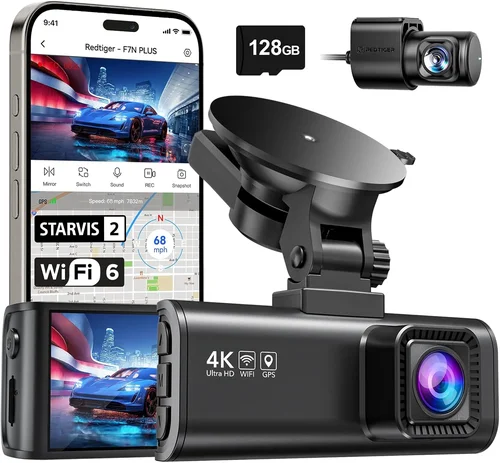
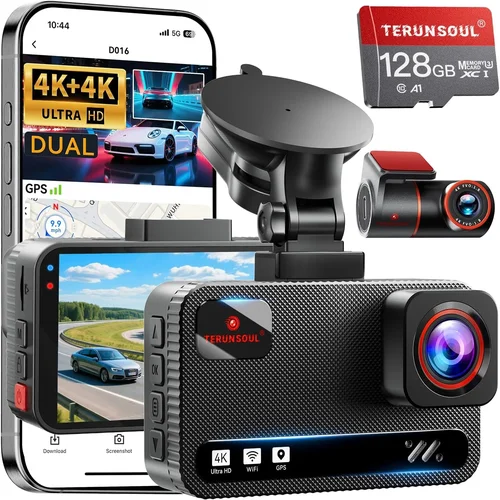
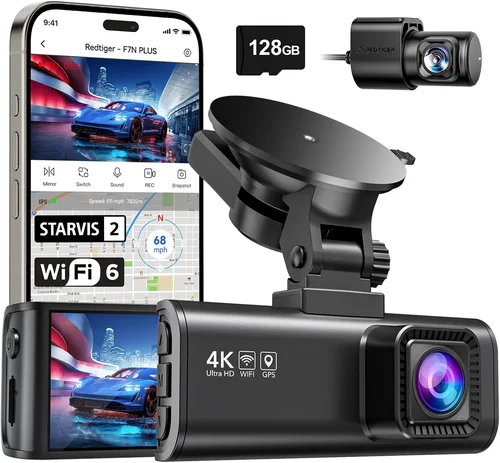
Beyond basic recording, modern dash cams offer specialized functions tailored for rideshare contexts. Emergency G-sensor triggers automatically save critical incident footage separate from regular loops. Built-in Wi-Fi enables instant clip sharing via smartphone apps—ideal for reporting accidents immediately. Parking mode uses motion detection plus time-lapse recording to monitor unattended vehicles without draining excessive battery.
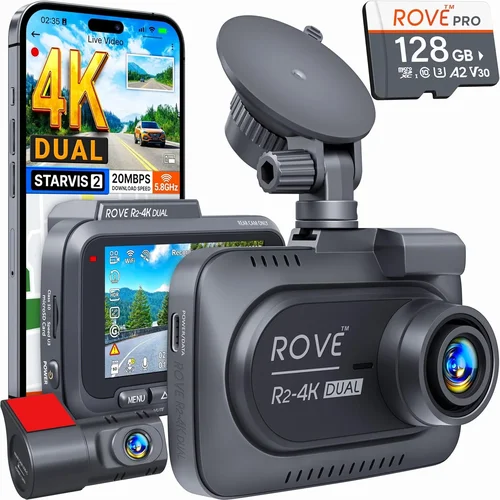
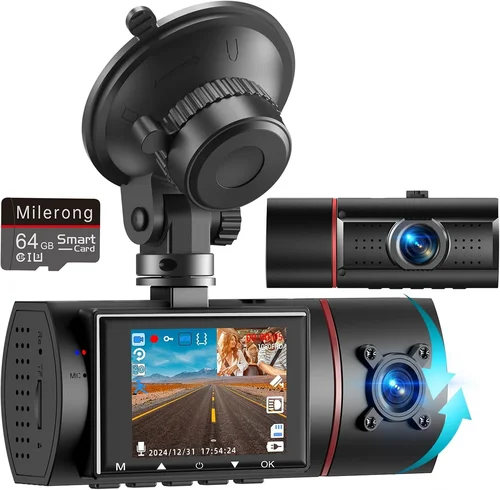
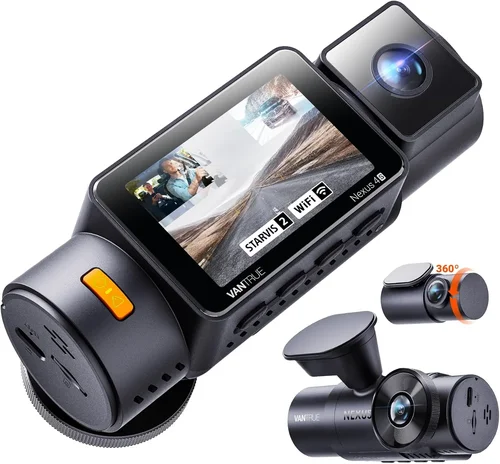
GPS logging creates timestamped location trails useful for verifying pickup/dropoff locations during passenger complaints. Dual-camera setups capture both front and cabin views simultaneously—protecting against fare disputes or personal injury claims originating inside your vehicle.
5. Brand Reputation
Established brands invest heavily in firmware updates, customer support responsiveness, and warranty fulfillment consistency. Newer entrants may offer tempting discounts but lack proven track records handling mass returns or technical escalations. Research user forums specifically discussing rideshare usage patterns; real-world experiences reveal hidden flaws absent from press releases.
Top-tier manufacturers also maintain compatibility with third-party accessories like hardwiring kits or memory cards—a crucial consideration since proprietary formats complicate repairs or replacements down the line.
6. Warranty & Support
A robust warranty period (minimum two years recommended) signals manufacturer confidence in product longevity. Check whether coverage includes accidental damage—common when mounting brackets snap off during aggressive maneuvers. Responsive customer service saves hours of frustration when troubleshooting failed recordings or corrupted files.
Online communities often highlight brands with notoriously slow response times or refusal to honor warranties after minor misuse claims—red flags worth noting before committing funds.
7. Size & Portability
Compact designs minimize visual obstruction while fitting snugly behind rearview mirrors. Ultra-thin profiles (<0.8 inches thick) reduce glare interference during daytime driving. However, smaller units sometimes sacrifice heat dissipation capabilities leading to thermal throttling in summer climates.
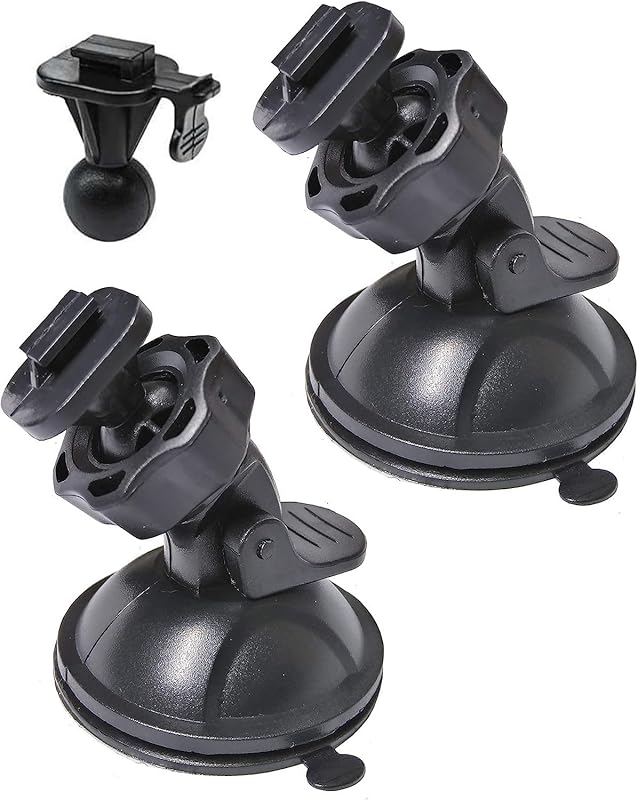
For frequent car-sharing scenarios (rental cars, friends’ vehicles), consider models compatible with universal mounts ensuring quick transfers between rideshare fleets without rewiring complexities.
8. User Reviews & Ratings
Caveat emptor applies strongly here—manufacturers manipulate review platforms aggressively. Instead, prioritize verified purchase feedback mentioning specific use cases matching yours: “Used daily for UberEats deliveries” or “Installed in Honda Civic for 18 months without issues.”
Pay attention to recurring complaints about battery drain rates, false triggering during speed bumps, or inability to read license plates past 20 feet—issues directly impacting rideshare operational efficiency.
Different Types of Dash Cams

Common Buying Mistakes to Avoid
❌ Mistake: Ignoring Night Vision Capabilities
Why it’s bad: Many buyers assume resolution equals clarity regardless of lighting conditions. However, low-light performance depends heavily on sensor sensitivity and aperture size—not megapixels alone. A 4K camera with poor night vision produces blurry footage unusable for identifying license plates during nighttime rideshare trips.
What to do instead: Prioritize cameras featuring f/1.8 or lower apertures combined with starlight-level sensors capable of capturing detail in near-total darkness. Test sample videos from product pages showing nighttime recordings before purchasing.
❌ Mistake: Overlooking Storage Management
Why it’s bad: Loop recording works only if old files automatically overwrite seamlessly. Some budget models force manual deletion or suffer corruption when microSD cards approach full capacity—resulting in lost critical evidence during accidents.
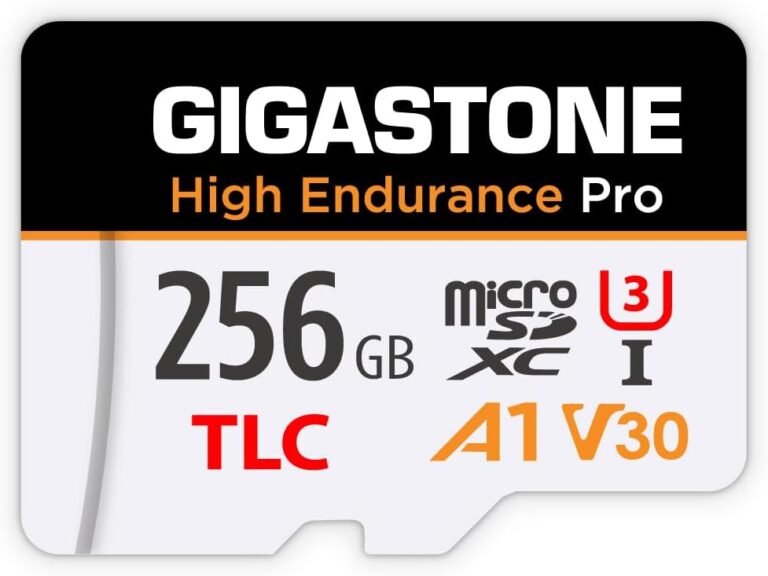
What to do instead: Choose models supporting Class 10 UHS-I microSD cards (minimum 64GB recommended) with automatic overwrite protocols. Avoid devices requiring monthly computer transfers; instead, opt for Wi-Fi-enabled units allowing wireless clip backups to smartphones.
❌ Mistake: Skipping Parking Mode Testing
Why it’s bad: Rideshare vehicles sit idle for hours daily—making them vulnerable to hit-and-runs or vandalism. Generic “parking mode” descriptions often mask inefficient battery drainage or false triggers caused by passing cyclists/minivans.
What to do instead: Verify true battery conservation claims: Does the unit enter ultra-low-power standby after detecting no motion? Can it distinguish between relevant events (car doors opening) versus irrelevant stimuli (tree branches swaying)? Read forum discussions specifically addressing long-term parking mode reliability.
❌ Mistake: Choosing Based Solely on Resolution
Why it’s bad: Megapixel counts above 2MP rarely translate to usable detail unless paired with adequate processing power and lens quality. A 1080p camera with superior image stabilization often outperforms 4K units plagued by rolling shutter artifacts during rapid turns common in city driving.
What to do instead: Evaluate real-world samples demonstrating license plate readability at varying distances under mixed lighting. Consider bitrate settings adjustable for balancing file size versus clarity needs.
❌ Mistake: Neglecting Firmware Update Policies
Why it’s bad: Manufacturers occasionally release bug fixes improving performance or adding features post-purchase. Models lacking update support become obsolete quickly as new threats emerge—like improved night vision algorithms or enhanced G-sensor calibration.
What to do instead: Confirm brand history of consistent firmware releases over 12+ month periods. Check community forums for recent update frequency reports before buying older inventory clearance deals.
❌ Mistake: Assuming Universal Compatibility
Why it’s bad: Mounting systems vary dramatically between models—some require adhesive pads unsuitable for rental cars, others use proprietary brackets incompatible with aftermarket sun visors frequently installed in rideshare vehicles.
What to do instead: Inspect included mounting hardware dimensions against your dashboard curvature. Prefer magnetic or clamp-style attachments enabling easy relocation between different cars without residue damage.
Budget Guidelines: How Much Should You Spend?
Entry-Level ($40 – $70)
This range suits occasional drivers needing basic protection without financial risk. Expect 1080p recording, modest night vision, and single-button operation. Ideal for testing dash cam necessity before upgrading. Avoid spending beyond $70 here—premium features like GPS or dual cameras rarely justify costs at this tier.
Mid-Range ($70 – $150)
The optimal zone for most Lyft drivers balancing capability and affordability. Deliverables include reliable 4K front-facing capture, effective parking mode, and durable builds suitable for daily commutes. Brands like Viofo, Rexing, and BlackVue dominate this segment with proven track records. Allocate extra budget here for future-proofing.
Premium ($150 – $300)
Professional-grade systems featuring advanced AI features like lane departure warnings, collision alerts, and cloud storage integration. Perfect for full-time drivers handling high-risk scenarios or operating multiple vehicles. Expect superior low-light performance, extended warranties, and enterprise-level support channels.
Luxury ($300+)
Ultra-high-end units targeting fleet operators or extreme enthusiasts. Include redundant recording systems, satellite connectivity, and forensic-quality audio/video synchronization. Overkill for individual rideshare use unless managing commercial-scale operations requiring litigation-grade evidence preservation.
Expert Tips for Getting the Best Deal
1. Time Your Purchase Strategically
Black Friday/Cyber Monday yields 30-50% discounts on premium models previously retailing above $200. Q4 holidays see renewed demand for gifts, pushing retailers to liquidate inventory aggressively. Avoid spring/summer launches unless manufacturer bundles include valuable extras like extended warranties.
2. Leverage Retailer Loyalty Programs
Costco, B&H Photo, and Amazon Prime members receive exclusive access to member-only pricing plus free shipping. Walmart’s in-store pickup option avoids return shipping hassles common with defective units. Always compare final landed costs including taxes and fees across platforms.
3. Negotiate Extended Warranties Wisely
Third-party providers like SquareTrade often match manufacturer warranty terms at lower premiums. Decline retailer-offered add-ons unless covering accidental damage—standard warranties rarely compensate for physical drops or water exposure typical in rideshare environments.
4. Test Before Committing
Visit Best Buy stores equipped with demo units showcasing live footage playback. Physically handle mounting hardware assessing grip strength and reposition flexibility. Request staff demonstration of parking mode activation/deactivation procedures matching your usage patterns.
5. Monitor Return Window Policies
Newegg allows 30-day returns without restocking fees—unlike Amazon’s 15-day window for open-box items. Local electronics stores often extend trial periods to 45 days incentivizing in-person purchases where immediate testing is possible.
6. Bundle Accessories Separately
Purchase microSD cards from trusted brands like SanDisk Extreme Pro independently—retail bundles use generic low-speed cards causing frame drops. Invest in hardwiring kits ($15-$25) eliminating cigarette lighter dependency during long shifts.
7. Join Owner Communities
Reddit’s r/Dashcam and dedicated Facebook groups share early-bird deal alerts plus troubleshooting tips. Veteran users frequently disclose unadvertised firmware bugs or compatibility quirks invisible to novice shoppers.
8. Consider Refurbished Certified Units
Manufacturer-refurbished programs guarantee factory-reconditioned devices with renewed warranties. Apple and Samsung offer similar models—expect identical performance to new units at 20-30% savings. Insist on original packaging and documentation.

Frequently Asked Questions
Q: Do I need a dash cam specifically approved by Lyft?
A: No official partnerships exist between Lyft and any dash cam brand. However, Lyft’s insurance policies require documented proof of responsible driving behavior during incidents. Clear footage substantiates legitimate claims against passenger misconduct or third-party negligence.
Q: Will dash cams drain my car battery overnight?
A: Modern units consume <10mA during parking mode using intelligent motion detection. Pair with hardwiring kits preventing battery depletion. Avoid leaving phones charging simultaneously—cumulative draw exceeds alternator recharge capacity within 8-12 hours.
Q: What resolution provides sufficient detail for insurance purposes?
A: 1080p suffices for basic documentation; however, 4K captures finer details like road markings or facial expressions during disputes. Minimum requirement: Ability to clearly read license plates at 50+ foot distances under daylight conditions.
Q: Can I use dash cams in rental cars?
A: Technically permitted under federal law prohibiting audio recording without consent—but always inform rental companies to avoid lease violations. Adhesive mounts leave residues; prefer magnetic or clamp solutions removable without damage.
Q: How does GPS tracking benefit rideshare drivers?
A: Timestamped location logs verify pickup/dropoff accuracy during passenger complaints or fare adjustments. Useful for proving route deviations caused by navigation errors rather than intentional detours.
Q: Are dual-camera systems necessary?
A: Cabin cameras deter fare evasion or personal injury claims originating inside your vehicle. Front+cabin setups provide complete scene context during multi-car collisions—recommended if operating full-time due to heightened liability exposure.
Q: What happens if my dash cam stops recording?
A: Most models enter protective sleep mode when microSD card fills or power drops below threshold. Reconnect power source; check LED indicators for error codes. Format card via device menu to restore functionality—never delete files manually without backup.
Q: How often should I replace memory cards?
A: High-bitrate 4K recording fills 64GB cards in ~3 hours continuously. Cycle replacement every 6-12 months depending on usage intensity. Use exFAT formatted cards exceeding 32GB for seamless compatibility across Windows/Mac systems.
Q: Can dash cams record audio legally?
A: Federal law permits recording conversations where one party consents (yourself included). However, many states prohibit audio capture without all participants’ knowledge. Disable microphone inputs if concerned about local regulations—video-only suffices for accident reconstruction.
Q: What’s the difference between loop recording and event locking?
A: Loop recording overwrites oldest files first; event-locked clips remain protected until manually deleted or overwritten by newer emergencies. Ensure your model supports automatic event saving triggered by G-force thresholds exceeding normal driving forces.
Our Final Recommendations
Best for Budget-Conscious Buyers
Rexing V1P Pro ($89): Delivers exceptional 4K clarity with reliable parking mode using smart battery management. Includes built-in GPS and Wi-Fi connectivity—rare at this price point. Durable aluminum housing withstands temperature extremes common in rideshare fleets.
Best Overall Value
Viofo A11 Pro ($129): Industry-leading low-light performance thanks to Sony STARVIS sensor technology. Features advanced driver assistance alerts plus seamless cloud backup integration. Magnetic mount allows instant installation without adhesive residue.
Best Premium Option
BlackVue DR970X-2CH ($249): Dual-channel recording with cloud connectivity and supercapacitor-based power protection. Military-grade shock resistance ensures uninterrupted operation through pothole impacts. Enterprise-grade firmware updates guarantee long-term reliability.
Best for Beginners
Apeman F770 ($69): Intuitive one-button operation with automatic night vision adjustment. Compact design minimizes dashboard clutter while delivering 1080p recording sufficient for most scenarios. Includes 32GB microSD pre-installed.
Best for Advanced Users
Thinkware U1000 ($399): 4K recording with HDR stabilization and Wi-Fi remote viewing via smartphone app. Integrated LTE module enables live streaming during emergencies—ideal for solo drivers operating late-night shifts in high-risk areas.
Conclusion: Making the Right Choice
Selecting the ideal dash cam transcends comparing raw specifications—it’s about aligning technological capabilities with your unique driving realities. Whether prioritizing affordability for casual use or investing in professional-grade protection for full-time operations, focus on features directly enhancing safety and dispute resolution. Remember that even mid-range models from reputable brands deliver exceptional value when matched properly to your needs.
Always validate claims through hands-on testing whenever feasible, prioritize brands with responsive support channels, and never underestimate the psychological reassurance clear evidence provides during stressful situations. The right dash cam doesn’t just capture moments—it safeguards your livelihood, reputation, and peace of mind behind the wheel.
Start by evaluating your most pressing concerns: Is passenger safety paramount? Do you operate primarily during low-light hours? Will you frequently switch vehicles? Answering these questions guides you toward models offering targeted solutions rather than generic features. Armed with this knowledge, confidently navigate the marketplace knowing exactly what separates adequate performers from true standouts in real-world rideshare conditions.