Best Luxury Car Dash Cam Buying Guide
For luxury car owners, the dashboard isn’t just a space for navigation and entertainment—it’s a command center. And just as you wouldn’t compromise on leather seats or adaptive cruise control, your dash cam should meet the same high standards of performance, elegance, and reliability. A premium vehicle deserves a premium recording system: one that captures crystal-clear footage, integrates seamlessly with your car’s aesthetics, and offers advanced features tailored to discerning drivers. In this comprehensive guide, we’ll walk you through everything you need to know about selecting the best dash cam for luxury cars—helping you protect your investment, enhance safety, and enjoy peace of mind on every drive.
Whether you’re parking in a crowded city garage, cruising down a scenic coastal highway, or navigating icy mountain roads, your dash cam is your silent witness. But not all dash cams are created equal. For luxury car buyers, the stakes are higher: you expect superior image quality, robust build materials, discreet design, and smart connectivity options. This guide will help you cut through marketing hype and find models that align with both your automotive expectations and your driving lifestyle. We’ll cover critical factors like resolution, field of view, night vision capabilities, GPS tracking, cloud storage, and even how to choose a model that complements your car’s interior without clashing visually.
From mid-range options that offer excellent value to top-tier devices packed with AI-powered features, we’ve evaluated dozens of models used by luxury car enthusiasts worldwide. You’ll learn why certain brands dominate the market, what technical specifications truly matter (and which are overhyped), and how to avoid common pitfalls when upgrading your setup. By the end, you’ll have a clear roadmap for choosing a dash cam that doesn’t just record your journey—but elevates it.

What to Look for When Buying Dash Cams
1. Image Quality & Resolution
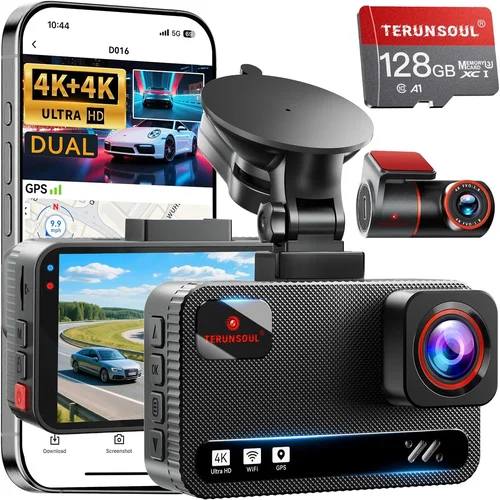
When it comes to capturing evidence or documenting travel, nothing beats sharp, detailed video. For luxury vehicles—where every detail counts—you’ll want at least 1080p Full HD resolution. However, many modern dash cams now offer 2K, 4K Ultra HD, or even 5.1K recording capabilities. The difference is noticeable: higher resolutions mean finer details like license plates, road signs, and facial expressions become clearly visible—even from a distance.
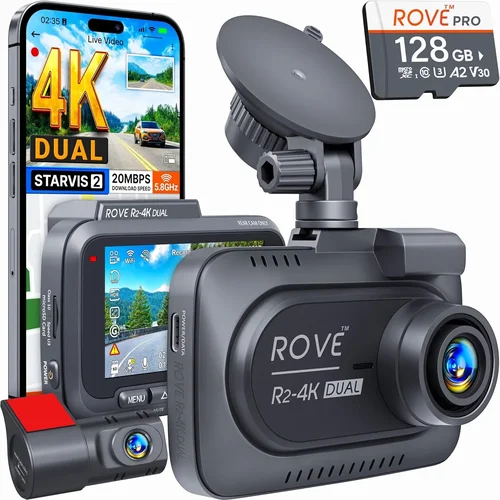
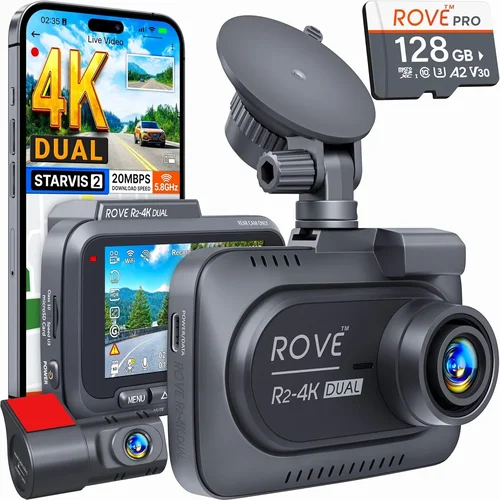
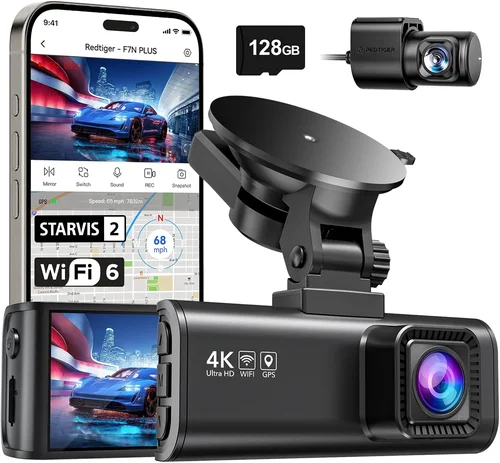
But resolution isn’t the only factor. Look for a camera sensor with good low-light sensitivity, such as Sony Starvis or STARVIS 2 technology. These sensors dramatically improve nighttime visibility by amplifying available light, reducing noise, and maintaining color accuracy in dim conditions. Some premium models also include HDR (High Dynamic Range) support, which balances exposure between bright headlights and dark shadows, preventing blown-out highlights or washed-out backgrounds.
2. Field of View (FOV)
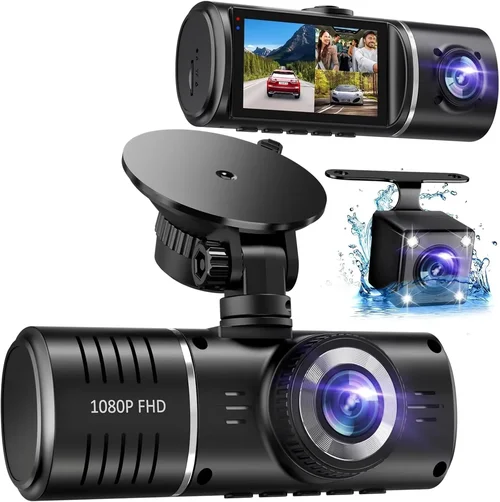
The field of view determines how much of the road ahead and surrounding environment your dash cam captures. A wider FOV reduces blind spots but can distort edges (fisheye effect). Most luxury dash cams offer adjustable or multi-angle setups—sometimes using dual cameras. For example, a front-facing unit might capture 120° horizontally, while an optional rear camera adds coverage behind your vehicle.
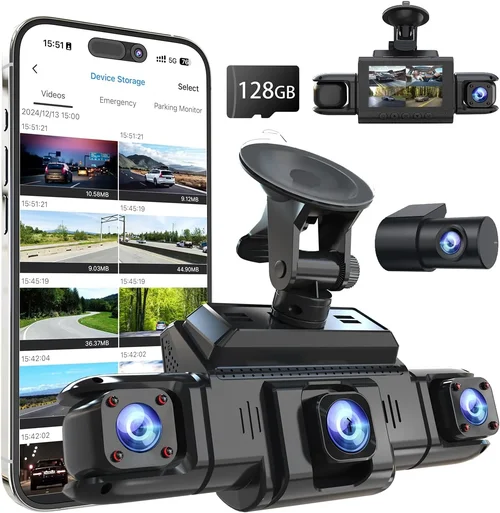
Consider your typical driving routes: urban commuters benefit from ultra-wide angles (up to 170°), whereas highway travelers may prioritize balanced coverage without excessive distortion. Some high-end models use multiple lenses to stitch together seamless panoramic views, eliminating stitching artifacts and providing complete situational awareness.
3. Night Vision Capabilities
Driving at dusk, dawn, or night introduces unique challenges: reduced visibility, glare from other vehicles, and poor lighting conditions. Luxury car owners often spend more time behind the wheel after hours, making night vision a non-negotiable feature. Advanced night vision systems combine several technologies:
- Low-Light Sensors: As mentioned earlier, Sony Starvis sensors excel here.
- Infrared LEDs: Not common in dash cams yet, but emerging in premium models.
- Dynamic Exposure Control: Automatically adjusts brightness based on ambient light.
- Noise Reduction Algorithms: Clean up grainy footage without softening important details.
Look for models rated for “night vision” or “low-light performance” in product descriptions. Real user reviews highlighting nighttime clarity are especially valuable.
4. Storage Capacity & Loop Recording
Dash cams rely on microSD cards for storage—typically ranging from 32GB to 256GB+. For luxury users who demand maximum footage retention, opt for larger capacities paired with loop recording. This feature automatically overwrites older clips once the card fills up, ensuring continuous operation without manual intervention.
However, be mindful of write speeds: Class 10 or U3-rated cards ensure smooth 4K recording without dropped frames. Some high-end units support dual-card slots (one for daily use, another as backup), ideal for archiving critical incidents while freeing up space for ongoing recordings.
5. Connectivity & Smart Features
Luxury cars are synonymous with connectivity. Your dash cam shouldn’t feel like a standalone gadget—it should integrate smoothly into your digital ecosystem. Modern premium models offer:
- Wi-Fi & Bluetooth: Enable wireless firmware updates, clip sharing via smartphone app, and voice control.
- GPS Logging: Records speed, location, and route history—useful for insurance claims or trip documentation.
- Cloud Backup: Automatic upload of critical events to secure servers (requires subscription).
- Parking Mode with Impact Detection: Uses built-in accelerometers to trigger recording if vibrations or collisions occur while parked.
- ADAS (Advanced Driver Assistance Systems): Lane departure warnings, forward collision alerts, and blind spot monitoring add proactive safety layers.
These features transform your dash cam from a passive recorder into an active co-pilot.
6. Build Quality & Aesthetics
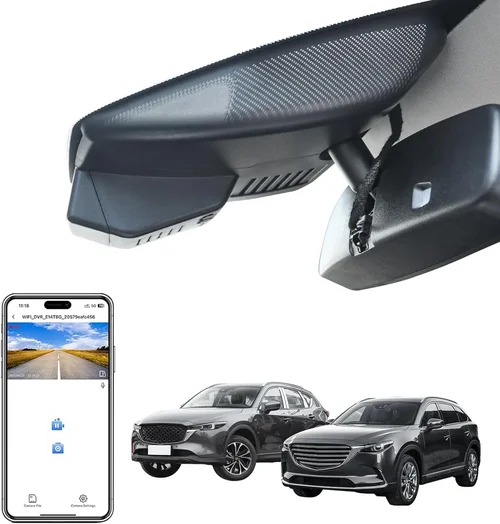
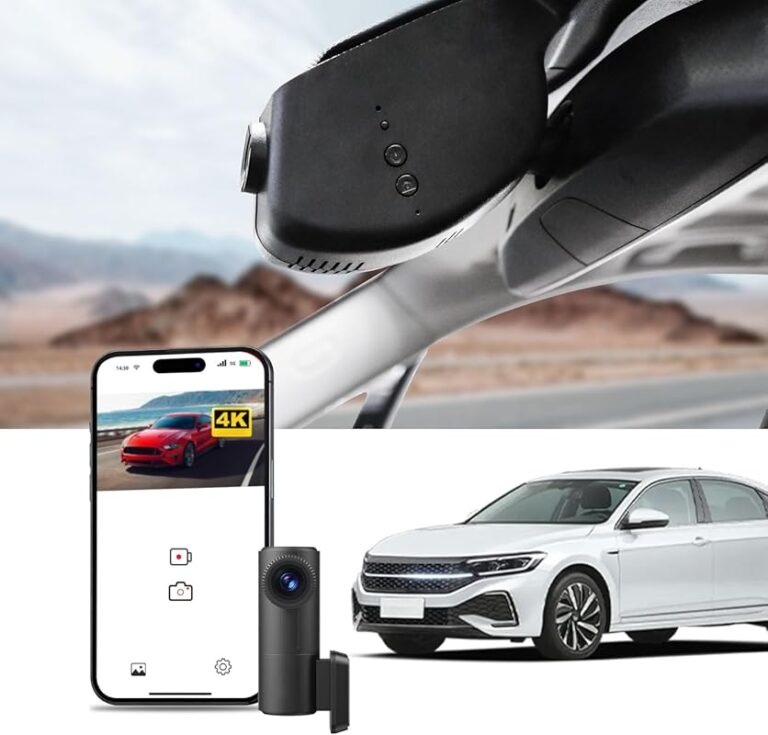
Since luxury vehicles emphasize craftsmanship, your dash cam should reflect that ethos. Avoid bulky, plastic-heavy units that scream “budget accessory.” Instead, seek sleek designs with matte finishes, anti-glare coatings, and flush mounting options. Some brands offer customizable bezels or color-matching kits to blend with your dashboard.
Durability matters too. Look for shock-resistant housings, wide operating temperature ranges (-4°F to 140°F / -20°C to 60°C), and IPX ratings indicating dust/water resistance. Vibration damping mounts minimize shake-induced blurring—crucial for smooth motorway recordings.
7. Ease of Use & Software Interface
A complicated interface defeats the purpose of convenience. Top-tier dash cams feature intuitive touchscreens, simple menus, and responsive controls. Voice commands, gesture recognition, and mobile app integration further streamline operation. During testing, pay attention to:
- How quickly the device boots up after ignition
- Clarity of on-screen prompts during playback
- Reliability of parking mode activation
- Speed of file transfer to smartphones or computers
Some luxury-focused brands even provide dedicated customer support teams trained specifically for high-end vehicle installations.
8. Warranty & Customer Support
Given the cost involved, extended warranties and responsive service matter. Premium dash cams typically come with 1–3 year coverage against defects. Check whether repairs require shipping or local service centers. Brands offering lifetime software updates or free replacement policies under warranty demonstrate confidence in their products.
Different Types of Dash Cams

Common Buying Mistakes to Avoid
❌ Mistake: Ignoring Low-Light Performance
Why it’s bad: Many shoppers prioritize megapixels over actual usability. A 4K camera with poor low-light handling produces grainy, useless footage at night—when half your driving happens.
What to do instead: Prioritize sensors with proven night vision tech (like Sony Starvis) and read user reviews mentioning nighttime clarity. Test sample clips if possible.
❌ Mistake: Choosing Based Solely on Price
Why it’s bad: Cheaper dash cams often skimp on essential features like G-sensor sensitivity, parking mode reliability, or build quality. You’re paying for protection—not just a gadget.
What to do instead: Allocate budget toward reputable brands known for durability and software stability. Spend more upfront to avoid replacing units every 1–2 years.
❌ Mistake: Overlooking Installation Complexity
Why it’s bad: DIY installation works for basic models, but complex wiring, hidden mounting, or power routing requires expertise—especially in luxury interiors where trim removal demands care.
What to do instead: Opt for plug-and-play designs or consult professional installers. Some brands partner with certified shops for flawless integration.
❌ Mistake: Neglecting Cloud Backup Options
Why it’s bad: Without cloud storage, critical evidence can be lost if the SD card fails or gets damaged. Physical backups aren’t foolproof.
What to do instead: Choose models with encrypted cloud sync (even basic versions). Factor subscription costs into long-term planning.
❌ Mistake: Assuming All 4K Cameras Are Equal
Why it’s bad: File sizes balloon with 4K—requiring faster cards and more storage. Some budget 4K cams still use inferior sensors, resulting in soft, noisy video.
What to do instead: Verify sensor specs alongside resolution. True 4K luxury performance demands high-end components throughout.
❌ Mistake: Forgetting About Firmware Updates
Why it’s bad: Outdated firmware causes bugs, drains battery life, and blocks new features. Unpatched devices become obsolete quickly.
What to do instead: Pick brands committed to regular updates. Check community forums for update frequency and bug fixes.
❌ Mistake: Skipping Parking Mode Testing
Why it’s bad: If parking mode fails to activate during minor bumps or impacts, you lose crucial evidence after hours.
What to do instead: Manually trigger impact detection during installation. Confirm settings work as expected before relying on it.
Budget Guidelines: How Much Should You Spend?
Entry-Level ($150–$300): What to Expect
This range suits those wanting reliable basic functionality without breaking the bank. Expect Full HD recording, decent night vision, loop recording, and simple apps. While lacking advanced features like dual cameras or ADAS, these models deliver dependable performance for daily commutes. Ideal for first-time luxury owners who want protection without overspending.
Mid-Range ($300–$600): The Sweet Spot for Most Buyers
Here’s where luxury meets capability. Dual-camera systems, 2K/4K resolution, GPS logging, and robust parking modes appear. Brands like BlackVue, Garmin, and Thinkware dominate this tier. You’ll get professional-grade reliability with enough smart features to satisfy tech-savvy drivers. This is our recommended starting point for most luxury car enthusiasts.
Premium ($600–$1,200): For Enthusiasts and Professionals
Top-tier models offer 5.1K recording, multi-lens panoramic views, AI-enhanced object detection, and seamless smartphone integration. Think of these as mini surveillance systems disguised as dash cams. Priced like high-end electronics, they justify the cost with unmatched detail, security, and customization. Perfect for collectors, frequent travelers, or those needing courtroom-ready evidence.
Luxury ($1,200+): Top-Tier Features Only
At this level, innovation takes precedence. Expect embedded designs, OEM partnerships (e.g., BMW-approved systems), military-grade durability, and proprietary algorithms for accident reconstruction. These aren’t just dash cams—they’re status symbols. Brands like Nextbase, Viofo, and EKEN push boundaries with cutting-edge tech, though real-world benefits diminish beyond enthusiast circles.
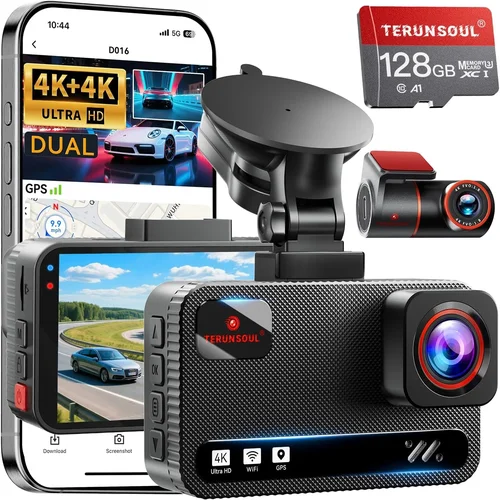
Expert Tips for Getting the Best Deal
Timing Your Purchase
Black Friday, Cyber Monday, and holiday sales offer steep discounts—often 20–40% off MSRP. New Year’s Day and Memorial Day weekend are also prime times. Avoid launching periods; new models rarely drop below retail immediately.
Where to Buy
Online retailers (Amazon, B&H Photo, Adorama) provide convenience and competitive pricing. Specialty auto shops offer installation services and hands-on demos. For luxury buyers, consider authorized dealers—some bundle dash cams with extended warranties or concierge support.
Spotting Hidden Deals
Watch for refurbished units from certified sellers—identical to new except price. Sign up for brand newsletters; exclusive promo codes appear regularly. Trade-in programs from electronics stores sometimes accept old dash cams toward upgrades.
Warranty Considerations
Always verify warranty terms. Does it cover accidental damage? How long does claim processing take? Some brands offer international coverage—valuable for globetrotting luxury owners.
Return Policies
Test within 30 days if possible. Opened software items may incur restocking fees. Keep original packaging for easy returns.
Testing Before Buying
If buying in-store, request demo footage comparison. Play back clips on-screen to judge clarity, audio sync, and menu responsiveness. Ask staff about recent firmware updates.
Installation Advice
For hardwired setups, consult electricians or auto specialists. Improper wiring risks damaging your infotainment system. Wireless models simplify installation but may limit placement options.
Bundled Accessories
Some packages include extra SD cards, suction cups, or privacy filters. Evaluate whether included items match your needs before upgrading separately.
Future-Proofing
Choose models with expandable storage, open firmware, and backward compatibility. Avoid proprietary formats that lock you into one ecosystem.
Community Input
Join forums like Reddit’s r/dashcam or manufacturer communities. Veteran users share real-world insights missed in marketing copy.
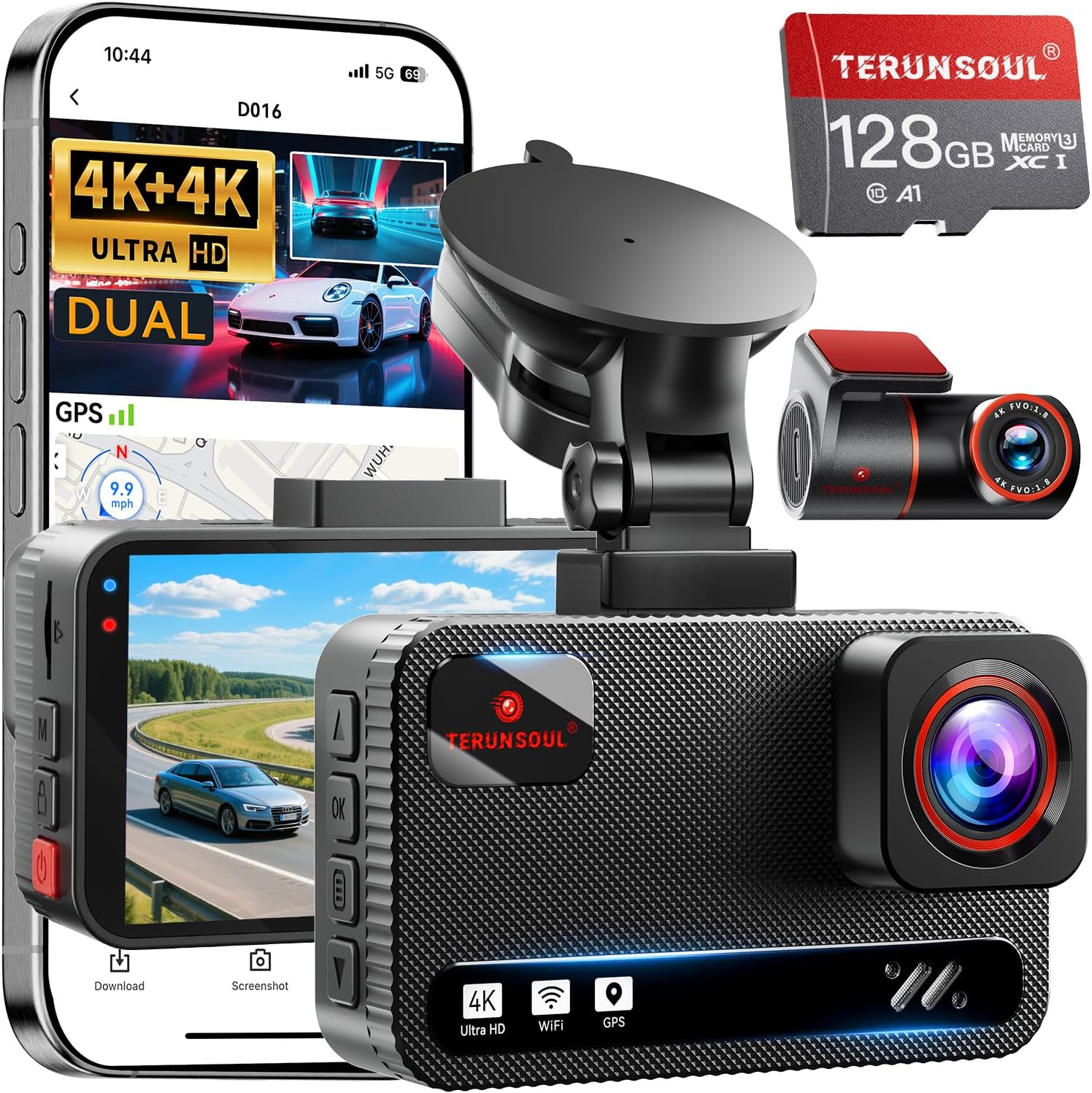
Frequently Asked Questions
Q: Can I install a dash cam myself, or do I need a professional?
A: Most modern dash cams are designed for DIY installation, especially wireless models with adhesive mounts. Hardwired setups require basic electrical knowledge or professional help to avoid damaging your car’s wiring harness. Always follow manufacturer instructions carefully.
Q: Will a dash cam drain my car battery?
A: Yes, continuously. That’s why loop recording and parking mode are essential. Parking mode uses minimal power but activates only during impacts or scheduled timers. Hardwired kits draw power from your fuse box, so they won’t drain your battery when parked.
Q: Do luxury car dash cams need special mounting hardware?
A: Not usually. Standard suction cups or adhesive pads work fine. However, luxury interiors often feature glass or delicate surfaces—test adhesion beforehand. Some brands offer custom brackets for flush integration.
Q: How much storage do I really need?
A: It depends on usage. For daily driving, a 64GB–128GB card suffices (records ~2–4 hours of 4K footage). Frequent stop-and-go traffic or long trips may require 256GB+. Always carry spare cards if traveling extensively.
Q: Can dash cams record audio, and is it legal?
A: Most record audio, but regulations vary by country. In the U.S., federal law permits recording in public spaces, but states like California prohibit recording others without consent. Check local laws before enabling audio.
Q: Should I get a single or dual-camera system?
A: Dual cameras provide full coverage—front and rear—ideal for city driving or valet parking. Single-lens models save money and space but leave blind spots. If your luxury car has tight maneuvering requirements, dual is worth the investment.
Q: Are cloud-connected dash cams secure?
A: Reputable brands use AES encryption and two-factor authentication. Still, avoid storing sensitive personal data. Regularly review cloud access logs and disable unused accounts.
Q: How often should I replace my microSD card?
A: Every 1–2 years, depending on write cycles. Frequent 4K recording wears out cards faster. Signs of failure include corrupted files, unrecognized capacity, or constant error messages.
Q: Can I use my dash cam while charging my phone?
A: Some models include USB ports for phone charging. Ensure the dash cam’s power supply handles additional load—overloading circuits risks damage. Dedicated mobile chargers are safer.
Q: What’s the difference between G-sensor and parking mode?
A: G-sensors detect impacts and auto-lock footage. Parking mode extends recording while parked using motion or vibration triggers. Both work together: G-sensor captures collisions; parking mode records suspicious activity before impact.
Our Final Recommendations
Best for Budget-Conscious Buyers: Thinkware U1000
Despite its affordable price, the U1000 delivers stunning 2K QHD recording, superior night vision, and reliable dual-channel support. Its compact size fits discreetly behind your rearview mirror, and the built-in Waze integration adds navigation convenience. At under $350, it’s unbeatable value for luxury owners who don’t want to sacrifice quality.
Best Overall Value: BlackVue DR970X-2CH
This Korean-engineered powerhouse offers 4K front and 2K rear recording, cloud connectivity with free 7-day event backup, and exceptional build quality. The DR970X series is trusted by fleet operators and individual drivers alike. With automatic firmware updates and military-grade durability, it earns its premium reputation without the luxury price tag.
Best Premium Option: Garmin DriveLUX 20
Garmin merges automotive expertise with dash cam innovation. The DriveLUX 20 provides 4K resolution, HDR, and advanced driver alerts (lane departure, forward collision). Its elegant design, intuitive interface, and seamless smartphone pairing make it ideal for Mercedes-Benz, Audi, and BMW owners seeking OEM-level integration.
Best for Beginners: Viofo A119 V3 Dual Camera
Known for rock-solid reliability, the Viofo A119 V3 offers 2K recording, strong night vision, and easy setup. While lacking flashy extras, it performs consistently—no glitches, no surprises. Great for new luxury car owners building confidence in their recording setup.
Best for Advanced Users: Nextbase 622GW
This British favorite packs 4K recording, Alexa voice control, emergency SOS button, and Wi-Fi hotspot capability. The 622GW stands out with its crisp display, GPS speed camera alerts, and cinematic stabilization. Perfect for tech-forward drivers who treat their dash cam like a smart assistant.
Best for OEM Integration: Bosch AutoCam X
Developed in partnership with major automakers, the Bosch AutoCam X offers true plug-and-play installation with CAN bus support. It displays on your head-up screen and syncs with your car’s diagnostics. Reserved for high-end brands like Porsche and Lamborghini, it’s the ultimate luxury dash cam experience.
Conclusion: Making the Right Choice
Choosing the best dash cam for your luxury car isn’t just about specs—it’s about aligning technology with your lifestyle, values, and driving habits. Whether you prioritize discretion, cutting-edge features, or courtroom-proof evidence, today’s market offers solutions tailored to every preference. Remember: the most expensive model isn’t always the best fit. Focus on proven reliability, ease of use, and real-world performance over flashy gimmicks.
Before finalizing your purchase, revisit your priorities. Do you need dual cameras for urban navigation? Is cloud backup essential for peace of mind? Will you frequently drive at night? Answering these questions narrows your options significantly. And never underestimate the importance of customer support—when issues arise, responsive service makes all the difference.
Investing in a premium dash cam protects not only your vehicle but your reputation and financial well-being. In accidents, disputes, or theft attempts, high-quality footage can be priceless. So take your time, research thoroughly, and choose a system that feels as refined as the car itself. After all, your luxury vehicle deserves nothing less.