Best Dash Cam for Carriers Shopping Guide
For professional drivers and commercial vehicle operators, dash cams aren’t just optional accessories—they’re essential safety and security tools that can protect against false claims, provide crucial evidence in accidents, and even improve driving habits. As the commercial transportation industry continues to evolve with increasing regulatory requirements and insurance considerations, having a reliable dash cam has become more important than ever for carriers of all sizes.
This comprehensive buying guide will walk you through everything you need to know about selecting the best dash cam for your commercial needs. We’ll cover the critical factors that separate good dash cams from great ones, examine different types and categories available on the market, and provide expert insights to help you make an informed decision that fits your specific operational requirements and budget constraints.
Whether you’re managing a single delivery van or overseeing a fleet of 50 trucks, understanding the key specifications, features, and considerations outlined in this guide will ensure you choose a solution that delivers maximum value, reliability, and peace of mind for your business operations.
## What to Look for When Buying Dash Cams
### Resolution and Video Quality
The foundation of any quality dash cam lies in its video resolution capabilities, which directly impact the clarity and usefulness of recorded footage. For commercial applications, where legal documentation and accident reconstruction are critical, high-resolution cameras are non-negotiable.
Look for dash cams that offer at least 1080p Full HD resolution as the minimum standard for professional use. However, many top-tier models now feature 2K (2560×1440) or even 4K (3840×2160) recording capabilities. The higher the resolution, the more detail captured during incidents—this means clearer license plate identification, better facial recognition when needed, and superior evidence quality for insurance claims or legal proceedings.
When evaluating resolution, consider the frame rate as well. A camera recording at 30fps (frames per second) provides smooth, natural motion capture, while 60fps offers enhanced slow-motion capabilities for detailed incident analysis. For commercial vehicles operating at highway speeds, 60fps recording ensures that fast-moving objects remain sharp and identifiable throughout the recording.
Another crucial aspect is the sensor size and quality. Larger image sensors typically perform better in low-light conditions, which is particularly important for commercial drivers who may be on the road during dawn, dusk, or night hours. CMOS sensors with good low-light performance are generally preferred over older CCD sensors, especially for 24/7 monitoring scenarios.
Don’t forget about the lens specifications either. A wide-angle lens (typically between 140-160 degrees) captures more of the road scene, reducing blind spots and ensuring comprehensive coverage. However, extremely wide angles can introduce distortion at the edges, so look for lenses with advanced distortion correction technology.
### Storage Capacity and Management
Storage management becomes exponentially more complex when dealing with commercial fleets. Unlike personal vehicles where you might get away with a single dash cam with basic storage, commercial operations require sophisticated solutions for handling large volumes of video data efficiently.
Consider the built-in memory card capacity first—most professional dash cams support microSD cards ranging from 32GB up to 2TB. For a single vehicle, a 128GB or 256GB card might suffice if you implement proper file management protocols. However, larger fleets or vehicles requiring continuous 24/7 recording will benefit significantly from higher-capacity storage options.
Beyond raw storage capacity, pay attention to how the device handles file organization and automatic deletion. Look for models with intelligent loop recording systems that automatically overwrite the oldest files when storage reaches capacity, ensuring you never lose critical recent footage. Some advanced systems also allow you to configure multiple recording modes—continuous recording for general monitoring plus event-triggered recording for incidents.
Cloud storage integration is becoming increasingly important for commercial operators. While it adds monthly costs, cloud solutions eliminate local storage concerns, provide off-site backup protection, and enable centralized fleet management from a single dashboard. This is particularly valuable for companies managing multiple vehicles across different geographic locations.
Compression technology also affects storage efficiency. H.265 (HEVC) encoding typically offers better compression ratios than older H.264 standards, allowing you to store more footage within the same space while maintaining acceptable video quality. However, ensure your playback devices and software can handle newer compression formats.
### Night Vision and Low-Light Performance
Commercial driving often extends beyond daylight hours, making night vision capabilities absolutely critical for safety and legal protection. Poor nighttime footage can render your dash cam essentially useless during the most vulnerable driving periods.
Modern dash cams employ several technologies to enhance nighttime visibility. Look for cameras equipped with infrared LEDs or night vision-specific sensors that provide clear black-and-white footage after dark. The quality of night vision varies significantly between models—some offer decent visibility within 30-50 feet, while premium models can see clearly up to 100+ feet.
Image stabilization plays a crucial role in night vision performance. At lower light levels, sensors may increase sensitivity, but this often introduces noise and vibration artifacts. Advanced electronic image stabilization (EIS) helps maintain clarity by compensating for vehicle movements and vibrations during night driving.
Color night vision represents another advancement worth considering. Rather than switching to monochrome mode after sunset, some high-end models maintain color capability using specialized sensors and algorithms. This preserves important color information like traffic signals, warning signs, and vehicle colors that can be vital for accident investigations.
Don’t overlook the importance of proper exposure control. Automatic exposure adjustment ensures that bright headlights don’t wash out the image while simultaneously preventing underexposure in darker areas. Some models offer manual exposure settings for fine-tuning based on specific lighting conditions or regional requirements.
### GPS Tracking and Location Services
For commercial operations, location tracking isn’t just about curiosity—it’s a business necessity. GPS functionality provides crucial data for route optimization, driver accountability, and incident verification. When an accident occurs, knowing exactly where it happened within seconds can dramatically improve response times and evidence collection.
Built-in GPS modules track vehicle speed, location coordinates, and direction of travel in real-time. This information gets embedded directly into the video files, creating timestamped logs that are difficult to dispute in legal situations. Many systems also include geofencing capabilities, alerting managers when vehicles enter or exit designated areas or violate predetermined routes.
Advanced GPS systems often integrate with mapping services to overlay route information onto your video recordings. This allows you to review not just what happened at a particular location, but how the vehicle arrived there, including turns, stops, and deviations from planned routes.
Some commercial-grade dash cams go beyond basic GPS by incorporating GLONASS or Galileo satellite systems alongside GPS, providing improved positioning accuracy especially in urban canyons or areas with limited satellite visibility. Dual-system receivers typically offer 20-30% better accuracy than single-system devices.
Speed monitoring capabilities are equally important for commercial compliance. Real-time speed alerts can help prevent violations of posted limits, while historical speed data provides valuable feedback for driver training programs. Integrated odometer readings and trip counters add additional layers of operational data for fleet management.
### Connectivity and Remote Access
In today’s connected world, the ability to monitor and manage your dash cams remotely has transformed them from simple recording devices into comprehensive fleet management tools. Commercial operators need instant access to footage, live viewing capabilities, and centralized control over multiple units.
Wi-Fi connectivity enables quick file transfers to smartphones or tablets for immediate review and sharing. Look for dual-band Wi-Fi (2.4GHz and 5GHz) support to avoid interference issues and ensure reliable connections even in challenging environments. Some models feature dedicated mobile apps that provide intuitive interfaces for managing recordings, adjusting settings, and receiving alerts.
Cellular connectivity takes remote access to the next level by enabling real-time video streaming and instant notifications regardless of location. With 4G LTE or 5G capability, managers can view live feeds from their vehicles, receive automatic incident alerts, and download critical footage immediately without waiting for the vehicle to return to base. This is particularly valuable for high-value cargo transport or time-sensitive deliveries where immediate incident response is crucial.
Bluetooth pairing simplifies setup and configuration processes, allowing you to connect multiple accessories like external cameras, sirens, or communication devices. Some advanced systems support mesh networking, enabling seamless communication between multiple vehicles in a convoy or fleet for coordinated monitoring and emergency response.
Cloud-based management platforms have revolutionized how commercial operators handle dash cam data. Centralized dashboards allow you to monitor dozens or hundreds of vehicles simultaneously, set uniform policies across your fleet, and generate comprehensive reports for compliance and safety analysis. These platforms often include AI-powered analytics that can detect unsafe behaviors like hard braking, rapid acceleration, or distracted driving patterns.
### Power Supply and Installation Options
Reliable power supply is fundamental to consistent dash cam operation, especially for commercial applications where downtime can result in significant lost revenue. Understanding your installation options and choosing the right power source ensures continuous recording without draining vehicle batteries excessively.
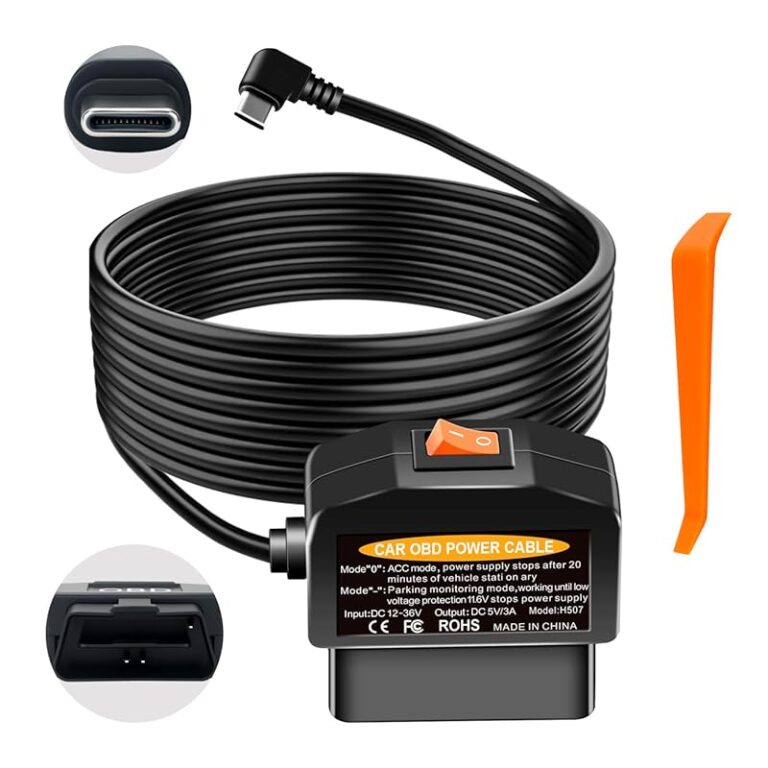
Hardwiring your dash cam to the vehicle’s electrical system provides the most reliable power source and eliminates battery drain concerns. Professional installation typically involves connecting to the fuse box using a hardwire kit, which includes a capacitor to handle voltage spikes and ensure clean power delivery. This setup allows for parking mode functionality—recording when the vehicle is turned off—which is invaluable for overnight security monitoring.
Parking mode represents one of the most important features for commercial operators. When properly configured, your dash cam can record continuously while parked, capturing evidence of vandalism, theft attempts, or hit-and-run incidents. Motion detection or impact sensors trigger recording only when necessary, preserving storage space and battery life while still providing comprehensive protection.
Dual power sources offer flexibility for different operational scenarios. Some vehicles may benefit from hardwired primary power with battery backup for extended off-grid operation, while others might use cigarette lighter adapters for temporary installations or vehicles where permanent wiring isn’t feasible.
Installation complexity varies significantly between models. Basic units can be mounted using suction cups or adhesive pads, making them easy to reposition or transfer between vehicles. Professional-grade dash cams often require more permanent mounting solutions but come with comprehensive installation guides and professional service options.
Consider the physical dimensions and weight of your chosen unit, especially if you’re installing multiple cameras per vehicle. Bulky dash cams can obstruct driver visibility or create wind resistance issues, while lightweight, compact designs minimize these concerns while still providing adequate field of view.
### Audio Recording Capabilities
While primarily focused on visual evidence, audio recording adds another crucial layer of documentation for commercial operations. In accident investigations, witness statements, and internal disciplinary matters, hearing what transpired provides context that video alone cannot capture.
Quality microphone arrays capture clear audio within the vehicle cabin, recording conversations, horn blasts, engine sounds, and environmental noises that complement the visual evidence. Look for directional microphones that focus on interior sounds while minimizing external noise interference—this prevents overwhelming recordings with traffic sounds while preserving important cabin conversations.
Privacy considerations are paramount when implementing audio recording. Many regions have strict laws regarding audio recording, requiring consent from all parties being recorded. Ensure your dash cam complies with local regulations and implement appropriate disclosure policies for employees and customers.
Audio synchronization with video ensures that spoken words align perfectly with lip movements and visual events, creating cohesive evidence packages for legal proceedings. Advanced models automatically adjust audio levels to prevent distortion during loud events like accidents or emergency braking.
Some commercial systems integrate with intercoms or two-way communication devices, allowing for direct interaction between the vehicle and dispatch centers. This capability can be invaluable during emergencies or when coordinating complex operations that require verbal communication beyond simple text messaging.
### Impact Sensitivity and Event Detection
Accident response begins the moment impact occurs, making sensitive event detection crucial for commercial operations. Modern dash cams use sophisticated algorithms to distinguish between normal driving maneuvers and genuine incidents that warrant immediate recording and notification.
G-sensor technology measures sudden deceleration forces associated with collisions or near-misses. Adjustable sensitivity settings allow you to fine-tune the threshold for triggering event recording—too sensitive and you’ll get unnecessary triggers from potholes or rough roads; too insensitive and you might miss actual impacts.
Impact detection typically works in conjunction with other sensors like accelerometers and gyroscopes to provide comprehensive event classification. Advanced systems can differentiate between front/rear impacts, side collisions, rollovers, and even non-collision events like aggressive braking or swerving that might indicate driver distress or mechanical problems.
Event-triggered recording ensures that critical moments aren’t missed due to pre-roll buffer limitations. When an impact exceeds your configured threshold, the system saves a few seconds before and after the event, creating complete incident narratives rather than just post-impact footage.
Emergency notification systems can automatically alert fleet managers when severe impacts occur, providing location data and basic incident information before the vehicle operator has time to respond manually. This immediate awareness can significantly improve response times and potentially save lives in serious accidents.
### Weather Resistance and Environmental Durability
Commercial vehicles operate in diverse and often harsh environmental conditions, from extreme heat in desert climates to freezing temperatures in northern regions, heavy rain, snow, and dusty construction zones. Your dash cam must withstand these conditions reliably year-round.
IP rating certification indicates the device’s dust and water resistance capabilities. Look for ratings of at least IP65 (dust protected, water jets) for most commercial applications, with IP67 (dust protected, temporary immersion) or IP68 (dust protected, continuous immersion) for vehicles operating in particularly wet or dirty environments.
Temperature tolerance specifications tell you the operating range your dash cam can handle. Most quality models function between -4°F to 140°F (-20°C to 60°C), but extreme climates may require specialized units with broader temperature ranges or additional cooling/heating elements.
UV-resistant housings prevent plastic degradation from prolonged sun exposure, maintaining both structural integrity and optical clarity over time. Anti-reflective coatings reduce glare from dashboard surfaces and windshield reflections, improving visibility in bright conditions.
Shock and vibration resistance ensure reliable operation even on poorly maintained roads or during emergency maneuvers. Military-grade shock testing standards (MIL-STD-810G) provide confidence that your equipment will survive the rigors of daily commercial use.
Condensation management is another critical consideration, especially for vehicles that experience rapid temperature changes. Advanced seals and ventilation systems prevent internal moisture buildup that could compromise electronics or create fogging issues.
### User Interface and Ease of Use
Complicated interfaces quickly become frustrating barriers to effective dash cam usage, particularly for commercial drivers who need quick access to critical functions without distraction from the road. Intuitive design should prioritize simplicity without sacrificing functionality.
Touchscreen displays offer modern convenience and sleek aesthetics, but consider their limitations in commercial settings. Glare from dashboard lighting, accidental touches, and reduced functionality in cold weather can make touch interfaces problematic compared to physical buttons or voice controls.
Menu navigation should be straightforward and logically organized. Look for hierarchical menu structures with clear labeling and minimal scrolling required to access frequently used features. Customizable button assignments allow you to place critical functions like lock recording or photo capture in easily accessible locations.
Voice command capabilities provide hands-free operation, reducing driver distraction while accessing essential functions. Natural language processing allows for simple commands like “Save this clip,” “Take picture,” or “Check status,” enabling quick responses without taking eyes off the road.
LED status indicators offer immediate visual feedback about recording status, storage availability, GPS signal strength, and other critical system parameters. Color-coded lights help drivers quickly assess system health at a glance, even in poor visibility conditions.
Mobile app integration transforms complex dash cam management into simple smartphone interactions. Well-designed apps provide intuitive controls, real-time status updates, and streamlined file management that makes sense for busy professionals.
### Fleet Management Integration
For commercial operators managing multiple vehicles, standalone dash cams quickly become inefficient. Integrated fleet management solutions transform individual recording devices into comprehensive safety and compliance platforms that scale with your business.
Centralized monitoring dashboards provide real-time visibility into all vehicles in your fleet, displaying live status updates, current locations, and system health metrics. These interfaces typically include map views, status panels, and customizable alerts that help managers oversee operations efficiently.
Data synchronization ensures that footage and event logs from multiple vehicles are available through unified platforms, eliminating the need to search through individual device storage. Cloud-based systems automatically upload recordings to secure servers, providing centralized access regardless of vehicle location.
Reporting and analytics capabilities turn raw data into actionable insights for improving safety performance and reducing operational costs. Comprehensive reports on driver behavior, fuel efficiency, maintenance schedules, and compliance metrics help identify trends and optimize fleet operations.
Integration with existing fleet management software creates seamless workflows without duplicating data entry or management processes. Compatible APIs allow your dash cam system to communicate with telematics providers, maintenance scheduling platforms, and HR management systems for unified business intelligence.
Scalability considerations are crucial when selecting dash cam solutions for growing operations. Modular systems that can accommodate additional vehicles, users, and features ensure your investment remains viable as your business expands.
### Warranty and Support Services
Reliability concerns are amplified in commercial applications where equipment failures can result in lost revenue, safety risks, and compliance issues. Comprehensive warranty coverage and responsive support services provide essential peace of mind for business owners.
Manufacturer warranty terms vary significantly between brands and models. Look for at least 1-2 years of coverage on hardware components, with extended warranty options available for high-value commercial installations. Check whether warranty coverage includes accidental damage or only manufacturing defects.
Technical support availability determines how quickly you can resolve issues when they arise. 24/7 hotlines, online chat support, and comprehensive knowledge bases ensure you have access to assistance whenever problems occur—especially important for vehicles operating outside normal business hours.
Professional installation services guarantee proper setup and configuration, maximizing the effectiveness of your dash cam investment. Certified technicians understand the unique requirements of commercial vehicles and can address complex wiring, mounting, and integration challenges.
Remote diagnostic capabilities allow support teams to troubleshoot issues without dispatching technicians, reducing downtime and maintenance costs. Automated system checks and error reporting help identify potential problems before they become critical failures.
Training resources help your team make the most of your dash cam system. Video tutorials, user manuals, webinars, and certification programs ensure that drivers, dispatchers, and maintenance personnel understand how to use and maintain the equipment effectively.
## Different Types of Dash Cams
## Common Buying Mistakes to Avoid
### ❌ Mistake: Prioritizing Price Over Features
Many commercial operators make the critical error of focusing solely on upfront cost while overlooking the total cost of ownership and operational benefits. Choosing the cheapest available option often leads to inadequate performance, frequent breakdowns, and ultimately higher expenses through repairs, replacement, and lost productivity.
Why it’s bad: Cheap dash cams typically sacrifice essential features like reliable night vision, robust build quality, and comprehensive warranty coverage. When you factor in downtime costs, potential legal expenses without proper evidence, and the reputational damage from inadequate safety measures, the initial savings disappear quickly.
What to do instead: Implement a total cost of ownership analysis that considers purchase price, expected lifespan, maintenance requirements, feature utility, and potential ROI. For commercial operations, investing 20-30% more in a quality unit often pays for itself through improved safety records, reduced insurance premiums, and enhanced operational efficiency.
### ❌ Mistake: Ignoring Compliance Requirements
Different industries and regions have specific regulations governing dash cam usage, including data retention periods, privacy considerations, and technical specifications. Failing to research and meet these requirements can result in fines, legal complications, and voided insurance coverage.
Why it’s bad: Operating non-compliant equipment exposes your business to regulatory penalties, creates liability issues during accidents, and potentially invalidates insurance claims if evidence doesn’t meet court-admissible standards. Privacy law violations can lead to significant fines and loss of customer trust.
What to do instead: Research applicable regulations for your industry and operating regions before purchasing. Consider consulting with legal counsel or industry associations to ensure your dash cam solution meets all current requirements. Look for manufacturers that provide compliance documentation and certifications.
### ❌ Mistake: Underestimating Storage Needs
Commercial operations generate massive amounts of video data, making inadequate storage planning a common pitfall. Insufficient storage capacity forces premature file deletion, potentially losing critical evidence, while excessive storage requirements drive up costs unnecessarily.
Why it’s bad: Running out of storage during extended trips or busy periods can result in complete loss of recent footage. Conversely, oversized storage investments waste capital that could be better allocated elsewhere. Both scenarios undermine the primary purpose of dash cam documentation.
What to do instead: Calculate your storage needs based on fleet size, recording duration requirements, and retention policies. Implement tiered storage strategies combining local SD cards for immediate access with cloud backup for long-term retention. Choose devices with flexible storage expansion options.
### ❌ Mistake: Neglecting Installation Quality
Proper installation isn’t just about mounting the camera—it involves electrical connections, wiring routing, and system integration that significantly impact performance and reliability. DIY installations often compromise functionality and create safety hazards.
Why it’s bad: Poor electrical connections cause power failures, voltage spikes damage electronics, and improper wiring creates fire hazards. Incorrect mounting angles distort field of view, while substandard installations void warranties and reduce resale value.
What to do instead: Invest in professional installation services, especially for complex fleet deployments. Ensure installers understand your specific requirements and can provide documentation for compliance purposes. Schedule regular maintenance checks to verify ongoing performance.
### ❌ Mistake: Overlooking Scalability Requirements
Selecting dash cam solutions without considering future growth leads to expensive replacements when operations expand. Many businesses start with basic units that become inadequate as they add vehicles, enter new markets, or increase service complexity.
Why it’s bad: Retrofitting existing dash cam systems onto new vehicles creates operational inconsistencies and complicates management. Premature replacement of functional equipment wastes capital and disrupts established workflows.
What to do instead: Choose modular systems designed for scalability from the outset. Evaluate manufacturer ecosystems for compatibility with additional cameras, advanced features, and enterprise management capabilities. Plan for phased implementation that matches your growth timeline.
### ❌ Mistake: Disregarding User Training Needs
Even the most advanced dash cam technology fails if drivers don’t understand how to use it effectively or interpret its data meaningfully. Skipping training programs reduces equipment utilization and undermines safety initiatives.
Why it’s bad: Untrained users may disable critical features, misinterpret alerts, or fail to recognize when intervention is needed. Inadequate training also leads to frustration, resistance to adoption, and inconsistent usage across your fleet.
What to do instead: Develop comprehensive training programs tailored to different user roles—drivers, dispatchers, and managers. Include hands-on practice sessions, reference materials, and ongoing refresher courses. Measure adoption rates and adjust training approaches accordingly.
### ❌ Mistake: Focusing Only on Hardware Specifications
While technical specifications are important, treating them as the sole selection criteria leads to mismatched solutions that don’t align with your actual operational needs and workflows. Pure hardware-focused decisions often overlook usability, integration, and support considerations.
Why it’s bad: High-spec equipment with poor user interfaces frustrates drivers and reduces compliance rates. Incompatible systems create data silos and management headaches. Lack of adequate support undermines reliability when problems inevitably occur.
What to do instead: Create evaluation matrices that balance technical requirements with practical considerations like ease of use, integration capabilities, support quality, and total value proposition. Involve stakeholders from different departments in the selection process.
## Budget Guidelines: How Much Should You Spend?
### Entry-Level Dash Cams ($100 – $300)
For small operations or those testing dash cam viability, entry-level options provide essential protection at reasonable costs. These units typically offer 1080p recording, basic motion detection, and simple installation requirements without advanced features.
What to expect: Entry-level dash cams deliver fundamental recording capabilities suitable for most local delivery operations. You’ll find adequate resolution for license plate identification, basic night vision, and straightforward mounting solutions. Storage typically comes in the form of removable microSD cards ranging from 32GB to 128GB.
Key considerations for this range include limited advanced features like GPS tracking or cloud connectivity, basic warranty coverage (usually 1 year), and simpler user interfaces that may require more learning curve. While adequate for basic protection, these units lack the robustness needed for demanding commercial environments.
Recommended use cases include single-vehicle operations, local courier services, or supplemental security for low-risk routes where comprehensive documentation isn’t critical. Even in entry-level ranges, prioritize units with proven reliability records and positive user reviews.
### Mid-Range Dash Cams ($300 – $600)
The sweet spot for most commercial operators, mid-range dash cams balance advanced features with reasonable pricing. This category typically includes dual-channel systems, enhanced night vision, and improved build quality suitable for moderate fleet sizes.
What to expect: Mid-range units usually feature 2K or 4K recording capabilities, dual-lens configurations for front and rear coverage, and more sophisticated event detection algorithms. You’ll find better low-light performance, integrated GPS modules, and enhanced durability ratings suitable for daily commercial use.
Additional features often include cloud storage integration, mobile app connectivity, and improved power management for parking mode functionality. Warranty coverage typically extends to 2 years, reflecting the increased investment and reliability expectations.
Key advantages include better evidence quality for insurance claims, comprehensive vehicle coverage, and sufficient features to justify the price point for most operations. These units represent excellent value when you need professional-grade protection without enterprise-level costs.
Recommended use cases include delivery fleets, rideshare operations, regional transportation services, and any commercial application requiring reliable documentation without excessive complexity.
### Premium Dash Cams ($600 – $1500+)
High-end dash cams serve demanding commercial environments where maximum reliability, advanced features, and comprehensive coverage justify substantial investment. This category includes multi-camera systems, specialized industrial models, and enterprise-grade solutions.
What to expect: Premium units offer 4K recording, multiple camera inputs for complete vehicle coverage, professional-grade sensors with exceptional low-light performance, and advanced AI-powered analytics. You’ll find military-grade durability, extensive cloud integration, and sophisticated fleet management capabilities.
Features typically include thermal imaging for enhanced night vision, advanced driver assistance systems (ADAS), collision warnings, and comprehensive compliance reporting. These systems often support custom integrations with existing fleet management software and provide white-label solutions for branded operations.
Key benefits include unparalleled evidence quality, comprehensive safety monitoring, and scalable architectures that grow with your business. While expensive initially, premium dash cams often deliver superior ROI through reduced incidents, better insurance rates, and enhanced operational insights.
Recommended use cases include long-haul trucking operations, hazardous material transport, high-value cargo services, government contractors, and enterprises requiring maximum reliability and comprehensive compliance features.
### Luxury/Specialty Dash Cams ($1500+)
Ultra-premium dash cams target specialized applications where cutting-edge technology, maximum durability, and exclusive features justify extraordinary costs. These systems often incorporate experimental technologies and customized solutions for unique operational requirements.
What to expect: Luxury dash cams push technological boundaries with features like 8K recording capabilities, specialized sensors for extreme conditions, proprietary compression algorithms, and custom-built housings for specific vehicle types. You’ll find advanced AI analytics, predictive maintenance integration, and bespoke compliance solutions.
These systems often include multiple specialized cameras (thermal, infrared, 360-degree views), redundant power systems, hardened electronics for extreme environments, and exclusive support arrangements. Many luxury models come with custom development services and priority technical support.
Key advantages include unmatched performance in challenging conditions, exclusive features not available elsewhere, and comprehensive customization options. However, these investments require careful justification through specific operational needs rather than general enhancement.
Recommended use cases include specialized emergency services, military applications, extreme environment operations (off-road, arctic, desert), high-security transport, and enterprises needing exclusive technology advantages.
## Expert Tips for Getting the Best Deal
### Timing Your Purchase Strategically
Strategic timing can significantly impact your dash cam investment while ensuring you get reliable equipment during peak demand periods. Understanding seasonal sales patterns and industry cycles helps maximize value without compromising quality.
Black Friday and Cyber Monday represent prime opportunities for dash cam purchases, offering substantial discounts on professional-grade equipment. These events typically feature deals across multiple brands and models, giving you comparison shopping advantages. Extended holiday sales sometimes continue through December, providing additional chances to find favorable pricing.
Spring and summer months often see inventory clearance as manufacturers prepare for new model releases. Retailers looking to clear winter stock may offer steep discounts on last year’s models while maintaining full warranty coverage. This timing coincides with increased commercial activity, making it ideal for implementing dash cam systems before peak seasons begin.
Back-to-school promotions sometimes extend to professional equipment categories, especially for educational institutions or training operations. While less predictable than major holidays, these promotions can yield unexpected bargains during August and early September.
Avoid peak buying seasons like spring commercial renewal periods when retailers inflate prices due to high demand. Instead, focus on off-season purchasing when competition among sellers drives better deals and more attentive customer service.
### Choosing the Right Retail Channels
Selecting appropriate sales channels affects both pricing and service quality, making channel selection as important as the product itself. Different retail environments offer distinct advantages for commercial dash cam buyers.
Authorized dealer networks provide guaranteed authenticity, comprehensive warranty support, and professional installation services. While prices may be slightly higher than discount retailers, the added peace of mind and service quality justify the difference for commercial applications. Dealers often carry multiple brands, enabling comparison shopping within a single location.
Online marketplaces like Amazon, Newegg, and specialized dash cam retailers offer competitive pricing and convenient home delivery. These platforms typically feature customer reviews, detailed specifications, and transparent pricing. However, verify seller ratings and return policies carefully, especially for international shipments that may complicate warranty claims.
Direct manufacturer websites often provide the best pricing through manufacturer-direct sales, eliminating middleman markups. These sites usually include comprehensive product information, technical specifications, and direct customer support. Signing up for manufacturer newsletters provides early access to promotional codes and exclusive offers.
Warehouse clubs like Costco and Sam’s Club occasionally stock professional dash cams at discounted prices, though selection may be limited. Membership requirements can make these options less accessible for smaller operations, but bulk purchasing power sometimes offsets membership fees.
Local electronics stores specializing in automotive equipment may offer personalized service and immediate availability, though selection tends to be more limited than online retailers. Independent dealers sometimes provide better negotiation flexibility than chain stores.
### Identifying Genuine Discounts vs. Hidden Costs
Understanding how retailers structure pricing helps distinguish legitimate discounts from deceptive practices that appear advantageous but ultimately cost more. Several red flags indicate potentially problematic deals.
Bait-and-switch tactics involve advertising attractive prices only to reveal unavailable items or substantially different products. Always verify exact model numbers and specifications before committing to any deal, and insist on seeing the actual item you’re purchasing.
Extended warranty add-ons often represent significant profit margins for retailers, with basic warranties frequently covering only manufacturing defects while excluding wear items and accidental damage. Evaluate whether extended coverage provides meaningful protection or simply increases retailer profits.
Bundled accessories sometimes inflate the apparent value of a deal while actually representing unnecessary purchases. Assess each included component separately rather than accepting bundled packages at face value.
Hidden shipping costs become apparent only at checkout, particularly for expedited delivery or international orders. Factor shipping charges into your total cost calculations before comparing deals.
Counterfeit products masquerading as genuine items can appear identical at first glance but fail to meet quality standards. Purchase exclusively from authorized retailers and verify serial numbers against manufacturer databases.
### Leveraging Bulk Purchasing Advantages
Volume purchasing creates opportunities for negotiated discounts that single-unit buyers cannot access, making fleet operators natural candidates for special pricing arrangements. Understanding bulk purchasing dynamics helps maximize savings on large orders.
Minimum quantity requirements vary significantly between suppliers, with some requiring 10+ units for discounts while others offer tiered pricing starting at 5 units. Determine your optimal purchase quantity based on immediate needs versus future expansion plans.
Consignment arrangements allow you to test equipment before committing to full purchases, reducing risk for uncertain deployments. Some manufacturers offer trial periods with purchase commitments after successful evaluation phases.
Trade-in programs enable you to exchange existing equipment for credit toward new purchases, though values typically reflect current market conditions rather than original costs. These programs work best when you have recently purchased comparable equipment.
Seasonal inventory adjustments often create surplus clearance opportunities as manufacturers prepare for new product lines. Monitoring production schedules helps anticipate when older models become available at reduced prices.
Payment terms negotiation provides additional savings opportunities, especially for large orders. Request extended payment schedules or volume-based financing options that reduce immediate cash flow pressure while securing favorable pricing.
### Evaluating Total Value Rather Than Just Price
Focusing exclusively on purchase price ignores the broader cost implications of dash cam ownership, particularly for commercial operations where reliability and features directly impact operational success. Adopting a total value approach ensures better long-term outcomes.
Operational efficiency gains from advanced features often outweigh their additional costs when measured against improved safety records, reduced insurance premiums, and enhanced productivity. Features like GPS tracking, cloud integration, and AI analytics contribute measurable benefits beyond basic recording capabilities.
Maintenance and support costs represent significant portions of total ownership expenses. Premium units typically include better warranty coverage, more reliable components, and superior customer service, reducing long-term support requirements.
Resale value considerations affect total cost calculations, especially for rapidly expanding operations that may upgrade equipment periodically. Higher-quality dash cams maintain better resale values due to superior build quality and brand reputation.
Integration expenses with existing systems often surprise buyers who focus solely on hardware costs. Comprehensive solutions require compatible software, training programs, and administrative overhead that factor into overall budgeting.
Risk mitigation benefits provide intangible but substantial value that pure financial calculations often underestimate. Reliable equipment reduces downtime risks, protects against legal liabilities, and maintains operational continuity during critical periods.
## Frequently Asked Questions
### Q: What resolution should I choose for my commercial dash cam?
A: For commercial applications, we recommend starting with at least 1080p Full HD resolution as the minimum standard. However, 2K (2560×1440) or 4K (3840×2160) recording provides superior evidence quality for legal documentation and insurance claims. Higher resolutions capture more detail for license plate identification, facial recognition when needed, and comprehensive accident reconstruction. Consider your specific use case—local deliveries might manage adequately with 1080p, while long-haul operations requiring detailed documentation benefit significantly from 4K capabilities.
### Q: How much storage capacity do I actually need?
A: Storage requirements depend on several factors including fleet size, recording duration, retention policies, and incident frequency. For single vehicles, a 128GB microSD card typically suffices with proper file management. Medium-sized fleets benefit from 256GB to 512GB cards with intelligent loop recording systems. Large operations often implement tiered storage strategies combining local cards with cloud backup. Calculate your needs based on average daily recording hours, desired retention periods, and typical incident rates. Remember that higher-resolution recording consumes storage faster—4K recording requires approximately four times more storage than 1080p for equivalent durations.
### Q: Do I need GPS tracking for commercial dash cams?
A: Yes, GPS tracking is highly recommended for commercial operations. It provides crucial location data embedded directly into video files, creating timestamped logs that are difficult to dispute in legal situations. GPS functionality enables real-time vehicle monitoring, route verification, speed tracking for compliance purposes, and geofencing capabilities for operational control. Advanced systems integrate with mapping services to overlay route information onto recordings, enhancing incident investigation capabilities. Even basic GPS features provide substantial value for fleet management and regulatory compliance.
### Q: What’s the difference between parking mode and impact detection?
A: Parking mode refers to the dash cam’s ability to record while your vehicle is turned off, providing security monitoring during unattended periods. Impact detection specifically identifies collisions or significant impacts using built-in accelerometers (g-sensors) and triggers recording when force thresholds are exceeded. While related concepts, they serve different purposes—parking mode focuses on theft prevention and vandalism documentation, while impact detection targets accident evidence collection. Most commercial-grade dash cams combine both capabilities, with parking mode activated through motion detection or impact sensors to preserve storage while maintaining comprehensive protection.
### Q: Can I use multiple dash cams on one vehicle?
A: Yes, multi-camera systems are common for commercial vehicles requiring comprehensive coverage. Typical configurations include front and rear cameras for basic coverage, or additional side cameras and interior monitoring for enhanced security. Multi-camera setups require compatible dash cams with multiple input ports or dedicated multi-camera systems designed for fleet applications. Consider cable routing complexity, power requirements, and data management when planning multi-camera installations. Professional installation ensures proper synchronization and avoids interference issues that can compromise recording quality.
### Q: How do I handle audio recording privacy concerns?
A: Audio recording regulations vary significantly by region and require careful compliance planning. Many jurisdictions require consent from all parties being recorded, particularly in workplace environments. Consider implementing clear policies about audio recording, posting appropriate signage in vehicles, and obtaining employee consent where legally required. Some commercial operators disable audio recording entirely to avoid privacy complications, relying solely on visual evidence. If audio remains necessary, choose dash cams with adjustable microphone sensitivity and consider using directional microphones that focus on cabin conversations while minimizing external noise interference.
### Q: What’s the best way to manage dash cam data for a fleet?
A: Effective fleet data management combines local storage for immediate access with cloud backup for long-term preservation. Centralized management platforms provide unified dashboards for monitoring multiple vehicles, setting uniform policies, and generating compliance reports. Cloud-based systems automatically upload recordings to secure servers, eliminating local storage concerns and enabling remote access from any location. Implement tiered retention policies based on incident severity—critical events might require indefinite storage while routine footage follows standard retention schedules. Data synchronization ensures consistency across your fleet, while automated backup procedures prevent accidental data loss.
### Q: How important is night vision capability for commercial use?
A: Night vision is absolutely critical for commercial operations where driving hours often extend beyond daylight periods. Quality night vision ensures clear black-and-white footage after dark, maintaining evidentiary value during the most vulnerable driving hours. Modern dash cams use various technologies including infrared LEDs, specialized sensors, and advanced image processing to enhance nighttime visibility. Consider models with proven low-light performance, proper exposure controls, and image stabilization to compensate for reduced light levels. Don’t assume all dash cams perform equally at night—test night vision capabilities thoroughly before making purchase decisions.
### Q: What installation considerations differ for commercial vehicles?
A: Commercial vehicle installations require additional considerations beyond basic mounting. Hardwiring to the vehicle’s electrical system provides reliable power and enables parking mode functionality, but requires professional installation expertise. Consider fuse box accessibility, voltage requirements, and protection against electrical surges. Mounting positions must balance field of view with driver visibility and wind resistance concerns. For fleet operations, plan for standardized installation procedures across vehicles to simplify maintenance and troubleshooting. Professional installers understand commercial vehicle complexities and can address challenges like large dashboard areas, specialized mounting requirements, and integration with existing electrical systems.
### Q: How do I choose between wireless and wired dash cam systems?
A: Wireless systems offer convenience and cloud integration capabilities but may experience connectivity issues in remote areas. Wired systems provide reliable, always-connected operation without dependency on cellular or Wi-Fi networks. Consider your operational patterns—urban operations with strong network coverage benefit from wireless features like real-time streaming and instant notifications, while rural or remote operations may prefer the reliability of wired connections. Hybrid approaches sometimes work best, combining wired power connections with wireless data transmission where feasible. Evaluate total cost of ownership including potential connectivity fees, data usage charges, and backup solutions for network outages.
## Final Recommendations
### Best for Budget-Conscious Buyers
For operations with limited budgets seeking essential dash cam protection without unnecessary features, we recommend considering the Garmin DriveAssist 46 with advanced driver assistance systems. This unit delivers reliable 1080p recording, comprehensive safety features, and proven reliability at competitive price points. While lacking some advanced connectivity options found in premium models, it provides outstanding value for basic commercial protection needs.
Alternatively, the Nextbase 412GW offers exceptional bang-for-buck performance with 2K recording capabilities, built-in GPS, and cloud connectivity at budget-friendly prices. Its intuitive interface and straightforward installation make it ideal for operators prioritizing ease of use without sacrificing essential functionality.
Both options represent excellent starting points for commercial operations entering dash cam adoption, offering sufficient protection for most local delivery and small fleet scenarios while providing room to upgrade features as operations grow.
### Best Overall Value
When balancing comprehensive features with reasonable pricing, the BlackVue DR970X-2CH emerges as the premier choice for commercial operators seeking maximum value. This dual-channel system delivers exceptional 4K recording quality, robust cloud integration, and professional-grade build quality suitable for demanding commercial environments.
The DR970X-2CH stands out with its superior image processing algorithms, reliable night vision capabilities, and sophisticated fleet management platform that scales seamlessly from single vehicles to large operations. Its modular design allows for future expansion with additional cameras, while comprehensive warranty coverage reflects BlackVue’s confidence in product reliability.
For operations requiring both front and rear coverage with enterprise-level features, this system provides unmatched value proposition despite its premium positioning. The initial investment proves justified through reduced incident costs, enhanced insurance benefits, and comprehensive operational insights.
### Best Premium Option
Enterprise operations requiring maximum reliability and comprehensive compliance features should consider the Viofo A119 V3 Pro Series. This ultra-premium dash cam pushes technological boundaries with advanced AI analytics, military-grade durability, and exclusive enterprise support arrangements.
The A119 V3 Pro delivers exceptional 4K recording with specialized sensors for extreme conditions, comprehensive vehicle coverage options, and custom integration capabilities with existing fleet management systems. Its thermal imaging capabilities provide enhanced night vision beyond conventional LED-based systems, while redundant power architecture ensures continuous operation during electrical disturbances.
For high-value cargo transport, government contractors, or operations in challenging environments, this system offers unparalleled performance and support. The substantial investment reflects specialized requirements rather than general enhancement, making it ideal for operations where maximum reliability justifies extraordinary costs.
### Best for Beginners
New commercial operators entering dash cam adoption benefit from user-friendly systems that minimize learning curves while providing essential protection. The Thinkware U1000 represents an excellent entry point with its intuitive interface, straightforward installation process, and comprehensive feature set accessible to non-technical users.
This dual-channel dash cam offers 2K recording quality, reliable GPS tracking, and cloud connectivity without overwhelming complexity. Its mobile app provides clear status indicators and simplified controls, making it easy for new users to understand system operation and troubleshoot minor issues independently.
For operators transitioning from no dash cam coverage to basic protection, the U1000 provides sufficient functionality without excessive features that complicate operation. The included warranty coverage and responsive customer support ensure smooth initial adoption experiences.
### Best for Advanced Users
Experienced commercial operators with sophisticated fleet management requirements should explore the Witness HD800 Pro Series. This advanced system incorporates cutting-edge technologies including AI-powered analytics, predictive maintenance integration, and comprehensive compliance reporting capabilities.
The HD800 Pro delivers exceptional multi-camera support with advanced synchronization features, specialized sensors for extreme conditions, and customizable integration options with existing business systems. Its sophisticated analytics identify unsafe driving patterns, predict maintenance needs, and generate detailed compliance reports for regulatory requirements.
For operations already utilizing advanced fleet management solutions, this system provides seamless integration while adding specialized dash cam intelligence that enhances overall operational visibility and safety performance. The comprehensive feature set justifies its premium positioning for experienced users who leverage every available tool for operational optimization.
## Conclusion: Making the Right Choice
Selecting the best dash cam for your commercial operation represents more than finding a suitable camera—it’s about implementing a comprehensive safety and security strategy that protects your assets, supports your team, and enhances operational efficiency. The right dash cam solution addresses your specific business requirements while providing room for future growth and adaptation to changing operational demands.
Throughout this guide, we’ve emphasized balancing technical capabilities with practical considerations, recognizing that perfect specifications don’t guarantee optimal performance if the solution doesn’t align with your actual workflows and operational realities. Successful dash cam adoption depends on thoughtful evaluation of your unique needs rather than following trendy specifications or blindly adopting competitor choices.
Remember that dash cams serve multiple purposes beyond accident documentation—they support driver training, provide operational insights, enhance security measures, and contribute to regulatory compliance. Choosing a solution that addresses your most pressing needs while providing flexibility for future enhancements ensures lasting value and sustainable protection for your commercial operations.
As you evaluate your options, prioritize reliability and support quality over marginal feature differences, invest in professional installation when possible, and establish comprehensive training programs to maximize equipment utilization. The initial investment in quality dash cam solutions typically pays dividends through improved safety records, reduced insurance costs, and enhanced operational visibility.
Your dash cam selection represents not just a purchase decision but a strategic investment in your company’s safety culture and operational resilience. Take time to thoroughly evaluate your requirements, consult with industry peers, and choose a solution that provides comprehensive protection while supporting your long-term business objectives.