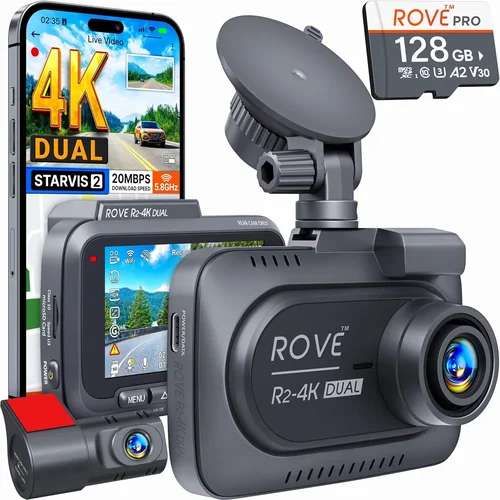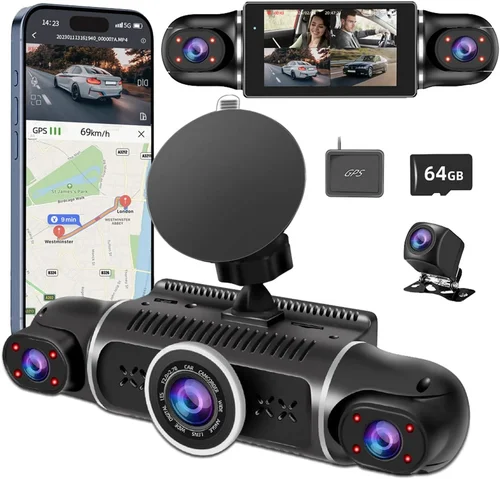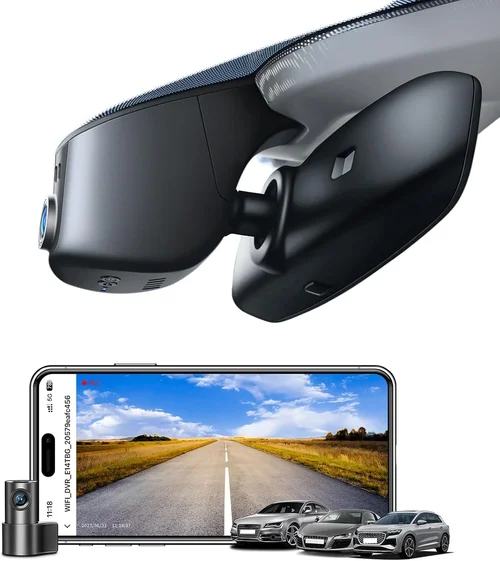
Best Bicycle Dash Cam Purchase Guide
When it comes to protecting your investment in cycling gear and ensuring your safety on the road, a bicycle dash cam has become an essential piece of equipment for serious cyclists, commuters, and adventure riders alike. Whether you’re navigating busy city streets, exploring mountain trails, or simply want peace of mind during your daily ride, having reliable video evidence can make all the difference in insurance claims, dispute resolution, or simply documenting your adventures. This comprehensive guide will walk you through everything you need to know about choosing the best dash cam for bicycles, helping you navigate the complex market with confidence and clarity.
You’ll learn how to evaluate critical factors like video quality, battery life, mounting options, and weather resistance, while also understanding the nuances between different types of bike cameras. We’ll explore common pitfalls that many cyclists encounter when making their first purchase, provide detailed budget breakdowns across multiple price tiers, and share expert insights on getting the most value from your investment. By the end of this article, you’ll have the knowledge and tools necessary to select a dash cam that perfectly matches your riding style, budget, and specific needs.
The market for bicycle dash cams has expanded dramatically in recent years, with manufacturers offering increasingly sophisticated features at various price points. From basic action cameras with simple mounts to advanced systems with GPS tracking, night vision capabilities, and cloud connectivity, there’s a wide range of options available. However, this abundance of choices can be overwhelming, especially for those new to the technology. Our goal is to cut through the marketing noise and give you practical, actionable advice based on real-world usage scenarios and expert testing methodologies.
What to Look for When Buying Dash Cams
Budget & Price Range
Before diving into technical specifications, it’s crucial to establish your budget parameters. Bicycle dash cams vary significantly in price, from under $50 for basic models to several hundred dollars for premium systems with advanced features. Consider how often you ride, the value of your bike and other gear, and your personal risk tolerance when determining your spending limit. Entry-level cameras are perfect for casual riders who want basic protection without breaking the bank, while more expensive models offer enhanced durability, better video quality, and additional safety features that justify their higher cost.
Performance Specifications
Video resolution remains one of the most important performance metrics to consider. Most modern dash cams offer at least 1080p HD recording, but many top-tier models support 4K resolution for crystal-clear footage. Higher resolution means better detail capture, which can be crucial for identifying license plates, traffic violations, or other important details in incident footage. Frame rate is equally important—look for cameras that record at 60 frames per second (fps) or higher for smooth motion capture, especially when riding at speed. Additionally, consider the camera’s field of view (FOV), with wider angles (typically 120-170 degrees) providing more comprehensive coverage but potentially introducing distortion at the edges.
Build Quality & Durability
Bicycle environments present unique challenges compared to car dash cams. Your camera will face constant vibrations, potential drops, exposure to rain, dust, and temperature extremes. Look for models with ruggedized construction, shock absorption, and IP rating certifications indicating dust and water resistance. The housing should be made from durable materials like aluminum or high-grade plastic that can withstand impacts. Pay attention to the quality of the lens cover—some models feature sliding covers to protect against scratches during transport, which can save you from costly replacements after minor accidents.
Features & Functionality
Modern bicycle dash cams come equipped with numerous features that enhance usability and safety. GPS tracking provides valuable location data and speed information that can supplement your video recordings. Many models include built-in microphones for audio recording, though be aware that privacy laws vary by region regarding audio capture. Some cameras offer automatic loop recording with G-sensor technology that automatically saves impact-triggered clips, ensuring critical incidents aren’t overwritten. Wi-Fi connectivity allows for easy file transfer to smartphones or tablets, while some models include cloud storage options for automatic backup of your footage.
Brand Reputation
While new entrants appear frequently in the action camera market, established brands often provide better reliability, customer support, and software updates. Research manufacturer track records for product longevity, firmware update frequency, and responsiveness to user feedback. Well-known brands typically invest more in quality control and have dedicated support teams, which can be invaluable if you encounter technical issues. Reading professional reviews and user forums can give you insight into long-term performance and any recurring problems that might not be apparent from initial impressions.
Warranty & Support
A solid warranty can provide peace of mind and financial protection against manufacturing defects. Look for manufacturers offering at least a one-year warranty, with some premium brands extending coverage to two years or more. Check what’s included in the warranty—does it cover accidental damage, or just manufacturing defects? Also consider the availability of customer support channels, including phone, email, and live chat options. Responsive customer service can make a significant difference when you need troubleshooting assistance or replacement parts.
Size & Portability
Compact designs are generally preferred for bicycle use since they reduce wind resistance and minimize the chance of snagging on obstacles. However, smaller cameras may compromise on features or battery life. Find a balance between size and functionality based on your specific needs. Some riders prefer ultra-compact models that can be easily transferred between bikes or stashed in a pocket when not in use, while others prioritize larger screens or more substantial build quality for added durability.
User Reviews & Ratings
Real-world user experiences provide invaluable insights that specifications alone cannot convey. Pay close attention to reviews mentioning battery life under actual riding conditions, ease of installation, and performance in various weather conditions. Look for patterns in feedback—multiple users reporting similar issues or consistently praising certain features. Be wary of overly positive reviews that seem generic or suspiciously uniform, as they may indicate paid promotions rather than genuine user experiences.
Different Types of Dash Cams
Common Buying Mistakes to Avoid
❌ Mistake: Choosing Based Solely on Lowest Price
Why it’s bad: While affordability is important, the cheapest option often lacks essential features like adequate video quality, reliable mounting systems, or sufficient battery life. These cameras may fail when you need them most, leaving you vulnerable in case of incidents.
What to do instead: Focus on value rather than absolute lowest price. Compare features across similar-priced models and read reviews about long-term reliability. A slightly more expensive camera that lasts three years will actually be cheaper per year than a budget model that needs replacement after six months.
❌ Mistake: Ignoring Weather Resistance
Why it’s bad: Bicycle rides often expose cameras to rain, snow, mud, and extreme temperatures. Non-waterproof models will quickly develop condensation issues, lens fogging, or complete failure when exposed to moisture.
What to do instead: Always check for IP ratings (like IP67 or IP68) indicating dust and water resistance. Look for models specifically marketed for outdoor sports use rather than indoor applications. Consider purchasing additional protective cases or housings for extreme conditions.
❌ Mistake: Overlooking Battery Life Requirements
Why it’s bad: Short battery life means your camera may shut off before completing your ride, leaving you without protection during critical moments. Some riders mistakenly assume their smartphone can serve as a power source, but phone batteries drain quickly when used as external power banks.
What to do instead: Calculate your typical ride duration and choose a camera with battery life exceeding this time by at least 30%. Consider models with replaceable batteries or dual-battery systems for extended adventures. Always carry spare batteries when doing multi-day trips.
❌ Mistake: Skipping Mount Testing Before Long Rides
Why it’s bad: Even seemingly secure mounts can fail unexpectedly due to vibration, impacts, or improper installation. A falling camera could damage both the device and surrounding objects, plus create hazardous situations on the road.
What to do instead: Test your mount setup thoroughly before committing to long rides. Perform short test runs to ensure stability, then gradually increase distance. Carry zip ties, Velcro straps, or other securing methods as backups. Never assume your first installation will hold up perfectly.
❌ Mistake: Neglecting File Management and Storage
Why it’s bad: Without proper file management, your camera will eventually run out of storage space, causing it to overwrite old footage—including potentially important incident recordings. Some riders also struggle with transferring files from memory cards to computers.
What to do instead: Choose cameras with ample internal storage or easy expansion options. Develop a routine for backing up footage regularly, either manually or through automated cloud services. Learn how to quickly transfer files using USB cables or Wi-Fi connections.
❌ Mistake: Focusing Only on Video Quality
Why it’s bad: While high-resolution video is important, other factors like audio quality, low-light performance, and stabilization can be equally crucial. A camera with excellent resolution but poor stabilization will produce shaky footage that’s difficult to watch or use as evidence.
What to do instead: Balance video quality with other important features. Look for cameras with good optical image stabilization (OIS), decent microphone quality, and strong performance in various lighting conditions. Read reviews specifically about real-world usage scenarios rather than just technical specifications.
❌ Mistake: Not Considering Your Riding Environment
Why it’s bad: Different riding environments demand different camera capabilities. Urban commuters need different features than mountain bikers or touring cyclists. Choosing a camera optimized for one environment may result in poor performance in your actual riding conditions.
What to do instead: Assess your primary riding locations and conditions before purchasing. Mountain bikers benefit from wider field of view and better impact resistance, while urban riders might prioritize discreet design and GPS tracking. Match your camera’s strengths to your typical riding scenario.
Budget Guidelines: How Much Should You Spend?
Entry-Level ($50 – $100)
For occasional riders or those testing the waters with dash cam technology, entry-level options provide basic functionality at an affordable price. These cameras typically offer 1080p recording, decent build quality, and essential mounting accessories. While they may lack advanced features like GPS tracking or cloud connectivity, they deliver reliable performance for everyday commuting and casual recreational riding. Look for reputable brands within this range to ensure reasonable durability and customer support, even if you’re primarily concerned with basic protection rather than premium features.
Mid-Range ($100 – $250)
This sweet spot offers the best balance of features, performance, and value for most cyclists. Mid-range dash cams usually include 2K or 4K video recording, improved stabilization, better low-light performance, and more robust build quality. You’ll find models with GPS tracking, Wi-Fi connectivity, and longer battery life in this category. These cameras are ideal for regular commuters, fitness enthusiasts, and riders who want professional-quality footage without paying premium prices. The extra investment typically pays for itself through enhanced reliability and additional useful features.
Premium ($250 – $500)
For serious cyclists, adventure riders, or those requiring maximum protection and performance, premium dash cams deliver top-tier specifications and advanced functionality. These models often feature 4K recording at high frame rates, superior stabilization systems, exceptional low-light capabilities, and extensive environmental protection. Premium cameras may include dual-lens setups for front and rear coverage, advanced GPS with mapping capabilities, and integration with smartphone apps for comprehensive control and monitoring. If you ride frequently, travel extensively, or value the highest possible footage quality, the premium tier justifies its higher price point.
Luxury ($500+)
At the top end of the market, luxury dash cams represent the pinnacle of cycling camera technology. These specialized devices cater to professional racers, documentary filmmakers, and extreme sports enthusiasts who demand absolute performance regardless of cost. Features may include cinema-quality video recording, military-grade durability, satellite connectivity, and custom software configurations. Luxury models often require professional setup and maintenance, making them impractical for casual riders. While these cameras represent the best available technology, most cyclists will find premium or mid-range options more than sufficient for their needs.
Expert Tips for Getting the Best Deal
Time Your Purchase Strategically
The best deals often appear during specific times of year. Black Friday and Cyber Monday typically offer significant discounts on action cameras and dash cams, though you should compare these deals to regular sales throughout the year. Spring and summer tend to see higher prices due to increased cycling activity, so consider buying during fall or winter when retailers are clearing inventory. New model releases often prompt discounts on previous generation cameras, so keeping an eye on release cycles can help you snag older models at reduced prices.
Research Retailer Policies Carefully
Different retailers offer varying return policies, warranties, and customer service quality. Online marketplaces like Amazon typically have generous return windows but may lack specialized technical support. Specialty outdoor retailers often provide better expertise for cycling-specific products but may charge higher prices. Local bike shops can offer hands-on assistance but may have limited selection. Consider purchasing from multiple sources—buy the camera online for the best price, then return it to a local shop for professional installation and setup.
Watch for Bundle Deals and Accessories
Many manufacturers and retailers offer bundle packages that include valuable accessories at little or no extra cost. Common bundles include carrying cases, extra batteries, waterproof housings, and mounting kits. These additions can significantly enhance your camera’s utility and protection while saving money compared to purchasing items separately. Be sure to verify what’s actually included in the bundle and whether the accessories meet your specific needs.
Consider Refurbished or Open-Box Options
Certified refurbished units from reputable sellers can offer substantial savings over new products while still coming with full warranties and quality guarantees. These items have been professionally inspected, repaired, and tested to meet original manufacturer standards. Open-box items from major retailers are another cost-effective option, often representing returns that were opened but never used, with all original packaging and accessories included.
Test Before Committing Long-Term
Whenever possible, test your chosen dash cam before making a permanent commitment. Many specialty retailers allow hands-on testing, or you can borrow equipment from friends. Pay attention to how the camera feels during movement, the quality of the mount system, and ease of operation while mounted on your bike. Real-world testing helps identify potential issues that specifications alone cannot reveal.
Prioritize Warranty and Support Coverage
Even budget-friendly cameras can provide excellent value if they come with strong warranty coverage and responsive customer support. Look for manufacturers offering at least a one-year warranty with clear terms about coverage scope. Check whether warranty service requires shipping the entire unit or if components can be replaced individually. Responsive customer service can save hours of frustration when technical issues arise.
Plan for Ongoing Costs
Beyond the initial purchase price, consider recurring expenses like memory cards, battery replacements, and potential subscription fees for cloud storage. High-capacity memory cards are relatively inexpensive but add up over time, especially if you ride frequently. Some premium cameras require proprietary accessories or subscription services for full functionality, so factor these ongoing costs into your total ownership calculation.
Frequently Asked Questions
Q: Do I really need a dash cam for my bicycle?
A: While not strictly mandatory, a dash cam provides significant benefits for most cyclists. It offers protection against theft, documents your routes and scenery, provides evidence in case of accidents or disputes, and can help improve your riding skills by reviewing your technique. For urban commuters particularly, the peace of mind and potential insurance benefits often justify the investment.
Q: What’s the difference between a bike dash cam and a regular action camera?
A: Bike dash cams are specifically designed for cycling applications, featuring optimized mounts, longer battery life, weather resistance, and sometimes GPS tracking. Regular action cameras like GoPros can work well for biking but may require additional accessories for secure mounting and extended battery life during long rides.
Q: How much battery life should I expect from a bike dash cam?
A: Battery life varies significantly by model, but most quality bike dash cams offer 1-3 hours of continuous recording. Premium models may provide up to 4-6 hours, while some specialized systems with external power can run indefinitely when connected to your bike’s battery. Always choose a camera with battery life exceeding your longest typical ride.
Q: Can I use my smartphone as a bike dash cam?
A: While possible with mounting apps, smartphones are generally not ideal for dedicated bike dash cam use. They consume significant battery power, lack optimal stabilization, and may not survive rough handling or weather exposure. Dedicated dash cams are purpose-built for this application with better durability, longer battery life, and more reliable performance.
Q: What’s the best video quality for bike dash cams?
A: At minimum, look for 1080p resolution with at least 30fps frame rate. For better detail capture and smoother motion, 2K or 4K resolution is preferable. However, higher resolution also increases file sizes and may reduce battery life or require more frequent memory card changes. Balance quality needs with practical considerations based on your riding frequency and intended use of the footage.
Q: How do I properly install and secure my bike dash cam?
A: Choose a stable mounting location away from direct sunlight and obstructions. Use quality mounting hardware designed for your specific bike frame type. Ensure the camera is positioned for optimal field of view without interfering with handlebars or controls. Test the setup thoroughly before long rides and carry backup securing methods like zip ties or extra straps.
Q: Are there legal restrictions on using dash cams for bicycles?
A: Regulations vary by location, but generally recording video from your own perspective is legal in most areas. However, audio recording laws are stricter in some regions, so be aware of local regulations regarding capturing conversations or private spaces. Always respect privacy rights when sharing footage publicly.
Q: How do I manage and store large amounts of video footage?
A: Plan for regular file transfers to free up storage space. Use high-capacity memory cards (minimum 64GB recommended) and consider cloud storage subscriptions for automatic backup. Organize files chronologically or by route name for easy retrieval. Some cameras offer motion detection or impact-triggered recording to automatically preserve important clips.
Q: Can I connect multiple cameras to get complete bike coverage?
A: Yes, many advanced systems support dual or triple camera setups for comprehensive coverage. Front and rear camera combinations are popular for full bike documentation. Multi-camera systems often include synchronization software and require more powerful hardware for simultaneous recording and playback.
Q: What maintenance does a bike dash cam require?
A: Regular maintenance includes cleaning the lens after muddy or dusty rides, checking mount security before each trip, replacing batteries as needed, and occasionally formatting memory cards to maintain performance. Keep firmware updated according to manufacturer recommendations and store the camera in a dry place when not in use.
Final Recommendations
Best for Budget-Conscious Buyers
For cyclists looking to maximize value without sacrificing essential functionality, the Garmin VIRB XE offers an excellent balance of features at a reasonable price point. This compact camera delivers 2.7K video recording, built-in stabilization, and GPS tracking in a durable, weather-resistant package. Its straightforward interface and reliable performance make it ideal for everyday commuting and casual recreational riding where budget constraints are a primary concern.
Best Overall Value
The GoPro HERO11 Black represents the current gold standard for action cameras and performs exceptionally well as a bicycle dash cam. With 5.3K video resolution, HyperSmooth 5.0 stabilization, and impressive low-light performance, it captures stunning footage in virtually any condition. The extensive accessory ecosystem ensures secure mounting options for various bike configurations, while the intuitive smartphone app simplifies file management and sharing capabilities.
Best Premium Option
For riders seeking the ultimate in performance and features, the DJI Osmo Action 3 delivers professional-grade results with rugged durability. Its dual screens provide flexible viewing options, while the RockSteady stabilization system ensures shake-free footage even on the roughest terrain. Advanced features like 4K/120fps recording, HDR video, and extended battery life make this camera suitable for demanding adventures and professional documentation projects.
Best for Beginners
New cyclists wanting a hassle-free introduction to dash cam technology will appreciate the Akaso Brave 7 LE. This user-friendly camera offers 4K recording at a competitive price, along with straightforward controls and reliable performance. Its simple interface and automatic settings make it accessible for those unfamiliar with action camera technology, while still providing enough features to satisfy more experienced users.
Best for Advanced Users
Serious cyclists and adventure riders needing maximum flexibility and performance will benefit from the Insta360 ONE RS. This modular camera system allows swapping between different lens configurations, including a 360-degree capture mode for immersive footage. Advanced editing features and AI-powered stabilization make it ideal for content creators and those requiring specialized shooting modes beyond traditional forward-facing recording.
Conclusion: Making the Right Choice
Selecting the best dash cam for your bicycle involves careful consideration of your specific needs, riding habits, and budget constraints. Rather than chasing the latest technological advancements or the absolute lowest price, focus on finding a camera that delivers reliable performance for your particular use case. Evaluate how frequently you ride, the environments you typically encounter, and how you plan to use the recorded footage.
Remember that the ideal dash cam isn’t necessarily the most expensive or feature-packed model—it’s the one that consistently captures clear, usable footage while surviving your riding conditions. Take time to research thoroughly, read real user experiences, and don’t hesitate to seek professional advice from knowledgeable retailers or cycling communities.
By prioritizing your actual needs over marketing hype and focusing on proven reliability rather than cutting-edge features, you’ll find a dash cam that enhances both your riding experience and your peace of mind. The right investment today can prevent headaches tomorrow and provide valuable documentation for years to come, making it a worthwhile addition to any cyclist’s gear collection.