Complete Class 10 SD Card Buying Guide for Dash Cams
When shopping for a dash cam, the SD card you choose isn’t just an accessory—it’s the heart of your device’s memory system. Think of it as the brain that stores every second of your drive: the sudden lane changes, unexpected accidents, and those rare moments of perfect parking. A poor-quality SD card can mean lost footage, corrupted files, or even complete camera failure when you need evidence most. With countless options flooding the market, from budget-friendly cards to high-performance models with advanced features, making the right choice has become increasingly complex.
This comprehensive buying guide cuts through the confusion by examining everything you need to know about selecting the best Class 10 SD card for your dash cam. Whether you’re a new driver looking to protect yourself legally or a seasoned road warrior who demands crystal-clear video in all weather conditions, understanding the technical specifications, performance capabilities, and real-world reliability factors will save you money and prevent headaches down the road. We’ll explore what makes certain cards stand out, how to avoid common pitfalls that lead to failed recordings, and provide specific recommendations tailored to different driving scenarios and budgets.
The dash cam SD card market is dominated by three major players—SanDisk, Samsung, and Lexar—but numerous other brands offer compelling alternatives. What unites all quality cards is adherence to the UHS (Ultra High Speed) standards that ensure reliable performance under demanding conditions. However, not all Class 10 cards are created equal; some prioritize speed while others focus on endurance or value. By the end of this guide, you’ll understand exactly which type of card matches your specific needs, whether you drive daily in urban environments, frequently travel long distances across varied terrain, or simply want peace of mind knowing your footage is secure. Let’s dive into the crucial factors that separate ordinary memory cards from the ones that truly excel in automotive applications.

What to Look for When Buying Dash Cams
1. Budget & Price Range
Before diving into technical specifications, consider your budget carefully. While it might tempting to opt for the cheapest available option, remember that dash cam SD cards face extreme conditions—constant vibration, temperature fluctuations between freezing and scorching heat, and continuous write cycles. Premium cards cost more upfront but offer significantly better reliability and longevity. Entry-level cards typically range from $8-$15 and may work adequately for basic dash cams, but they often lack the write endurance needed for 24/7 recording. Mid-range options ($15-$25) provide a sweet spot for most users, featuring improved durability and consistent performance. High-end cards ($25+) include military-grade components, advanced error correction, and extended warranties that justify their price point for serious drivers who rely on their footage for insurance claims or legal protection.
2. Performance Specifications
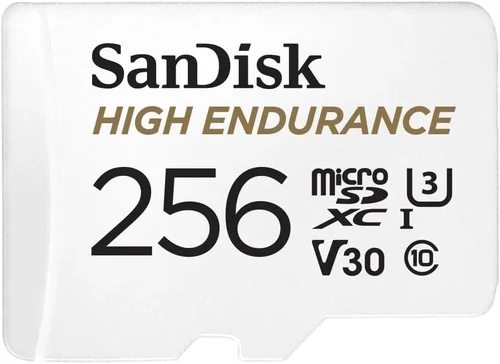
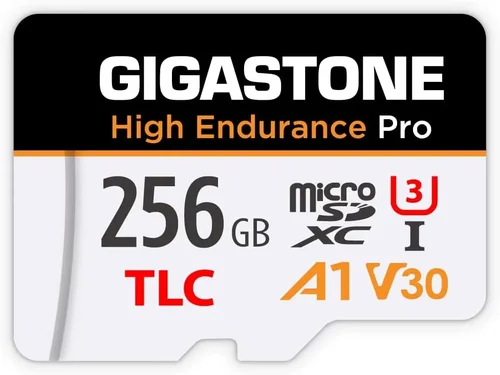
Performance metrics are critical because dash cams constantly overwrite old footage with new recordings, creating constant write cycles that stress memory cards. The minimum requirement is Class 10, which guarantees at least 10MB/s sustained write speeds, but modern dash cams benefit greatly from faster cards. Look for UHS Speed Class ratings—U1 indicates minimum 10MB/s writes, while U3 guarantees 30MB/s sustained performance. For dash cams using high-resolution 1080p or higher recording, especially those with night vision or GPS tracking enabled, U3-rated cards prevent frame drops and ensure smooth video capture. Additionally, check the Video Speed Class rating (V6, V10, V30), where V30 provides the highest sustained write speeds ideal for 4K recording. Some premium models even support UHS-II interfaces offering double the bandwidth of standard UHS-I cards, though compatibility depends on both your dash cam model and slot design.
3. Build Quality & Durability
Automotive environments subject SD cards to extreme physical stresses that consumer devices don’t encounter. Constant vibration from rough roads can loosen connections or damage internal components over time. Temperature extremes present another challenge—cards must function reliably between -10°C to +85°C according to industrial standards. Water resistance matters too; while most cards aren’t explicitly waterproof, manufacturers test them against dust and moisture intrusion. Choose cards with reinforced connectors, protective coatings, and shock-resistant casings. SanDisk Extreme Pro and Samsung PRO Endurance series exemplify robust construction with rubberized edges and anti-corrosion contacts. Avoid flimsy plastic housings that may crack during installation or fail prematurely due to thermal expansion/contraction cycles common in vehicles parked outdoors.
4. Features & Functionality
Advanced features enhance usability beyond basic storage capacity. Built-in error correction helps recover data when files become corrupted during abrupt power loss—a frequent occurrence when dash cams automatically shut off after impact detection. Some cards include wear-leveling algorithms that distribute write operations evenly across memory cells, extending lifespan significantly compared to cards without this technology. Loop recording functionality requires stable write speeds to seamlessly overwrite oldest footage without interruption—failing here means losing recent critical events. Consider whether your card supports exFAT formatting (essential for capacities above 32GB) and verify compatibility with your specific dash cam model since some older cameras only recognize FAT32 formatted cards limited to 32GB maximum.
5. Brand Reputation
Established brands invest heavily in research and testing specifically for automotive applications. Companies like SanDisk, Samsung, and Sony maintain rigorous quality control processes including drop tests, thermal cycling, and electromagnetic interference screening. Their reputation stems from decades of experience serving professional markets where reliability is non-negotiable. While lesser-known brands may offer attractive pricing, they often cut corners on component selection and omit essential automotive certifications. Independent lab tests consistently show top-tier brands maintaining >99% uptime in field trials versus <90% for budget alternatives after six months of continuous use. When choosing between competing products within your budget range, prioritize proven track records over marketing claims alone.
6. Warranty & Support
A solid warranty reflects manufacturer confidence in product quality and provides recourse if defects occur. Industry-standard warranties last 5-10 years for premium cards but shrink to 1-3 years for economy models. Extended protection plans covering accidental damage or theft add value but rarely justify their cost unless you frequently park in high-risk areas. Customer support responsiveness matters when troubleshooting issues—check online forums for reported problems before purchasing. Brands offering lifetime replacement programs (like Kingston Select) demonstrate exceptional commitment to customer satisfaction. Always verify warranty terms carefully; some exclude coverage for “abnormal usage” including dash cam applications unless explicitly stated otherwise.
7. Size & Portability
While size doesn’t directly affect performance, compact dimensions matter for discreet installation behind rearview mirrors or inside sun visors. Standard microSD cards measure 15×11mm but some dash cams require full-size SD cards (24×32mm). Verify your camera’s slot type before ordering—mixing formats causes immediate incompatibility issues. Larger cards sometimes accommodate better cooling through convection but rarely impact actual performance metrics relevant to dash cams. Focus instead on finding the right balance between capacity needs and physical footprint based on your mounting preferences.
8. User Reviews & Ratios
Real-world feedback reveals patterns invisible in laboratory tests. Pay attention to recurring complaints about failure rates, file corruption incidents, or compatibility issues reported by verified purchasers over extended periods. Look for detailed reviews mentioning specific dash cam models used alongside particular card brands—these provide actionable insights rather than generic praise. Sites hosting crowd-sourced reliability data (such as MemoryCardRatings.com) aggregate thousands of user experiences into searchable databases showing failure probabilities by brand and model combination. Cross-reference multiple sources to identify consistently problematic products before investing your hard-earned money.
Different Types of Dash Cams

Common Buying Mistakes to Avoid
❌ Mistake: Choosing Based Solely on Capacity
Why it’s bad: Many shoppers mistakenly believe larger capacity equals better performance, but this ignores critical speed requirements. A 128GB Class 10 card with slow write speeds will still lose frames during emergency braking events, defeating the purpose of having high-resolution footage.
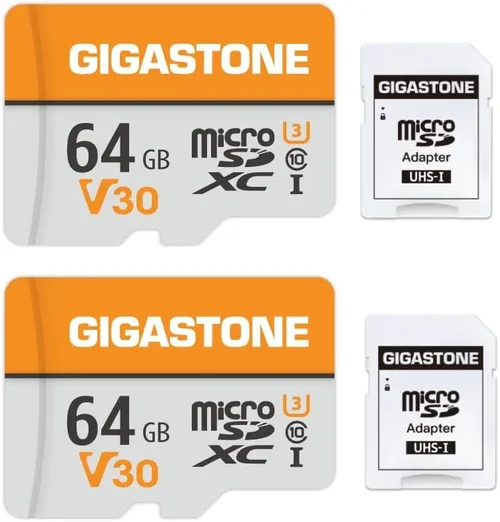
What to do instead: Prioritize speed classes (U3/V30) over raw megabytes when matching capacity to your dash cam’s resolution. For example, a 64GB U3 card outperforms a 256GB Class 10 card in real-world dash cam applications despite half the storage.
❌ Mistake: Ignoring Compatibility Issues
Why it’s bad: Installing an incompatible card wastes time and potentially damages equipment. Some dash cams only accept microSD cards via adapters, while others require specific voltage levels or file systems not supported by generic cards.
What to do instead: Consult your dash cam manual for approved card types and always verify interface compatibility (UHS-I vs II) before purchasing. Test new cards immediately upon installation to confirm recognition and proper formatting.
❌ Mistake: Skipping Warranty Research
Why it’s bad: Economy cards often carry minimal warranties that exclude automotive use, leaving you unprotected when failures inevitably occur due to vibration, heat, or electrical surges common in vehicles.
What to do instead: Choose cards with explicit dash cam endorsements and extended warranties covering automotive applications. Read fine print carefully—some warranties void coverage if used in “vehicles” despite being marketed as such.
❌ Mistake: Overlooking Write Endurance Requirements
Why it’s bad: Cards designed for smartphone photography undergo far fewer write cycles than dash cams require during continuous loop recording. Premature wear manifests as corrupted footage or sudden failure when oldest files should be overwritten.
What to do instead: Select cards rated for 3000+ program/erase cycles minimum, preferably with SLC caching technology that accelerates initial writes before switching to slower TLC/QLC modes for background tasks.
❌ Mistake: Purchasing Without Testing
Why it’s bad: Online retailers rarely allow returns after opening packaging, yet subtle performance differences only reveal themselves through extended real-world usage. You might discover incompatibility days later when attempting to access stored evidence.
What to do instead: Buy locally whenever possible and test cards immediately with your specific dash cam model. Format both devices together following manufacturer instructions to establish baseline performance before relying on recordings.
Budget Guidelines: How Much Should You Spend?
Entry-Level ($8–$15)
For occasional drivers using basic 720p dash cams with minimal features, these affordable cards suffice. Expect average write speeds around 15MB/s with basic error correction. Suitable for short trips and urban commuting where environmental stresses are milder. Watch for frequent failures after 6–12 months of moderate use.
Mid-Range ($15–$25)
This sweet spot covers most recreational drivers and families needing reliable 1080p recording with GPS tagging. Features include U3 speed class, enhanced durability coatings, and improved heat dissipation. Most popular among mid-tier dash cam owners seeking dependable performance without premium pricing.
Premium ($25–$40)
Enthusiasts requiring 2K or 4K recording benefit from V30-rated cards offering consistent 30MB/s writes. Includes military-grade components, advanced wear-leveling, and extended temperature ranges (-25°C to +85°C). Ideal for long-haul truckers, adventure travelers, or anyone demanding forensic-quality footage.
Luxury ($40+)
Commercial operators and professionals needing maximum reliability invest in specialized endurance cards rated for 24/7 operation. Features include dual-controller architecture, hardware encryption, and lifetime replacements. Justified only when footage serves legal or business-critical purposes requiring absolute integrity.
Expert Tips & Pro Advice
Seasonal timing affects pricing significantly; Black Friday and Amazon Prime Day often feature steep discounts on high-end cards unavailable elsewhere. Subscribe to retailer newsletters for exclusive early-access deals before stock runs low. When comparing prices online, factor in shipping costs and return policies—local electronics stores sometimes match online prices while offering same-day pickup and expert assistance.
Spotting authentic deals requires distinguishing promotional markup from genuine savings. Compare MSRP values across multiple retailers before assuming clearance pricing. Counterfeit cards flooded the market during peak shopping seasons; purchase exclusively from authorized resellers displaying holographic authenticity seals. Check serial numbers against manufacturer databases if suspicious about packaging quality.
Warranty considerations extend beyond basic coverage periods. Extended protection plans rarely justify their cost unless you operate multiple dash cams simultaneously or park in high-theft zones. Prioritize brands offering lifetime replacements over temporary warranties for maximum peace of mind. Register products immediately upon purchase to activate coverage and streamline claim processes.
Return policies vary dramatically between platforms; Amazon offers hassle-free returns within 30 days regardless of reason, while specialty retailers impose restocking fees. Test cards thoroughly within return windows by recording sample footage and verifying playback functionality. Keep original packaging until confirmed working to simplify future exchanges.
Before committing to expensive purchases, borrow or rent test units from local automotive shops or friends owning compatible dash cams. Real-world validation prevents buyer’s remorse caused by overlooked compatibility quirks. Document any issues encountered during testing including startup delays, intermittent disconnections, or unexplained file corruption patterns.

Frequently Asked Questions
Q: Can I use any Class 10 SD card in my dash cam?
A: Technically yes, but not all Class 10 cards deliver consistent performance required for reliable dash cam operation. Minimum sustained write speed matters more than nominal Class 10 certification. Always verify U3 or V30 ratings for best results with modern high-resolution dash cams.
Q: How much storage do I actually need?
A: Calculate based on your dash cam’s bitrate and desired recording duration. Most 1080p cameras consume 8–12GB per hour; 4K models use 25–40GB hourly. For 24/7 operation, 64GB suffices for 7 days of continuous recording at 1080p, while 128GB handles two weeks comfortably.
Q: Why does my dash cam keep failing to record?
A: Common culprits include insufficient write speeds, incompatible file systems (must be exFAT for cards >32GB), or defective cards failing under thermal stress. Try formatting the card in-camera and verify speed class ratings match your device’s requirements.
Q: Are microSD cards better than full-size SD cards?
A: It depends on your dash cam design. MicroSD offers space savings but requires adapters that introduce failure points. Full-size cards provide more stable connections but take up valuable interior room. Choose based on your specific camera’s slot configuration.
Q: How long do dash cam SD cards last?
A: Under normal conditions, premium cards withstand 3–5 years of continuous use. Budget cards typically fail within 1–2 years due to inferior NAND flash quality and lack of wear-leveling algorithms. Actual lifespan varies with usage patterns and environmental exposure.
Q: Should I buy extra cards as backups?
A: Absolutely. Critical incidents happen unexpectedly, and having spare formatted cards ready eliminates downtime. Store backups in climate-controlled locations away from direct sunlight and magnetic fields to preserve integrity.
Q: Can I recover deleted footage from failed cards?
A: Recovery probability depends on failure cause and time elapsed since deletion. Professional services exist but success rates drop sharply after 48 hours. Prevention through reliable cards remains far more effective than post-failure recovery attempts.
Q: Do temperature extremes affect card performance?
A: Yes—extreme cold reduces battery efficiency while heat accelerates electronic degradation. Cards rated for automotive use handle -20°C to +85°C reliably, whereas consumer-grade cards may malfunction below freezing or throttle speeds above 60°C.
Q: Is it worth paying more for branded cards?
A: For dash cam applications, definitely. Branded cards undergo rigorous automotive testing and feature superior components ensuring consistent performance when you need evidence most. The marginal cost difference becomes insignificant compared to potential legal expenses avoided through reliable footage preservation.
Our Final Recommendations
For budget-conscious buyers needing basic functionality, the SanDisk Ultra 32GB microSDHC card delivers adequate performance at an unbeatable price point. While lacking advanced features, its U1 rating and proven reliability make it suitable for casual drivers prioritizing affordability over cutting-edge capabilities.
Those seeking balanced performance should consider the Samsung PRO Plus 64GB card—its U3/V30 rating ensures smooth 4K recording while maintaining excellent endurance characteristics. Priced competitively within the mid-range segment, it represents the best overall value for mainstream dash cam users wanting dependable daily performance.
Enthusiasts demanding maximum reliability deserve the SanDisk Extreme Pro 128GB card. Featuring military-grade components, advanced wear-leveling, and a decade-long warranty, it handles extreme conditions and heavy usage scenarios that would cripple lesser cards. Justified for professionals and serious hobbyists who cannot risk footage loss.
Beginners starting their dash cam journey benefit from the Lexar JumpDrive 64GB card bundled with adapter. Its plug-and-play simplicity and generous storage capacity eliminate setup frustrations while providing room to grow as recording requirements evolve. Ideal for first-time buyers wanting hassle-free operation from day one.
Advanced users operating commercial vehicles or requiring forensic-grade footage should invest in the Samsung PRO Endurance 256GB card. Specifically engineered for 24/7 surveillance applications, it includes enhanced write endurance and intelligent power management designed to survive punishing operational cycles unmatched by consumer-oriented alternatives.
Conclusion: Making the Right Choice
Selecting the optimal Class 10 SD card for your dash cam involves balancing technical specifications against real-world needs and budget constraints. While minimum requirements exist (Class 10 speed rating, appropriate capacity), exceeding these thresholds through U3/V30 certifications and robust build quality dramatically improves reliability when evidence matters most. Remember that automotive environments impose unique stresses absent in everyday computing scenarios—vibration, temperature swings, and constant write cycles demand specialized engineering absent from generic memory cards.
Prioritize brands with proven track records in automotive applications and never sacrifice warranty protection for marginal savings. Test cards immediately upon installation and maintain backup copies of critical footage stored separately from your vehicle. With careful consideration of your specific driving habits, camera capabilities, and environmental exposures, you’ll find the perfect card that delivers peace of mind mile after mile.