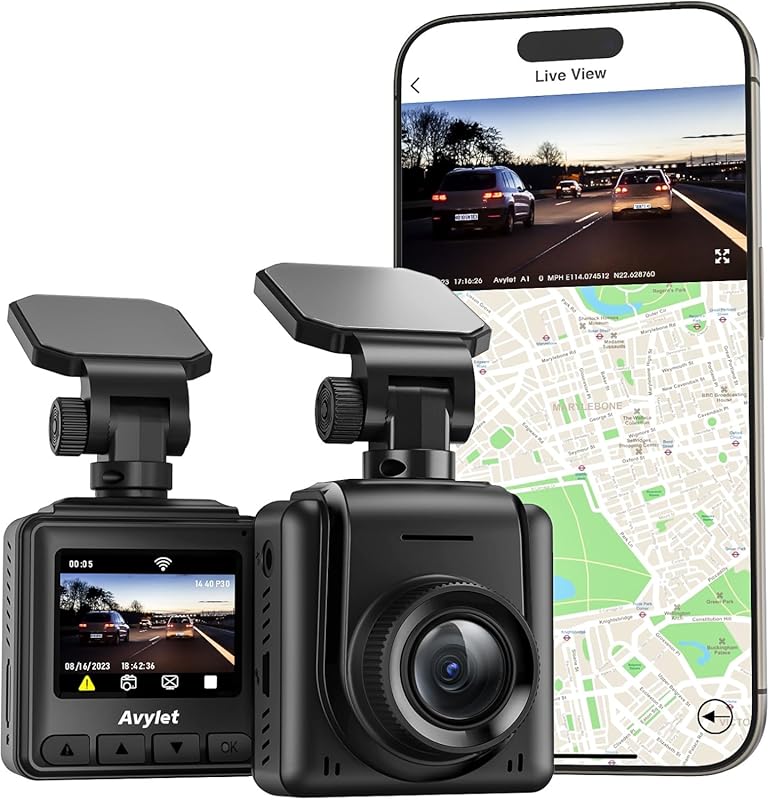
How to Choose the Best Dash Cam for Your Car in Australia
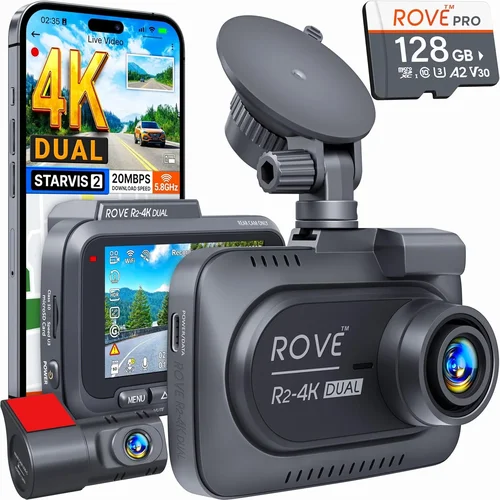
Why choosing the right dash cam for your car in Australia matters more than ever. With rising insurance premiums, increasing road rage incidents, and the need to protect yourself from false claims, a quality dash cam has become an essential piece of automotive safety equipment. Whether you’re a daily commuter navigating Sydney’s congested streets or a regional driver facing unpredictable weather conditions, having reliable footage can make all the difference in legal disputes or insurance claims.
This comprehensive guide will walk you through everything you need to know about selecting the best dash cam for your vehicle in Australia. You’ll learn about crucial features like resolution capabilities, parking surveillance modes, night vision performance, and storage solutions that work specifically in the Australian driving environment. We’ll also cover important considerations unique to Australian roads, including high temperatures, dust exposure, and variable lighting conditions that can affect dash cam performance.
The Australian dash cam market offers a wide range of options from budget-friendly models to premium systems with advanced AI features. Understanding what each price point delivers, which brands offer the best support and warranty coverage in Australia, and how different features impact real-world usage will help you make an informed decision that matches both your driving needs and financial situation.

What to Look for When Buying Dash Cams
1. Resolution & Video Quality
Resolution is arguably the most critical factor when selecting a dash cam, as it directly impacts the clarity and usefulness of recorded footage. In Australia’s diverse lighting conditions—from bright desert highways to dimly lit suburban streets—you need a camera that captures crisp, detailed video. Most reputable dash cams now offer at least 1080p Full HD resolution, but we strongly recommend looking for models with 2K or even 4K recording capabilities.
Higher resolution means smaller details become visible in your footage, such as license plate numbers, road signs, or facial features. This becomes particularly important if you’re involved in an incident and need clear evidence for insurance claims or legal proceedings. However, higher resolution also means larger file sizes, so consider whether your dash cam includes loop recording and intelligent file management features.
When evaluating resolution, also pay attention to frame rate (FPS). A minimum of 30 FPS ensures smooth video playback, while 60 FPS provides excellent detail for fast-moving objects. Some advanced models offer variable frame rates that adjust based on motion detection, optimizing storage efficiency without sacrificing critical footage.
2. Field of View (FOV)
The field of view determines how much of the road ahead and surrounding areas your dash cam can capture. A wider FOV provides more comprehensive coverage, which is especially valuable in situations where multiple vehicles might be involved or when you need to see lane markings and road edges clearly.
Most dash cams offer between 110° to 170° horizontal FOV, with ultra-wide-angle lenses capturing up to 180°. While wider angles seem better, extremely wide FOVs can introduce distortion at the edges of the frame—making distant objects appear smaller and potentially compromising evidence quality.
For Australian roads, we recommend a FOV between 130°-150° as this provides excellent coverage without significant distortion. This range captures the entire road ahead, adjacent lanes, and enough of the surrounding environment to provide context in case of incidents.
Consider your typical driving patterns when choosing FOV. If you frequently drive on multi-lane highways or encounter complex intersections, a slightly wider angle might be beneficial. However, for city driving with frequent turns and parking maneuvers, a moderate FOV gives you better focus on the immediate roadway.
3. Night Vision & Low-Light Performance
Night driving constitutes a significant portion of Australian travel, making night vision capability absolutely essential. Poor low-light performance can render your dash cam useless during evening commutes or nighttime trips, leaving you vulnerable to incidents after dark.
Modern dash cams use several technologies to enhance night vision: larger image sensors (typically 1/2.7″ or larger), improved HDR (High Dynamic Range) processing, and specialized night vision algorithms. Look for models with f/1.8 or lower aperture values, as this allows more light to reach the sensor.
Many top-tier dash cams feature dual-band infrared LEDs or advanced noise reduction algorithms that maintain clarity in pitch-black conditions. Some models also include automatic exposure adjustment that adapts to rapidly changing light conditions, such as driving through tunnels or under streetlights.
In Australia’s often harsh lighting environments—including glare from headlights, tunnel transitions, and urban light pollution—choose a dash cam with proven night performance. Reading independent reviews that specifically test night vision capabilities can give you confidence in your selection.
4. Parking Mode & Motion Detection
Parking mode is one of the most valuable features for Australian drivers, protecting your vehicle when you’re away from home or work. This feature continuously monitors your car while parked and automatically records when motion is detected or when the battery voltage drops to a certain level.
For Australian climates with extreme temperature fluctuations, look for dash cams with intelligent parking modes that minimize battery drain. Some models offer “time-lapse” recording at very low bitrates, providing hours of coverage without significantly impacting your vehicle’s battery life.
Motion detection sensitivity should be adjustable—too sensitive and you get unnecessary recordings from passing cyclists or pedestrians; too insensitive and you might miss actual incidents. Advanced models use multiple detection zones, allowing you to focus on specific areas around your vehicle.
If you park in high-theft areas or leave your car unattended regularly, ensure your dash cam has a built-in capacitor or supercapacitor instead of relying solely on the car battery. Capacitors handle power fluctuations better and last longer than traditional batteries, making them ideal for long-term parking surveillance.
5. Storage & Loop Recording
Storage capacity and management are critical considerations for any dash cam buyer. Without proper storage handling, even the best footage can be lost due to full memory cards. Australian driving conditions—with frequent long-distance travel and variable driving patterns—make robust storage solutions essential.
Most dash cams use microSD cards ranging from 32GB to 256GB, with 64GB being the sweet spot for most users. Larger capacities provide more recording time but come with higher costs. Always purchase high-quality cards from reputable brands (SanDisk, Samsung, Lexar) designed specifically for dash cams, as they offer better write speeds and reliability.
Loop recording automatically overwrites the oldest footage when storage is full, ensuring continuous recording without manual intervention. However, some models include G-sensor technology that locks critical incident footage to prevent accidental deletion.
Consider dash cams with cloud storage integration if you want remote access to your footage from anywhere in Australia. While this adds ongoing subscription costs, it provides peace of mind knowing your recordings are backed up off-site and accessible via smartphone apps.
6. Build Quality & Weather Resistance
Australian roads expose dash cams to some of the harshest conditions in the world—extreme heat, intense UV radiation, sudden rain showers, and dusty outback roads. Your dash cam must withstand these elements without compromising performance or longevity.
Look for models with IP65 or higher water and dust resistance ratings, indicating protection against water jets and dust ingress. The housing should be made from durable materials like polycarbonate or aluminum, with secure mounting systems that won’t vibrate loose during long highway drives.
Temperature tolerance is equally important—most reliable dash cams operate between -20°C to +70°C, covering Australia’s diverse climate ranges from Queensland’s humidity to Tasmania’s cold snaps. Check manufacturer specifications for exact operating temperature ranges.
Mount quality matters significantly too. A sturdy suction cup mount or adhesive bracket should maintain position through rough roads, sudden braking, and high-speed driving. Test reviews often highlight how well mounts perform in real-world conditions, so pay attention to this aspect when researching models.
7. Ease of Installation & User Interface
A complicated installation process can deter even the most tech-savvy buyers. Most dash cams offer straightforward plug-and-play setup, but some require professional installation for features like hardwiring to your car’s electrical system.
Consider whether you want simple button controls or touchscreen interfaces. Touchscreens offer intuitive navigation but can be difficult to use while driving. Button controls provide tactile feedback and work reliably in various lighting conditions.
Voice control features are becoming increasingly common, allowing hands-free operation while driving—a significant safety advantage. Look for models with clear voice commands and responsive controls that don’t distract from safe driving practices.
The user interface should display essential information at a glance: recording status, battery level, GPS location, and storage space. Clear indicators help you quickly verify your dash cam is working properly without taking your eyes off the road.
8. GPS & Speed Tracking
GPS functionality adds valuable context to your recordings by embedding location data, speed, and direction into your videos. This information proves invaluable for insurance claims, dispute resolution, and simply tracking your own driving patterns.
In Australia, GPS accuracy is generally excellent, but not all dash cams offer the same level of precision. Look for models with GLONASS compatibility (Russian satellite system) alongside standard GPS, as this doubles your positioning accuracy and reliability—especially important in remote areas where satellite signals might be weak.
Speed tracking helps establish whether you were within posted limits during incidents, which can be crucial evidence. Some dash cams also record altitude and heading information, useful for mountainous regions like the Blue Mountains or Great Dividing Range.
Consider whether you want live GPS data displayed on your dashboard or just embedded metadata in the video files. Live displays provide real-time feedback but require additional screen space, while embedded data doesn’t interfere with your driving view.
Different Types of Dash Cams

Common Buying Mistakes to Avoid
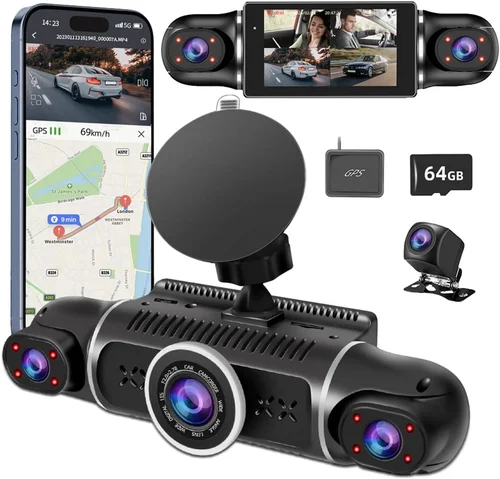
❌ Mistake: Choosing Based Solely on Price
Why it’s bad: Selecting the cheapest option available often leads to disappointment when the dash cam fails to meet basic requirements or breaks down after a few months of use. Budget models may lack essential features like proper night vision, reliable parking mode, or adequate build quality needed for Australian driving conditions.
What to do instead: Consider the total cost of ownership rather than just the initial price. Factor in potential replacement costs, storage card expenses, and the value of reliable protection. A mid-range model that lasts three years often represents better value than a cheap unit that needs replacing annually.
❌ Mistake: Ignoring Local Climate Conditions
Why it’s bad: Australian weather presents unique challenges including extreme heat, sudden rainstorms, dust storms, and temperature fluctuations that can damage poorly constructed dash cams. Many imported models aren’t designed for Australia’s harsh conditions and may fail prematurely.
What to do instead: Research dash cams specifically tested for Australian conditions. Look for models with wide operating temperature ranges (-20°C to +70°C), IP65+ ratings for dust and water resistance, and materials suitable for prolonged sun exposure without fading or cracking.
❌ Mistake: Overlooking Storage Requirements
Why it’s bad: Assuming that any microSD card will work leads to frequent failures. Standard consumer cards often can’t handle the constant write cycles of dash cam recording, resulting in corruption, loss of footage, or complete failure when you need evidence most.
What to do instead: Invest in high-quality dash cam-specific storage cards from reputable brands. These cards offer better endurance, faster write speeds, and reliability under continuous recording conditions. Consider larger capacities (64GB+) to accommodate longer recording sessions and reduce the frequency of file management.
❌ Mistake: Skipping Parking Mode Features
Why it’s bad: Not considering parking surveillance means missing one of the dash cam’s most valuable protections. Without proper parking mode, incidents occurring while you’re away from your vehicle go completely undocumented, eliminating your primary protection against false claims or vandalism.
What to do instead: Choose a dash cam with robust parking mode capabilities. Ensure it includes proper voltage monitoring, motion detection, and preferably a capacitor-based power system rather than relying solely on your car battery. Test the parking mode before finalizing your purchase if possible.
❌ Mistake: Neglecting Mount Quality and Placement
Why it’s bad: Poor mounting solutions lead to frequent dislodging, especially on rough roads or during sudden stops. A falling dash cam not only loses footage but can also become a hazard inside your vehicle, potentially causing injury during accidents.
What to do instead: Prioritize dash cams with proven mounting systems. Test the suction cup adhesion on your windshield before purchase, and consider professional installation for permanent mounting. Ensure the mount allows proper airflow and doesn’t obstruct your view of critical instrument panel information.
❌ Mistake: Assuming All Dash Cams Are Equal
Why it’s bad: Different brands and models vary dramatically in build quality, software stability, and customer support. Assuming all dash cams offer the same level of performance leads to choosing inferior products that fail to deliver reliable protection when needed.
What to do instead: Research thoroughly before purchasing. Read independent reviews, check Australian-specific forums for user experiences, and compare features across multiple models. Pay attention to warranty terms and local support availability, as these can make a significant difference when issues arise.
Budget Guidelines: How Much Should You Spend?
Entry-Level ($80 – $200): The Essential Foundation
This price range offers basic dash cam functionality suitable for casual drivers who want fundamental protection without breaking the bank. Models in this category typically feature 1080p recording, decent day vision, and essential features like loop recording and G-sensor protection.
While these dash cams won’t match premium models in resolution or advanced features, they provide reliable basic protection for everyday commuting and short-distance travel. Look for reputable brands even at this price point, as generic no-name models often fail within months of purchase.
Key limitations to expect include limited night vision, basic parking mode without sophisticated motion detection, and shorter warranty periods. However, for occasional use or secondary vehicles, these models represent excellent value for money.
Mid-Range ($200 – $400): The Sweet Spot for Most Buyers
The mid-range category represents the optimal balance between features, performance, and affordability for the average Australian driver. These dash cams deliver 2K or higher resolution, superior night vision, reliable parking mode, and robust build quality suitable for Australian conditions.
This tier includes many of our recommended models featuring advanced technologies like HDR processing, improved low-light performance, and better storage management. You’ll find reliable brands with solid warranties and customer support, making this the ideal choice for most drivers seeking comprehensive protection.
Features commonly found in this range include GPS tracking, Wi-Fi connectivity, cloud storage options, and enhanced audio recording. Many models also include dual-channel recording capabilities, giving you front and rear protection without exceeding budget constraints.
Premium ($400 – $800): For Enthusiasts and Professionals
Premium dash cams target serious drivers, commercial vehicle operators, and those requiring maximum protection and advanced features. These models often exceed 4K resolution, offer exceptional night vision with specialized imaging technologies, and include comprehensive parking surveillance systems.
This category includes professional-grade equipment used by fleet operators, ride-sharing services, and serious motorsport enthusiasts. Features like AI collision detection, driver fatigue monitoring, 360-degree coverage, and enterprise-level storage solutions justify the higher price points.
If you frequently drive long distances, transport valuable cargo, or require maximum legal protection, investing in a premium dash cam pays dividends through superior reliability, advanced features, and professional-grade recording quality that stands up to scrutiny in legal proceedings.
Luxury ($800+): Top-Tier Performance and Innovation
Ultra-premium dash cams represent the cutting edge of automotive recording technology, incorporating experimental features not yet widely adopted. These models push technical boundaries with revolutionary imaging systems, AI-powered analytics, and unprecedented levels of integration with vehicle systems.
While most consumers won’t need this level of sophistication, luxury dash cams appeal to technology enthusiasts, professional photographers, and those seeking maximum peace of mind regardless of cost. Features might include holographic recording, predictive collision avoidance, and seamless integration with smart home systems.
For the vast majority of Australian drivers, spending beyond the premium range offers diminishing returns in terms of practical benefits. However, if budget isn’t a constraint and you demand absolute top performance, these models represent the ultimate in automotive recording technology.
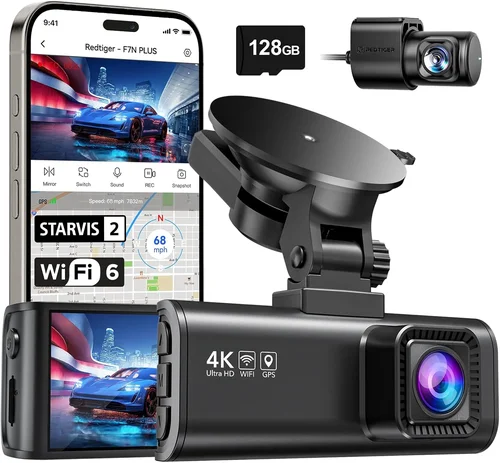
Expert Tips for Getting the Best Deal
1. Time Your Purchase Strategically
Australia’s retail calendar follows similar patterns to other markets, with major sales events offering significant savings. Black Friday (November) and Boxing Day (December 26) typically provide the deepest discounts on electronics, including dash cams. Early summer (October-November) sees reduced stock levels, prompting retailers to clear inventory.
Consider waiting for seasonal transitions—spring and autumn often see price adjustments as new models begin arriving. Online retailers like Amazon Australia, Bunnings, and JB Hi-Fi frequently run flash sales throughout the year, so sign up for their newsletters to receive early notifications of deals.
2. Compare Retailers Carefully
Different retailers offer varying combinations of price, warranty, and service. Online-only stores typically offer lower prices but limited physical presence, while brick-and-mortar stores provide hands-on testing but higher overhead costs. Specialized automotive retailers often carry professional-grade equipment with expert advice, though at premium pricing.
Check if retailers offer bundle deals combining dash cams with installation services, storage cards, or extended warranties. Some manufacturers provide direct-to-consumer sales with exclusive packages, bypassing retailer markups entirely.
3. Leverage Warranty and Return Policies
Always verify warranty terms before purchasing—Australian Consumer Law guarantees minimum 12-month warranties, but manufacturers often offer longer coverage. Look for international warranties if you plan to travel abroad, as this provides protection beyond domestic borders.
Test return policies thoroughly. Many online retailers offer 30-day satisfaction guarantees, allowing you to test the dash cam in real-world conditions before committing permanently. This is particularly valuable given the technical nature of these devices.
4. Consider Refurbished Options
Certified refurbished dash cams from authorized dealers offer substantial savings while maintaining quality standards. These units undergo thorough testing, come with full warranties, and often include new accessories. Major brands like Garmin, Nextbase, and BlackVue frequently offer certified refurbishments through their official channels.
5. Join Manufacturer Loyalty Programs
Some dash cam manufacturers offer loyalty programs with exclusive benefits including early access to new products, member-only discounts, and priority customer support. While these programs typically require minimum purchases, they can provide ongoing value for regular users.
6. Bundle Accessories Wisely
Essential accessories often represent significant additional costs. Consider purchasing storage cards, extra mounts, or hardwiring kits separately from the main device. Online comparison shopping can reveal better deals for individual components, reducing overall expenditure.
7. Read Australian-Specific Reviews
Manufacturer specifications don’t always translate to real-world performance in Australian conditions. Seek out reviews from Australian sources that test dash cams in local environments, including extreme heat, dust exposure, and variable lighting conditions specific to our country.

Frequently Asked Questions
Q: Do I really need a dash cam in Australia?
A: While not legally required, a dash cam provides invaluable protection against false insurance claims, road rage incidents, and traffic violations. In Australia’s competitive insurance environment and sometimes aggressive driving culture, footage serves as undeniable evidence that can prevent unwarranted penalties and financial losses. Many Australian motorists consider dash cams essential personal protective equipment for their vehicles.
Q: What’s the best resolution for Australian driving conditions?
A: For Australian driving conditions, we recommend at least 2.5K resolution with good low-light performance. This provides sufficient detail for license plates and road signs while maintaining reasonable storage requirements. Higher resolutions like 4K offer marginal improvements but significantly increase file sizes and storage demands. The key is balancing resolution with practical usability for your specific driving patterns and storage capacity.
Q: How much storage space do I actually need?
A: A 64GB microSD card typically provides 4-6 hours of 1080p recording or 2-3 hours of 4K footage, depending on compression settings. For most Australian drivers, 64GB strikes the perfect balance between recording duration and file management frequency. Larger capacities (128GB+) benefit frequent long-distance travelers or those needing extended parking mode coverage, while smaller cards (32GB) suit occasional users with shorter commutes.
Q: Can dash cams drain my car battery?
A: Modern dash cams with intelligent parking modes minimize battery drain significantly. Most models enter low-power standby during extended parking, activating only when motion is detected or voltage drops below safe thresholds. Using capacitor-based power systems instead of relying solely on your car battery further reduces strain. However, for extended periods (weeks without driving), consider using a hardwire kit or turning off parking mode entirely.
Q: Will my dash cam survive Australian heat?
A: Yes, but only if you choose appropriately rated equipment. Look for dash cams with operating temperature ranges extending to at least +70°C (158°F) and IP65+ ratings for dust and water resistance. Avoid models marketed for temperate climates only, as prolonged exposure to Australian summer temperatures can cause premature failure in poorly designed units.
Q: Do dash cams work in rainy conditions?
A: Absolutely—in fact, rain enhances dash cam effectiveness by washing away smudges and improving contrast. Modern dash cams feature hydrophobic lens coatings that repel water and maintain clear visibility during rainfall. Water droplets typically bead up and roll off rather than obscuring the lens, ensuring continuous recording even during heavy downpours common in many Australian regions.
Q: How do I install a dash cam properly?
A: Basic installation involves mounting the camera on your windshield using the provided suction cup or adhesive bracket, connecting power through the cigarette lighter or hardwiring to your fuse box, and inserting a compatible microSD card. Professional installation (approximately $50-$100) ensures optimal placement and clean wiring, though DIY installation saves money for technically confident users. Always test the unit immediately after installation to verify proper function.
Q: Can I use my dash cam footage as legal evidence?
A: Australian courts generally accept dash cam footage as supplementary evidence, though its admissibility depends on factors like recording quality, timestamp accuracy, and chain of custody. Footage showing clear license plates, road conditions, and incident details carries significant weight in insurance claims and legal disputes. However, always preserve original recordings rather than edited versions, and consider having footage professionally authenticated if used in court proceedings.
Q: Should I buy a single or dual channel dash cam?
A: Dual channel dash cams record both front and rear views simultaneously, providing comprehensive coverage ideal for urban environments with frequent backing incidents or busy parking areas. Single channel models focus solely on the forward view, offering simpler installation and lower costs. Choose dual channel if you frequently navigate tight spaces, park in high-traffic areas, or want maximum protection regardless of driving circumstances.
Q: How often should I replace my dash cam?
A: Most quality dash cams last 3-5 years with normal use, though technological obsolescence may prompt earlier upgrades. Replace your dash cam when experiencing consistent issues like poor video quality, unreliable parking mode, or mounting hardware failure. Also consider upgrading every 2-3 years to take advantage of newer features and improved technology that enhances safety and convenience.
Our Final Recommendations
Best for Budget-Conscious Buyers
The Nextbase 322GW represents excellent value for Australian drivers seeking reliable protection without excessive costs. Priced around $150, this model delivers 1080p recording with impressive night vision, built-in GPS, and a robust design suitable for Australian conditions. Its compact size and intuitive interface make it perfect for first-time users wanting dependable basic protection.
Key advantages include reliable loop recording, effective G-sensor protection, and solid build quality that withstands typical wear and tear. While lacking some premium features like cloud storage, the 322GW provides everything needed for everyday driving protection at an unbeatable price point.
Best Overall Value
The Garmin Dashcam Mini stands out as the optimal choice for most Australian drivers, balancing features, performance, and reliability. Priced between $200-$250, this model offers 1080p recording with exceptional night vision, GPS tracking, and surprisingly compact dimensions that don’t obstruct your view.
Garmin’s reputation for quality extends to this dash cam, featuring weather-resistant construction, reliable parking mode, and seamless smartphone integration via the Garmin Drive app. The included suction cup mount performs exceptionally well on Australian windshields, and the device maintains stable performance through temperature extremes common in our country.
Best Premium Option
For those demanding maximum protection and advanced features, the BlackVue DR970X-2CH Cloud offers unparalleled capabilities at approximately $450. This professional-grade dual-channel system provides 4K front recording and 2K rear recording with exceptional image stabilization and sophisticated parking mode.
The standout feature is BlackVue’s cloud connectivity, allowing remote viewing and backup of footage from anywhere in Australia via 4G/LTE. The included impact detection automatically uploads critical incidents to the cloud, ensuring evidence preservation even if local storage is compromised. Robust build quality and extensive customization options make this ideal for serious drivers and commercial applications.
Best for Beginners
The Viofo A119 v3 earns our recommendation for new dash cam owners with its user-friendly interface and reliable performance. Priced around $180, this model offers 2K recording with HDR processing, effective night vision, and straightforward operation perfect for first-time users.
The intuitive menu system and responsive buttons allow quick access to essential functions without distraction, while the included suction cup mount provides secure attachment without complex installation procedures. Automatic file locking prevents accidental deletion of important footage, and the device maintains stable performance through various Australian driving conditions.
Best for Advanced Users
The Thinkware U1000 delivers professional-grade performance for experienced dash cam users seeking maximum recording quality and functionality. At approximately $300, this single-channel system provides 4K recording with exceptional dynamic range and sophisticated parking surveillance capabilities.
Advanced features include built-in WiFi for easy file transfer, impact detection with automatic cloud backup, and customizable recording modes optimized for different driving scenarios. The device’s robust construction and precise GPS tracking make it ideal for drivers who frequently encounter challenging conditions or require maximum evidence quality for insurance or legal purposes.
Conclusion: Making the Right Choice
Selecting the best dash cam for your car in Australia requires careful consideration of your specific driving patterns, environmental conditions, and budget constraints. Rather than chasing the latest technological advances or the lowest possible price, focus on finding a reliable solution that provides genuine protection when you need it most.
Remember that your dash cam serves as both a safety device and potential legal evidence. Prioritize features that matter for Australian roads—robust build quality for extreme temperatures, reliable night vision for extended driving hours, and comprehensive parking mode protection for unattended vehicles. Don’t overlook the importance of proper storage management and user-friendly operation, as these factors determine whether your investment delivers lasting value.
Take time to research thoroughly, read Australian-specific reviews, and compare features across multiple models before making your decision. Consider testing dash cams in person when possible, paying particular attention to build quality, mounting stability, and ease of use. Remember that the most expensive option isn’t always the best fit, nor is the cheapest necessarily worthless—finding the right balance for your needs ensures you’ll enjoy peace of mind every time you hit the road.
With the right dash cam installed, you’ll drive with greater confidence knowing you have objective protection documenting every journey. Whether you choose a budget-friendly model for occasional use or invest in premium equipment for maximum security, your dash cam becomes an essential companion on Australia’s diverse and sometimes challenging roads.