Ultimate Motorcycle Action Cam Buying Guide
As motorcycle enthusiasts, we’re constantly seeking ways to enhance our riding experience and capture the thrill of the open road. One essential piece of equipment that has revolutionized motorcycling is the action camera. Whether you’re a seasoned rider looking to document your adventures or a beginner wanting to record your first rides, choosing the right dash cam for your motorcycle can make all the difference.
This comprehensive buying guide will walk you through everything you need to know about selecting the best action cameras for motorcycles. We’ll cover key features to consider, explain different types of cameras available, help you avoid common pitfalls, provide budget guidelines, and share expert tips to ensure you make an informed decision. By the end of this article, you’ll have all the knowledge necessary to find the perfect motorcycle action camera that meets your specific needs and riding style.
The market for motorcycle action cameras has evolved significantly in recent years, with manufacturers offering increasingly sophisticated features at competitive prices. From basic recording capabilities to advanced GPS tracking, image stabilization, and wireless connectivity, there’s a wide range of options available. Understanding these features and how they apply to your riding requirements will help you select a camera that not only captures stunning footage but also enhances your overall riding experience.
What to Look for When Buying Dash Cams
1. Budget & Price Range
One of the first considerations when shopping for a motorcycle action camera is your budget. Action cameras vary dramatically in price, from under $50 to over $500, and each price point offers different levels of quality and features. Before making any decisions, determine how much you’re willing to invest in your motorcycle camera setup. Remember that while it might be tempting to choose the cheapest option, investing in a higher-quality camera often means better durability, superior image quality, and more reliable performance—especially important when riding in challenging conditions.
2. Performance Specifications
The heart of any good action camera lies in its technical specifications. Key performance factors include resolution (typically 1080p, 2.7K, 4K, or even 5.3K), frame rates (measured in frames per second or fps), low-light performance, and image stabilization technology. For motorcycle use specifically, look for cameras with at least 2.7K resolution at 60fps or higher, as this provides smooth footage that can handle high-speed motion without excessive blur. Additionally, consider the camera’s sensor size and aperture, as these directly impact image quality in various lighting conditions.
3. Build Quality & Durability
Motorcycle action cameras face extreme conditions—vibrations from rough roads, exposure to rain and dust, temperature fluctuations, and potential impacts from falls or collisions. Therefore, build quality is paramount. Look for cameras constructed with rugged materials like aluminum or polycarbonate, with IP ratings indicating dust and water resistance (ideally IP67 or higher). Shock resistance and drop protection are also critical factors, especially if you frequently ride off-road or in demanding environments.
4. Features & Functionality
Modern motorcycle action cameras come packed with features beyond basic video recording. Consider what additional functionalities would benefit your riding experience. GPS logging allows you to track your routes and overlay them on maps in post-production software. Voice control lets you operate the camera hands-free while riding. Built-in Wi-Fi enables wireless file transfer to your smartphone for quick sharing. Some cameras offer advanced driving assistance systems (ADAS) like lane departure warnings or forward collision alerts, which can enhance safety during long rides. Also, check if the camera supports external microphones for improved audio quality or has multiple mounting options for versatile positioning.
5. Brand Reputation
The brand behind your action camera plays a significant role in reliability and customer support. Established brands like GoPro, DJI, Garmin, and Sony have extensive experience producing rugged electronics designed for active lifestyles. These companies typically offer better customer service, longer warranty periods, and more comprehensive support resources. Research user reviews, professional testing results, and expert opinions before committing to a particular brand. While lesser-known brands might offer attractive prices, they often lack the same level of quality control and after-sales support.
6. Warranty & Support
A solid warranty and responsive customer support can save you considerable headaches down the road. Premium brands usually offer 1-2 year warranties covering manufacturing defects, while some may extend coverage through registration. Check what exactly is covered—is it just the unit itself, or does it include accessories? What’s the process for claiming warranty service? How quickly do they respond to inquiries? Having access to timely technical support can be invaluable if your camera malfunctions during a trip or after being damaged in a crash.
7. Size & Portability
The physical dimensions of your action camera affect both its mounting possibilities and aerodynamic impact while riding. Compact cameras take up less space and create less wind resistance but may sacrifice battery life or feature sets. Larger models often have better cooling systems, larger batteries, and more robust components but require bulkier mounts. Consider where you plan to mount the camera—handlebars, helmet, chest harness, or license plate—and ensure the chosen model fits comfortably in that location without interfering with controls or visibility.
8. User Reviews & Ratings
Real-world feedback from other riders provides invaluable insights that specs alone cannot convey. Pay attention to consistent patterns in user reviews rather than isolated complaints or glowing endorsements. Look for mentions of battery life under real riding conditions, ease of operation while mounted, reliability after extended use, and performance in specific scenarios relevant to your riding style. Professional review sites often provide objective testing data, but nothing beats hearing about actual experiences from fellow motorcyclists facing similar challenges.
Different Types of Dash Cams
Common Buying Mistakes to Avoid
❌ Mistake: Ignoring Battery Life
Why it’s bad: Many buyers focus solely on video quality while overlooking battery capacity. A camera with impressive specs but short battery life will force you to stop recording frequently, potentially missing crucial moments or requiring inconvenient power bank solutions.
What to do instead: Always check the manufacturer’s stated battery life under typical usage conditions. For motorcycle applications, aim for at least 1.5 hours of continuous recording on a single charge. Consider purchasing spare batteries or a dual-battery setup if your primary camera doesn’t support extended runtime.
❌ Mistake: Overlooking Mount Compatibility
Why it’s bad: Assuming all action camera mounts will work with your motorcycle can lead to frustration and wasted money. Different bikes have unique handlebar shapes, fairing designs, and mounting points that may not align with standard accessory brackets.
What to do instead: Before purchasing, measure your handlebar diameter and research compatible mounting solutions. Universal adapters or aftermarket mounting kits often expand compatibility significantly. Some cameras come with proprietary mounts designed specifically for motorcycle use, which tend to offer superior stability and vibration damping.
❌ Mistake: Neglecting Storage Requirements
Why it’s bad: Failing to account for storage needs can result in unexpected interruptions during recording. Action cameras typically use microSD cards, and insufficient storage capacity forces frequent stops to download footage or format cards—especially problematic during long trips.
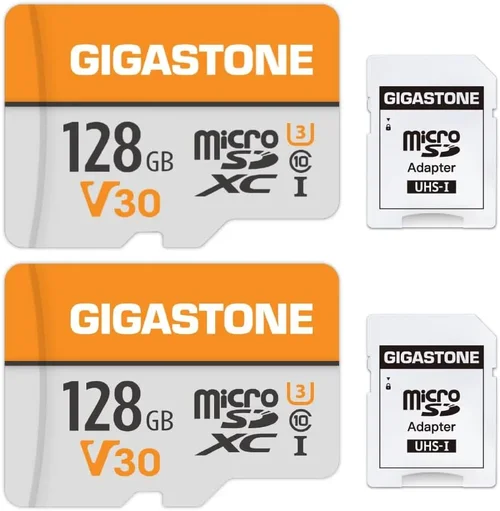
What to do instead: Choose a camera that supports high-capacity microSD cards (at least 128GB recommended) and verify compatibility with UHS-I or UHS-II standards for faster write speeds. Consider purchasing multiple high-quality cards and carrying a card reader for efficient workflow management.
❌ Mistake: Choosing Based Solely on Price
Why it’s bad: While budget constraints are real, prioritizing the lowest-priced option often leads to disappointment. Cheap cameras may lack essential features, have poor build quality, or fail prematurely under the stresses of motorcycle use—resulting in replacement costs that negate initial savings.
What to do instead: Evaluate value rather than simply seeking the lowest price. Compare features, durability ratings, warranty terms, and user satisfaction across several models within your target price range. Sometimes spending 20-30% more upfront yields significantly better long-term value through improved reliability and functionality.
❌ Mistake: Not Testing Before Committing
Why it’s bad: Buying sight-unseen based on online descriptions or reviews rarely accounts for personal preferences regarding handling, button placement, menu navigation, or mounting feel. What works well for someone else might not suit your riding style or ergonomic needs.
What to do instead: Whenever possible, test the camera in person at a retailer or borrow one from a friend before purchasing. Pay attention to how intuitive the controls are when wearing gloves, whether the screen is readable in bright sunlight, and how securely it stays mounted during simulated vibration tests.
❌ Mistake: Forgetting About Audio Quality
Why it’s bad: Video without clear audio loses much of its impact, especially for narrative storytelling or documenting incidents. Many action cameras prioritize visual specs while neglecting microphone quality, resulting in muffled, distorted, or background-noise-ridden recordings.
What to do instead: Listen to sample audio clips from reviews or demonstrations. If possible, record yourself speaking near the camera to evaluate clarity. Consider investing in an external lavalier mic if the built-in microphone doesn’t meet your expectations—many cameras support third-party accessories for enhanced audio capture.
Budget Guidelines: How Much Should You Spend?
Entry-Level ($50 – $100)
This category includes basic action cameras suitable for beginners or occasional riders who want to dip their toes into motorcycle videography without significant investment. Expect limited resolution (typically 1080p), modest frame rates (30fps max), basic stabilization, and shorter battery life. While these cameras won’t produce Hollywood-quality footage, they’re perfectly adequate for casual use and capturing everyday rides. Brands like Campark, Akaso, and SJCAM dominate this segment with reliable performers that offer essential features at accessible prices.
Mid-Range ($100 – $250)
The sweet spot for most serious riders, mid-range action cameras deliver excellent value by balancing performance, durability, and feature set. You’ll find models capable of 2.7K or 4K recording at 60fps, effective electronic image stabilization (EIS), longer battery life (often 2+ hours), and improved low-light sensitivity. This tier also typically includes useful extras like GPS logging, voice control, Wi-Fi connectivity, and enhanced weather sealing. GoPro Hero 7/8 Black, DJI Osmo Action, and Garmin VIRB Ultra 30 represent top performers in this range.
Premium ($250 – $500+)
For enthusiasts who demand the absolute best in image quality, build quality, and advanced functionality, premium action cameras offer professional-grade capabilities. These devices often feature superior sensors, higher bitrates for better compression efficiency, advanced stabilization algorithms, waterproof housings rated for deeper immersion, and specialized shooting modes tailored to extreme sports. Some models include multi-camera synchronization, cloud storage integration, or AI-powered editing tools. The DJI Pocket 2, Insta360 ONE RS, and GoPro Hero 11 Black exemplify this category’s cutting-edge technology.
Luxury ($500+)
The luxury segment caters to professional racers, filmmakers, and ultra-compact camera collectors who prioritize absolute excellence above all else. These devices push technological boundaries with features like 8K recording, modular designs allowing lens swaps, RAW photo capture, hyperlapse capabilities, and seamless integration with production workflows. While overkill for most recreational riders, luxury action cameras represent the pinnacle of what’s technically possible and may justify their hefty price tags for specific use cases requiring unmatched versatility and output quality.
Expert Tips for Getting the Best Deal
- Timing Your Purchase: Major sales events like Black Friday, Cyber Monday, Amazon Prime Day, and holiday weekends often yield substantial discounts on action cameras. Subscribe to retailer newsletters to receive exclusive promo codes and early access notifications. Additionally, consider buying slightly out-of-season—spring and summer are peak selling periods, so retailers may reduce prices in late fall to clear inventory.
- Where to Buy: While big-box stores like Best Buy or Walmart offer convenience, online retailers such as Amazon, B&H Photo, Adorama, or the manufacturer’s direct website frequently provide better pricing, wider selection, and easier return policies. Manufacturer websites sometimes bundle accessories or offer extended warranties unavailable elsewhere.
- Spotting Deals: Use price tracking tools like Honey, CamelCamelCamel, or Keepa to monitor historical pricing trends and set alerts for price drops. Be wary of “too good to be true” deals—if a premium brand is listed below cost, it’s likely counterfeit or refurbished without disclosure. Stick to reputable sellers with verified customer reviews.
- Warranty Considerations: Always purchase warranty protection unless you’re certain you’ll replace the device within the manufacturer’s suggested timeframe. Extended warranties aren’t always worth the cost, but travel insurance add-ons can be valuable for international travelers who fear loss or damage abroad.
- Return Policies: Verify return windows and restocking fees before buying, especially during impulse purchases. Many online retailers offer 30-day return periods, but some electronics stores limit returns to opened items only. Keep original packaging if possible to maintain resale value and simplify future returns.
- Testing Before Buying: If purchasing locally, insist on seeing the exact model in person. Turn it on, navigate menus, check button responsiveness with gloves, and examine build quality closely. Ask staff about current promotions or trade-in programs that could offset your purchase cost.
- Accessory Bundles: Look for packages that include essential accessories like extra batteries, mounts, protective cases, or SD cards. These bundles often save 15-30% compared to buying items separately and ensure you have everything needed for immediate use upon arrival.
- Trade-In Programs: Some manufacturers and retailers accept trade-ins of older models toward new purchases. Even outdated devices retain residual value—particularly popular brands with strong resale markets. Check if your current camera qualifies and how much credit you’d receive.
Frequently Asked Questions
Q: Can I use my existing smartphone as a motorcycle dash cam?
A: While possible through third-party apps, using a smartphone as a motorcycle dash cam presents several drawbacks. Smartphones lack the ruggedness, specialized mounts, and optimized software needed for reliable motorcycle use. They’re more prone to damage from vibrations, weather exposure, and accidental drops. Additionally, battery drain is rapid, and storage limitations quickly become problematic during extended rides. Dedicated action cameras offer better value, reliability, and purpose-built features for motorcycling applications.
Q: Do I need a separate power source for my motorcycle dash cam?
A: Most modern action cameras operate on USB-C or microUSB power and can run directly from your motorcycle’s electrical system. However, hardwiring is strongly recommended over using cigarette lighter adapters for several reasons: constant power availability, reduced fire risk, and cleaner installation. Hardwired kits connect directly to your bike’s battery through a fuse tap or relay, ensuring uninterrupted operation even when the ignition is off. Professional installation services or DIY kits available online make this straightforward for mechanically inclined riders.
Q: What resolution should I choose for my motorcycle action camera?
A: For motorcycle use, we recommend at least 2.7K resolution at 60fps. This provides enough detail to clearly identify license plates, road signs, and facial expressions while maintaining smooth motion reproduction during high-speed riding. While 4K offers even greater detail, it requires more storage space and processing power, potentially reducing battery life. Unless you’re creating professional content requiring maximum detail, 2.7K strikes the ideal balance between quality and practicality for most riders.
Q: How much storage space do I actually need?
A: Storage requirements depend heavily on your usage patterns. As a rule of thumb: 1 minute of 2.7K/60fps video consumes approximately 200MB of storage. A 128GB card provides about 10-12 hours of continuous recording at this setting, while a 256GB card offers double that. If you ride frequently or take extended trips, consider purchasing two identical high-endurance cards and rotating them to maximize lifespan. Always format cards in-camera before each new session to maintain optimal performance.
Q: Are waterproof action cameras necessary for motorcycles?
A: Absolutely. Rain, splashes, road spray, and accidental water exposure are inevitable during motorcycle rides—even in dry climates. Waterproof cameras eliminate the need for expensive housing enclosures and ensure your footage remains protected regardless of weather conditions. Look for models with native waterproofing (rated IPX8 or higher) rather than relying on optional cases. Remember that condensation can still occur inside housings during temperature changes, so avoid removing protective covers immediately after exiting cold environments.
Q: Can I record both front and rear simultaneously?
A: Yes, but options vary widely. Some dual-camera systems allow synchronized recording from two units via Bluetooth or Wi-Fi, though this requires careful setup and potentially additional hardware. More commonly, single cameras with front and rear sensors enable switching between viewpoints, but not simultaneous recording. True dual-lens cameras exist but are rare and typically expensive. For comprehensive coverage, many riders opt for two separate cameras—one mounted on the bike and another on the helmet or back seat.
Q: How do I protect my footage from theft or loss?
A: Physical security begins with discreet mounting locations that deter casual thieves while remaining functional for recording. Consider using cable locks or anti-theft mounts secured to non-removable parts of your motorcycle. For digital protection, enable password protection on your camera and use encrypted microSD cards. Cloud backup services exist but consume cellular data during rides and aren’t practical for most riders. Regularly transferring footage to secure local storage (external drives, NAS systems) provides the best balance of accessibility and protection against data loss.
Q: Will my action camera survive a crash?
A: While no consumer device guarantees survival in severe impacts, modern action cameras incorporate several crash-protection features. Electronic image stabilization helps maintain usability after minor impacts, while shock-resistant construction withstands typical falls. However, catastrophic crashes involving fire, crushing forces, or submersion may compromise even the most durable units. Always remove your camera during high-risk activities like racing or stunt riding. Insurance coverage for accidental damage is another consideration—some policies specifically exclude electronics, so verify your coverage before relying solely on your device for evidence.
Our Final Recommendations
Best for Budget-Conscious Buyers
The Akaso Brave 7 LE represents exceptional value for riders entering the action cam market. Priced around $150, it delivers 4K recording at 30fps (or 2.7K at 60fps), five-star image stabilization, waterproof housing, and dual-screen display—all features typically reserved for pricier models. Its intuitive interface, decent low-light performance, and included accessories make it ideal for beginners seeking reliable performance without overspending.
Best Overall Value
The DJI Osmo Action 3 strikes the perfect balance between price, performance, and durability. At approximately $280, it offers 4K/120fps slow-motion capability, RockSteady 3.0 stabilization, 15-hour battery life with the extended mode, and IP56 water resistance. Its innovative rear touchscreen, customizable buttons, and robust ecosystem including charging docks and magnetic accessories provide outstanding versatility for daily commuters and adventure seekers alike.
Best Premium Option
For those demanding professional-grade results, the GoPro HERO12 Black stands unchallenged as the gold standard. Priced around $400, it features HyperSmooth 6.0 stabilization, HDR video, dual screens, and advanced audio capture with wind noise reduction. Its compatibility with GoPro’s extensive accessory lineup, cloud integration, and industry-leading customer support justify the premium cost for serious content creators and safety-conscious riders who refuse to compromise on quality.
Best for Beginners
New riders should consider the SJCAM SJ6 Legend. Despite its low price point ($80-$100), it delivers surprisingly capable 4K video, decent stabilization, and all essential features without overwhelming complexity. The simple menu structure, straightforward mounting options, and included remote control make it exceptionally user-friendly for those unfamiliar with action camera ecosystems. It’s a proven performer that won’t break the bank while learning the ropes of motorcycle videography.
Best for Advanced Users
Experienced riders seeking maximum flexibility will appreciate the Insta360 X3. Priced near $400, it offers 5.7K 360-degree recording, FlowState stabilization, waterproof housing, and creative modes like reframing and AI-powered editing. Its modular design allows swapping between standard and 360 lenses, providing unprecedented creative control. The companion app’s automatic stitching and perspective adjustment tools make editing immersive footage effortless—ideal for vloggers, instructors, and anyone wanting cinematic results straight from the camera.
Conclusion: Making the Right Choice
Selecting the best dash cam for your motorcycle ultimately depends on aligning your specific needs with available options across several critical categories. Rather than chasing the latest hype or blindly following recommendations, approach your purchase as a strategic investment in safety, documentation, and enjoyment of your riding experiences.
Consider how frequently you ride, what type of footage you hope to capture, your comfort level with technology, and your tolerance for technical compromises. Remember that the most expensive camera isn’t necessarily the best fit—and conversely, the cheapest option might surprise you with capabilities exceeding your expectations.
Prioritize features that genuinely matter to your riding style: if you commute daily, battery life and ease of operation become paramount; if you tour extensively, GPS tracking and weather resistance take precedence; if you compete or film professionally, image quality and editing flexibility dominate considerations.
Once you’ve identified your priorities, research thoroughly using multiple sources—not just manufacturer claims but independent reviews, forum discussions, and real-user experiences. Test whenever possible, compare side-by-side, and don’t hesitate to ask questions at specialty shops or through online communities.
Finally, embrace the learning curve inherent in adopting new technology. Even the most sophisticated cameras require practice to master fully. Take time to familiarize yourself with settings, experiment with mounting positions, and develop routines for managing footage efficiently. With patience and persistence, your chosen action camera will transform ordinary rides into memorable adventures documented with clarity, creativity, and confidence.