Ultimate Dash Cam Buying Guide
Why investing in a dash cam isn’t just about capturing traffic violations—it’s about protecting yourself, your vehicle, and your peace of mind on the unpredictable Indian roads. With thousands of vehicles sharing increasingly congested highways and narrow urban streets, the need for reliable accident documentation has never been more critical. This comprehensive guide will walk you through everything you need to know about choosing the best dash cam for cars in India, helping you make an informed decision that matches both your driving environment and budget.
Whether you’re a daily commuter navigating Delhi’s chaotic intersections, a long-haul truck driver covering hundreds of kilometers across state borders, or simply someone who wants to safeguard against insurance fraud claims, understanding dash cam technology and features is essential. We’ll explore how different specifications affect performance in India’s unique conditions—from monsoon rains that reduce visibility to the constant presence of potholes and aggressive drivers.
Throughout this article, you’ll learn about key technical specifications like resolution capabilities, night vision performance, loop recording systems, parking surveillance modes, and storage solutions. You’ll also discover which brands offer the most reliable service networks across India, how to interpret user reviews from local forums, and what hidden costs (like memory cards) often catch buyers by surprise. Most importantly, we’ll help you prioritize features based on your specific needs rather than getting overwhelmed by marketing jargon.
The Indian dash cam market has evolved dramatically over the past five years, with local manufacturers now competing directly with international brands on quality and price. From compact single-lens models perfect for city driving to advanced dual-camera systems capable of monitoring both front and interior views, there’s truly something for every type of driver. By the end of this guide, you’ll have all the knowledge needed to select a model that delivers clear evidence when you need it most, while offering reliable performance year after year.

What to Look for When Buying Dash Cams
Budget & Price Range
Your starting point should be determining how much you’re willing to invest in dash cam technology. Entry-level models typically range between ₹2,500-₹5,000 and offer basic 1080p recording with simple loop recording and G-sensor functionality. These are suitable for occasional use and basic protection against minor incidents. Mid-range options (₹6,000-₹12,000) provide better image quality, enhanced night vision capabilities, GPS tracking, and sometimes Wi-Fi connectivity for smartphone integration. Premium models exceeding ₹15,000 often include advanced features like 4K resolution, superior low-light performance, parking mode with motion detection, and cloud storage options. Remember that the cheapest option may not always be the most cost-effective if it fails during critical moments.
Performance Specifications
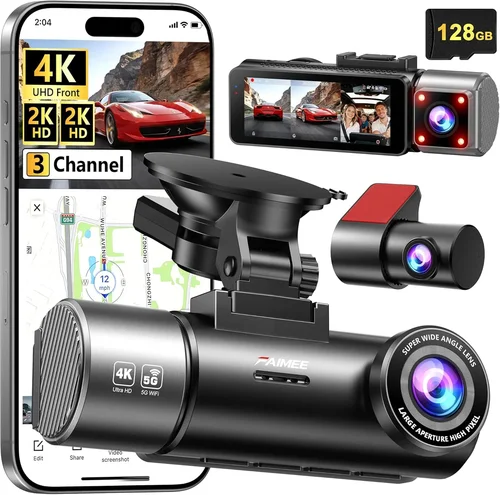
Resolution forms the foundation of any dash cam’s effectiveness. While 720p was once standard, today’s minimum recommendation is 1080p full HD, which clearly captures license plates and road details. For serious protection, consider 2K or even 4K models that provide exceptional detail for identifying faces or reading registration numbers. Frame rate matters too—models offering 30fps or higher ensure smooth video playback without choppy footage. The field of view (FOV) determines how much of the road ahead you can capture; wider angles (typically 120-150 degrees) cover more territory but may introduce distortion at the edges. Look for cameras with good dynamic range (HDR capability) to handle both bright headlights at night and harsh midday sunlight.
Build Quality & Durability
Indian roads present unique challenges—extreme heat during summer months can damage electronics, while sudden temperature drops during winter affect battery life and screen responsiveness. Choose dash cams built with high-quality materials that resist fading under direct sunlight and maintain functionality in temperatures ranging from -10°C to 70°C. The housing should be dustproof and water-resistant (IP rating preferred), as monsoon rains and road spray are common occurrences. Mounting systems must securely attach to your windshield without interfering with airbag deployment or causing glare. Thermal management is crucial—internal components should dissipate heat effectively to prevent overheating during extended highway drives.
Features & Functionality
Modern dash cams offer surprisingly sophisticated capabilities beyond simple video recording. Loop recording automatically overwrites older files when storage fills up, ensuring continuous operation without manual intervention. G-sensors detect sudden impacts or collisions, triggering automatic file locking so critical evidence isn’t accidentally overwritten. Parking mode activates when the car is turned off, using motion detection to record potential hit-and-runs or vandalism attempts. GPS functionality embeds location and speed data into recordings, providing context for accidents. Some models include Wi-Fi connectivity for wireless file transfer to smartphones, voice control for hands-free operation, and even ADAS (Advanced Driver Assistance Systems) alerts for lane departure warnings.
Brand Reputation
Established brands generally offer better reliability and customer support—a vital consideration given India’s vast geographic spread and varying service infrastructure. Companies like BlackVue, Thinkware, Garmin, and Nextbase have strong regional presence and dedicated service centers in major cities. Local Indian brands such as Amkette, ZEBRONICS, and iBall have gained popularity due to competitive pricing and understanding of regional needs. Always check warranty terms carefully: reputable manufacturers offer at least 1-2 years of coverage, with some extending protection to internal components like batteries and sensors. Online reviews from Indian users provide valuable insights into real-world performance under local conditions.
Warranty & Support
A robust warranty demonstrates manufacturer confidence in their product’s durability. Look for comprehensive coverage that includes both hardware defects and accidental damage (where applicable). Service network accessibility is equally important—can you easily find authorized repair centers near your workplace or home? Digital support options like live chat, email assistance, and detailed troubleshooting guides significantly improve post-purchase experience. Some premium brands offer extended warranty plans or replacement programs specifically designed for dash cams subject to wear and tear from daily driving exposure.
Size & Portability
The physical dimensions of your dash cam affect both installation practicality and visual impact while driving. Compact models (under 10cm wide) sit flush with your dashboard and minimize windscreen obstruction, making them ideal for city commuters concerned about visibility. Larger units may offer superior cooling systems or additional ports but could interfere with rearview mirror placement or create distracting glare. Consider whether you might want to transfer the camera to another vehicle occasionally—smaller, lighter models are easier to relocate without reinstallation hassle. Some ultra-compact designs even allow mounting discreetly behind existing accessories like air fresheners.
User Reviews & Ratings
Real-world feedback from fellow Indian drivers provides invaluable perspective that spec sheets alone cannot convey. Pay attention to recurring themes in reviews—multiple users reporting similar issues with overheating, poor night vision, or unreliable parking mode indicate potential red flags. Check ratings across multiple platforms including Amazon.in, Flipkart, and specialized automotive forums where enthusiasts discuss long-term ownership experiences. Be wary of overly positive reviews that seem generic or suspiciously brief—genuine customers typically elaborate on specific scenarios they’ve encountered. Seasonal variations matter too; monsoon-related complaints about condensation inside lenses or reduced visibility in heavy rain deserve special consideration.
Different Types of Dash Cams

Common Buying Mistakes to Avoid
❌ Mistake: Choosing Based Solely on Lowest Price
Why it’s bad: Skimping on quality to save money often leads to disappointment when the device fails during critical situations. Cheap dash cams frequently suffer from poor low-light performance, unreliable parking modes, or short lifespans due to substandard components. In India’s demanding climate, these limitations become especially problematic during monsoon season or long summer drives.
What to do instead: Allocate 20-30% more than your initial budget to purchase from reputable brands with proven track records. Investigate total cost of ownership—including necessary accessories like high-end memory cards—rather than focusing exclusively on upfront sticker price.
❌ Mistake: Ignoring Storage Requirements
Why it’s bad: Assuming built-in storage is sufficient creates dangerous gaps in coverage. Most entry-level models come with minimal internal memory (if any), forcing reliance on microSD cards that quickly fill up during daily commutes. Without proper loop recording settings or adequate card capacity, crucial footage gets overwritten before you can access it.
What to do instead: Calculate required storage based on your driving patterns: 32GB handles moderate usage (about 2-3 hours of 1080p recording), while 128GB supports longer trips or frequent city driving. Purchase Class 10 or UHS-I/UHS-II cards rated for dash cam use to prevent corruption during abrupt shutdowns caused by G-force triggers.
❌ Mistake: Overlooking Installation Complexity
Why it’s bad: Attempting DIY installation without proper tools or knowledge results in loose mounts, electrical hazards, or blocked airbags. Improper wiring disrupts cigarette lighter operation or triggers false G-sensor activations from vibration. Glare from poorly positioned screens compromises visibility during daylight hours.
What to do instead:
Why it’s bad: Relying solely on USB charging creates vulnerabilities—power outages during accidents mean lost evidence. Direct hardwiring to your car’s fuse box provides uninterrupted operation but requires electrical knowledge. Battery-only setups drain quickly and leave no recording capability when parked overnight. What to do instead: Opt for models supporting both USB and hardwire adapters. Use fused circuits specifically designated for accessories (typically 10A) and install inline fuses rated slightly below your car’s factory specification to prevent fire risks during electrical surges. Why it’s bad: Assuming indoor performance translates to outdoor reliability ignores India’s extreme conditions. Direct sunlight causes lens flare and screen washouts; monsoon humidity leads to condensation inside sealed units; dusty roads coat lenses within weeks of installation. What to do instead: Select models with anti-reflective coatings, hydrophobic lens treatments, and IP-rated enclosures. Apply protective films to both camera lenses and display screens. Clean regularly using microfiber cloths—never abrasive materials that scratch sensitive surfaces. Why it’s bad: Outdated firmware introduces security vulnerabilities and removes newly discovered bug fixes. Manufacturers often release updates to improve compatibility with newer Android/iOS versions or enhance feature functionality—but only if users actively download them. What to do instead: Enable automatic update notifications through companion apps whenever possible. Subscribe to brand newsletters or follow official social media accounts to stay informed about new releases. Schedule monthly checks during routine maintenance appointments. This category serves drivers seeking basic protection without significant investment. Models in this range typically deliver 1080p resolution with 120-degree field of view, basic loop recording, and emergency incident capture via G-sensors. They’re ideal for occasional drivers, students, or those testing dash cam benefits before committing further. Expect limited advanced features like GPS or Wi-Fi connectivity. While battery life may be shorter and build quality less robust than higher tiers, many entry-level options perform reliably for light city commuting. Focus on reputable local brands offering at least one-year warranties to ensure accountability. The sweet spot for most Indian drivers balances affordability with meaningful enhancements over budget models. This tier usually includes improved night vision capabilities using larger image sensors or specialized low-light processing chips. Dual-camera systems become available here, providing both forward-facing and cabin monitoring simultaneously. Enhanced build quality withstands typical weather conditions better, while added features like parking mode with motion detection offer valuable off-hours surveillance. GPS tracking and smartphone app integration appear frequently at this level, enabling convenient file management and real-time status checks. Most importantly, mid-range selections often represent the best value proposition—delivering professional-grade protection without luxury markup. For enthusiasts, professionals, or drivers prioritizing maximum protection, premium dash cams justify their higher price through cutting-edge technology. Expect 2K or 4K resolution delivering forensic-level clarity, superior HDR processing for challenging lighting, and advanced driver assistance features like collision warnings or blind-spot alerts. Build quality reaches industrial standards with military-grade materials and rigorous temperature testing (-20°C to 80°C operational range). Cloud connectivity enables remote viewing and automatic backup, while sophisticated parking modes use AI-powered threat detection algorithms. These systems often integrate seamlessly with existing vehicle infotainment ecosystems and include comprehensive service packages with priority support channels. Ultra-premium offerings target discerning customers who demand absolute perfection regardless of cost. These represent the pinnacle of automotive safety technology, featuring multi-spectral imaging, thermal sensors for object detection, and redundant recording systems ensuring zero data loss. Luxury models may include specialized lenses for extreme zoom capabilities or underwater recording for marine applications. Service includes concierge-level assistance, on-site repairs, and guaranteed replacement policies. While overkill for average drivers, such investments appeal to high-net-worth individuals, corporate executives, or specialized industries requiring impenetrable documentation standards. Avoid buying immediately after new model launches when prices remain inflated. Instead, wait 2-3 months post-release when competitors respond with promotions or manufacturers adjust pricing strategies. End-of-season transitions (October-November) often see clearance sales on previous-generation models. During monsoon preparation months (June-July), waterproof dash cam accessories go on sale, enhancing your system’s resilience without upgrading hardware. Physical stores allow hands-on testing but may lack technical expertise compared to online platforms. Authorized dealer networks guarantee genuine products and warranty validity but carry higher markups. Online marketplaces like Amazon.in and Flipkart offer competitive pricing, detailed comparison tools, and verified seller ratings. Specialty automotive websites provide expert advice and exclusive bundles but require careful vetting for shipping policies and return procedures. Beware of “free gifts” that inflate base prices—true savings appear when comparing final transaction values. Watch for bundle packages including professional installation, premium memory cards, and screen protectors. Subscription-based cloud storage offers (often 1-3 months free) add tangible value beyond immediate discount percentages. Limited-edition colors or commemorative packaging rarely affect performance but can signal seasonal promotions worth capitalizing on. Read fine print regarding exclusions—most warranties don’t cover liquid damage, cosmetic scratches, or normal wear items like adhesive pads. Extend protection through third-party insurers specializing in electronic devices if your manufacturer’s policy feels insufficient. Register products immediately upon purchase to activate warranty periods, which often begin from date of activation rather than delivery. Opt for retailers offering 7-14 day return windows with original packaging intact. Verify restocking fees (typically 10-15%) before purchasing. Test functionality thoroughly during return period—record sample videos, verify parking mode activation, and confirm file accessibility through companion apps. Keep all accessories and documentation unopened to maintain resale value if returning unused. In physical stores, request demonstration units running live feeds to assess image quality under current lighting conditions. Ask staff to show sample footage from various scenarios: daytime driving, nighttime recording, and simulated parking surveillance. Note any lag between incident occurrence and G-sensor response time—critical for accurate timeline reconstruction. Verify voltage requirements match your vehicle’s electrical system (typically 12V but some trucks use 24V). Confirm mounting bracket compatibility with your windshield angle and existing accessories. Test USB-C vs Micro-USB connectors against available ports in your car. Check smartphone OS compatibility (Android 8+/iOS 12+) before assuming app connectivity will work flawlessly. Choose models supporting firmware updates ensures longevity as software improves over time. Prefer USB-C charging interfaces over proprietary connectors that may become obsolete. Select cameras with expandable storage slots accommodating future memory upgrades. Consider brands with established ecosystems allowing easy addition of rear cameras or external sensors later. A: Absolutely. Insurance companies increasingly accept dash cam footage as conclusive evidence during dispute resolution. In hit-and-run cases or disputed liability scenarios, professionally recorded videos eliminate guesswork and accelerate claim settlements. Many insurers even offer premium discounts for policyholders with dash cam installations, recognizing reduced fraud risk. However, ensure footage is timestamped and geotagged for maximum credibility. A: Modern dash cams employ capacitor-based backup systems providing 3-5 seconds of power after ignition cutoff—sufficient to save locked incident files to memory. This prevents total data loss during electrical failures caused by collisions. Hardwired installations bypass battery dependency entirely by drawing steady current from your car’s fuse box, ensuring uninterrupted operation regardless of alternator output fluctuations. A: Most manufacturers exclude memory cards to avoid compatibility issues across regions, though some budget models include basic 8GB cards insufficient for daily use. Purchase a Class 10 microSDHC card (minimum 32GB recommended) compatible with your device’s specifications. High-end cards featuring wear-leveling algorithms and extended temperature ranges prevent corruption during sudden power losses triggered by G-force events. A: Legally, dealerships cannot deny warranty claims solely due to aftermarket modifications unless they prove direct causation between the device and vehicle malfunctions. Use professional installation techniques avoiding permanent alterations like drilling holes or splicing into critical wiring harnesses. Keep receipts documenting non-invasive mounting methods satisfying OEM requirements while maintaining legal protection. A: Frequency depends on driving environment: urban commuters facing constant exhaust fumes may need weekly cleaning, while rural drivers experiencing less pollution might manage with monthly attention. Always use microfiber cloths—never paper towels or household cleaners containing ammonia that damage anti-reflective coatings. Apply lens-specific sprays sparingly to avoid residue buildup affecting image clarity. A: Recording interior audio varies by jurisdiction and manufacturer settings. Indian regulations permit interior recording solely for security purposes, strictly prohibiting unauthorized eavesdropping. Most reputable brands disable microphone input by default or provide toggle switches disabling audio capture entirely. Verify local privacy laws before enabling sound recording features to avoid legal complications. A: Loop recording continuously overwrites oldest footage when storage fills, ensuring perpetual operation without manual intervention. Event recording (triggered by G-sensors or manual button presses) locks critical clips preventing accidental overwriting during emergencies. Advanced systems combine both: regular footage loops while reserving high-priority incidents for permanent retention until manually reviewed or deleted. A: Wider FOVs (140-150 degrees) capture expansive road scenes ideal for highway driving but introduce peripheral distortion. Narrower angles (100-120 degrees) minimize warping while focusing on immediate surroundings suitable for tight city navigation. Consider mounting position—higher placements achieve wider effective coverage without increasing physical FOV settings. A: Yes, provided proper installation prevents electrical overloads. Dedicated parking mode circuits draw minimal current (usually <50mA) using smart voltage detection that suspends operation when battery levels drop critically. Always pair with hardwired connections avoiding cigarette lighter drains and include inline fuses protecting against short circuits during extended standby periods. A: First, remove and dry all components thoroughly using absorbent cloths. Check for visible moisture inside lens assemblies—condensation often appears temporarily but dissipates within hours. If functionality doesn’t restore after 24-hour drying, contact manufacturer support immediately as internal corrosion may have occurred despite IP-rated seals failing under extreme humidity conditions. The Amkette DashCam X1 delivers exceptional value with 1080p resolution, 140-degree FOV, and reliable G-sensor functionality all under ₹4,500. Its compact design minimizes dashboard obstruction while offering straightforward operation through intuitive menu systems. While lacking advanced features like GPS or Wi-Fi, it performs consistently during daytime recording and handles monsoon conditions adequately thanks to hydrophobic lens coating. Ideal for students or occasional drivers needing basic protection without financial strain. BlackVue DR970X-2CH stands out as the top choice for balanced performance across Indian driving environments. Priced around ₹18,000, it combines 2K front/rear recording with superior night vision capabilities using Sony Starvis sensors. Cloud connectivity enables remote monitoring via mobile apps, while robust build quality withstands temperature extremes from Ladakh winters to Chennai summers. Professional installation packages available through authorized dealers ensure optimal placement and secure wiring—making it the undisputed leader for serious commuters seeking comprehensive protection. Garmin Dash Cam Pro represents the pinnacle of consumer dash cam technology, retailing at approximately ₹25,000. Featuring 4K resolution with HDR processing, it captures license plates clearly even under challenging lighting conditions. Built-in voice control allows hands-free operation, while incident detection algorithms distinguish real threats from false triggers like slamming doors. Lifetime map updates and weather-resistant construction justify the premium investment for luxury vehicle owners or professionals requiring courtroom-ready evidence quality. ZEBRONICS Zeb-Fusion offers stress-free introduction to dash cam ownership with plug-and-play simplicity and automatic file management. At ₹5,999, it includes pre-installed 32GB memory card and offers seamless smartphone pairing through dedicated app interface. The large 3-inch touchscreen provides crystal-clear navigation even in direct sunlight, while parking mode activates automatically after engine shutdown. Comprehensive instructional videos simplify installation steps—perfect for first-time buyers wanting confidence from day one. Thinkware F800 Pro delivers unmatched customization options for tech-savvy drivers demanding granular control over recording parameters. Supporting dual-band Wi-Fi and cloud synchronization, it enables simultaneous live streaming and background uploads. Advanced settings allow adjustment of sensitivity thresholds for G-sensors, enabling fine-tuning for specific vehicle types or driving styles. Military-grade shock resistance and extended temperature tolerance make it ideal for expedition drivers traversing varied terrains across India’s diverse landscapes. Selecting the best dash cam for cars in India requires thoughtful consideration of your specific driving patterns, environmental challenges, and protection priorities rather than chasing flashy features or lowest prices. Remember that this investment serves primarily as risk mitigation—providing objective evidence when disputes arise rather than preventing accidents themselves. Start by honestly assessing how often you drive, what conditions you typically encounter, and whether you need basic incident capture or comprehensive monitoring capabilities. Prioritize core specifications like resolution, build quality, and reliability over gimmicky extras that rarely justify their added cost. Always verify compatibility with your vehicle’s electrical system and mounting requirements before purchasing. Don’t overlook accessory necessities like high-quality memory cards and professional installation services—these often represent hidden costs that significantly impact long-term usability. Stay updated on local regulations regarding audio recording and privacy rights to ensure legal compliance throughout ownership. Most importantly, treat your dash cam as part of an integrated safety ecosystem alongside seatbelts, airbags, and defensive driving practices. By following this comprehensive guide’s recommendations and avoiding common pitfalls discussed earlier, you’ll acquire a system that delivers peace of mind during daily commutes while standing ready to defend your interests when unexpected events occur. Whether you choose budget-friendly options for occasional use or invest in premium models for complete protection, remember that consistent, high-quality recording beats sporadic, unreliable footage every time. Your journey toward safer, smarter driving begins with selecting the right tool—and now you possess all the knowledge needed to make that choice confidently.❌ Mistake: Disregarding Power Source Options
❌ Mistake: Underestimating Environmental Challenges
❌ Mistake: Neglecting Software Updates
Budget Guidelines: How Much Should You Spend?
Entry-Level ($2,500 – $5,000)
Mid-Range ($6,000 – $12,000)
Premium ($15,000 – $30,000+)
Luxury ($30,000+)
Expert Tips & Pro Advice
When to Buy: Timing Your Purchase Strategically
Where to Buy: Retailer Selection Matters
How to Spot Deals: Recognizing Value Beyond Discounts
Warranty Considerations: Maximizing Coverage Benefits
Return Policies: Protecting Against Buyer’s Remorse
Testing Before Buying: Evaluating Performance Hands-On
Compatibility Checks: Ensuring Seamless Integration
Future-Proofing: Planning for Technological Evolution
Frequently Asked Questions
Q: Can dash cams really help with insurance claims in India?
Q: What happens if my dash cam runs out of power during an accident?
Q: Do I need a separate memory card or do they come included?
Q: Will installing a dash cam void my vehicle’s warranty?
Q: How often should I clean my dash cam lenses?
Q: Can dash cams record audio conversations inside my car?
Q: What’s the difference between loop recording and event recording?
Q: How do I choose the right field of view (FOV) for my needs?
Q: Are parking modes safe to use overnight?
Q: What should I do if my dash cam stops working after monsoon rains?
Our Final Recommendations
Best for Budget-Conscious Buyers
Best Overall Value
Best Premium Option
Best for Beginners
Best for Advanced Users
Conclusion: Making the Right Choice