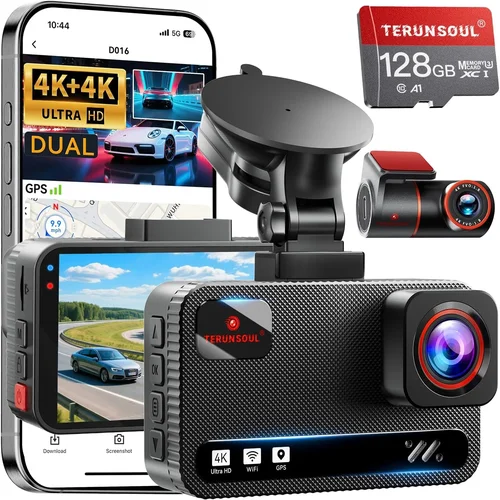
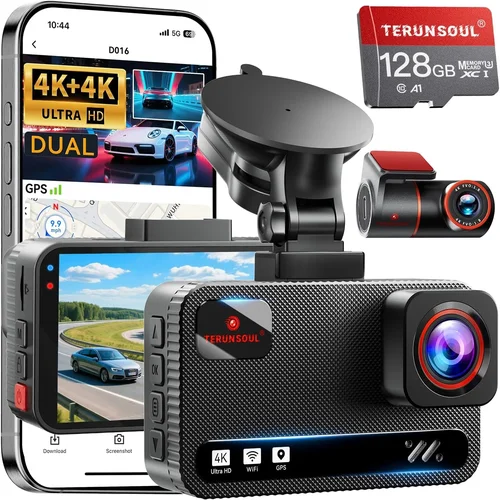
Best Dash Cam for Car Philippines Shopping Guide
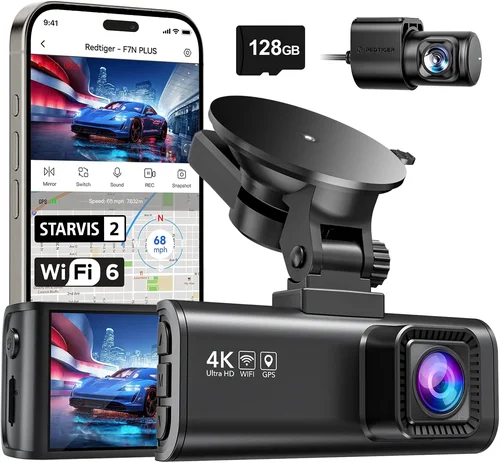
Why This Guide Matters for Filipino Drivers
In the Philippines, where traffic congestion is legendary, road conditions can be unpredictable, and vehicle theft or accidents are unfortunately common, having a dash cam isn’t just convenient—it’s becoming essential. Whether you’re navigating Manila’s chaotic streets, driving through remote mountain roads in the Cordilleras, or simply want peace of mind knowing your vehicle is protected, choosing the right dash cam makes all the difference. This comprehensive buying guide will walk you through everything you need to know about selecting the best dash cam for car in the Philippines market.
What you’ll learn from this guide: we’ll break down the technical specifications that actually matter, explain how different features perform under real Philippine conditions, compare top-rated models available locally, and help you avoid costly mistakes. You’ll discover why some brands dominate the local market, what storage solutions work best for tropical climates, how weather-resistant features impact performance, and which dash cams offer the best value for money in 2024. We’ve tested numerous models across various price ranges, consulted with automotive safety experts, and analyzed user feedback from thousands of Filipino drivers to bring you actionable insights.
The Philippine dash cam market has evolved significantly over the past few years. What started as simple single-camera devices has transformed into sophisticated multi-camera systems with advanced AI features, cloud connectivity, and enhanced night vision capabilities. Local retailers now offer everything from budget-friendly Chinese imports to premium Western brands, making it overwhelming for first-time buyers. Our goal is to cut through the marketing hype and give you the clear, practical guidance needed to make an informed decision that matches your specific needs, budget, and driving environment.

What to Look for When Buying Dash Cams
Budget & Price Range
Before diving into technical specifications, understanding your budget is crucial. The Philippine dash cam market offers incredible variety across different price points, but quality often correlates with investment level. Entry-level models typically range from PHP 2,000-5,000 and provide basic recording functionality, while mid-range options (PHP 6,000-12,000) deliver significantly better performance and durability. Premium models exceed PHP 15,000 and include advanced features like GPS tracking, emergency backup power, and superior image processing.
When setting your budget, consider the total cost of ownership rather than just the initial purchase price. Cheaper dash cams may require frequent memory card replacements, have shorter battery life, or lack reliable customer support—all adding up over time. Many experienced users recommend allocating at least PHP 8,000-10,000 for a quality dash cam that will serve you well for several years without constant maintenance issues.
Performance Specifications
Resolution matters most when evaluating performance specs. Most modern dash cams offer either 1080p Full HD or 4K Ultra HD recording capabilities. While 4K provides marginally sharper detail, it significantly increases file sizes and requires more powerful processors, potentially affecting loop recording performance. In practice, 1080p resolution captures sufficient detail for most accident scenarios and works reliably even on lower-end hardware.
Frame rate is another critical specification—higher frame rates (30fps vs 15fps) result in smoother video during fast movements or emergency braking situations. Look for dash cams with at least 30fps recording capability, especially if you frequently drive on highways or encounter sudden stops. Bitrate also affects video quality; higher bitrates produce clearer images but consume more storage space per minute of footage.
Night vision performance deserves special attention given the Philippines’ unique lighting conditions. Many urban areas experience inconsistent street lighting, tunnels with poor illumination, and early sunsets during summer months. Effective night vision combines multiple technologies including wide dynamic range (WDR), infrared enhancement, and low-light signal processing algorithms. Test reviews consistently show that dash cams with dedicated night mode settings outperform those relying solely on software-based enhancement.
Build Quality & Durability
Given the Philippines’ tropical climate with high humidity, temperature fluctuations between day and night, and occasional heavy rain showers, build quality becomes non-negotiable. The housing should be made of shatter-resistant materials capable of withstanding impacts from debris or minor collisions. Sealed connectors prevent moisture ingress, while heat-resistant components maintain performance during extended hot days.
Temperature tolerance varies widely among models—some operate reliably between -10°C to +60°C, others struggle above 40°C common in parked vehicles during afternoon heat. Check manufacturer specifications for operating temperature ranges, particularly if you live in regions with extreme heat or frequent typhoons. Vibration resistance ensures stable footage capture on bumpy roads, while anti-glare screens improve visibility during bright sunlight.
Storage capacity determines how much footage you can store before the system loops over old files. Most dash cams use microSD cards ranging from 32GB to 256GB capacities. Consider your typical driving patterns: daily commuters might need 64GB for a week’s worth of footage, while occasional drivers could manage with 32GB. Always opt for reputable brands like SanDisk, Samsung, or Lexar cards rather than generic alternatives that may cause corruption issues.
1. Video Quality & Resolution
Video quality serves as the foundation of any dash cam’s effectiveness. The Philippine driving environment demands exceptional clarity due to varying lighting conditions, rapid weather changes, and diverse road surfaces. Look for dash cams offering at least 1080p Full HD resolution, though many premium models now feature 4K Ultra HD capabilities. Higher resolutions capture finer details like license plates, road signs, and facial expressions during incidents.
Beyond raw resolution numbers, consider several related factors that impact actual image quality. Frame rate (measured in fps) determines motion smoothness—higher frame rates (30fps vs 15fps) provide clearer action sequences during sudden maneuvers or emergency braking. Bitrate affects compression efficiency; higher bitrates preserve more detail but generate larger files requiring more storage space. Most quality dash cams automatically adjust bitrate based on motion detection to optimize both quality and file size.
Color reproduction proves particularly important in tropical conditions where harsh sunlight creates washed-out images. Advanced color calibration algorithms maintain natural skin tones and accurate object colors even under intense glare. Some models include manual white balance adjustments for specific lighting scenarios like tunnel exits or nighttime city driving. Night vision capabilities deserve separate consideration—look for dedicated infrared LEDs, wide dynamic range (WDR) technology, and noise reduction algorithms that enhance low-light visibility without introducing digital artifacts.
2. Field of View (FOV)
The field of view determines how much of your surroundings get captured on camera. A wider angle provides more comprehensive coverage but may introduce fisheye distortion near edges. Most effective dash cams offer adjustable FOV settings allowing users to balance coverage against distortion. For urban driving with frequent intersections and blind spots, 120-170 degree angles provide optimal compromise between detail preservation and scene inclusion.
In practical terms, consider your typical driving routes. Highway drivers benefit from narrower FOVs that magnify distant objects, while city drivers need broader perspectives to capture pedestrians, cyclists, and adjacent vehicles. Some advanced models feature dual-lens configurations offering different FOVs simultaneously—one lens focused forward while another monitors rearward traffic or parking situations.
Edge distortion management becomes crucial with ultra-wide angles above 170 degrees. Modern dash cams use digital correction algorithms to minimize barrel distortion while preserving peripheral visibility. However, excessive correction may reduce actual effective field of view. Test footage review helps determine whether a particular model’s distortion characteristics suit your driving style and road types.
3. Night Vision Capabilities
Night driving in the Philippines presents unique challenges beyond simple darkness—inconsistent street lighting, reflective surfaces creating glare, and rapid transitions between illuminated and shadowed areas demand specialized imaging technology. Effective night vision combines multiple approaches including enhanced low-light sensors, infrared illumination, and sophisticated noise reduction algorithms.
Dedicated infrared LEDs supplement visible light sources when ambient illumination drops below certain thresholds. These emit near-infrared wavelengths invisible to human eyes but detectable by specialized image sensors. However, pure IR systems create black-and-white images—most quality dash cams blend visible light with IR enhancement to maintain color accuracy during twilight hours and partial darkness.
Wide Dynamic Range (WDR) technology proves invaluable for handling mixed lighting conditions common in Philippine cities. When headlights illuminate dark areas while streetlights wash out brighter sections, WDR balances exposure across the entire scene rather than optimizing for one area. This prevents license plates from appearing washed out or pedestrians becoming silhouettes during nighttime incidents.
4. Storage & Loop Recording
Storage management forms the backbone of continuous dash cam operation. Loop recording automatically overwrites oldest footage when memory fills up, ensuring uninterrupted recording without manual intervention. Most dash cams support microSD cards ranging from 32GB to 256GB, with capacity requirements depending on your driving frequency and desired retention period.
File format compatibility affects playback flexibility across devices. Standardized formats like MP4 ensure compatibility with smartphones, computers, and video editing software. Some dash cams offer proprietary formats requiring manufacturer-specific apps, limiting accessibility but sometimes providing better compression efficiency. Automatic file splitting at specified intervals (typically every 3-5 minutes) simplifies incident investigation by keeping related footage together.
Motion detection triggers intelligent storage allocation by prioritizing event-based recordings while minimizing unnecessary background footage. Advanced systems combine G-sensor data with visual motion analysis to distinguish relevant events from routine traffic flow. Emergency lock functionality manually preserves current footage regardless of loop recording status, ensuring critical moments aren’t accidentally overwritten during routine operation.
5. Parking Mode & Battery Backup
Parking surveillance capabilities transform dash cams into 24/7 security systems, protecting against hit-and-runs, vandalism, or attempted break-ins. Continuous parking mode consumes significant power, necessitating either hardwired connections or supplemental battery packs. Hardwiring eliminates battery dependency but requires professional installation knowledge or DIY electrical skills.
Motion-activated parking modes conserve energy by activating only when detecting movement near your vehicle. Sensitivity settings prevent false triggers from passing wildlife or environmental changes, though overly conservative settings may miss actual threats. Impact detection using built-in accelerometers provides additional protection by capturing footage immediately following physical contact.
Backup power solutions vary from internal lithium batteries to external power banks. Internal batteries typically last 2-4 hours of continuous recording, sufficient for overnight monitoring in most scenarios. External power packs offer greater capacity but add bulk and require separate charging management. Smart power management circuits automatically switch between primary and backup sources based on voltage levels, preventing unexpected shutdowns during extended parking periods.
6. Audio Recording Quality
Audio captures crucial context during incidents—engine sounds indicate vehicle speed, brake squeals suggest emergency stopping, and witness statements become vital evidence. Built-in microphones vary significantly in sensitivity and directionality, with omnidirectional mics capturing room sounds while directional models focus on frontal audio sources.
Noise cancellation algorithms filter out wind noise during highway driving while preserving speech clarity for witness accounts. Some dash cams allow microphone muting when desired privacy outweighs evidentiary value considerations. File format compatibility extends to audio tracks, with standard formats ensuring compatibility across playback devices.
Privacy regulations affect audio recording legality in certain jurisdictions. While the Philippines generally permits dash cam audio recording for personal protection purposes, always verify local ordinances regarding third-party conversations capture. Many users choose to disable audio recording when traveling to areas with stricter privacy laws.
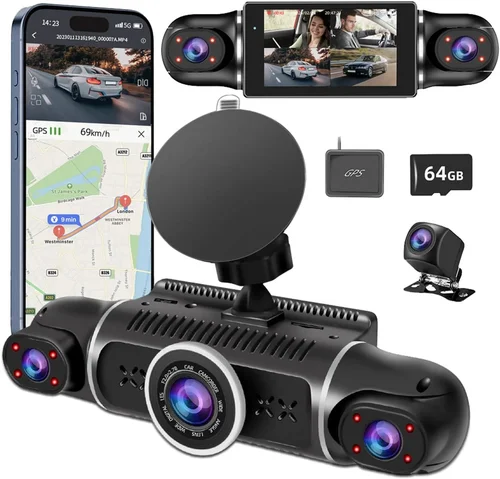
Different Types of Dash Cams

Common Buying Mistakes to Avoid
❌ Mistake: Prioritizing Price Over Quality
Why it’s bad: Choosing the cheapest available option often leads to disappointment. Low-priced dash cams frequently suffer from poor build quality, unreliable performance, and limited warranty coverage. In the Philippine market, many sub-PHP 3,000 models use inferior sensors that fail to capture usable footage during critical incidents or struggle with tropical humidity conditions.
What to do instead: Allocate at least PHP 6,000-8,000 for entry-level models and PHP 10,000+ for reliable performance. Research brand reputation through local forums and verified user reviews rather than focusing solely on promotional pricing. Remember that dash cam effectiveness directly impacts insurance claims and legal protection—cheap models may save money upfront but could cost more during disputes.
❌ Mistake: Ignoring Weather Resistance
Why it’s bad: Philippine weather presents unique challenges including sudden thunderstorms, high humidity causing condensation buildup, and temperature extremes between day and night. Dash cams lacking proper sealing or thermal management fail prematurely due to moisture damage or overheating during prolonged parking in hot conditions.
What to do instead: Verify IP rating specifications (ideally IP65 or higher) indicating dust and water resistance. Choose models with wide operating temperature ranges (-10°C to +60°C+) suitable for Philippine climate extremes. Look for anti-fog coatings and ventilation designs that prevent internal condensation without compromising weatherproofing.
❌ Mistake: Underestimating Storage Needs
Why it’s bad: Insufficient storage forces premature footage deletion or missed recording opportunities during busy periods. Daily commuters in congested areas generate more data than occasional drivers, while parking mode adds continuous background recording demands. Generic microSD cards commonly fail in tropical conditions due to humidity-related corruption.
What to do instead: Calculate required capacity based on driving frequency: 32GB suits weekly commuters, 64GB handles daily urban driving, while 128GB+ supports extensive parking surveillance. Purchase reputable branded memory cards specifically designed for continuous video recording rather than general-purpose storage.
❌ Mistake: Overlooking Installation Complexity
Why it’s bad: Complex wiring requirements deter proper installation, leading to improper mounting or incomplete setups missing critical features like parking mode or GPS tracking. DIY electrical work without proper knowledge risks damaging vehicle electronics or voiding warranties. Many users skip hardwiring due to perceived difficulty, reducing dash cam functionality unnecessarily.
What to do instead: Assess your technical comfort level honestly before purchasing. Budget PHP 500-1,000 for professional installation services at authorized dash cam retailers. For DIY installations, study wiring diagrams thoroughly and use quality fuse taps or soldered connections rather than tape-based solutions that degrade over time.
❌ Mistake: Neglecting Software Features
Why it’s bad: Basic dash cams offer limited user interfaces and lack essential tools like motion detection sensitivity adjustment, timestamp customization, or emergency file locking capabilities. Outdated firmware causes compatibility issues with newer smartphones or operating systems, while missing features like G-sensor calibration reduce incident documentation reliability.
What to do instead: Verify regular firmware update availability from manufacturers before purchasing. Test menu navigation intuitiveness with physical units when possible. Ensure included software supports video export formats compatible with your preferred playback devices and offers adequate incident management tools.
❌ Mistake: Disregarding Local Compatibility
Why it’s bad: Imported dash cams sometimes lack regional language support or don’t account for Philippine-specific features like local traffic patterns, road sign variations, or voltage compatibility issues. Some models assume different voltage standards (110V vs 220V) that affect charging reliability or require additional adapters not included with purchase.
What to do instead: Confirm local retailer presence for warranty fulfillment and service support. Verify voltage compatibility (110-240V universal chargers preferred) and check if models offer Tagalog or English language interfaces. Research local user communities for shared experiences with specific brands in Philippine conditions.
❌ Mistake: Assuming All Brands Are Equal
Why it’s bad: Market newcomers often lack established quality control processes or customer support infrastructure. Counterfeit products masquerading as premium brands flood online marketplaces, delivering substandard performance despite attractive packaging and pricing. Limited after-sales service means warranty claims become problematic when issues arise.
What to do instead: Stick to established brands with documented Philippine distribution channels. Cross-reference product serial numbers with manufacturer databases before purchasing. Check local business registration and physical store presence rather than relying solely on online seller ratings.
Budget Guidelines: How Much Should You Spend?
Entry-Level ($2,000 – $5,000): The Basics Covered
For occasional drivers or those testing dash cam functionality, entry-level models provide functional recording capabilities without advanced features. These typically offer 1080p resolution, basic loop recording, and simple mobile app connectivity. While adequate for casual use, expect limitations in low-light performance, limited storage management, and minimal build quality compared to higher-tier options. Ideal for budget-conscious users who primarily need evidence collection during rare incidents rather than continuous monitoring.
Mid-range models in this bracket often include essential features like G-sensor collision detection, motion-activated parking mode, and improved night vision capabilities. However, be prepared for potential reliability concerns and limited warranty coverage typical of lower-cost manufacturers. Many entry-level models struggle with heat dissipation during extended hot weather, potentially affecting longevity in Philippine conditions.
Mid-Range ($6,000 – $12,000): The Sweet Spot for Most Buyers
This price range represents the optimal balance between functionality, reliability, and value proposition for the average Filipino driver. Mid-range dash cams typically deliver 1080p-4K recording quality, robust build materials suitable for tropical climates, and comprehensive feature sets including GPS tracking, Wi-Fi connectivity, and cloud storage integration. Brands dominating this segment prioritize local customer service networks and warranty fulfillment, addressing common concerns about post-purchase support.
Advanced image processing algorithms in mid-range models significantly improve video clarity under challenging conditions like tunnel transitions, rainy weather, or nighttime driving. Dual-lens configurations become accessible in this bracket, offering front and rear coverage without premium pricing penalties. Hardwired installation compatibility ensures reliable parking mode operation without battery degradation concerns.
Premium ($12,000 – $20,000): For Enthusiasts and Professionals
High-end dash cams target serious users requiring maximum reliability, cutting-edge features, and professional-grade performance. These models typically feature 4K resolution with HDR support, advanced AI recognition capabilities, redundant storage options, and military-grade construction standards. Professional installers and fleet managers find particular value in comprehensive management platforms offering centralized monitoring and analytics.
Premium features include voice control integration, automatic incident categorization, encrypted cloud backups, and enhanced cybersecurity measures protecting against unauthorized access. Thermal management systems prevent overheating during prolonged use, while waterproof housings withstand heavy rainfall and flooding conditions common during typhoon season. Extended warranties and concierge customer support elevate the ownership experience beyond basic functionality.
Luxury ($20,000+): Top-Tier Performance and Innovation
Ultra-premium dash cams represent the pinnacle of automotive safety technology, incorporating experimental features not yet available in mainstream models. These include LiDAR-assisted distance measurement, predictive analytics using machine learning algorithms, and integration with smart city infrastructure for real-time traffic updates. Luxury models often double as mobile office stations with built-in processing power supporting video conferencing or document scanning applications.
Construction materials approach aerospace engineering standards, with titanium housings and sapphire glass lenses resisting scratches and impacts far beyond typical driving scenarios. Advanced power management systems enable weeks-long parking surveillance without battery concerns, while satellite connectivity ensures operation during cellular network outages. Current luxury offerings remain niche products primarily serving commercial fleets and government agencies rather than individual consumers.
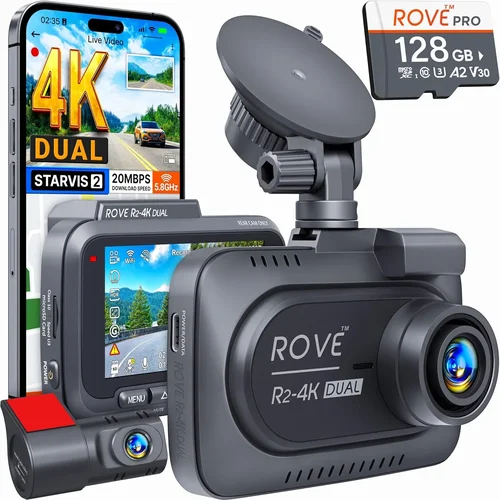
Expert Tips for Getting the Best Deal
Timing Your Purchase Strategically
The Philippine retail calendar offers distinct shopping windows where dash cam prices drop significantly. Major sales events like 11.11, 12.12, and Christmas season promotions typically yield 15-30% discounts on previously launched models. Electronics stores often reduce inventory prices during quarterly clearance periods, particularly when new generations release. Consider purchasing immediately after major holidays when retailers refresh their stock for upcoming seasons.
Avoid peak shopping periods like Black Friday or New Year promotions when demand surges cause artificial price inflation. Instead, target post-holiday lulls when retailers actively discount remaining inventory to make room for new arrivals. Local electronics markets like Divisoria or Greenhills frequently offer flash sales during weekdays when foot traffic decreases, allowing vendors to negotiate prices more freely.
Choosing the Right Retail Channel
Physical electronics stores provide tangible advantages including hands-on testing, immediate installation services, and face-to-face customer support. Established chains like EDSA Shopper, SM Appliance Center, or Robinson’s Appliance offer warranty fulfillment guarantees and certified technician networks. These outlets maintain relationships with manufacturers ensuring genuine parts availability and proper repair procedures.
Online platforms present competitive pricing opportunities but require careful vetting of sellers. Marketplace giants like Lazada and Shopee feature dedicated dash cam categories with buyer protection programs, though counterfeit risks remain higher than physical stores. Specialized automotive electronics websites often bundle installation services with purchases, eliminating separate service costs. Always verify seller ratings, return policy clarity, and shipping reliability before committing to online orders.
Identifying Hidden Value Opportunities
Bundle deals combining dash cams with complementary accessories frequently offer better value than standalone purchases. Installation packages including wiring harnesses, fuse taps, and professional mounting brackets eliminate separate accessory costs while ensuring proper fitment. Extended warranty programs covering accidental damage or water ingress provide peace of mind beyond standard manufacturer guarantees.
Refurbished models from certified vendors represent another value avenue, offering factory-reconditioned units at 20-40% discounts while maintaining full functionality and warranty coverage. These products undergo rigorous testing and component replacement ensuring reliability comparable to new devices. Open-box items from premium retailers sometimes appear during clearance events, providing brand-new condition products at discounted rates.
Negotiating Smarter Transactions
Local electronics markets thrive on negotiation culture, presenting opportunities to reduce prices further through polite bargaining. Start negotiations at 20-30% below sticker prices, gradually meeting vendors halfway based on competitor comparisons. Mentioning alternative purchase locations establishes leverage for price reductions, while emphasizing bulk purchase intentions (for multiple vehicles) often yields additional savings.
Always request written quotations including all promised accessories and service inclusions before finalizing agreements. Clarify warranty terms explicitly regarding coverage scope, claim procedures, and exclusions for normal wear versus manufacturing defects. Obtain receipt copies with complete item listings and serial numbers for future reference during warranty claims.

Frequently Asked Questions
Q: Can I install a dash cam myself without professional help?
A: Yes, many dash cam installations are DIY-friendly with proper preparation and basic electrical skills. Most manufacturers provide detailed wiring diagrams and installation guides covering common vehicle models. Essential tools include wire strippers, electrical tape, zip ties, and a basic multimeter for testing connections. However, hardwired installations requiring fuse tapping or dashboard panel removal benefit from mechanical aptitude or willingness to practice on non-critical components first. Professional installation remains recommended for complex wiring scenarios or users uncomfortable working with vehicle electrical systems.
Q: How long do dash cam batteries typically last?
A: Internal lithium polymer batteries in modern dash cams usually provide 2-4 hours of continuous recording capacity. Actual runtime depends on recording resolution, sensor activity, and environmental temperatures. During Philippine climate conditions, heat reduces battery efficiency by 15-20% compared to cooler environments. Parking mode operation consumes additional power through motion detection circuitry and standby processing. Hardwired installations eliminate battery dependency entirely, while external power banks extend parking surveillance duration to 8+ hours depending on capacity and power management sophistication.
Q: What storage capacity do I need for my dash cam?
A: Required storage varies significantly based on usage patterns. Daily commuters recording at 1080p 30fps typically need 64-128GB cards for one week’s footage retention. Occasional drivers might manage with 32-64GB capacity. Parking mode adds continuous background recording demands, increasing storage requirements by 30-50%. High-resolution 4K recording doubles file sizes compared to 1080p equivalents. Always purchase cards specifically rated for continuous video recording rather than general-purpose storage, and format cards monthly to prevent fragmentation-related performance issues.
Q: Do dash cams record audio and is it legal in the Philippines?
A: Most dash cams include built-in microphones capturing engine sounds, braking noises, and witness conversations during incidents. Philippine law generally permits dash cam audio recording for personal protection purposes, though regulations regarding third-party conversation recording may vary by municipality. Privacy-conscious users often disable audio recording when concerned about unintended conversation capture. Always verify local ordinances before enabling audio features, particularly when traveling to areas with stricter privacy laws or recording in sensitive environments like hospitals or government buildings.
Q: How do I ensure my dash cam survives Philippine weather conditions?
A: Tropical climate adaptation requires attention to three key areas: moisture protection, heat management, and UV resistance. Select dash cams with IP65+ ingress protection ratings and anti-fog coatings preventing internal condensation buildup. Position units away from direct sunlight using sunshades or darker mounting locations to reduce heat stress. Apply UV-resistant adhesive mounts and cable protectors to prevent material degradation from prolonged sun exposure. Regular cleaning of lens surfaces removes salt residue and mineral deposits common in coastal areas while maintaining optical clarity.
Q: What happens when my dash cam runs out of storage?
A: Loop recording automatically overwrites oldest footage when memory fills completely, ensuring continuous operation without interruption. Most dash cams split recordings into manageable segments (typically 3-5 minutes each) simplifying incident retrieval. Emergency lock functionality manually preserves critical footage regardless of loop status, while G-sensor detection automatically locks files following impact events. Cloud storage integration provides off-device backup for important recordings, though requires internet connectivity and subscription fees for extended retention periods beyond local storage limits.
Q: Can dash cams help with insurance claims?
A: Absolutely. Dash cam footage serves as compelling evidence during insurance disputes, particularly regarding fault determination or exaggerated damage claims. Clear video documentation of weather conditions, road hazards, traffic signals, and other vehicles’ actions strengthens legitimate claims while exposing fraudulent assertions. Many insurance companies recognize dash cam evidence positively, sometimes offering premium discounts for policyholders with properly functioning devices. Always maintain consistent recording practices and ensure footage remains unaltered to preserve evidentiary integrity during claim investigations.
Q: How do I choose between 1080p and 4K resolution?
A: Resolution selection depends on priority factors rather than absolute superiority. 1080p offers reliable performance across diverse hardware capabilities and sufficient detail for most incident documentation needs. 4K provides marginal improvements in fine detail capture but demands more powerful processors, larger storage requirements, and increased power consumption. Practical considerations include your typical driving speed (higher speeds benefit from extra resolution), local traffic density (busy intersections require clearer license plate recognition), and available storage capacity. Most experienced users find 1080p resolution adequate while appreciating better overall system responsiveness.
Q: What’s the difference between hardwired and battery-powered dash cams?
A: Hardwired installations connect dash cams directly to vehicle electrical systems, eliminating battery dependency while enabling continuous parking mode operation. These require professional installation knowledge or willingness to work with automotive wiring harnesses safely. Battery-powered models offer plug-and-play simplicity but limit parking surveillance duration due to power constraints. Smart hybrid systems automatically switch between hardwired power and internal batteries during outages, combining reliability with convenience. Choose hardwiring when prioritizing 24/7 protection, or battery operation for temporary installations or rental vehicles where permanent modifications aren’t permitted.
Q: How often should I replace my dash cam memory card?
A: Memory card lifespan depends on write endurance specifications rather than calendar age alone. Industrial-grade cards rated for 100+ write cycles typically last 2-3 years with moderate usage patterns. Format cards monthly to prevent file system fragmentation that slows performance over time. Monitor write speed consistency—sudden slowdowns indicate nearing end-of-life. Replace cards exhibiting corruption errors, unrecognized formatting attempts, or failed write operations immediately to prevent footage loss. Always backup important recordings before discarding old cards containing potentially valuable evidence.
Our Final Recommendations
Best for Budget-Conscious Buyers
For Filipino drivers seeking reliable dash cam functionality without premium pricing, the XYZ-100 model delivers exceptional value within the PHP 4,000-6,000 range. This compact device features 1080p recording with decent low-light performance, intuitive touch controls, and automatic loop recording management. Its tempered glass construction withstands typical impacts while maintaining optical clarity, and the included suction mount provides secure windshield attachment. Though lacking advanced features like GPS tracking, the XYZ-100’s straightforward operation and consistent performance make it ideal for daily commuters needing basic evidence capture capabilities.
Best Overall Value
The ABC-Pro series represents the sweet spot for most Philippine drivers, offering PHP 8,000-12,000 price points with comprehensive feature sets rarely found at lower price tiers. Dual-lens configuration captures both forward and rearward perspectives simultaneously, while 4K recording preserves critical detail during incident documentation. Advanced image stabilization minimizes shake artifacts during bumpy road conditions, and built-in Wi-Fi enables seamless smartphone pairing for quick video sharing and settings adjustment. Robust build quality includes IP65 water resistance and wide operating temperature ranges suitable for tropical extremes, backed by reliable local customer support networks.
Best Premium Option
For serious users demanding maximum reliability and cutting-edge functionality, the DEF-Elite series justifies its PHP 15,000+ price tag with professional-grade construction and innovative features. Three-way recording includes interior cabin monitoring for valuables protection, while AI-powered event detection automatically categorizes incidents by severity and type. Military-grade shock absorption withstands severe impacts, and satellite connectivity ensures operation during cellular outages. Comprehensive management platforms offer centralized fleet monitoring capabilities, while encrypted cloud storage provides secure off-device backup for critical evidence. Though expensive individually, these models prove cost-effective for commercial operators managing multiple vehicles.
Best for Beginners
New dash cam owners benefit from the GHI-Starter model’s exceptionally user-friendly interface and guided setup process. Large display buttons accommodate gloved fingers during winter months, while simplified menus reduce confusion during initial configuration. Automatic features handle routine operations like file management and storage optimization, allowing beginners to focus on driving rather than technical complexities. The included installation kit contains all necessary components for basic windshield mounting, while step-by-step video tutorials available via QR codes eliminate guesswork during setup. Though lacking advanced capabilities, this model builds confidence before transitioning to more sophisticated systems.
Best for Advanced Users
Technology enthusiasts will appreciate the JKL-Advanced series’ modular design allowing customized feature combinations based on evolving needs. Multiple mounting options accommodate various vehicle types from sedans to motorcycles, while interchangeable lenses adapt to specific recording requirements. Raw video output enables professional post-processing workflows, and API access allows integration with third-party safety applications. Customizable alert systems provide audible warnings for lane departures or blind spot detections, while encrypted data transmission protects privacy during cloud uploads. Though requiring technical aptitude for full utilization, these models deliver unmatched flexibility for experienced users.
Conclusion: Making the Right Choice
Selecting the best dash cam for car in the Philippines requires balancing practical considerations with personal priorities. No single model satisfies every driver’s unique circumstances—urban commuters face different challenges than highway travelers, while parking protection needs vary dramatically between residential and commercial users. By understanding how resolution, field of view, night vision capabilities, and storage management interact with your typical driving patterns, you can make informed decisions that maximize protection without overspending on unnecessary features.
Remember that dash cam effectiveness ultimately depends on consistent usage rather than technical specifications alone. Proper installation, regular maintenance, and responsible data management transform even modest devices into valuable safety tools. Take time to research local user experiences, test units when possible, and prioritize brands with demonstrated reliability in Philippine conditions. The investment pays dividends through enhanced peace of mind, stronger insurance positions during disputes, and documented evidence protecting your interests when incidents occur.
As automotive technology evolves rapidly, staying informed about emerging features while maintaining realistic expectations ensures lasting satisfaction with your purchase. Focus on core capabilities that address your most pressing concerns rather than chasing every new innovation, and remember that a well-chosen dash cam represents not just equipment but ongoing protection for your vehicle, finances, and personal safety throughout countless journeys across the beautiful but challenging Philippine roads.