Expert Dash Cam Buying Guide for Philippines
In the Philippines, where traffic can be unpredictable and road conditions vary dramatically from urban chaos to rural hazards, having a reliable dash cam isn’t just convenient—it’s essential. Whether you’re navigating Manila’s notorious gridlock, avoiding potholes on remote highways, or simply want peace of mind knowing your driving is recorded, choosing the right dash cam can make all the difference. With countless models flooding local markets—both online and in physical stores—finding the best dash cam for car in the Philippines has become more challenging than ever.
This comprehensive guide cuts through the noise to help Filipino drivers make informed decisions. You’ll learn exactly what features matter most for your specific needs, understand how local factors like climate and traffic patterns affect performance, and discover which brands offer the best value in the Philippine market. By the end, you’ll know precisely what to look for, avoid common pitfalls, and confidently select a dash cam that delivers clear evidence when you need it most.
The Philippine dash cam market is booming, driven by rising awareness of road safety and insurance claims. From budget-friendly options under PHP 3,000 to premium systems exceeding PHP 15,000, there’s something for every driver. However, not all dash cams perform equally well under tropical heat, heavy rain, or dusty roads. Many imported models fail to meet local expectations due to inadequate support, lack of compatibility with Philippine power outlets, or poor build quality that doesn’t withstand humidity and sudden temperature shifts. Understanding these nuances ensures you get a device that works reliably day after day—not just during initial testing.

What to Look for When Buying Dash Cams
1. Budget & Price Range
Why it matters: Your budget determines access to critical features like night vision, GPS tracking, and loop recording capabilities. In the Philippines, dash cams typically range from PHP 1,500 for basic models to over PHP 12,000 for advanced units.
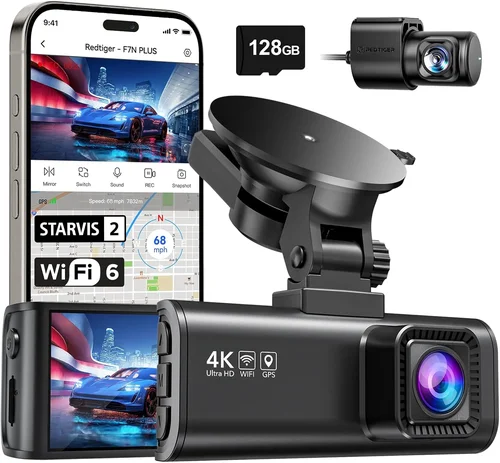
What to expect: Entry-level dash cams (PHP 1,500–3,500) offer essential front-only recording with limited resolution. Mid-range models (PHP 4,000–8,000) include dual cameras, G-sensor auto-saving, and better low-light performance. Premium units (PHP 9,000+) feature 4K recording, built-in GPS, parking mode, and cloud connectivity—ideal for commercial drivers or those seeking maximum protection.
2. Performance Specifications
Why it matters: Technical specs directly impact video quality and reliability under real-world Philippine driving conditions.
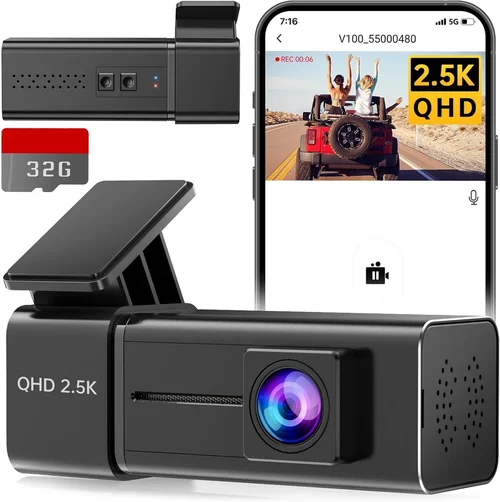
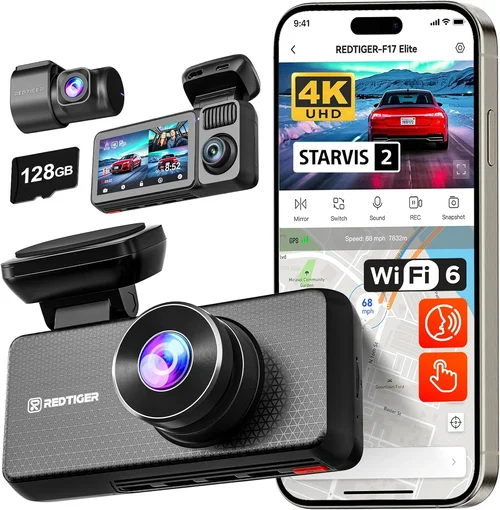
Resolution: Aim for at least 1080p Full HD. While some claim 4K, most Philippine dash cams labeled as “4K” actually record at 2.5K or lower. For clarity in accidents or disputes, choose a model with true 1080p or higher.
Frame Rate: 30fps is standard; 60fps captures motion more smoothly but reduces recording time per file. Higher frame rates are beneficial for highway speeds common in Luzon expressways.
Field of View (FOV): A 120°–140° FOV strikes a balance between coverage and distortion. Wider angles (>170°) may capture more but often suffer fish-eye effects that compromise license plate readability.
Night Vision: Critical in the Philippines where many roads are poorly lit. Look for wide dynamic range (WDR), infrared LEDs, or starlight sensors. Avoid models without adequate night vision—they produce grainy footage unusable as evidence.
3. Build Quality & Durability
Why it matters: Philippine roads demand robust hardware capable of surviving heat, humidity, dust, and vibrations.
Materials: Polycarbonate or aluminum housings resist impacts better than plastic. Waterproof seals prevent moisture ingress during sudden downpours—common during typhoon season.
Heat Resistance: Dashboard temperatures in Philippine cars can exceed 60°C. Ensure your dash cam operates reliably between -20°C to +70°C. Cheap models may shut down or corrupt files in extreme heat.
Vibration Resistance: Quality mounting brackets and shock-absorbing designs minimize dislodging on bumpy roads, especially in jeepneys or motorcycles adapted as taxis.
4. Features & Functionality
Why it matters: Advanced features enhance usability, evidence preservation, and user experience.
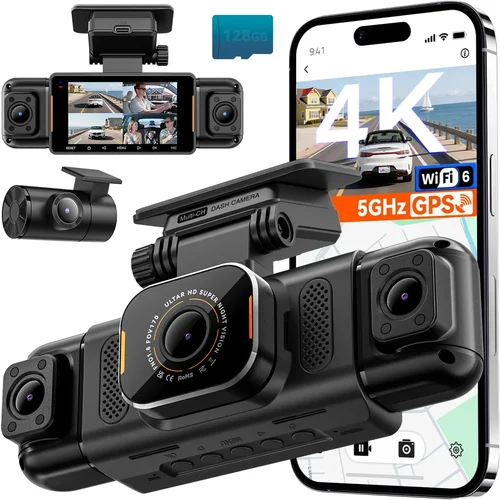
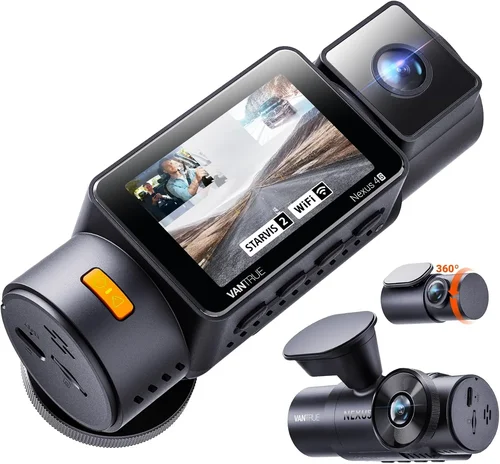
- Dual Recording: Front and rear cameras provide complete coverage—essential if hit from behind or sides. Rear cameras are often sold separately.
- Loop Recording: Automatically overwrites old footage when storage fills up, ensuring continuous operation without manual intervention.
- G-Sensor: Detects collisions or hard braking and locks footage to prevent accidental deletion. Crucial for legal protection.
- Parking Mode: Monitors your vehicle while parked using motion or impact detection. Requires hardwiring for continuous power—avoid battery-only versions that drain car batteries overnight.
- GPS Tracking: Embeds location and speed data into videos. Useful for fleet managers or verifying alibis.
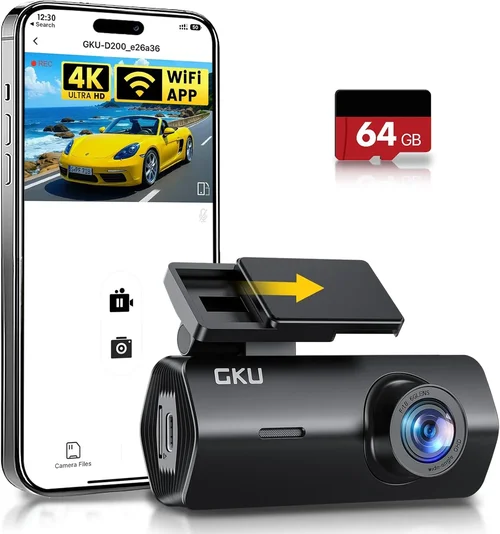
- Wi-Fi/App Control: Allows wireless downloading and configuration via smartphone apps—convenient for managing settings or sharing clips instantly.
- Voice Control: Hands-free operation while driving improves safety, though voice recognition may struggle with Tagalog/English mix.
5. Brand Reputation
Why it matters: Established brands offer better reliability, firmware updates, and customer service—especially important in the Philippines where warranty claims can be complex.
Trusted Local Brands: While international brands dominate, several Philippine retailers now assemble or distribute locally supported models under recognizable names like Autonet, BlackVue (authorized dealers), and Road Guardian.
Import Risks: Generic Chinese-branded devices sold via Lazada or Shopee may lack after-sales support. Always verify seller reputation and return policies before purchasing.
Customer Service: Choose brands with local service centers or responsive email/phone support. Check Facebook groups or forums for real user experiences—many buyers report long delays or refusal of warranty claims for imported units.
6. Warranty & Support
Why it matters: Hardware failures are inevitable. A solid warranty protects your investment and ensures quick replacements.
Standard Coverage: Most reputable brands offer 1–2 years of warranty covering manufacturing defects. Premium models may include extended warranties or roadside assistance.
Claim Process: Clarify whether repairs require shipping overseas (time-consuming) or if local technicians handle issues. Some brands offer free return-to-base services within Metro Manila.
Software Updates: Regular firmware updates improve performance and fix bugs. Avoid brands that abandon products after six months.
7. Size & Portability
Why it matters: Compact designs reduce visual obstruction and fit better in smaller vehicles.
Form Factor: Ultra-thin models (under 1 cm thick) sit flush with windshields. Stick-on mounts work well but may lose adhesion in hot weather. Suction cup bases offer flexibility but risk falling off during sharp turns.
Mounting Options: Flexible gooseneck arms allow precise angle adjustment. Magnetic mounts are convenient but less secure for high-speed travel.
8. User Reviews & Ratings
Why it matters: Real-world feedback reveals hidden flaws and performance quirks not mentioned in ads.
Where to Check: Monitor reviews on Shopee, Lazada, and trusted tech blogs like TechPinas or Rappler Gadgets. Pay attention to recent comments—older positive reviews may reflect outdated firmware or untested conditions.
Red Flags: Consistent complaints about overheating, false alarms in parking mode, or poor customer service should raise concerns. Beware of overly generic five-star ratings—some sellers inflate scores.
Different Types of Dash Cams

Common Buying Mistakes to Avoid
❌ Mistake: Prioritizing Low Price Over Quality
Why it’s bad: The cheapest dash cam often fails within weeks due to overheating, poor image processing, or unreliable storage. In the Philippines, where temperatures soar and roads are rough, durability is non-negotiable.
What to do instead: Allocate at least PHP 3,500 for a reliable unit. Invest in proven brands with good local reviews rather than chasing deals on unknown sellers.
❌ Mistake: Ignoring Night Vision Capabilities
Why it’s bad: Many Philippine roads lack proper lighting, especially during rush hour or rural commutes. A dash cam with weak night vision produces blurry footage that courts or insurers won’t accept.
What to do instead: Test night performance if possible. Read reviews mentioning low-light clarity. Opt for models with WDR and infrared LEDs.
❌ Mistake: Choosing Battery-Powered Models Without Hardwiring
Why it’s bad: Internal batteries degrade quickly in tropical climates and rarely last through long drives. Without hardwiring, your dash cam stops working once the battery dies—leaving you vulnerable.
What to do instead: Only consider battery-powered units if you plan to replace the battery frequently. Otherwise, choose a model compatible with hardwiring kits (available for PHP 500–1,000).
❌ Mistake: Overlooking Storage Requirements
Why it’s bad: MicroSD cards fill up fast—especially with loop recording enabled. If you forget to swap cards regularly, critical footage gets overwritten immediately.
What to do instead: Buy a dash cam that supports high-capacity cards (up to 256GB). Set reminders to back up and delete old files weekly. Use Class 10 or U3 rated cards for smooth recording.
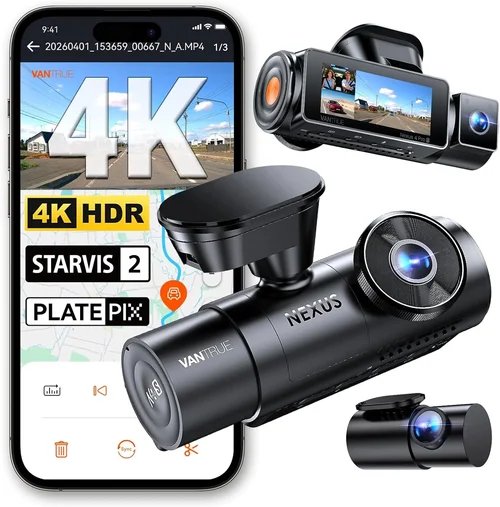
❌ Mistake: Assuming All 4K Dash Cams Are Equal
Why it’s bad: Many “4K” models in the Philippines actually record at 1080p or use software upscaling that degrades quality. True 4K is rare and expensive locally.
What to do instead: Verify actual resolution through independent reviews or manufacturer specs. Focus on real-world video samples rather than marketing terms.
❌ Mistake: Skipping Parking Mode Testing
Why it’s bad: False alarms in parking mode drain your car battery overnight. Some models trigger constantly due to vibrations from passing trucks or stray animals.
What to do instead: Test sensitivity levels before finalizing purchase. Choose adjustable motion detection zones to ignore non-threats.
❌ Mistake: Buying Without Checking Compatibility
Why it’s bad: Power adapters, mounts, and accessories vary by brand. A universal mount might not fit your windshield angle or obstruct your view.
What to do instead: Confirm compatibility with your vehicle model. Purchase starter kits that include everything needed for installation.
Budget Guidelines: How Much Should You Spend?
Entry-Level Dash Cams (PHP 1,500 – 3,500)
What to expect: Basic front-only recording at 1080p, simple loop recording, and minimal features. Ideal for casual drivers who occasionally need evidence for minor incidents. Avoid these if you drive frequently or park in high-risk areas. Most units in this range lack G-sensors or night enhancement—critical for reliability.
Mid-Range Dash Cams (PHP 4,000 – 8,000)
The sweet spot for most drivers: Includes dual recording, G-sensor, decent night vision, and reliable build quality. Perfect for daily commuters, families, and small business owners. Units like the Autonet Mico 5 or BlackVue DR970GW-1CH fall here. This tier offers the best balance of features and durability for Philippine roads.
Premium Dash Cams (PHP 9,000 – 15,000)
For enthusiasts and professionals: Features 4K recording (where available), advanced GPS tracking, cloud connectivity, superior low-light performance, and extended warranties. Best for taxi drivers, delivery services, or those who frequently file insurance claims. Examples include the Thinkware U1000 or Viofo A119 Pro.
Luxury Dash Cams (PHP 15,000+)
Top-tier performance: Military-grade durability, AI-enhanced object detection, emergency SOS buttons, and professional-grade audio recording. Rare in the Philippine market but worth considering for commercial fleets or high-net-worth individuals seeking ultimate protection.
Expert Tips for Getting the Best Deal
- Buy During Sales Events: Major shopping festivals like Lazada Super Brand Day or Shopee 9.9 Super Shopping offer discounts up to 50%. Timing your purchase around these events maximizes savings.
- Compare Across Platforms: Prices vary between Shopee, Lazada, and physical electronics stores like SM Appliance or Digital Walker. Check all three before committing.
- Verify Seller Credentials: On e-commerce platforms, prioritize sellers with high ratings (>4.8 stars), verified purchases, and responsive customer service. Avoid new accounts with no reviews.
- Ask About Return Policies: Ensure you can test the dash cam for at least 7 days. Some sellers refuse returns if the box is opened or the card is formatted—clarify terms upfront.
- Test Before Installing Permanently: Use temporary suction mounts to check placement and visibility before drilling or gluing anything. Adjust angles to avoid blocking airbags or mirrors.
- Negotiate Accessories: Request free items like extra cables, adhesive pads, or replacement mounts. Even small gifts add up and improve usability.
- Register Your Product Immediately: Activate warranty online or via SMS to ensure coverage starts from day one. Keep proof of purchase safe for insurance purposes.

Frequently Asked Questions
Q: Do I really need a dash cam in the Philippines?
A: Absolutely. With rising insurance fraud, hit-and-runs, and disputed liability cases, dash cam footage is increasingly accepted as legal evidence. It also deters aggressive drivers and helps document road hazards like unmarked potholes.
Q: Can I install a dash cam myself?
A: Yes, most models come with step-by-step instructions and universal mounts. Hardwiring requires basic tools and electrical knowledge—consider professional installation if unsure. DIY saves PHP 200–500 per vehicle.
Q: How much storage space do I need?
A: Plan for at least 64GB. At 1080p/30fps, one hour of footage uses ~2GB. Swap cards every 2–3 days or set up automatic backups via Wi-Fi to avoid losing evidence.
Q: Will a dash cam damage my car’s electronics?
A: No—if properly hardwired using fuse taps or direct connections. Avoid connecting to aftermarket alarm systems unless advised by an expert. Always disconnect negative terminals first during installation.
Q: Are dash cams legal in the Philippines?
A: Yes. Unlike some countries, the Philippines allows dash cam usage without restrictions. However, never obstruct the driver’s view or record inside private property without consent.
Q: What happens if my dash cam runs out of memory?
A: With loop recording enabled, the oldest files automatically overwrite new ones. Ensure this setting is activated so continuous monitoring continues uninterrupted.
Q: Should I buy a front-only or dual-camera system?
A: Dual cameras are strongly recommended. They eliminate blind spots and protect against rear-end collisions—common in Philippine traffic. Start with a front camera and add a rear later if budget allows.
Q: How do I choose between brands like BlackVue, Thinkware, and Autonet?
A: BlackVue excels in cloud integration and app control; Thinkware offers superior image processing; Autonet provides excellent local support and affordability. Match features to your priorities—not just brand name.
Q: Can I use my dash cam while charging my phone?
A: Only if the dash cam has a USB output port (rare). Most models draw power solely from the car battery via hardwiring. Never rely on dash cam ports for phone charging—it drains both devices.
Q: What if my dash cam stops working after monsoon rains?
A: Check for water damage indicators (usually red dots). If tripped, contact warranty service immediately. Avoid opening the casing yourself—moisture exposure voids most warranties.
Our Final Recommendations
Best for Budget-Conscious Buyers
Autonet Mico 4 (PHP 2,800–3,200)
A solid choice offering 1080p recording, decent night vision, and reliable loop recording. Known for consistent performance across Philippine weather. Includes a suction mount and 32GB card. Limited to front-only recording but sufficient for most casual drivers.
Best Overall Value
BlackVue DR970GW-1CH (PHP 7,500–8,500)
Though slightly pricier, its cloud connectivity, superb image quality, and trusted brand make it worthwhile. Works seamlessly with BlackVue’s mobile app for live viewing and playback. Ideal for regular travelers or those wanting future-proof technology.
Best Premium Option
Thinkware U1000 (PHP 12,000–14,000)
Delivers near-perfect video clarity with advanced HDR and superior low-light handling. Includes emergency backup battery and professional-grade audio recording. Best for professionals needing courtroom-ready evidence.
Best for Beginners
Road Guardian RG-500 (PHP 3,800–4,500)
User-friendly interface, easy setup, and includes a rear camera option. Offers GPS tracking and Wi-Fi connectivity at a reasonable price. Excellent starter kit for first-time buyers.
Best for Advanced Users
Viofo A119 Pro 2 (PHP 6,500–7,500)
Features 4K recording (at 30fps), dual-channel support, and strong parking mode functionality. Compact design fits discreetly on any dashboard. Popular among tech enthusiasts and delivery riders.
Conclusion: Making the Right Choice
Choosing the best dash cam for your car in the Philippines isn’t about grabbing the shiniest gadget—it’s about finding a reliable partner that captures clear, trustworthy evidence when every second counts. Consider your driving habits, budget constraints, and local challenges like monsoons or chaotic intersections. Prioritize features that matter most: night vision, durability, and ease of use over flashy extras you’ll never activate.
Remember, even the most expensive dash cam fails if improperly installed or poorly maintained. Take time to test placement, format storage cards correctly, and back up footage regularly. And always buy from reputable sources with transparent warranties—because when disputes arise, your peace of mind depends on more than just pixels on a screen.
Invest wisely, drive safely, and let technology work for you—not against it. With the right dash cam, you’re not just protecting yourself; you’re contributing to safer roads for everyone in the community.