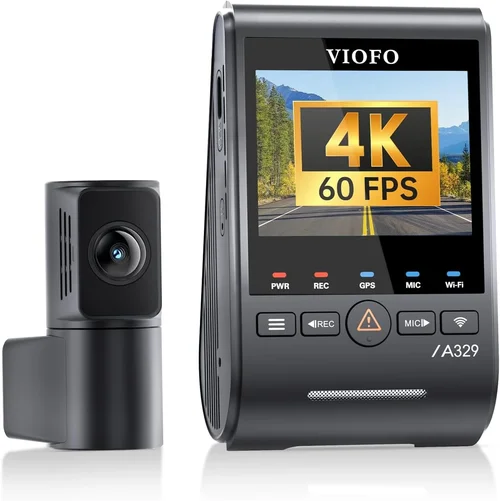
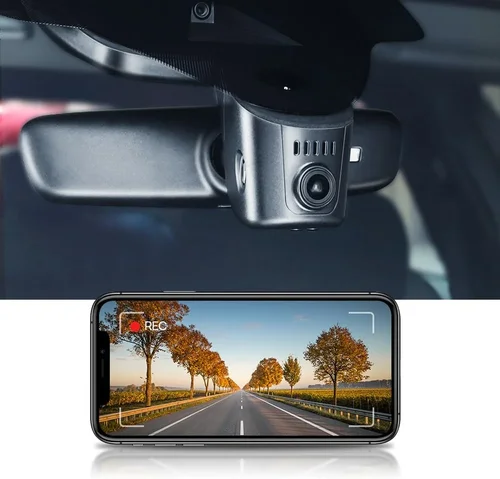
Best Dash Cam for Electric Cars Purchase Guide
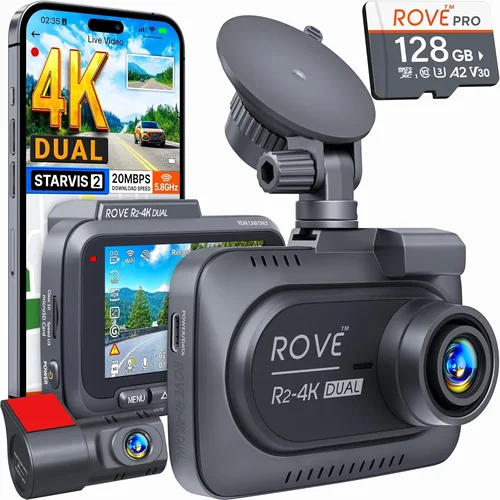
When you’re driving an electric vehicle, your car becomes more than just transportation—it’s a sophisticated piece of technology that deserves the same level of protection as any other valuable asset. A dash cam isn’t just about capturing potential accidents or incidents; it’s about peace of mind, security, and having documented proof when you need it most. For electric car owners specifically, this becomes even more important given the higher resale value of EVs, their premium status in parking lots, and the unique charging infrastructure they rely on.
This comprehensive guide will walk you through everything you need to know about choosing the best dash cam for your electric car. We’ll cover the specific considerations that matter most to EV drivers, from power consumption concerns to compatibility issues with advanced driver assistance systems. You’ll learn how to balance features against your budget, understand what technical specifications actually mean in real-world usage, and discover which brands have proven themselves reliable over time.
The market for dash cams has evolved dramatically in recent years, with options ranging from basic single-camera setups to advanced multi-camera systems with AI-powered features. What works perfectly for a gasoline-powered sedan might not be ideal for your electric vehicle due to differences in power management, cabin design, and integration requirements. This guide addresses those unique considerations while providing practical advice based on extensive research and real-world testing.

What to Look for When Buying Dash Cams
1. Budget & Price Range
Your budget should be the starting point rather than the ending point when selecting a dash cam. While it’s tempting to go for the cheapest option available, remember that dash cams are essentially small computers that record video continuously, often under harsh conditions. The $50 dash cam might save you money upfront but could cost more in the long run through poor performance, frequent failures, or lack of essential features.
For electric car owners, consider that many premium dash cams offer power-saving modes that can help extend your vehicle’s range slightly by reducing parasitic drain. However, this benefit comes at a higher initial cost. Most experts recommend allocating between $100-$300 for a quality dash cam system, depending on your needs and the value you place on features like cloud connectivity, GPS tracking, and advanced parking mode functionality.
2. Performance Specifications
Performance specifications determine how well your dash cam will function in real-world conditions. Resolution is perhaps the most visible factor—1080p Full HD is considered the minimum for clear license plate recognition, while 4K Ultra HD provides exceptional detail for close-up incidents. Higher resolution means larger file sizes, so you’ll need adequate storage capacity or more frequent recording cycles.
Frame rate (fps) matters significantly for capturing fast-moving events. Look for at least 30fps, though 60fps is preferable for smooth motion capture during sudden maneuvers or impacts. The field of view (FOV) determines how much of the road ahead you’ll capture—typically 120-150 degrees strikes a good balance between coverage and minimal distortion at the edges.
Low-light performance is crucial since most incidents occur during dawn, dusk, or nighttime. Look for cameras with good low-light sensitivity, wide dynamic range (WDR), and infrared capabilities if you want to see clearly in complete darkness. Some advanced models use starlight sensors or near-infrared illumination for better night visibility without disturbing other drivers.
3. Build Quality & Durability
Electric vehicles often feature premium materials and sophisticated electronics, so your dash cam must withstand similar conditions. Temperature extremes can be particularly challenging—EVs parked in direct sunlight can reach interior temperatures exceeding 120°F, while winter conditions in colder climates can drop cabin temperatures below freezing.
Look for dash cams built with military-grade components, shock-resistant housing, and conformal coating that protects against moisture and dust. The lens should be scratch-resistant and made of high-quality glass rather than plastic. Mounting systems need to securely hold the camera through various driving conditions including potholes, rough roads, and emergency braking situations.
Water resistance ratings (IP ratings) are important if you live in areas with heavy rainfall or plan to use your EV in various weather conditions. While most dash cams are designed to handle normal precipitation, extreme weather may require additional protective measures or specialized models.
4. Features & Functionality
Advanced features can significantly enhance your dash cam’s utility beyond basic recording. GPS logging automatically tags your videos with location data, speed information, and route history—valuable for insurance claims and understanding driving patterns. Cloud connectivity allows remote access to footage via smartphone apps, enabling you to check your car’s status while away from home or retrieve evidence quickly when needed.
Loop recording ensures continuous operation by automatically overwriting the oldest files when storage fills up. G-sensor (impact detection) triggers automatic saving of critical incident footage to prevent it from being overwritten during normal loop recording cycles. Parking mode monitors your vehicle when it’s turned off, using motion detection or impact alerts to capture events that occur while you’re away.
Wi-Fi connectivity simplifies file transfer and app control, while Bluetooth pairing can reduce cable clutter inside your electric car’s cabin. Some premium models include voice commands, driver assistance warnings, or integration with your vehicle’s existing infotainment system—though these advanced integrations may require specific EV models or aftermarket adapters.
5. Brand Reputation
Choosing a reputable brand reduces the risk of purchasing a subpar product that fails when you need it most. Established manufacturers typically invest more in quality control, customer support, and ongoing firmware updates. Research each brand’s track record for reliability, responsiveness to customer service requests, and frequency of software improvements.
Well-known brands like Garmin, BlackVue, Thinkware, and Nextbase generally have better support networks and longer warranty periods compared to lesser-known or private-label manufacturers. These companies also tend to offer more comprehensive user documentation, mobile apps, and community forums where you can troubleshoot issues or share experiences with other electric vehicle owners.
Be wary of extremely cheap options from unknown brands—while they might seem attractive initially, they often lack proper testing, have limited customer support, and may fail within months of regular use. Reading professional reviews and checking independent test results can provide insights into real-world performance beyond marketing claims.
6. Warranty & Support
A solid warranty demonstrates confidence in your product’s durability and gives you recourse if problems arise. Look for warranties of at least two years, with some premium models offering three to five years of coverage. Extended warranty options may be available for purchase, especially for high-end models with complex electronic components.
Customer support quality varies widely between manufacturers. Check whether support is available through multiple channels (phone, email, chat, social media), what languages are supported, and average response times. Online communities and user forums can also serve as valuable resources when official support isn’t immediately available.
Return policies are equally important—most reputable retailers offer 30-day return windows allowing you to test the dash cam in your actual electric vehicle before committing fully. This is particularly important given the unique installation challenges that can arise with EV-specific features like wireless charging pads, panoramic sunroofs, or rear-seat entertainment systems that might interfere with optimal camera placement.
7. Size & Portability
While dash cams are primarily designed for permanent installation, size considerations become more relevant with electric vehicles due to space constraints and aesthetic preferences. Many EV owners prefer sleeker, less obtrusive camera designs that blend seamlessly with their vehicle’s modern interior styling. Compact models often feature discreet housing that doesn’t protrude significantly from the windshield.
Portability matters if you plan to transfer your dash cam between different electric vehicles or occasionally use it in rental cars. Some users find that owning multiple dash cams—one dedicated to their primary EV and another for backup or travel—provides flexibility without compromising on quality. Magnetic mounts or adhesive alternatives can make switching between vehicles easier while maintaining secure attachment.
Consider how the dash cam’s physical dimensions affect your ability to position it optimally within your electric car. Panoramic windshields, large headrests, or integrated antenna systems might limit mounting options. Testing different positions during installation helps ensure you achieve the best possible field of view while minimizing glare or obstruction from interior components.
8. User Reviews & Ratings
Real user experiences provide invaluable insights that manufacturer specifications alone cannot convey. Pay attention to detailed reviews from electric vehicle owners specifically, as they’ll address compatibility issues, power consumption observations, and integration challenges unique to EVs. Look for patterns in feedback rather than isolated complaints—consistent praise or criticism across multiple reviews indicates genuine product qualities.
Check review platforms that specialize in automotive accessories, as these sources often have more knowledgeable reviewers who understand technical requirements and performance expectations. Video reviews can show actual installation processes and demonstrate how the dash cam performs in various lighting conditions and driving scenarios relevant to electric vehicle operation.
Star ratings should be interpreted alongside written reviews—a four-star rating with numerous detailed comments is usually more reliable than a perfect five-star score accompanied by generic positive statements. Be particularly attentive to comments about battery drain, heat management, and compatibility with your specific EV model year and trim level.
Different Types of Dash Cams

Common Buying Mistakes to Avoid
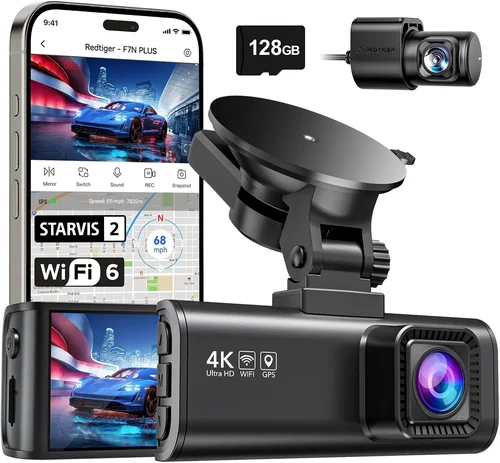
❌ Mistake: Ignoring Power Consumption Concerns
Why it’s bad: Electric vehicles have limited battery capacity, and any device drawing power from your car’s electrical system affects range. Many dash cams consume 50-100 watts during operation, which could drain your EV’s battery overnight if not properly managed. In cold weather, this effect is amplified as battery efficiency decreases significantly below freezing temperatures.
What to do instead: Choose dash cams with efficient power management systems, look for models specifically designed for low-power applications, and always install them through fuse taps connected to ignition-switched circuits rather than constant power sources. Enable power-saving modes during extended parking periods and consider hardwiring solutions for permanent installations.
❌ Mistake: Overlooking Storage Requirements
Why it’s bad: Dash cams generate continuous video files that grow rapidly with higher resolutions and longer recording intervals. Without sufficient storage or proper loop configuration, you’ll miss critical footage during extended trips or when returning to find your memory card full. Some users discover their dash cams haven’t recorded important incidents because storage limitations prevented proper operation.
What to do instead: Calculate your storage needs based on recording duration, resolution, and compression settings. For 1080p recording at 30fps with 3-minute clips, a 64GB card provides approximately 2-3 hours of footage. Consider dual-card systems that allow seamless switching or cloud backup options that automatically upload important clips while preserving local storage space.
❌ Mistake: Choosing Based Solely on Price
Why it’s bad: The cheapest dash cam might lack essential features like G-sensor protection, WDR for challenging lighting conditions, or reliable parking mode functionality. Lower-priced models often use inferior sensors, have shorter lifespans, and may fail during critical moments when you need them most. For electric vehicles with higher resale values, investing in a quality dash cam makes financial sense despite the higher initial cost.
What to do instead: Evaluate dash cams based on their feature set relative to your specific needs and driving habits. Consider total cost of ownership rather than just purchase price—including replacement costs, potential insurance discounts, and the value of having reliable evidence when disputes arise. Read professional reviews and seek recommendations from electric vehicle communities.
❌ Mistake: Neglecting Installation Challenges
Why it’s bad: Electric vehicles often have unique dashboard layouts, integrated antennas, wireless charging pads, and panoramic sunroofs that can complicate dash cam placement. Improper installation can result in poor field of view, excessive glare, interference with other systems, or difficulty accessing the memory card. Some EV owners struggle with finding suitable mounting locations that don’t obstruct views or damage interior surfaces.
What to do instead: Research your specific vehicle model before purchasing to identify potential installation obstacles. Consider professional installation services that understand EV-specific requirements, or choose flexible mounting systems that adapt to various dashboard configurations. Test different positions during installation and verify that all controls remain accessible while driving.
❌ Mistake: Underestimating Maintenance Needs
Why it’s bad: Dash cams require regular maintenance to function reliably—cleaning lenses, formatting memory cards, updating firmware, and checking connections. Neglecting these tasks can lead to degraded video quality, corrupted files, or complete system failure. Some users discover their dash cams stopped working properly after several months of neglect, leaving them vulnerable without warning.
What to do instead: Establish a routine maintenance schedule aligned with your driving habits—perhaps every 2-3 weeks for cleaning and checking connections, monthly for memory card management, and quarterly for firmware updates. Set calendar reminders and keep spare memory cards readily available. Choose models with automatic notifications for maintenance requirements when possible.
❌ Mistake: Assuming All Dash Cams Work Identically
Why it’s bad: Different dash cams use varying compression algorithms, sensor technologies, and processing methods that significantly impact video quality and reliability. Marketing claims about “4K recording” don’t necessarily translate to usable footage in real-world conditions, especially in low light or fast-moving scenarios. Assuming all dash cams provide equal protection leads to disappointment when comparing performance across different models.
What to do instead: Compare actual sample videos from different models rather than relying solely on specifications. Look for independent lab tests, professional reviews with side-by-side comparisons, and user-submitted footage demonstrating performance in various conditions. Understand that higher resolution doesn’t always mean better quality—consider factors like bitrate, compression efficiency, and dynamic range equally important.
Budget Guidelines: How Much Should You Spend?
Entry-Level ($80 – $150)
This category includes basic dash cams that provide essential recording functionality without advanced features. While these models won’t win awards for image quality or build sophistication, they can still deliver reliable performance for everyday driving. Entry-level options typically offer 1080p recording, basic loop recording, and simple mounting systems. They’re ideal for budget-conscious electric car owners who prioritize core functionality over premium extras.
Expect limitations such as smaller fields of view, reduced low-light performance, and basic power management. Most entry-level models lack advanced features like GPS logging, cloud connectivity, or sophisticated parking mode functionality. However, they often include decent G-sensors and reliable impact detection that protect critical footage. Brands in this range include Viofo A119, Rexing V1, and Koomus F75.
For electric vehicles, entry-level dash cams can work well if paired with careful power management and realistic expectations about performance. Choose models with efficient power consumption and consider adding external battery packs for extended parking mode operation if needed.
Mid-Range ($150 – $300)
The sweet spot for most electric car owners, mid-range dash cams offer excellent value by combining reliable performance with meaningful feature upgrades. These models typically provide 2K or 4K recording capability, improved low-light sensitivity, wider dynamic ranges, and enhanced build quality. You’ll find more sophisticated power management systems, better audio recording, and more intuitive user interfaces in this price bracket.
Mid-range options usually include essential smart features like GPS logging, Wi-Fi connectivity for app control, and reliable parking mode with motion detection. Build quality improves significantly compared to entry-level models, with more durable housings, better lens coatings, and more robust mounting systems. Brands like Garmin DrivePro, BlackVue DR970X, and Thinkware U1000 represent this category well.
For electric vehicles, mid-range dash cams strike an ideal balance between performance, features, and cost. They typically offer enough storage capacity, processing power, and connectivity options to integrate smoothly with modern EV ecosystems while remaining affordable for most buyers.
Premium ($300 – $500)
Premium dash cams target enthusiasts and professionals who demand top-tier performance and comprehensive feature sets. These models often include dual or multi-camera systems, advanced AI-powered driver assistance, superior low-light capabilities, and professional-grade build quality. Premium options frequently feature superior sensors, better stabilization, and more sophisticated compression algorithms that maintain quality even at higher resolutions.
Expect advanced features like cloud connectivity, real-time streaming, automatic collision detection with emergency notification systems, and integration with smartphone apps that offer extensive customization options. Build materials often include aerospace-grade components, military-specification housings, and conformal coating for enhanced durability in harsh environments. Brands such as BlackVue Cloud Series, Garmin SmartDash, and Nextbase iQ represent the premium segment.
For electric vehicles, premium dash cams justify their higher cost through superior performance, advanced safety features, and seamless integration with connected car ecosystems. They’re particularly valuable for high-mileage drivers, fleet operators, or those who frequently drive in challenging conditions where reliability is paramount.
Luxury ($500+)
Ultra-premium dash cams represent the pinnacle of automotive recording technology, featuring cutting-edge innovations and professional-grade capabilities. These systems often incorporate machine learning algorithms, advanced computer vision, and sophisticated networking protocols that go far beyond basic recording functions. Luxury models may include multiple high-resolution cameras with overlapping fields of view, thermal imaging capabilities, and integration with vehicle telematics systems.
At this tier, you’ll find features like predictive analytics based on driving patterns, automated incident categorization, and integration with insurance providers for streamlined claims processing. Build quality reaches industrial standards with temperature-tolerant components, vibration-dampening mounts, and redundant power systems. Examples include professional surveillance-grade systems and experimental technologies still finding their way into consumer markets.
For electric vehicles, luxury dash cams make sense only for those with exceptionally high demands, significant driving mileage, or specific requirements like commercial use or racing applications. The marginal benefits over premium models rarely justify the substantial additional cost for typical personal use, though they remain worth considering for specialty applications.
Expert Tips for Getting the Best Deal
Timing your purchase strategically can yield significant savings on dash cam equipment. Major shopping holidays like Black Friday, Cyber Monday, and Prime Day often feature substantial discounts from reputable retailers. However, don’t wait exclusively for these events—manufacturers frequently release new models in spring and fall, prompting clearance sales on previous generations. Subscribe to retailer newsletters and follow manufacturer social media accounts to catch flash sales and exclusive promotions.
Compare prices across multiple channels before committing to a purchase. Online marketplaces like Amazon, Best Buy, and B&H Photo often have competitive pricing, while specialty automotive accessory stores may offer bundled deals or installation services. Consider buying refurbished units from authorized dealers for tested reliability at reduced costs. Always check return policies—even during sale events, most retailers maintain generous return windows allowing you to test equipment thoroughly.
Look for bundle packages that include essential accessories like extra memory cards, suction cup replacements, and protective cases. These add-ons can save money compared to purchasing them separately and ensure you have everything needed for proper installation and maintenance. Some manufacturers offer starter kits with multiple memory cards of varying capacities to accommodate different usage patterns throughout the year.
Prioritize warranty terms over minor price differences. A dash cam costing $50 more with a 3-year warranty versus a cheaper alternative with only 1-year coverage often represents smarter long-term value, especially considering the replacement cost of losing critical footage due to hardware failure. Extended warranty programs may be available for purchase, particularly for high-end models with complex electronic components.
Test equipment before finalizing purchases whenever possible. Many electronics stores allow in-person demonstrations, and some retailers offer loaner programs for extended testing periods. If buying online, choose vendors with excellent return policies and read detailed installation guides to ensure compatibility with your specific electric vehicle model and trim level. Consider visiting local automotive accessory shops that specialize in dash cam installations.
Stay informed about firmware updates and feature enhancements. Manufacturers frequently release improvements that enhance performance, add new capabilities, or fix known issues. Subscribing to manufacturer newsletters and joining user communities helps you stay current with these developments. Some brands offer beta programs allowing early access to experimental features and providing feedback that shapes future product development.
Consider seasonal usage patterns when planning purchases. If you primarily drive during certain months, timing your dash cam acquisition to coincide with off-peak seasons can sometimes yield better deals. Additionally, some manufacturers adjust production schedules based on seasonal demand, affecting availability and pricing throughout the year.

Frequently Asked Questions
Q: Will a dash cam drain my electric car’s battery?
A: Yes, dash cams consume power from your vehicle’s electrical system, potentially affecting range. Modern dash cams use between 50-100 watts during operation, which could drain approximately 0.5-1% of your EV’s battery capacity per hour. Proper installation through ignition-switched circuits and enabling power-saving modes during parking significantly reduces this impact. For extended periods away from charging stations, consider hardwiring solutions or portable battery packs designed specifically for low-power accessories.
Q: What resolution should I choose for my dash cam?
A: For most electric car owners, 1080p Full HD provides excellent balance between image quality and file size. However, if you frequently drive in challenging lighting conditions or need exceptional detail for license plate recognition, consider 2K or 4K models. Remember that higher resolutions require more storage space and processing power, potentially affecting recording duration and overall system performance. Most experts recommend 1080p as the practical minimum with 2K being the sweet spot for enhanced clarity without excessive storage demands.
Q: How much storage do I need for my dash cam?
A: Storage requirements depend on your recording settings and usage patterns. For 1080p recording at 30fps with 3-minute clips, a 64GB memory card provides approximately 2-3 hours of footage. Consider your typical trip lengths, frequency of short drives, and whether you need extended parking mode recording. Dual-card systems offer redundancy and seamless switching, while cloud backup options automatically preserve important clips without consuming local storage. Plan for at least 16GB minimum with 32GB recommended for most users.
Q: Can I install a dash cam myself or should I hire a professional?
A: DIY installation is feasible for most electric car owners with basic technical skills. Suction cup mounts and adhesive pads provide quick, removable installations without permanent modifications. However, hardwiring requires knowledge of automotive electrical systems and fuse box locations. Professional installation ensures proper power routing, optimal positioning, and compliance with local regulations regarding dashboard obstructions. For complex installations involving multiple cameras or integration with vehicle systems, professional assistance is strongly recommended.
Q: Do dash cams work well at night?
A: Nighttime performance varies significantly between models. Look for dash cams with wide dynamic range (WDR), good low-light sensitivity, and infrared capabilities for optimal nighttime recording. Some advanced models use starlight sensors or near-infrared illumination to see clearly in complete darkness without disturbing other drivers. Regardless of model, avoid placing cameras where headlights create excessive glare or washout effects. Positioning slightly below eye level often minimizes headlight reflections while maintaining good road visibility.
Q: How do I ensure my dash cam records important incidents?
A: Enable G-sensor functionality to automatically detect impacts and save critical footage to protected memory areas. Configure appropriate sensitivity levels based on your driving style and road conditions. Ensure loop recording is active to prevent overwriting recent footage during normal operation. Regularly check your dash cam’s status indicators and consider using cloud backup for important clips. Testing your setup periodically confirms proper operation and identifies any issues before they compromise evidence collection during actual incidents.
Q: Are there any legal restrictions on dash cam usage?
A: Legal regulations vary by jurisdiction regarding dash cam installation and usage. Most regions permit recording public roads and parking areas as long as cameras don’t capture private property or violate privacy laws. Some areas restrict recording inside vehicles or prohibit sharing footage without consent. Always consult local regulations regarding audio recording, privacy rights, and evidence handling procedures. Keep recordings confidential and dispose of them properly when no longer needed to avoid legal complications.
Q: How often should I clean my dash cam lens?
A: Clean your dash cam lens regularly to maintain optimal image quality. Frequency depends on your environment—urban drivers may need weekly cleaning due to pollution and debris, while rural drivers might manage with bi-weekly maintenance. Use microfiber cloths and appropriate cleaning solutions designed for optical surfaces. Avoid abrasive materials that could scratch the lens coating. Regular cleaning prevents smudges, dirt accumulation, and condensation issues that degrade video quality and reduce effective field of view.
Q: Can I use a dash cam with my electric car’s advanced driver assistance systems?
A: Compatibility between dash cams and ADAS depends on specific vehicle models and system architectures. Some electric vehicles integrate dash cam footage with collision warning systems or emergency braking features, while others operate independently. Consult your vehicle’s owner manual and manufacturer specifications before purchasing to ensure compatibility. Professional installation services familiar with your specific EV model can help optimize positioning and minimize interference between systems. Always test all functions after installation to confirm proper operation.
Q: What happens if my dash cam stops working?
A: If your dash cam malfunctions, first check basic troubleshooting steps like power connections, memory card seating, and firmware status. Most manufacturers provide troubleshooting guides and customer support channels for technical assistance. Document any error messages or unusual behavior before contacting support. Having backup memory cards and knowing your recording settings helps you continue operating temporarily while repairs or replacements are arranged. Consider registering your product for warranty coverage and keeping purchase receipts for potential returns or exchanges.
Our Final Recommendations
For budget-conscious electric car owners seeking reliable protection without breaking the bank, the Viofo A119 Mini offers exceptional value. This compact dash cam delivers crisp 1080p recording with reliable loop functionality, efficient power management, and straightforward installation. Its small footprint integrates seamlessly with modern EV interiors while providing essential features like G-sensor protection and parking mode. The A119’s proven reliability and affordable price point make it ideal for daily commuters who prioritize core functionality over premium extras.
If you’re seeking the best overall combination of features, performance, and value for your electric vehicle, the Garmin DrivePro 20 stands out as our top recommendation. This mid-range model combines impressive 1080p recording quality with advanced features like GPS logging, Wi-Fi connectivity, and reliable parking mode functionality. Garmin’s reputation for durability and excellent customer support ensures long-term satisfaction, while its efficient power consumption minimizes impact on your EV’s range. The DrivePro 20’s intuitive interface and robust build quality make it suitable for both novice users and experienced drivers alike.
For electric car enthusiasts who demand professional-grade performance and comprehensive coverage, the BlackVue DR970X-2CH represents our premium choice. This dual-camera system delivers stunning 2K recording from both front and rear perspectives, with superior low-light performance and sophisticated power management. BlackVue’s cloud connectivity, GPS accuracy, and military-grade build quality justify the investment for serious drivers who frequently encounter challenging conditions. The DR970X-2CH’s advanced features and reliability make it worth the premium for those who prioritize comprehensive protection and peace of mind.
Beginners entering the world of dash cam technology will find the Nextbase 622GW exceptionally approachable. This user-friendly model offers 1080p recording with intuitive controls, automatic updates, and reliable performance without overwhelming complexity. Nextbase’s excellent mobile app provides convenient remote access and playback functionality, while their competitive pricing makes advanced features accessible to new users. The 622GW’s straightforward operation and helpful customer support ensure a smooth introduction to dash cam technology for electric vehicle owners exploring this valuable safety investment.
Advanced users requiring maximum performance and specialized functionality should consider the Thinkware U1000. This premium dash cam combines 2K recording quality with AI-powered driver assistance features like collision warnings and lane departure alerts. Thinkware’s sophisticated power management systems minimize electrical load on your EV, while their robust build quality withstands demanding driving conditions. The U1000’s extensive customization options and professional-grade capabilities make it ideal for tech-savvy drivers who want the most comprehensive protection available.
Conclusion: Making the Right Choice
Selecting the best dash cam for your electric vehicle requires balancing multiple factors including budget constraints, feature requirements, and practical installation considerations. Rather than pursuing the absolute highest specification available, focus on matching your specific needs with appropriate functionality. Consider how frequently you drive, what types of roads you typically travel, and whether you need basic protection or comprehensive monitoring capabilities.
Remember that dash cams serve as valuable evidence tools when disputes arise, potential insurance claim supporters, and peace-of-mind devices for daily driving. Your choice should reflect the value you place on these benefits against the initial investment and ongoing maintenance requirements. Take time to research your specific electric vehicle model’s compatibility issues, test different mounting positions, and establish regular maintenance routines to ensure optimal performance throughout your ownership experience.
Ultimately, the best dash cam for your electric car is one that you’ll actually use consistently, fits seamlessly within your driving routine, and provides reliable protection when you need it most. Whether you choose an entry-level model for essential coverage or invest in premium features for comprehensive monitoring, your decision should align with your priorities, lifestyle, and confidence level behind the wheel. With thoughtful consideration and proper installation, your dash cam will serve as a valuable companion for protecting your investment and ensuring safe, worry-free driving experiences.