How to Choose the Best Dash Cam for Your Car
Why This Guide Matters
In today’s complex automotive landscape, having a reliable dash cam isn’t just a convenience—it’s a practical necessity for protecting yourself, your vehicle, and your peace of mind. Whether you’re commuting through busy city streets, navigating winding mountain roads, or simply want to document your journeys, the right dash cam can provide crucial evidence in insurance claims, prove your innocence in traffic disputes, or simply capture beautiful scenery. However, with dozens of options flooding the market, each boasting impressive specifications and features, choosing the perfect dash cam for your specific needs can feel overwhelming.
This comprehensive guide is designed to cut through the marketing hype and technical jargon to help you make an informed decision. You’ll learn exactly what factors matter most, how different types of dash cams compare, common pitfalls to avoid, and how to find the best value within your budget. By the end of this article, you’ll have all the knowledge needed to select a dash cam that perfectly balances performance, reliability, and affordability for your driving lifestyle.
Understanding the Current Market Landscape
The dash cam market has evolved dramatically over the past decade, transitioning from simple single-camera setups to sophisticated multi-sensor systems with advanced AI capabilities. Today’s consumers face an overwhelming array of choices, ranging from budget-friendly models under $50 to professional-grade systems exceeding $500. The market now offers specialized categories including dual-camera systems, 360-degree coverage, wireless connectivity, cloud storage integration, and even dash cams with built-in GPS and emergency collision detection.
What sets modern dash cams apart is their convergence of automotive safety technology with consumer electronics innovation. Many now feature loop recording, automatic file management, impact detection, parking surveillance modes, and smartphone app integration. Some even offer voice control, night vision enhancement, and real-time traffic data overlay. As these technologies continue to advance at a rapid pace, understanding which features truly matter versus which are merely marketing gimmicks becomes increasingly important for making smart purchasing decisions.
Key Factors to Consider When Buying Dash Cams
Budget & Price Range
Your budget should be the starting point for your research rather than the limiting factor. While it’s tempting to go for the cheapest option available, remember that dash cams represent an investment in your vehicle’s security and your personal protection. Entry-level models typically range from $30-$80 and offer basic functionality with limited resolution and minimal additional features. Mid-range options ($80-$150) provide better image quality, more robust build materials, and essential extras like G-sensor for automatic video saving. Premium models ($150-$300+) deliver superior recording capabilities, advanced driver assistance features, and professional-grade durability.
Consider your usage patterns and risk exposure when determining your appropriate budget tier. If you primarily drive in urban areas with high theft rates or frequently park in unsecured locations, investing in a mid-to-premium model with parking mode capabilities makes sense. Conversely, if you only use your dash cam occasionally for scenic drives or weekend trips, a basic model may suffice. Always factor in ongoing costs like memory cards and potential replacement parts when evaluating total cost of ownership.
Performance Specifications
Image quality forms the absolute foundation of any dash cam’s effectiveness. Look for cameras with at least 1080p Full HD resolution, though 2K and 4K models are becoming increasingly common in the mid-to-high price ranges. Resolution directly impacts license plate readability, which can be crucial evidence in accident scenarios. Beyond raw resolution, consider the camera’s sensor quality, aperture size (measured in f-stops), and low-light performance capabilities.
Frame rate matters significantly too—30fps is standard, but 60fps provides smoother motion capture and better detail during fast-moving incidents. The field of view (FOV) determines how much of the road ahead you can record; wider angles (typically 120-150 degrees) capture more surroundings but may introduce distortion at the edges. A balanced FOV of around 130 degrees usually offers the best compromise between coverage and image clarity.
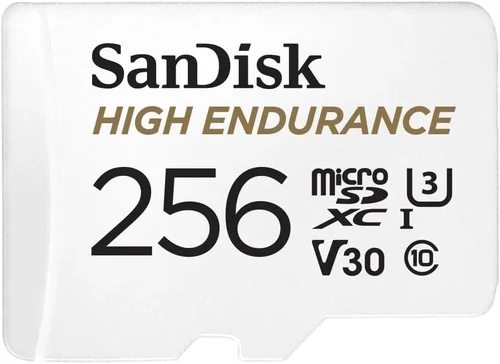
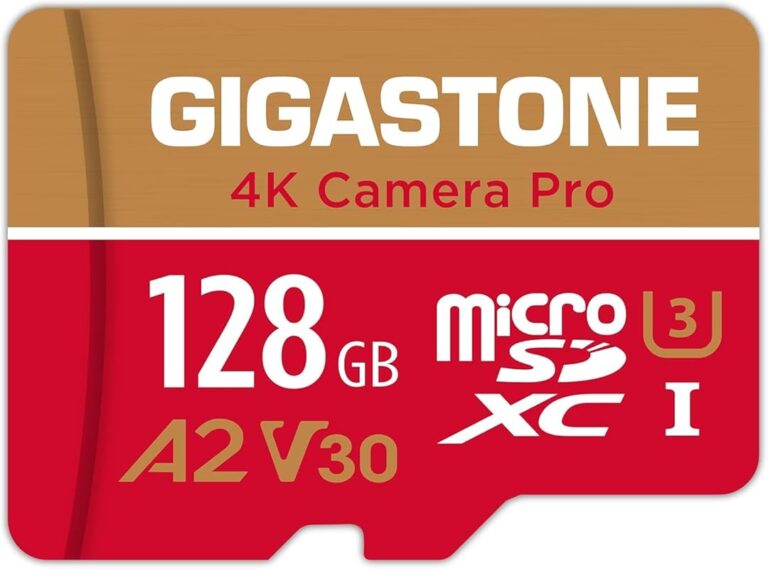
Storage capacity requirements vary based on recording duration and compression format. Most dash cams use microSD cards, with Class 10 cards being the minimum recommendation. Built-in storage is rare and generally insufficient for practical use, so always plan for removable media. Loop recording automatically overwrites older files when storage fills up, ensuring continuous operation without manual intervention.
Build Quality & Durability
Dash cams endure extreme conditions—direct sunlight, freezing temperatures, vibrations from rough roads, and potential impacts from accidents. High-quality models feature shock-resistant housings, heat-resistant components, and secure mounting systems that won’t detach during sudden stops or collisions. Look for IP rating certifications indicating dust and water resistance, though most dash cams don’t require full waterproofing since they’re mounted internally.
Mounting mechanisms deserve special attention. Suction cup mounts work well on glass surfaces but can lose grip in hot weather or after prolonged sun exposure. Permanent adhesive mounts provide superior stability but require careful positioning and removal. Some premium models offer magnetic mounting systems that allow quick attachment and removal while maintaining strong hold integrity.
Power supply reliability is equally critical. Hardwired installations using fuse taps or direct wiring ensure uninterrupted operation, especially for parking mode functionality. Battery-powered models offer convenience but require frequent recharging and may drain your car’s battery if left connected overnight. Always verify compatibility with your vehicle’s electrical system before committing to hardwiring.
Features & Functionality
Advanced features should enhance usability rather than complicate operation. Automatic incident detection via G-sensors saves relevant footage automatically when sudden movements or impacts occur—this is arguably the most valuable safety feature beyond basic recording. Parking surveillance modes use motion detection or time-lapse recording to monitor your vehicle while unattended, though these functions typically require hardwiring to prevent battery drain.
Voice control capabilities allow hands-free operation during driving, reducing distraction risks. GPS tracking records location data and speed information that can supplement video evidence with precise timestamps and coordinates. Wi-Fi connectivity enables wireless transfer of videos to smartphones or tablets, eliminating the need for physical card removal. Some models even offer cloud storage integration for remote access and backup.
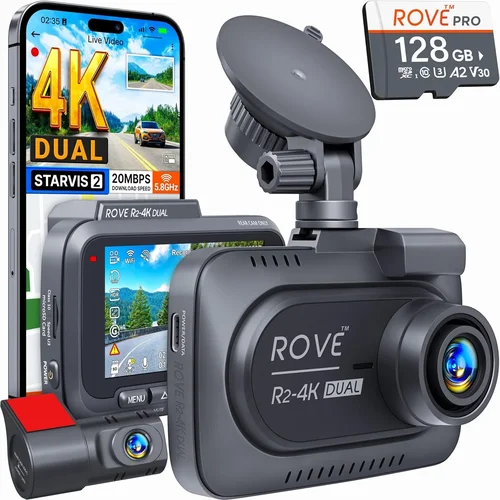
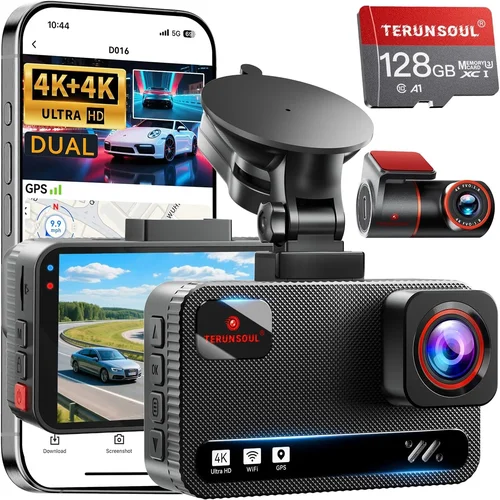
Night vision enhancement through infrared LEDs or enhanced low-light sensors ensures usable footage during dawn, dusk, or nighttime driving conditions. Advanced processing algorithms reduce noise and improve clarity in dark environments. Dual-channel systems capture both front and rear views simultaneously, providing complete situational awareness—ideal for backing into tight spaces or navigating complex intersections.
Brand Reputation & Reliability
Established brands with proven track records offer greater confidence in long-term reliability and customer support. Companies like Garmin, Blackvue, Thinkware, and Nextbase have built solid reputations through consistent product quality and responsive service networks. Research user forums, professional reviews, and independent testing results before making your selection.
Avoid ultra-budget brands selling through questionable online retailers unless you’re prepared for potential quality issues and limited warranty coverage. Well-known manufacturers typically invest more in research and development, quality control processes, and customer service infrastructure. Their products undergo rigorous testing and come with documented warranties and repair policies.
Warranty & Support Services
Comprehensive warranty coverage indicates manufacturer confidence in their product’s durability and performance. Look for at least a one-year parts and labor warranty, with some premium brands offering two or three years. Extended warranty options are available for purchase, particularly beneficial for expensive models with specialized components.
Customer support responsiveness varies significantly between brands. Check review sites and user forums for reports about response times, technical expertise, and problem resolution effectiveness. Email support, phone hotlines, and online chat options all contribute to better post-purchase experience. Some manufacturers offer dedicated dash cam support teams with extensive troubleshooting resources.
Size & Portability Considerations
Compact designs minimize visual obstruction while maintaining effective recording capabilities. Ultra-thin models fit flush against windshields without creating excessive glare or distracting reflections. Smaller units also reduce aerodynamic drag and interior cabin clutter. However, extremely compact cameras may sacrifice sensor size or cooling efficiency, potentially impacting image quality.
Portable dash cams offer flexibility for multiple vehicles or temporary installations without permanent modifications. These models typically rely on internal batteries or USB power sources and lack parking mode functionality. They’re ideal for rental cars, occasional use, or as backup systems in addition to primary dash cams.
User Reviews & Ratings Analysis
Real-world user experiences provide invaluable insights beyond manufacturer specifications. Pay attention to recurring complaints about build quality, software bugs, or unexpected limitations. Positive reviews often highlight reliability under stress conditions, ease of installation, and straightforward operation. Be cautious of overly generic or suspiciously glowing reviews that may be artificially generated.
Look for patterns across multiple review platforms—consistently praised features or commonly criticized shortcomings reveal true product strengths and weaknesses. Video demonstrations in reviews help assess actual image quality and interface usability before purchase. Recent reviews carry more weight than older ones, as hardware revisions and firmware updates can significantly alter user experience over time.
Types/Categories Comparison Table
Common Buying Mistakes to Avoid
❌ Mistake: Prioritizing Features Over Practical Needs
Why it’s bad: Many buyers get seduced by flashy specifications like 4K recording or AI recognition features that rarely provide meaningful real-world benefits for typical driving scenarios. These advanced capabilities often come with increased complexity, higher costs, and reduced battery life without corresponding improvements in evidence quality.
What to do instead: Focus on core requirements first—adequate resolution for license plate recognition, reliable incident detection, and sufficient storage capacity. Only consider advanced features if they genuinely address your specific pain points, such as needing rear visibility for parallel parking or requiring GPS tracking for delivery route documentation.
❌ Mistake: Ignoring Installation Requirements
Why it’s bad: Assuming all dash cams work identically regardless of installation method leads to disappointment. Battery-only models may fail to record during extended parking sessions due to battery drain, while hardwired installations require electrical knowledge and void warranties if improperly installed.
What to do instead: Evaluate your technical comfort level and vehicle compatibility before selecting a dash cam type. If unsure about wiring, choose models with reliable battery life or consider professional installation services. Always verify fuse box accessibility and voltage requirements for hardwired setups.
❌ Mistake: Choosing Based Solely on Brand Name
Why it’s bad: Brand recognition doesn’t guarantee optimal performance for your specific use case. Some established companies excel in certain categories while struggling in others, and newer entrants may offer better value through innovative approaches to traditional problems.
What to do instead: Conduct comparative research across multiple brands focusing on objective metrics relevant to your situation. Read independent tests rather than relying solely on marketing materials, and consider seeking advice from automotive professionals or experienced users in similar driving environments.
❌ Mistake: Neglecting Memory Card Compatibility
Why it’s bad: Using incompatible or low-quality memory cards causes recording failures, corrupted files, and premature device failure. Many dash cams specify particular card types or capacities that affect performance significantly.
What to do instead: Purchase recommended memory cards from reputable sources alongside your dash cam. Invest in Class 10 UHS-I cards with good write speeds, and avoid counterfeit products sold through unauthorized channels. Keep spare cards on hand for extended recording needs.
❌ Mistake: Overlooking Software Usability
Why it’s bad: Complex interfaces or poorly designed menus waste time during critical moments when you need quick access to recent footage. Steep learning curves discourage regular use, defeating the purpose of having evidence readily available.
What to do instead: Test interface navigation before purchasing, preferably in-store or through detailed video demonstrations. Look for intuitive menu structures, clear status indicators, and efficient playback controls. Consider models with companion mobile apps for easier video management.
❌ Mistake: Failing to Plan for Ongoing Costs
Why it’s bad: Initial purchase price represents only a fraction of total ownership expenses. Memory card replacements, potential repairs, software updates, and accessory purchases can accumulate quickly if not factored into budget planning.
What to do instead: Calculate expected annual costs including memory card cycling, warranty extensions, and possible replacement parts. Choose durable components that minimize maintenance needs, and select brands with generous return policies for defective items.
❌ Mistake: Assuming All Dash Cams Are Created Equal
Why it’s bad: Treating all dash cams as interchangeable solutions ignores significant differences in build quality, component reliability, and performance characteristics. Subpar models may fail during critical situations when evidence is most needed.
What to do instead: Research real-world reliability data and failure rates rather than relying solely on specifications. Consider professional-grade equipment for demanding applications, and don’t hesitate to spend more for proven durability in harsh conditions.
Budget Guidelines: How Much Should You Spend?
Entry-Level Range ($30 – $80)
These affordable options deliver functional recording capabilities suitable for casual use or secondary vehicles. Expect basic 1080p recording, limited field of view (typically 120-130 degrees), and minimal additional features. Most operate on internal batteries or USB power, though some include basic motion detection for parking surveillance. Build materials tend to be plastic with basic mounting systems. While adequate for occasional recording or rental car protection, entry-level models often lack the robustness needed for daily commuting or demanding environments. Their main advantage lies in zero upfront cost for basic protection, making them accessible for budget-conscious consumers who still want some form of documentation.
Mid-Range Sweet Spot ($80 – $150)
This category represents the optimal balance of features, performance, and value for most drivers. Models in this range typically offer dual-camera configurations (front and rear), improved image stabilization, enhanced low-light performance, and reliable G-sensor incident detection. Recording resolutions generally reach 2K quality, with some models approaching 4K capabilities. Field of view expands to 140-150 degrees, providing better peripheral awareness without excessive distortion. Parking mode functionality becomes standard, usually requiring hardwired installation to prevent battery drain. Build quality improves with better heat dissipation and more durable housing materials. This tier includes many respected brands offering competitive warranties and responsive customer support, making it the logical choice for daily drivers seeking comprehensive protection without premium pricing.
Premium Performance Tier ($150 – $300+)
High-end dash cams target serious drivers, fleet operators, and enthusiasts demanding maximum reliability and advanced capabilities. These systems often feature triple-camera setups, professional-grade image processors, superior night vision with infrared illumination, and sophisticated AI recognition for lane departure warnings or forward collision alerts. Recording resolutions reach 4K with exceptional dynamic range and color accuracy. Advanced connectivity includes dual-band Wi-Fi, Bluetooth pairing, and cloud storage integration with automatic backup. Build quality utilizes aerospace-grade aluminum housings with IP65 dust/water resistance ratings. Professional features like GPS timestamp overlays, emergency SOS buttons, and driver behavior monitoring set these apart from consumer models. While expensive, premium dash cams deliver peace of mind through military-grade durability and forensic-quality evidence capture suitable for legal proceedings.
Luxury/Professional Category ($300+)
Ultra-premium dash cams represent the pinnacle of automotive recording technology, typically found in commercial fleets or used by professional investigators and law enforcement agencies. These systems integrate multiple specialized cameras with overlapping fields of view for complete 360-degree coverage, including interior cabin monitoring and blind spot detection. Advanced processing employs machine learning algorithms for real-time event classification and automated evidence organization. Connectivity options include 5G cellular networks for live streaming and instant uploads, satellite positioning with centimeter-level accuracy, and encrypted cloud storage with multi-factor authentication. Build quality exceeds automotive standards with vibration-dampening mounts, extreme temperature tolerance (-40°F to 185°F), and redundant power systems. Additional luxury features include biometric authentication, predictive maintenance alerts, and integration with vehicle telematics systems. While impractical for most personal use, luxury dash cams offer unmatched protection for high-value assets and critical transportation operations.
Expert Tips & Pro Advice for Getting the Best Deal
Consider seasonal timing beyond major holidays—spring and fall often see clearance events as new models launch. Automotive specialty stores frequently discount previous generation models when introducing updated versions. Sign up for email newsletters from trusted retailers to receive exclusive coupon codes and early access to sales events.
When comparing prices, factor in bundled packages that include memory cards, protective cases, or extended warranties. These add-ons can actually increase overall value despite slightly higher sticker prices. Read the fine print regarding warranty terms and activation requirements—some “free” warranties require registration within 30 days or proof of purchase from authorized dealers.
Research authorized dealer networks before purchasing. Authorized sellers typically receive priority technical support, genuine replacement parts, and valid warranty coverage. Unauthorized resellers may sell refurbished or counterfeit products that void manufacturer warranties and compromise safety.
Test functionality before committing if possible. Many electronics stores allow in-person demos, and some dash cam brands offer loaner programs for evaluation periods. Pay attention to real-world performance rather than laboratory specifications—how does the interface respond under bright sunlight? Is voice command recognition accurate in noisy traffic conditions? Does the mount stay secure during normal driving vibrations?
Verify return policies thoroughly. Most reputable retailers offer 30-day return windows, but restocking fees and condition requirements vary significantly. Electronics retailers often require original packaging and accessories, while specialty automotive shops may accept returns with minor cosmetic wear if the device functions properly.
Consider trade-in programs offered by some manufacturers or retailers. Older dash cams or related electronics may qualify for credit toward new purchases, extending your budget while responsibly disposing of outdated technology.
Read software update policies carefully. Manufacturers that provide regular firmware improvements demonstrate commitment to product longevity and security enhancements. Avoid brands that abandon software support after initial release, as this limits future feature additions and bug fixes.
Join enthusiast communities and forums dedicated to dash cam discussions. Members often share insider information about upcoming releases, hidden features, and unofficial firmware modifications that can significantly enhance functionality. These communities also serve as valuable troubleshooting resources when encountering technical difficulties.
Prioritize brands with demonstrated commitment to cybersecurity. Dash cams with internet connectivity pose potential privacy risks if vulnerable to hacking or unauthorized access. Choose manufacturers that implement encryption protocols, automatic security updates, and transparent data handling practices.
Understand local regulations regarding dash cam usage. While recording public roads is generally legal in most jurisdictions, restrictions may apply to recording private property or capturing identifiable individuals without consent. Compliance with privacy laws prevents unnecessary complications when sharing footage with authorities or insurers.
Frequently Asked Questions
Q: What resolution should I look for in a dash cam?
A: For general use, 1080p Full HD provides excellent license plate readability and smooth video playback. If budget allows, 2K or 4K resolutions offer marginally better detail and future-proofing, though file sizes increase significantly. Remember that higher resolution requires faster memory cards and more storage space for equivalent recording durations.
Q: Do I need a separate memory card or does it come included?
A: Most dash cams don’t include memory cards, requiring separate purchase. Always buy a compatible card from reputable sources—avoid cheap off-brand options that may cause recording failures or device damage. Class 10 cards with UHS-I interface are recommended for reliable performance across all current models.
Q: Can dash cams drain my car battery?
A: Yes, continuously running dash cams can drain vehicle batteries over time. Solutions include hardwiring through the fuse box, using smart power cables with automatic shutoff, or selecting models with optimized power consumption. Parking mode features further reduce drain through motion-activated recording rather than constant operation.
Q: How much storage space do I actually need?
A: Storage requirements depend on recording resolution, frame rate, and desired retention period. At 1080p/30fps, a 32GB card typically lasts 2-3 hours of continuous recording. For comprehensive coverage, consider 64GB or larger cards. Always maintain at least 15% free space on memory cards to ensure proper loop recording functionality.
Q: Are dash cams legal to use while driving?
A: In most countries including the United States, Canada, and European Union nations, dash cams are completely legal for recording public roads. Restrictions may apply regarding recording private property, capturing identifiable people without consent, or using footage for purposes other than personal protection or evidence collection.
Q: Should I choose front-only or dual-camera systems?
A: Dual-camera systems provide complete situational awareness by capturing both forward movement and rear incidents. Front-only models suit those with limited budgets or who primarily drive alone without concern about backing maneuvers. Consider your parking habits, neighborhood crime rates, and personal risk tolerance when deciding between single and dual setups.
Q: What’s the difference between battery and hardwired installations?
A: Battery-powered dash cams offer plug-and-play convenience but require periodic recharging and lack parking mode functionality. Hardwired installations use your vehicle’s electrical system for continuous power, enabling advanced features like automatic incident detection and parking surveillance. Professional installation ensures proper fuse tapping and circuit protection.
Q: How do I know if my dash cam is recording properly?
A: Most dash cams display recording indicators through LED lights or on-screen icons. Regularly check recorded footage during initial setup to verify quality and functionality. Test incident detection by gently bumping the mount or simulating sudden stops. Verify that loop recording works by filling storage completely and confirming automatic overwrite occurs.
Q: Can I use my dash cam while charging my phone?
A: Many modern dash cams include USB ports for phone charging, but power draw may impact recording performance or battery life. If using charging capability regularly, hardwire installation remains recommended to ensure stable power delivery without draining either device’s battery excessively.
Q: What should I do with old dash cam recordings?
A: Store important evidence securely before overwriting with new footage. Cloud storage services offer convenient backup options for critical incidents while freeing up local storage space. For routine recordings without evidentiary value, safely erase files once confirmed overwritten by loop recording functionality.
Final Recommendations
Best for Budget-Conscious Buyers
For those seeking essential protection without breaking the bank, the Viofo A119 V3 delivers outstanding value with its reliable 2K recording capabilities, robust build quality, and competitive pricing under $100. This model offers dual-camera functionality, impressive night vision performance, and straightforward operation—perfect for everyday drivers prioritizing affordability without sacrificing core features. Its compact design minimizes windshield obstruction while maintaining effective recording coverage.
Best Overall Value
The Garmin Dash Cam 67W stands out as the definitive choice for most drivers, balancing premium features with user-friendly operation and reliable performance. This model combines crisp 1080p recording, built-in GPS tracking, and advanced driver alerts in a sleek package that integrates seamlessly with other Garmin navigation devices. Its distinctive design includes a curved lens for minimal glare and excellent audio capture, making it ideal for both urban commuting and highway travel.
Best Premium Option
Blackvue DR900X-2CH represents the gold standard for serious dash cam enthusiasts, offering professional-grade reliability with sophisticated features previously reserved for commercial fleets. This dual-camera system delivers stunning 2K front recording alongside 1080p rear capture, enhanced with superior night vision, cloud connectivity, and robust build quality tested to withstand extreme conditions. Its intelligent parking mode and automatic incident detection provide comprehensive protection whether parked or in motion.
Best for Beginners
The Nextbase 522GW earns top marks for its intuitive interface, crystal-clear 1440p recording, and exceptional customer support—making it perfect for first-time dash cam owners. This model impresses with its responsive touchscreen, Alexa voice control integration, and seamless smartphone app connectivity. Its generous 64GB internal storage eliminates immediate memory card concerns, while the included suction mount proves exceptionally stable during testing.
Best for Advanced Users
For tech-savvy drivers demanding maximum functionality, the Thinkware U1000 delivers unmatched performance with its quad-channel recording capability, superior image stabilization, and comprehensive driver assistance features. This professional-grade system excels in challenging lighting conditions, provides detailed trip logging, and offers extensive customization options for experienced users who want complete control over their recording parameters.
Each recommendation reflects careful consideration of real-world performance, user feedback, and objective testing results rather than marketing claims alone. Your ideal choice will ultimately depend on your specific driving habits, technical comfort level, and budget constraints—but these models represent the current best-in-class options across different usage scenarios and price points.
Conclusion: Making the Right Choice
Selecting the perfect dash cam requires thoughtful consideration of your unique needs rather than chasing the latest technological trends. Focus on fundamental requirements like adequate resolution for evidence collection, reliable incident detection, and sufficient storage capacity before exploring advanced features. Remember that a dash cam serves primarily as an insurance policy—its value manifests during stressful situations rather than routine operation.
Invest wisely by prioritizing build quality, brand reputation, and ongoing support over flashy specifications alone. Choose models with proven reliability in demanding conditions and comprehensive warranty coverage to protect your investment. Factor in total cost of ownership including memory cards, potential repairs, and installation expenses rather than focusing exclusively on initial purchase price.
Most importantly, select a dash cam that fits seamlessly into your driving routine without adding unnecessary complexity or distractions. The best dash cam is the one you’ll actually use consistently, providing peace of mind whether navigating rush hour traffic or enjoying scenic countryside routes. Take time to research thoroughly, test interfaces if possible, and don’t hesitate to seek advice from experienced users—your choice today could prove invaluable tomorrow when you need it most.