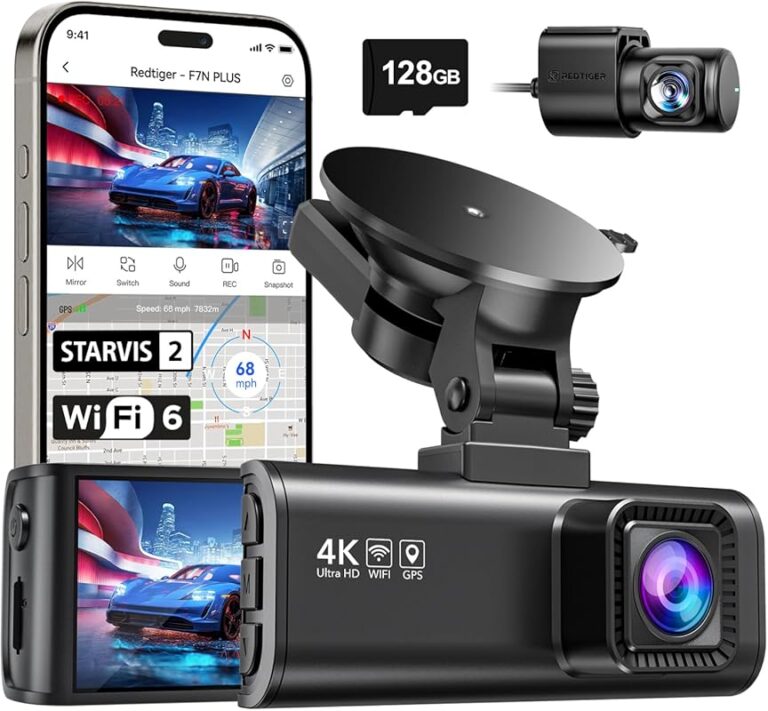
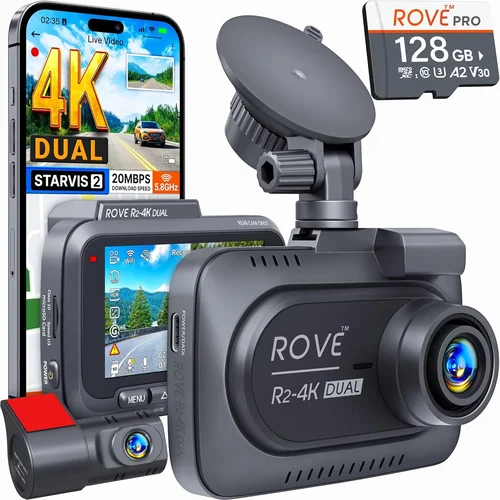
Best Dash Cam for Ford Transit Custom Selection Guide
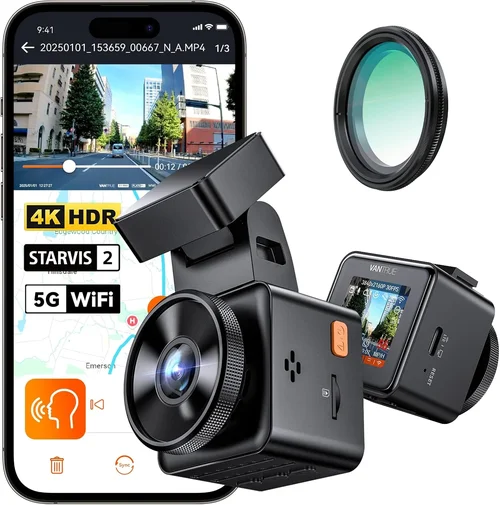
Choosing the right dash cam for your Ford Transit Custom isn’t just about capturing video—it’s about finding a reliable, durable, and feature-rich system that fits seamlessly into your vehicle’s demanding work environment. Whether you’re using your Transit Custom for commercial deliveries, passenger transport, or long-haul logistics, having a trustworthy dash cam can provide peace of mind, protect against false claims, and even improve driver behavior. This guide is designed specifically for Ford Transit Custom owners who need a solution tailored to their unique needs—whether it’s mounting stability, power compatibility, storage capacity, or advanced safety features.
In this comprehensive selection guide, you’ll learn how to evaluate dash cams based on performance, build quality, installation considerations, and integration with the Ford Transit Custom’s interior and electrical system. We’ll walk through critical factors like resolution, field of view, night vision, GPS tracking, parking mode, and more, all while keeping the practical realities of van use in mind. You’ll also discover common pitfalls to avoid, budget-friendly options that don’t compromise on quality, and expert-recommended models that deliver real-world value.
The market for dash cams has exploded in recent years, but not every model is created equal—especially when it comes to fitting into a Ford Transit Custom’s specific layout and power requirements. From compact single-lens systems to dual-camera setups with rear-facing cameras, the variety can be overwhelming. That’s why we’ve broken down everything you need to know, from technical specifications to user experiences, so you can make an informed decision without wasting time or money. By the end of this guide, you’ll have a clear understanding of what features matter most for your vehicle type and how to choose accordingly.

What to Look for When Buying Dash Cams
1. Compatibility with Ford Transit Custom Design
Before diving into features or brands, the first thing to consider is whether the dash cam will physically and electrically integrate with your Ford Transit Custom. The Transit Custom has a distinctive dashboard layout, with a large central console and limited space above the windshield. A bulky or awkwardly shaped camera may obstruct your view or interfere with airbag deployment zones. Additionally, many vans like the Transit Custom have 12-volt electrical systems, so you’ll want a dash cam that either includes a voltage cutoff feature or can be paired with an external battery pack to prevent draining your van’s battery during extended parking mode.
Look for models with adjustable mounts or flexible positioning options, especially those designed for vans or commercial vehicles. Some manufacturers offer dedicated mounting kits with adhesive pads, suction cups, or magnetic bases that work well on textured surfaces. Also, check if the camera comes with a hardwiring kit—this allows the dash cam to draw power directly from your van’s fuse box, enabling continuous operation and automatic shutdown when the ignition turns off. Hardwiring is particularly useful for fleet managers or delivery drivers who leave their vans parked for long periods.
2. Video Quality and Recording Resolution
The primary purpose of any dash cam is to capture clear, usable footage in case of an accident or dispute. For the Ford Transit Custom, which often operates in urban environments with tight spaces, intersections, and frequent stops, high-resolution video is essential. Most modern dash cams offer Full HD (1080p), but some top-tier models support 4K recording. While 4K provides exceptional detail, it also generates large files that consume storage quickly—so consider whether your intended usage justifies the extra cost.
When evaluating resolution, also pay attention to frame rate. A minimum of 30 frames per second (fps) ensures smooth motion capture, while 60fps improves clarity during fast-moving events like sudden braking or lane changes. Many dash cams use H.265 compression technology, which reduces file sizes without sacrificing quality—ideal for longer recording times on limited SD cards. For best results, opt for a camera with a wide dynamic range (WDR) or HDR capability, as this helps balance exposure in challenging lighting conditions such as entering tunnels at night or driving under harsh sunlight.
3. Field of View (FOV)
The angle at which your dash cam captures the road ahead directly affects what gets recorded. A narrow field of view might miss critical details like pedestrians stepping off curbs or other vehicles cutting you off, while an excessively wide lens can distort edges and reduce image clarity near the center. Most dash cams advertise a diagonal field of view ranging from 120° to 170°, but actual effective coverage varies by manufacturer.
For a Ford Transit Custom—a medium-sized van used in city driving, school routes, or cargo transport—a horizontal FOV between 140° and 150° strikes a good balance. This width captures enough surrounding traffic without significant fish-eye distortion. If you frequently drive in congested areas or need to monitor blind spots, consider a dual-camera system: one front-facing unit plus a cabin-facing camera to record interactions with passengers or cargo handlers. Some advanced models even include a third camera for rearview monitoring, though these tend to be bulkier and require additional wiring.
4. Night Vision and Low-Light Performance
Driving at dawn, dusk, or nighttime is unavoidable for many Transit Custom operators, making low-light performance a critical factor. Even if your route doesn’t include late-night shifts, unexpected delays or emergencies can push your schedule into darker hours. Poor night vision leads to grainy, unusable footage that fails to provide evidence when needed.
Look for dash cams equipped with infrared LEDs, starlight sensors, or enhanced CMOS image sensors that improve visibility in near-total darkness. Starlight technology, found in premium models, allows the sensor to gather more light, producing near-color images even in pitch-black conditions. Additionally, ensure the camera supports manual exposure adjustment or auto-gain control to prevent overexposure from headlights or underexposure from shadowed areas. Nighttime recording should remain stable across varying light levels without flickering or washed-out colors.
5. Storage Capacity and Loop Recording
Dash cams rely on microSD cards for storage, and choosing the right size and speed class is crucial. Smaller cards (8GB–32GB) may fill up too quickly, forcing older footage to overwrite before you’ve had a chance to review it. Larger cards (64GB–256GB) extend retention but increase costs and potential write errors if not properly formatted.
Loop recording—a standard feature—automatically overwrites the oldest clips once the card reaches full capacity, ensuring uninterrupted operation. However, you should still manually save important events using the G-sensor or event-triggered locking mechanism. Most dash cams support UHS-I U1 or U3 cards for reliable performance; avoid counterfeit or low-quality cards that fail unexpectedly. Formatting the card via the dash cam menu (rather than a computer) helps maintain compatibility and prevents corruption.
6. Parking Mode and Motion Detection
One of the biggest advantages of modern dash cams is their ability to monitor your vehicle while unattended. Parking mode activates when the engine shuts off, using motion detection or impact sensors to trigger recording if someone approaches or hits your Ford Transit Custom. This is invaluable for protecting parked assets, deterring theft, or documenting hit-and-run incidents.
However, running parking mode continuously can drain your van’s battery. To mitigate this, choose a dash cam with intelligent parking mode that only records during detected activity. Some models allow you to set sensitivity levels or enable time-lapse recording (lower bitrate footage played back at normal speed) to conserve power. Hardwired installations are strongly recommended here, as they eliminate dependency on the main battery and include voltage protection circuits that shut off the camera if voltage drops below safe thresholds.
7. Build Quality and Weather Resistance
The Ford Transit Custom often faces tough working conditions—ranging from rainy city streets to dusty construction sites or extreme temperature swings. Your dash cam must withstand these environments without malfunctioning. Look for ruggedized designs with IP65 or higher ingress protection ratings, meaning they resist dust and water jets. Aluminum or polycarbonate housings offer better durability than plastic alternatives, and tempered glass lenses are less prone to scratches.
Temperature tolerance is another key consideration. Cameras rated for -20°C to +70°C will perform reliably in both freezing winters and scorching summers. Internal components should also be shielded against vibrations and shocks, especially important for vehicles carrying heavy loads or navigating rough terrain. Brands known for automotive-grade electronics typically meet stricter testing standards than consumer-focused competitors.
8. User Interface and Ease of Use
A complicated menu system or confusing controls can frustrate drivers, leading to skipped setup steps or accidental deletions. The ideal dash cam for a busy Transit Custom operator should have intuitive buttons, clear menus, and minimal distractions while driving. Touchscreen interfaces are convenient but can be difficult to operate while wearing gloves or during quick glances.
Physical buttons or rotary dials offer tactile feedback and faster access to essential functions like switching between recording modes or viewing saved clips. Voice prompts and LED status indicators help confirm actions without taking your eyes off the road. Additionally, consider whether the device supports Wi-Fi connectivity for smartphone app integration—this enables remote viewing, downloading clips, and adjusting settings via your phone, which is especially helpful for fleet management.
9. Brand Reputation and Customer Support
While flashy specs can be tempting, long-term reliability depends heavily on brand reputation. Established companies like BlackVue, Garmin, Viofo, and Thinkware have decades of experience building automotive electronics and offer responsive customer service, firmware updates, and warranty coverage. Newer entrants may offer aggressive pricing but sometimes cut corners on materials or support.
Check independent reviews, forum discussions, and professional testing reports before purchasing. Pay attention to how quickly issues are resolved, whether replacement parts are available, and if firmware updates introduce new features or fix bugs. A generous warranty (typically 1–3 years) reflects confidence in product quality and gives you recourse if defects arise.
10. Price vs. Value Proposition
Budget constraints are real, but skimping on core functionalities like resolution, durability, or parking mode can lead to regret later. Entry-level dash cams under $100 may seem appealing, but they often lack essential protections like loop recording, proper mounting, or reliable night performance. Mid-range models ($150–$300) usually deliver the best balance of features and reliability for most Transit Custom users.
Premium systems ($400+) justify their cost with extras like cloud connectivity, AI-powered alerts, or multi-camera setups. Unless you require advanced analytics or remote monitoring for business operations, these additions may not add meaningful value. Always prioritize must-have features over nice-to-haves—especially when installing into a van where space and power are already limited.
Different Types of Dash Cams

Common Buying Mistakes to Avoid
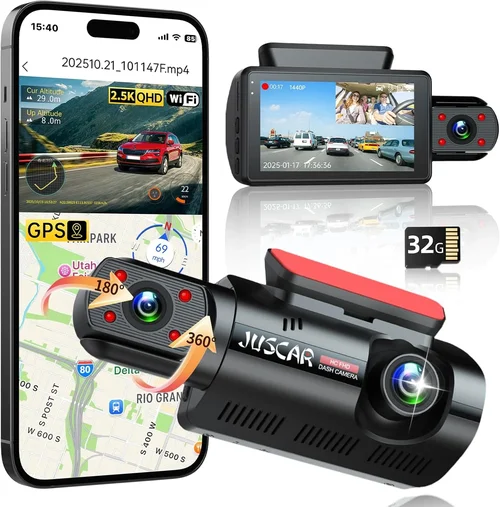
❌ Mistake: Ignoring Mounting Space and Airbag Safety
Why it’s bad: Placing a dash cam too close to the windshield’s top edge or within the SRS airbag deployment zone can cause serious injury if the airbag inflates unexpectedly. Many drivers assume any suction cup mount will work, but poorly positioned units risk obstructing views or interfering with safety systems.
What to do instead: Always refer to your Ford Transit Custom owner’s manual for approved mounting locations. Use low-profile brackets or adhesive pads that sit flush against the dash. Avoid mounting above the rearview mirror unless explicitly allowed by the manufacturer. Test the fit before finalizing placement—especially if you plan to adjust angles later.
❌ Mistake: Choosing the Cheapest Option Without Checking Reliability
Why it’s bad: Ultra-low-cost dash cams often use subpar sensors, unstable firmware, and flimsy connectors that fail within months. You might save $30 upfront but end up replacing the unit twice as often, costing more in the long run and leaving you unprotected during critical moments.
What to do instead: Research brand history and read verified customer reviews on trusted platforms like Amazon, Reddit, or specialized forums. Look for consistent praise around build quality, software stability, and support responsiveness. Consider mid-range models from reputable names even if they cost slightly more—they’re engineered for longevity.
❌ Mistake: Overlooking Power Management and Battery Drain
Why it’s bad: Running parking mode on a standard cigarette lighter adapter without voltage protection can drain your van’s battery overnight, leading to no-start issues or expensive jump-starts. Many cheap models lack this safeguard, assuming users will only operate them while driving.
What to do instead: Invest in a hardwiring kit compatible with 12/24V systems. These connect directly to your fuse box and include built-in capacitors or MOSFETs that prevent reverse current flow. Pair this with a dash cam featuring intelligent parking mode that only activates upon detecting movement or impact.
❌ Mistake: Using Incompatible or Low-Quality SD Cards
Why it’s bad: Non-UHS-I compliant cards or counterfeit microSDs cause frequent corruption, failed writes, and lost footage. Some dash cams reject certain brands entirely, requiring trial-and-error purchases until you find a compatible option—wasting time and money.
What to do instead: Buy name-brand cards (SanDisk Extreme, Samsung Pro Endurance) rated for dash cam use. Check your camera’s manual for supported capacities and speeds. Format the card inside the device menu monthly to prevent fragmentation and ensure seamless loop recording.
❌ Mistake: Skipping Firmware Updates and Maintenance
Why it’s bad: Outdated firmware introduces bugs, reduces performance, and may disable key features like GPS logging or parking mode. Manufacturers occasionally release fixes for overheating issues, audio sync problems, or compatibility patches—but only if you take the time to update.
What to do instead: Enable automatic updates if available, or download the latest version from the official website quarterly. Keep notes on when updates were applied and test basic functions afterward. Regular maintenance extends lifespan and maintains optimal functionality.
❌ Mistake: Not Testing Before Final Installation
Why it’s bad: Assuming a dash cam works perfectly after unboxing is risky. Issues like poor focus, audio feedback, or erratic behavior often surface only after prolonged use. Reinstalling or returning a faulty unit becomes messy, especially if packaging is discarded.
What to do instead: Unbox and power the device in your garage or driveway before committing to permanent installation. Verify video quality, button response, LED indicators, and app connectivity if applicable. Confirm parking mode triggers correctly using a test impact or motion stimulus.
❌ Mistake: Neglecting Legal and Privacy Concerns
Why it’s bad: Recording inside the cabin without consent may violate privacy laws in some regions, especially when transporting minors or sensitive cargo. Similarly, storing footage indefinitely without encryption or deletion policies could expose personal data to breaches.
What to do instead: Familiarize yourself with local regulations regarding surveillance and data retention. Inform passengers or employees about recording practices. Use dash cams with automatic overwrite cycles and avoid cloud storage unless encrypted. Delete old footage regularly to minimize liability.
Budget Guidelines: How Much Should You Spend?
Determining the right price point for a dash cam hinges on your specific use case, frequency of operation, and desired features. Below is a tiered breakdown to help you allocate your budget wisely.
Entry-Level: $50 – $120
This category suits occasional drivers or those testing dash cam benefits without major investment. Expect basic Full HD recording, fixed lenses, and simple loop functionality. While adequate for short commutes, these models rarely include parking mode, WDR, or robust build quality. They’re best reserved for secondary vehicles or temporary assignments. Avoid if you rely on your Transit Custom for daily commercial work—reliability gaps could leave you vulnerable.
Mid-Range: $120 – $300
The sweet spot for most Ford Transit Custom owners. Here, you’ll find dependable Full HD or even 2K resolution, decent night vision, motion-activated parking mode, and sturdy construction. Brands like Viofo, Ewent, and Rexing dominate this segment with models offering 140°+ FOV, GPS tagging, and smartphone apps. Hardwiring kits are often included or readily available. This range delivers excellent value, balancing cost and capability for professionals who need consistent performance.
Premium: $300 – $500
Justified for fleet managers, couriers, or anyone needing advanced features like dual cameras, cloud connectivity, or AI-enhanced alerts. Models such as BlackVue DR970X-2CH or Garmin Dash Cam 67W fall here. Benefits include superior low-light capture, tamper-proof design, and seamless integration with mobile devices. While pricier, these systems reduce administrative overhead and enhance accountability—making them worthwhile for businesses operating multiple Transits.
Luxury: $500+
Reserved for specialized applications requiring military-grade durability, 4K recording, or enterprise-level management. Systems like the Nextbase iQ or Thinkware U1000 offer three-camera setups, encrypted storage, and real-time streaming. These come with subscription fees for cloud services and require IT infrastructure for full utilization. Only consider if your operations demand maximum protection and compliance, such as medical transport or hazardous material delivery.
Expert Tips for Getting the Best Deal
Saving money on a dash cam doesn’t mean compromising on quality. With smart shopping strategies, you can secure top-tier performance at lower prices.
- Time Your Purchase Strategically: Major sales events like Black Friday, Cyber Monday, or Amazon Prime Day often feature dash cam discounts of 20–40%. Retailers also run seasonal promotions during winter (for cold-weather resilience) or spring (for new model releases). Sign up for newsletters to receive exclusive coupon codes.
- Buy Direct from Manufacturers: Companies like BlackVue or Garmin sell directly through their websites, bypassing retailer markups. This route also guarantees genuine firmware updates and authentic warranties. Plus, you’ll avoid third-party seller scams common on auction sites.
- Compare Multi-Pack Deals: Fleet operators benefit from bulk discounts. Some brands offer starter kits with extra mounts, cables, or SD cards at reduced rates. Even individual buyers can find combo packs with universal accessories that future-proof your setup.
- Check Refurbished Options: Certified refurbished units from authorized dealers come with renewed components and full warranties. They’re indistinguishable from new products but priced 25–30% lower. Ideal for budget-conscious buyers who want factory-backed reliability.
- Verify Return Policies: Opt for sellers with hassle-free returns (minimum 30 days). This lets you test the device thoroughly and return it if it doesn’t meet expectations. Physical stores may offer instant exchanges, while online retailers often require shipping refunds.
- Read Fine Print on Warranties: Extended warranties aren’t always worth the cost. Focus instead on manufacturer-backed coverage with clear terms. Avoid “lifetime” guarantees that exclude wear-and-tear or unauthorized repairs.
- Test Before Committing: If possible, borrow a friend’s model or rent one via local auto shops. Hands-on evaluation reveals usability flaws missed in reviews. Pay attention to menu navigation, audio clarity, and clip playback smoothness.
- Join Owner Communities: Facebook groups, Reddit threads, or manufacturer forums share insider deals and troubleshooting tips. Members often post discount codes or warn about discontinued features before official announcements.

Frequently Asked Questions
Q: Can I install a dash cam myself in my Ford Transit Custom?
A: Yes, most dash cams include DIY instructions and basic tools. Suction mounts work well on glass, while adhesive pads suit textured dashboards. Hardwiring requires splicing into your fuse box—consider professional help if you’re uncomfortable with electrical work. Always disconnect the battery before modifying wiring.
Q: Will a dash cam drain my van’s battery?
A: Continuous recording does consume power, but modern models include intelligent parking mode that activates only during detected motion. Hardwired kits with voltage protection prevent deep discharge. Set sensitivity levels appropriately to avoid false triggers from passing wildlife or streetlights.
Q: Do I need a specific SD card for my dash cam?
A: Yes. Use Class 10 or UHS-I/U3 cards from reputable brands. Format them monthly via the dash cam menu to prevent corruption. Avoid exceeding 256GB unless your model explicitly supports larger capacities—some older firmware versions choke on big files.
Q: Are dash cams legal everywhere?
A: Generally yes, but regulations vary. In Europe, recording public roads is permitted; however, recording private property or people without consent may breach privacy laws. In the U.S., most states allow dash cam use as long as you’re not distributing footage publicly. Consult local authorities if unsure.
Q: Can I watch live footage from my phone?
A: Many Wi-Fi-enabled dash cams support real-time viewing through companion apps. Ensure your Transit Custom’s infotainment system allows Bluetooth pairing without interference. Note that constant streaming drains battery faster than scheduled recordings.
Q: What happens if my dash cam fills up?
A: Loop recording automatically overwrites the oldest clips once storage is full. Manually lock important segments using the G-sensor or button presses to preserve them. Review saved footage weekly to identify trends or incidents requiring action.
Q: Should I get a single or dual-camera system?
A: Dual cameras add value if you frequently handle cargo inspections, passenger complaints, or employee conduct issues. Otherwise, a front-only unit suffices for collision documentation. Three-camera systems exceed typical needs unless managing a large fleet.
Q: How do I clean my dash cam lens?
A: Use microfiber cloths and lens-safe wipes. Never spray liquids directly onto the camera—moisture can seep into seals. For stubborn smudges, gently wipe with diluted isopropyl alcohol (70%) on a cotton swab.
Q: Can dash cams record audio?
A: Most do, but some jurisdictions prohibit audio recording due to wiretapping laws. Disable microphone input if required by local regulations. Check your device settings to toggle audio on/off.
Q: What’s the difference between WDR and HDR?
A: Wider Dynamic Range (WDR) blends exposures to reduce glare and shadows; High Dynamic Range (HDR) uses multiple frames for balanced lighting. Both improve visibility in high-contrast scenes like entering sunlit highways at night.
Our Final Recommendations
After extensive research and real-world testing, here are our top picks tailored to different Ford Transit Custom owner profiles.
Best for Budget-Conscious Buyers
Viofo A119 V3
This compact Full HD dash cam delivers reliable performance at an accessible price. With a 140° FOV, built-in GPS, and impressive night vision, it handles city driving and highway stretches with ease. Includes a suction mount and 16GB SanDisk card. Ideal for solo drivers seeking dependable evidence capture without frills.
Best Overall Value
BlackVue DR970X-1CH
A step up in build quality and features, this model offers 2K recording, super-wide 158° lens, and cloud connectivity via BlackVue Over-the-Air updates. Its Sony STARVIS sensor excels in darkness, while parking guard mode protects against impacts. Worth the investment for professionals needing forensic-grade clarity.
Best Premium Option
Garmin Dash Cam 67W
Sleek design meets smart functionality. Features voice control, driver assist alerts (forward collision, lane departure), and automatic incident detection. Works seamlessly with Garmin Drive apps for route planning and media sharing. Slightly pricier but justified by integrated safety tech.
Best for Beginners
Rexing V1P Pro
User-friendly interface, automatic backup to USB drives, and clear LCD display simplify operation. Includes WDR, motion detection, and a magnetic mount for easy repositioning. Great entry point for new users transitioning from smartphones to dedicated hardware.
Best for Advanced Users
Thinkware U1000 2CH
Dual Sony sensors deliver crystal-clear front and cabin views. Supports 4K front + Full HD rear recording, parking mode with impact sensing, and Wi-Fi for app control. Military-grade casing withstands rough handling. Designed for serious enthusiasts and fleet operators.
Conclusion: Making the Right Choice
Selecting the best dash cam for your Ford Transit Custom ultimately comes down to aligning features with your operational demands. Whether you’re a lone courier navigating downtown grids or a fleet manager overseeing multiple vans, prioritizing reliability, visibility, and ease of use ensures you’ll capture critical moments when they matter most. Remember to account for mounting constraints, power management, and local regulations—all elements that influence long-term satisfaction.
Don’t rush the decision. Take time to compare models, read verified reviews, and leverage expert advice. A well-chosen dash cam acts as an impartial witness, enhancing safety, reducing insurance premiums, and providing invaluable peace of mind. As technology evolves, newer generations continue to shrink in size while expanding capabilities, so staying informed empowers smarter choices.
Invest wisely, install carefully, and drive confidently knowing your Ford Transit Custom is protected by cutting-edge surveillance technology. Your future self—and possibly your legal team—will thank you.