Best Dash Cam Buying Guide 2026
In today’s increasingly complex automotive landscape, having reliable dash cam protection isn’t just convenient—it’s essential for both safety and peace of mind. Whether you’re a daily commuter facing unpredictable traffic conditions or a long-distance traveler navigating unfamiliar roads, the right dash cam can capture critical evidence in accidents, provide insurance support during disputes, and even deter potential theft. As technology continues to evolve at breakneck speed, the 2026 dash cam market offers unprecedented choices ranging from basic recording devices to sophisticated AI-powered surveillance systems.
This comprehensive buying guide will walk you through everything you need to know about selecting the perfect dash cam for your vehicle in 2026. We’ll cover the latest technological advancements, compare top-performing models across different price points, and help you understand which features truly matter versus those that are simply marketing hype. By the end of this article, you’ll have a clear understanding of what to prioritize based on your specific needs, driving experience, and budget constraints.
The modern dash cam market has expanded dramatically over the past few years, with manufacturers incorporating cutting-edge technologies like HDR imaging, GPS tracking, cloud connectivity, emergency alert systems, and even driver monitoring capabilities. However, with so many options available, making an informed decision requires careful consideration of multiple factors including resolution quality, storage capacity, night vision performance, build durability, and smart features. This guide addresses all these aspects while maintaining practical relevance to real-world usage scenarios.

What to Look for When Buying Dash Cams
1. Budget & Price Range
Your budget should serve as your starting point rather than your final destination. Entry-level dash cams typically range from $50-100 and offer basic 1080p recording with simple loop recording and motion detection. Mid-range models ($100-250) provide better image quality, enhanced stabilization, parking mode, and often include dual cameras (front and rear). Premium units ($250+) deliver 4K Ultra HD recording, superior low-light performance, advanced safety features, and robust build quality. Consider how frequently you drive, the value of your vehicle, and whether you’d benefit from legal protection before allocating funds.
2. Resolution & Video Quality
Video resolution directly impacts your ability to capture clear, usable footage. Most reputable dash cams now offer at least 1080p Full HD recording, but higher resolutions provide significantly better detail. 2K (1440p) and 4K (2160p) resolutions are becoming standard in premium models, allowing you to zoom in on license plates and facial details without losing clarity. Look for cameras with high Dynamic Range (HDR) capability, which balances bright and dark areas in challenging lighting conditions. Frame rate matters too—60fps is ideal for smooth motion capture during rapid maneuvers.
3. Field of View (FOV)
The field of view determines how much of the road ahead (and sometimes sides and rear) your camera captures simultaneously. Standard FOV ranges from 100-140 degrees horizontally, with wider angles offering broader coverage but potentially distorting distant objects near the edges. A typical recommendation is 120-130 degrees for optimal balance between coverage and image accuracy. Some advanced models feature adjustable FOV settings or ultra-wide lenses around 170 degrees, though excessive width can cause fish-eye distortion that reduces evidentiary value.
4. Night Vision & Low-Light Performance
Nighttime driving accounts for approximately 20% of fatal crashes according to NHTSA statistics, making nighttime visibility crucial. Modern dash cams use specialized sensors and infrared LEDs to enhance darkness recording. Look for cameras with f/1.8 or lower aperture values, larger image sensors (1/2.7″ or bigger), and dedicated night vision modes. Some models incorporate starlight-level CMOS sensors capable of capturing usable footage in extremely dim conditions. Additionally, consider whether your chosen model includes automatic exposure adjustment to handle sudden changes from tunnels to bright streetlights.
5. Storage Capacity & Loop Recording
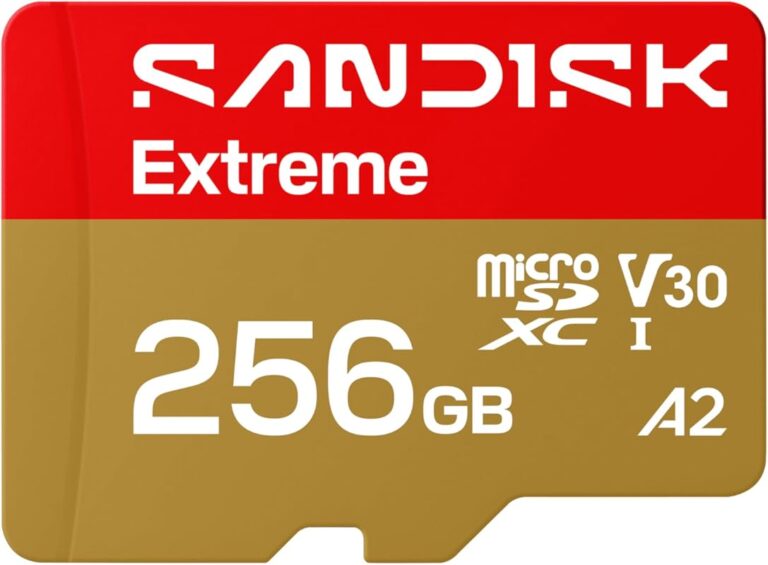
Dash cams continuously overwrite older footage using loop recording when storage fills up—a vital feature for uninterrupted operation. MicroSD cards come in various capacities: 32GB is minimum for most users, 64GB recommended for frequent drivers, and 128GB+ ideal if you want extended recording without constant card swaps. Ensure your dash cam supports the latest UHS-I/UHS-II standards for faster write speeds that prevent dropped frames during high-action sequences. Many premium models now offer built-in cloud storage subscriptions or direct WiFi uploads for automatic backup.
6. Build Quality & Durability
Your dash cam must withstand extreme temperatures, vibrations, humidity, and accidental impacts. Aluminum alloy or metal housings outperform plastic alternatives in heat resistance and structural integrity. Check IP rating if considering waterproofing (look for IP65 or higher for dust/water protection). Temperature tolerance specifications are equally important—most reliable models operate between -4°F to 140°F (-20°C to 60°C). Secure mounting hardware prevents detachment during collisions while maintaining optimal lens alignment throughout your vehicle’s lifecycle.
7. Smart Features & Connectivity
Modern dash cams increasingly integrate with smartphone apps via Bluetooth or WiFi for remote viewing, configuration adjustments, and emergency notifications. Advanced features include:
- GPS Tracking: Records location data alongside video timestamps for route verification
- Wi-Fi/App Integration: Allows live preview, playback management, and firmware updates
- Cloud Backup: Automatic upload of critical incidents to secure servers
- Collision Detection: Automatically saves impact-triggered clips to protected memory
- Lane Departure Warning: Alerts when drifting between lanes without signaling
- Driver Fatigue Monitoring: Uses AI to detect signs of drowsiness through eye movement patterns
8. Brand Reputation & Customer Support
Established brands like Garmin, Viofo, BlackVue, Nextbase, and Rexing consistently demonstrate reliability through rigorous testing and responsive customer service. Research warranty terms—premium manufacturers typically offer 1-3 year limited warranties covering defects and sometimes accidental damage. Read recent user reviews focusing on long-term performance rather than initial impressions. Reliable brands provide regular firmware updates, detailed troubleshooting guides, and accessible technical support channels.
Different Types of Dash Cams

Common Buying Mistakes to Avoid
❌ Mistake: Prioritizing Brand Name Over Actual Performance
Why it’s bad: Just because a brand is well-known doesn’t guarantee optimal performance for your specific needs. Some popular names produce inconsistent video quality or unreliable software that fails when needed most. Manufacturers sometimes emphasize marketing over substance, leaving buyers with expensive gadgets that don’t perform under real-world conditions.
What to do instead: Focus on verified technical specifications like sensor size, aperture values, and actual test results rather than relying solely on brand reputation. Read independent reviews from trusted sources that conduct hands-on testing under controlled conditions matching typical driving scenarios.
❌ Mistake: Ignoring Storage Requirements
Why it’s bad: Using inadequate storage leads to premature deletion of important footage before it can be reviewed. If your microSD card fills up too quickly, you might miss critical moments involving hit-and-runs, insurance disputes, or traffic violations. Conversely, oversized cards may be incompatible with older dash cam models lacking proper file system support.
What to do instead: Calculate your required storage based on average recording duration per day and desired retention period. For most drivers, 32GB provides 4-6 hours of continuous recording, while 64GB extends this to 8-12 hours. Always purchase high-quality cards from reputable manufacturers to avoid corruption issues.
❌ Mistake: Overlooking Installation Challenges
Why it’s bad: Complex wiring setups or difficult mounting locations can deter proper installation, leading to suboptimal placement or incomplete setup. Some dash cams require professional installation due to power source requirements or wireless antenna placement, adding unnecessary expense and complexity.
What to do instead: Choose models with simple plug-and-play designs that utilize existing cigarette lighter sockets or hardwired connections with clear instructions. Consider wireless charging pads or magnetic mounts for easy repositioning without damaging vehicle interiors.
❌ Mistake: Neglecting Night Vision Capabilities
Why it’s bad: Assuming all dash cams record equally well at night is a dangerous assumption. Many entry-level models struggle with dark environments, producing grainy, unreadable footage that fails to provide useful evidence during nighttime incidents. Since most serious accidents occur after sunset, poor nighttime performance undermines the entire purpose of ownership.
What to do instead: Specifically evaluate night vision ratings and read sample footage comparisons. Look for models with wide apertures (f/1.8 or lower), large sensors, and dedicated night modes that automatically adjust settings for optimal darkness capture.
❌ Mistake: Forgetting About Legal Admissibility
Why it’s bad: Not all dash cam recordings meet legal standards for court admissibility. Footage must be timestamped accurately, unaltered, and captured within permissible recording boundaries. Some jurisdictions prohibit continuous recording or have strict rules about audio capture, especially regarding third-party conversations.
What to do instead: Verify local laws regarding dash cam usage before purchasing. Choose models with verified GPS timestamps, encrypted file formats resistant to tampering, and clear privacy policies regarding data collection and retention.
❌ Mistake: Skipping Warranty & Support Research
Why it’s bad: Unexpected malfunctions can render your dash cam useless exactly when you need it most—during an emergency situation. Without adequate warranty protection, repair costs could exceed replacement value, particularly for premium models with complex electronics or specialized components.
What to do instead: Thoroughly examine manufacturer warranty terms including coverage duration, what constitutes covered repairs, and whether shipping costs apply. Contact customer support with hypothetical questions to gauge response time and helpfulness before committing to purchase.
Budget Guidelines: How Much Should You Spend?
Entry-Level Range ($50 – $100)
This segment caters primarily to casual drivers seeking basic functionality without breaking the bank. Typical features include 1080p recording, 129-degree field of view, loop recording, G-sensor collision detection, and parking mode with battery backup. While image quality remains functional, expect limitations in low-light performance and occasional frame drops during rapid acceleration. These models excel as secondary units for rental cars or backup systems but lack the robustness required for demanding daily commutes or long-distance travel.
Mid-Range Sweet Spot ($100 – $250)
Representing the optimal balance between cost and capability, mid-range dash cams offer significant improvements across multiple dimensions. You’ll find 2K resolution options, enhanced HDR processing, superior night vision with wider apertures, improved build materials, and more sophisticated smart features like GPS logging and Wi-Fi connectivity. Dual-camera systems become accessible here, providing front and rear surveillance at reasonable price points. This tier serves the majority of drivers who want reliable performance without overspending on unnecessary luxury features.
Premium Tier ($250 – $500)
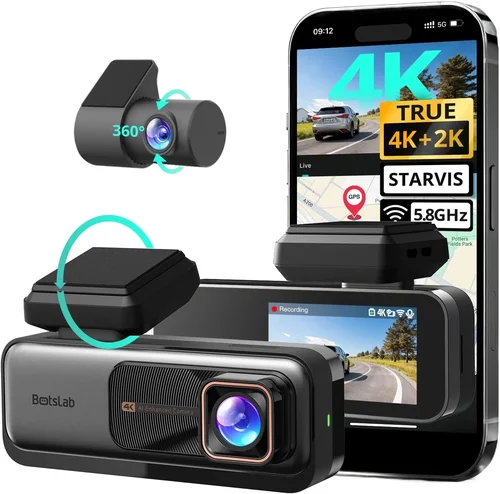
Top-tier dash cams deliver professional-grade performance with cutting-edge technology rarely found outside enterprise applications. Expect 4K Ultra HD recording, starlight-level low-light sensitivity, multi-lens surround-view systems, advanced AI driver assistance, cloud storage integration, and military-grade durability certifications. These models often include subscription-based services for enhanced analytics, remote monitoring, and automated incident reporting. Ideal for fleet operators, rideshare drivers, and safety-conscious individuals willing to invest heavily for maximum protection and peace of mind.
Luxury Segment ($500+)
Ultra-premium dash cams represent the pinnacle of automotive surveillance technology, combining multiple cameras, artificial intelligence, biometric monitoring, and seamless integration with smart home ecosystems. Features include 360-degree panoramic views, real-time traffic analysis, predictive maintenance alerts, facial recognition for passenger identification, and autonomous emergency braking coordination. While primarily targeted at commercial fleets and high-end consumers, these systems offer unparalleled situational awareness and incident prevention capabilities that justify their substantial price tags.
Expert Tips for Getting the Best Deal
When comparing online versus brick-and-mortar stores, remember that physical retailers allow immediate hands-on testing of build quality, interface usability, and mounting convenience—critical factors that can’t be fully assessed through product images alone. However, online platforms frequently offer deeper discounts, wider selection, and easier access to customer reviews from verified purchasers.
Always verify compatibility before ordering, especially if upgrading from an older vehicle model or integrating with existing security systems. Check voltage requirements, mounting locations, and whether your car’s dashboard design accommodates specific form factors. Some dash cams require additional adapters or wiring harnesses that may incur extra costs not reflected in base pricing.
Consider bundled packages that include protective cases, extra batteries, or extended warranties. While standalone accessories seem inexpensive initially, they often prove more costly when purchased separately after delivery. Look for comprehensive starter kits designed specifically for your chosen dash cam model.
Don’t overlook return policies—even if confident in your selection, unboxing and testing reveal unexpected issues like awkward button placement or poor glare resistance. Retailers with generous return windows (typically 30+ days) provide essential safety nets during decision-making processes.
For tech-savvy buyers, consider waiting for major trade shows like Consumer Electronics Show (CES) or Mobile World Congress where manufacturers unveil next-generation prototypes. Early adopters may secure exclusive beta units or pre-order discounts unavailable elsewhere, though production models delivered later often surpass initial versions in refinement and feature completeness.

Frequently Asked Questions
Q: Do I really need a dash cam, or are they just for paranoid drivers?
A: Absolutely not! While some early adopters viewed them skeptically, modern dash cams serve legitimate purposes beyond mere paranoia. They provide undeniable proof in hit-and-run incidents, protect against false insurance claims, document traffic violations committed against you, and even help resolve parking disputes. With rising insurance fraud rates and increasing litigation risks, having documented evidence significantly strengthens your position during disputes regardless of personal comfort level.
Q: Can dash cams record audio conversations inside my car?
A: This depends entirely on local regulations and manufacturer settings. Many countries including Canada, Germany, and several US states prohibit recording audio without all parties’ consent due to privacy laws. Even where permitted, most dash cams default to silent operation to comply with these restrictions. Always check your jurisdiction’s specific statutes before enabling any audio recording features to avoid unintended legal consequences.
Q: What happens if my dash cam runs out of battery while parked?
A: Most modern dash cams enter low-power standby mode when disconnected from vehicle power, but prolonged disconnection eventually drains internal backup batteries meant for temporary operation during power interruptions. To maintain parking surveillance, ensure your vehicle’s electrical system provides consistent 12V DC power through hardwiring or cigarette lighter connections. Some models also support solar charging accessories for extended off-grid operation.
Q: How often should I replace my microSD card?
A: There’s no fixed schedule since replacement frequency depends on usage intensity and card quality. High-end Class 10/UHS-I cards generally last 2-5 years under moderate use, while budget options may fail prematurely due to wear-induced corruption. Monitor write error counts through your dash cam’s diagnostic menu or periodically review recorded files for artifacts indicating deteriorating performance. When noticing skipped frames, audio desynchronization, or inability to format properly, it’s time for replacement.
Q: Will a dash cam interfere with my car’s electronic systems?
A: Properly installed dash cams pose minimal risk of electromagnetic interference since they operate on isolated circuits separate from sensitive automotive computers. However, improper wiring near ECU connections or using cheap extension cables can introduce noise affecting engine performance or infotainment displays. Always follow manufacturer guidelines for routing wires away from ignition coils, alternator outputs, and other high-voltage components.
Q: Are cloud-connected dash cams secure?
A: Security varies significantly between manufacturers. Reputable brands implement end-to-end encryption, two-factor authentication, and regular penetration testing to safeguard transmitted data. However, no system is completely immune to hacking attempts, especially if using public Wi-Fi networks or sharing login credentials carelessly. Limit cloud usage to non-sensitive footage and always update firmware promptly to patch known vulnerabilities.
Q: Can I use my existing phone as a dash cam instead?Q: Can I use my existing phone as a dash cam instead?
A: Yes, smartphone dash cam apps offer convenient alternatives with several advantages including familiar interfaces, instant sharing capabilities, and access to device-specific features like gyroscopes for motion detection. However, they suffer from shorter battery life, limited thermal endurance compared to dedicated hardware, and reduced reliability during extended recording sessions. Phone-mounted solutions work best for occasional use rather than daily commuting where consistent performance matters most.
Q: How do I know if my dash cam footage is admissible in court?
A: Admissibility depends on meeting strict evidentiary standards including authenticity verification through cryptographic hashes, accurate timestamps synchronized with GPS satellites, and compliance with chain-of-custody protocols. Courts prefer footage captured within legal recording parameters and stored in tamper-proof formats resistant to manipulation. Consult local legal professionals experienced in traffic law regarding acceptable practices and potential limitations specific to your jurisdiction.
Q: What’s the difference between G-sensor sensitivity levels?
A: G-sensors measure impact forces in multiples of Earth’s gravity (9.8 m/s²). Lower sensitivity thresholds trigger less frequently but preserve longer segments before overwriting; higher thresholds activate sooner but capture shorter clips potentially missing preceding context. Most dash cams allow adjustable sensitivity settings balancing evidence preservation against storage efficiency based on individual driving habits and risk tolerance.
Q: Should I choose wired or wireless charging for my dash cam?
A: Wired connections provide stable, uninterrupted power ideal for continuous recording and reliable operation during extended trips. Wireless charging adds convenience for quick setups but introduces dependency on compatible power banks or charging stations that may fail unexpectedly. Unless frequently relocating your vehicle or prioritizing aesthetic cleanliness over absolute reliability, hardwired installations remain the gold standard for mission-critical surveillance applications.
Our Final Recommendations
Best for Budget-Conscious Buyers
The Viofo A11HC delivers exceptional value at under $120 while maintaining 2K resolution, HDR-enhanced visuals, and robust build quality previously reserved for premium segments. Its compact design fits discreetly behind rearview mirrors without obstructing views, while intelligent parking mode activates upon detecting significant impacts. Though lacking advanced AI features, this model excels at core functions with dependable performance that satisfies daily commuting needs without overspending.
Best Overall Value
For balanced excellence across price-performance metrics, the BlackVue DR970X-2CH represents the sweet spot between affordability and capability. Featuring 4K front camera recording paired with Full HD rear surveillance, this dual-lens system incorporates cloud connectivity, GPS logging, and advanced parking detection algorithms. While requiring subscription fees for full cloud functionality, its offline operation capabilities and military-grade durability make it ideal for drivers seeking professional-grade protection without enterprise-level costs.
Best Premium Option
The Nextbase 622GW stands as the undisputed leader among consumer dash cams thanks to its impressive 4K recording, built-in Alexa voice control, emergency SOS button, and superior low-light handling. Its innovative “Picture in Picture” mode allows simultaneous display of rear and front views during playback, while the included 16GB microSD card ensures immediate usability. Though priced above $200, its comprehensive feature set justifies the investment for safety-focused drivers who demand nothing short of perfection.
Best for Beginners
Newcomers benefit most from intuitive setup experiences offered by the Rexing V1P Pro, which combines straightforward installation procedures with reliable 1080p recording and automatic loop management. Its compact form factor minimizes visual obstruction while providing essential collision detection and parking mode functionality. Clear LED indicators simplify status monitoring, and the included suction cup mount offers flexible positioning options without permanent modifications to your vehicle interior.
Best for Advanced Users
Power users and fleet managers will appreciate the Garmin DriveLuxe 5100‘s integration with existing navigation systems, customizable event tagging capabilities, and seamless compatibility with third-party telematics platforms. Beyond standard recording features, it includes forward collision warnings, lane departure alerts, and driver fatigue monitoring powered by machine learning algorithms. While requiring technical knowledge for full utilization, its extensible architecture makes it the preferred choice for professionals managing multiple vehicles or complex operational requirements.
Conclusion: Making the Right Choice
Selecting the optimal dash cam ultimately revolves around aligning technological capabilities with personal priorities rather than chasing every emerging trend. Assess your driving patterns, environmental challenges, and desired level of protection before committing to any particular model. Remember that even modest investments in quality hardware yield substantial returns through enhanced safety, reduced stress, and increased confidence behind the wheel.
Prioritize proven technologies over experimental features unless they address specific pain points in your daily routine. Evaluate real-world performance metrics like actual video quality samples and user-reported reliability rather than relying solely on manufacturer claims. Don’t forget to account for ongoing expenses such as cloud subscriptions, storage upgrades, or replacement parts when calculating total cost of ownership.
With careful consideration of these factors and reference to this comprehensive guide, you’ll be well-equipped to navigate the rapidly evolving dash cam landscape confidently. Whether protecting your family vehicle, securing your commercial fleet, or simply enjoying added peace of mind on your journeys, the right dash cam transforms from optional accessory into indispensable companion for modern motorists.