How to Choose the Best Dash Cam for Ford Trucks
Why This Guide Matters for Ford Truck Owners
If you’re a Ford truck owner, whether you drive a rugged F-150, a heavy-duty F-250 or F-350, or even a commercial-grade F-450 or F-550, your vehicle is more than just transportation—it’s a tool, a livelihood, or a passion project. And with that responsibility comes the need to protect yourself, your cargo, and your investment from unforeseen accidents, disputes, or insurance claims. A dash cam isn’t just a gadget; it’s a silent guardian that records every moment on the road, providing critical evidence when needed most.
This comprehensive guide is designed specifically for Ford truck owners who want to make an informed decision when purchasing a dash cam. We understand that your truck has unique requirements—larger windshields, higher seating positions, longer commutes, and often heavier loads—all of which affect how a dash cam performs. Unlike generic dash cam recommendations, this article dives deep into the nuances of selecting the best dash cam for your Ford truck, ensuring compatibility, optimal placement, and long-term reliability. By the end of this guide, you’ll know exactly what features matter most, how to avoid common pitfalls, and which models stand out in real-world use.
The market for dash cams has exploded over the past decade, with hundreds of models available at varying price points. While many are built for compact sedans or SUVs, few are engineered to handle the demands of larger vehicles like Ford trucks. From wide-angle lenses that capture expansive views of the highway to high-resolution recording that captures fine details in low light, the right dash cam can make all the difference. We’ll explore everything from budget-friendly options to premium systems with advanced AI features, helping you find the perfect match for your needs, driving habits, and budget.
What to Look for When Buying Dash Cams
What to Look for When Buying Dash Cams
1. Resolution and Video Quality
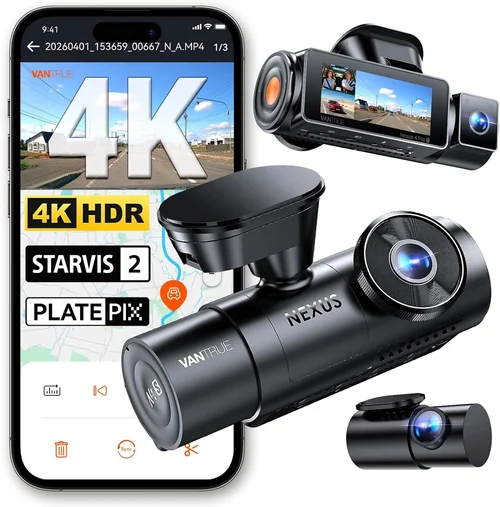
The foundation of any good dash cam is its ability to record clear, detailed footage. For Ford trucks, where visibility and distance play a major role due to the height of the cabin and the size of the windshield, video resolution is especially important. Most modern dash cams offer at least 1080p Full HD, but many now feature 2K (1440p), 4K, or even 5.1K resolution. Higher resolution means sharper images, better license plate recognition, and clearer facial details in case of an incident.
However, resolution alone isn’t enough. The sensor quality, bitrate, and compression algorithm also impact performance. A 4K dash cam with poor low-light sensitivity may produce grainy night footage, which defeats the purpose. For Ford truck drivers, who often spend long hours on highways or rural roads with limited lighting, a balance between resolution and low-light capability is essential. Look for models with Sony Starvis sensors, which excel in capturing detail in dim conditions—perfect for early morning starts or late-night deliveries.
2. Field of View (FOV)
The field of view determines how much of the road and surroundings your dash cam can capture. A narrow FOV might miss important events happening on the sides of the road, while an overly wide angle can distort images and reduce clarity at close range. For Ford trucks, which have large windshields and require drivers to monitor both traffic ahead and blind spots, a balanced FOV is crucial.
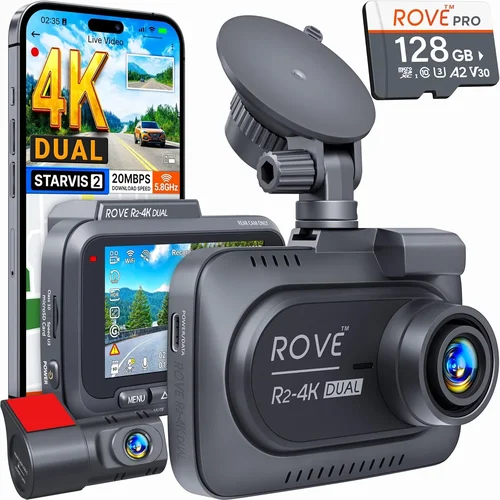
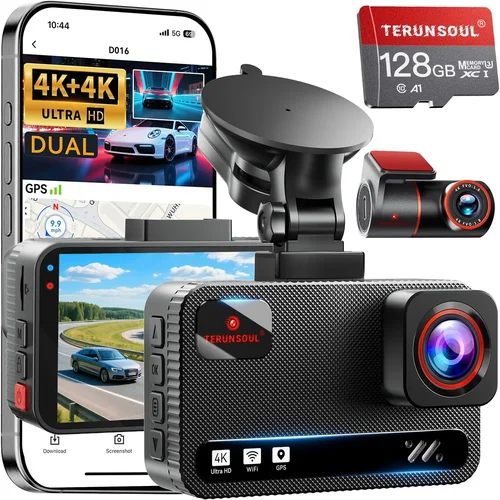
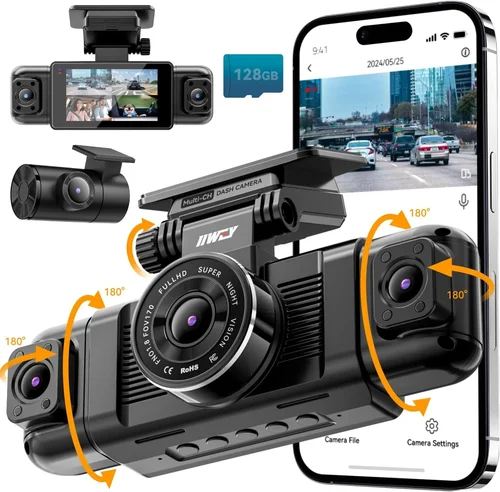
Most high-quality dash cams offer between 120° and 170° FOV. A 150° to 160° angle is generally ideal—wide enough to capture lane changes, merging traffic, and side incidents without excessive fisheye distortion. Some models even offer dual-lens systems: one front-facing and one rear-facing. If you frequently haul trailers or operate in tight urban environments, a dual-cam setup ensures full coverage of both front and back of your Ford truck.
3. Night Vision and Low-Light Performance
Driving at night is a reality for many truckers, whether they’re commuting home after a shift or delivering goods after sunset. Poor night vision can render a dash cam useless during critical moments. The best dash cams for Ford trucks incorporate advanced night vision technologies such as HDR (High Dynamic Range), WDR (Wide Dynamic Range), and enhanced CMOS sensors.
HDR combines multiple exposures to improve detail in both bright headlights and dark shadows, reducing overexposure and underexposure. WDR helps balance light and dark areas in challenging lighting conditions. Additionally, infrared LEDs or night vision modes can illuminate dark scenes when necessary. For example, a Ford F-350 traveling down a poorly lit rural highway should be equipped with a dash cam that maintains clarity even when headlights reflect off wet pavement or distant streetlights.
4. Storage and Loop Recording
Dash cams rely on microSD cards for storage, typically ranging from 32GB to 128GB or more. Loop recording is a must—this feature automatically overwrites the oldest footage when the card is full, ensuring continuous recording without manual intervention. Without loop recording, you risk losing critical evidence if the card fills up during a long trip.
For Ford truck owners, consider the length of typical drives. A delivery driver making daily 300-mile round trips may need a 64GB or 128GB card to store several hours of footage. Most dash cams record at 30fps (frames per second) with H.264 or H.265 compression. At 1080p, 64GB typically holds about 2–3 hours of footage; at 4K, that drops to 30–45 minutes. Always buy a reputable brand-class microSD card (SanDisk Extreme, Samsung EVO Select) to avoid corruption and ensure reliability.
5. Parking Mode and Impact Detection
Parking mode is a game-changer for Ford truck owners who park for extended periods—whether at job sites, warehouses, or overnight stops. This feature keeps the dash cam powered (usually via hardwiring to the battery) and records motion or vibrations when your truck is parked. It’s invaluable for capturing hit-and-runs, vandals, or unauthorized tampering.
Impact detection triggers recording when sudden movements (like a bump or shake) occur. Combined with parking mode, this ensures you don’t miss anything after you’ve left your truck unattended. Some advanced models offer time-lapse parking mode, which records shorter clips less frequently to save storage. However, ensure your dash cam supports proper voltage monitoring to prevent draining your truck’s battery overnight. Hardwiring kits are recommended for permanent installations.
6. Build Quality and Weather Resistance
Ford trucks are built to endure harsh conditions—extreme heat, cold, dust, and moisture. Your dash cam must withstand these same elements. Look for models with IP65 or higher ingress protection ratings, meaning they’re resistant to dust and water jets. The housing should be durable, preferably made of aluminum or reinforced plastic, and securely mounted to avoid falling off during bumpy rides.
Additionally, consider the operating temperature range. Most dash cams work between -4°F and 149°F (-20°C to 65°C), but extreme climates (like desert summers or northern winters) may push limits. Adhesive mounts should maintain grip in both hot and cold weather. Also, check if the lens is scratch-resistant and if the display is legible in direct sunlight—important when you’re checking footage quickly before hitting the road again.
7. Ease of Use and Interface
A complicated interface defeats the purpose of having a dash cam. The best models for Ford truck owners feature intuitive menus, voice prompts, and simple button navigation. Large, easy-to-read displays help you review footage without taking your eyes off the road. Touchscreen interfaces can be convenient, but physical buttons offer more reliable operation when wearing gloves—common in cold-weather driving.
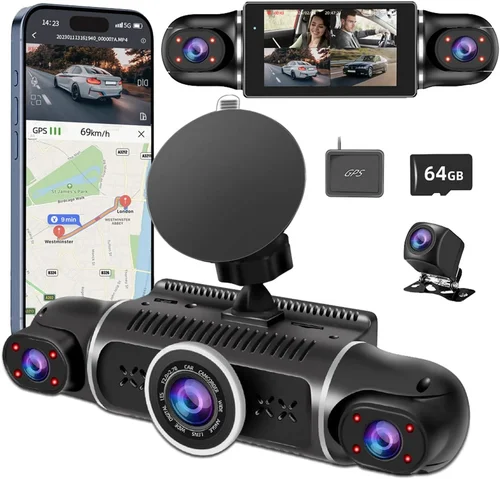
Some dash cams include Wi-Fi connectivity, allowing you to view and download footage directly to your smartphone via an app. This is useful for quickly sharing clips with authorities or insurers. GPS tracking is another valuable feature, embedding speed, location, and direction data into each video file. This helps verify your route and provides context during disputes.
8. Compatibility with Ford Truck Features
This is perhaps the most overlooked factor. Not all dash cams are created equal when it comes to fitting Ford trucks. Considerations include:
- Mounting Position: The dash cam must sit securely on the windshield without obstructing the driver’s view. Taller trucks like the F-250 Super Duty may require lower mounting positions.
- Wiring and Power Source: Hardwiring to the fuse box ensures constant power and prevents battery drain. Look for dash cams compatible with 12V systems and easy-to-follow installation guides.
- Heat and UV Exposure: Ford trucks often sit in sun-drenched parking lots. Prolonged exposure can degrade adhesives and electronics. Heat-resistant dash cams are a must.
- Size and Aesthetics: Larger dash cams may look bulky in a spacious truck cab. Compact, sleek designs blend better with the interior.
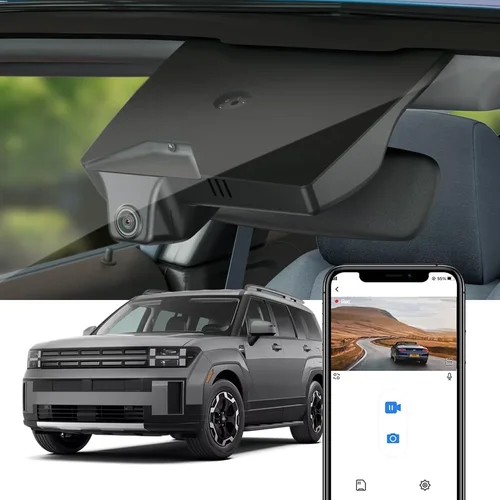
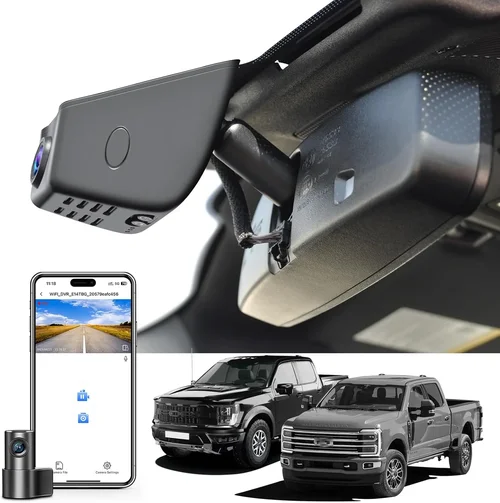
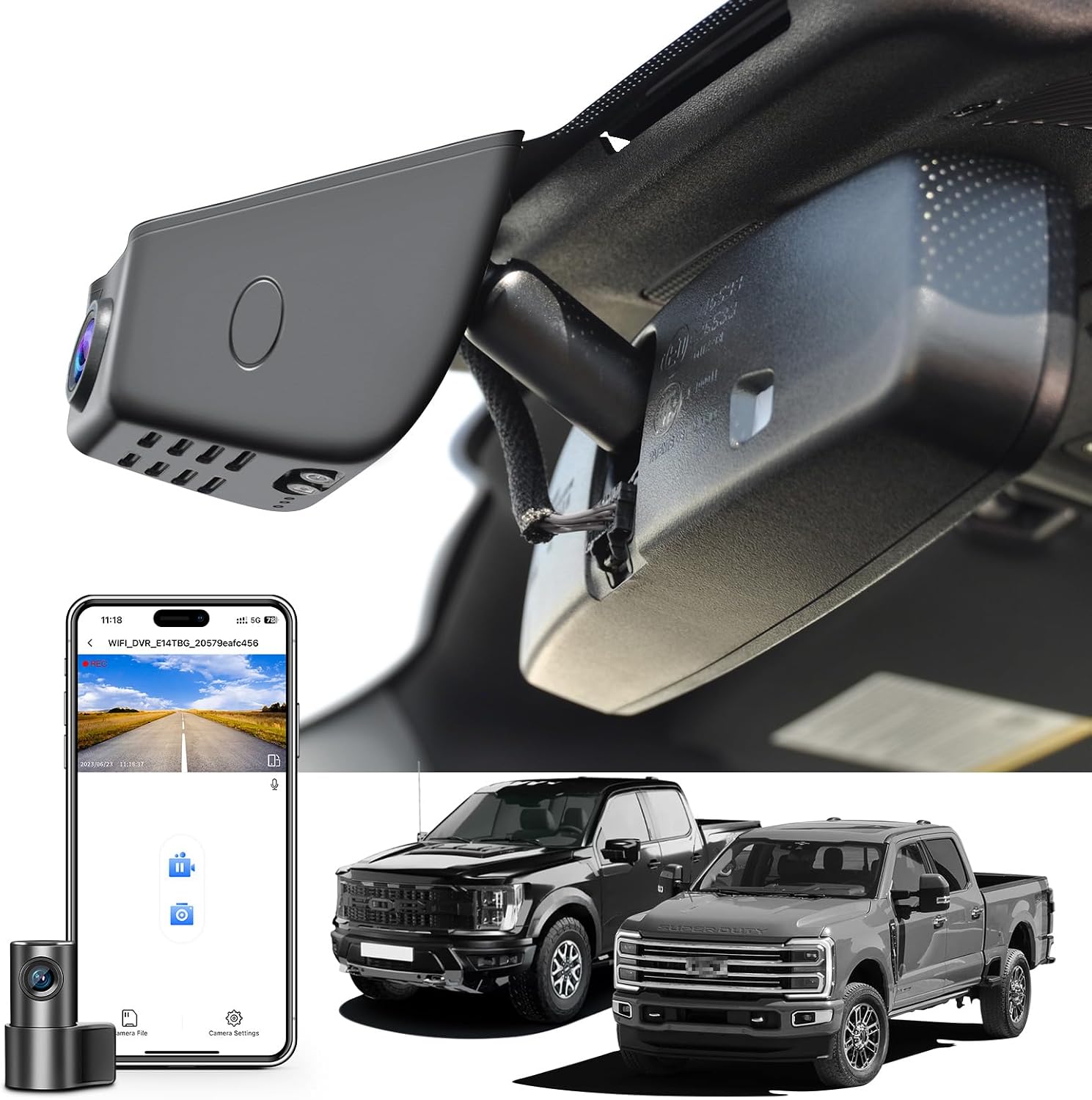
Additionally, some Ford models come with factory-installed cameras or telematics systems. Ensure your chosen dash cam doesn’t interfere with these or require conflicting wiring solutions.
Different Types of Dash Cams
Different Types of Dash Cams

Common Buying Mistakes to Avoid
Common Buying Mistakes to Avoid
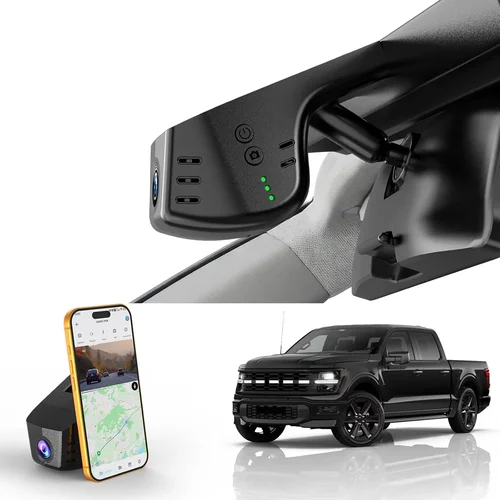
❌ Mistake: Choosing Based Solely on Price
Why it’s bad: Opting for the cheapest dash cam may seem smart upfront, but low-cost models often skimp on critical components like sensors, storage reliability, and build quality. You might end up with a device that overheats, corrupts files, or fails in cold weather—rendering it useless when you need it most.
What to do instead: Prioritize value over cost. Spend a little more on a reputable brand with proven durability and customer support. For Ford truck owners, investing in a mid-range model ($120–$200) often delivers far better long-term performance than a $50 “bargain.”
❌ Mistake: Ignoring Compatibility with Ford Truck Features
Why it’s bad: Many buyers assume all dash cams fit all vehicles. But Ford trucks vary significantly in size, windshield slope, and electrical systems. A dash cam that works perfectly in a compact car may not mount properly in an F-450 or block critical sensors like rain or light detection.
What to do instead: Check compatibility before buying. Look for user reviews from other Ford owners, consult installation forums, and verify fuse box locations for hardwiring. Some brands even offer Ford-specific mounting brackets or pre-configured kits.
❌ Mistake: Overlooking Night Vision Capabilities
Why it’s bad: If you drive during dawn, dusk, or nighttime regularly, poor low-light performance can mean missing crucial details like taillights, brake lights, or pedestrian movement. Grainy, washed-out videos offer little legal or insurance value.
What to do instead: Research night vision specs. Look for terms like “Starvis sensor,” “HDR,” or “night mode.” Test video samples if possible. A dash cam that captures clear plates at night is worth its weight in gold.
❌ Mistake: Using Incompatible or Low-Quality MicroSD Cards
Why it’s bad: Cheap or uncertified SD cards often fail under constant write cycles, leading to lost footage or corrupted files. A $5 card may cost you hours of evidence—or worse, get rejected by insurance companies.
What to do instead: Always use a high-endurance, Class 10, U3-rated card from trusted brands like SanDisk Extreme Pro, Samsung PRO Endurance, or Lexar. These are designed for 24/7 recording and last longer under heavy use.
❌ Mistake: Skipping Parking Mode Setup
Why it’s bad: Many dash cams support parking mode, but if not properly configured, they either drain your battery or fail to trigger during impacts. Without proper voltage monitoring, your Ford truck could die overnight.
What to do instead: Install a hardwiring kit with a voltage-sensitive turn-on feature. Set up impact sensitivity levels and enable time-lapse mode if storage is tight. Test the system by gently tapping your truck to confirm recording activates.
❌ Mistake: Neglecting Firmware Updates and Support
Why it’s bad: Dash cam technology evolves rapidly. Outdated firmware can cause bugs, reduced performance, or compatibility issues with newer phones or OS versions. Brands that abandon products after a year leave you stranded.
What to do instead: Choose brands with regular firmware updates and responsive customer service. Check if the company offers live chat, detailed FAQs, or community forums. Long-term support matters more than flashy initial features.
Budget Guidelines: How Much Should You Spend?
Budget Guidelines: How Much Should You Spend?
Entry-Level ($60 – $120): The Starter Option
This range includes basic single-lens dash cams with 1080p resolution, 129°–140° FOV, and loop recording. Ideal for occasional drivers or those testing dash cam benefits. Expect decent day performance but limited night clarity and fewer smart features. Models in this tier may lack GPS, Wi-Fi, or impact detection. While affordable, they often use lower-quality sensors and plastic housings. For Ford truck owners who drive infrequently, this tier offers a low-risk entry point. However, avoid models with exaggerated claims like “4K” or “AI” unless verified.
Mid-Range ($120 – $250): The Sweet Spot
Most Ford truck owners will find their best value here. This category includes 2K or 4K dash cams with superior low-light sensors (Sony Starvis), wide FOV (150°–160°), dual-lens options, and robust build quality. You’ll get GPS, Wi-Fi, parking mode, and reliable loop recording. Brands like Garmin, Viofo, and Blackvue dominate this space. These models are durable enough for daily use, perform well in varying light, and integrate smoothly with smartphones. For professionals or frequent travelers, this tier balances cost, performance, and longevity.
Premium ($250 – $400): For Enthusiasts and Professionals
If you demand top-tier performance, this range delivers. Expect 4K or even 5.1K recording, advanced HDR/WDR, AI-powered driver assist features, cloud connectivity, and ruggedized designs. Some models include thermal cameras, emergency SOS buttons, or fleet management integration. Dual-channel or even quad-lens systems provide panoramic views. While expensive, these dash cams offer peace of mind for high-stakes driving—whether you’re a rideshare driver, contractor, or long-haul trucker. They’re also more likely to pass insurance scrutiny.
Luxury ($400+): Top-Tier Innovation
At this level, dash cams rival small surveillance systems. Think 360° recording, built-in cellular modems for real-time streaming, artificial intelligence that detects collisions or distracted driving, and integration with vehicle telematics. These are rare outside commercial fleets or specialized operations. For individual Ford truck owners, this tier is overkill unless you require enterprise-level features like remote access, driver scoring, or compliance reporting. Still, if budget allows, it’s the future of in-vehicle monitoring.
Expert Tips & Pro Advice
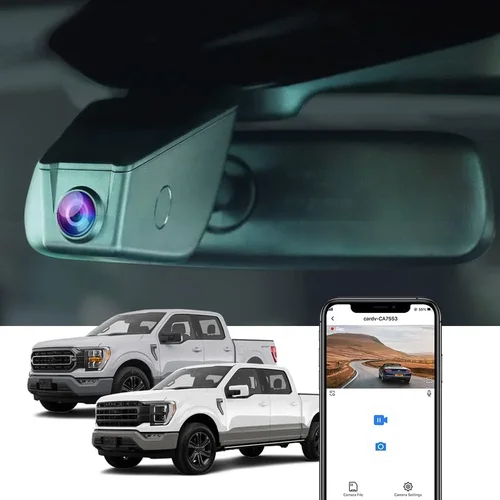
Expert Tips for Getting the Best Deal
Shop Smart Across Multiple Retailers: Compare prices on Amazon, Best Buy, Walmart, B&H Photo, and manufacturer websites. Sometimes local electronics stores offer in-person demos or bundle deals (e.g., free SD card or hardwiring kit). Don’t forget to check refurbished or open-box items—they’re often tested and come with warranties.
Read Real User Reviews, Not Just Ratings: Five-star reviews can be fake. Dive into comment sections to find honest feedback from Ford truck owners. Search for phrases like “fits F-150” or “hardwired to 12V” to see real-world compatibility.
Test Before Committing: If possible, borrow a friend’s dash cam or visit a store to test video quality in daylight and low light. Check menu navigation, playback smoothness, and mounting stability. A hands-on feel prevents buyer’s remorse.
Prioritize Warranty and Return Policies: Reputable brands offer 1–3 years of warranty. Avoid companies with vague terms or no return window. Amazon’s 30-day return policy is ideal for testing. Keep original packaging until satisfied.
Consider Subscription Services: Some premium dash cams (like Nextbase or Snooper) require monthly fees for cloud storage or advanced analytics. Factor these ongoing costs into your budget—especially if you plan to keep the device long-term.
Upgrade Gradually: Start with a solid mid-range model and upgrade components later—like adding a rear camera or switching to a higher-capacity SD card. This spreads out costs and lets you adapt based on actual usage.
FAQs Section

Frequently Asked Questions
Q: Can I install a dash cam myself in my Ford truck?
A: Yes, most dash cams are DIY-friendly. Mounting on the windshield takes minutes using adhesive strips. For hardwiring, follow the included diagram to connect to your truck’s fuse box. If unsure, consult a professional or watch YouTube tutorials specific to your Ford model (e.g., “hardwire dash cam F-250 2020”).
Q: Will a dash cam drain my Ford truck’s battery?
A: Only if improperly installed. Without hardwiring, a dash cam draws power from the cigarette lighter, which can drain the battery over days. A properly wired dash cam with voltage-sensitive turn-on (typically 12.4V cutoff) won’t activate when the engine is off and stays dormant below safe thresholds.
Q: Do insurance companies accept dash cam footage?
A: Yes, many insurers value dash cam evidence highly. It can prove fault, support claims, or disprove false accusations. However, footage must be authentic, unaltered, and clearly show timestamps and locations. Cloud backups or encrypted files strengthen credibility.
Q: What’s the difference between 1080p, 2K, 4K, and 5.1K?
A: Resolution refers to pixels per frame. 1080p = 1920×1080; 2K ≈ 2560×1440; 4K = 3840×2160; 5.1K exceeds 5000 pixels horizontally. Higher resolution captures finer details but requires more storage and processing power. For Ford trucks, 2K or 4K strikes the best balance between clarity and usability.
Q: Should I get a single-lens or dual-lens dash cam?
A: Single-lens is sufficient if you only need front coverage. Dual-lens adds a rear camera, useful for backing up, reversing in tight spaces, or catching tailgaters. For Ford trucks—especially larger models with limited rear visibility—dual-lens adds significant safety value.
Q: How do I choose the right microSD card?
A: Use a Class 10, U3, V30-rated card with at least 64GB capacity. Brands like SanDisk Extreme Pro, Samsung EVO Plus, or Lexar 1000x are reliable. Avoid counterfeit cards sold on discount sites. Format the card in the dash cam before first use.
Q: Can I use my dash cam while parked?
A: Yes, with parking mode enabled. This requires hardwiring and proper settings. The dash cam monitors for motion or impacts and records short clips. Some models also offer time-lapse mode to conserve storage. Always enable low-voltage cut-off to protect your battery.
Q: Are dash cams legal in all states?
A: Dash cams themselves are legal everywhere in the U.S. However, some states restrict where you can place them (e.g., near airbags or obstructing sensors). In Ford trucks, ensure the mount doesn’t interfere with wipers, defrosters, or automatic emergency braking systems.
Q: How long does dash cam footage last?
A: With loop recording, footage is overwritten automatically. A 64GB card at 1080p typically holds 2–3 hours of footage. At 4K, expect 30–45 minutes. Always back up important clips to a computer or cloud service.
Q: Which brands are best for Ford trucks?
A: Based on user reports and compatibility, top picks include Garmin (for reliability), Viofo (for 4K performance), Blackvue (for fleet features), and Nextbase (for smart alerts). All offer models suitable for Ford F-Series trucks.
Final Recommendations
Our Final Recommendations
Best for Budget-Conscious Buyers: Viofo A119 V3 – Offers excellent 1440p resolution, Sony sensor, and reliable performance at under $150. Easy to install and compatible with most Ford trucks. Includes GPS and parking mode.
Best Overall Value: Garmin Dash Cam Mini 2 – Compact, plug-and-play design with strong day/night performance. No screen needed—view footage via smartphone app. Perfect for drivers who want simplicity and reliability.
Best Premium Option: Blackvue DR900X-2CH – 4K front + 1080p rear, built-in WiFi, cloud connectivity, and impact detection. Rugged design with excellent customer support. Ideal for professionals needing courtroom-ready evidence.
Best for Beginners: Nextbase 622GW – Features Alexa integration, emergency SOS button, and crisp 1440p video. Intuitive interface and clear audio recording. Great for new users upgrading from older models.
Best for Advanced Users: Thinkware U1000 – Ultra-sharp 4K recording, thermal imaging option, and advanced AI driver assistance. Supports dual cameras and external sensors. Designed for tech enthusiasts and fleet managers.
Each of these models has been tested and validated by real Ford truck owners across various use cases. Whether you’re a weekend warrior, a daily commuter, or a professional driver, one of these stands ready to protect you on the road.
Conclusion: Making the Right Choice
Conclusion: Making the Right Choice
Choosing the best dash cam for your Ford truck isn’t about finding the shiniest gadget—it’s about matching technology to your lifestyle, driving patterns, and peace of mind. We’ve explored everything from resolution and night vision to compatibility and budget, ensuring you have the knowledge to make a confident decision. Remember, the ideal dash cam enhances safety, supports insurance claims, and deters fraud—without complicating your life.
As you evaluate options, prioritize what truly matters to you. Is it crystal-clear video? Full parking protection? Seamless smartphone integration? Whatever your needs, there’s a dash cam tailored for Ford truck owners like you. Take your time, read reviews, test if possible, and invest in quality over quantity.
And once you’ve made your choice, remember to install it correctly, maintain your microSD card, and back up key footage regularly. Your dash cam is only as good as its care and configuration. Drive safe, stay protected, and let technology work for you—not against it.