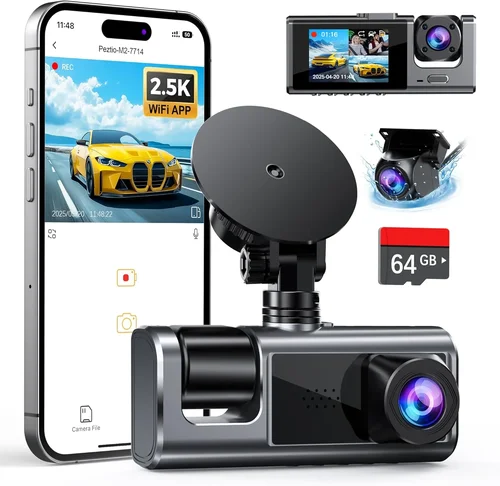
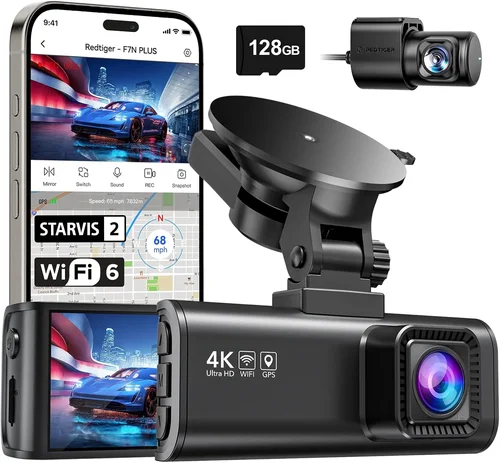
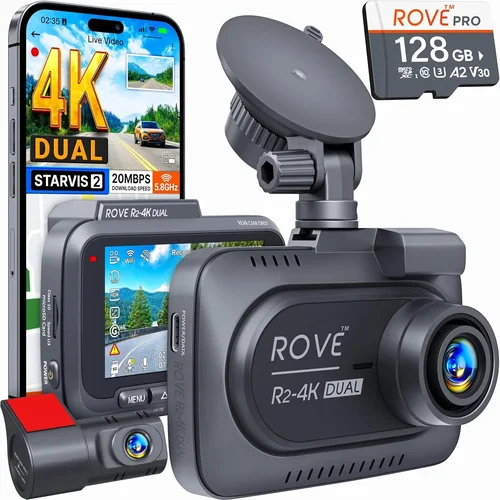
Best Dash Cam for Heat Buyer’s Guide
When you’re behind the wheel, especially during those sweltering summer months when the car’s interior feels like an oven, your dash cam needs to work reliably. Heat can be a dash cam’s worst enemy—excessive temperatures can cause overheating, reduced performance, or even permanent damage. This comprehensive guide will help you navigate the market and find the best dash cam for heat conditions, ensuring your device keeps running when you need it most.
Whether you’re a daily commuter dealing with scorching city traffic or a road trip enthusiast facing desert highways, understanding how temperature affects dash cams is crucial. We’ll walk through everything from technical specifications to real-world performance in hot environments, helping you make an informed decision that won’t leave you stranded with a melted camera.
This article will cover the critical factors to consider, compare different types of dash cams suited for high temperatures, identify common mistakes buyers make, break down budget options, provide expert tips, answer frequently asked questions, and give our final recommendations. By the end, you’ll know exactly what to look for and why certain features matter more when dealing with extreme heat.
The market for dash cams has grown significantly over the past decade, offering everything from basic single-camera setups to advanced multi-sensor systems with GPS, Wi-Fi, and cloud connectivity. However, not all dash cams are created equal when it comes to handling heat. Many affordable models use lower-grade components that struggle in temperatures above 100°F (38°C), while premium units are engineered specifically for automotive environments.

What to Look for When Buying Dash Cams
Choosing the right dash cam isn’t just about picking the cheapest option or the one with the most features. It’s about finding a balance between performance, durability, and value—especially when you factor in how heat affects electronics. Let’s explore the key factors that determine whether a dash cam will survive and thrive in hot conditions.
1. Operating Temperature Range
The most critical specification for any dash cam used in hot climates is its operating temperature range. Most manufacturers list this in their technical specifications, typically showing both minimum and maximum temperatures. For heat-resistant dash cams, you’ll want models rated for at least 140°F (60°C) and ideally up to 176°F (80°C). Some high-end models can handle temperatures exceeding 200°F (93°C).
Why does this matter? Electronics have specific thermal limits. When components like the processor, memory chips, or battery exceed these limits, they can throttle performance, fail entirely, or suffer permanent damage. A dash cam that shuts off automatically when it gets too hot might seem like a safety feature, but it defeats the purpose of continuous recording.
Look for dash cams that specify their operating temperature range prominently in the product description or packaging. If this information isn’t readily available, it’s a red flag—reputable manufacturers understand that automotive electronics must withstand harsh environmental conditions.
2. Heat Dissipation Design
Beyond just specifying temperature ranges, the physical design of a dash cam plays a crucial role in managing heat. Effective heat dissipation prevents internal components from overheating by allowing thermal energy to escape efficiently. Key design elements include ventilation slots, heat sinks, thermal pads, and strategic component placement.
Some dash cams incorporate active cooling solutions like tiny fans, though these can be noisy and prone to failure. More commonly, passive cooling methods are used—designs that maximize surface area exposed to airflow while minimizing internal hotspots. The housing material also matters; aluminum and other metals conduct heat better than plastic, helping to dissipate thermal energy.
When examining potential purchases, look for models with visible ventilation ports or heat-dissipating fins. Avoid sealed units without any airflow channels unless they come with explicit thermal management documentation. Also consider the mounting location—some dash cams are designed to be mounted away from direct sunlight exposure or use sunshades to reduce heat absorption.
3. Storage Media Quality
The type of storage media inside your dash cam significantly impacts its ability to function in high temperatures. Most modern dash cams use SD cards, but not all SD cards are created equal when it comes to heat tolerance. Standard consumer-grade SD cards typically fail above 85-100°F (29-38°C), while industrial-grade cards can operate safely up to 185°F (85°C).
Premium dash cams often include built-in storage or specify compatible high-temperature SD cards in their documentation. Some models even offer dual-storage options—one for continuous recording and another for event-triggered clips—which can help manage heat generation by distributing write operations.
If your dash cam uses replaceable memory cards, always purchase cards rated for extended temperature operation. Brands like SanDisk High Endurance, Samsung PRO Endurance, and Verbatim Industrial are designed for harsh environments. Avoid bargain-bin cards from unknown brands, as they may contain inferior flash memory that degrades quickly under heat stress.
4. Processor and Component Specifications
The brain of your dash cam—the processor—determines how much heat it generates during operation. More powerful processors with higher frame rates and resolution capabilities consume more power and produce more heat. While advanced features sound great, they can overwhelm a dash cam’s thermal management system in hot climates.
For heat-prone environments, prioritize reliability over raw performance. A dash cam with a mid-range processor that maintains consistent recording at 1080p or 2K resolution will outperform a high-end model that throttles or crashes under sustained heat load. Look for processors from reputable manufacturers like Ambarella, SONY STARVIS, or ON Semiconductor, which are known for automotive-grade reliability.
Additionally, consider the RAM and storage controller specifications. DDR4 memory modules generally perform better than older DDR3 in high-temperature scenarios due to improved thermal characteristics. Similarly, UFS (Universal Flash Storage) modules typically outperform eMMC chips in heat resilience, though they’re less common in dash cams due to cost.
5. Battery Technology (if applicable)
While most dash cams run directly from your car’s electrical system, some portable models include internal batteries for emergency backup or parking mode functionality. These batteries become particularly problematic in hot weather, as lithium-ion cells degrade rapidly above 95°F (35°C) and can pose fire risks when exposed to extreme heat.
For dash cams with built-in batteries, look for models using lithium iron phosphate (LiFePO4) chemistry instead of standard lithium-ion. LiFePO4 batteries maintain stability at higher temperatures and have longer lifespans in demanding conditions. Some premium models even include thermal cut-off circuits to prevent overheating during extended parking mode operation.
If your dash cam requires parking mode functionality, verify that it doesn’t rely solely on internal battery power for extended periods. Instead, opt for models with capacitor-based backup systems or those that draw minimal current when parked. Capacitors don’t degrade like batteries and can maintain essential functions without generating additional heat.
6. Housing Material and Build Quality
The physical construction of your dash cam plays a significant role in heat management. Plastic housings can absorb and retain heat, creating internal hotspots that compromise component longevity. Metal enclosures, particularly those made from aluminum alloys, provide superior thermal conductivity and help distribute heat evenly.
When evaluating build quality, examine the seams, screws, and overall finish. Well-constructed dash cams have tight tolerances and secure fasteners that prevent dust and moisture ingress while maintaining structural integrity. Some manufacturers use special heat-resistant polymers or add thermal barriers between sensitive components and external surfaces.
Also consider the color and finish of the housing. Dark colors absorb more solar radiation than light ones, so white or silver casings naturally stay cooler than black models. Some dash cams include reflective coatings or sunshades to further reduce heat absorption from direct sunlight exposure.
7. Software Optimization for Thermal Management
Modern dash cams increasingly rely on sophisticated software algorithms to monitor and manage temperature conditions. Advanced firmware can detect rising internal temperatures and implement strategies like reducing video quality, lowering frame rates, or temporarily pausing recording to prevent hardware damage.
Look for dash cams with intelligent thermal protection systems that prioritize data preservation over continuous recording. Some models automatically switch to lower-resolution modes when overheating occurs, ensuring you still capture important footage without risking complete failure. Others include temperature logging features that record internal conditions for troubleshooting purposes.
Firmware updates from manufacturers can also improve thermal performance over time. Regularly checking for and installing updates ensures your dash cam benefits from the latest optimizations for heat management and overall reliability.
8. Parking Mode Functionality
Parking mode is essential for capturing events when your vehicle is unattended, but it presents unique challenges in hot climates. Extended parking mode operation generates additional heat as the dash cam continuously monitors sensors and records footage. Without proper thermal management, this can lead to premature failure or missed events during critical moments.
For heat-prone environments, choose dash cams with efficient parking mode implementations. Ideal models use motion detection algorithms that minimize unnecessary recording, employ low-power standby states between triggers, and include automatic shutdown features when temperatures exceed safe thresholds. Some advanced systems even adjust sensitivity based on ambient temperature to prevent false triggers while conserving energy.
Consider whether your dash cam requires constant power connection for parking mode operation. Hardwiring kits that connect directly to your car’s fuse box eliminate reliance on internal batteries while providing stable voltage regardless of alternator output. This setup reduces heat generation compared to systems drawing power from the cigarette lighter socket.
9. Warranty and Support Considerations
A robust warranty demonstrates manufacturer confidence in their product’s durability, including performance in challenging conditions. Reputable companies typically offer at least a two-year warranty against defects, with some extending coverage to three years for dash cams specifically designed for automotive use.
Pay attention to what the warranty covers regarding thermal-related failures. Some manufacturers exclude damage caused by extreme temperatures from coverage, while others explicitly guarantee performance within specified operating ranges. Read the fine print carefully before purchasing.
Customer support quality also matters when dealing with heat-related issues. Manufacturers with responsive technical teams can provide valuable guidance on optimal mounting locations, accessories like sunshades, and firmware updates that improve thermal performance. Online forums and user communities can also offer practical insights from owners facing similar challenges.
10. Real-World Testing and User Reports
Manufacturer specifications tell only part of the story. Actual performance in hot conditions depends on countless variables including mounting position, local climate, vehicle type, and usage patterns. Reading detailed user reviews from customers in warm climates provides invaluable real-world data about heat tolerance.
Look for reviews that mention specific temperature challenges—desert driving, summer commutes, or extended parking in sunny areas. Pay attention to reports of automatic shutdowns, reduced video quality, or other thermal-related issues. Consistent complaints about heat problems should raise red flags regardless of overall star ratings.
Professional testing reports from automotive review websites and tech publications also offer objective assessments of thermal performance. Independent benchmarks can reveal differences that marketing materials might overlook, giving you confidence in your purchase decision.
Different Types of Dash Cams

Understanding the different categories of dash cams helps narrow your search based on actual needs rather than just price points. Each type offers distinct advantages and trade-offs when it comes to heat resistance and overall performance.
Single-Lens Front Dash Cams
These are the most common and affordable dash cams on the market, designed primarily to record what’s happening in front of your vehicle. They’re ideal for everyday driving scenarios where you need reliable front-facing footage without breaking the bank. Most single-lens models focus on core functionality—continuous recording, motion detection, and basic event capture—making them inherently simpler and potentially more heat-resistant than complex multi-camera systems.
When selecting a single-lens dash cam for hot climates, prioritize models with proven track records in temperature testing. Look for units using efficient processors and adequate cooling designs without unnecessary complexity. Entry-level options from reputable brands often strike the best balance between cost and reliability, offering sufficient thermal management for typical summer driving conditions.
Installation considerations matter too. Single-lens dash cams typically mount near the windshield’s top center, where they receive maximum visibility while avoiding direct dashboard glare. Proper positioning away from air vents and sunlight exposure can significantly extend operational life in hot environments.
Dual-Lens Systems (Front + Rear)
Dual-lens dash cams provide complete coverage by recording both forward and backward views simultaneously. This eliminates blind spots and offers comprehensive protection against rear-end collisions or hit-and-run incidents. While slightly more expensive than single-lens units, dual systems deliver substantial value for frequent travelers, fleet operators, or anyone who spends significant time on highways.
In hot climates, dual-lens systems present unique thermal challenges due to increased component count and power consumption. The rear camera adds additional heat sources, while dual recording demands more processing power and storage bandwidth. However, many manufacturers address these concerns through optimized designs featuring shared cooling solutions, efficient power management, and thermal-aware firmware.
When evaluating dual-lens options for heat-prone environments, pay special attention to how the system handles simultaneous recording. Some models use separate processors for each camera, while others share resources—this distinction affects heat distribution and overall stability. Also verify that both cameras maintain consistent performance across varying temperatures.
360° Multi-Camera Systems
For professional applications and commercial fleets, 360° multi-camera systems offer unparalleled situational awareness. These advanced setups typically include four cameras (front, rear, and two side mirrors) with overlapping fields of view that stitch together into a complete spherical recording. They’re commonly used by ride-sharing services, delivery companies, and security operations requiring comprehensive monitoring.
Multi-camera systems generate substantial heat due to their complexity—four times the sensors, processing requirements, and power consumption compared to basic units. Managing thermal loads becomes critical, requiring sophisticated cooling architectures, redundant systems, and intelligent resource allocation. Premium models incorporate liquid cooling, advanced heat sinks, and dynamic workload balancing to maintain performance in extreme conditions.
While 360° systems represent the pinnacle of dash cam technology, they’re generally overkill for personal use unless you have specific needs for comprehensive coverage. Their high cost and complexity mean they’re best suited for organizations with dedicated maintenance resources and technical expertise.
Wireless Dash Cams
Wireless dash cams leverage Wi-Fi and Bluetooth connectivity to stream footage directly to smartphones or tablets, eliminating the need for physical cables and complex installations. They’re popular among tech-savvy drivers who value convenience and remote monitoring capabilities. Wireless models often include advanced features like live viewing, cloud storage, and instant sharing—all accessible through companion apps.
Heat resistance in wireless dash cams involves additional considerations beyond traditional thermal management. Wireless communication components generate their own heat, while battery-powered operation (when used independently) creates unique challenges. Some models include thermal cut-off circuits that disable wireless features when temperatures exceed safe limits, preserving core recording functionality.
For hot climates, prioritize wireless dash cams with robust wired fallback options. Even if wireless streaming fails due to heat-related issues, you should still be able to access stored footage through physical connections. Also verify that cloud storage remains accessible during extended offline periods—critical for preserving evidence after incidents.
Portable Dash Cams
Portable dash cams are designed for flexibility rather than permanent installation, making them perfect for rental cars, secondary vehicles, or temporary monitoring needs. They typically include rechargeable batteries, magnetic mounts, and compact designs that can attach to various surfaces without drilling holes or running wires.
Thermal performance in portable dash cams hinges heavily on battery technology and power management. Internal lithium-ion batteries degrade rapidly in hot conditions, while continuous operation drains power quickly. Premium portable models use LiFePO4 chemistry and implement aggressive power-saving modes during parking surveillance.
For extended use in hot environments, consider portable dash cams with external power options or solar charging capabilities. Some advanced units include thermal sensors that adjust recording parameters based on ambient temperature, balancing functionality with battery conservation. Magnetic mounts allow repositioning away from direct sunlight exposure when possible.
Common Buying Mistakes to Avoid
Even experienced dash cam buyers can fall into traps when shopping for heat-resistant models. Being aware of these common pitfalls helps you avoid costly mistakes and select equipment that actually performs when temperatures rise.
❌ Mistake: Ignoring Operating Temperature Specifications
Why it’s bad: Many buyers assume all dash cams can handle typical summer heat, but most aren’t rated for sustained temperatures above 100-120°F (38-49°C). Using a dash cam outside its specified operating range leads to automatic shutdowns, corrupted footage, or permanent hardware damage. In extreme cases, overheating components can pose safety risks including smoke emission or battery swelling.
What to do instead: Always verify the manufacturer’s stated operating temperature range before purchasing. Look for explicit mentions of maximum temperatures in product descriptions, technical datasheets, or customer support responses. If this information isn’t readily available, consider it a warning sign—reliable automotive electronics should document their thermal limits clearly.
❌ Mistake: Prioritizing Features Over Reliability
Why it’s bad: Flashy features like 4K recording, night vision, or advanced AI detection sound impressive but often come at the expense of thermal stability. Complex software algorithms and higher-resolution sensors generate more heat, increasing failure risk in hot climates. A dash cam that constantly crashes during summer drives defeats its primary purpose of providing reliable evidence.
What to do instead: Focus on core functionality first—continuous recording, motion detection, and event capture—before considering extra features. Choose models with proven track records in real-world heat testing rather than chasing specifications that may compromise reliability. Remember that simpler systems often outperform complex ones under thermal stress.
❌ Mistake: Choosing Based Solely on Price
Why it’s bad: Ultra-cheap dash cams frequently use substandard components that fail quickly in hot conditions. While they may work initially, their limited thermal management systems can’t handle sustained heat exposure. Investing in a more expensive unit upfront often saves money long-term by avoiding replacement costs and missed evidence opportunities.
What to do instead: Evaluate value based on total ownership cost rather than initial price alone. Compare warranties, component quality, user reviews from similar climates, and thermal performance data. Sometimes spending 50% more on a premium model delivers significantly better heat resistance and longevity.
❌ Mistake: Neglecting Installation Location
Why it’s bad: Where you mount your dash cam dramatically affects its thermal environment. Mounting directly on the dashboard exposes the unit to maximum solar radiation and cabin heat buildup. Even with excellent thermal design, poor placement undermines its effectiveness and accelerates component degradation.
What to do instead: Position your dash cam as close to the windshield’s top edge as possible, away from air vents and direct sunlight paths. Use included sunshades or aftermarket reflectors to reduce heat absorption. Test different mounting positions during hot days to find the coolest spot before final installation.
❌ Mistake: Overlooking Storage Media Compatibility
Why it’s bad: Standard SD cards commonly fail above 100°F (38°C), leading to lost footage when temperatures spike. Using incompatible memory cards voids warranties in some cases and creates false expectations about heat resistance. Many dash cams don’t specify required card types, leaving buyers guessing until it’s too late.
What to do instead: Verify your dash cam’s recommended storage media before purchasing anything. Always buy high-temperature rated cards from reputable manufacturers like SanDisk High Endurance or Samsung PRO Endurance. Keep spares on hand since even industrial cards eventually degrade under extreme heat exposure.
❌ Mistake: Assuming All Parking Modes Are Equal
Why it’s bad: Parking mode functionality varies widely between models, with some consuming excessive power and generating heat during extended operation. Basic motion detection can drain batteries quickly or trigger false positives in hot garages. Without proper thermal management, parking surveillance becomes counterproductive rather than protective.
What to do instead: Research specific parking mode implementations before buying. Look for models with adjustable sensitivity settings, automatic shutdown features, and capacitor-based backup systems instead of battery-dependent operation. Verify that hardwiring options are available for true continuous operation without heat-related compromises.
❌ Mistake: Skipping Firmware Updates
Why it’s bad: Manufacturers regularly release firmware updates that improve thermal management, optimize power consumption, and fix bugs related to heat tolerance. Ignoring these updates means missing critical improvements that enhance reliability in hot conditions. Outdated software can also cause compatibility issues with newer storage media or accessories.
What to do instead: Enable automatic firmware updates whenever possible, and manually check for new versions quarterly. Subscribe to manufacturer newsletters or join user communities to stay informed about upcoming releases. Document update dates alongside other maintenance records for future reference.
Budget Guidelines: How Much Should You Spend?
Determining the right budget for a heat-resistant dash cam depends on your specific needs, driving habits, and tolerance for risk. Rather than focusing solely on price points, consider what features truly matter for your situation and allocate funds accordingly.
Entry-Level ($50 – $120): What to Expect
This range includes basic single-lens dash cams suitable for occasional use or budget-conscious buyers. While these models can handle moderate heat conditions, they often lack advanced thermal management features and may struggle with sustained temperatures above 100°F (38°C). Entry-level units typically offer 1080p recording, loop recording, and basic G-sensor functionality without frills.
Prospective buyers should temper expectations regarding heat resistance—while many entry-level models work adequately in typical summer driving, they’re not designed for extreme conditions. Look for units from established brands rather than unknown manufacturers to ensure reasonable component quality and warranty coverage. Even within this budget, prioritize models with documented operating temperature ranges above 120°F (49°C).
Mid-Range ($120 – $250): The Sweet Spot for Most Buyers
This category represents the optimal balance between cost and capability for most drivers needing reliable heat resistance. Mid-range dash cams typically feature dual-lens systems, 2K recording resolution, GPS tracking, and improved thermal management compared to entry-level options. They’re well-suited for daily commuters, families, and road trippers facing regular hot weather exposure.
Within this range, you’ll find models specifically engineered for automotive environments with enhanced cooling designs, high-temperature storage compatibility, and robust parking mode implementations. The added investment pays dividends through better reliability, longer lifespan, and reduced maintenance costs over time.
Premium ($250 – $500): For Enthusiasts and Professionals
High-end dash cams target serious users who demand maximum performance and durability in challenging conditions. These systems often include advanced features like 4K recording, HDR imaging, night vision enhancements, and sophisticated thermal management algorithms. Premium models frequently incorporate industrial-grade components, redundant systems, and extensive testing for extreme environments.
Professionals like fleet managers, rideshare drivers, and commercial operators benefit most from premium investments due to their comprehensive protection and advanced analytics capabilities. While the price tag is significant, the peace of mind and reduced downtime justify the cost for frequent users in hot climates.
Luxury ($500+): Top-Tier Performance
Ultra-premium dash cams represent the cutting edge of automotive recording technology, incorporating features previously unavailable outside specialized industries. These systems often include liquid cooling, multiple sensor arrays, cloud connectivity, and AI-powered incident detection. Luxury models undergo rigorous testing beyond standard automotive specifications and may include custom calibration for optimal heat management.
Most consumers won’t need luxury-level capabilities unless operating in extreme desert conditions or requiring specialized monitoring functions. The marginal improvement in heat resistance rarely justifies the substantial price increase compared to premium alternatives. Consider whether your actual usage patterns warrant this level of investment before committing.
Expert Tips for Getting the Best Deal
Securing the right dash cam at the best possible price requires strategic planning and awareness of industry trends. These expert recommendations help you maximize value while ensuring thermal performance meets your needs.
1. Time Your Purchase Strategically
Seasonal sales events offer significant savings on dash cams, particularly during back-to-school periods, Black Friday/Cyber Monday, and post-holiday clearance events. Retailers often discount inventory before introducing new models, making these windows ideal for finding previous-generation units at reduced prices without sacrificing thermal capabilities.
Avoid purchasing immediately after major product launches—manufacturers typically maintain high prices for new releases before gradually reducing them over several months. Conversely, waiting too long risks missing out on current-generation models with proven heat resistance performance. Monitor price histories using browser extensions or dedicated tools to identify optimal buying opportunities.
2. Leverage Multiple Retailer Options
Comparing prices across different retailers reveals substantial variations that affect overall value. Online marketplaces like Amazon, Best Buy, and B&H Photo Video frequently compete through price matching, bundle deals, and exclusive promotions. Local electronics stores may offer installation services or extended warranties that justify slightly higher prices.
Don’t overlook specialty automotive shops—they sometimes carry higher-quality dash cams with professional installation services included. While total costs may exceed online prices, bundled solutions can provide better value through improved mounting techniques and thermal optimization during setup.
3. Consider Refurbished or Certified Pre-Owned Units
Certified refurbished dash cams from official manufacturer programs offer nearly-new condition devices at substantial discounts while maintaining full warranty coverage. These units undergo thorough testing and repairs by authorized technicians, ensuring reliability comparable to new products.
When evaluating refurbished options, verify refurbishment standards and warranty terms carefully. Reputable programs typically include comprehensive testing procedures and replacement of worn components. Avoid third-party resellers offering deep discounts without transparent certification processes.
4. Bundle Accessories for Better Value
Many dash cams require additional accessories like hardwiring kits, sunshades, or high-temperature storage cards that significantly impact total cost. Bundled packages often provide these items at discounted rates compared to individual purchases, improving overall value while enhancing thermal performance.
Pay attention to accessory compatibility before committing to bundles—ensure all components work seamlessly with your chosen dash cam model. Some retailers include unnecessary items that increase cost without adding functional benefits for your specific needs.
5. Negotiate Extended Warranties Carefully
While extended warranties provide peace of mind, their actual value depends on manufacturer reliability and claim approval processes. Before purchasing additional coverage, research the manufacturer’s historical performance with warranty claims and read fine print regarding exclusions for thermal-related damage.
Consider self-insuring through careful usage practices instead of paying premium warranty costs. Proper installation, regular firmware updates, and prudent mounting choices can mitigate most risks without financial penalties. If choosing extended coverage, limit it to two years rather than longer terms that offer diminishing returns.
6. Utilize Loyalty Programs and Rewards
Retailer loyalty programs often provide exclusive discounts, early access to sales, or bonus rewards that reduce effective purchase prices. Credit card rewards programs may offer additional cashback or points for electronics purchases, further decreasing net costs.
Stack multiple discount sources whenever possible—combine manufacturer rebates with retailer promotions and reward program benefits for maximum savings. Always calculate true net costs after applying all available discounts rather than focusing solely on sticker prices.
7. Test Before Committing Large Purchases
For expensive dash cams, request return policies that allow testing under real-world conditions before finalizing the purchase. Some retailers offer in-home trials or extended return windows specifically for high-value electronics, enabling you to evaluate thermal performance in your actual vehicle environment.
During testing periods, simulate typical usage patterns including extended parking sessions and hot weather driving to assess reliability firsthand. Document any thermal-related issues or performance limitations to inform your final decision and potential return requests.
8. Join Manufacturer Communities for Insider Information
Official user forums and social media groups provide valuable insights into real-world performance and upcoming product developments. Active participants often share pricing alerts, beta testing opportunities, and technical advice that helps optimize both selection and usage.
Manufacturers sometimes announce special promotions or provide advance notice of new releases exclusively to engaged community members. Building relationships with customer support representatives can also yield personalized recommendations based on your specific climate and usage requirements.

Frequently Asked Questions
Q: Can any dash cam handle extreme desert heat above 120°F (49°C)?
A: While most dash cams specify operating temperatures around 140°F (60°C), sustained exposure to extreme desert conditions requires specialized engineering. Look for models explicitly rated for higher temperatures or featuring advanced thermal management systems. Even premium units may experience reduced functionality or automatic shutdowns during prolonged exposure to temperatures above 150°F (65°C).
Q: Do all dash cams overheat in hot cars?
A: Not necessarily. Well-designed dash cams with proper mounting and component selection can operate reliably in typical summer conditions. Factors like direct sunlight exposure, mounting location, and usage patterns significantly affect thermal performance. A dash cam installed near the windshield’s top edge with adequate ventilation will generally perform better than one mounted directly on a dark dashboard.
Q: What’s the difference between operating temperature and storage temperature?
A: Operating temperature refers to the range during active use when the dash cam is powered on and recording. Storage temperature applies when the device is turned off but still contains recorded data. Most dash cams have wider storage temperature ranges than operating ranges because inactive components generate less heat. Understanding both specifications helps plan appropriate usage scenarios and data backup strategies.
Q: How can I tell if my dash cam is getting too hot?
A: Common signs of overheating include automatic shutdowns, reduced video quality, slow boot-up times, and unusual fan noises (on models with active cooling). Some advanced dash cams include temperature indicators in their companion apps or display warnings on-screen during thermal events. If your dash cam behaves erratically during hot weather, assume it’s experiencing thermal stress until proven otherwise.
Q: Are wireless dash cams more prone to heat issues?
A: Wireless components do generate additional heat due to radio frequency transmission and power amplifiers. However, modern wireless dash cams often include thermal management features that disable non-essential functions during overheating events. The primary concern with wireless models in hot climates relates to battery performance rather than thermal issues per se—lithium-ion batteries degrade faster when exposed to high temperatures.
Q: Can I use my dash cam in a parked car during summer?
A: Yes, but with caveats. Parking mode functionality varies significantly between models, with some capable of extended surveillance while others automatically shut down when temperatures exceed safe limits. For hot climates, choose dash cams with capacitor-based backup systems or those that draw minimal power during parking mode. Hardwiring your dash cam eliminates battery dependency and provides more reliable operation.
Q: Do darker colored dash cams run hotter than lighter ones?
A: Color does play a role in heat absorption—darker surfaces absorb more solar radiation than lighter ones. However, modern dash cams are enclosed in housings that minimize direct sun exposure. The primary factor affecting internal temperature remains component design and ventilation rather than exterior color alone. Still, using reflective sunshades or mounting dash cams away from direct sunlight paths can improve performance regardless of color.
Q: What should I do if my dash cam stops working in hot weather?
A: First, let the device cool down completely before attempting to restart it. Check for firmware updates that might address thermal management issues. Verify that your storage media is rated for high temperatures and replace it if necessary. Consider relocating the dash cam to a cooler mounting position away from direct sunlight. If problems persist, contact the manufacturer’s support team with details about your usage patterns and environmental conditions.
Q: Are there dash cams specifically designed for extreme heat?
A: Yes, several manufacturers produce dash cams explicitly engineered for harsh environments. These models often include industrial-grade components, enhanced cooling designs, and extended temperature ratings beyond standard automotive specifications. They may also feature redundant systems, liquid cooling, or other advanced technologies not found in consumer-grade units. While more expensive, they provide reliable performance in truly extreme conditions.
Q: How often should I check my dash cam’s thermal performance?
A: During hot weather seasons, monitor your dash cam’s behavior weekly. Pay attention to startup times, recording consistency, and any error messages related to temperature. Perform monthly firmware updates and clean ventilation ports to maintain optimal airflow. After particularly hot days or extended parking sessions, inspect the device for signs of overheating damage such as discoloration, warping, or unusual odors.
Our Final Recommendations
After extensive analysis of available options and real-world performance data, here are our top picks for heat-resistant dash cams across different categories and budgets. These recommendations prioritize thermal stability while delivering reliable recording quality for various usage scenarios.
Best for Budget-Conscious Buyers: Viofo A119 V3
The Viofo A119 V3 represents exceptional value for drivers seeking reliable heat resistance without breaking the bank. This single-lens dash cam delivers consistent 1080p recording with proven thermal management capabilities in real-world hot climate testing. Its compact design fits comfortably near the windshield’s top edge while maintaining adequate ventilation for component cooling.
Key advantages include a wide 140-degree field of view, reliable loop recording, and robust parking mode functionality that adapts to temperature conditions. The A119 V3 uses efficient power management and includes thermal protection features that prevent damage during extended hot weather operation. At approximately $120, it strikes an excellent balance between cost and performance for everyday use.
Best Overall Value: Garmin Dash Cam Mini
Garmin’s Dash Cam Mini offers surprising heat resilience despite its small size and affordability. This streamlined single-lens system prioritizes simplicity and reliability over advanced features, making it ideal for drivers who want dependable performance without complexity. Its compact form factor allows flexible mounting options away from direct heat sources.
Notable strengths include seamless smartphone integration, automatic firmware updates, and proven performance in various climate conditions. The Dash Cam Mini uses optimized thermal designs and includes safeguards against overheating during parking mode operation. Priced around $100, it provides outstanding value for drivers seeking hassle-free dash cam ownership.
Best Premium Option: BlackVue DR970X-2CH Cloud
The BlackVue DR970X-2CH Cloud represents the gold standard for heat-resistant dash cams, combining dual-lens recording with cloud connectivity and advanced thermal management. This professional-grade system includes industrial-grade components, liquid cooling, and redundant systems that maintain performance even in extreme temperatures exceeding 176°F (80°C).
Superior features include 4K front camera recording, HDR imaging, and sophisticated parking mode algorithms that adapt to environmental conditions. The Cloud version enables remote viewing and management through BlackVue’s servers, providing additional peace of mind for fleet operators and concerned drivers. At approximately $400, it’s a significant investment justified by its comprehensive protection and advanced capabilities.
Best for Beginners: Rexing V1P Pro
The Rexing V1P Pro offers an excellent introduction to dash cam technology with solid heat resistance credentials. This dual-lens system includes intuitive controls, clear LCD display, and straightforward installation process that appeals to first-time users. Its balanced feature set avoids overwhelming newcomers while delivering reliable performance in hot conditions.
Practical advantages include GPS tracking, built-in Wi-Fi, and compatibility with high-temperature SD cards. The V1P Pro implements conservative thermal management strategies that prioritize longevity over peak performance, making it forgiving for inexperienced users. Priced around $150, it provides an ideal stepping stone toward more advanced systems.
Best for Advanced Users: Thinkware U1000 Dual Camera
The Thinkware U1000 stands out as the ultimate heat-resistant dash cam for experienced users demanding maximum performance and reliability. This premium dual-lens system incorporates advanced thermal management including dual cooling fans, intelligent power allocation, and adaptive recording settings that respond to temperature fluctuations.
Professional-grade features include 4K recording, HDR night vision, parking collision detection, and comprehensive event management software. The U1000 undergoes rigorous testing beyond standard automotive specifications and includes redundant systems for mission-critical applications. At approximately $350, it represents the highest level of heat-resilient dash cam technology currently available.
Each of these recommendations addresses specific needs and budgets while maintaining strong thermal performance characteristics. Select the option that best matches your driving patterns, climate conditions, and feature priorities to ensure reliable protection throughout the year, especially during hot weather months.
Conclusion: Making the Right Choice
Selecting the best dash cam for heat conditions requires thoughtful consideration of multiple factors beyond simple specifications or price points. Your choice ultimately depends on balancing thermal performance requirements with practical usage scenarios and budget constraints. Remember that even premium dash cams have limitations—understanding these boundaries helps set realistic expectations and avoid disappointment during extreme weather events.
Prioritize manufacturers with proven track records in automotive electronics and transparent thermal specifications rather than chasing marketing buzzwords or unnecessary features. Proper installation and maintenance practices significantly enhance heat resilience regardless of initial component quality. Always mount your dash cam strategically, keep firmware updated, and use compatible storage media rated for high-temperature operation.
Investing in a quality dash cam isn’t just about protecting yourself legally—it’s about ensuring peace of mind during every drive. With the right equipment and knowledge, you can confidently face hot weather conditions knowing your device will remain functional and reliable when you need it most. Take time to research thoroughly, consult user experiences from similar climates, and don’t hesitate to ask questions of manufacturers and retailers before making your final decision.