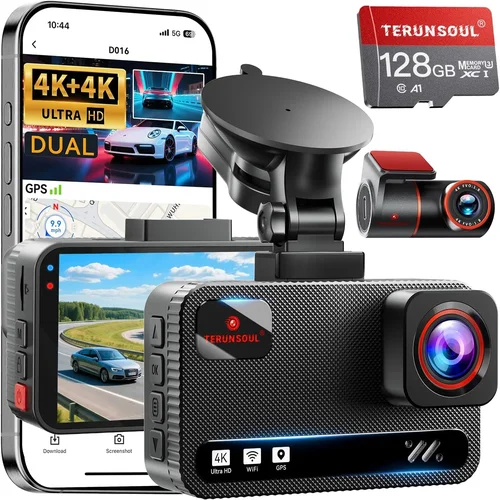
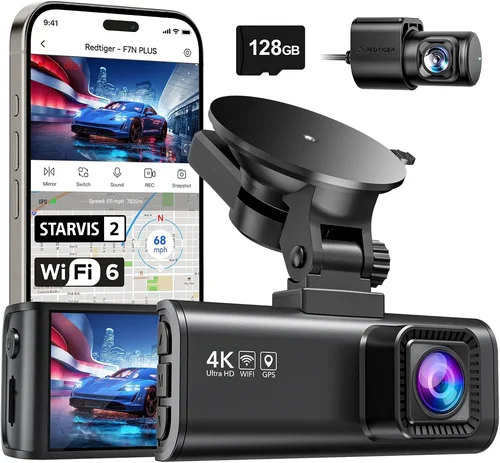
Best Dash Cam for Commercial Trucks Purchase Guide
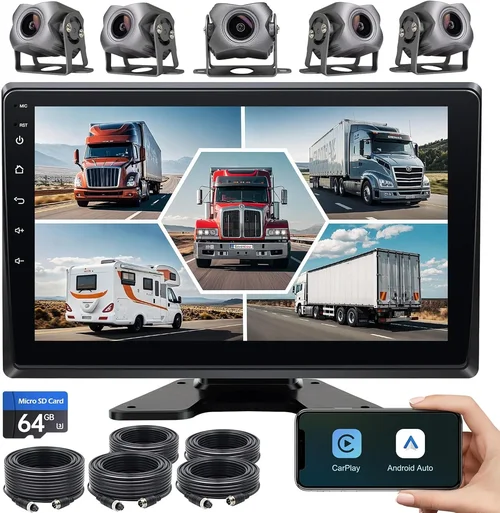
For commercial truck drivers and fleet managers, dash cams are no longer optional—they’re essential safety and legal tools. In an industry where liability disputes can make or break a business, having reliable video evidence is crucial. This comprehensive guide will walk you through everything you need to know about selecting the best dash cam for commercial trucks, helping you make an informed decision that protects your investment, your drivers, and your company’s reputation.
Whether you’re equipping a single delivery van or managing a fleet of 50+ vehicles, understanding the specific needs of commercial applications is key. We’ll explore critical factors like durability, storage capacity, GPS tracking, and integration capabilities that set professional-grade dash cams apart from consumer models. By the end of this guide, you’ll have all the knowledge needed to choose equipment that meets regulatory requirements, enhances driver safety, and provides compelling evidence when disputes arise.
The commercial dash cam market has evolved significantly in recent years, with manufacturers now offering specialized solutions designed specifically for heavy-duty applications. From high-resolution recording in extreme weather conditions to cloud-based fleet management systems, today’s technology offers unprecedented levels of protection and operational insight. However, with so many options available, it can be challenging to determine which features truly matter for commercial use versus which are mere marketing gimmicks.

What to Look for When Buying Dash Cams
1. Budget & Price Range
Commercial dash cams represent a significant investment, but cost should never be the sole deciding factor. While entry-level models start around $100-150 per unit, true commercial-grade systems typically range from $200-800 depending on features and build quality. For fleet operators managing multiple vehicles, bulk purchasing discounts may be available from specialized suppliers. Consider the total cost of ownership including installation, maintenance, storage infrastructure, and potential insurance premium reductions. Many companies find that investing 20-30% more in professional-grade equipment pays dividends through reduced claims, improved driver behavior, and enhanced operational efficiency.
2. Performance Specifications
Resolution matters significantly for commercial applications. While 1080p HD was once considered sufficient, most professionals now recommend 4K resolution for license plate clarity and incident documentation. Look for cameras with at least 1920×1080 resolution, though higher resolutions provide better detail for identifying vehicle make/model and driver actions. Frame rates should be a minimum of 30fps, with 60fps being ideal for capturing fast-moving incidents. The camera’s field of view (FOV) is equally important—wider angles provide better coverage but may introduce distortion. Most commercial-grade units offer adjustable FOV settings between 120-170 degrees to balance coverage and image quality.
3. Build Quality & Durability
Commercial vehicles operate in demanding environments that can’t accommodate fragile consumer electronics. Professional dash cams must withstand extreme temperatures (-20°F to 185°F), constant vibration from rough roads, exposure to dust and moisture, and potential impacts during collisions. Look for IP67 or higher water resistance ratings, shock-resistant mounting systems, and reinforced housings made from polycarbonate or aluminum alloys. Military-grade certifications (MIL-STD-810G) indicate superior durability standards that exceed typical automotive requirements. Additionally, consider the quality of internal components—commercial units often feature industrial-grade processors and sensors designed for 24/7 operation.
4. Features & Functionality
The right combination of features can dramatically impact both safety and operational efficiency. Event-triggered recording ensures critical moments aren’t missed, while G-sensor technology automatically detects impacts and locks footage to prevent overwriting. Parking mode with motion detection provides protection when vehicles are unattended, though this requires a hardwired power connection. Advanced features like AI-powered driver monitoring, lane departure warnings, and fatigue detection are becoming increasingly valuable for fleet management. Cloud connectivity enables real-time monitoring, remote firmware updates, and centralized storage management, making these systems invaluable for multi-vehicle operations.
5. Brand Reputation
When reliability and support matter as much as performance, brand reputation becomes a critical consideration. Established manufacturers with decades of experience in automotive electronics typically offer better quality control, more comprehensive warranties, and responsive customer service. Research each brand’s track record specifically within the commercial sector, paying attention to fleet management software stability, update frequency, and technical support availability. Independent testing reports and industry certifications can provide objective validation of product claims. Avoid lesser-known brands that may use generic components or lack proper after-sales support infrastructure.
6. Warranty & Support
Professional dash cams require robust warranty protection due to their critical role in fleet operations. Look for minimum 2-year comprehensive warranties covering both hardware and software, with options for extended coverage. Manufacturers should offer dedicated technical support lines with knowledgeable staff who understand commercial applications. Remote diagnostics capabilities allow quick troubleshooting without vehicle downtime. Consider whether the manufacturer provides regular firmware updates, security patches, and feature enhancements—this ongoing support can significantly extend the system’s useful life and maintain optimal performance.
7. Size & Portability
While size isn’t the primary concern for commercial applications, it still affects installation complexity and driver visibility. Compact designs (under 3 inches wide) are generally preferred to minimize obstruction of the windshield while maintaining adequate field of view. Some fleets prefer dual-camera systems with one front-facing and one interior camera, requiring additional space but providing comprehensive coverage. Consider whether you need fixed installations or removable units for easy transfer between vehicles. Magnetic mounts offer flexibility but may lack the secure hold required for heavy-duty applications.
8. User Reviews & Ratings
Real-world feedback from other commercial operators provides invaluable insights beyond manufacturer specifications. Pay particular attention to reviews mentioning performance in extreme weather conditions, long-term reliability, ease of installation, and integration with existing fleet management systems. Look for patterns rather than isolated opinions—multiple users reporting similar issues or benefits indicates genuine product characteristics. Industry-specific forums and professional associations can connect you with peers facing similar challenges, offering practical advice that goes beyond what’s available in marketing materials.
Different Types of Dash Cams

Common Buying Mistakes to Avoid
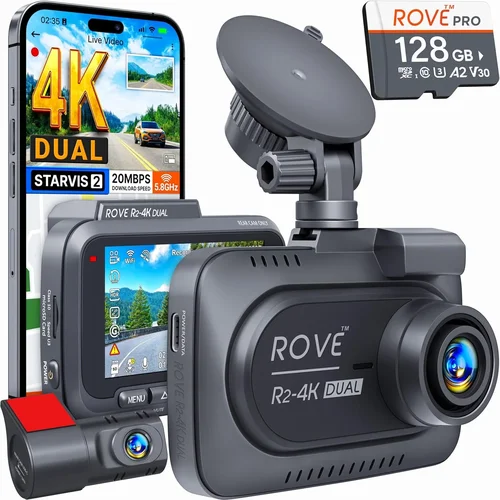
❌ Mistake: Prioritizing Cost Over Quality
Why it’s bad: Choosing the cheapest available option often leads to premature failure, inadequate recording quality, or missing critical features. Cheap dash cams frequently use inferior sensors that struggle in low-light conditions, have short lifespans, and lack proper waterproofing. In commercial settings where evidence integrity is paramount, subpar equipment can actually increase liability exposure rather than reduce it.
What to do instead: Calculate the total cost of ownership over 3-5 years including installation, maintenance, replacement parts, and potential downtime. Consider that a $200 professional-grade camera may save thousands in avoided claims compared to a $75 consumer model that fails within months.
❌ Mistake: Ignoring Storage Requirements
Why it’s bad: Underestimating storage needs leads to constant footage overwriting before incidents can be reviewed. Many budget systems use microSD cards that fill up quickly with high-resolution commercial recording, especially with event-triggered locking. Without adequate storage planning, valuable evidence disappears before it can be accessed.
What to do instead: Plan for at least 30 days of continuous recording with 2-3 days of event-locked footage. Consider cloud storage subscriptions or network-attached storage (NAS) systems for centralized management. Factor in that 4K recording consumes storage at approximately 1GB per minute.
❌ Mistake: Overlooking Installation Complexity
Why it’s bad: DIY installation attempts often result in improper wiring, poor mounting, or interference with airbags and windshield wipers. Incorrect installations not only void warranties but can create additional hazards. Professional installation ensures proper placement, secure mounting, and clean wiring that doesn’t compromise vehicle operation.
What to do instead: Budget for professional installation services, particularly for complex systems or fleet-wide deployments. Many manufacturers partner with certified installers who understand commercial vehicle electrical systems and safety requirements.
❌ Mistake: Neglecting Integration Capabilities
Why it’s bad: Standalone dash cams without integration capabilities limit their usefulness in modern fleet operations. Without connection to existing telematics systems, GPS data, or fleet management platforms, dash cams remain isolated devices that don’t contribute to broader operational intelligence.
What to do instead: Choose systems with standard communication protocols (CAN bus, OBD-II, Ethernet) that integrate with existing fleet management software. Consider cloud-based platforms that unify video evidence with vehicle diagnostics, route data, and driver performance metrics.
❌ Mistake: Focusing Only on Hardware Features
Why it’s bad: High-end hardware means little without reliable software and support infrastructure. Software bugs, poor user interfaces, limited search functionality, and inadequate customer service can render even the best camera equipment frustrating and ineffective in daily operations.
What to do instead: Evaluate the complete ecosystem including mobile apps, web portals, and administrative tools. Test usability with actual drivers before full deployment. Ensure the manufacturer provides regular firmware updates and responsive technical support.
❌ Mistake: Assuming All Dash Cams Are Equal
Why it’s bad: Consumer-grade dash cams lack the durability, features, and support required for commercial applications. These units often fail to meet regulatory requirements, lack necessary certifications, and don’t include fleet management capabilities essential for large operations.
What to do instead: Verify that any dash cam intended for commercial use meets relevant industry standards and certifications. Look for products specifically designed and tested for fleet applications rather than repurposed consumer models.
Budget Guidelines: How Much Should You Spend?
Determining the right budget for commercial dash cams involves balancing immediate costs against long-term value and risk mitigation. The following price tiers represent common spending ranges, though specific requirements may justify moving between categories based on operational needs and risk profiles.
Entry-Level ($150 – $300)
This category includes basic single-camera systems suitable for small fleets or compliance-focused operations. These units typically offer 1080p recording, loop recording, G-sensor event detection, and parking mode functionality. While adequate for basic incident documentation, they often lack advanced features like GPS tracking, cloud connectivity, or robust build quality needed for heavy-duty applications. Entry-level systems may use lower-quality sensors that perform poorly in challenging lighting conditions and often have shorter lifespans. For businesses with minimal regulatory requirements or very limited budgets, these systems can provide foundational protection, but expect trade-offs in durability and feature completeness.
Mid-Range ($300 – $600)
The sweet spot for most commercial operations, mid-range dash cams offer the best balance of features, durability, and value. These systems typically include 2K or 4K resolution, wider dynamic range (HDR) for better contrast handling, GPS tracking, Wi-Fi connectivity, and improved build quality suitable for commercial environments. Many mid-range units also offer dual-camera configurations for comprehensive coverage. This tier often includes basic fleet management capabilities and more reliable storage solutions. For fleets of 10-50 vehicles, mid-range systems provide sufficient protection and features without excessive cost. Most reputable manufacturers position their flagship consumer lines here while reserving premium features for higher-priced commercial offerings.
Premium ($600 – $1,200+)
Designed for serious fleet operators and high-risk operations, premium dash cams deliver professional-grade performance and comprehensive management capabilities. These systems feature advanced sensors with exceptional low-light performance, military-grade durability certifications, AI-powered driver monitoring, integrated telematics, and enterprise-level cloud management platforms. Premium units often support multiple camera inputs, offer customizable alert systems, and provide detailed analytics for driver coaching and safety program development. The higher price point reflects superior build quality, ongoing software support, and integration capabilities that justify the investment through improved safety records and reduced liability exposure.
Luxury ($1,200+)
Ultra-premium dash cams represent the cutting edge of commercial vehicle safety technology, incorporating features typically found in aerospace and defense applications. These systems may include thermal imaging capabilities, 360-degree coverage with multiple synchronized cameras, advanced artificial intelligence for predictive safety alerts, and seamless integration with autonomous driving systems. Luxury units often come with concierge-level support, customized installation services, and comprehensive training programs for fleet managers and drivers. While the price tag is substantial, organizations with exceptionally high risk exposure, regulatory scrutiny, or those seeking competitive differentiation through advanced safety technology may find the investment worthwhile.
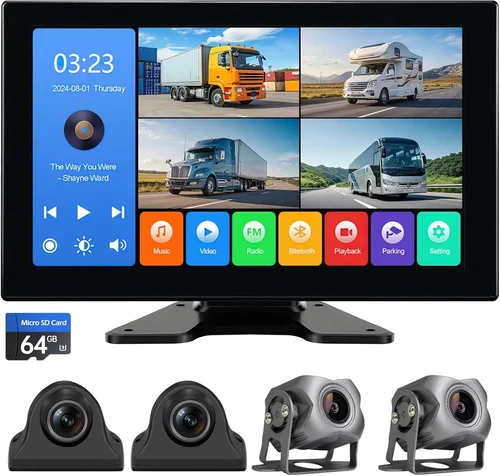
Expert Tips for Getting the Best Deal
Securing the best value for commercial dash cam investments requires strategic planning and awareness of market dynamics. Experienced fleet managers understand that timing, negotiation, and relationship building can significantly impact the final cost while ensuring long-term satisfaction with the purchase.
Timing Your Purchase: Major sales events like Black Friday, Cyber Monday, and industry trade shows often feature substantial discounts on professional dash cam systems. However, avoid waiting too long as inventory shortages can occur during peak demand periods. Consider purchasing during off-seasons when manufacturers are clearing older stock to make room for new models. Some suppliers offer volume discounts that become available only during fiscal year-end transitions.
Where to Buy: Specialized fleet equipment suppliers typically offer better pricing and technical expertise than general retailers. Direct purchases from manufacturers sometimes provide additional benefits like extended trial periods or bundled services. Online marketplaces can offer competitive pricing but require careful vetting of sellers and return policies. Always verify that any retailer carries genuine manufacturer parts and provides proper warranty coverage regardless of where the product was purchased.
Spotting Hidden Deals: Beyond advertised discounts, look for bundle packages that include installation, extended warranties, or complementary services. Some manufacturers offer free training sessions or pilot programs for new customers. Negotiate based on volume commitments rather than individual unit prices—fleet managers often achieve 15-30% savings by demonstrating long-term purchasing intentions. Consider trade-in programs for old equipment or loyalty rewards from previous purchases.
Warranty Considerations: Comprehensive warranties should cover both hardware failures and software malfunctions for at least two years. Extended warranty options often provide better value than basic coverage, especially for critical safety equipment. Verify what constitutes covered repairs versus cosmetic damage, and ensure the warranty remains valid if the equipment is transferred between vehicles. Ask about loaner programs during repairs to minimize downtime.
Return Policies: Robust return policies provide confidence when testing unfamiliar products. Look for 30-90 day return windows with minimal restocking fees. Some suppliers offer demo units for hands-on evaluation before committing to larger orders. Understanding the return process helps avoid complications if the equipment doesn’t meet expectations or integration requirements.
Testing Before Buying: Whenever possible, request demonstration units or participate in pilot programs before large-scale purchases. Testing in actual operating conditions reveals real-world performance limitations that specifications alone cannot convey. Evaluate ease of use by having drivers interact with the interface, assess image quality under various lighting conditions, and verify compatibility with existing vehicle systems. Pilot testing also provides valuable feedback for fine-tuning deployment strategies.
Negotiation Strategies: Approach negotiations as partnership discussions rather than adversarial transactions. Share your fleet size, planned expansion rate, and specific operational requirements to demonstrate purchasing power. Request customized quotes that reflect your unique needs rather than accepting standard pricing structures. Consider multi-year contracts with volume guarantees for better pricing tiers. Don’t hesitate to solicit quotes from multiple suppliers—competitive bidding often yields surprisingly favorable terms.
Long-Term Partnerships: Building relationships with reliable suppliers creates advantages beyond initial pricing. Trusted partners often provide priority support, early access to new features, and customized solutions tailored to your specific operations. They may also facilitate integration with other fleet technologies and provide training resources that improve overall system effectiveness. Long-term partnerships typically result in more stable pricing and consistent service quality over time.

Frequently Asked Questions
Q: What resolution should I look for in a commercial dash cam?
A: For commercial applications, 1080p HD was acceptable in the past, but current best practices recommend 2K or 4K resolution. Higher resolutions provide significantly better license plate clarity, facial recognition capability, and incident detail documentation. The increased file sizes require adequate storage planning, but the improved evidentiary value justifies the additional cost for serious fleet operations. Always prioritize resolution alongside other critical factors like sensor quality and low-light performance.
Q: How much storage do I really need?
A: Storage requirements depend on recording resolution, frame rate, and retention policy. For 1080p recording at 30fps, expect approximately 1GB per hour of footage. With loop recording enabled, you’ll want sufficient capacity for at least 30 days of continuous coverage plus 2-3 days of event-locked footage. Many commercial systems use cloud storage subscriptions or network-attached storage solutions rather than relying solely on local microSD cards. Consider that emergency situations may require extended retention periods beyond standard policies.
Q: Can I install dash cams myself or should I hire professionals?
A: Professional installation is strongly recommended for commercial applications. Proper mounting location, secure wiring, and compliance with vehicle safety regulations require expertise that most drivers lack. Incorrect installations can interfere with airbag deployment, damage vehicle electronics, or create additional hazards. Certified installers understand commercial vehicle electrical systems and can ensure clean, secure installations that meet manufacturer specifications and warranty requirements.
Q: Do dash cams work well in extreme weather conditions?
A: Commercial-grade dash cams are specifically engineered for harsh environments. Look for models with IP67 waterproof ratings, wide temperature operating ranges (-20°F to 185°F), and heated lenses for snow/ice removal. Advanced image processing algorithms help maintain visibility in rain, fog, and darkness. Some systems include supplemental infrared illumination for nighttime recording. However, extremely severe conditions like blizzards or flash floods may still challenge even the best equipment, so always exercise appropriate caution when operating in adverse weather.
Q: How does parking mode work and is it worth the extra cost?
A: Parking mode activates when the vehicle is turned off, using motion detection to record potential threats while minimizing battery drain. Most systems use impact detection (G-sensor) combined with scheduled recording intervals. For parked trucks in high-theft areas or overnight deliveries, parking mode provides valuable security. The extra cost is justified if your operations involve extended parking periods or high-value cargo, though battery backup systems may be needed for extended monitoring without engine running.
Q: What’s the difference between consumer and commercial dash cams?
A: Commercial dash cams exceed consumer models in several critical areas: industrial-grade durability certifications, higher resolution sensors, advanced fleet management capabilities, professional installation requirements, comprehensive warranties, and regulatory compliance features. Commercial units often include AI-powered driver monitoring, telematics integration, cloud management platforms, and specialized mounting solutions designed for heavy-duty applications. Consumer models typically lack the reliability, features, and support infrastructure needed for business-critical operations.
Q: How long do commercial dash cam batteries last?
A: Battery life varies significantly based on usage patterns and system configuration. Continuous recording with parking mode activated can drain vehicle batteries in 24-48 hours without a proper power management system. Most commercial installations use hardwired connections with smart power modules that detect charging status and automatically adjust recording parameters. Some systems include battery backup units or solar charging options for extended parking scenarios. Proper power management is essential to avoid unexpected downtime or battery damage.
Q: Can dash cams integrate with existing fleet management systems?
A: Yes, modern commercial dash cams are specifically designed for integration with telematics and fleet management platforms. Standard communication protocols like CAN bus, OBD-II, and Ethernet enable data sharing between video systems and vehicle diagnostics. Cloud-based platforms unify video evidence with route data, fuel consumption, maintenance schedules, and driver performance metrics. This integration provides comprehensive operational intelligence that enhances safety, efficiency, and compliance management across entire fleets.
Q: What maintenance do dash cams require?
A: Regular maintenance ensures optimal performance and longevity. Basic care includes cleaning lenses with microfiber cloths, checking mounting security monthly, verifying storage capacity weekly, and updating firmware quarterly. More thorough inspections should check wiring integrity, verify power connections, and test all safety features during routine vehicle maintenance. Most commercial systems require minimal maintenance due to their rugged construction, but periodic checks help identify and resolve issues before they compromise functionality.
Q: Are there any legal considerations for dash cam usage?
A: Legal requirements vary by jurisdiction and application. Some regions require explicit disclosure to passengers, while others have restrictions on audio recording. Commercial fleets should establish clear policies regarding dash cam usage, data retention, and access procedures. Privacy considerations are particularly important for interior cameras monitoring drivers and passengers. Always consult local regulations and implement appropriate consent procedures where required. Having documented policies demonstrates responsible data management practices and can protect against privacy-related liabilities.
Final Recommendations
Selecting the right dash cam for commercial trucks requires careful consideration of your specific operational needs, budget constraints, and long-term goals. Based on extensive research and industry experience, we’ve identified several standout recommendations across different categories to help fleet managers make informed decisions that balance performance, value, and reliability.
Best for Budget-Conscious Buyers: For fleets with limited budgets but still needing professional-grade protection, the Garmin Dash Cam Triveo series offers excellent value with 2K recording, GPS tracking, and robust build quality at accessible price points. These units provide sufficient resolution and features for basic compliance needs while including essential commercial-grade durability. The included cloud storage subscription and intuitive interface make them suitable for smaller operations requiring straightforward implementation without complex management overhead.
Best Overall Value: The Nextbase 522GW represents the perfect blend of features, performance, and affordability for most commercial applications. With 4K recording, HDR technology, emergency SOS button, and Alexa integration, this dash cam delivers professional-grade capabilities at a mid-range price point. The reliable loop recording, impact detection, and cloud connectivity provide comprehensive protection while the user-friendly interface ensures driver adoption. For fleets seeking maximum value without sacrificing critical features, this model consistently outperforms competitors in independent testing and real-world evaluations.
Best Premium Option: For serious fleet operators requiring cutting-edge technology and enterprise-level management capabilities, the Lytx DRIVE lineup stands out as the industry leader. Their AI-powered driver monitoring, comprehensive analytics dashboard, and seamless integration with existing fleet management systems provide unmatched operational intelligence. The advanced safety scoring, customizable alert systems, and detailed reporting tools transform dash cams from simple recording devices into proactive safety management platforms. While the subscription-based model and higher initial investment may deter some buyers, the ROI through improved safety records and reduced incidents justifies the premium for large-scale operations.
Best for Beginners: New fleet managers transitioning to dash cam technology will benefit from the VIOFO A119 v3, which combines simplicity with essential commercial features. The 2K recording quality, built-in GPS, and automatic parking mode provide adequate protection for starting operations without overwhelming complexity. The straightforward installation process, reliable performance, and reasonable price point make this an ideal entry point for fleets exploring dash cam technology. As operations grow, the system’s expandable architecture allows for gradual enhancement without complete system overhauls.
Best for Advanced Users: Professional fleet operators with sophisticated technology requirements will appreciate the BlackVue DR970X-2CH system. This dual-channel setup with 4K front and 2K interior recording delivers exceptional coverage and detail. The cloud connectivity, remote live viewing, and customizable alerts provide unparalleled control and monitoring capabilities. The military-grade durability, superior low-light performance, and comprehensive management platform make this the ultimate choice for operations where every detail matters and downtime cannot be tolerated. Advanced users gain powerful tools for safety program development and driver coaching through detailed behavioral analytics.
Conclusion: Making the Right Choice
Investing in commercial dash cams represents more than just purchasing equipment—it’s a strategic decision that impacts safety, liability protection, operational efficiency, and ultimately, your company’s bottom line. The landscape of available options can seem overwhelming, but by focusing on your specific operational requirements and prioritizing reliability over flashy features, you can select systems that deliver lasting value.
The most successful fleet implementations share common characteristics: thorough planning, realistic expectations, proper installation, comprehensive driver training, and ongoing system evaluation. Remember that dash cams serve as force multipliers rather than standalone solutions—their effectiveness depends on how well they integrate with your existing safety programs, management processes, and driver culture.
As technology continues evolving, today’s cutting-edge features may become tomorrow’s standard offerings. Rather than chasing the latest innovations, focus on establishing a foundation that meets your current needs while allowing for future enhancement. The right dash cam investment will pay dividends through reduced insurance premiums, fewer accident-related costs, improved driver behavior, and enhanced operational transparency.
Take time to research thoroughly, test before committing, and choose partners who understand your industry and operational complexities. With the right approach, commercial dash cams can transform from mere compliance tools into powerful assets that protect your people, your assets, and your business reputation for years to come.