Best Dash Cam Buying Guide for Cold Weather
When you’re behind the wheel in freezing conditions, every second counts. A dash cam isn’t just a convenience—it’s a critical safety tool that can protect you in disputes, document evidence during icy road incidents, and provide peace of mind when driving through snow, sleet, or sub-zero temperatures. However, not all dash cams are built to withstand winter’s harsh realities. Most models are designed for temperate climates and fail to function properly in cold weather, leading to battery drain, screen malfunctions, or even permanent damage. This comprehensive buying guide is crafted specifically for drivers who need reliable dash cam performance in cold environments. Whether you’re commuting through snowy mountain passes, navigating icy city streets, or traveling long distances in northern states, understanding how cold weather affects dash cam technology will help you make an informed decision.
In this detailed article, you’ll learn exactly what features matter most in cold-weather dash cams, how different types perform under freezing conditions, and which models have proven their reliability in extreme temperatures. We’ll break down technical specifications like low-temperature battery performance, screen responsiveness, and internal component ratings, while also considering practical factors such as installation methods that minimize heat loss and storage solutions for winter use. You’ll discover why certain brands consistently outperform others in frigid conditions, how to avoid common purchasing mistakes that lead to disappointment, and what price ranges deliver the best value for winter-ready dash cams. By the end of this guide, you’ll have a clear understanding of your options and the knowledge to select a dash cam that won’t let you down when temperatures drop below freezing.
The market for dash cams has exploded over the past decade, with dozens of brands offering increasingly sophisticated features. However, this rapid expansion has created confusion about what truly matters in cold weather conditions. Many consumers assume that any dash cam labeled “waterproof” or “durable” will perform well in winter, but the reality is more nuanced. Cold weather presents unique challenges that require specialized engineering, from maintaining battery efficiency at 0°F (-18°C) to ensuring touchscreen functionality when gloves are worn. The best dash cams for cold weather go beyond standard specifications by incorporating winter-specific technologies, robust build materials, and intelligent power management systems designed to keep recording even when conventional dash cams would shut down.

What to Look for When Buying Dash Cams
1. Low-Temperature Battery Performance
Battery performance degrades significantly in cold weather, making this one of the most critical factors for winter dash cam usage. Lithium-ion batteries, commonly used in dash cams, lose approximately 20-40% of their capacity at 32°F (0°C) and up to 60% at 0°F (-18°C). This means a dash cam that works perfectly in mild weather may struggle to record even a few minutes in freezing conditions. Look for models that specify their operating temperature range, ideally extending down to -4°F (-20°C) or lower. Some premium dash cams incorporate advanced battery management systems that prevent deep discharge and maintain optimal charge levels during cold starts. Additionally, consider whether the device includes a backup capacitor system that allows it to complete recording cycles even if the main battery fails. For extended cold weather operation, some users benefit from installing an auxiliary battery or using a heated car battery blanket to maintain overall vehicle electrical health.
2. Screen Responsiveness and Display Quality
Cold temperatures cause LCD screens to become unresponsive and may result in temporary display failures. The liquid crystals in traditional LCD panels thicken in cold conditions, slowing response times and reducing visibility. When choosing a dash cam for cold weather, prioritize models with high-quality displays that maintain functionality at low temperatures. Look for screens rated for operation down to -22°F (-30°C) and consider those with anti-glare coatings to improve visibility in snowy conditions. Some manufacturers use specialized cold-weather glass or employ heating elements within the display assembly to maintain clarity. If you frequently drive in heavy snowfall, consider dash cams with larger, higher-resolution screens that are easier to read through windshield wipers or in low-light conditions. Touchscreen functionality becomes particularly problematic in winter since most drivers wear gloves, so consider models with physical buttons or voice control capabilities as alternatives.
3. Internal Component Temperature Ratings
Beyond external temperature ratings, the internal components of a dash cam must be engineered to withstand cold conditions. The processor, memory chips, and other electronic components can malfunction when exposed to extreme cold, regardless of the housing quality. Reputable manufacturers test their devices extensively in cold environments and specify both operating and storage temperature ranges. Look for dash cams that explicitly state they’ve been tested in laboratory conditions simulating Arctic environments. Some premium models include thermal insulation or active heating elements to maintain internal temperatures above critical thresholds. Additionally, check whether the device uses components specifically rated for automotive applications, as these are typically more resistant to temperature fluctuations than consumer electronics. The storage temperature rating is equally important—if you plan to leave your car parked overnight in sub-zero temperatures, the dash cam must be able to survive without damage while powered off.
4. Build Quality and Housing Materials
The physical construction of a dash cam plays a crucial role in cold weather performance. Housing materials that expand and contract differently with temperature changes can create stress points that lead to cracks or seal failures. For cold weather use, look for dash cams constructed with polycarbonate or reinforced ABS plastic that maintains structural integrity across wide temperature ranges. The housing should feature proper sealing against moisture intrusion, as condensation formed when warm interior air meets cold exterior surfaces can cause internal damage. Some manufacturers use double-sealed gaskets or silicone O-rings that remain flexible in cold temperatures, preventing water ingress during snowstorms or ice accumulation. Additionally, consider the mounting mechanism—cold weather can cause adhesives to lose effectiveness, so look for mechanical mounts or suction cups designed for winter use. Windshield adhesion can be compromised by salt residue from winter road treatments, so choose dash cams with reliable attachment systems that work in challenging conditions.
5. Power Management and Parking Mode Capabilities
Parking mode functionality becomes especially critical in cold weather scenarios. When parked in freezing temperatures, most vehicles’ electrical systems draw additional power to maintain battery health and cabin comfort, leaving less available for dash cam operation. Look for dash cams with intelligent power management systems that automatically adjust recording quality based on remaining battery capacity. Some models offer “smart parking mode” that only activates when motion is detected, conserving energy while still providing security coverage. For extended cold weather monitoring, consider dash cams with supercapacitor-based backup systems instead of traditional batteries, as supercapacitors maintain performance much better in low temperatures. Additionally, check whether the device supports hardwiring to your vehicle’s electrical system, which provides a more reliable power source than cigarette lighters that may not receive adequate voltage in cold conditions. Some advanced models include GPS time synchronization that ensures accurate timestamping even when the main power source fluctuates.
6. Storage Reliability in Cold Conditions
Memory cards can experience performance issues in cold weather, with write speeds decreasing significantly below freezing temperatures. This can result in dropped frames, failed recordings, or corrupted files when the dash cam needs to save critical footage during sudden temperature drops. Choose dash cams that support high-endurance microSD cards specifically rated for automotive use and extended temperature ranges. Look for cards with SLC (Single-Level Cell) or MLC (Multi-Level Cell) NAND flash memory, which are more reliable than TLC (Triple-Level Cell) cards in extreme conditions. Some manufacturers include proprietary firmware that optimizes write operations for cold weather performance, minimizing the risk of data loss during temperature fluctuations. Additionally, consider dash cams with dual-card slots for redundancy—if one card fails due to temperature effects, the other may still capture critical footage. For maximum reliability, some users opt for dash cams with internal storage options that eliminate removable cards entirely, though this requires regular manual file transfers.
7. Image and Video Quality in Snowy Conditions
Snow-covered roads present unique challenges for dash cam imaging, including reduced contrast, glare from fresh snow, and limited depth perception. Look for dash cams with excellent low-light performance and dynamic range capabilities that can handle the bright reflections off snow-covered surfaces. Wide dynamic range (WDR) technology is particularly valuable in winter driving scenarios, as it balances exposure between bright headlights and darker road markings. Consider models with enhanced night vision capabilities, as many winter driving situations occur in darkness or twilight conditions. Some dash cams include specialized winter driving modes that adjust white balance and color temperature to better represent icy road conditions. Additionally, look for cameras with good optical zoom capabilities—being able to digitally zoom in on license plates or details during emergency situations can be invaluable in winter weather when visibility is limited. The lens quality is crucial; look for glass lenses rather than plastic ones, as glass maintains clarity better in cold, dry winter air where static electricity can attract dust particles.
8. Brand Reputation and Customer Support
In cold weather conditions, having reliable customer support can make the difference between a frustrating experience and a quick resolution. Established brands with dedicated winter driving expertise tend to produce more reliable products in extreme conditions. Research manufacturer history with automotive electronics, particularly their experience with cold climate testing and certification. Look for companies that provide detailed technical specifications rather than marketing buzzwords, and check whether they offer regional service centers in areas where you’ll be using the dash cam. Customer reviews specifically mentioning cold weather performance are invaluable—look for consistent feedback about reliability in sub-freezing temperatures rather than just general satisfaction ratings. Some manufacturers offer extended warranties that cover cold weather-related failures, which can provide peace of mind for winter driving enthusiasts. Additionally, consider the availability of replacement parts—if a component fails due to cold exposure, you’ll want to know it can be repaired or replaced promptly.
9. Software and User Interface Design
Winter driving often involves wearing gloves, which makes intuitive software design essential. Look for dash cams with large, clearly labeled buttons and simple menu systems that don’t require complex navigation. Voice control capabilities can be particularly helpful when wearing thick winter gloves or when hands are otherwise occupied. The mobile app interface should be straightforward enough to use while driving, with clear icons and minimal text that remains legible in various lighting conditions. Some dash cams include winter-specific features like automatic windshield defrost detection or alerts for icy road conditions based on GPS data. Check whether the device offers customizable settings that allow you to adjust recording parameters based on expected weather conditions—some models automatically switch to lower bitrates in very cold temperatures to preserve battery life while maintaining essential footage. Firmware update capabilities are also important, as manufacturers often release improvements specifically addressing cold weather performance issues.
10. Warranty Coverage and Return Policies
Cold weather can push electronic components beyond their specified operating limits, making warranty protection particularly valuable. Look for dash cams with comprehensive warranty coverage that explicitly includes cold weather operation—some manufacturers exclude damage caused by extreme temperatures from standard warranties. Extended warranty options are worth considering if you frequently drive in sub-zero conditions. Additionally, check the return policy for winter purchases; if the dash cam doesn’t perform as expected in cold weather, you’ll want the flexibility to return or exchange it. Some retailers offer seasonal return policies that extend beyond standard periods for holiday or winter purchases. Consider whether the manufacturer offers loaner units for repairs, which can be especially helpful if your dash cam fails during a critical period of winter driving. Reading the fine print regarding what constitutes “normal use” versus “abuse” is crucial—some warranties may exclude performance issues caused by prolonged exposure to temperatures outside the specified range.
Different Types of Dash Cams

Common Buying Mistakes to Avoid
❌ Mistake: Ignoring Temperature Specifications
Why it’s bad: Many buyers focus solely on video quality and features while overlooking critical temperature ratings. A dash cam marketed as “all-weather” might only operate down to 32°F (0°C), making it useless for true winter conditions. Without knowing the exact operating temperature range, you risk purchasing a device that fails when you need it most.
What to do instead: Always check the manufacturer’s specified operating and storage temperature ranges. Look for dash cams rated for operation down to -4°F (-20°C) or lower, and verify that internal components meet these standards. Don’t rely solely on marketing claims—research independent testing results and user experiences in cold climates.
❌ Mistake: Choosing Based on Price Alone
Why it’s bad: The cheapest dash cams often cut corners on cold weather durability. Lower-priced models may use inferior components that fail prematurely in freezing temperatures, leading to expensive replacements and potential safety risks. A $50 dash cam that stops working after one winter season costs more per month than a higher-quality alternative.
What to do instead: Calculate total cost of ownership including potential repairs, replacements, and downtime. Consider mid-range options ($150-$300) that offer the best balance of cold weather performance and value. Read detailed reviews focusing on winter usage rather than just overall ratings.
❌ Mistake: Overlooking Parking Mode Limitations
Why it’s bad: Many dash cams claim “parking mode” capability but fail to account for cold weather power consumption. In sub-zero temperatures, vehicles consume more electrical power for defrosting, heating, and battery maintenance, leaving insufficient power for dash cam operation. This results in false sense of security when the device isn’t actually recording during parking.
What to do instead: Verify parking mode duration at cold temperatures and ensure the dash cam supports hardwiring for reliable power. Look for models with intelligent power management that reduces recording quality when battery levels drop too low, preserving essential footage while conserving energy.
❌ Mistake: Neglecting Memory Card Reliability
Why it’s bad: Standard microSD cards can fail completely in cold weather, resulting in lost footage or corrupted files. The reduced write speeds and potential for condensation damage can render even high-capacity cards unreliable in winter conditions. This is especially problematic for dash cams that automatically overwrite old footage.
What to do instead: Invest in high-endurance automotive-grade memory cards rated for extended temperature ranges. Consider dash cams with dual-card slots for redundancy, and regularly test your chosen cards in cold conditions before relying on them for critical recordings.
❌ Mistake: Focusing Only on Front Camera Quality
Why it’s bad: While front camera quality matters, rear and interior cameras provide crucial context in winter accidents involving multiple vehicles or weather-related incidents. Single-lens dash cams miss critical information about what happens behind your vehicle during icy conditions or when backing into snow-covered spaces.
What to do instead: Evaluate your specific winter driving needs. If you frequently encounter narrow parking situations or drive in areas with heavy snowplow activity, consider dual-lens or 360-degree systems that provide comprehensive coverage regardless of weather conditions.
❌ Mistake: Assuming All Brands Handle Cold Weather Equally
Why it’s bad: Brand reputation doesn’t guarantee cold weather performance. Some established brands outsource manufacturing to facilities that don’t prioritize cold climate testing, while newer companies may specialize specifically in extreme environment electronics. Generic “dash cam” brands often lack proper quality control for winter conditions.
What to do instead: Research each manufacturer’s cold weather testing protocols and read owner experiences specifically related to winter usage. Look for certifications like IP67 waterproof ratings combined with explicit temperature specifications from the manufacturer.
❌ Mistake: Not Considering Installation Impact on Performance
Why it’s bad: Poor installation can negate even the best dash cam’s cold weather capabilities. Placing the device in direct sunlight creates heat buildup that damages components when suddenly exposed to cold, while inadequate mounting can allow moisture intrusion during snowmelt cycles. Improper power connections reduce reliability in cold conditions.
What to do instead: Follow manufacturer installation guidelines precisely, paying special attention to cable routing and connection points. Use winter-rated mounting hardware and consider professional installation services experienced with cold weather electronics. Test the setup thoroughly before relying on it in severe weather.
Budget Guidelines: How Much Should You Spend?
Entry-Level ($50 – $100)
For budget-conscious winter commuters, entry-level dash cams offer basic cold weather functionality at affordable prices. These devices typically operate down to 32°F (0°C) and provide essential recording capabilities for occasional snowy conditions. While they may lack advanced features like GPS or parking mode, they serve adequately for short winter commutes in moderate climates. Look for models with reliable battery performance and simple operation suitable for glove-wearing drivers. Entry-level options are best suited for drivers who primarily need basic documentation for insurance purposes rather than comprehensive winter monitoring. Be aware that these devices often use lower-quality components that may degrade faster in repeated freeze-thaw cycles.
Mid-Range ($150 – $300)
This sweet spot represents the optimal balance for most winter drivers, offering robust cold weather performance without excessive cost. Mid-range dash cams typically operate reliably down to -4°F (-20°C) and include essential features like loop recording, G-sensor impact detection, and improved low-light performance. Many models in this category offer dual-lens systems for comprehensive coverage, parking mode with motion detection, and high-endurance memory card compatibility. The build quality is generally superior to entry-level models, with better sealing against moisture and more durable mounting systems. For average winter driving conditions, this price range delivers the best value proposition, combining reliability, functionality, and reasonable pricing. Most reputable brands have strong offerings in this segment with proven track records in cold weather environments.
Premium ($300 – $600)
For enthusiasts and serious winter drivers, premium dash cams offer industrial-grade cold resistance and advanced features. These devices typically operate down to -22°F (-30°C) or lower and incorporate specialized winter technologies like heated sensors, advanced thermal management, and redundant power systems. Premium models often include 360-degree panoramic views, superior image processing for snowy conditions, GPS with precise location tracking, and cloud connectivity for remote access. Many offer professional-grade build quality with military-spec components and rigorous cold weather testing. While the initial investment is significant, premium dash cams provide maximum reliability for demanding winter conditions and commercial applications. They’re ideal for truck drivers, snowplow operators, or anyone requiring continuous, dependable documentation in extreme cold.
Luxury ($600+)
Top-tier dash cams represent the pinnacle of cold weather technology, featuring cutting-edge components and extensive winter-specific engineering. Luxury models often include multiple redundant systems, advanced AI-powered event detection, and integration with vehicle telematics systems. These devices undergo rigorous testing in simulated Arctic conditions and may include proprietary technologies like phase-change material insulation or active heating elements. While primarily targeting commercial fleet operators and professional drivers, luxury dash cams offer unmatched reliability for extreme cold conditions. The additional cost reflects not just superior hardware but comprehensive cold weather validation, specialized support services, and extended warranty coverage that includes temperature-related failures. For drivers facing consistently sub-zero conditions year-round, luxury dash cams provide the highest level of confidence and protection.
Expert Tips for Getting the Best Deal
Timing your dash cam purchase can significantly impact both cost and availability. The best deals typically appear during late autumn when manufacturers clear inventory for winter production runs. Avoid purchasing immediately before major snowstorms, as supply chain disruptions can limit options and drive up prices. Consider waiting until early December when retailers begin discounting winter electronics to make room for new year models. Many manufacturers offer seasonal promotions that bundle dash cams with accessories like winter mounts or extra memory cards, adding value without increasing the base price.
Where you purchase your dash cam affects both immediate savings and long-term satisfaction. Online retailers typically offer broader selection and competitive pricing but may lack the ability to test equipment before buying. Local automotive shops provide immediate installation services and personal assistance but often charge premium prices. Consider hybrid approaches—purchase online for better prices and use local shops for professional installation. Some manufacturers offer exclusive bundles through their official websites that include extended warranties or specialized cold weather accessories not available elsewhere.
Accessories can dramatically impact cold weather performance, yet they’re often overlooked in initial purchase decisions. Heated mounts prevent ice buildup and maintain secure attachment in freezing conditions, while winter-rated cables resist brittleness in sub-zero temperatures. High-endurance memory cards designed for automotive use perform significantly better than consumer-grade alternatives in cold conditions. Some manufacturers offer exclusive accessory bundles that include these specialized components, often at discounted rates compared to individual purchases. Before finalizing your dash cam selection, research compatible accessories and factor their cost into your overall budget.
Warranty protection becomes especially critical when dealing with electronics that may be pushed beyond normal operating parameters in extreme cold. Comprehensive warranties should explicitly cover temperature-related failures, including condensation damage, battery degradation, and component malfunctions caused by cold exposure. Read the fine print carefully—some warranties only cover failures occurring within specified temperature ranges, while others exclude “environmental damage.” Extended warranty options are worth considering for expensive dash cams, as they can provide peace of mind for demanding winter conditions. Contact manufacturers directly to clarify warranty terms before purchasing.
Real-world testing provides the most reliable indicator of cold weather performance. Some manufacturers offer trial periods or rental programs that let you test dash cams during actual winter conditions before making a purchase commitment. This approach is particularly valuable for expensive models where performance expectations are high. During testing, pay attention to battery performance, screen responsiveness, and overall reliability throughout typical winter driving scenarios. Document any issues and compare performance against your specific winter driving requirements. Remember that laboratory testing doesn’t always reflect real-world conditions, so field testing provides the most relevant evaluation data.
Frequently Asked Questions
Q: Can I use my existing dash cam in cold weather?
A: It depends on the specific model and its temperature specifications. Most consumer dash cams aren’t designed for prolonged cold weather operation and may fail or provide unreliable performance. Check your device’s operating temperature range first—if it’s rated below freezing, it may work adequately. However, even “cold weather” dash cams can suffer reduced battery life and potential screen issues in extreme conditions. For reliable winter performance, investing in a model specifically engineered for cold weather is recommended.
Q: What temperature range should I look for in a cold weather dash cam?
A: For reliable winter operation, look for dash cams rated for operation down to -4°F (-20°C) or lower. Professional-grade models may operate down to -22°F (-30°C) or even colder. The storage temperature range should match or exceed the operating range since the device may be stored in the vehicle during extremely cold conditions. Additionally, check that internal components are rated for automotive use, as these are specifically designed for temperature fluctuations.
Q: Will my dash cam battery last longer in cold weather?
A: No, cold weather actually reduces battery performance significantly. Lithium-ion batteries lose 20-40% of their capacity at 32°F (0°C) and up to 60% at 0°F (-18°C). This means your dash cam may only record for minutes rather than hours in freezing conditions. Some advanced models include battery management systems that mitigate this effect, but all dash cams experience reduced runtime in cold weather. For extended cold weather operation, consider hardwiring or using auxiliary power sources.
Q: How does cold weather affect memory cards in dash cams?
A: Cold temperatures can significantly impair memory card performance, causing reduced write speeds, failed recordings, or complete failure. Standard cards may become temporarily unusable in sub-zero conditions. High-endurance automotive-grade cards perform much better but still require proper handling. Condensation can also damage cards when moving from cold to warm environments. Regularly test your memory card in cold conditions and consider dual-card redundancy for critical recordings.
Q: Can I leave my dash cam running all winter?
A: Leaving a dash cam running continuously during winter is possible but comes with significant trade-offs. The device will drain your vehicle’s battery faster, potentially leaving you stranded if the car won’t start. Most dash cams include parking mode with motion detection to conserve power, but these still consume more energy than standard operation. Consider hardwiring with a parking mode kit designed for cold weather, and monitor your vehicle’s battery health throughout winter.
Q: Do I need a special dash cam for extreme cold like Alaska or Canada?
A: For consistently sub-zero conditions, you’ll need a professional-grade dash cam specifically engineered for extreme cold. These models feature advanced thermal management, redundant power systems, and components rated for Arctic conditions. Entry and mid-range dash cams typically aren’t sufficient for prolonged extreme cold exposure. Look for models with explicit Arctic or extreme cold testing certifications and consider consulting with manufacturers who have Arctic deployment experience.
Q: How can I improve my dash cam’s cold weather performance?
A: Several modifications can enhance cold weather performance: install the dash cam away from direct sunlight to prevent thermal shock, use winter-rated mounting hardware, hardwire for reliable power, invest in high-endurance memory cards, and consider auxiliary battery solutions. Some users benefit from installing the dash cam closer to the windshield’s upper edge where it’s slightly warmer. Regular maintenance, including cleaning condensation and checking connections, also improves reliability in cold conditions.
Q: Are heated dash cams worth the extra cost?
A: Heated dash cams offer marginal benefits for most winter driving scenarios but may be essential for extreme cold conditions. Built-in heating elements primarily address condensation issues and maintain screen responsiveness, but they consume additional power and add complexity. For moderate winter conditions, proper installation and accessory choices often provide adequate performance without the premium cost. In consistently sub-zero environments, heated models can offer valuable peace of mind and improved reliability.
Q: What should I do if my dash cam fails in cold weather?
A: First, check if the issue is related to power or battery rather than hardware failure. Move the device to a warmer location temporarily to test functionality. If the dash cam works normally when warmed, the problem was likely temperature-related rather than permanent damage. Contact the manufacturer’s customer service with detailed information about the failure conditions—many companies have cold weather troubleshooting procedures. Keep documentation of the failure circumstances for warranty claims, especially if you suspect temperature-related damage.
Q: Can I use a dash cam designed for hot climates in cold weather?
A: Generally no, and attempting to do so can cause permanent damage. Hot-climate dash cams aren’t engineered for cold conditions and may experience component failure, screen issues, or battery problems when exposed to freezing temperatures. The materials, components, and testing standards differ significantly between hot and cold weather designs. Using a hot-climate dash cam in cold weather voids most warranties and risks expensive repairs or complete device failure when you need it most.
Our Final Recommendations
For budget-conscious buyers seeking reliable cold weather performance without breaking the bank, the BlackVue DR-CG900S-2CH stands out as an exceptional value. This dual-lens dash cam operates reliably down to -4°F (-20°C) and includes BlackVue’s Cloud service for remote access—perfect for monitoring your vehicle from indoors during extreme cold. With its robust build quality, excellent low-light performance, and proven track record in winter conditions, it offers professional-grade features at a mid-range price point that won’t disappoint during harsh winters.
When searching for the best overall value combining cold weather reliability with comprehensive features, consider the Thinkware U1000. This single-lens dash cam excels in freezing conditions with its advanced image processing that handles snow glare and icy road reflections beautifully. It includes built-in WiFi for easy file transfer, GPS for precise location tracking, and impressive parking mode functionality that works reliably in cold temperatures. The U1000’s solid build quality and consistent performance across various winter scenarios make it a favorite among winter driving enthusiasts.
For those willing to invest in premium cold weather performance, the Garmin Dash Cam 77 operates flawlessly down to -22°F (-30°C) and incorporates Garmin’s ruggedized design philosophy. Its distinctive shape helps deflect snow and ice buildup, while the high-quality lens delivers crystal-clear images even in challenging winter lighting conditions. The device includes voice control that works reliably with gloves, and its compact size reduces wind resistance during high-speed winter travel. Garmin’s reputation for durable automotive electronics gives users confidence in its cold weather reliability.
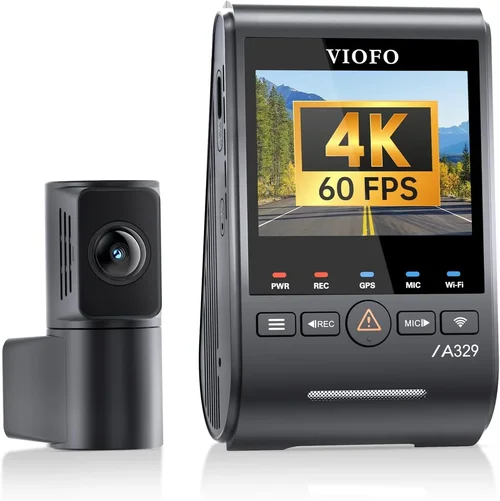
Newcomers to dash cam technology should start with the Viofo A119 V3, which offers an excellent introduction to cold weather dash cam functionality. Despite its relatively modest price, it performs admirably in freezing conditions with reliable recording down to 32°F (0°C). The simple interface and straightforward operation make it perfect for beginners who want to gradually learn dash cam usage while getting reliable winter protection. Its compact size and basic features provide an accessible entry point without sacrificing essential cold weather capabilities.
For advanced users requiring maximum cold weather reliability and comprehensive monitoring, the Nextbase 622GW delivers outstanding performance. This premium model operates reliably down to -4°F (-20°C) and includes 4K recording quality that captures incredible detail in snowy conditions. Its dual-band WiFi ensures reliable connectivity even when parked in remote locations, and the included smartphone app provides intuitive control that works well with winter gloves. The 360-degree protection and professional-grade build quality make it ideal for serious winter drivers who demand the absolute best performance.
Conclusion: Making the Right Choice
Selecting the right dash cam for cold weather requires careful consideration of multiple interrelated factors, from temperature specifications to build quality and power management. Rather than simply choosing the cheapest option or the most feature-rich model, successful winter dash cam buyers focus on finding the right balance of cold weather reliability, essential functionality, and long-term value. Your specific winter driving conditions—from occasional snow flurries to consistent sub-zero temperatures—should guide your decision more than marketing claims or celebrity endorsements.
Remember that cold weather dash cams represent a specialized category within the broader dash cam market, and treating them as generic electronics can lead to disappointment. Always verify temperature ratings, check component quality, and read real-world user experiences specifically related to winter usage rather than general satisfaction ratings. The investment in a properly selected cold weather dash cam pays dividends through enhanced safety, reliable documentation, and peace of mind when navigating winter’s challenges.
Ultimately, the best dash cam for your winter driving needs is one that matches your specific climate conditions, driving patterns, and budget constraints while providing reliable performance when it matters most. Take time to research, compare options carefully, and don’t hesitate to contact manufacturers directly with questions about cold weather performance. With the right choice, your dash cam will serve as a valuable ally throughout the entire winter season, capturing every moment with clarity and protecting you in ways you never imagined possible.