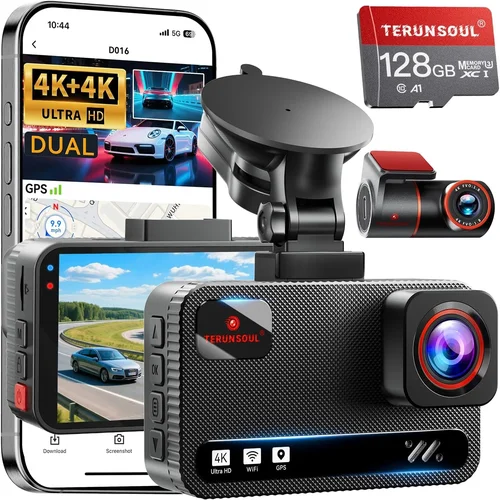
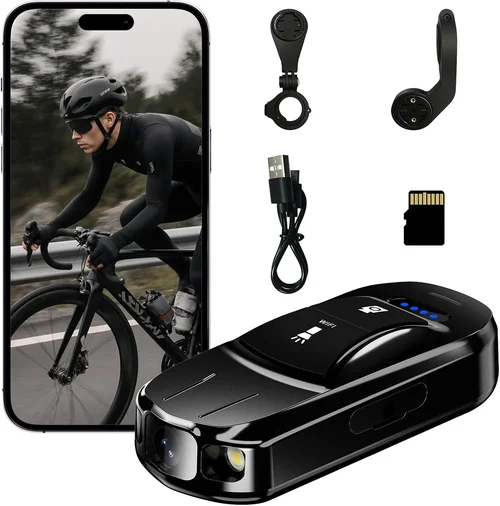
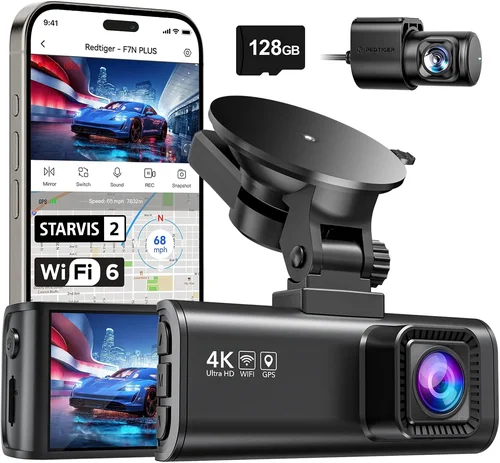
Smart Dash Cam Buying Guide
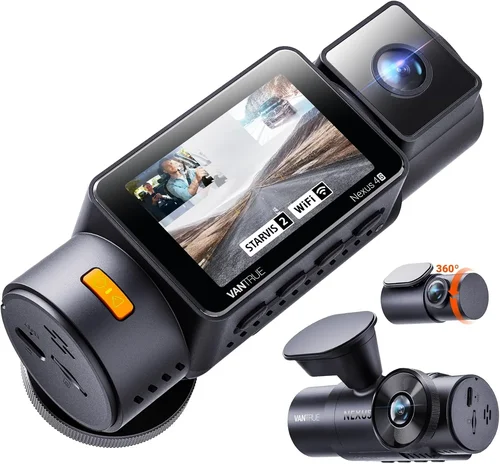
When you’re behind the wheel of a car in India, unexpected situations can happen in an instant. A sudden collision, road rage incident, or even a hit-and-run can leave you scrambling to prove your innocence. In such moments, having a reliable dash cam isn’t just convenient—it’s essential for your peace of mind and legal protection. This comprehensive buying guide is designed to help you navigate the crowded market and choose the best dash cam for your Indian driving conditions.
By the end of this article, you’ll understand exactly what features matter most for Indian roads, how to evaluate technical specifications, and which brands offer the best value for money. Whether you’re a daily commuter navigating city traffic or a long-distance traveler covering highways, we’ll walk you through everything you need to make an informed decision that protects both your vehicle and your interests.
The Indian dash cam market has exploded over the past few years, offering everything from basic 1080p cameras to advanced models with GPS, night vision, and cloud connectivity. But with so many options available at different price points, it’s easy to feel overwhelmed. That’s why we’ve created this expert-level guide that cuts through the marketing hype and focuses on real-world performance, durability under Indian weather conditions, and practical usability.

What to Look for When Buying Dash Cams
1. Budget & Price Range
Before diving into features, establish your budget range. Dash cams in India typically fall into four categories: entry-level (₹2,000–₹5,000), mid-range (₹5,000–₹12,000), premium (₹12,000–₹25,000), and luxury (₹25,000+). While it’s tempting to go for the cheapest option, remember that a dash cam is a safety investment—cheap models often lack critical features like loop recording, G-sensor functionality, or proper heat dissipation for India’s hot climate.
2. Performance Specifications
Resolution matters significantly when selecting a dash cam. Aim for at least 1080p Full HD resolution; anything below feels grainy and useless for evidence purposes. For clearer details, especially during night driving or highway speeds, consider 2K or 4K models. Frame rate should be at minimum 30fps, though 60fps provides smoother footage during fast movements. The field of view (FOV) is equally important—a 120-140 degree FOV captures more of the road ahead without distorting license plates or signs.
3. Build Quality & Durability
Indian roads present unique challenges: extreme temperatures, dust, humidity, and constant vibrations. Your dash cam must withstand these conditions. Look for models with sturdy metal housings rather than plastic ones, wide operating temperature ranges (-20°C to +70°C), and IP rating for water resistance. Heat dissipation is crucial—cameras that overheat will shut down unexpectedly during summer months, leaving you unprotected.
4. Features & Functionality
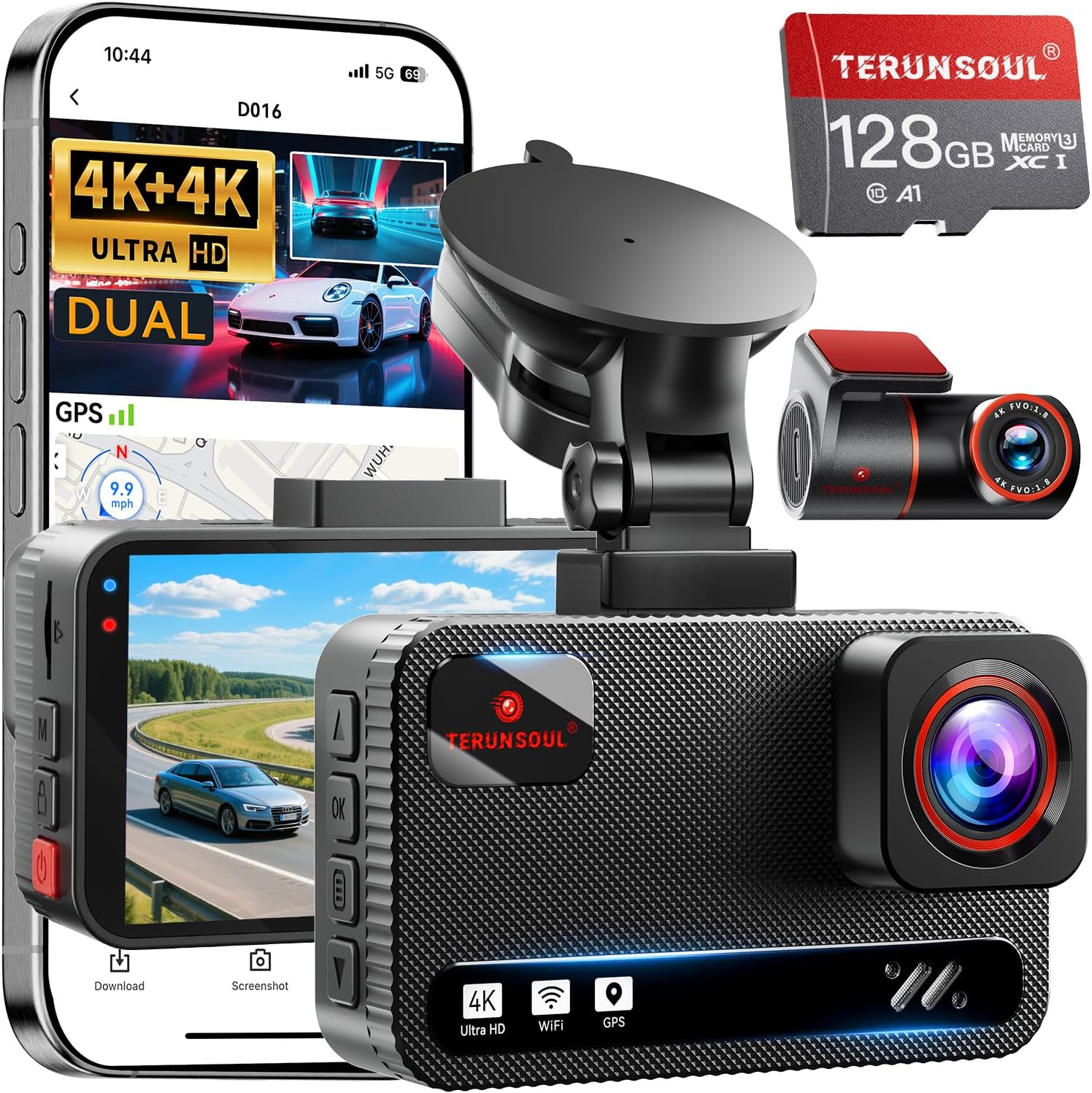
Essential features include automatic loop recording (to overwrite old footage when storage fills up), built-in G-sensor (for automatic emergency recording during collisions), parking mode (to record if someone hits your parked car), and Wi-Fi connectivity for easy file transfer. Advanced models offer GPS tracking, voice commands, cloud storage, and ADAS (Advanced Driver Assistance Systems) alerts. Consider whether you need dual-channel recording (front and rear cameras) based on your driving patterns.
5. Brand Reputation
Stick to established brands with good service networks across major Indian cities. Companies like BlackVue, Garmin, Nextbase, and some Indian brands like EZIO and RoadGuard have proven track records. Research customer reviews on platforms like Amazon, Flipkart, and dedicated automotive forums. A reputable brand offers better warranty support, firmware updates, and replacement parts availability when needed.
6. Warranty & Support
Always check the warranty period—ideally 1-2 years minimum—and what it covers (labor, parts, accidental damage). Verify if service centers are available in your region. Some manufacturers offer extended warranties for an additional cost. Good customer support responsiveness can save you hours of frustration when troubleshooting technical issues or processing insurance claims.
7. Storage Solutions
MicroSD cards are standard, but not all cards perform well with dash cams. Use high-quality Class 10 or UHS-I/UHS-II cards from brands like SanDisk, Samsung, or Lexar (64GB-128GB recommended). Some dash cams come with cloud storage subscriptions, but these can be expensive long-term. Built-in storage is rare in India due to cost constraints, so always factor in ongoing storage costs.
8. User Reviews & Ratings
Read multiple reviews across different platforms to get a balanced perspective. Pay attention to recurring complaints about overheating, poor night vision, or unreliable parking mode. Positive reviews mentioning reliability in Indian conditions (monsoon rains, dusty roads, high temperatures) are particularly valuable indicators of real-world performance.
Different Types of Dash Cams
Common Buying Mistakes to Avoid
❌ Mistake: Choosing Based Solely on Price
Why it’s bad: The cheapest dash cam often lacks essential features like loop recording, proper G-sensor sensitivity, or adequate heat resistance. Many bargain models use inferior sensors that produce blurry footage, making them useless when you actually need them.
What to do instead: Set a realistic budget range and compare features within that bracket. Sometimes spending ₹2,000 more gets you significantly better build quality, night vision, and reliability.
❌ Mistake: Ignoring Installation Requirements
Why it’s bad: Poor installation leads to poor performance. If the camera isn’t positioned correctly (too low, too far from center, or blocked by sun visors), you’ll miss critical details like license plates or road signs.
What to do instead: Choose a model that comes with clear mounting instructions or consider professional installation services available through authorized dealers.
❌ Mistake: Overlooking Storage Capacity Planning
Why it’s bad: Running out of storage means losing recent footage. Without proper planning, you might miss important events because the oldest files were automatically deleted to make space.
What to do instead: Calculate your usage: 16GB lasts about 1 hour of 1080p recording. Plan for at least 32GB card (covers 2 hours) and enable loop recording to manage storage efficiently.
❌ Mistake: Not Checking Compatibility with Your Car
Why it’s bad: Some dash cams require specific power adapters or cigarette lighter sockets that may not fit older Indian vehicles. Others draw too much current, causing your car battery to drain overnight in parking mode.
What to do instead: Verify your car’s electrical system compatibility before purchasing. Look for models with adjustable voltage requirements or hardwiring kits suitable for Indian vehicle models.
❌ Mistake: Skipping Night Vision Capabilities
Why it’s bad: Many dash cams perform poorly at night due to inadequate low-light sensors. During evening commutes or highway drives after sunset, you need clear footage for accident documentation.
What to do instead: Prioritize models with starlight-level sensors, infrared cut filters, or HDR technology specifically designed for night driving conditions common in India.
❌ Mistake: Assuming All Brands Are Equal
Why it’s bad: Generic Chinese-brand dash cams may look similar but differ dramatically in build quality, software stability, and post-purchase support. Some disappear from the market after six months, leaving you without warranty coverage.
What to do instead: Research brand reputation thoroughly. Check if they have authorized service centers in your city and read user experiences about long-term reliability beyond initial setup.
Budget Guidelines: How Much Should You Spend?
Entry-Level (₹2,000 – ₹5,000)
In this price range, expect basic functionality with limited features. Most models offer 1080p recording, loop recording, and manual parking mode activation. Build quality may be plastic-based, and night performance is often mediocre. These are suitable for occasional users who want basic protection without breaking the bank. However, avoid models below ₹2,000 as they rarely deliver reliable performance.
Mid-Range (₹5,000 – ₹12,000)
This sweet spot offers the best balance between features and value. You’ll find Wi-Fi connectivity, GPS tracking, automatic parking mode, improved night vision, and better build quality. Dual-channel options start appearing here, giving you front and rear coverage. Brands like EZIO, Nextbase, and some Garmin models dominate this segment with proven reliability in Indian conditions.
Premium (₹12,000 – ₹25,000)
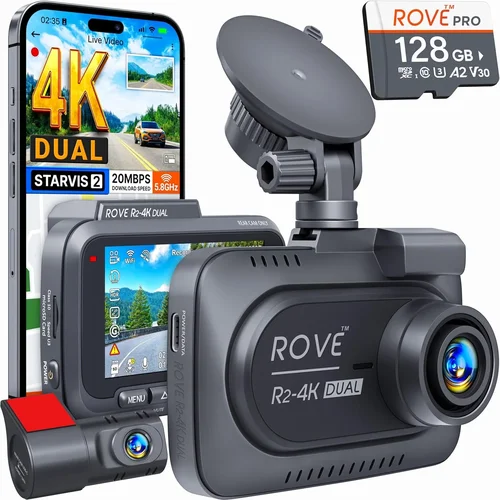
For serious drivers and families, premium models deliver exceptional performance. Expect 2K/4K recording, superior low-light capabilities, advanced driver assistance systems (ADAS), cloud connectivity, and robust build materials. BlackVue, Thinkware, and select Garmin models excel here. These are ideal for daily commuters, rideshare drivers, or anyone who wants maximum protection and evidence quality.
Luxury (₹25,000+)
Top-tier dash cams offer enterprise-grade features: AI-powered object detection, 4G connectivity, fleet management software, multiple camera inputs, and professional-grade image stabilization. These are primarily aimed at commercial fleets and professional drivers. For individual consumers, they represent significant overkill unless you have specific high-security needs or drive extensively on challenging terrain.
Expert Tips for Getting the Best Deal
Timing Your Purchase
Buy during festive seasons (Diwali, Republic Day, Independence Day) when retailers offer significant discounts. Online platforms like Amazon Great Indian Festival, Flipkart Big Billion Days, and Snapdeal Freedom Sale often provide 20-40% off premium dash cams. Avoid buying immediately after product launches unless you need cutting-edge features.
Where to Buy
Online marketplaces (Amazon, Flipkart, Croma, Reliance Digital) offer competitive pricing and easy returns. Physical stores let you physically inspect build quality and ask detailed questions. For complex installations or dual-camera setups, authorized service centers ensure proper wiring and calibration. Always compare prices across channels before deciding.
Spotting Authentic Deals
Beware of suspiciously low prices—they’re often counterfeit products. Check seller ratings, return policies, and warranty terms carefully. Official brand websites sometimes offer exclusive bundles (extra microSD cards, suction mounts, etc.) that aren’t available elsewhere. Read the fine print about warranty coverage and international shipping limitations.
Warranty Considerations
Opt for models with at least 1-year comprehensive warranty covering manufacturing defects and accidental damage. Verify if the warranty is transferable if you sell your car. Some brands offer extended warranty plans for an additional fee. Keep original purchase receipts and serial numbers safe for warranty claims.
Return Policies
Ensure the retailer accepts returns within 7-14 days if the product doesn’t meet expectations. Test all features thoroughly upon delivery: recording quality, audio clarity, menu navigation, and connectivity options. Don’t wait until installation to discover flaws—most online platforms allow returns before opening the package.
Testing Before Committing
If possible, visit a physical store to test the interface, button responsiveness, and screen visibility under different lighting conditions. Check if the menu language supports English clearly. Ask about firmware update procedures—regular updates improve performance and fix bugs over time.
Installation Best Practices
Position the camera at windshield upper center, angled slightly downward (not straight ahead). Ensure it doesn’t block your view of speedometer, mirrors, or dashboard controls. Use high-quality adhesive mounts rated for temperatures up to 70°C. Professional installation costs ₹500-₹1,500 but ensures optimal positioning and secure wiring.
Software and App Management
Download the official mobile app before installation to familiarize yourself with features. Set up cloud backup preferences early—some apps require account creation and subscription plans. Regularly update firmware through the app for security patches and new features.
• Install high-quality 64GB+ microSD card
• Enable loop recording and G-sensor
• Set correct date/time via app
• Position camera for optimal FOV
• Test recording quality before finalizing
• Save manufacturer contact info for support

Frequently Asked Questions
Q: Do I really need a dash cam in India?
A: Absolutely. Indian roads see numerous hit-and-runs, road rage incidents, and insurance fraud cases daily. A dash cam provides irrefutable evidence in disputes, helps insurance companies process claims faster, and deters malicious drivers. Even for personal peace of mind during long drives, it’s invaluable protection.
Q: What resolution should I choose?
A: Minimum 1080p Full HD for legal evidence credibility. For clearer details (especially at highway speeds or during night driving), upgrade to 2K or 4K. Higher resolutions mean larger file sizes and shorter recording times per microSD card, so balance quality with storage capacity.
Q: How much storage do I need?
A: Plan for 32GB-128GB depending on usage frequency. 16GB lasts about 1 hour of 1080p recording. Daily commuters should aim for 64GB (2-3 hours), while occasional users can manage with 32GB. Always use Class 10 or higher cards and enable loop recording to automatically overwrite old files.
Q: Will a dash cam drain my car battery?
A: Modern dash cams consume minimal power (1-2 watts). With proper parking mode setup using capacitors or hardwiring, battery drain is negligible. Avoid leaving non-capacitor parking mode active for extended periods without a battery monitor, especially in older cars with weaker alternators.
Q: Can dash cams work in monsoon season?
A: Yes, but choose models with IP-rated water resistance (minimum IP65) and anti-fogging features. Condensation inside the lens can temporarily affect clarity during heavy rain. Wipe the exterior regularly and ensure proper ventilation to prevent internal moisture buildup.
Q: How do I handle insurance claims with dash cam footage?
A: Keep your dash cam powered during incidents to capture complete sequences. Transfer footage to a secure location (cloud storage, external hard drive) immediately. Present raw, unedited footage to your insurer—never edited clips. Most insurance companies appreciate the evidence and process claims faster.
Q: Are there legal restrictions on dash cam usage?
A: No specific laws prohibit dash cam installation in India. However, never record audio without consent in private areas, as this violates privacy laws. Focus solely on road safety recording—avoid capturing sensitive information about passengers or unrelated conversations.
Q: How often should I replace my microSD card?
A: Every 6-12 months depending on usage intensity. Heavy daily use generates more files quickly. Monitor write speeds—if recording becomes choppy or files corrupt frequently, it’s time for a new card. Always backup important footage before replacing cards.
Q: Can I use my dash cam while driving hands-free?
A: Yes, most modern dash cams support voice control or smartphone integration for hands-free operation. This is particularly useful for starting/stopping recordings or accessing settings without touching the device, reducing distraction while maintaining safety.
Q: What’s the difference between parking mode and motion detection?
A: Parking mode uses low-power recording triggered by impact (via G-sensor) or motion detection. True parking mode requires a capacitor or hardwired connection to maintain function without draining your car battery. Motion detection alone may miss subtle impacts or activate unnecessarily from passing vehicles.
Our Final Recommendations
Best for Budget-Conscious Buyers
For those watching their expenses while still wanting reliable protection, the EZIO Dash Cam Pro offers excellent value at around ₹3,500. It delivers crisp 1080p recording, decent night vision, loop recording, and basic parking mode. The build quality is surprisingly sturdy for the price, and it includes a suction mount and 32GB microSD card. While lacking advanced features like GPS, it performs reliably in typical Indian urban conditions.
Best Overall Value
The BlackVue DR970X-1CH is worth every penny of its ₹18,000 price tag. This premium single-camera system features 2K recording, superior low-light performance, cloud connectivity, and military-grade durability. Its mobile app allows remote viewing and download of footage, while the built-in GPS tracks exact locations. For serious drivers who want professional-grade protection without the complexity of dual cameras, this is the gold standard in India.
Best Premium Option
The Thinkware U1000 stands out as the ultimate dash cam experience. Priced at ₹22,000, it offers 4K recording, HDR technology, advanced driver assistance systems (forward collision warning, lane departure alert), and exceptional build quality. The dual-clarity sensor captures stunning detail even in challenging lighting. Perfect for tech enthusiasts, rideshare drivers, or anyone demanding the absolute best image quality and safety features.
Best for Beginners
New to dash cams? The Nextbase 522GW at ₹9,500 provides an intuitive interface, Alexa compatibility, and impressive 1440p recording. Its one-button recording, emergency capture, and cloud backup make it effortless to use. The large touchscreen is easy to navigate, and the included 64GB microSD card gives you plenty of recording time right out of the box. Excellent starter option that won’t overwhelm first-time users.
Best for Advanced Users
Power users and fleet operators should consider the Garmin Dashcam Mini at ₹15,000. Compact yet powerful, it offers 1080p recording, voice control, and seamless smartphone integration. Its small size makes it less obtrusive while delivering reliable performance. The included parking mode with battery backup ensures continuous monitoring, and the rugged design handles rough handling well—ideal for daily commuters who prioritize discretion and convenience.
Conclusion: Making the Right Choice
Choosing the best dash cam for your car in India ultimately depends on your specific needs, budget, and driving habits. We’ve explored everything from basic features to advanced technologies, helping you understand what truly matters for Indian road conditions. Remember that the cheapest option isn’t always the smartest investment—prioritize reliability, durability, and evidence-quality footage over flashy extras you might never use.
Consider your primary purpose: Is it for insurance protection, peace of mind during long drives, or professional rideshare operations? Match your selection accordingly. Don’t forget to factor in ongoing costs like storage cards and potential installation fees. Most importantly, choose a reputable brand with good local support—when problems arise, you’ll want quick solutions rather than endless troubleshooting.
Take time to research thoroughly, read multiple reviews, and compare features side-by-side before deciding. The right dash cam will serve you faithfully for years, providing invaluable protection and evidence when you need it most. Start with your priorities clearly defined, and you’ll find the perfect balance between capability and affordability that meets your unique requirements on India’s diverse road network.
With the insights from this guide, you’re now equipped to make an informed decision that enhances your driving safety and protects your interests. Happy driving, and stay safe on the roads!