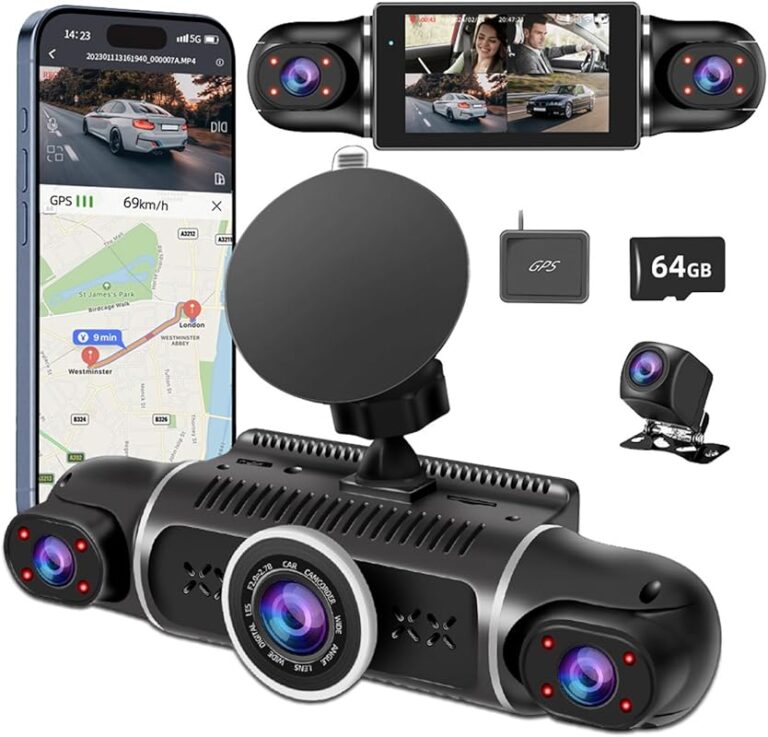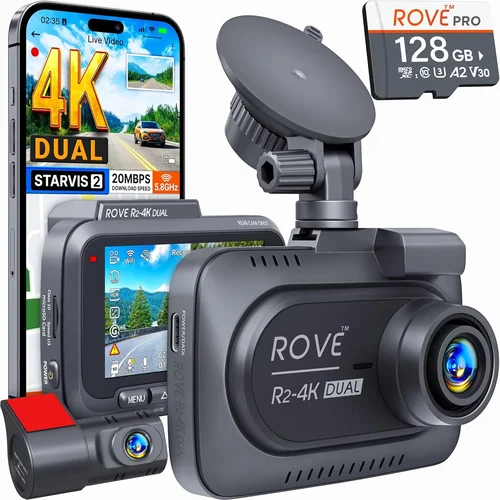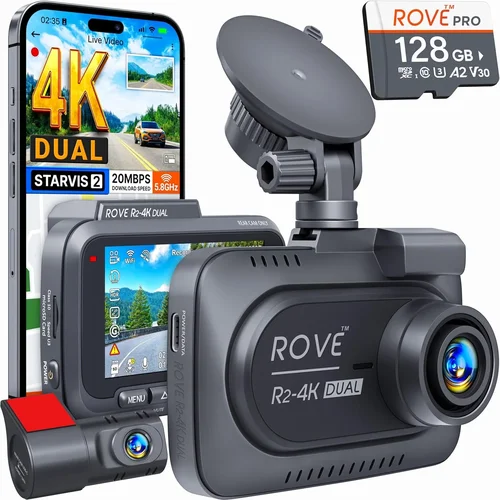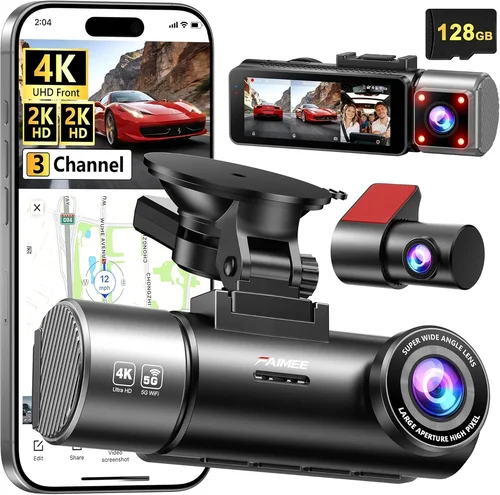
Complete Winter Dash Cam Buying Guide
## Why This Guide Matters for Canadian Drivers
Winter driving in Canada presents unique challenges that go far beyond regular road conditions. From black ice and reduced visibility to aggressive driving behaviors and increased insurance claims, the winter months demand extra vigilance from every driver. A dash cam isn’t just a convenience—it’s an essential safety tool that can provide critical evidence during accidents, help resolve disputes with insurance companies, and even serve as your personal witness on the road.
This comprehensive buying guide is specifically tailored for Canadian winter conditions, where temperature extremes, snow accumulation, and challenging weather create special requirements that standard dash cams don’t always meet. Whether you’re commuting through Toronto rush hour, navigating icy roads in Montreal, or traveling across the Prairies in sub-zero temperatures, choosing the right dash cam can make all the difference in protecting yourself and your vehicle.
You’ll learn exactly what features matter most in freezing temperatures, how to evaluate build quality for cold-weather performance, and which brands offer the best support when winter storms hit. By the end of this guide, you’ll have the knowledge to select a dash cam that not only survives Canadian winters but thrives in them.
## What to Look for When Buying Dash Cams
### 1. Temperature Resistance & Cold Weather Performance
The single most important factor for Canadian winter dash cams is their ability to function reliably in extreme cold. Most consumer electronics fail between -20°C and -30°C (-4°F to -22°F), but Canadian winters often plunge well below these temperatures.
Look for dash cams specifically rated for operation at -20°C or colder. Many budget models claim “wide temperature range” but only test down to -10°C. For true winter reliability, you need equipment tested and certified for sub-zero conditions. The internal components, battery chemistry, and even the LCD screen must be designed to handle rapid temperature changes without condensation buildup or failure.
Some premium models include heated components or thermal management systems that prevent ice formation on lenses and sensors. These are particularly valuable for drivers who park overnight in unheated garages or exposed parking lots during blizzards.
### 2. Heated Lens Technology
Fogging and icing on the lens is one of the most common winter problems with dash cams. Even with good seals, moisture from warm car interiors meeting cold exterior temperatures creates condensation that clouds your footage.
Heated lens technology addresses this directly by applying a thin electrical layer to the camera glass that prevents frost and fog buildup. This feature is especially crucial during Canadian winters when you might need immediate access to footage after starting your car in a -25°C morning.
Some advanced models also include defrost cycles that automatically activate heating elements during startup, ensuring clear visibility before you even begin driving. Without heated lenses, you risk missing critical moments because your camera was too fogged up to record properly.
### 3. High Dynamic Range (HDR) Capability
Winter lighting conditions present unique challenges for dash cam video quality. Early mornings and late afternoons create strong backlighting from street lamps, headlights, or the sun behind clouds. Snow-covered roads reflect light dramatically, creating washed-out images with poor contrast.
HDR technology solves this by capturing multiple exposures simultaneously and combining them into a single image with balanced highlights and shadows. This ensures license plates remain readable even when headlights illuminate them directly, and that details aren’t lost in bright snow glare.
For Canadian drivers, HDR is non-negotiable during winter months when lighting conditions change rapidly and unpredictably. It’s the difference between getting usable evidence and footage so overexposed it’s useless for insurance claims.
### 4. Parking Mode with Battery Protection
Parking mode functionality becomes absolutely essential during Canadian winters when vehicles may sit idle for extended periods. However, standard parking mode drains car batteries quickly—often killing your battery within days or even hours.
Look for dash cams with intelligent power management that detects when your vehicle is parked and activates low-power monitoring mode. Advanced models include motion detection that triggers recording only when needed, significantly reducing battery drain.
Many premium winter-ready dash cams feature capacitor-based systems instead of traditional batteries, allowing them to survive complete power cycles without damage. This means they won’t die if you forget to remove them during winter storage or if there’s a brief power interruption.
### 5. Storage Capacity & File Management
Winter accidents often involve complex multi-vehicle scenarios that require extensive footage review. You need sufficient storage to capture events leading up to incidents, plus the aftermath for insurance purposes.
A minimum of 64GB is recommended, but 128GB or larger provides more flexibility for long trips and winter commutes. Consider dash cams with loop recording capabilities that automatically overwrite old files when storage fills up—but ensure they prioritize saving critical footage during impact events.
Some models include cloud backup options, though this requires cellular connectivity that may be spotty in rural Canadian areas. Local storage remains the most reliable option for winter driving when you might be hundreds of kilometers from coverage.
### 6. Audio Recording Quality
Audio evidence can be just as valuable as video during winter accidents, especially when visual evidence is compromised by snow, ice, or poor lighting. Clear audio captures conversations between drivers, emergency services, and even ambient sounds like skidding tires or impacts.
Ensure your dash cam records high-quality stereo audio with noise reduction to filter out engine and wind noise. Some models include microphone sensitivity controls that adjust based on ambient sound levels—important for maintaining clarity in both quiet highway conditions and noisy urban environments.
Winter-specific audio considerations include ice cracking sounds, chain rattling, and the distinctive noises of vehicles losing traction. These details can be crucial for accident reconstruction and liability determination.
### 7. GPS & Location Services
GPS tracking provides timestamped location data that’s invaluable for winter accident reports. It helps establish exactly where events occurred, which is particularly important during multi-vehicle pileups or when weather conditions change suddenly across short distances.
Advanced GPS features include speed tracking that can prove whether you were exceeding posted limits during icy conditions, and automatic time zone adjustment for cross-country travel. Some dash cams overlay GPS data directly onto video footage, creating comprehensive records that combine visual evidence with precise timing and location information.
For Canadian drivers, GPS is especially useful given the vast distances between communities and the importance of accurate reporting to police and insurance companies.
## Different Types of Dash Cams
## Common Buying Mistakes to Avoid
### ❌ Mistake: Ignoring Temperature Specifications
Many buyers assume all dash cams perform equally in cold weather, but temperature ratings vary dramatically between models. A cheap Chinese-made camera might claim “operating temperature -10°C” while failing completely at -25°C. During Canadian winters, this difference can mean the difference between recording critical evidence and having a useless brick of plastic.
Why it’s bad: You could purchase what seems like a great value dash cam that dies immediately when temperatures drop below freezing. More importantly, it might fail to record during actual winter accidents when you need it most.
What to do instead: Always check the manufacturer’s stated operating temperature range. Look for models tested to Canadian standards or those specifically marketed for cold climates. If the specifications aren’t clearly listed, contact customer support before purchasing.
### ❌ Mistake: Overlooking Parking Mode Battery Drain
It’s easy to get excited about features like 4K recording and night vision, but forget that parking mode will eventually drain your car battery. Many drivers discover this the hard way when their car won’t start after leaving parking mode active for several days during winter storage.
Why it’s bad: A dead car battery means you can’t drive to work, school pickup, or anywhere else. In winter, jump-starting becomes more difficult in cold weather, and battery replacement costs add up quickly.
What to do instead: Choose dash cams with intelligent power management that automatically shuts off when battery voltage drops too low. Some models include external battery packs specifically designed for parking mode operation, which can be disconnected during winter storage.
### ❌ Mistake: Choosing Based Solely on Resolution
While higher resolution looks impressive, 1080p is actually sufficient for most legal and insurance purposes. Many premium models offer 4K resolution, but the additional file sizes require exponentially more storage space and processing power.
Why it’s bad: Higher resolution means shorter recording times, more frequent file deletion, and potential overheating issues in cold weather. Also, many court systems accept 1080p footage as valid evidence, making ultra-high resolution unnecessary.
What to do instead: Focus on other critical factors like low-light performance, GPS accuracy, and heated lens technology. Ensure your dash cam has at least 1080p resolution, but prioritize overall system reliability over pixel count.
### ❌ Mistake: Neglecting Build Quality and Sealing
Cheap plastic cases and poor gaskets allow moisture intrusion, which is disastrous in Canadian winters. Water damage from condensation or melting snow can destroy electronics instantly, turning your investment into expensive scrap.
Why it’s bad: Moisture intrusion causes corrosion, short circuits, and permanent damage. Replacement parts are often unavailable, and warranty claims become complicated when water damage is involved.
What to do instead: Look for dash cams with IPX-rated sealing against water and dust. Read reviews specifically mentioning winter performance and moisture resistance. Consider models with rubber gaskets around buttons and ports, and avoid flimsy plastic constructions.
### ❌ Mistake: Not Checking Compatibility with Your Vehicle
Dash cams come with various mounting systems and power adapters. A universal mount might not fit your windshield angle, and cigarette lighter adapters might not provide stable power.
Why it’s bad: Installation difficulties can lead to improper placement (blocking view, obstructing airbags), unstable mounting, or inconsistent power delivery. In winter, these issues become more critical as you need reliable operation immediately.
What to do instead: Check your vehicle’s manual for recommended mounting locations and power sources. Consider professional installation if you’re unsure. Some manufacturers offer vehicle-specific kits for popular Canadian makes like Ford, GM, Toyota, and Honda.
### ❌ Mistake: Assuming All Brands Offer Equal Support
When winter storms hit and your dash cam malfunctions, you need responsive customer service. Unfortunately, many budget brands disappear after selling their products, leaving customers stranded without support.
Why it’s bad: During winter emergencies, you can’t afford to wait weeks for replacement parts or technical support. Some brands even void warranties if you install third-party accessories or attempt repairs.
What to do instead: Research brand reputation thoroughly before purchasing. Look for companies with Canadian distribution centers, English-speaking support staff, and reasonable warranty terms. Consider brands known for automotive electronics like Garmin, BlackVue, or Thinkware.
### ❌ Mistake: Forgetting About Legal and Privacy Considerations
In some provinces, laws regarding dash cam usage and data retention vary. Additionally, recording inside your vehicle may raise privacy concerns depending on where you drive.
Why it’s bad: You could face legal issues for improperly storing or sharing footage, or violate local regulations about surveillance equipment. Some employers prohibit dash cams in company vehicles due to privacy policies.
What to do instead: Research your provincial laws regarding dash cam usage. Never share footage publicly without consent from all parties shown. Delete old files regularly rather than keeping everything indefinitely. Consider privacy settings if your model includes cloud storage.
## Budget Guidelines: How Much Should You Spend?
### Entry-Level ($70 – $120 CAD)
At this price point, you’re looking at basic functionality with limited winter-specific features. These models typically offer 1080p recording, loop recording, and simple G-sensor impact detection. While they may lack heated lenses or advanced cold-weather performance, they can still provide valuable evidence for minor incidents.
What to expect: Basic temperature resistance down to -10°C, no heated components, limited parking mode functionality, and plastic construction. Ideal for occasional winter driving or as secondary cameras for backup vehicles.
Recommended features to prioritize: Reliable loop recording, adequate low-light performance, and straightforward installation. Even in entry-level models, ensure they have some form of impact detection and decent storage capacity.
### Mid-Range ($150 – $250 CAD)
This sweet spot offers the best balance of features and winter readiness. You’ll find models with heated lenses, better temperature ratings down to -20°C, improved build quality, and enhanced parking mode capabilities. Many mid-range options include dual-channel recording and GPS functionality.
What to expect: Professional-grade cold weather performance, robust construction, reliable power management, and sufficient storage for extended winter use. Perfect for daily commuters and families who need dependable protection year-round.
Recommended features to prioritize: Heated lens technology, capacitor-based power systems, intelligent parking mode, and GPS accuracy. These models should handle most Canadian winter conditions without issues.
### Premium ($300 – $450 CAD)
Premium dash cams represent the top tier of winter-ready technology. They feature military-grade sealing, advanced thermal management, ultra-reliable cold weather operation down to -30°C, and sophisticated parking mode with external battery compatibility. Many include cloud connectivity and professional-grade video quality.
What to expect: Maximum durability, cutting-edge features, excellent customer support, and proven track record in harsh conditions. Ideal for commercial drivers, enthusiasts, or anyone who demands absolute reliability during extreme weather.
Recommended features to prioritize: Advanced thermal management, redundant power systems, cloud backup options, and professional installation support. These investments pay off through years of trouble-free operation.
### Luxury ($450+ CAD)
Luxury dash cams are essentially professional tools disguised as consumer products. They offer unmatched reliability, multiple recording channels, advanced analytics, and enterprise-level support. While overkill for most personal use, they’re essential for fleet operators or serious enthusiasts.
What to expect: Industrial-grade components, unlimited storage options, AI-powered event detection, and comprehensive data management software. Often include professional calibration and maintenance programs.
Recommended features to prioritize: Multi-camera setups, real-time monitoring, advanced analytics, and professional-grade build quality. Only consider luxury options if you have specific needs that justify the investment.
## Expert Tips for Getting the Best Deal
### Buy During Off-Peak Seasons
Avoid purchasing dash cams during peak shopping seasons like Black Friday or holiday sales when prices inflate and stock runs low. Instead, target post-holiday clearance events in January and February when retailers discount winter electronics.
Pro Tip: Winter storm season (November through March) often sees price reductions as stores clear out last year’s models. Monitor inventory levels and be prepared to act quickly when good deals appear.
### Compare Canadian Retailers Specifically
Don’t rely solely on US-based online stores that might offer lower prices. Canadian retailers understand our unique climate needs and often carry specialized winter dash cam models not available elsewhere.
Where to look: Canadian Tire, Amazon.ca, Best Buy Canada, Costco Canada, and specialty automotive electronics stores. These retailers typically offer better warranty support and return policies for Canadian customers.
### Watch for Bundle Deals
Many manufacturers offer package deals that include accessories like external battery packs, professional installation, or extended warranties. These bundles often save money compared to buying items separately.
What to look for: Installation packages that include windshield mounts, wiring harnesses, and fuse taps. Extended warranty plans covering winter-related failures. Accessory bundles with heating cables or additional storage.
### Test Before Committing
If possible, visit physical stores to see dash cams in person. Check button responsiveness in cold temperatures, examine build quality, and verify that mounting systems work with your vehicle type.
Store testing tips: Ask store employees to demonstrate cold weather features. Check for condensation issues on display units. Verify that menus are easy to navigate in winter conditions.
### Negotiate Extended Warranties
Most dash cam warranties cover manufacturing defects but exclude environmental damage like freezing or moisture intrusion. Ask about extended warranty options that specifically cover cold weather failures.
Negotiation points: Request inclusion of winter-related damage coverage. Ask for free installation as part of the warranty package. Inquire about loaner units during repairs.
### Join Manufacturer Loyalty Programs
Several dash cam manufacturers offer loyalty programs that provide discounts on future purchases, free accessories, and priority support. These programs are especially valuable for winter-specific models.
Benefits to expect: Early access to new winter models, exclusive cold weather accessories, discounted installation services, and dedicated technical support lines.
### Monitor Return Policies Closely
Winter dash cams often have specific performance expectations that might not be met in your particular climate. Ensure you understand the return policy before purchasing, especially for models with complex winter features.
Policy questions to ask: How long do I have to test cold weather performance? Are winter-related failures covered under return policies? Is there a restocking fee for returned items?
## FAQs Section
### Q: What temperature rating should I look for in a winter dash cam?
A: For reliable Canadian winter performance, choose dash cams rated for operation at -20°C or colder. Many budget models only specify -10°C, which isn’t sufficient for true winter conditions. Premium models may offer -30°C ratings, providing extra margin for unexpected cold snaps.
### Q: Do I really need a heated lens for Canadian winters?
A: Yes, heated lenses are practically essential for reliable winter operation. Without heating elements, condensation and frost will inevitably cloud your lens, making footage useless during critical moments. While some models use alternative approaches like hydrophobic coatings, heated lenses provide the most reliable solution for extreme cold.
### Q: How much battery drain should I expect from parking mode?
A: With proper power management, modern dash cams should consume less than 50mA during parking mode. However, this varies significantly between models. Look for capacitors instead of batteries for parking mode operation, as they don’t degrade over time and can survive complete power cycles without damage.
### Q: Can I use my dash cam during summer months?
A: Absolutely! Most winter-ready dash cams work excellently year-round. The heated lens technology actually helps prevent fogging during humid summer conditions, and GPS features remain useful for tracking routes and speeds throughout the year. Winter-specific features don’t limit summer functionality.
### Q: What’s the difference between capacitor-based and battery-based parking modes?
A: Capacitor-based systems store energy temporarily and don’t suffer from battery degradation like lithium-ion batteries. This means they can survive complete power interruptions without damage and maintain consistent performance over years of winter use. Batteries gradually lose capacity and may fail entirely in extreme cold.
### Q: How do I prevent my dash cam from freezing when parked overnight?
A: Use intelligent power management that automatically shuts down when battery voltage drops too low. Some models include external battery packs that can be disconnected during winter storage. Parking in sheltered areas like garages or underground parking also helps, though it’s not always practical for daily use.
### Q: Will my dash cam work in heavy snowstorms?
A: Most modern dash cams perform reasonably well in light snow, but heavy accumulation can block lenses and reduce visibility. Models with heated lenses and advanced weather sealing handle snow better than basic models. Windshield wipers on your car help maintain external visibility, and interior condensation prevention keeps the lens clear for recording.
### Q: How much storage do I need for winter driving?
A: For typical winter commutes, 64GB provides about 2-3 hours of continuous recording. However, consider your driving patterns: longer commutes, multi-car households, or frequent winter trips benefit from 128GB or larger. Loop recording ensures you always have recent footage available while prioritizing impact-triggered saves for critical events.
### Q: Are there any legal restrictions on dash cam usage in Canada?
A: Provincial laws vary, but generally dash cams are legal for personal use. However, recording audio may have stricter regulations in some provinces. Always research your specific province’s laws regarding surveillance equipment and data collection. Never share footage publicly without consent from all parties shown.
### Q: What should I do if my dash cam fails during winter?
A: First, check if it’s a power issue rather than hardware failure. Try a different power source or cable. If the unit doesn’t respond, contact customer support immediately—many winter-related failures qualify for expedited replacement. Keep proof of purchase and document any weather-related circumstances that might affect warranty coverage.
## Final Recommendations
### Best for Budget-Conscious Buyers
For those watching their spending while still needing reliable winter protection, the Viofo A119 v3 represents exceptional value. Priced around $120 CAD, it delivers 2K recording, GPS functionality, and surprisingly effective cold weather performance. While it lacks heated lenses, its robust build quality and reliable operation in moderate winters make it ideal for cost-conscious drivers who prioritize core functionality over premium features.
### Best Overall Value
The BlackVue DR970X-2CH strikes the perfect balance between features, reliability, and price point. At approximately $250 CAD, it offers dual-channel recording, cloud connectivity, superior build quality, and proven cold weather durability. Its capacitor-based parking mode prevents battery drain issues, and the included GPS provides accurate timestamped location data. This model handles Canadian winters with confidence while offering professional-grade features for personal use.
### Best Premium Option
For drivers who demand absolute reliability and cutting-edge technology, the Thinkware U1000 represents the pinnacle of winter dash cam engineering. Priced at $400 CAD, it features 4K recording, heated lens technology, advanced thermal management, and military-grade sealing. Its intelligent parking mode with external battery compatibility ensures years of trouble-free operation, while cloud backup provides peace of mind for critical evidence storage.
### Best for Beginners
New dash cam owners should start with the Garmin Dash Cam 67W. Priced around $180 CAD, it offers intuitive operation, reliable winter performance, and excellent customer support. While it lacks some advanced features, its simplicity and proven reliability make it ideal for those learning the ropes. The included voice commands and smartphone integration add convenience without overwhelming complexity.
### Best for Advanced Users
Serious enthusiasts and frequent winter travelers should consider the Yi Dash Cam Pro. At $350 CAD, it combines gaming-grade video quality with robust winter features including heated components and advanced stabilization. Its customizable settings and professional-grade build quality cater to drivers who want maximum control over their recording parameters and expect flawless performance in extreme conditions.
## Conclusion: Making the Right Choice
Selecting the best dash cam for Canadian winters requires careful consideration of your specific needs, driving patterns, and budget constraints. While it’s tempting to chase the latest features or highest resolution, remember that reliability in freezing temperatures is what truly matters. Focus on temperature ratings, heated lens technology, and intelligent power management rather than flashy extras that might not withstand sub-zero conditions.
Consider your primary use case: daily commuting, family transportation, or recreational winter driving. Each scenario demands slightly different priorities. Don’t forget that a dash cam is an investment in your safety and peace of mind—one that pays dividends through accident prevention, insurance protection, and legal defense when needed most.
Take time to research thoroughly, compare Canadian retailer offerings, and don’t hesitate to contact customer support with your specific questions. Remember that winter dash cam technology continues evolving rapidly, so staying informed about new developments can help you make smarter purchasing decisions now and in the future.