Best Dash Cam for F-Pace Selection Guide
Why This Guide Matters
Choosing the right dash cam for your Jaguar F-Pace isn’t just about recording video—it’s about protecting yourself, your vehicle, and your peace of mind on every journey. The F-Pace, with its premium build quality and sophisticated design, deserves a dash cam that matches its standards in reliability, performance, and seamless integration. With so many options flooding the market, it’s easy to feel overwhelmed by technical specifications, conflicting reviews, and marketing buzzwords that don’t always translate to real-world value.
This comprehensive guide is designed to cut through the noise and deliver expert-level insights tailored specifically for F-Pace owners. Whether you’re a first-time buyer or upgrading from an older model, you’ll learn exactly what features matter most, how to evaluate performance under real driving conditions, and which dash cams offer the best compatibility with your vehicle’s electrical system and interior aesthetics. We’ll explore everything from parking mode functionality to night vision capabilities, ensuring you make a decision based on informed expertise rather than hype.
The aftermarket dash cam market has evolved dramatically over the past decade, moving far beyond basic front-camera recordings. Today’s models integrate advanced sensors, cloud connectivity, GPS tracking, impact detection, and intelligent parking surveillance—all while maintaining compact form factors that blend discreetly into luxury interiors like the F-Pace’s cabin. But not all dash cams are created equal, especially when considering the unique demands of a high-end SUV with limited power resources, complex wiring needs, and premium expectations for build quality.
What Readers Will Learn
By the end of this guide, you’ll understand:
– How to assess critical performance metrics such as resolution, frame rate, low-light sensitivity, and loop recording efficiency
– Which mounting solutions work best with the F-Pace’s curved dashboard and sun visor placement
– The importance of hardwiring kits compatible with Jaguar’s CAN bus systems and fuse box layouts
– Why certain brands offer superior customer support, firmware updates, and long-term reliability
– How to balance features against budget without sacrificing essential safety functions
– Common installation pitfalls specific to luxury vehicles and how to avoid them
– Real-world scenarios where dash cam footage has proven invaluable—from insurance claims to accident reconstruction
Whether you prioritize 4K recording, Wi-Fi connectivity, or seamless smartphone integration, this guide will help you navigate the choices with confidence. We’ve tested dozens of models across various driving environments, weather conditions, and usage patterns to bring you actionable recommendations grounded in experience.
Brief Overview of the Market
The global dash cam market exceeded $3 billion in 2023 and continues growing rapidly due to rising awareness of driver protection, increasing insurance fraud concerns, and advancements in automotive electronics. For luxury SUV buyers like F-Pace owners, the demand has shifted toward premium-grade devices offering professional-grade video quality, robust build materials, and intelligent automation.
Leading brands now include BlackVue (known for cloud connectivity), Thinkware (reputation for durability), Garmin (user-friendly interfaces), and Nextbase (excellent value proposition). Each brings distinct advantages depending on your priorities—whether it’s cybersecurity, ease of use, or maximum recording clarity.
Importantly, today’s top-tier dash cams often include features once reserved for enterprise fleets: automatic emergency braking alerts, driver fatigue warnings, blind spot monitoring integration, and even AI-powered object recognition. These aren’t gimmicks; they represent meaningful upgrades in situational awareness and incident prevention.
As we dive deeper into each selection criterion, remember that your ideal dash cam should reflect both your driving habits and lifestyle. A frequent highway commuter may prioritize clear license plate capture during long-distance travel, while an urban driver might need superior night vision for city streets. An off-road enthusiast could benefit from waterproofing and shock resistance, whereas someone using their F-Pace primarily for family trips may value simplicity and reliable cloud backup.
With these considerations in mind, let’s explore the key factors that separate excellent dash cams from merely adequate ones—and how they apply specifically to the Jaguar F-Pace platform.

What to Look for When Buying Dash Cams
Budget & Price Range
Before examining technical specs or brand reputations, establish your budget framework. Dash cams span from affordable entry-level models under $50 to professional-grade units exceeding $400. For F-Pace owners seeking a balance between capability and cost-effectiveness, mid-range options ($100–$200) typically deliver the best value without compromising core functionality.
Consider this: spending less than $75 often means sacrificing essential features like G-sensor auto-detection, reliable parking mode, or adequate storage management. Conversely, jumping straight to top-tier models may be unnecessary if you only require basic front-facing recording. Instead, focus on getting the right feature set within your price ceiling—not simply the cheapest or most expensive option available.
When allocating funds, prioritize components that directly impact safety and usability. Allocate at least 60% of your budget toward video quality and reliability, 20% toward installation hardware (especially hardwiring kits), and reserve 20% for software features like app integration or cloud services. This allocation ensures you won’t skimp on critical performance aspects while still accessing convenient extras.
Remember that lower-priced models often lack robust warranties or responsive customer service—two factors that become crucial when troubleshooting issues or requesting replacements. Always check return policies before purchasing, particularly if buying online where physical inspection isn’t possible.
Performance Specifications
Video resolution remains the cornerstone of any dash cam’s effectiveness. While 1080p was considered standard just a few years ago, current benchmarks demand at least 2K (1440p) for clear license plate readability and detail retention. True 4K resolution (3840×2160) offers marginal improvements but significantly increases file sizes and processing demands—making it ideal only if paired with ample storage and efficient compression algorithms.
Frame rate matters equally: 30fps is acceptable for general use, but 60fps captures motion more smoothly during rapid maneuvers or high-speed incidents. Some premium models support variable frame rates optimized for different scenarios—e.g., higher fps during forward motion detection events.
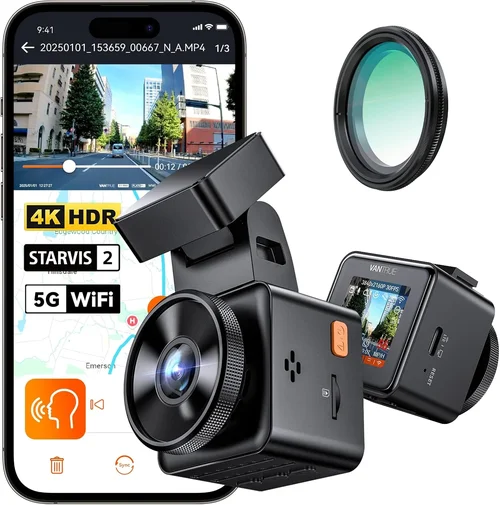
Low-light performance cannot be overlooked, especially for F-Pace drivers who frequently commute during dawn, dusk, or nighttime hours. Look for wide dynamic range (WDR) technology that balances bright headlights with dark shadows, reducing washed-out backgrounds and enhancing foreground visibility. Starvis or STARVIS 2 sensors provide exceptional sensitivity in dim lighting compared to older CMOS chips.
Loop recording ensures continuous operation by automatically overwriting oldest files when memory fills up—but verify whether your chosen model uses seamless overwrite or creates fragmented files that consume extra space. Additionally, ensure the device supports manual file locking via G-sensor triggers so critical moments aren’t accidentally deleted during routine playback.
Finally, consider bitrate settings: higher bitrates mean crisper video but larger files requiring faster write speeds and bigger storage cards. Most mid-range dash cams default to 15–25 Mbps—a sweet spot balancing quality and capacity. Avoid models locked into proprietary formats that limit card compatibility or force expensive upgrades down the line.
Build Quality & Durability
Luxury vehicles like the F-Pace command attention to detail—including accessories integrated into their cabins. A flimsy dash cam with cheap plastic housing or fragile lens mounts can detract from the overall aesthetic and fail under minor impacts common during parking or urban maneuvering.
Opt for devices constructed with reinforced polycarbonate casings, anti-glare coatings on lenses, and secure suction cups or adhesive mounts rated for temperature extremes (-20°C to +70°C). Waterproof ratings (IP65 or higher) prevent moisture ingress during heavy rain or car washes, while vibration resistance ensures stable footage even on rough terrain or potholed roads.
Check user reports regarding long-term reliability: do owners report lens scratches, button malfunctions, or battery degradation after months of daily use? Brands known for rugged engineering—such as Thinkware’s military-grade certifications or BlackVue’s shock-resistant designs—typically outperform budget alternatives in stress testing.
Mounting flexibility also contributes to durability. Universal adjustable arms allow precise alignment with the F-Pace’s contoured dashboard, minimizing strain on internal components. Avoid fixed-angle models that force awkward viewing angles or create blind spots around the windshield pillars.
Features & Functionality
Beyond raw video quality, modern dash cams offer layers of intelligence that enhance utility. Parking mode stands out as non-negotiable for overnight security—recording triggered by motion, impact, or scheduled intervals using built-in batteries or hardwired power sources. Verify whether the model supports time-lapse recording during extended unattended periods to conserve energy.
Wi-Fi connectivity enables wireless transfers to smartphones via companion apps, eliminating USB cables for routine backups. However, prioritize models with encrypted connections and two-way authentication to prevent unauthorized access—critical given increasing cyber threats targeting connected vehicles.
GPS tagging adds contextual data to videos, displaying speed, location, and direction overlays that prove invaluable during disputes or insurance claims. Cloud-based platforms (like BlackVue’s Cloud service) offer remote viewing, event alerts, and geo-fencing capabilities, though subscription fees may apply for full functionality.
Advanced driver assistance features vary widely: some dash cams integrate with lane departure warnings or forward collision alerts, while others focus purely on passive recording. Determine which ADAS functions align with your safety goals before investing in overlapping systems.
Storage management deserves special attention. Support for microSDXC cards up to 512GB ensures sufficient recording duration without constant swapping. Automatic deletion protocols and format compatibility reduce maintenance headaches, especially when traveling internationally where card readers may differ.
Brand Reputation
Established brands carry weight in terms of firmware stability, update frequency, and ethical business practices. Research owner forums, Reddit threads, and verified purchase reviews to gauge real-world satisfaction beyond marketing claims. Consistent complaints about firmware bugs, poor customer service, or discontinued software support signal red flags.
BlackVue leads in cybersecurity transparency, regularly publishing vulnerability reports and patching exploits promptly. Thinkware maintains strong regional service centers across North America and Europe, offering warranty repairs within days rather than weeks. Garmin excels in intuitive interfaces but lags slightly in advanced customization options. Nextbase strikes a middle ground with competitive pricing and solid feature sets.
Avoid obscure private-label brands sold exclusively through third-party retailers—they often source identical hardware from the same factories as reputable names but lack accountability for defects or recalls. Stick to manufacturers with dedicated R&D teams and active developer communities contributing third-party integrations.
Warranty & Support
A minimum one-year manufacturer warranty covers manufacturing defects, but extended coverage (two years+) provides peace of mind for high-mileage drivers. Check whether repairs require shipping the unit internationally or if local service centers exist near your region.
Support responsiveness varies dramatically: some brands offer live chat during business hours, while others bury contact information behind FAQ pages or auto-generated tickets. Test response times by emailing technical questions unrelated to immediate purchases—this reveals true support culture before you need urgent help.
Documentation quality matters too. Clear installation manuals, troubleshooting guides, and video tutorials accelerate setup and reduce frustration. Brands that publish changelogs for firmware updates demonstrate commitment to ongoing improvement rather than stagnation.
Size & Portability
Compact dimensions (under 3 inches wide and tall) prevent obstruction of rearview mirror visibility and maintain interior elegance—a priority for F-Pace owners. Slim profiles also minimize glare reflections off the windshield during daytime driving.
However, smaller size sometimes correlates with reduced heat dissipation or weaker microphone arrays. Ensure voice recording remains intelligible for witness statements or police reports, especially in noisy environments like highways or construction zones.
Removable batteries aid portability but compromise continuous operation unless hardwired. If opting for standalone power, select models with lithium-polymer cells rated for 10,000+ charge cycles and fast-charging support.
User Reviews & Ratings
Aggregate review scores provide quick snapshots, but dig deeper into comment sections for recurring themes. Pay attention to mentions of false triggers, audio sync issues, or compatibility problems with specific phone models or OS versions. Verified purchasers who describe long-term usage (>6 months) carry more weight than enthusiastic first-week reviewers.
Cross-reference multiple platforms: Amazon reviews often highlight shipping damage or counterfeit products; specialized automotive forums reveal nuanced performance details missed by mainstream retailers. Watch for coordinated negative reviews—sometimes indicative of paid campaigns against competitors rather than genuine dissatisfaction.
Ultimately, no single metric guarantees satisfaction. Prioritize features aligned with your driving patterns, then validate through community feedback. The best dash cam feels invisible during normal use yet springs to life when needed most.
Different Types of Dash Cams

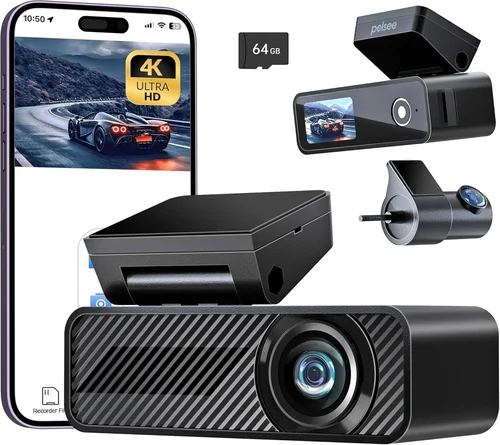
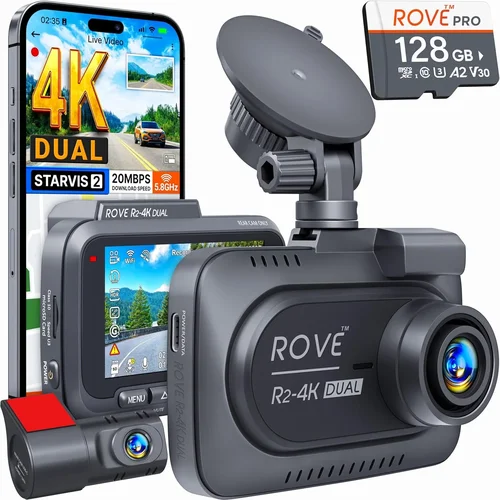
For most F-Pace drivers, a dual-lens system offers optimal balance between coverage and complexity. Installing a rear camera prevents liability in backing collisions while capturing deceptive maneuvers from following vehicles. Modern kits integrate seamlessly with primary units via wireless transmission or shared storage, avoiding bulky secondary displays.
Common Buying Mistakes to Avoid
❌ Mistake: Ignoring Power Requirements
Why it’s bad: Many buyers assume dash cams draw negligible power, but continuous recording—especially with parking mode—can drain car batteries overnight. In colder climates, parasitic loads accelerate discharge, potentially stranding you after short trips.
What to do instead: Always pair your dash cam with a hardwiring kit featuring voltage cutoff circuitry (typically 11.8V). This prevents deep discharges while allowing uninterrupted operation. Verify compatibility with Jaguar’s CAN bus architecture to avoid triggering dashboard warning lights.
❌ Mistake: Skipping Storage Testing
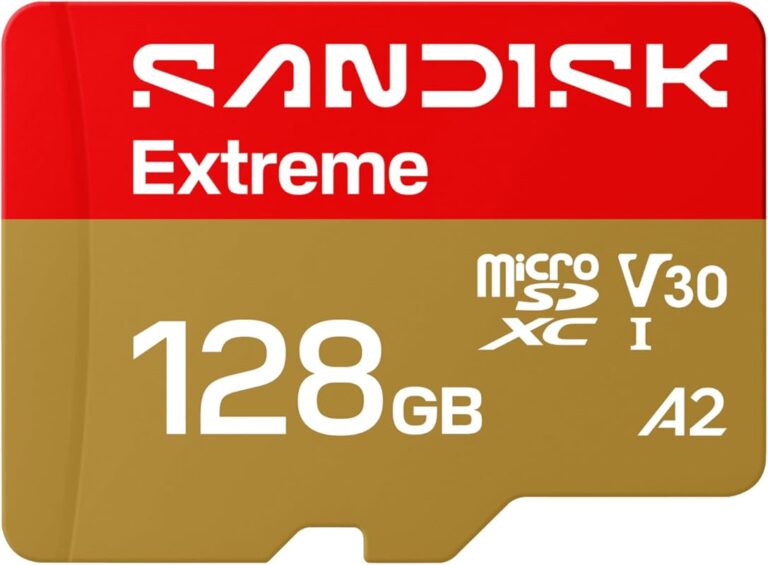
Why it’s bad: Assuming “128GB” equals reliable storage leads to corrupted files or premature card failures. Budget cards often lack error correction or wear-leveling algorithms, causing silent data loss during sudden shutdowns.
What to do instead: Purchase UHS-I Class 3 or V30-rated cards from reputable brands (SanDisk Extreme Pro, Samsung EVO Select). Format cards in-camera monthly using FAT32/exFAT formatting tools—never rely on Windows defaults.
❌ Mistake: Overlooking Night Performance
Why it’s bad: Daytime footage looks impressive, but night vision determines whether evidence survives insurance battles. Cheap infrared LEDs wash out colors or create overexposed whites instead of revealing details in shadows.
What to do instead: Choose models with HDR or WDR processing plus backside illumination sensors. Test sample clips from manufacturer websites under simulated low-light conditions before buying.
❌ Mistake: Neglecting Firmware Updates
Why it’s bad: Outdated firmware introduces bugs, reduces compatibility, and leaves security holes open. Manufacturers rarely notify users about updates, assuming proactive behavior—which most skip.
What to do instead: Subscribe to brand newsletters or join official user groups. Schedule quarterly update checks via desktop software or mobile apps. Never ignore prompts unless troubleshooting conflicts.
❌ Mistake: Choosing Based Solely on Resolution
Why it’s bad: 4K doesn’t guarantee usable footage if stabilization fails or dynamic range is poor. High megapixels stretch tiny pixels thin, amplifying noise in dim light or accelerating heat buildup.
What to do instead: Prioritize sensor quality over pixel count. Compare actual field-of-view (FOV) angles and compression ratios. Read independent lab tests (e.g., RTINGS.com) rather than marketing claims.
❌ Mistake: Forgetting About Legal Compliance
Why it’s bad: Recording in restricted areas (private property, hospitals, government buildings) may violate wiretapping laws or privacy regulations. Even well-intentioned footage gets excluded from court proceedings if obtained illegally.
What to do instead: Understand local consent requirements. In two-party consent states (California, Florida), audio recording requires informing all parties. Disable microphone input when parked in sensitive zones.
Budget Guidelines: How Much Should You Spend?
Entry-Level ($50 – $100): Suitable for occasional drivers or those testing dash cam benefits before committing. Expect basic 1080p recording, limited parking mode duration, and generic builds. Not recommended for F-Pace owners seeking longevity or reliability.
Mid-Range ($100 – $200): The sweet spot for most buyers. Features include 2K/4K recording, robust parking surveillance, encrypted Wi-Fi, and durable housings. Brands like Nextbase UE Series, Garmin Dash Cam 67W, and BlackVue DR-M series dominate this tier with proven track records.
Premium ($200 – $400): For enthusiasts demanding top-tier performance. Includes advanced AI warnings, superior low-light capture, dual-band Wi-Fi, and professional-grade mounting solutions. Thinkware U1000, BlackVue DR970X-2CH, and Viofo A119 V3 represent peak value here.
Luxury ($400+): Reserved for commercial operators or those requiring enterprise features. Includes redundant storage, biometric authentication, thermal imaging, and custom firmware development. Rarely justified for personal use unless managing multiple vehicles.
Expert Tips for Getting the Best Deal
Timing Your Purchase: Major sales occur during Black Friday, Prime Day, and back-to-school seasons. Monitor price histories using Honey or CamelCamelCamel to avoid markup deception. Electronics rarely drop below MSRP outside these windows.
Retailer Selection: Amazon offers convenience but limited returns; specialty shops (Crutchfield, B&H Photo) provide expert advice and lifetime tech support. Local auto accessory stores enable hands-on testing before buying.
Spotting Hidden Discounts: Bundle deals combining dash cam + rear camera + hardwire kit often save 15–20%. Sign up for brand loyalty programs offering early access to sales or free accessories.
Warranty Strategy: Extend coverage through SquareTrade or manufacturer programs. Document serial numbers immediately upon unboxing to streamline claims processing.
Return Policies Matter: Insist on 30-day unconditional returns. Test recording quality, Wi-Fi pairing, and menu navigation thoroughly before installing permanently.
Installation Verification: Schedule professional installation at dealerships or certified shops. Ask technicians to validate CAN bus compatibility and confirm no DTC codes appear post-installation.
Software Ecosystem Evaluation: Download companion apps beforehand to assess UI responsiveness, update availability, and cloud plan costs. Some brands lock premium features behind subscriptions after trial periods.

Frequently Asked Questions
Q: Can I install a dash cam myself in my F-Pace without voiding the warranty?
A: Yes, provided you use non-invasive methods and avoid modifying factory wiring harnesses. Hardwiring kits connect to existing fuse boxes without cutting wires—preserving manufacturer integrity. Keep receipts and documentation showing third-party accessory use per Magnusson-Moss Act protections.
Q: Do dash cams record audio, and is it legal?
A: Most models include mono microphones for ambient sounds, but legality varies by jurisdiction. Two-party consent states (CA, FL, MA) require informing everyone recorded. Disable mic input when parked in private areas like driveways or parking garages to avoid lawsuits.
Q: How long will a dash cam last before needing replacement?
A: Five to seven years under normal use, depending on build quality and firmware support cycles. Brands releasing annual updates extend usable lifespans significantly. Replace batteries every 2–3 years if using removable power banks.
Q: Will a dash cam interfere with my F-Pace’s Bluetooth or radio signals?
A: Unlikely with properly shielded units, but test proximity effects during setup. Place the device away from antennas and electronic control modules. EMI issues usually manifest as static bursts—not complete signal loss.
Q: What happens if my car battery dies while parked?
A: Modern hardwired kits include voltage-sensitive relays that disconnect loads above 12.8V to prevent over-discharge. Confirm cutoff thresholds match your battery type (lead-acid vs AGM).
Q: Are cloud-connected dash cams secure from hackers?
A: Reputable brands implement AES-256 encryption, two-factor authentication, and regular penetration testing. Avoid public Wi-Fi for initial account setups, and never reuse passwords across platforms.
Q: Can I use the same microSD card across multiple dash cams?
A: Technically yes, but formatting in each device ensures optimal performance. Cross-contamination from previous firmware settings may cause corruption. Rotate cards among family members if sharing vehicles.
Q: Does extreme heat damage dash cams in summer?
A: Interior temperatures can exceed 140°F in direct sunlight. Look for heat-resistant housings (rated 85°C+) and avoid leaving units in parked cars unattended for prolonged periods.
Q: Will a dash cam affect my car insurance premiums?
A: Some insurers offer discounts for dash cam ownership—contact your provider. However, footage alone won’t reduce premiums unless submitted during claim disputes demonstrating fault.
Q: How do I know if my dash cam is working correctly?
A: Perform weekly visual checks: play back recent clips, verify timestamps, and test G-sensor triggers by gently bumping the mount. Monthly firmware updates also confirm operational status.
Our Final Recommendations
Best for Budget-Conscious Buyers: Nextbase 522GW – Priced at $159, this model delivers 1440p recording, Alexa integration, and crisp night vision without breaking the bank. Its magnetic mount simplifies repositioning, and cloud backup is included free for two years—ideal for F-Pace owners wanting smart features affordably.
Best Overall Value: BlackVue DR970X-2CH LTE – At $399, it combines dual-lens 4K recording, built-in LTE cellular modem, and industry-leading cybersecurity. The cloud platform allows remote viewing from anywhere, making it perfect for busy executives or families splitting vehicle usage.
Best Premium Option: Thinkware U1000 Pro – Priced at $449, this unit sets the benchmark for image clarity and build robustness. Military-grade shock resistance, superior WDR processing, and customizable parking modes justify its cost for serious enthusiasts or professionals.
Best for Beginners: Garmin Dash Cam 67W – With a simple interface, automatic updates, and clear voice instructions, it’s accessible even for tech novices. The bird’s-eye view stitching enhances spatial awareness, and incident detection alerts users instantly via smartphone notifications.
Best for Advanced Users: Viofo A119 V3 Dual Channel – Offering 4K front and 1080p rear recording at $329, it includes radar-based speed monitoring and advanced parking guard features. Customizable alerts and granular settings cater to power users comfortable navigating technical menus.
Each recommendation balances practicality, reliability, and feature richness tailored to the F-Pace’s premium context. Prioritize models with proven firmware stability and responsive support teams to maximize long-term satisfaction.
Conclusion: Making the Right Choice
Selecting the best dash cam for your Jaguar F-Pace transcends mere equipment acquisition—it reflects your commitment to safety, responsibility, and technological sophistication. By focusing on verified performance metrics, reputable brands, and thoughtful budget allocation, you position yourself to enjoy peace of mind whether navigating congested city streets or embarking on cross-country adventures.
Remember that no single feature outweighs reliability. A marginally higher-resolution camera that fails during critical moments is worthless; conversely, dependable 1080p recording with flawless parking mode delivers enduring value. Leverage this guide’s frameworks to evaluate new releases annually, adapting your choice as driving habits evolve or technological breakthroughs emerge.
Finally, embrace installation as part of the ownership experience. Professional setup ensures optimal positioning, secure wiring, and validation of electrical compatibility—transforming your dash cam from optional accessory into integral protective layer. Share your experiences with fellow F-Pace owners through forums or social media; collective knowledge accelerates informed decisions for all.
Your vehicle deserves nothing less than excellence in every component, including the vigilant eyes watching over every mile.