Best Jeep Dash Cam Buying Guide
Why choosing the right dash cam for your Jeep matters more than ever. Whether you’re navigating rugged mountain trails, commuting through urban chaos, or simply want peace of mind on everyday drives, a reliable dash cam can be your most valuable automotive accessory. This comprehensive buying guide is designed specifically for Jeep owners who demand durability, performance, and smart features from their dash cams. Unlike generic recommendations, this guide addresses the unique challenges of off-road driving, extreme weather conditions, and the demanding electrical environment found in modern Jeeps.
By the end of this article, you’ll understand exactly what to look for when selecting a dash cam that won’t just survive your adventures but enhance them. We’ll cover everything from budget considerations to advanced technical specifications, helping you make an informed decision based on your specific needs and driving habits. The market offers dozens of options, but only a handful truly deliver the combination of rugged construction, reliable performance, and intelligent features that serious Jeep enthusiasts require.
The dash cam industry has evolved dramatically over the past decade, with today’s models offering capabilities far beyond simple video recording. Modern units feature advanced driver assistance systems, cloud connectivity, impact detection, and specialized mounting solutions designed specifically for vehicles like the Jeep Wrangler and Gladiator. Understanding these developments will help you select equipment that not only captures evidence but actively contributes to safer, smarter driving experiences across all terrains and conditions.

What to Look for When Buying Dash Cams
Budget & Price Range
Before diving into specific features, it’s crucial to establish your budget framework. Dash cams range dramatically in price, from under $50 entry-level models to premium units exceeding $500. For Jeep owners specifically, we recommend allocating at least $120-150 for a quality unit that can withstand off-road vibrations and temperature extremes. While tempting to choose the cheapest option, remember that dash cams are essentially security cameras meant to capture critical moments—cutting corners here could mean losing vital footage during an incident. Consider your Jeep’s value, your typical driving patterns, and how frequently you venture off paved roads when determining your spending threshold.
Performance Specifications
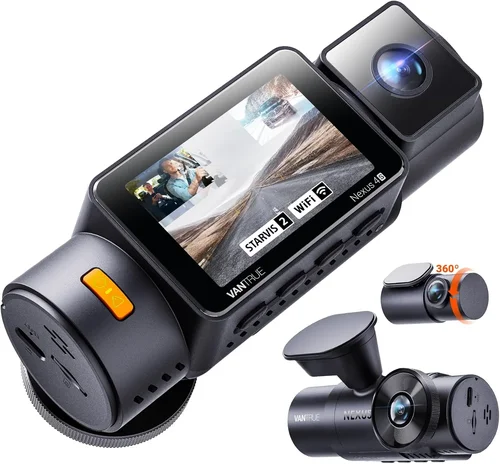
The heart of any dash cam lies in its imaging and recording capabilities. Resolution remains the primary indicator of video quality, with 1080p Full HD being the minimum acceptable standard for legal documentation purposes. However, many modern units now offer 2K (1440p) or even 4K recording for enhanced detail retention. Frame rate also significantly impacts footage clarity—look for at least 30fps for smooth motion capture, though 60fps provides superior performance in low-light conditions. Equally important is the camera’s field of view (FOV), typically ranging from 100° to 170°. Wider angles capture more road context but may introduce distortion at the edges. For Jeep applications, consider models offering adjustable FOV or dual-lens configurations to monitor both front and cabin areas simultaneously.
Build Quality & Durability
Jeep owners face unique environmental challenges that demand robust hardware construction. Your dash cam must withstand temperature swings from -4°F to 158°F (-20°C to 70°C), constant vibration during trail driving, and occasional exposure to moisture or dust. Look for units featuring metal housings rather than plastic enclosures, IP67 or higher ingress protection ratings, and shock-resistant mounting systems. The lens should be made of high-quality glass rather than acrylic, which degrades faster under UV exposure and extreme temperatures. Additionally, consider how the device will mount inside your Jeep—some models include suction cups that may fail on rough terrain, while others offer direct hardwiring or magnetic mounts better suited for off-road use.
Features & Functionality
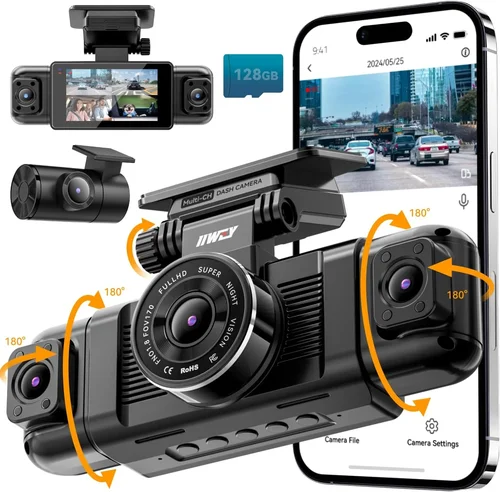
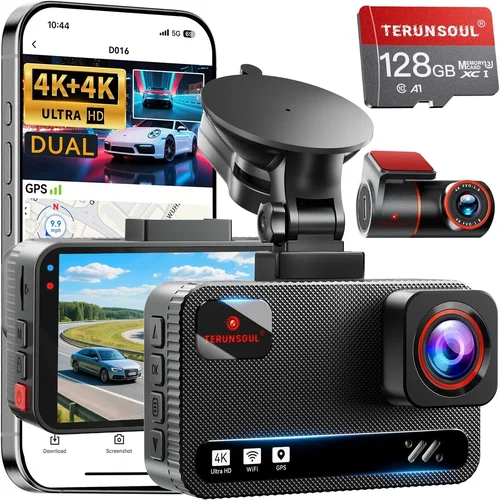
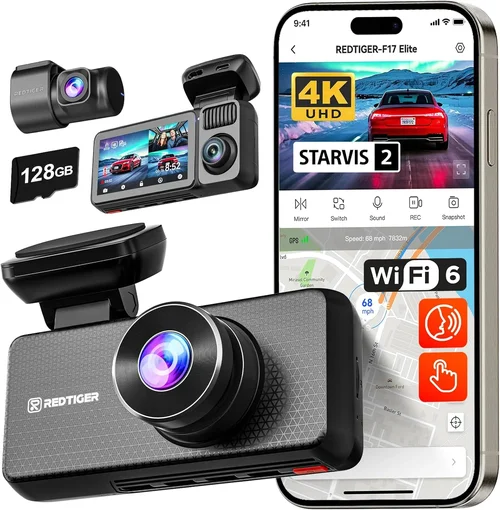
Modern dash cams offer numerous intelligent features beyond basic recording. Loop recording automatically overwrites older files when storage fills up, ensuring continuous operation without manual intervention. Motion detection can trigger recording when movement is detected behind your vehicle, useful for monitoring unattended parked Jeeps. G-sensor technology automatically saves footage during sudden impacts or sharp maneuvers, protecting critical evidence. Many advanced models also include GPS tracking, which records location data and speed information overlaid on video files. WiFi connectivity enables easy file transfer to smartphones via companion apps, while parking mode provides surveillance capability when your vehicle is stationary. For Jeep-specific applications, consider models with built-in microSD card support (minimum 32GB recommended) and compatibility with external power sources for extended parking monitoring.
Brand Reputation
While new entrants appear frequently in the dash cam market, established brands have proven reliability through years of consumer feedback and real-world testing. Companies like BlackVue, Garmin, Thinkware, and Viofo have built strong reputations for consistent quality and responsive customer service. These manufacturers often participate in industry certifications, undergo rigorous testing protocols, and provide detailed technical specifications that independent reviewers can verify. When researching potential purchases, examine multiple review sources rather than relying solely on manufacturer claims. Look for consistency in user experiences across forums, retail reviews, and professional testing reports. Remember that brand loyalty doesn’t guarantee suitability—always cross-reference features against your specific needs before committing to any particular model.
Warranty & Support
A solid warranty reflects manufacturer confidence in their product’s reliability and serves as protection against defects or premature failures. Most reputable dash cam companies offer at least a one-year limited warranty covering manufacturing defects, with some extending coverage to two or three years. Check whether warranties cover international shipping costs, as this becomes relevant if you plan to take your Jeep abroad. Customer support quality varies significantly between brands—some offer 24/7 chat assistance while others provide only email responses during business hours. Read warranty terms carefully regarding what constitutes “normal wear and tear” versus covered defects. For Jeep owners particularly, ensure your chosen brand offers accessible technical support capable of addressing off-road-specific issues like wiring integration problems or extreme climate performance questions.
Size & Portability
Compact design isn’t just about aesthetics—it affects both installation flexibility and visual obstruction. Smaller units (under 2 inches thick) often provide cleaner installations without protruding excessively from your windshield or dashboard. However, smaller sensors may compromise image quality compared to larger counterparts despite similar megapixel counts. Consider your Jeep’s interior layout carefully: Wrangler models with roll bars present different mounting opportunities than Gladiators with removable roofs. Some users prefer nearly invisible installations using slim-profile models, while others prioritize maximum functionality regardless of bulkiness. If you anticipate switching vehicles frequently, portability becomes increasingly important—look for models that allow quick removal and reinstallation without complex wiring modifications.
User Reviews & Ratings
Real-world experiences from fellow Jeep drivers provide invaluable insights beyond technical specifications. Search for forum discussions, YouTube reviews, and retailer feedback specifically mentioning off-road usage scenarios. Pay attention to recurring complaints about battery life during cold starts, Wi-Fi connection stability in remote areas, or mounting system failure after moderate trail runs. Positive reviews highlighting successful installations in various Jeep configurations can give you confidence in compatibility. Be cautious of overly glowing reviews that lack specific details—authentic feedback typically mentions both strengths and limitations. When possible, seek out firsthand accounts from users with similar modification levels or driving patterns to yours; a well-tuned JK Wrangler behaves differently than a stock JL, requiring different dash cam considerations.
Different Types of Dash Cams
Common Buying Mistakes to Avoid
❌ Mistake: Choosing Based Solely on Price

Why it’s bad: Selecting the cheapest available option often leads to disappointment when that unit fails during critical moments. Low-cost models frequently suffer from poor image quality, unreliable loop recording, inadequate build materials, and insufficient customer support—all problematic for Jeep owners who need reliable evidence capture.
What to do instead: Establish a reasonable budget range first, then compare features within that bracket. Allocate 60-70% of your budget to core performance aspects like sensor quality and processing power, reserving remaining funds for essential extras such as parking mode capability or robust mounting solutions.
❌ Mistake: Overlooking Mounting System Compatibility
Why it’s bad: A dash cam cannot function if properly secured. Suction cup mounts frequently fail on rough terrain due to constant vibration, while poorly designed adhesive pads peel off after exposure to heat cycles or moisture. Inadequate mounting compromises both safety and functionality.
What to do instead: Research mounting options thoroughly before purchase. For Jeep applications, consider models with magnetic mounts compatible with roll bars, or those offering hardwired installation kits. Test mounting methods in various lighting conditions to ensure secure adhesion.
❌ Mistake: Ignoring Power Source Requirements
Why it’s bad: Relying solely on internal batteries limits operational time significantly, especially in cold weather where battery capacity drops rapidly. Without proper power management, your dash cam may shut down unexpectedly during long trail runs or fail to activate during parking surveillance periods.
What to do instead: Verify hardwiring capability or compatibility with cigarette lighter adapters before purchasing. For extended parking monitoring, confirm support for capacitor-based backup systems rather than lithium batteries alone—they provide longer runtime without draining your Jeep’s main battery.
❌ Mistake: Skipping Storage Capacity Planning
Why it’s bad: Insufficient storage forces early file deletion, potentially removing crucial evidence before you realize capacity limitations. Many users underestimate how quickly high-resolution footage consumes space—especially with loop recording enabled and frequent impact events triggering emergency saves.
What to do instead: Calculate required storage based on expected usage patterns: 32GB cards typically suffice for 1080p recording over 3-4 hours, while 64GB+ cards extend this to 6+ hours. Factor in additional space needed for GPS logs and emergency event files when selecting card size.
❌ Mistake: Neglecting Weather-Specific Performance
Why it’s bad: Standard dash cams struggle in extreme environments common among Jeep owners: freezing temperatures reduce battery efficiency, intense sunlight causes lens flare and overheating, while heavy rain or snow obscures visibility. Units rated for office environments may fail catastrophically during actual field use.
What to do instead: Prioritize models with wide operating temperature ranges (-20°C to 70°C+) and anti-fogging lens coatings. Check for IP ratings indicating dust/water resistance, particularly important for desert or coastal trail riding conditions.
❌ Mistake: Assuming Universal Compatibility
Why it’s bad: Different Jeep generations feature varying electrical systems, interior layouts, and mounting possibilities. What works perfectly in a JK Wrangler may not fit a Gladiator pickup bed configuration or require different wiring approaches between TJ and JL models.
What to do instead: Consult owner forums specific to your Jeep model year before purchasing. Verify compatibility with your vehicle’s cigarette lighter placement, fuse box locations, and available dashboard space for clean installations.
Budget Guidelines: How Much Should You Spend?
Entry-Level ($50 – $90)
For occasional city driving or minimal trail use, entry-level dash cams provide basic recording functionality without breaking the bank. These units typically offer 1080p resolution, single-lens recording, and simple loop recording capabilities. While adequate for documenting minor incidents, they often lack advanced features like GPS tracking, parking mode, or robust build quality suitable for sustained off-road abuse. Budget models may use inferior sensors prone to noise in low light or feature flimsy mounts vulnerable to vibration damage. For Jeep owners primarily concerned with urban commuting or light weekend trails, these economical options can serve adequately—but expect compromises in durability and image quality.
Mid-Range ($120 – $200)
This sweet spot represents the optimal balance between cost and capability for most Jeep owners seeking reliable performance across diverse conditions. Mid-range models consistently deliver 2K resolution or better, dual-lens recording (front and rear), built-in GPS, and solid build quality with metal housings and shock-resistant mounts. Parking mode functionality appears regularly in this category, along with improved low-light performance and more sophisticated impact detection algorithms. Brands like Thinkware, Viofo, and Garmin dominate this segment with proven track records among outdoor enthusiasts. For Jeep drivers who combine daily commutes with regular off-pavement adventures, mid-range units offer sufficient features without excessive complexity or expense.
Premium ($250 – $400)
Serious off-roaders and professional drivers demand top-tier performance from their dash cams. Premium models feature advanced imaging technologies including HDR processing, superior night vision algorithms, and enhanced thermal management systems that maintain functionality during extended hot days or cold nights. Cloud connectivity enables remote viewing and firmware updates, while sophisticated AI features detect pedestrians, lane departures, and collision risks. Build quality reaches industrial-grade standards with aerospace aluminum housings, military-spec components, and comprehensive environmental sealing. These units often include professional-grade accessories like dedicated mobile apps, subscription services for cloud storage, and priority customer support. For Jeep owners who treat their vehicles as work tools or engage in competitive trail riding, premium dash cams justify their higher price through unmatched reliability and intelligence.
Luxury ($400+)
Ultra-premium dash cams represent the pinnacle of automotive surveillance technology, blending professional broadcasting equipment capabilities with consumer-friendly interfaces. These systems may include multiple simultaneous recording channels (front, cabin, exterior, rear), 4K resolution with stabilized gimbal systems, satellite-linked positioning, and integration with vehicle telematics. Luxury models often feature modular designs allowing customization based on specific application requirements, along with extensive warranty coverage and concierge-level technical support. While overkill for casual drivers, luxury dash cams serve specialized markets including commercial fleet operators, investigative journalists, and extreme adventure racers who demand absolute certainty in evidence capture and analysis capabilities.
Expert Tips for Getting the Best Deal
When shopping for dash cams specifically tailored to Jeep ownership requirements, timing your purchase strategically can yield substantial savings without compromising quality. Retailers often run seasonal promotions during major holidays like Memorial Day, Independence Day, or Black Friday, coinciding with increased outdoor activity and vehicle preparation. Subscribe to manufacturer newsletters and follow retailer social media accounts to receive exclusive discount codes or early access to sales events. Online marketplaces frequently offer bundle deals combining dash cams with complementary accessories like memory cards or mounting brackets—these packages sometimes provide better value than purchasing items separately.
Research authorized dealer networks rather than relying solely on third-party sellers, as factory-direct purchases often include manufacturer warranties and technical support unavailable through resellers. Compare prices across multiple platforms including Amazon, B&H Photo, Best Buy, and specialty automotive electronics retailers to identify regional pricing variations. Read return policies carefully before finalizing purchases—some companies impose restocking fees or require original packaging, which becomes problematic if you need to test installation compatibility. Always verify that returned items include all promised accessories and documentation.
Test drive potential solutions whenever possible by visiting local automotive electronics stores or participating in Jeep enthusiast meetups where members showcase their installed equipment. Hands-on evaluation allows assessment of physical dimensions, button responsiveness, screen readability under various lighting conditions, and overall ergonomics within your specific vehicle interior. Request demonstration units showing sample footage quality and menu navigation intuitiveness. Document any observed limitations or concerns immediately rather than waiting until unboxing.
Prioritize warranty terms beyond basic defect coverage—seek models offering extended service plans or accidental damage protection, particularly valuable given the harsh operating environments encountered during off-road excursions. Confirm that warranty service centers exist within reasonable proximity to your primary trailhead locations, eliminating lengthy shipping delays during urgent situations. Understand what constitutes “normal wear and tear” versus covered defects, as definitions vary significantly between manufacturers.
Consider future-proofing your investment by selecting models supporting firmware updates and backward-compatible accessories. Technology evolves rapidly in this sector, with newer features often added post-purchase through software enhancements. Choose brands demonstrating commitment to ongoing development rather than those approaching products as disposable commodities. Evaluate community engagement metrics including active user forums, developer documentation availability, and third-party accessory ecosystems as indicators of long-term viability.
Finally, don’t overlook the importance of proper installation technique regardless of whether you hire professionals or perform DIY mounting. Improper wiring connections pose fire hazards and battery drain risks, while suboptimal placement creates blind spots or obstructs driver visibility. Study manufacturer installation guides thoroughly and consult Jeep-specific wiring diagrams for your model year. Use quality crimping tools and fuse taps rated for your vehicle’s electrical system, and always double-check polarity before connecting permanent power sources.

Frequently Asked Questions
Q: Can I install a dash cam myself, or do I need professional installation?
A: Most modern dash cams designed for consumer vehicles include comprehensive DIY installation guides and basic hardwiring kits suitable for experienced car owners. Simple suction cup or adhesive mounts require no tools or expertise, while permanent installations involving fuse tapping or direct wiring benefit from mechanical knowledge. However, for Jeep models with complex electrical systems or integrated infotainment setups, professional installation ensures proper integration without voiding warranties or damaging vehicle electronics. Consider your comfort level with automotive electrical work before deciding.
Q: Will a dash cam drain my Jeep’s battery when parked?
A: Yes, parking mode functions continuously draw power even when the engine is off, potentially draining your battery over time if not properly configured. However, most quality dash cams feature intelligent power management that detects low battery conditions and automatically disables parking surveillance to preserve starting capability. Using capacitor-based backup systems instead of lithium batteries extends parking monitoring duration without risking deep discharge. Always verify compatibility with your Jeep’s electrical architecture before enabling extended parking features.
Q: What resolution should I choose for optimal evidence quality?
A: For legal documentation purposes, 1080p Full HD remains the minimum acceptable standard recognized by most insurance providers and courts. However, 2K (1440p) recording provides significantly improved detail retention for license plate identification and facial recognition, making it preferable for serious evidence collection. 4K ultra-high-definition models capture exceptional fine details but consume storage space rapidly and require more powerful processors that may affect recording duration. Balance resolution needs against available storage capacity and processing limitations based on your typical usage scenarios.
Q: How much storage do I actually need for reliable recording?
A: Storage requirements depend heavily on recording parameters and usage frequency. At standard 1080p settings with loop recording enabled, 32GB microSD cards typically store 2-3 hours of continuous footage, while 64GB cards extend this to 4-6 hours. Higher resolutions like 2K or 4K consume storage exponentially faster—expect half the recording time per gigabyte compared to 1080p equivalents. Always allocate extra capacity beyond calculated needs to accommodate emergency event files triggered by G-sensors and avoid automatic deletion of recent recordings due to space constraints.
Q: Are dash cams legal in all states, and what are the privacy considerations?
A: Dash cams themselves remain legal nationwide, but recording audio requires compliance with wiretapping laws that vary by state. Twenty-five states prohibit unauthorized audio recording, meaning microphone-equipped models may violate privacy statutes unless consent is obtained. Video-only recording generally faces fewer restrictions, but avoid capturing sensitive private property or non-consenting individuals to prevent civil liability issues. Check your state’s specific regulations regarding electronic surveillance before purchasing microphone-enabled units.
Q: How do I handle extreme temperature conditions common in Jeep environments?
A: Extreme heat presents greater challenges than cold temperatures for most electronic devices. Look for models rated for operation between -20°C to 70°C (-4°F to 158°F) and featuring heat dissipation designs like aluminum heatsinks or ventilation ports. During winter months, ensure adequate insulation around wiring harnesses to prevent condensation buildup and verify battery chemistry supports cold-weather operation without rapid capacity loss. Avoid leaving dash cams exposed to direct sunlight for extended periods, as UV radiation degrades internal components and external materials alike.
Q: What happens if my dash cam loses power during recording?
A: Modern dash cams incorporate buffer memory systems that temporarily store footage during brief power interruptions, preventing complete loss of ongoing recordings. However, prolonged power loss or abrupt shutdowns may corrupt file structures or delete unsaved segments. Capacitor-based backup systems provide several minutes of emergency power to safely save current files before shutting down completely, preserving critical evidence even during alternator failures or cable disconnections. Always use quality fuses and circuit protection devices when integrating with your Jeep’s electrical system.
Q: Can I connect multiple dash cams to monitor different areas simultaneously?
A: Yes, multi-camera setups become increasingly popular among Jeep owners seeking comprehensive coverage. Front-facing primary units capture roadway conditions, while secondary cameras monitor blind spots, cargo areas, or passenger compartments. Some advanced systems enable synchronized recording across multiple channels with unified playback software, providing holistic situational awareness. Ensure your chosen platform supports daisy-chaining or network connectivity for seamless integration, and verify adequate processing power handles simultaneous encoding without dropped frames or audio desynchronization.
Q: How often should I update my dash cam’s firmware?
A: Manufacturers periodically release firmware updates improving performance, adding features, or patching security vulnerabilities. Check manufacturer websites monthly or enable automatic update notifications when available. Critical updates addressing image stabilization algorithms, GPS accuracy improvements, or bug fixes related to loop recording should be applied promptly. Avoid installing beta versions unless specifically testing experimental functionality, as unstable builds may introduce new issues affecting reliability during critical moments.
Q: What maintenance does my dash cam require over time?
A: Regular cleaning of the exterior lens and housing prevents dust accumulation affecting image quality and ensures unobstructed visibility. Wipe lenses with microfiber cloths designed for optical surfaces—avoid abrasive cleaners or paper towels that scratch coatings. Periodically check mounting hardware tightness, especially after extended off-road use where vibrations may loosen connections. Inspect wiring harnesses for chafing or corrosion, particularly near moving parts or sharp edges where protective sleeving might degrade. Replace microSD cards every 2-3 years as NAND flash memory wears out regardless of usage frequency.
Our Final Recommendations
For budget-conscious Jeep owners seeking reliable basic functionality without overspending, the Viofo A119 V3 delivers exceptional value with its Sony STARVIS sensor producing clear 1080p footage even in challenging lighting conditions. Its compact form factor fits discreetly within most Jeep interiors while offering essential features like loop recording, G-sensor event locking, and parking mode protection. The included suction mount provides adequate stability for moderate trail use, though hardwiring becomes necessary for extended off-road sessions where vibration compromises adhesive strength. Priced competitively below $100, this model stands as our top choice for those prioritizing affordability without sacrificing core performance capabilities.
Those seeking balanced performance across diverse Jeep applications will appreciate the Thinkware U1000‘s dual-lens configuration capturing both front and rear perspectives simultaneously, complemented by impressive 2K resolution delivering courtroom-grade detail retention. Advanced driver assistance features including forward collision warning, lane departure alerts, and speed limit notifications enhance safety beyond mere documentation purposes. Robust aluminum construction withstands temperature extremes common in desert or alpine environments, while cloud connectivity enables remote monitoring via smartphone apps—ideal for families splitting trail responsibilities or fleet managers overseeing multiple vehicles. Positioned at approximately $250, this premium unit justifies its cost through comprehensive feature sets and proven reliability among serious off-road enthusiasts.
Professional-grade requirements demand the uncompromising excellence embodied by the BlackVue DR970X-2CH, featuring quad-HDR technology balancing exposure across extremely bright backgrounds and dark foregrounds encountered during sunrise/sunset trail runs. Dual-channel recording captures cabin interactions alongside external events, while built-in GPS tracks precise location data overlayable on video files for accident reconstruction. The proprietary Parking Guard™ system monitors impacts and vibrations during unattended periods using capacitor-backed power management that prevents battery drain. With military-grade shock resistance and IP65 weatherproofing, this $400 solution represents the ultimate investment for expedition planners, search-and-rescue coordinators, or competitive rock crawlers needing absolute certainty in evidence capture.
Beginners transitioning from basic recording needs should consider the Garmin Dashcam Mini for its intuitive interface and seamless integration with existing Garmin navigation systems already familiar to many Jeep drivers. Despite its tiny footprint barely protruding from dashboards, this model delivers surprisingly effective 1080p performance enhanced by automatic exposure adjustment and voice control functionality. Automatic incident detection saves footage without manual intervention, while live streaming capability allows real-time sharing of trail conditions to family members back home. At roughly $120, this compact unit simplifies the learning curve for new dash cam adopters while maintaining respectable build quality suitable for casual weekend excursions.
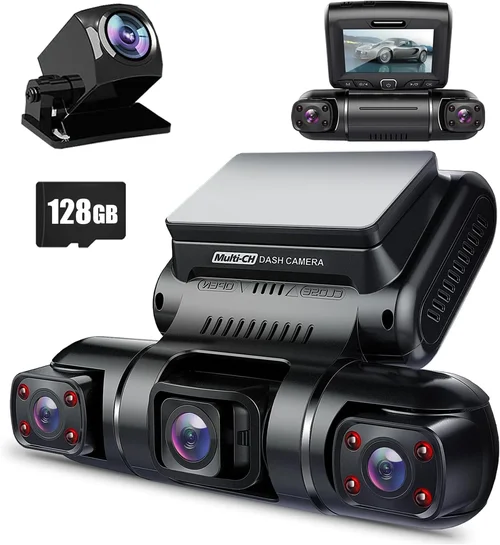
Advanced users requiring specialized off-road capabilities will find the Campark X4500 uniquely suited to Jeep-specific challenges. Its triple-lens array monitors front, side, and cabin views simultaneously, providing comprehensive situational awareness during technical climbs or tight trail navigation where multiple angles prevent surprises. Enhanced thermal management maintains functionality during extended hot days when conventional models overheat and shut down, while waterproof housing protects against mud splashes and river crossings common among serious trail riders. GPS-enabled route tracking combined with altitude logging offers valuable data for performance optimization and route planning—features rarely found in consumer-grade competitors at this price point around $180.
Conclusion: Making the Right Choice
Selecting the ideal dash cam for your Jeep ultimately depends on aligning technical specifications with personal priorities rather than chasing arbitrary benchmarks or marketing hype. Consider your typical driving patterns—whether predominantly urban commutes, weekend recreational trails, or demanding expedition routes—as each scenario demands different feature emphasis. Durability takes precedence for hardcore off-roaders facing extreme vibrations and temperature fluctuations, while advanced driver assistance features benefit highway-focused drivers seeking proactive safety enhancement.
Evaluate your budget allocation wisely by recognizing that true value emerges from balanced trade-offs rather than maximum specifications across all categories. Allocate resources toward core performance elements like sensor quality and processing power first, then layer on convenience features like cloud connectivity or parking mode based on actual usage requirements. Remember that even the most expensive dash cam becomes useless without proper installation and periodic maintenance, so factor in these ongoing considerations during initial purchasing decisions.
Consult fellow Jeep owners through online forums or local clubs before committing to major investments, as shared experiences reveal practical insights manufacturers rarely disclose. Test mounting options physically when possible, verify compatibility with your specific model year’s electrical architecture, and never underestimate the importance of reliable power management during extended off-grid adventures. With thoughtful consideration of these factors, your chosen dash cam will serve not merely as evidence recorder but as trusted companion enhancing every mile of your Jeep journey—capturing memories while safeguarding investments across all terrains and conditions.