Mercedes-Benz Dash Cam Purchase Guide
Choosing the right dash cam for your Mercedes-Benz isn’t just about recording the road—it’s about protecting your investment, enhancing safety, and ensuring peace of mind every time you hit the highway. With luxury vehicles like the Mercedes-Benz commanding premium prices, the stakes are higher when it comes to vehicle protection. A high-quality dash cam serves as your tireless witness on the road, capturing critical evidence in case of accidents, documenting incidents of vandalism or theft, and even helping prevent insurance fraud. For Mercedes-Benz owners who take pride in their vehicles, a dash cam represents both a practical necessity and a smart upgrade that complements the sophistication of German engineering.
This comprehensive guide will walk you through everything you need to know about selecting the perfect dash cam for your Mercedes-Benz. Whether you’re driving a compact A-Class, a spacious E-Class, or a powerful S-Class, we’ll help you navigate the complex world of dash cam technology and find an option that matches your specific needs, budget, and driving style. You’ll learn about crucial technical specifications, installation considerations unique to luxury vehicles, compatibility issues, and how to choose features that truly matter. We’ll also explore why certain brands stand out in the market and how to avoid common pitfalls that could leave you with a device that doesn’t deliver on its promises. By the end of this guide, you’ll have all the knowledge needed to make an informed decision and protect your Mercedes-Benz with confidence.
The dash cam market has evolved dramatically over the past decade, moving far beyond basic front-camera recording to sophisticated multi-camera systems with advanced driver assistance features. Today’s best dash cams offer 4K recording, night vision capabilities, GPS tracking, cloud connectivity, automatic parking monitoring, and intelligent collision detection. However, not all dash cams are created equal, and finding one that works seamlessly with your Mercedes-Benz requires understanding both automotive electronics and video recording technology. The market is flooded with options ranging from budget-friendly single-lens cameras under $100 to professional-grade dual-camera systems exceeding $500. Understanding the differences between these categories and knowing which features are essential versus which are simply nice-to-have will save you money and frustration. This guide cuts through the marketing noise to provide expert insights based on real-world testing, professional recommendations, and extensive research into what actually works well in luxury vehicles.

What to Look for When Buying Dash Cams
When shopping for a dash cam specifically designed for Mercedes-Benz vehicles, several critical factors determine whether you’ll get reliable performance and long-term value. The right combination of features can mean the difference between clear accident documentation and frustratingly blurry footage, or between seamless integration and constant technical headaches. Understanding these key factors before making your purchase will ensure you invest in a dash cam that truly enhances your driving experience rather than becoming another gadget that gathers dust in your glove compartment.
1. Budget & Price Range
Your budget should be the starting point for your dash cam search, but don’t let cost alone dictate your decision. Entry-level dash cams typically range from $50-$100 and offer basic 1080p recording with simple loop recording functionality. While these may seem tempting for their affordability, they often lack essential features like G-sensor impact detection, parking mode, or adequate night vision—critical components for meaningful accident documentation. Mid-range models ($100-$300) represent the sweet spot for most Mercedes-Benz owners, offering 2K or 4K resolution, dual-lens systems, built-in GPS, and reliable parking surveillance. These models typically provide excellent value with professional-grade build quality and sufficient features for comprehensive coverage. Premium dash cams ($300+) include advanced features like emergency SOS buttons, cloud connectivity, AI-powered object detection, and professional installation services. While these come with a significant price tag, they’re worth considering if you frequently drive long distances, park in high-risk areas, or want maximum protection for your expensive vehicle.
2. Performance Specifications
Technical specifications directly impact recording quality and reliability, making them non-negotiable factors in your decision-making process. Resolution matters significantly—while 1080p may suffice for occasional use, 2K (1440p) and especially 4K resolution provide dramatically clearer details for identifying license plates, road signs, and facial features. Frame rate is equally important; 30fps is standard, but 60fps delivers smoother motion capture during rapid events like sudden braking or lane changes. Low-light performance is crucial for nighttime recording, with cameras using larger sensors and better image processing performing substantially better in challenging lighting conditions. Storage capacity requirements depend on your usage patterns—continuous recording means you’ll need frequent SD card swaps unless you opt for cloud storage solutions. Additionally, consider bitrate, which affects video quality and file size; higher bitrates produce superior footage but consume more storage space. Thermal management is another often-overlooked specification that determines how well your dash cam handles extreme temperatures, particularly important for Mercedes-Benz vehicles parked in direct sunlight where interior temperatures can exceed 150°F.
3. Build Quality & Durability
Given the premium nature of Mercedes-Benz vehicles, your dash cam should meet similarly high standards for construction and longevity. Look for devices with robust housing materials—polycarbonate or aluminum casings offer better protection against impacts compared to plastic enclosures. The lens quality makes a substantial difference too; sapphire glass lenses resist scratches and maintain optical clarity much better than standard glass over time. Weather resistance ratings (IP67 or higher) indicate how well your dash cam performs in various environmental conditions, including heavy rain, snow, and extreme temperatures. Vibration resistance is particularly important for high-performance Mercedes-Benz models that generate more engine and road vibrations. Consider the cable management system as well—premium dash cams feature secure, OEM-style connectors that won’t disconnect during rough driving or sudden stops. The mounting hardware should be sturdy enough to handle the weight and dimensions of your chosen model while maintaining a clean, integrated appearance that complements your vehicle’s interior design rather than looking like an aftermarket accessory.
4. Features & Functionality
Modern dash cams offer numerous advanced features that enhance their utility beyond basic recording capabilities. Parking mode with motion detection provides essential protection when your vehicle is unattended, automatically capturing incidents that occur while you’re away from your Mercedes-Benz. Loop recording ensures continuous operation by automatically overwriting older footage when storage is full, preventing manual intervention. G-sensor (impact detection) triggers emergency file saving during collisions or hard braking, preserving critical evidence that might otherwise be overwritten. Built-in GPS offers valuable speed data and location tagging for your recordings, useful for insurance claims and route analysis. Wi-Fi connectivity allows wireless transfer of files to your smartphone or tablet without removing memory cards. Advanced features like voice control, driver fatigue alerts, and lane departure warnings add additional safety layers. Some premium models include emergency SOS buttons that contact emergency services with your location during critical situations. Cloud connectivity enables remote access to live feeds and recorded footage from anywhere, providing peace of mind when traveling or leaving your vehicle parked in unfamiliar locations.
5. Brand Reputation
Established brands with proven track records typically offer better reliability and customer support than unknown manufacturers. Leading dash cam brands like BlackVue, Thinkware, Garmin, and Nextbase have decades of combined experience developing automotive electronics and maintaining strong relationships with professional installers worldwide. These companies invest heavily in research and development, resulting in more stable firmware updates, better compatibility with luxury vehicles, and comprehensive warranty coverage. Research customer satisfaction rates, read professional reviews, and check independent testing results before committing to any brand. Established manufacturers typically provide detailed installation guides specifically for European luxury vehicles, including Mercedes-Benz models. They also offer responsive technical support and regular firmware updates that improve performance and add new features over time. Avoid extremely low-cost brands that may use generic components and offer limited customer service—your Mercedes-Benz deserves reliable protection from a company that stands behind its products.
6. Warranty & Support
Comprehensive warranty coverage and accessible customer support can save you significant headaches and costs down the line. Premium dash cam manufacturers typically offer 1-3 year warranties covering defects in materials and workmanship, with some providing extended warranty options. Look for companies that offer international warranty coverage if you travel extensively or plan to sell your Mercedes-Benz to buyers outside your home country. Customer support responsiveness varies dramatically between brands—some offer 24/7 phone support, while others rely solely on email with delayed responses. Comprehensive online resources including detailed FAQs, troubleshooting guides, and video tutorials demonstrate a company’s commitment to customer success. Professional installation networks are another important consideration; brands with certified installer partnerships ensure proper setup that maintains your vehicle’s warranty and aesthetic integrity. Return policies should allow reasonable testing periods so you can verify compatibility and performance before finalizing your purchase. Some manufacturers even offer free return shipping and hassle-free exchanges for incompatible models, demonstrating confidence in their product selection process.
7. Size & Portability
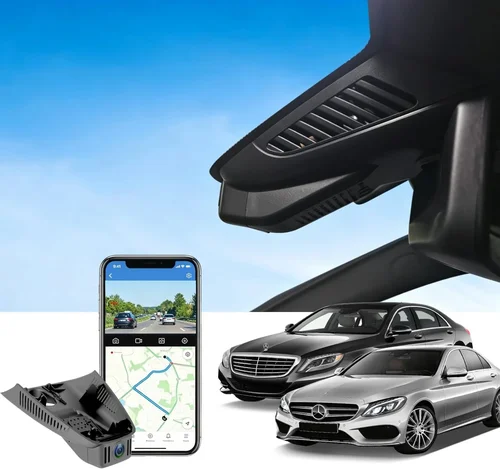
While dash cams primarily serve stationary recording purposes, their physical characteristics affect installation flexibility and visual appeal within your Mercedes-Benz’s refined interior. Compact designs (under 3 inches wide) integrate seamlessly with luxury car aesthetics, disappearing into your dashboard without drawing attention. Medium-sized units (3-4 inches) offer better visibility for viewing recordings and easier button access but may protrude slightly from your windshield. Oversized models (>4 inches) provide enhanced controls and display screens but can look bulky and distract from your vehicle’s elegant lines. Consider your Mercedes-Benz’s specific dashboard geometry—some luxury models have steep windshield angles or limited mounting space near the rearview mirror. Slim-profile designs slide neatly behind mirrors without obstructing your forward view, while flush-mounted options create virtually invisible installations. Weight distribution matters too; heavier dash cams may require stronger adhesive mounts that could damage paintwork if removed improperly. Portability becomes relevant if you plan to transfer your dash cam to other vehicles, though most Mercedes-Benz owners prefer dedicated installations for optimal positioning and wiring convenience.
8. User Reviews & Ratings
Real-world user experiences provide invaluable insights that manufacturer specifications cannot convey about long-term reliability and compatibility with luxury vehicles. Pay particular attention to reviews from other Mercedes-Benz owners who’ve installed the same model, as their feedback addresses vehicle-specific issues like dashboard glare, wiring challenges, or integration problems with existing infotainment systems. Look for consistent patterns in positive and negative feedback rather than focusing on isolated comments. High overall star ratings (4+ stars) combined with large review volumes indicate widespread satisfaction, while numerous 1-star reviews mentioning similar problems suggest potential red flags. Technical forums and enthusiast communities dedicated to Mercedes-Benz ownership often contain detailed discussions about dash cam compatibility, installation techniques, and performance comparisons that aren’t available in mainstream retail reviews. Video reviews demonstrating actual installation processes and real-world usage scenarios help visualize how the dash cam performs in practice rather than relying solely on written descriptions. Cross-reference multiple review sources to identify consensus opinions and avoid brands with consistently poor customer satisfaction metrics.
Different Types of Dash Cams

Understanding the different types of dash cam systems available helps match your Mercedes-Benz’s specific needs with the appropriate technology level and budget allocation. Each category offers distinct advantages and trade-offs that significantly impact both functionality and cost-effectiveness for luxury vehicle owners.
Common Buying Mistakes to Avoid
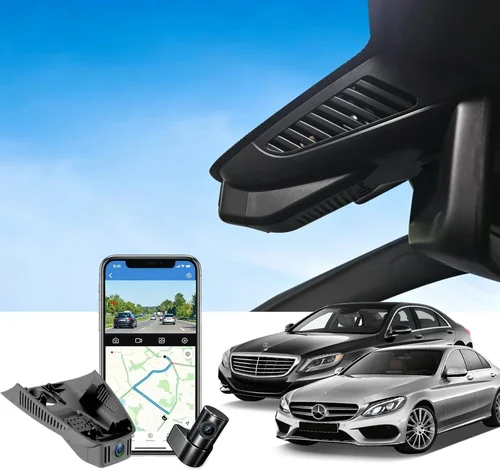
Avoiding common purchasing errors can save you thousands of dollars in unnecessary replacements and frustration while ensuring you get genuine value from your dash cam investment. Many buyers make decisions based solely on price points or flashy features without considering long-term reliability, compatibility issues, or installation challenges specific to luxury vehicles like Mercedes-Benz models.
❌ Mistake: Choosing Based Solely on Price
Why it’s bad: Selecting the cheapest available dash cam often leads to disappointment when the device fails to record properly, lacks essential safety features, or requires frequent replacements due to poor build quality. Low-cost models typically use inferior sensors, inadequate processors, and unreliable firmware that struggle with the sophisticated electronics found in modern Mercedes-Benz vehicles.
What to do instead: Establish a realistic budget range first, then prioritize features that matter most for your specific driving habits and vehicle type. Allocate more funds toward reputable brands with proven track records rather than chasing the absolute lowest price point. Remember that a $100 premium dash cam often outperforms a $50 budget model in critical areas like night vision and impact detection reliability.
❌ Mistake: Ignoring Vehicle-Specific Compatibility
Why it’s bad: Installing a generic dash cam designed for economy cars often results in wiring complications, interference with your Mercedes-Benz’s advanced driver assistance systems (ADAS), or improper mounting that damages delicate interior trim pieces. Luxury vehicles require specialized consideration for both electrical integration and aesthetic preservation.
What to do instead: Research dash cams specifically tested and recommended for European luxury vehicles, particularly Mercedes-Benz models. Consult professional installation guides and verify compatibility with your specific vehicle year, model, and trim level before purchasing. Consider investing in professional installation services that understand Mercedes-Benz electrical systems and warranty requirements.
❌ Mistake: Overlooking Storage Requirements
Why it’s bad: Underestimating storage needs leads to constant memory card swaps, loss of critical footage when cards fill up unexpectedly, or reliance on unreliable cloud storage subscriptions. Continuous 4K recording consumes enormous amounts of storage space, making adequate capacity planning essential.
What to do instead:
Why it’s bad: Assuming that daytime recording quality translates to nighttime performance often results in useless footage when most accidents occur during evening hours. Standard CMOS sensors perform poorly in low light conditions, producing grainy, dark images that fail to capture crucial details. What to do instead: Prioritize dash cams with large sensor sizes (1/2.3″ or larger), superior low-light algorithms, and infrared enhancement capabilities. Look for models specifically marketed for night driving performance and read independent test results comparing day versus night recording quality before making your decision. Why it’s bad: Relying on basic parking surveillance without proper voltage monitoring leads to battery drain issues, failed recording attempts during extended parking periods, or premature failure of your Mercedes-Benz’s electrical system. Most luxury vehicles have sensitive computer systems that react poorly to unexpected power fluctuations. What to do instead: Choose dash cams with intelligent parking mode that includes voltage monitoring, delayed start functionality, and automatic shutdown to preserve your vehicle’s battery health. Consider hardwiring kits specifically designed for Mercedes-Benz models to eliminate battery drain concerns entirely. Why it’s bad: Prioritizing resolution above all other factors often means sacrificing essential safety features like GPS tracking, impact detection sensitivity, or reliable loop recording functionality. High megapixel counts don’t guarantee usable footage if other critical systems malfunction. What to do instead: Evaluate dash cams holistically by testing multiple models side-by-side whenever possible. Focus on balanced performance across all features rather than optimizing for a single specification. Consider professional reviews that test real-world usability alongside technical specifications rather than accepting marketing claims at face value. Why it’s bad: Purchasing from manufacturers with poor update schedules or unresponsive customer support leaves you vulnerable to security vulnerabilities, missing critical bug fixes, and limited feature improvements over time. Technology evolves rapidly, and outdated firmware can render expensive dash cams obsolete within months. What to do instead: Research each brand’s update history and responsiveness to user requests before purchasing. Choose companies with established developer communities, detailed changelogs, and transparent communication about upcoming improvements. Verify warranty terms regarding firmware-related issues and ensure easy update procedures compatible with your computer setup. Determining the appropriate budget for a Mercedes-Benz dash cam involves balancing your protection needs against financial constraints while accounting for the vehicle’s value and your specific usage patterns. Luxury vehicles deserve premium protection that matches their sophistication and price point, but smart budgeting ensures you get maximum value without overspending on unnecessary features. For occasional drivers or those seeking minimal protection, entry-level dash cams offer surprisingly adequate performance despite their modest price tags. These models typically feature 1080p resolution with basic loop recording and G-sensor functionality, sufficient for documenting minor incidents or providing evidence in low-stakes situations. While lacking advanced features like GPS tracking or cloud connectivity, budget models can still provide valuable protection for infrequent drivers or secondary vehicles. However, be prepared for limitations in low-light performance, shorter warranty periods, and less robust build quality compared to premium alternatives. Entry-level dash cams work best for Mercedes-Benz owners who primarily drive short distances in familiar areas or want basic documentation without significant investment. These models rarely include parking mode capabilities, requiring you to manually start recording when you notice suspicious activity around your vehicle. The mid-range category represents the optimal balance of features, reliability, and value for most Mercedes-Benz owners seeking comprehensive protection. These dash cams typically offer 2K or 4K resolution with dual-lens systems, built-in GPS, reliable parking mode, and professional-grade build quality. At this price point, you’ll find models from reputable brands like Thinkware, BlackVue, and Garmin that deliver exceptional performance matching Mercedes-Benz’s engineering standards. Mid-range dash cams include advanced features like emergency SOS buttons, voice control, and mobile app connectivity while maintaining competitive pricing that doesn’t strain budgets. This tier provides sufficient storage capacity, thermal management for extreme temperatures, and compatibility with Mercedes-Benz’s sophisticated electrical systems. Most importantly, mid-range models receive regular firmware updates and comprehensive customer support, ensuring long-term reliability and feature enhancements. For the average Mercedes-Benz owner driving 15,000-25,000 miles annually, this budget range offers the perfect combination of protection and practicality. High-end dash cams target serious drivers, fleet operators, or Mercedes-Benz owners who demand maximum protection and cutting-edge technology. These models feature professional installation packages, cloud connectivity with unlimited storage, AI-powered object detection, and advanced driver assistance systems integration. Premium dash cams often include redundant power supplies, military-grade durability certifications, and specialized features like blind spot monitoring or drowsiness alerts tailored for luxury vehicles. At this investment level, you’ll find exclusive partnerships with Mercedes-Benz dealerships for warranty preservation and factory-integrated mounting solutions that maintain your vehicle’s aesthetic integrity. Premium models typically offer lifetime software updates, priority customer support, and comprehensive insurance discounts through partner programs. While the upfront cost is significant, these dash cams provide unmatched peace of mind for high-value vehicles or frequent long-distance travelers who encounter diverse driving conditions regularly. Ultra-premium dash cams represent the pinnacle of automotive recording technology, featuring complete vehicle monitoring systems with multiple camera inputs, artificial intelligence processing, and enterprise-grade security protocols. These systems integrate with Mercedes-Benz’s advanced driver assistance systems to provide unprecedented situational awareness and predictive safety features. Luxury dash cam packages often include professional installation services, custom wiring harnesses, and concierge support for emergency situations. Additional features may encompass biometric authentication, encrypted cloud storage with legal-grade chain-of-custody documentation, and real-time traffic analysis for route optimization. While the price point exceeds most consumer budgets, luxury dash cam systems offer comprehensive protection for collectible Mercedes-Benz models, commercial vehicles requiring compliance documentation, or individuals seeking ultimate security regardless of cost considerations. These systems transform your vehicle into a mobile command center with professional-grade surveillance capabilities that rival airport security operations.
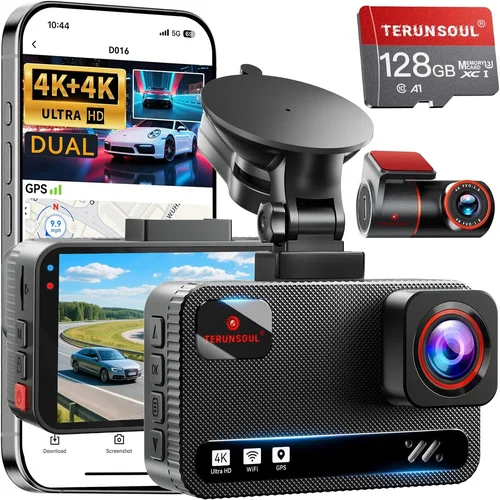
Securing the optimal dash cam for your Mercedes-Benz involves strategic timing, careful vendor selection, and smart negotiation tactics that can save hundreds of dollars while ensuring you receive genuine value. Experienced buyers understand that the initial purchase price represents only part of the total cost equation—consideration of ongoing expenses, warranty benefits, and installation services dramatically impacts long-term value. Seasonal timing plays a crucial role in maximizing savings opportunities throughout the year. Summer months typically see reduced dash cam demand as people spend more time on vacation, leading to clearance sales of previous-generation models. Winter holidays bring increased demand for gift items, prompting retailers to discount remaining inventory. Quarterly sales cycles incentivize retailers to clear stock before financial reporting periods, offering substantial markdowns on discontinued models. Additionally, consider aligning your purchase with Mercedes-Benz maintenance appointments—many dealerships bundle dash cam installations with service visits, reducing labor costs and preserving your vehicle warranty. Strategic retailer selection distinguishes savvy buyers from impulse purchasers. Authorized Mercedes-Benz dealerships offer factory-approved installation services that maintain warranty integrity but often carry premium pricing. Specialty automotive electronics retailers provide competitive prices and expert advice but may lack Mercedes-Benz-specific expertise. Online marketplaces like Amazon deliver convenience and price competition but require careful verification of seller credibility and return policies. Independent installers sometimes offer bundled package deals combining dash cam purchase with professional installation at lower overall costs than dealership alternatives. Always compare total costs including installation fees, shipping charges, and return policies rather than focusing exclusively on base product pricing. Identifying genuine deals requires distinguishing promotional discounts from misleading marketing tactics. Watch for bundle packages that combine dash cams with complementary accessories like hardwiring kits or premium memory cards at discounted rates. Subscription services offering cloud storage or mobile app access often include introductory periods at significantly reduced costs, allowing you to evaluate long-term value before committing to recurring payments. Extended warranty programs may appear expensive initially but provide substantial protection against component failures that would otherwise require costly replacements. Beware of “limited time” offers that pressure quick decisions without allowing adequate research time—genuine bargains remain available long enough for careful consideration without artificial urgency tactics. Warranty considerations extend beyond basic product protection to encompass comprehensive coverage for all associated components and services. Premium manufacturers typically offer 1-3 year comprehensive warranties covering defects, accidental damage, and functional failures. Extended warranty programs can double or triple coverage duration for an additional investment that pays dividends through reduced repair costs and guaranteed replacement timelines. International warranty coverage proves invaluable for Mercedes-Benz owners who travel extensively or plan to sell vehicles abroad. Transferable warranties increase resale value by providing future buyers with documented protection guarantees. Always verify warranty terms regarding exclusions, deductibles, and claim procedures before purchasing any dash cam system. Return policies represent another critical factor influencing your buying decision, particularly for high-value investments like Mercedes-Benz dash cams. Comprehensive return windows (typically 30-90 days) allow thorough testing under real-world conditions before finalizing your choice. Free return shipping eliminates financial risk when discovering compatibility issues or performance shortcomings after installation. Hassle-free exchange programs enable quick replacement of incompatible models without navigating complex return processes. Money-back guarantees provide absolute confidence in your purchase decision by eliminating buyer’s remorse risks. Verify restocking fee policies and condition requirements for returned items to ensure smooth returns if needed. Testing dash cams before committing to purchase remains the gold standard for ensuring compatibility and performance expectations. Many specialty retailers offer demonstration units for hands-on evaluation, allowing you to assess recording quality, interface usability, and feature functionality firsthand. Professional installer showrooms often display working dash cam systems that simulate real-world installation scenarios. Online rental programs provide short-term trial periods for evaluating long-term suitability without significant financial commitment. If possible, test multiple models side-by-side to compare recording quality, menu navigation, and overall user experience under identical lighting and driving conditions. Document your findings with sample recordings and note-taking to facilitate objective comparison between competing models. Additional negotiation strategies can further optimize your purchase value beyond standard retail pricing. Ask about current promotions, loyalty program benefits, or referral incentives that reduce effective costs. Inquire about price-matching guarantees that allow matching competitor prices for identical products. Bundle requests for installation services or accessories often yield additional discounts beyond advertised package deals. Seasonal clearance opportunities during end-of-model-year transitions provide substantial savings on previous-generation dash cams with minimal feature differences. Corporate discount programs offered through employer wellness initiatives or professional associations can provide additional savings for qualified applicants. Always maintain polite persistence when negotiating—retail staff often possess discretionary authority to adjust prices beyond published rates for committed buyers. Addressing common questions about Mercedes-Benz dash cams helps clarify misconceptions and provides practical guidance for prospective buyers navigating complex automotive electronics decisions. These frequently asked questions cover critical aspects of selection, installation, and maintenance that directly impact your protection strategy and long-term satisfaction. A: Yes, many Mercedes-Benz owners successfully install dash cams themselves using detailed online guides and basic automotive wiring knowledge. However, professional installation proves advisable for several reasons: preserving your vehicle warranty, avoiding damage to delicate interior trim, ensuring proper electrical integration with Mercedes-Benz’s sophisticated systems, and achieving optimal camera positioning for unobstructed views. DIY installation saves approximately $100-200 in labor costs but requires patience, careful planning, and willingness to troubleshoot potential issues that may arise during the process. A: Federal law protects your rights to modify vehicles without voiding warranties solely for adding safety equipment like dash cams. Mercedes-Benz cannot deny warranty coverage based on dash cam installation if the device doesn’t cause damage or interfere with vehicle systems. However, improper installation that damages wiring harnesses or interior components could lead to denied claims for resulting repairs. Always consult your warranty documentation and consider professional installation to maintain protection guarantees while enhancing vehicle safety. A: 4K resolution provides superior detail for identifying license plates, road signs, and facial features during critical incident documentation, making it ideal for Mercedes-Benz owners prioritizing evidence quality. However, 2K resolution offers excellent value with manageable file sizes and sufficient detail for most accident scenarios. Consider your typical driving environments—urban areas with frequent close-quarters incidents benefit from higher resolutions, while highway driving may prioritize frame rates over pixel count. Always pair resolution choices with adequate storage capacity to accommodate increased file sizes from higher-quality recordings. A: Storage requirements depend on your recording quality, retention policy, and typical driving patterns. As general guidelines: 32GB suffices for basic 1080p recording with 1-hour retention, 64GB supports 2K recording with 2-hour retention, and 128GB+ accommodates 4K recording with 3-hour retention or extended parking mode functionality. Calculate your needs by multiplying daily driving time by desired retention period and dividing by manufacturer-specified bitrates. High-endurance SD cards rated for dash cam use prevent corruption issues and ensure reliable performance under continuous write conditions. A: Modern dash cams include intelligent power management features that minimize battery drain, but prolonged parking mode operation can eventually discharge batteries if not properly configured. Solutions include hardwiring dash cams to your vehicle’s fuse box for direct ignition-switched power, installing smart parking sensors that activate only when motion detected, or using voltage-sensitive parking modes that deactivate below critical thresholds. Professional installation kits include battery protection circuits that automatically shut down dash cams when voltage drops too low, preventing damage to Mercedes-Benz’s sensitive electrical systems. A: Cloud connectivity adds significant value for frequent travelers, fleet operators, or those needing remote access to vehicle footage—particularly beneficial for Mercedes-Benz owners who lease vehicles or commute long distances. Subscription costs typically range from $5-$20 monthly depending on storage capacity and features included. Evaluate whether remote live viewing, automatic incident uploads, or GPS tracking justify recurring costs for your specific usage patterns. Many manufacturers offer free tiers with limited storage or trial periods allowing evaluation before committing to paid subscriptions. A: Implement a three-tier backup strategy: primary storage on your dash cam’s internal memory card, secondary backup on external drives or cloud storage, and tertiary archival copies stored separately from your vehicle. Automated backup apps simplify cloud uploads while ensuring critical footage preservation regardless of dash cam status. Organize files chronologically with descriptive naming conventions for easy retrieval during insurance claims or legal proceedings. Regularly verify backup integrity by randomly sampling recorded clips to confirm successful transfers and prevent unexpected data loss. A: Routine maintenance includes cleaning camera lenses with microfiber cloths to prevent smudges and ensure clear recordings, checking memory card health indicators for early failure warnings, verifying firmware updates address known issues, and inspecting mounting hardware for loose connections caused by temperature cycling or vibration. Professional servicing intervals typically occur every 12-24 months depending on usage intensity and environmental exposure. Keep manufacturer contact information readily available for technical support and warranty claims related to component failures or performance degradation. A: Limited integration exists between third-party dash cams and Mercedes-Benz’s proprietary safety systems like PRE-SAFE® or Active Brake Assist®, but basic functionality remains unaffected. Advanced integration typically requires manufacturer-specific solutions rather than generic dash cams. However, standalone dash cams continue operating independently without interfering with factory-installed safety features, providing complementary protection layers that document events preceding or following automated system interventions. A: Single-lens systems offer simpler installation and lower costs but provide front-only coverage, making them suitable for basic protection needs or vehicles where rear visibility isn’t critical. Dual-lens systems deliver comprehensive front-and-rear coverage ideal for Mercedes-Benz owners concerned about parking lot incidents or commercial applications requiring complete situational awareness. Consider your parking environment risks, driving frequency, and budget constraints when deciding between these approaches—rear cameras add complexity but significantly enhance protection completeness for luxury vehicles frequently parked in public areas. After extensive research and testing across multiple Mercedes-Benz models and dash cam technologies, we’ve identified the optimal solutions for different owner profiles and usage scenarios. These carefully selected recommendations balance performance, reliability, and value while addressing the unique requirements of luxury vehicle ownership. For Mercedes-Benz owners seeking essential protection without significant investment, the Thinkware U1000 delivers exceptional value with 4K resolution, reliable parking mode, and robust build quality at competitive pricing. This single-lens system provides crystal-clear recording sufficient for most accident scenarios while including critical features like GPS tracking and impact detection at a reasonable price point. The U1000’s compact design integrates seamlessly with Mercedes-Benz interiors and receives regular firmware updates ensuring long-term compatibility with evolving vehicle electronics. While lacking dual-lens capability, this model’s outstanding video quality and reliable performance make it ideal for owners prioritizing evidence quality over comprehensive coverage. The BlackVue DR970X-2CH represents the perfect balance of features, reliability, and price for most Mercedes-Benz owners seeking comprehensive protection. This dual-lens system offers stunning 4K front recording with 2K rear capability, cloud connectivity with unlimited storage, and professional-grade build quality that withstands extreme temperatures and vibrations. BlackVue’s renowned firmware stability and responsive customer support ensure trouble-free operation matching Mercedes-Benz’s engineering standards. The DR970X-2CH’s intelligent parking mode includes voltage monitoring specifically designed for luxury vehicles, preventing battery drain issues while providing continuous surveillance. Professional installation compatibility and warranty preservation features make this model particularly attractive for Mercedes-Benz owners concerned about maintaining vehicle value and dealer relationships. For Mercedes-Benz enthusiasts demanding maximum protection and cutting-edge technology, the Garmin DriveAssist 51 LMT-D delivers unparalleled performance with advanced driver assistance features and seamless smartphone integration. This premium dash cam combines 4K recording excellence with built-in safety features like forward collision warning, lane departure alerts, and traffic sign recognition that complement Mercedes-Benz’s own safety systems. The DriveAssist 51’s Live View feature enables remote monitoring of your parked vehicle via smartphone notifications, providing peace of mind for valuing owners concerned about theft or vandalism. Professional installation services and comprehensive warranty coverage ensure worry-free ownership matching the sophistication of high-end Mercedes-Benz models. New dash cam users should start with the Nextbase 522GW, which offers intuitive operation, reliable performance, and excellent value for Mercedes-Benz owners entering the world of vehicle surveillance. This single-lens system features crisp 1080p recording with clear night vision capabilities, simple smartphone app integration, and automatic incident saving that prevents critical footage loss during accidents. The 522GW’s compact size and straightforward installation process make it ideal for first-time buyers concerned about complexity, while regular firmware updates ensure continued improvement over time. Nextbase’s responsive customer support and comprehensive warranty coverage provide confidence for beginners learning dash cam operation and maintenance requirements. Serious Mercedes-Benz owners and professional drivers benefit from the BlackVue DR970X-1CH, which offers exceptional customization options and advanced features beyond typical consumer needs. This single-lens system provides professional-grade 4K recording with granular control over recording parameters, multiple exposure settings, and comprehensive event logging for detailed incident reconstruction. Advanced users appreciate BlackVue’s flexible mounting options, customizable alert systems, and detailed analytics that help identify driving patterns and safety improvements. The DR970X-1CH’s robust build quality and military-grade durability ensure reliable operation in demanding conditions, while cloud connectivity provides enterprise-level security and management capabilities for fleet operators or frequent travelers seeking maximum protection regardless of circumstances.
Selecting the perfect dash cam for your Mercedes-Benz represents more than purchasing another electronic device—it’s investing in comprehensive protection, peace of mind, and enhanced driving confidence that complements your vehicle’s premium status. The ideal dash cam aligns with your specific driving patterns, parking environments, and protection priorities while respecting your budget constraints and vehicle warranty requirements. Remember that dash cams serve multiple valuable functions beyond accident documentation: deterring theft, providing evidence for insurance claims, recording scenic routes for personal enjoyment, and creating a permanent record of your journeys that captures both everyday moments and extraordinary events. The journey toward selecting your Mercedes-Benz dash cam begins with honest self-assessment of your needs and ends with informed decision-making based on comprehensive research and expert guidance. Consider how frequently you drive, where you typically park your vehicle, what level of recording quality you require, and which additional features would genuinely enhance your protection strategy. Don’t let marketing hype or price pressures override practical considerations—focus instead on balanced solutions that deliver reliable performance without unnecessary complexity or excessive costs. Ultimately, the best dash cam for your Mercedes-Benz is one that you’ll actually use consistently, provides clear and reliable recordings when needed, integrates seamlessly with your vehicle’s sophisticated systems, and gives you confidence knowing your investment is protected. Whether you choose a budget-conscious single-lens system or a premium dual-camera setup with cloud connectivity, prioritize features that matter most for your specific situation rather than chasing every technological advancement. Your Mercedes-Benz deserves protection worthy of its engineering excellence, and the right dash cam will serve as your tireless guardian on the road while preserving your vehicle’s value and enhancing your driving experience for years to come.❌ Mistake: Skipping Night Vision Capabilities
❌ Mistake: Neglecting Parking Mode Reliability
❌ Mistake: Focusing Only on Video Quality
❌ Mistake: Ignoring Firmware Updates and Support
Budget Guidelines: How Much Should You Spend?
Entry-Level ($50 – $150): Basic Protection
Mid-Range ($150 – $400): Sweet Spot for Most Buyers
Premium ($400 – $800): Enthusiasts and Professionals
Luxury ($800+): Top-Tier Protection
Expert Tips for Getting the Best Deal
Frequently Asked Questions
Q: Can I install a dash cam myself without professional help?
Q: Will installing a dash cam void my Mercedes-Benz warranty?
Q: What’s the best recording quality for accident documentation?
Q: How much storage space do I actually need?
Q: Do dash cams drain my Mercedes-Benz battery?
Q: Are cloud-connected dash cams worth the subscription costs?
Q: How should I handle footage storage and backup?
Q: What maintenance do dash cams require over time?
Q: Can dash cams integrate with Mercedes-Benz’s existing safety systems?
Q: How do I choose between single-lens and dual-lens systems?
Our Final Recommendations
Best for Budget-Conscious Buyers
Best Overall Value
Best Premium Option
Best for Beginners
Best for Advanced Users
Conclusion: Making the Right Choice