Best Dash Cam Buying Guide for Car Break-Ins
When car break-ins become a recurring concern in your neighborhood, the peace of mind that comes from having reliable surveillance can make all the difference. A dash cam isn’t just for capturing traffic violations or road incidents anymore—it’s becoming an essential security tool for protecting your vehicle from theft and vandalism. Whether you’re parking on a busy street, in a shopping mall lot, or at work overnight, knowing that your car’s activities are being recorded can deter would-be thieves and provide critical evidence if something does happen.
This comprehensive buying guide is designed to help you navigate the growing market of automotive security devices with confidence. You’ll learn exactly what features matter most when it comes to preventing break-ins, how to distinguish between basic recording models and true security-focused systems, and which brands have proven their reliability over time. We’ll also cover important installation considerations, maintenance tips, and legal aspects you should be aware of before making your purchase.
The dash cam market has evolved significantly in recent years, with manufacturers now offering everything from ultra-compact hidden cameras to multi-camera systems with advanced AI detection. Understanding these different approaches will help you choose the right solution for your specific needs. Whether you’re looking for budget-friendly options or cutting-edge technology, this guide will walk you through all the factors you need to consider.

What to Look for When Buying Dash Cams
1. Budget & Price Range
Your budget should reflect both your security priorities and your vehicle’s value. While it’s tempting to go for the cheapest option available, remember that a dash cam is essentially a security investment—cheap models often lack crucial features like night vision, motion detection, or reliable cloud storage. Entry-level dash cams typically range from $50-$100 and may offer basic 1080p recording but often compromise on storage capacity and build quality.
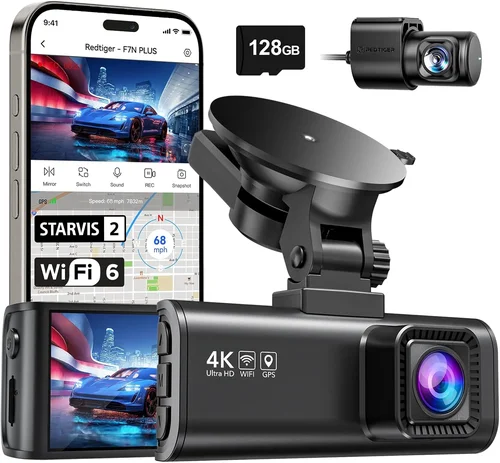
Mid-range dash cams ($100-$250) usually deliver the best balance of features, including better sensors, improved low-light performance, and more robust mounting systems. These models often include loop recording, G-sensor functionality, and sometimes even Wi-Fi connectivity for easy file transfer. Premium dash cams ($250+) offer professional-grade features like 4K resolution, superior night vision, GPS tracking, and advanced parking monitoring capabilities that truly excel at preventing break-ins.
2. Performance Specifications
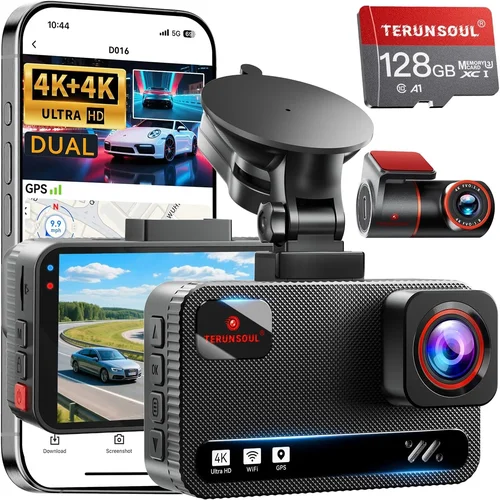
The heart of any dash cam lies in its camera specifications. For break-in prevention, resolution matters more than you might think. While 1080p HD was considered standard just a few years ago, today’s top performers offer 4K Ultra HD recording that captures fine details like license plates, faces, and specific actions clearly. This level of detail can be invaluable when working with law enforcement or insurance companies after an incident.
Frame rate is another critical factor—dash cams recording at 30fps (frames per second) handle normal driving well, but models capable of 60fps or higher capture smoother footage during rapid movements like someone breaking into your car. The sensor type also affects performance; CMOS sensors generally perform better in low light conditions, which is essential for nighttime break-in scenarios.
3. Build Quality & Durability
A dash cam that falls off your windshield or fails during extreme temperatures won’t do much good when you need it most. Look for models with sturdy construction, preferably made from high-quality materials like aluminum or reinforced plastic. The housing should be impact-resistant and able to withstand temperature extremes—from scorching summer heat to freezing winter cold.
Weather resistance is particularly important for dash cams since they’re exposed to the elements year-round. IP rating certification (like IP67 or IP68) indicates dust and water resistance levels, though not all manufacturers specify these ratings. Additionally, check that the lens is scratch-resistant and that the mounting system provides a secure, vibration-free connection to your windshield.
4. Features & Functionality
Modern dash cams come packed with features specifically designed to prevent break-ins and capture evidence effectively. Motion detection and parking mode are arguably the most important—these allow your dash cam to record only when movement is detected near your vehicle, saving storage space while still capturing suspicious activity. Advanced models can distinguish between passing cars, animals, and actual break-in attempts.
G-sensor technology automatically locks and protects footage when sudden impacts occur, ensuring critical evidence isn’t overwritten by regular loop recording. Some premium dash cams include two-way audio so you can communicate with people approaching your vehicle, though this feature requires careful consideration of privacy laws. Cloud connectivity enables remote viewing and backup of footage, providing an additional layer of security.
5. Brand Reputation
Choosing a reputable brand means access to better customer support, reliable firmware updates, and consistent product quality. Established companies like BlackVue, Garmin, and Nextbase have built their reputations on producing durable, feature-rich dash cams that perform reliably over years of use. These brands typically offer longer warranty periods and have service centers available in multiple regions.
Newer or lesser-known brands might offer lower prices or flashy features, but they often lack the track record and support infrastructure that comes with established manufacturers. Before purchasing from an unknown brand, research customer reviews, check for any recalls or known issues, and verify that spare parts will be available if needed. Remember that a dash cam is a long-term investment, and choosing a brand with a proven track record gives you peace of mind.
6. Warranty & Support
A solid warranty demonstrates a manufacturer’s confidence in their product’s durability and performance. Most reputable dash cam brands offer at least a one-year warranty against manufacturing defects, with some extending coverage to three or four years. This protection is especially valuable since dash cams are subject to harsh environmental conditions and potential physical damage.
Customer support quality varies significantly between brands—some offer 24/7 technical assistance, while others provide limited support hours or require you to troubleshoot issues yourself. Check online forums and review sites to see how responsive each brand’s support team typically is. Also consider whether the company offers firmware updates regularly, as these can improve performance and add new features over time.
7. Size & Portability
Dash cam size affects both visibility and discretion. Larger units may offer better image quality and easier viewing angles, but they can be more noticeable to potential thieves and may block portions of your windshield view. Compact dash cams are less obtrusive and can be repositioned easily, but they sometimes sacrifice image quality or feature sets.
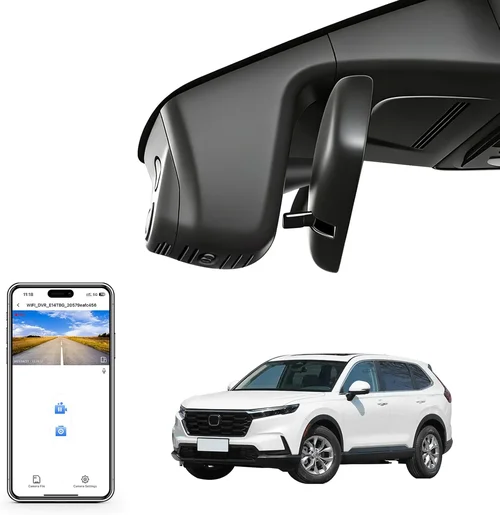
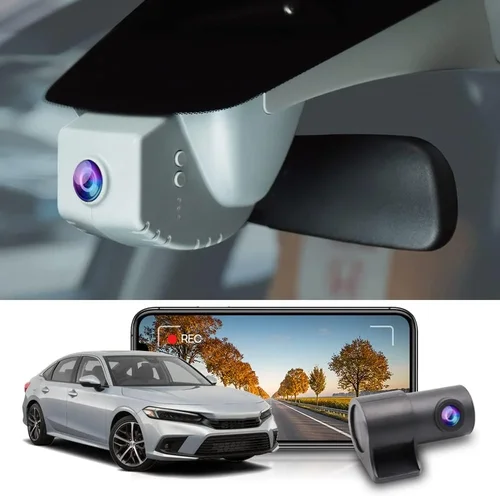
If you plan to transfer the dash cam between vehicles, portability becomes an important consideration. Some models are designed to be easily removable and transferable, while others are permanently mounted. Hidden dash cams take portability to the next level—they’re designed to be discreetly placed out of sight, making them ideal for situations where you want to monitor your car without drawing attention.
8. User Reviews & Ratings
Real-world user experiences provide invaluable insights that specifications alone cannot convey. Pay particular attention to reviews from customers who have experienced similar situations to yours—for example, users in areas with frequent break-ins or those using the device primarily for parking surveillance. Look for patterns in complaints or praises across multiple reviews rather than focusing on individual opinions.
Check both positive and negative aspects mentioned in reviews. Common praises often include reliable performance, clear night vision, and easy installation, while typical complaints might involve short battery life, poor customer service, or difficulty accessing files. Professional review sites and video demonstrations can also provide helpful perspectives on how different models perform in real-world conditions.
Different Types of Dash Cams

Common Buying Mistakes to Avoid
❌ Mistake: Choosing Based Solely on Lowest Price
Why it’s bad: The cheapest dash cam often lacks essential security features like proper night vision, reliable motion detection, or sufficient storage capacity. These budget models frequently suffer from poor build quality, meaning they may fail when you need them most—during a break-in attempt.
What to do instead: Focus on value rather than price alone. Consider the total cost of ownership, including potential replacement costs, subscription fees for cloud storage, and any accessories you might need. A slightly more expensive model that lasts longer and performs better is usually the smarter investment.
❌ Mistake: Ignoring Night Vision Capabilities
Why it’s bad: Many break-ins occur at night when lighting is poor. If your dash cam can’t capture clear footage in low-light conditions, you’re essentially blind during the most vulnerable times. Cheap dash cams often use inferior sensors that struggle with night vision, producing grainy, unusable footage.
What to do instead: Look specifically for dash cams with excellent low-light performance. Features like f/1.8 aperture lenses, WDR (Wide Dynamic Range), and dedicated night vision modes significantly improve image clarity in dark conditions. Read reviews that test night vision performance specifically.
❌ Mistake: Overlooking Storage Requirements
Why it’s bad: Dash cams use loop recording, which means old footage gets overwritten as new video fills the memory card. Without enough storage or proper settings, you might miss crucial evidence if a break-in happens during a period when older footage has been deleted.
What to do instead: Choose a dash cam with ample internal storage or ensure compatibility with large capacity microSD cards (typically 64GB-256GB). Also check if the device supports cloud storage—this provides an automatic backup of important footage even if the memory card fails or is damaged.
❌ Mistake: Neglecting Installation Quality
Why it’s bad: Poor installation leads to shaky footage, blocked views, or equipment that falls off during rough driving. Many people try to install dash cams themselves without proper tools or knowledge, resulting in suboptimal positioning and unreliable operation.
What to do instead: Either invest in professional installation services or thoroughly research DIY installation guides. Ensure the mount provides a secure, vibration-free connection and that the camera angle captures the entire windshield without obstruction. Test the setup before relying on it for security purposes.
❌ Mistake: Forgetting About Legal Considerations
Why it’s bad: Recording audio without consent is illegal in many jurisdictions. Using dash cams with two-way audio features or placing hidden cameras in certain locations can lead to legal complications, especially if someone feels they’ve been recorded without permission.
What to do instead: Research local laws regarding surveillance and recording before installing your dash cam. Focus on visual recording rather than audio unless you’re certain it’s permitted. Be transparent about your recording equipment when appropriate, and avoid placing cameras in areas where privacy expectations are high.
❌ Mistake: Not Checking Compatibility
Why it’s bad: Some dash cams don’t work properly with certain vehicle types or have compatibility issues with specific smartphones. Trying to integrate your dash cam with existing vehicle systems or mobile apps can result in frustration and wasted money.
What to do instead: Verify compatibility with your vehicle’s electrical system (especially for hardwiring options) and confirm that your smartphone OS version supports any companion apps. Check manufacturer specifications carefully before purchasing.
Budget Guidelines: How Much Should You Spend?
Entry-Level Dash Cams ($50 – $100)
This price range offers basic functionality suitable for occasional drivers who want some peace of mind without spending heavily. You’ll typically find 1080p recording capability, loop recording, and a simple G-sensor for impact detection. While these models can deter opportunistic thieves and provide basic evidence, they often lack advanced features like reliable night vision or sophisticated parking monitoring.
For budget-conscious buyers, look for entry-level models that at least offer 1080p recording and have decent user reviews for reliability. Avoid extremely cheap options under $50, as they often cut corners on essential components. Even within this price range, prioritize models with good build quality and responsive customer support over flashy extras.
Mid-Range Dash Cams ($100 – $250)
This sweet spot represents the best value for most buyers concerned about car break-ins. Mid-range dash cams typically offer 2K or 4K recording, superior night vision capabilities, robust parking mode functionality, and reliable build quality. You’ll find models from reputable brands that balance performance with affordability.
In this range, you can expect features like Wi-Fi connectivity for easy file transfer, cloud storage options, GPS tracking, and improved motion detection algorithms. These dash cams are designed to last several years with minimal issues and provide the kind of evidence quality that works well with law enforcement and insurance companies.
Premium Dash Cams ($250 – $500)
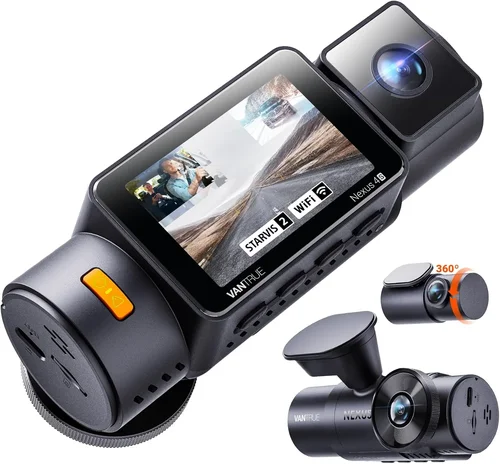
Premium dash cams deliver professional-grade performance with advanced security features specifically designed to prevent break-ins. These models often include dual-camera systems, superior low-light imaging, AI-powered threat detection, and seamless integration with smartphone apps for remote monitoring.
At this level, you’ll find enterprise-grade reliability, extended warranties, and customer support that goes beyond basic troubleshooting. Premium dash cams may also offer specialized features like facial recognition, license plate reading, and integration with home security systems for comprehensive vehicle protection.
Luxury Dash Cams ($500+)
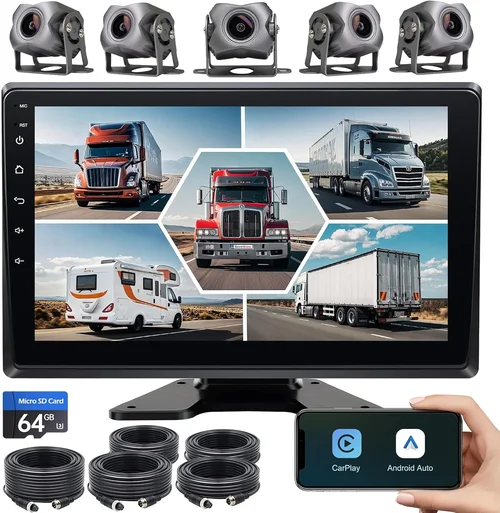
Luxury dash cams represent the cutting edge of automotive security technology. These high-end systems often include multiple camera angles, 4K or 8K recording capabilities, military-grade durability, and sophisticated AI that can differentiate between harmless activity and actual break-in attempts.
While not necessary for most consumers, luxury dash cams appeal to fleet managers, security professionals, and individuals with exceptionally valuable vehicles. These systems typically offer the highest quality evidence capture and often include professional installation services, extended warranties, and priority customer support.
Expert Tips for Getting the Best Deal
Timing your purchase strategically can save you significant money without compromising on quality. Retailers often run promotions during major holidays, back-to-school seasons, and end-of-year clearance events. Black Friday, Cyber Monday, and Amazon Prime Day are particularly good opportunities to find dash cams at reduced prices.
Consider buying directly from manufacturers’ websites rather than third-party retailers. This ensures you get genuine products with full warranty coverage and often provides access to exclusive deals or bundles. Manufacturer sites also typically have the most up-to-date information about firmware updates and new features.
When comparing prices, remember to factor in the total cost of ownership. A cheaper dash cam might require a larger memory card, subscription fees for cloud storage, or professional installation—all of which add up over time. Calculate the complete expense before deciding based solely on initial price.
Read return policies carefully before purchasing. Some retailers offer generous return windows specifically for dash cams, allowing you to test the equipment in your own vehicle before committing. This is especially valuable given that dash cam performance can vary depending on your specific car model and installation conditions.
Don’t overlook refurbished or open-box options from reputable sellers. These items have been tested and certified to work properly while offering substantial savings. Just verify that refurbished units come with at least a one-year warranty and have been properly cleaned and inspected.
If you’re unsure about installation, consider purchasing during peak seasons when professional installation services may offer discounts. Some retailers include free installation with dash cam purchases, which can save you both time and money while ensuring proper setup.
Join online communities and forums dedicated to dash cam users. Members often share insider information about upcoming sales, unadvertised discounts, and recommendations for specific models that perform well in real-world conditions. These communities can also provide valuable troubleshooting advice and usage tips.
Finally, consider bundling your dash cam purchase with other security accessories. Some packages include additional mounts, extra memory cards, or even steering wheel locks—providing comprehensive protection at a discounted bundled price compared to buying items separately.

Frequently Asked Questions
Q: Do I need a special dash cam for preventing car break-ins?
A: Not necessarily, but certain features make a big difference. Look for dash cams with reliable parking mode, good night vision, and motion detection capabilities. These features allow your dash cam to capture evidence when your car is unattended and help deter would-be thieves. Any modern dash cam can serve this purpose, but security-focused models with advanced features provide better protection.
Q: Can a dash cam really prevent break-ins?
A: While no device can guarantee prevention, dash cams act as powerful deterrents. Visible dash cams make thieves think twice because they know their actions will be recorded. Studies show that visible surveillance equipment reduces crime rates by up to 50% in monitored areas. Even if a break-in occurs, having clear video evidence significantly improves your chances of recovery and prosecution.
Q: What’s the best location to mount my dash cam?
A: Mount your dash cam in the center-top position on your windshield, angled slightly downward to capture both the road ahead and your dashboard area. This position provides the widest field of view and minimizes glare from your instrument panel. Avoid mounting near airbag deployment zones and ensure the camera doesn’t obstruct your view of the road or mirrors.
Q: How much storage space do I need?
A: For basic use, a 64GB microSD card typically suffices for about 2-3 hours of 1080p recording. However, for break-in prevention, consider a 128GB or 256GB card to ensure you don’t miss important footage due to loop recording overwriting recent evidence. Higher resolution recording (2K or 4K) requires more storage space, so adjust your card capacity accordingly.
Q: Will my dash cam drain my car battery?
A: Yes, dash cams consume power even when your car is off. However, modern dash cams have low power consumption and can run for days on a single charge. To prevent draining your battery, connect your dash cam to your car’s fuse box using a hardwire kit. This allows the dash cam to draw power from your car’s electrical system without affecting your battery.
Q: Can I access my dash cam footage remotely?
A: Many modern dash cams offer smartphone app connectivity that allows remote viewing and downloading of footage. Cloud-connected dash cams automatically upload selected clips to online storage, giving you access from anywhere. This feature is particularly valuable for monitoring your vehicle when parked in unfamiliar locations or checking on suspicious activity.
Q: Are there any legal restrictions on using dash cams?
A: In most places, recording video of public spaces (like streets and parking lots) is perfectly legal. However, recording audio without consent may violate wiretapping laws in some jurisdictions. Always check local regulations before using audio recording features. Privacy laws vary by country and state, so familiarize yourself with applicable rules in your area.
Q: How long should I keep dash cam footage?
A: Keep footage from potentially suspicious incidents indefinitely, as it could serve as evidence later. For routine recordings, maintain a rolling archive of the most recent month’s footage. Some dash cams with cloud storage automatically manage this process, keeping the most relevant clips while overwriting older, less important recordings.
Q: Can I use multiple dash cams on one vehicle?
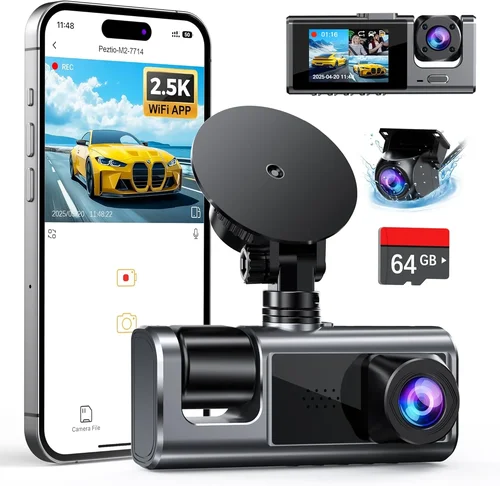
A: Yes, dual-camera systems are available that record both front and rear views simultaneously. Some advanced setups even include interior cameras for comprehensive coverage. Multiple dash cams require additional storage capacity and may need separate power sources, but they provide complete documentation of incidents involving your vehicle.
Q: What should I do if my dash cam records a break-in?
A: Immediately save and protect the footage by copying it to multiple secure locations (external hard drive, cloud storage, etc.). Contact law enforcement with a detailed description of the incident and offer to share the video evidence. Provide timestamps and any identifying details you noticed. Keep the original memory card safe as it contains the unedited footage.
Our Final Recommendations
Best for Budget-Conscious Buyers
For those watching their spending while still wanting effective break-in protection, the Viofo A119 v3 strikes an excellent balance between price and performance. This dash cam delivers reliable 2K recording, impressive night vision capabilities, and solid build quality at an accessible price point. Its compact design fits unobtrusively on your windshield while providing enough detail to capture important evidence. The A119 v3 includes essential security features like parking mode and motion detection without the premium price tag.
Best Overall Value
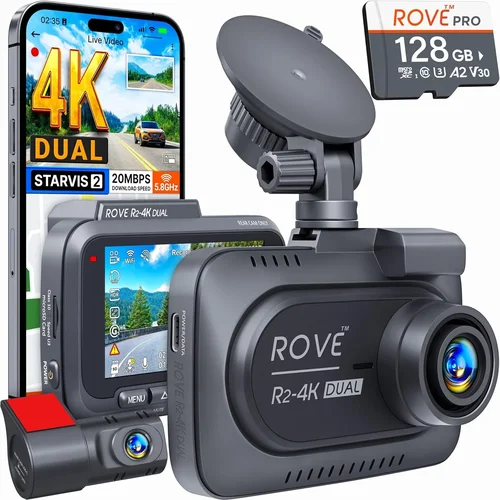
The BlackVue DR970X-2CH stands out as our top recommendation for comprehensive break-in protection. This dual-channel dash cam offers exceptional image quality with 4K front recording and 1080p rear recording, along with industry-leading night vision performance. Its cloud connectivity allows remote monitoring and automatic backup of important footage, making it ideal for both daily driving and parking security. While priced higher than entry-level models, the BlackVue’s reliability and feature set justify the investment for serious car security needs.
Best Premium Option
For those seeking the absolute best in automotive security technology, the Garmin DriveSmart 66 offers unparalleled protection with its AI-powered features and professional-grade durability. This dash cam includes advanced threat detection that can distinguish between normal activity and actual break-in attempts, plus superior GPS tracking and mapping capabilities. Its rugged construction withstands extreme temperatures and weather conditions, while the intuitive interface makes it easy to operate even during stressful situations.
Best for Beginners
New to dash cam technology? The Thinkware Q800PRO provides an excellent introduction to automotive security without overwhelming complexity. With its straightforward controls, automatic settings, and reliable performance, this dash cam handles itself beautifully whether you’re a tech novice or experienced user. It delivers 2K recording quality, impressive night vision, and essential security features like parking mode, all wrapped in a user-friendly package that’s easy to install and operate.
Best for Advanced Users
Advanced users and security professionals will appreciate the Nextbase 622GW’s extensive customization options and professional-grade features. This dash cam offers 4K recording, superior low-light performance, and flexible mounting solutions that adapt to various vehicle configurations. Its advanced AI capabilities provide customizable alerts for specific security concerns, while the robust build quality ensures reliable operation in demanding environments. The 622GW’s comprehensive software suite allows deep customization of recording parameters and alert thresholds.
Conclusion: Making the Right Choice
Selecting the best dash cam for car break-ins ultimately depends on balancing your specific security needs against your budget constraints and technical comfort level. No single model fits every situation perfectly, but by understanding the key factors we’ve covered—including performance specifications, build quality, essential features, and brand reputation—you can make an informed decision that provides lasting peace of mind.
Remember that a dash cam is fundamentally a security investment rather than just an electronic gadget. Prioritize features that directly address your break-in concerns, such as reliable night vision, effective parking mode functionality, and cloud connectivity for remote monitoring. Don’t skimp on build quality or customer support, as these determine how reliably your equipment will perform when you need it most.
Take time to research thoroughly, read multiple reviews, and consider your specific circumstances before making a purchase. Whether you choose a budget-friendly option that meets your basic needs or invest in a premium system with advanced security features, the right dash cam will provide valuable evidence, deter would-be thieves, and give you confidence knowing your vehicle is protected.
Finally, remember that technology evolves rapidly—what’s considered top-of-the-line today may be outdated tomorrow. Stay informed about new developments in dash cam technology and consider upgrading your system periodically as better options become available. Your investment in car security will pay dividends whether through prevented break-ins or successful prosecution of criminals using the evidence your dash cam captured.