Best Dash Cam for Car Break-Ins Buying Guide
When it comes to protecting your vehicle and personal belongings from theft or vandalism, a dash cam is one of the most effective preventive tools available today. Car break-ins are unfortunately common, with thieves targeting parked vehicles for everything from electronics to catalytic converters. While no security device guarantees complete protection, a dash cam can serve as both a deterrent and a vital piece of evidence if something does go wrong. In this comprehensive buying guide, we’ll walk you through everything you need to know about choosing the best dash cam specifically designed to help prevent and document car break-ins.
This guide is designed for anyone who wants to safeguard their vehicle—whether you park in busy urban areas, leave valuables in plain sight, or simply want peace of mind knowing there’s a record of what happens around your car. We’ll cover key features like motion detection, parking mode, video resolution, storage options, and build quality. By the end, you’ll have a clear understanding of how different models stack up and which ones offer the strongest protection against break-ins.
The market for dash cams has exploded over the past decade, offering everything from basic single-lens cameras to advanced dual-camera systems with Wi-Fi connectivity and cloud backup. But not all dash cams are created equal—especially when it comes to detecting and recording suspicious activity after hours. That’s why we’ve focused this guide on models that excel in low-light performance, loop recording efficiency, and intelligent event detection. Whether you’re a daily commuter, a rideshare driver, or someone who frequently parks in high-risk areas, finding the right dash cam can make all the difference.

What to Look for When Buying Dash Cams
Choosing the right dash cam isn’t just about picking the shiniest model. It requires careful consideration of several technical and practical factors that directly impact its effectiveness in preventing or documenting break-ins. Let’s explore the most important aspects you should evaluate before making a purchase.
1. Budget & Price Range
Your budget plays a significant role in determining what kind of dash cam you can get. Entry-level models typically start around $50–$70 and offer basic full HD recording without many smart features. Mid-range options ($100–$200) often include dual-lens setups, parking mode, and improved night vision. Premium models ($200+) may feature 4K resolution, GPS tracking, Wi-Fi connectivity, and advanced AI-based motion detection.
It’s important to balance cost with functionality. For car break-ins, investing slightly more upfront can pay off by providing better evidence quality and smarter alerts. Don’t skimp on essential features like parking surveillance just to save a few dollars—this is where most break-ins occur when you’re not driving.
2. Performance Specifications
Performance specs determine how well your dash cam captures events. Key metrics include:
Video Resolution: Look for at least 1080p (Full HD), though 2K or 4K offers sharper detail—especially useful for identifying license plates or facial features during a break-in.
Frame Rate: Higher frame rates (30fps or above) result in smoother video, reducing blur during fast-moving incidents like someone smashing a window.
Field of View (FOV): A wider FOV (120°–170°) captures more of your surroundings, increasing the chances of catching intruders approaching from the side or rear.
Low-Light Sensitivity: Since break-ins often happen at night, look for cameras with excellent night vision using technologies like HDR (High Dynamic Range) or starlight sensors.
3. Build Quality & Durability
A dash cam must withstand harsh conditions—extreme temperatures, vibrations, dust, and even attempted tampering. Opt for models made with sturdy materials like aluminum alloy housings and tempered glass lenses. Check reviews for durability reports, especially regarding heat resistance in summer months.
Additionally, consider whether the mount is secure and won’t detach easily if someone tries to steal the entire unit. Some premium models come with anti-theft screws or hidden mounting points to discourage removal.
4. Features & Functionality
Modern dash cams offer numerous features that enhance their usefulness in break-in scenarios:
Parking Mode: This is arguably the most critical feature for preventing break-ins. When your car is off, the dash cam enters a low-power state but continues monitoring using motion or impact detection. Upon detecting unusual activity (e.g., someone kicking the tire or breaking a window), it automatically starts recording and saves the footage.
G-Sensor (Impact Detection): Triggers recording when sudden jolts occur—perfect for catching smash-and-grab attempts.
Loop Recording: Ensures continuous recording by overwriting old footage once the memory card fills up, so you never lose recent events.
Time-Lapse Parking Mode: Records at reduced frame rates to conserve power while still capturing general movement around your vehicle.
Wi-Fi & App Connectivity: Allows you to view live feed or download clips directly to your smartphone—great for checking on your car remotely.
GPS Tracking: Logs location data alongside video, useful if your car is stolen or damaged in a hit-and-run.
5. Brand Reputation
Stick with reputable brands known for reliability and customer support. Companies like Garmin, BlackVue, Nextbase, and Thinkware have built strong reputations over years of producing dependable dash cams. These brands often offer firmware updates, responsive tech support, and longer warranties.
Avoid unknown or generic brands that cut corners on components—they may seem cheap at first but fail when you need them most. Reading user forums and professional reviews can give you insight into long-term performance.
6. Warranty & Support
A solid warranty reflects the manufacturer’s confidence in their product. Most quality dash cams come with at least a 1-year limited warranty covering defects. Premium models may offer 2–3 years or even international coverage.
Also consider the availability of customer service. If your dash cam malfunctions right after a break-in, you’ll want quick access to troubleshooting or replacement options. Check whether the company provides online chat, email support, or regional service centers.
7. Storage Options
Dash cams require microSD cards (usually Class 10 or U3 recommended) for storing footage. Capacity varies widely—from 32GB to 512GB+. For break-in prevention, aim for at least 64GB to store several hours of high-quality video.
Some models support dual-card slots, allowing one card for daily use and another as a backup—ideal for preserving critical incident footage. Others offer cloud storage subscriptions, though these often require monthly fees.
Ensure your chosen model is compatible with high-endurance cards designed for constant write cycles, not just regular consumer-grade cards.
8. User Reviews & Ratings
Real-world feedback from other users is invaluable. Pay attention to comments about false triggers, battery drain in parking mode, ease of installation, and how well the camera performs in rain or snow. Negative reviews highlighting recurring issues (like overheating or poor night visibility) should raise red flags.
Look for patterns across multiple sources—Amazon, Best Buy, Reddit communities, and tech blogs—to get a balanced perspective.
Different Types of Dash Cams

Common Buying Mistakes to Avoid
❌ Mistake: Ignoring Parking Mode Capabilities
Why it’s bad: Many buyers overlook whether their dash cam supports true parking surveillance. Without proper motion or impact detection, the camera won’t activate when someone breaks into your car at night.
What to do instead: Prioritize models with reliable parking mode that uses G-sensor or time-lapse recording. Test it beforehand to confirm it doesn’t drain your battery excessively.
❌ Mistake: Choosing Low-Quality Memory Cards
Why it’s bad: Using consumer-grade SD cards instead of high-endurance versions leads to corruption, loss of footage, or premature failure—especially during extended parking mode cycles.
What to do instead: Invest in branded high-endurance cards (SanDisk Extreme, Samsung PRO Endurance) rated for dash cam use. Avoid bargain-bin cards from unknown sellers.
❌ Mistake: Overlooking Night Vision Performance
Why it’s bad: Most break-ins happen after dark. Poor low-light performance means you’ll miss crucial details like faces, license plates, or tool marks.
What to do instead: Choose cameras with wide dynamic range (WDR), infrared LEDs, or starlight technology. Read sample videos from night recordings before purchasing.
❌ Mistake: Skipping Firmware Updates
Why it’s bad: Outdated firmware can cause bugs, reduce battery life, or disable important safety features. Manufacturers often release updates to fix these issues.
What to do instead: Regularly check the manufacturer’s website for updates. Enable automatic update notifications if available.
❌ Mistake: Not Securing the Mount Properly
Why it’s bad: A loose or poorly installed mount can fall off mid-drive or be easily removed by thieves, rendering the device useless.
What to do instead: Use double-sided adhesive pads rated for automotive use, and follow the manual’s torque specifications. Consider hidden mounts for added security.
Budget Guidelines: How Much Should You Spend?
Entry-Level ($50–$100): These models offer basic full HD recording with loop playback but lack advanced parking features. They’re fine for occasional drivers or those on a tight budget. However, they rarely include G-sensors or true parking mode, limiting their usefulness for break-in prevention.
Mid-Range ($100–$200): This is the sweet spot for most consumers. You’ll find dual-lens options, robust parking mode, decent night vision, and reliable build quality. Brands like Viofo, Rexing, and Papago dominate this segment with strong track records.
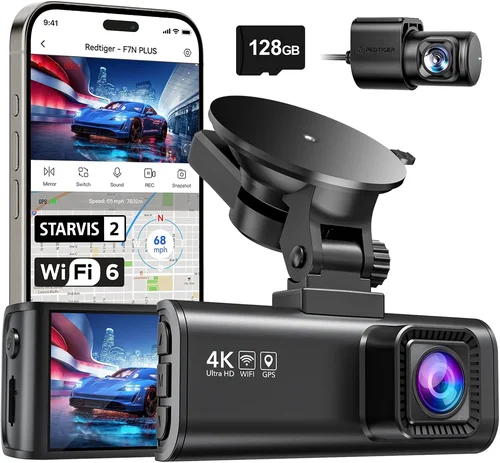
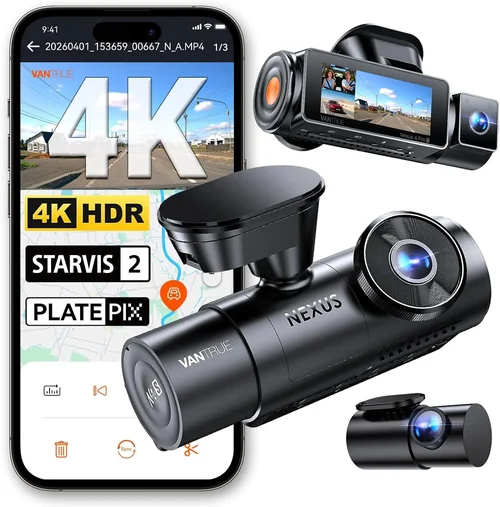
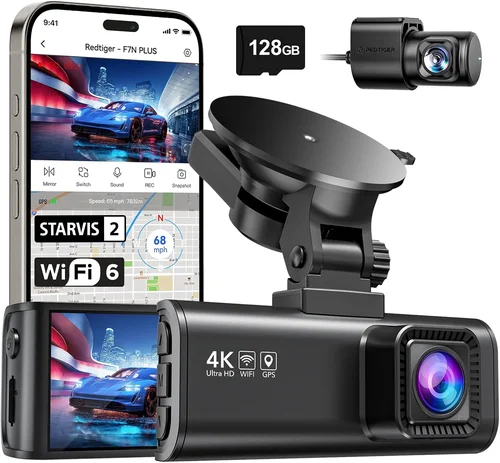
Premium ($200–$350): Ideal for frequent drivers, rideshare operators, or anyone parking in high-crime areas. Features include 4K front recording, GPS, Wi-Fi, cloud backup, and military-grade construction. Models from BlackVue and Thinkware lead here.
Luxury ($350+): Reserved for professionals or enthusiasts who demand top-tier performance. Examples include multi-camera systems, AI-powered object recognition, and encrypted storage. These aren’t necessary for average users but offer unmatched peace of mind.
Expert Tips for Getting the Best Deal
Timing Matters: The best deals appear during holiday sales (Black Friday, Cyber Monday), back-to-school season, or end-of-year clearance events. Sign up for retailer newsletters to catch early access promotions.
Compare Retailers: Amazon offers convenience and fast shipping, but local electronics stores sometimes provide in-person demos. Specialty dash cam shops may offer installation services or bundled packages.
Watch for Bundles: Some retailers sell kits that include extra mounts, suction cups, cables, or premium SD cards. These add value without raising the per-unit cost.
Read Return Policies: Ensure the seller allows returns within 30 days if the product doesn’t meet expectations. Avoid “as-is” sales unless you’re certain about compatibility.
Check Regional Availability: Certain models aren’t sold in all countries due to regulatory restrictions (e.g., GPS tracking laws). Verify local compliance before ordering online.
Test Before Committing: If possible, rent or borrow a dash cam to see how it fits your windshield and dashboard layout. Some apps let you preview footage instantly.
Consider Insurance Discounts: A few insurers offer premiums reductions for vehicles equipped with dash cams—ask your provider if this applies.

Frequently Asked Questions
Q: Will a dash cam stop car break-ins from happening?
A: While no device guarantees 100% protection, visible dash cams act as strong psychological deterrents. Thieves often avoid cars with obvious security measures. Combined with good parking habits (locking doors, hiding valuables), a dash cam significantly reduces risk.
Q: Can dash cams work without a constant power source?
A: Yes, via hardwiring kits that connect to your car’s fuse box. This powers the dash cam continuously while drawing minimal current. Alternatively, some models support battery packs for short-term parking mode.
Q: What resolution is sufficient for legal evidence?
A: At minimum, 1080p is acceptable in most jurisdictions. However, 2K or 4K provides clearer details for identifying suspects or vehicles. Always consult local laws regarding admissible evidence.
Q: How much storage space do I really need?
A: For daily driving, 32–64GB suffices. With parking mode enabled, upgrade to 128GB+. High-resolution models consume space faster—factor in recording length and compression settings.
Q: Do dash cams record audio?
A: Most modern models include audio recording, but privacy laws vary by country. In places like California or Germany, recording conversations may violate wiretapping statutes. Disable audio if unsure.
Q: Can I access footage remotely during a break-in?
A: Only if your dash cam has Wi-Fi and cloud integration. Real-time streaming is possible but consumes bandwidth and drains battery quickly. Pre-recorded clips are safer to retrieve later.
Q: How long does dash cam battery last in parking mode?
A: Depends on model and settings. Most consume 100–300mA overnight. Hardwired installations eliminate battery concerns entirely.
Q: Are dash cams legal everywhere?
A: Generally yes, but regulations differ. Some European countries restrict rear-facing cameras, while others ban audio recording. Always research local rules before installing.
Our Final Recommendations
Best for Budget-Conscious Buyers: Viofo A119 v3 – Offers solid 2K recording, parking mode, and G-sensor for under $120. Reliable performance without frills.
Best Overall Value: Rexing V1Pico – Dual-lens, 4K front camera, built-in GPS, and impressive night vision. Priced around $180 with excellent user reviews.
Best Premium Option: BlackVue DR970X-2CH – Military-grade durability, cloud connectivity, super-wide FOV, and seamless app integration. Ideal for serious users at $300+.
Best for Beginners: Nextbase 522GW – Intuitive interface, Alexa compatibility, emergency SOS button, and free cloud storage trial. Great entry point at $150.
Best for Advanced Users: Thinkware F800 Pro – 4K recording, impact alerts, Wi-Fi hotspot, and robust build quality. Top choice for tech enthusiasts at $250.
Each of these models excels in different areas but shares core strengths: reliable parking surveillance, high-quality video, and trustworthy build quality—all essential for combating car break-ins effectively.
Conclusion: Making the Right Choice
Selecting the best dash cam for car break-ins isn’t about chasing the latest gimmicks—it’s about matching your specific needs with proven technology that delivers reliable results. Focus on features that matter most: robust parking mode, clear nighttime recording, and durable construction. Don’t forget supporting elements like memory cards, installation method, and warranty coverage.
Remember, a dash cam is most valuable when it’s always on and always ready. Take time to research, read real user experiences, and invest wisely. With the right device in place, you’ll not only protect your vehicle but also gain invaluable peace of mind knowing you’re prepared for whatever happens on the road.