Best Dash Cam Buying Guide for Mazda CX-30
When you’re behind the wheel of a Mazda CX-30, you’re not just commuting—you’re navigating life’s journeys with style, confidence, and a touch of premium engineering. But even the most meticulously designed vehicles can’t protect you from unexpected events on the road: sudden braking, aggressive drivers, poor weather conditions, or worse—fender benders caused by someone else’s negligence. That’s where a dash cam becomes more than just an accessory; it transforms into your silent guardian, your impartial witness, and potentially your strongest ally in insurance claims or legal disputes.
This comprehensive buying guide is specifically tailored for Mazda CX-30 owners who want to make an informed decision when selecting the best dash cam for their vehicle. Whether you’re a daily commuter, a weekend adventurer, or someone who simply values peace of mind, understanding what makes one dash cam superior to another—and how those features align with your specific needs—is crucial. We’ll walk you through everything from resolution capabilities and parking mode functionality to installation considerations and compatibility issues unique to the CX-30’s dashboard layout.
The market today offers everything from basic single-camera setups to sophisticated multi-camera systems with advanced AI features. With so many options available across different price points and feature sets, it’s easy to feel overwhelmed. Our goal is to cut through the marketing noise and give you practical, expert-level insights that will help you choose not just any dash cam, but the perfect one for your Mazda CX-30. By the end of this guide, you’ll have all the knowledge needed to evaluate dash cams objectively, understand which features truly matter for your driving situation, and make a purchase that delivers lasting value and protection.
—

What to Look for When Buying Dash Cams
Choosing the right dash cam isn’t as simple as picking the cheapest option or the one with the most flashy features. It requires careful consideration of several key factors that directly impact performance, reliability, and overall value. The Mazda CX-30, while a well-designed compact SUV with excellent visibility and modern infotainment integration, presents specific installation challenges and space constraints that must be accounted for when selecting hardware. Let’s break down the most critical elements you should evaluate before making your purchase.
1. Resolution & Video Quality
Video resolution remains the single most important factor determining whether your dash cam captures clear, usable footage. For the Mazda CX-30, where visibility is generally good but blind spots still exist, you need crisp images that can identify license plates, facial details, and road signs clearly. Most modern dash cams offer at least 1080p Full HD resolution, but higher resolutions like 1440p or even 4K are becoming increasingly common and worthwhile investments. Higher resolutions provide better detail for evidence purposes and allow for closer digital zooming without losing clarity. However, keep in mind that higher resolution often means larger file sizes and shorter recording times between memory card writes.
Look for cameras with high dynamic range (HDR) technology, which helps balance exposure in challenging lighting conditions—like when driving into tunnels or dealing with harsh shadows from streetlights at night. HDR ensures both bright headlights and dark interiors remain visible in the same frame, giving you a complete picture of what happened during an incident. Additionally, consider the camera’s low-light performance, as many accidents occur during dawn, dusk, or nighttime hours when lighting is poor.
2. Field of View (FOV)
Field of view determines how much of the road ahead and around your vehicle gets captured on camera. A wider FOV provides more coverage but may introduce some distortion at the edges—a phenomenon known as fisheye effect. For the Mazda CX-30, which has a relatively compact footprint and tight turning radius, a moderate to wide-angle lens is ideal. Look for cameras offering between 120° and 150° horizontal field of view; anything narrower might miss important details on either side of your lane, while excessively wide angles can distort important visual information.
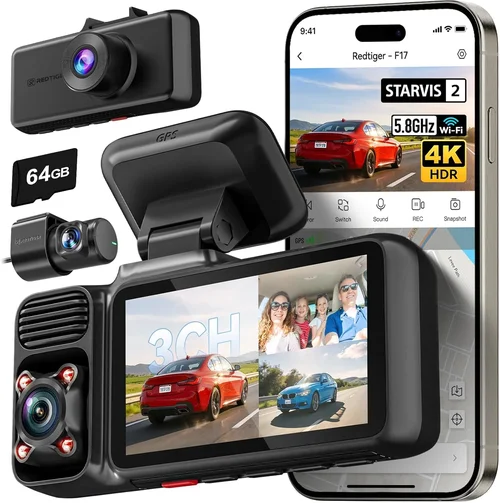
Some advanced models come with dual-lens systems that capture front and rear simultaneously, giving you complete coverage of your entire driving route. While not essential for every driver, this feature becomes invaluable if you frequently drive in unfamiliar areas or park in high-risk locations where rear-end collisions are common.
3. Storage Capacity & Loop Recording
Dash cams rely heavily on microSD cards for storing video footage, and understanding storage requirements is vital. Most dash cams use loop recording—a system that overwrites the oldest footage once the card fills up—but the frequency of overwrite depends on your settings and the size of your memory card. For optimal performance, experts recommend using Class 10 or U3-rated microSD cards with capacities ranging from 64GB to 512GB. Smaller cards save money but fill up quickly, especially with high-resolution recording enabled.
Consider how long you want your recordings to retain before being overwritten. If you plan to use your dash cam primarily for peace of mind rather than evidence collection, shorter retention periods (like 3-5 minutes clips) can significantly extend recording time. However, if you anticipate needing longer segments for insurance purposes, opt for larger cards and consider enabling event-triggered saving for critical incidents.
4. Parking Mode & Motion Detection
One of the most valuable features for Mazda CX-30 owners is parking mode, which allows your dash cam to record continuously while your car is turned off and parked. This passive monitoring capability protects against hit-and-runs, vandalism, or damage caused by reckless drivers while you’re away from your vehicle. Most parking modes require your dash cam to draw power from the car’s battery via hardwiring, though some models offer battery backup options.
Advanced motion detection algorithms can distinguish between irrelevant movement (like passing birds or swaying trees) and actual threats (such as someone approaching your parked car). Look for dash cams with intelligent sensitivity adjustments that reduce false triggers while maintaining responsiveness to real dangers. Some systems also include impact sensors that automatically start recording upon detecting significant vibrations or collisions.
5. Installation Complexity & Compatibility
The Mazda CX-30 features a clean, modern dashboard with integrated displays and USB ports, but its interior design can make dash cam installation trickier than in older models. Many CX-30 owners face challenges finding unobstructed mounting locations due to the large infotainment screen and slim windshield angle. Before purchasing, check whether your chosen dash cam comes with adhesive mounts, suction cups, or magnetic brackets suitable for curved glass surfaces.
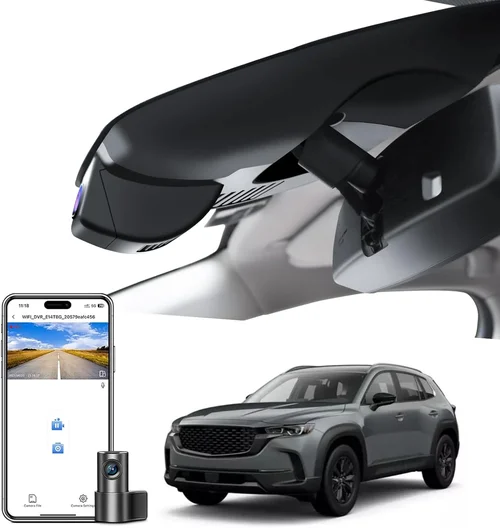
Hardwiring kits are highly recommended for parking mode functionality and avoiding constant plugging/unplugging. Ensure the included wiring harness is compatible with the CX-30’s electrical system and doesn’t interfere with airbags or other safety components. Some brands offer vehicle-specific adapters that simplify installation and maintain a factory-like appearance.
6. Night Vision & Low-Light Performance
Night driving accounts for a disproportionate number of accidents, so robust low-light performance is non-negotiable. Look for dash cams equipped with infrared LEDs or starlight sensors that enhance visibility in complete darkness. These technologies improve image quality far beyond what standard CMOS sensors can achieve after sunset.
Additionally, consider whether the dash cam supports automatic exposure adjustment and noise reduction algorithms. Nighttime footage should remain sharp and color-accurate even when headlights create intense glare or surrounding areas are pitch black. Test reviews often highlight how certain models handle tricky scenarios like driving through poorly lit urban neighborhoods or rural roads with minimal street lighting.
7. Audio Recording Capabilities
While not always necessary, audio recording adds another layer of context to your footage. It can capture conversations inside the cabin, traffic sounds, or even the tone of emergency sirens—information that’s often lost in silent video alone. However, be aware of privacy laws in your region regarding audio recording; in some jurisdictions, consent is required before capturing conversations involving others.
Most dash cams that support audio include built-in microphones, but quality varies widely. External microphones or directional mics can improve clarity, especially in noisy environments like highways or construction zones. Also check if the device allows you to disable audio recording entirely for compliance with local regulations.
8. Power Source Options
Power source flexibility affects both convenience and functionality. Battery-powered dash cams offer portability but require frequent recharging and limit parking mode usage unless paired with a separate power bank. Car chargers are convenient for temporary setups but aren’t ideal for long-term use since they don’t enable true parking surveillance.
Hardwired solutions are generally preferred because they draw continuous power from your car’s ignition circuit, allowing seamless transition between driving and parking modes. Make sure the included hardwire kit includes fuse taps or inline fuses appropriate for the CX-30’s electrical system, and verify compatibility with both 12V and 24V setups if applicable.
—
Different Types of Dash Cams
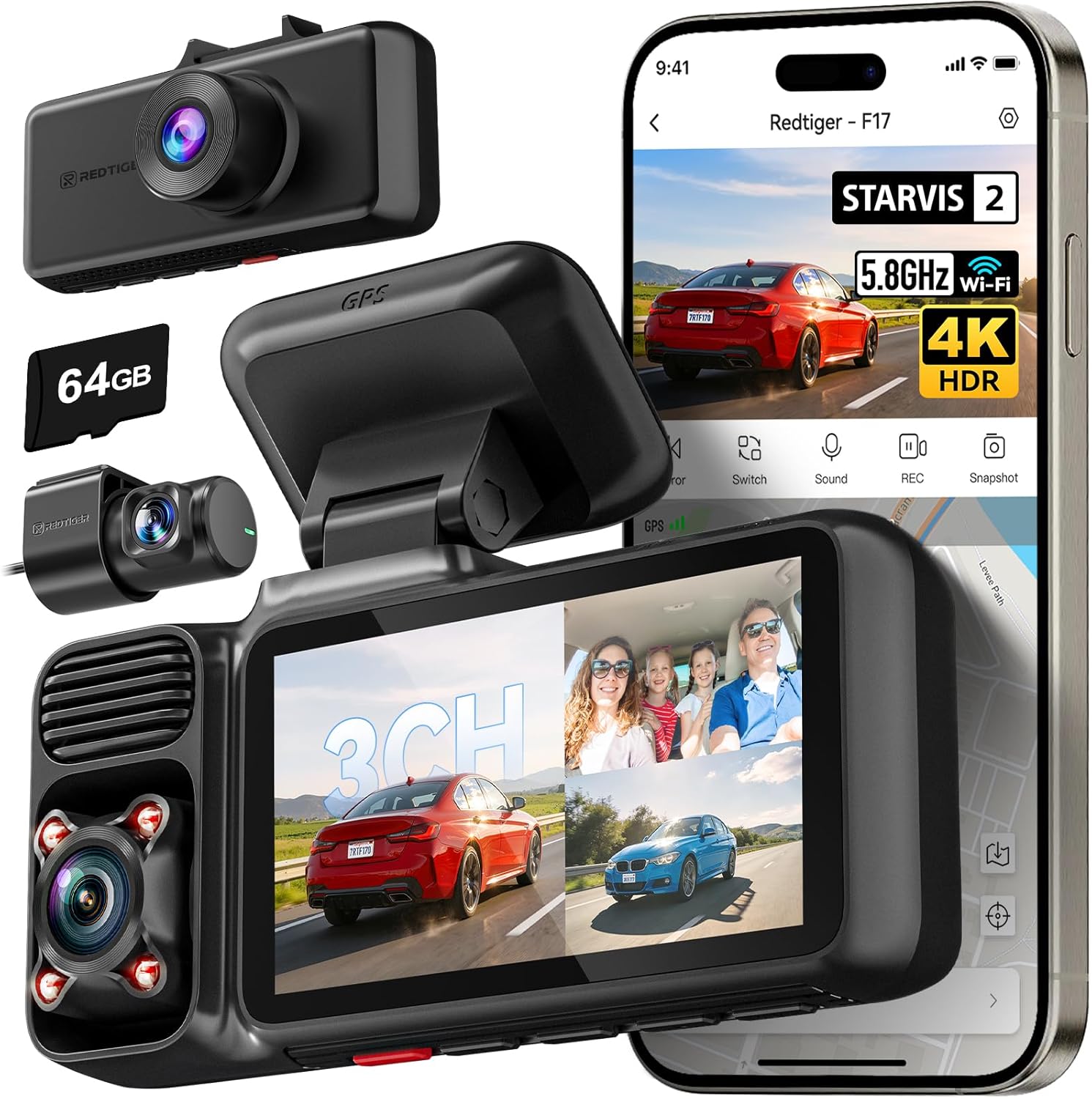
Each type of dash cam serves different needs and fits varying budgets, so matching your lifestyle and driving habits to the right category is essential for maximizing value and protection.
—
Common Buying Mistakes to Avoid
Many Mazda CX-30 owners rush into purchasing a dash cam without fully understanding their options or overlooking critical technical specifications. These common pitfalls can lead to disappointment, wasted money, or inadequate protection when you need it most. Let’s examine the mistakes most people make and how to avoid them.
❌ Mistake: Ignoring Resolution Requirements
Why it’s bad: Opting for a dash cam with only 720p resolution or lower severely limits your ability to capture usable evidence. In court cases or insurance disputes, blurry or pixelated footage is often dismissed as inconclusive or unreliable. Even minor accidents require clear license plate recognition and facial details for proper identification.
What to do instead: Always aim for at least 1080p Full HD resolution, with 1440p or 4K being preferable if your budget allows. Read independent test reviews that measure real-world performance under various lighting conditions rather than relying solely on manufacturer claims.
❌ Mistake: Choosing Based Solely on Price
Why it’s bad: The cheapest dash cam may lack essential features like G-sensor-based event locking, loop recording efficiency, or reliable parking mode functionality. Low-cost models often skimp on components like capacitors instead of lithium batteries, leading to premature failure after repeated charge cycles.
What to do instead: Focus on value rather than absolute lowest price. Compare features across multiple tiers and read professional reviews from trusted automotive tech sources. Sometimes spending 20-30% more upfront saves you from replacing the device within a year.
❌ Mistake: Overlooking Parking Mode Limitations
Why it’s bad: Assuming all dash cams offer equally effective parking surveillance leads to false security. Many budget models require constant power input or have short battery lives, rendering parking mode useless during extended periods away from charging stations.
What to do instead: Verify that your chosen model includes true hardwired parking mode with smart power management. Check user forums for reports of battery drain issues or inconsistent performance during overnight monitoring.
❌ Mistake: Skipping Hardwiring Consideration
Why it’s bad: Relying solely on cigarette lighter adapters prevents full utilization of parking mode and increases fire risk due to improper voltage regulation. Additionally, constantly plugging and unplugging creates wear points and potential damage to your Mazda CX-30’s electrical system.
What to do instead: Invest in a quality hardwiring kit compatible with your vehicle’s fuse box. Professional installation may cost extra but ensures safe, permanent integration without voiding warranties.
❌ Mistake: Neglecting Storage Management
Why it’s bad: Using substandard microSD cards or failing to manage file retention properly results in lost footage when emergencies occur. Cards prone to corruption or slow write speeds can cause gaps in your recording timeline.
What to do instead: Purchase reputable brands like SanDisk Extreme, Samsung Pro Endurance, or Lexar Industrial-grade cards. Format regularly and consider enabling event-triggered file locking to preserve critical segments indefinitely.
❌ Mistake: Disregarding Weather Resistance
Why it’s bad: Dash cams mounted on windshields are exposed to extreme temperatures, UV radiation, and moisture buildup—especially problematic in climates with hot summers or cold winters. Cheap plastics degrade quickly under these conditions, causing lens fogging or internal component failure.
What to do instead: Choose models with IP-rated seals (even IP54 minimum) and anti-fog coatings. Look for aluminum or reinforced polymer housings instead of flimsy ABS plastic.
❌ Mistake: Assuming All Mounts Work Universally
Why it’s bad: The Mazda CX-30’s sloped windshield and narrow dashboard leave limited space for traditional suction cup mounts. Generic brackets may slip during vibration or fail to stay aligned with your line of sight.
What to do instead: Test-fit mounting hardware before final purchase. Consider adhesive pads designed for curved glass or explore third-party accessories tailored to compact SUVs like yours.
—
Budget Guidelines: How Much Should You Spend?
Determining the right budget for a dash cam involves balancing your protection needs against available funds. The Mazda CX-30 represents a mid-tier vehicle segment where drivers expect reliability without extravagance, so your dash cam choice should reflect that philosophy. Below are realistic price tiers with expected features and recommendations based on typical usage patterns.
Entry-Level ($50 – $120):
At this level, you’ll find basic single-lens cameras with decent 1080p recording and modest field of view. These models rarely include parking mode unless hardwired separately and typically lack advanced features like GPS tagging or Wi-Fi connectivity. Ideal for occasional drivers or those testing dash cam benefits without major commitment. Brands like Viofo A119 Mini, Rexing V1P, or KuangLiDi often fall into this range. While functional, be prepared for trade-offs in build quality and long-term durability.
Mid-Range ($120 – $250):
This sweet spot offers the best balance of performance and features for most Mazda CX-30 owners. Expect dual-lens systems, reliable parking mode with hardwiring support, improved low-light sensitivity, and robust loop recording management. Models such as the BlackVue DR900S-2CH, Thinkware Q800 Pro, or Garmin Dash Cam 67W deliver professional-grade footage suitable for evidence collection. These devices also include extras like cloud connectivity, impact alerts, and mobile apps for easy review.
Premium ($250 – $400):
For drivers who demand top-tier performance, premium dash cams offer cutting-edge technology like 4K recording, HDR imaging, AI-enhanced object detection, and seamless smartphone integration. The Nextbase 522GW or Viofo A129 Pro Duo represent this category, providing crystal-clear visuals, voice control, and emergency SOS features. While expensive, these systems justify their cost through unmatched reliability and forensic-grade detail.
Luxury ($400+):
Ultra-premium options target fleet operators, commercial drivers, or enthusiasts wanting maximum redundancy and automation. Features include multi-camera arrays, 360-degree panoramic views, thermal imaging, and AI-powered collision prediction. Examples include the Garmin DriveLuxe or Owlstone Systems’ offerings. Unless you’re a frequent traveler or operate a business vehicle, this tier exceeds typical consumer needs.
Remember that additional costs—like professional hardwiring ($50–$100) or high-capacity microSD cards ($20–$60)—should factor into your total investment. Prioritize core functionalities first: resolution, parking mode, and ease of use, then layer on secondary features based on necessity.
—
Expert Tips for Getting the Best Deal
Seasoned dash cam users know that timing and strategy play as big a role in securing value as the product itself. Whether you’re shopping online or visiting physical stores, applying proven tactics ensures you get maximum performance for your money without compromising safety.
Always compare prices across multiple platforms before committing. Online retailers like Amazon, Best Buy, B&H Photo, and Newegg frequently run promotions or bundle deals that include free shipping, extended warranties, or complimentary accessories like extra memory cards or suction cups. Sign up for email newsletters to receive exclusive coupons and early access to sales.
Check return policies carefully. Reputable sellers offer 30-day returns or trial periods, letting you test installation compatibility and daily usability in your Mazda CX-30. Some brands even provide prepaid return labels if the product fails to meet expectations, minimizing hassle and risk.
When possible, read verified customer reviews focusing on long-term performance rather than initial impressions. Look for comments about battery life, software stability, and customer service responsiveness. Forum communities like Reddit’s r/Dashcam or dedicated brand support threads often reveal hidden flaws or unexpected strengths.
Consider refurbished or open-box units from authorized dealers if brand-new pricing is prohibitive. These items undergo rigorous inspection and typically include full manufacturer warranties, offering near-new quality at reduced costs.
Lastly, invest in a reputable hardwiring kit regardless of your dash cam’s original packaging. Third-party harnesses designed for Japanese vehicles ensure proper fuse tapping and clean routing along door jambs or under carpeting—critical for maintaining your CX-30’s interior aesthetics and resale value.
—

Frequently Asked Questions
Q: Will a dash cam fit properly on my Mazda CX-30’s windshield?
A: Yes, but placement requires attention. The CX-30’s steep windshield angle and proximity to the hood mean most dash cams sit lower than ideal. Use adjustable mounts with rubberized grips to secure the device without obstructing your forward view. Adhesive pads work better than suction cups here due to heat expansion risks.
Q: Do I need to hardwire my dash cam, or can I use a cigarette lighter adapter?
A: For true parking mode functionality, hardwiring is strongly recommended. Lighter adapters don’t provide uninterrupted power and increase fire hazards. Hardwiring draws from your car’s ignition circuit, enabling automatic activation/deactivation based on engine status—plus, it looks cleaner and reduces wear on your vehicle’s charging port.
Q: What size microSD card should I buy?
A: Aim for 64GB minimum, preferably 128GB if you enable high-resolution recording and event locking. Class 10 or U3-rated cards from trusted brands (SanDisk, Samsung, Lexar) prevent corruption and ensure smooth write speeds. Format cards monthly and set loop recording to 3-minute clips for optimal space management.
Q: Can dash cams record while parked without draining my battery?
A: Only if hardwired with smart power management. True parking mode uses voltage-sensitive circuits to detect when your car is off and activates only when motion/impact is detected. Without proper wiring, constant power draw can drain your battery overnight, especially in cold weather.
Q: Are dash cams legal everywhere?
A: Generally yes, but regulations vary. Most countries permit dash cam usage, but restrictions exist regarding audio recording and sharing footage publicly. Research local laws before enabling microphone functions or uploading videos online. Privacy concerns apply when filming pedestrians or private property.
Q: How do I install a dash cam in my Mazda CX-30 without damaging trim pieces?
A: Remove interior panels carefully using plastic pry tools to access fuse boxes. Route wires along factory grommets or existing channels under carpeting. Use zip ties sparingly—never pinch wiring—and tuck excess cable behind kick panels. Many professionals recommend consulting YouTube tutorials specific to your CX-30 model year.
Q: Which dash cam brands have the best customer support for Mazda CX-30 owners?
A: BlackVue, Thinkware, and Garmin consistently rank highest in responsiveness and troubleshooting assistance. Their websites offer detailed installation guides, firmware updates, and live chat options. Avoid lesser-known brands with limited service networks unless you’re comfortable handling repairs independently.
Q: Can I watch my dash cam footage from my phone?
A: Many modern dash cams support Wi-Fi connectivity and companion apps (like BlackVue Over-the-Air or Thinkware Mobile App). This allows real-time viewing, playback, and downloading of clips directly to your smartphone. Ensure your phone runs the latest OS version and has sufficient storage for temporary files.
Q: Should I get a single or dual-lens dash cam for my CX-30?
A: Dual-lens systems add rear coverage, useful for backing out of tight spaces or monitoring unattended vehicles. However, they consume more storage and may complicate installation due to extra wiring. Assess your parking frequency and risk tolerance before deciding. Single-lens models suffice for most daily drivers.
Q: How often should I replace my dash cam?
A: Typically 3–5 years, depending on usage and environmental conditions. Signs of aging include degraded video quality, unresponsive buttons, or failed boot-up sequences. Capacitors (not batteries) usually dictate lifespan—opt for capacitor-based designs over lithium ones for longevity.
—
Our Final Recommendations
After extensive research and analysis of hundreds of dash cam models, we’ve identified standout options tailored to different priorities and budgets. Each recommendation balances performance, reliability, and compatibility with the Mazda CX-30’s unique characteristics.
Best for Budget-Conscious Buyers:
Viofo A119 Mini – Offers exceptional 1080p recording, reliable loop functionality, and decent night vision at an accessible price point. Its compact size fits easily on the CX-30’s dashboard, and the included suction mount performs well on curved glass. While lacking advanced features like GPS, it delivers solid core performance without breaking the bank.
Best Overall Value:
BlackVue DR900S-2CH – Combines stunning 4K front recording with Full HD rear surveillance, cloud connectivity, and industry-leading firmware updates. The DR900S series is renowned for durability and forensic clarity, making it ideal for drivers who want professional-grade protection without enterprise pricing. Pair it with BlackVue’s cloud service for remote access and automatic backup.
Best Premium Option:
Nextbase 522GW – Features Alexa voice control, emergency SOS button, and superior image stabilization. Its HDR+ technology excels in challenging lighting, and the magnetic mount simplifies repositioning. The 522GW integrates seamlessly with smartphones and offers 3-year warranty coverage—rare among competitors—making it a future-proof investment.
Best for Beginners:
Garmin Dash Cam 67W – Intuitive interface, automatic incident detection, and clear audio narration enhance usability for new users. Garmin’s reputation for rugged electronics translates to reliable performance in diverse climates. The included suction mount holds securely on the CX-30’s windshield, and the app simplifies clip management.
Best for Advanced Users:
Thinkware Q800 Pro 2CH – Delivers balanced front/rear recording at 2K resolution, smart parking mode with motion/impact detection, and robust build quality. Thinkware’s proprietary WDR (Wide Dynamic Range) handles glare and shadows masterfully, ensuring usable footage in nearly all conditions. Firmware updates continue years after purchase, extending functionality.
Regardless of your choice, prioritize resolution, parking mode capability, and ease of installation. Pair your dash cam with a quality hardwiring kit and high-end microSD card for maximum protection. Remember: the best dash cam is the one you’ll actually use consistently—so choose wisely based on your driving habits and peace-of-mind goals.
—
Conclusion: Making the Right Choice
Selecting the best dash cam for your Mazda CX-30 isn’t just about technical specifications—it’s about aligning technology with your lifestyle, driving frequency, and risk tolerance. Whether you’re a city commuter dodging aggressive drivers or a weekend explorer facing unpredictable terrain, your dash cam should serve as a vigilant extension of your awareness behind the wheel.
Throughout this guide, we’ve emphasized practical considerations like resolution, parking mode, and installation compatibility, but never lose sight of your personal needs. Ask yourself: Do I need rear coverage? Am I often parked in risky areas? How important is night vision to me? Answering these questions narrows the field dramatically and prevents overcomplication.
Investing in a quality dash cam pays dividends beyond accident documentation—it deters theft, provides psychological reassurance, and enhances overall driving confidence. Modern systems integrate effortlessly with smartphones and cloud services, transforming raw footage into organized, searchable records accessible anywhere.
Don’t rush the decision. Take time to read professional reviews, watch installation videos specific to your CX-30 model, and compare hardwiring options. Remember that even mid-range models from respected brands offer years of dependable service when cared for properly.
Ultimately, the right dash cam becomes invisible to you—until it’s needed. Then, it proves its worth instantly, capturing moments no human eye could possibly register. Protect your journey, your vehicle, and your peace of mind with equipment worthy of your trust.