Ultimate Cheap Dash Cam Buying Guide
Why This Guide Matters
In today’s increasingly complex driving environment, having reliable dash cam protection has become more than just a convenience—it’s an essential safety tool. Whether you’re dealing with insurance claims after an accident, documenting potential road rage incidents, or simply wanting peace of mind while traveling, a quality dash cam can make all the difference. However, with so many options available at various price points, finding the right one for your needs and budget can feel overwhelming.
This comprehensive guide will walk you through everything you need to know about selecting the best cheap dash cam for your vehicle. You’ll learn about the critical features that matter most, understand different types of dash cams, discover common pitfalls to avoid, and get expert recommendations tailored to various budgets and use cases. By the end of this article, you’ll have the knowledge to make an informed decision that provides maximum value without breaking the bank.
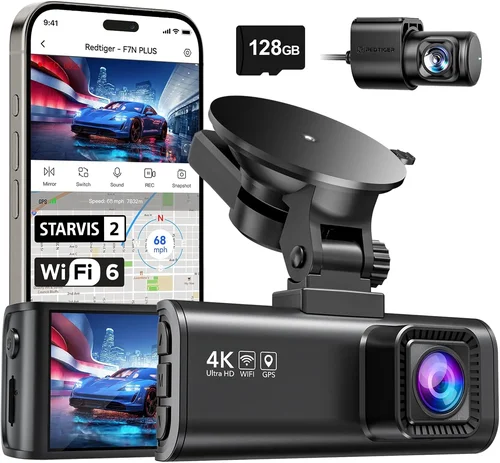
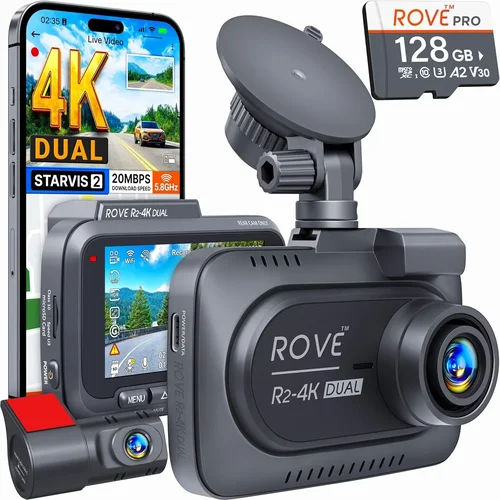
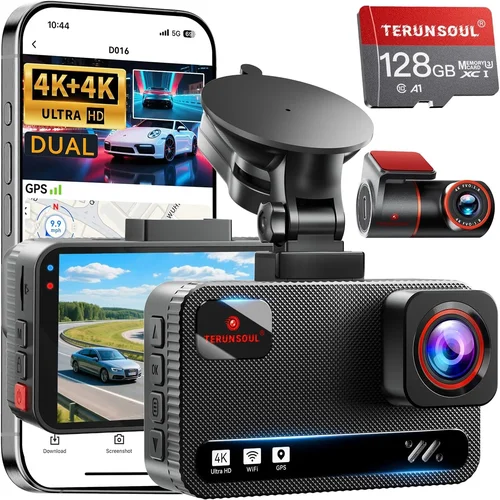
The dash cam market has evolved dramatically in recent years, offering impressive features at surprisingly affordable prices. From basic single-camera setups to advanced dual-channel systems with parking mode and cloud connectivity, there’s something for every driver. Our goal is to help you navigate this landscape effectively and find the perfect balance between cost, performance, and reliability.
What to Look for When Buying Dash Cams
Budget & Price Range
When it comes to dash cams, price often correlates directly with feature set and build quality. Understanding where your money goes and what you get for each dollar spent is crucial. Entry-level models typically start around $50-$75 and offer basic recording capabilities with lower resolution cameras. Mid-range options ($75-$150) usually deliver significantly better image quality, additional features like GPS tracking or motion detection, and improved build materials.
Premium models ($150-$250) pack advanced functionality including higher resolution sensors, superior low-light performance, and enhanced durability. Luxury options ($250+) focus on professional-grade features such as 4K recording, thermal imaging, and cloud connectivity. The key is to identify which features are essential versus those that are nice-to-have, then allocate your budget accordingly. Remember that spending more upfront often means fewer replacements over time due to better reliability and longevity.
Performance Specifications
Camera Resolution and Video Quality
Resolution serves as the foundation of any dash cam’s effectiveness. Most affordable models now offer 1080p Full HD recording, which provides clear detail for license plates and facial recognition. However, some budget options still come with 720p resolution, which may be insufficient for identifying important details during incident documentation. For serious consideration, look for models that guarantee at least 1080p at 30 frames per second (fps).
Higher-end options may offer 2K or even 4K recording, though these typically come with trade-offs in field of view or storage requirements. It’s important to note that extremely high resolutions don’t always translate to better real-world performance, especially when considering storage limitations and battery life constraints. A good rule of thumb is to prioritize consistent, stable footage over raw resolution numbers alone.
Field of View (FOV)
The field of view determines how much of the road ahead your dash cam can capture simultaneously. A wider FOV (typically 120-160 degrees) gives you broader coverage but may introduce distortion at the edges—a phenomenon known as fisheye effect. Conversely, narrower FOVs provide less coverage but maintain better straight-line accuracy.
For most drivers, a 130-150 degree FOV strikes an excellent balance between coverage and minimal distortion. Some dual-camera systems offer both front and rear coverage with different FOVs optimized for their respective positions. When evaluating FOV specifications, pay attention not just to the claimed angle but also to real-world testing results regarding edge distortion and straight-line accuracy.
Frame Rate and Recording Stability
Frame rate affects how smoothly motion appears in your recordings. Standard 30 fps works well for general driving scenarios, while 60 fps provides smoother footage for capturing fast-moving objects or detailed emergency maneuvers. Higher frame rates require more processing power and generate larger file sizes, which impacts both storage capacity and battery life.
Recording stability refers to how consistently your dash cam maintains proper exposure, white balance, and focus across varying lighting conditions. Look for models with automatic exposure adjustment and intelligent noise reduction algorithms that keep footage usable even in challenging environments like tunnels, nighttime driving, or direct sunlight glare.
Low-Light Performance
Nighttime driving presents unique challenges for dash cams due to limited lighting and increased risk factors. Effective low-light performance depends on several interrelated factors: sensor sensitivity (measured in lux ratings), aperture size, and image signal processing capabilities. Models with larger CMOS sensors and wider apertures generally perform better in darkness.
Some manufacturers incorporate specialized night vision technologies like infrared LEDs or enhanced image stacking algorithms to improve visibility during nighttime hours. While no dash cam can perfectly replicate daytime clarity at night, choosing one with demonstrated strong low-light capabilities will significantly increase its usefulness during evening commutes and overnight trips.
Build Quality & Durability
Mounting System Reliability
A secure mounting system is absolutely critical—your dash cam must remain firmly attached regardless of road conditions, temperature changes, or accidental bumps. Cheaper models often use flimsy suction cups or adhesive mounts that fail under heat stress or repeated vibrations. Look for robust magnetic mounts, strong adhesive pads with proper curing times, or clip-based systems designed specifically for automotive applications.
Temperature Resistance
Dash cams face extreme temperature fluctuations from sub-freezing winters to scorching summer heat. Quality components should maintain functionality across -4°F to 140°F (-20°C to 60°C) ranges without compromising performance or causing hardware damage. Pay attention to manufacturer specifications regarding operating temperature ranges and choose models tested under real-world conditions rather than laboratory-only claims.
Weather Protection
While dash cams themselves aren’t typically waterproof, they need protection from rain, snow, and moisture intrusion that could damage internal electronics. Sealed housing designs with rubber gaskets and corrosion-resistant materials help prevent water damage. Additionally, consider how easily your chosen model can be cleaned and maintained without requiring professional servicing.
Storage Requirements and Compatibility
MicroSD Card Support
Almost all modern dash cams rely on removable microSD cards for video storage, typically supporting Class 10 or UHS-I standards for reliable write speeds. Built-in storage is rare in affordable models due to cost constraints. Choose cards with adequate capacity (minimum 32GB recommended) and ensure your dash cam supports the specific card type you plan to use.
Loop Recording Functionality
Loop recording automatically overwrites older footage once your storage reaches capacity, ensuring continuous operation without manual intervention. Quality loop systems overwrite files in chronological order, preserving the most recent evidence while maintaining seamless operation. Some advanced models offer “event locking” that temporarily preserves important clips before overwriting them according to your settings.
Compatibility with Different Card Sizes
Not all dash cams support the same range of microSD card capacities. Some entry-level models cap out at 32GB, while premium units may handle up to 512GB or even 1TB. Consider your typical driving patterns and whether you need extended recording times without frequent card swapping or reformatting.
Features & Functionality
G-Sensor Impact Detection
Built-in G-sensors detect sudden movements like collisions or hard braking, automatically locking relevant footage to prevent accidental overwriting. Sensitivity levels vary between models, allowing customization based on your driving style and local road conditions. More sensitive settings may trigger false positives during normal driving, while overly conservative settings might miss actual incidents.
Parking Mode Surveillance
When parked, many dash cams enter a low-power surveillance mode that monitors for movement or impacts using motion detection or impact sensors. This feature provides valuable protection against hit-and-runs or vandalism when you’re away from your vehicle. However, parking mode consumes additional battery power, so compatibility with your car’s electrical system (hardwired installation) becomes crucial for extended monitoring periods.
GPS Tracking Integration
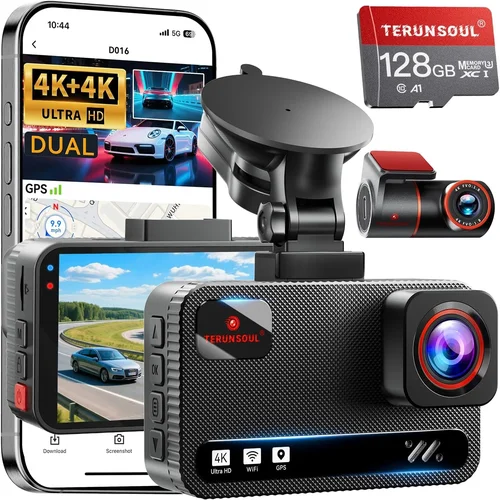
GPS-enabled dash cams overlay location data, speed, and direction onto your video recordings, creating comprehensive incident reports. This information proves invaluable for insurance claims and legal proceedings. Some models sync GPS data with cloud services for automatic backup and remote viewing capabilities.
Wi-Fi Connectivity and Mobile Apps
Wireless connectivity allows convenient transfer of footage to smartphones via dedicated apps, eliminating the need to physically remove microSD cards. Advanced apps may offer live streaming, remote viewing, and configuration adjustments. Ensure your chosen model’s app ecosystem is stable and regularly updated for optimal performance.
Voice Commands and Touch Controls
Hands-free operation enhances safety by reducing distractions while driving. Voice command support varies widely among budget models, with some offering basic playback controls while others integrate with smartphone assistants like Siri or Google Assistant. Touchscreen interfaces provide intuitive navigation but may be harder to operate while wearing gloves or during rough weather.
Brand Reputation
Market Leaders and Established Brands
Certain brands have built strong reputations through consistent product quality, reliable customer service, and transparent warranty policies. Companies like BlackVue, Garmin, Viofo, and Thinkware specialize in dash cam technology and typically invest heavily in research and development. Their products undergo rigorous testing and benefit from established supply chains that ensure component quality.
Emerging Competitors and Value Brands
Newer entrants often compete aggressively on price while offering surprisingly capable features. These companies may lack brand recognition but frequently deliver excellent value through innovative engineering and aggressive pricing strategies. Research user reviews and independent testing results to assess their actual performance versus marketing claims.
Warranty & Support
Standard Warranty Coverage
Most reputable manufacturers offer 1-3 year warranties covering defects in materials and workmanship. Premium brands may extend coverage to include accidental damage or environmental factors. Check whether warranty terms apply globally or only within certain regions, as international buyers should verify shipping costs for repairs or replacements.
Customer Service Responsiveness
Prompt technical support and clear troubleshooting resources significantly impact your overall experience, especially when dealing with installation issues or software problems. Look for manufacturers with dedicated dash cam support teams, comprehensive online documentation, and responsive email/phone channels before making your purchase.
Return Policies and Satisfaction Guarantees
Flexible return windows (typically 30-60 days) give you breathing room to test your dash cam under real driving conditions. Some retailers offer extended trial periods specifically for dash cam purchases, recognizing that proper installation and feature assessment require hands-on experience. Always confirm return eligibility before installing any permanent mounts or modifying your vehicle.
Size & Portability
Compact vs Bulky Designs
Smaller dash cams (under 3 inches wide) blend seamlessly into your dashboard while providing unobstructed views of the road ahead. Oversized models may interfere with airbag deployment zones or obstruct instrument cluster visibility. Consider both physical dimensions and mounting flexibility when assessing fitment within your specific vehicle interior.
Hidden Installation Options
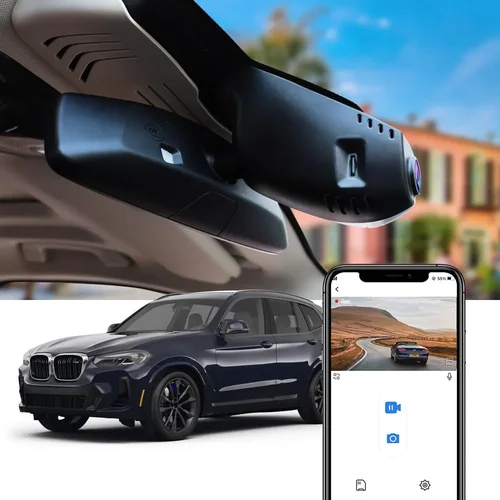
Discreet placement minimizes visual clutter and potential theft risks. Some models feature ultra-thin profiles that sit flush against windshields, while others use clever mounting brackets that conceal wiring behind trim panels. Hidden installations also reduce aerodynamic drag and maintain clean vehicle aesthetics.
Multiple Vehicle Compatibility
If you drive multiple cars or frequently rent vehicles, consider models with universal mounting systems and interchangeable power adapters. Dual-voltage inputs (12V/24V) accommodate both standard passenger vehicles and commercial trucks, expanding your options for versatile usage across different transportation needs.
User Reviews & Ratings
Aggregated Review Platforms
Websites like Amazon, Best Buy, and manufacturer-specific review sections compile thousands of user experiences into actionable insights. Pay attention not just to star ratings but also detailed written reviews that describe real-world performance under various conditions. Look for recurring themes regarding reliability issues, feature satisfaction, and customer service interactions.
Independent Testing Results
Professional review sites and YouTube channels conduct thorough hands-on testing that often reveals nuances missed by casual users. These evaluations typically include objective measurements like video quality benchmarks, temperature stress tests, and long-term reliability assessments. Cross-referencing multiple sources helps build a balanced understanding of each model’s strengths and limitations.
Common Complaints vs Rare Issues
Identify whether reported problems appear sporadically or represent systemic flaws affecting large portions of a product line. Minor inconveniences like occasional Wi-Fi pairing difficulties differ fundamentally from fundamental failures like complete hardware malfunctions or unfixable software bugs. Focus your evaluation on persistent, widespread concerns rather than isolated incidents.
Different Types of Dash Cams
Single Channel vs Dual Channel Systems
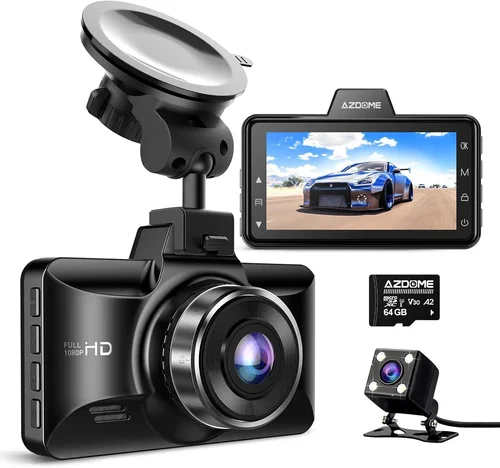
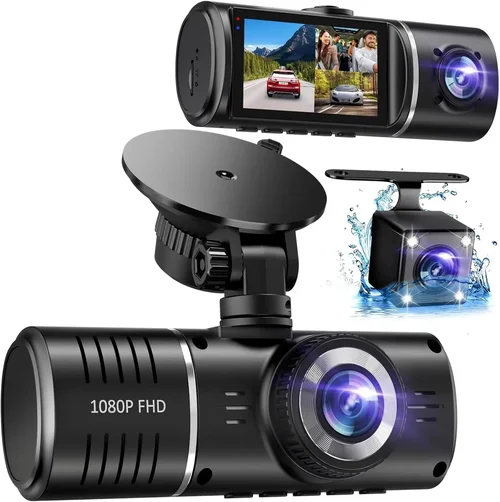
Single-channel dash cams record exclusively from the front windshield, capturing everything directly ahead of your vehicle. These models remain popular among budget-conscious buyers due to their simplicity and lower price points. Dual-channel systems add a secondary camera mounted on the rear windshield, providing comprehensive coverage of both directions. While more expensive, dual-cameras offer unmatched protection during backing incidents or three-car pileups where multiple perspectives matter most.
Front Only vs Rear Camera Add-Ons
Some manufacturers sell rear camera modules separately, allowing you to upgrade existing front-facing units instead of purchasing entirely new systems. This modular approach reduces costs while maintaining feature parity across both cameras. However, ensure compatibility between front and rear components before mixing and matching different model numbers.
Three-Way and Multi-Camera Configurations
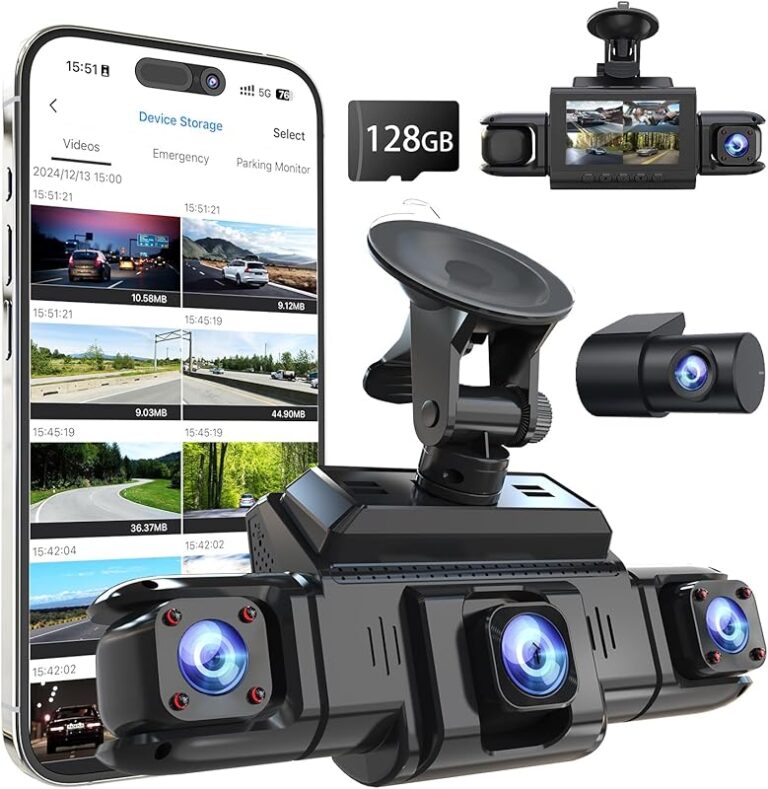
Advanced setups incorporate additional cameras targeting side mirrors or interior cabins, creating panoramic views that document entire traffic situations. These configurations suit fleet operators or security professionals needing extensive coverage but rarely justify the complexity and expense for everyday personal use. Evaluate whether extra angles provide meaningful benefits versus simpler two-camera solutions.
Table: Dash Cam Comparison
Common Buying Mistakes to Avoid
❌ Mistake: Prioritizing Price Over Quality
Why it’s bad: Choosing the absolute cheapest option often leads to disappointment when basic functions fail or footage proves unusable. Budget models may cut corners on critical components like image sensors, capacitors, or mounting hardware, resulting in poor performance when you actually need reliable evidence. A few dollars saved upfront can translate into significant costs later through replacement frequency or inadequate protection during incidents.
What to do instead: Establish a realistic budget range based on your priorities and stick to reputable brands within that bracket. Focus on proven performance metrics rather than flashy extras, and read verified reviews from multiple sources before committing. Remember that your dash cam serves as legal documentation—investing adequately ensures credibility when matters escalate beyond mere inconvenience.
❌ Mistake: Ignoring Installation Requirements
Why it’s bad: Many buyers assume dash cams simply plug into cigarette lighters and stick to windscreens, overlooking the importance of proper mounting alignment, power source stability, and cable management. Incorrect installations cause obstructed views, unreliable power delivery, or interference with other vehicle systems. Poorly secured units may detach during sudden stops, potentially becoming dangerous projectiles.
What to do instead: Research mounting techniques specific to your vehicle model, including optimal placement angles and routing methods for power cables. Consider professional installation services if DIY skills feel uncertain, or invest in quality mounting accessories designed for your make and year. Test your setup thoroughly before relying on it for actual driving scenarios.
❌ Mistake: Overlooking Storage Limitations
Why it’s bad: Assuming unlimited recording time leads to unexpectedly full memory cards during long trips or daily commutes. Without adequate storage planning, important events get overwritten before you can review them, defeating the purpose of having a dash cam in the first place. Some budget models impose artificial limits on microSD card capacity, forcing premature upgrades.
What to do instead: Calculate your average recording duration per trip and select appropriate card sizes accordingly. Enable loop recording with reasonable file retention periods (typically 3-10 minutes per segment). Regularly check remaining storage capacity and establish a maintenance routine for formatting cards or transferring footage to external drives.
❌ Mistake: Neglecting Nighttime Performance
Why it’s bad: Daytime recording capability doesn’t guarantee useful nighttime footage, yet many buyers overlook low-light specifications entirely. Dark roads, tunnel transitions, and poorly lit urban areas present significant challenges for budget cameras with inferior sensors or inadequate infrared supplementation. Unusable nighttime recordings undermine overall system effectiveness.
What to do instead: Examine manufacturer-provided night vision samples or third-party low-light test results before purchasing. Look for models featuring larger aperture lenses, specialized night modes, or demonstrated performance in actual nighttime driving conditions. Balance expectations realistically—no dash cam captures perfect detail in pitch darkness, but strong performers minimize gaps in coverage.
❌ Mistake: Skipping Firmware Updates
Why it’s bad: Manufacturers frequently release firmware updates addressing bugs, improving compatibility, or enhancing feature sets after initial product launch. Ignoring update notifications leaves your dash cam running outdated software with potential vulnerabilities or missing optimizations. Some newer features require updated firmware to function properly.
What to do instead: Subscribe to manufacturer newsletters or enable automatic update notifications if available. Periodically check official websites for new releases, particularly before major travel or changing driving conditions. Follow provided instructions carefully during update procedures to avoid bricking your device or losing settings.
❌ Mistake: Disregarding Legal Considerations
Why it’s bad: Privacy laws vary significantly between jurisdictions regarding audio recording, data retention periods, and sharing permissions. Installing dash cams capable of capturing conversations without consent may violate local regulations, leading to legal consequences or evidence being deemed inadmissible in court. Similarly, improper disposal of recorded data could breach privacy statutes.
What to do instead: Research applicable laws in your area concerning electronic surveillance and data handling. Disable microphone functionality if prohibited, implement secure deletion protocols for old footage, and obtain explicit consent when recording others’ private spaces. Consult legal resources or professionals if uncertain about compliance requirements.
Budget Guidelines: How Much Should You Spend?
Entry-Level ($40 – $75): What to Expect
These affordable options deliver basic dash cam functionality at minimal cost, typically featuring 720p-1080p recording, fixed-lens optics, and simple mounting systems. While suitable for occasional drivers or secondary vehicles, expect compromises in image quality, build materials, and feature sets compared to mid-tier alternatives. Ideal candidates include college students, rental car users, or those needing temporary protection during short trips.
Mid-Range ($75 – $150): The Sweet Spot for Most Buyers
This price bracket offers exceptional value by combining reliable performance with practical features like GPS tracking, improved low-light sensitivity, and robust mounting hardware. Most daily commuters and moderate-frequency drivers will find everything necessary for comprehensive protection without overspending on unnecessary extras. Look for models here that balance cost-effectiveness with durability and ease of use.
Premium ($150 – $250): For Enthusiasts and Professionals
Advanced functionality emerges in this tier, including dual-channel recording, superior image stabilization, enhanced parking mode capabilities, and cloud connectivity options. Professional drivers, ride-share operators, or safety-conscious families benefit from extended warranties, superior build quality, and specialized features like thermal imaging or AI-powered event detection. These models justify their higher price through reduced maintenance needs and increased peace of mind.
Luxury ($250+): Top-Tier Features
Ultra-premium dash cams incorporate cutting-edge technologies like 4K recording, HDR processing, multi-spectral sensors, and integrated navigation systems. While rarely justified for personal use alone, these devices serve fleet managers, security specialists, or extreme hobbyists demanding absolute performance regardless of cost. Consider whether advertised innovations translate to tangible benefits for your specific driving patterns before investing heavily.
Expert Tips for Getting the Best Deal
Timing Your Purchase Strategically
Black Friday and Cyber Monday represent prime opportunities for dash cam discounts, with retailers slashing prices on last year’s models or bundling complementary accessories. End-of-season sales in spring and fall also yield substantial savings as manufacturers clear inventory for new product launches. Avoid peak shopping seasons like Christmas Eve or back-to-school periods when markdowns tend to be minimal.
Comparing Retail Channels Effectively
Online marketplaces like Amazon, Walmart, and Best Buy offer competitive pricing and extensive selection, but physical stores provide immediate availability and hands-on testing capabilities. Local automotive specialty shops may carry exclusive bundles or installation services worth considering if convenience outweighs minor price differences. Always compare total costs including shipping fees, taxes, and potential installation charges across channels.
Spotting Hidden Deals and Promotions
Subscribe to manufacturer email lists to receive early access to promotional codes or subscriber-exclusive discounts. Cashback programs through credit cards or third-party platforms like Rakuten can add 2-10% returns on eligible purchases. Bundle deals combining dash cams with memory cards, mounts, or extended warranties often provide greater overall value than buying components separately.
Understanding Warranty Terms Thoroughly
Read fine print regarding coverage exclusions, geographic restrictions, and claim procedures before purchasing. Some warranties exclude damage from improper installation or unauthorized modifications, while others limit liability for consequential damages. Extended warranty programs may offer accidental damage protection not covered under standard policies, justifying their additional cost for frequent travelers or high-risk drivers.
Evaluating Return Policies Carefully
Thirty-day minimum return windows allow sufficient time to test your dash cam under real driving conditions, but policies vary significantly between sellers. Some retailers impose restocking fees or require original packaging for returns, while others offer hassle-free exchanges. Confirm compatibility with your vehicle beforehand to avoid installation-related dissatisfaction, and document any issues immediately upon discovery.
Testing Before Committing Financially
Whenever possible, visit physical stores to examine product dimensions, button layouts, and display clarity in person. Request demonstration units showing sample footage quality, menu navigation smoothness, and mounting flexibility. If testing isn’t feasible, prioritize models with generous return policies and verified user feedback describing real-world performance matching your expectations.
Final Recommendations
Best for Budget-Conscious Buyers
For those seeking essential protection without overspending, the Viofo A119 Mini delivers impressive 1080p recording at an accessible price point. Its compact design, reliable loop recording, and decent low-light performance make it ideal for daily commuters who occasionally need documentation capabilities. Combined with competitive pricing and positive user reviews, this model represents outstanding value for basic dash cam requirements.
Best Overall Value
The Thinkware U1000 strikes an excellent balance between affordability and feature richness, offering dual-channel recording, superior image quality, and robust build materials typically found in pricier competitors. Its intuitive interface, reliable G-sensor functionality, and strong customer support create a well-rounded package suitable for most drivers wanting comprehensive protection without premium pricing.
Best Premium Option
For tech-savvy users demanding top-tier performance, the BlackVue DR970-2CH stands apart with its cloud-connected architecture, 4K front camera, and industry-leading reliability. While exceeding typical budget ranges, its advanced features, professional-grade construction, and global warranty coverage justify the investment for serious drivers or commercial operators requiring maximum dependability.
Best for Beginners
Newcomers to dash cam technology benefit from the Garmin Dashcam Mini’s straightforward operation, automatic settings optimization, and seamless smartphone integration. Its compact form factor, voice control capabilities, and dependable recording quality eliminate intimidation factors while delivering trustworthy evidence capture for everyday driving scenarios.
Best for Advanced Users
Experienced dash cam enthusiasts will appreciate the Viofo A129 Pro Duo’s sophisticated AI-powered event detection, superior night vision capabilities, and flexible mounting options. Its dual 2K recording, built-in WiFi hotspot, and customizable alert systems cater to drivers who demand granular control over their recording parameters and maximum situational awareness.
Conclusion: Making the Right Choice
Selecting the best cheap dash cam ultimately depends on aligning your specific needs with available features within your established budget framework. Rather than chasing the lowest possible price or most extravagant specifications, focus on identifying which capabilities genuinely enhance your driving safety and peace of mind. Consider your typical usage patterns, vehicle compatibility requirements, and long-term reliability expectations before finalizing your decision.
Remember that even modest investments in quality dash cam technology provide substantial returns through accident prevention, insurance claim support, and general driving confidence. Take advantage of expert guidance presented throughout this guide to navigate technical complexities confidently, and don’t hesitate to revisit your choice periodically as new innovations emerge or your circumstances evolve.
By prioritizing proven performance over flashy extras and allocating resources thoughtfully across essential categories, you’ll maximize protection value while minimizing unnecessary expenditures. Your dash cam serves as both physical evidence recorder and psychological deterrent—making wise selection criteria paramount for achieving optimal outcomes regardless of budget constraints.