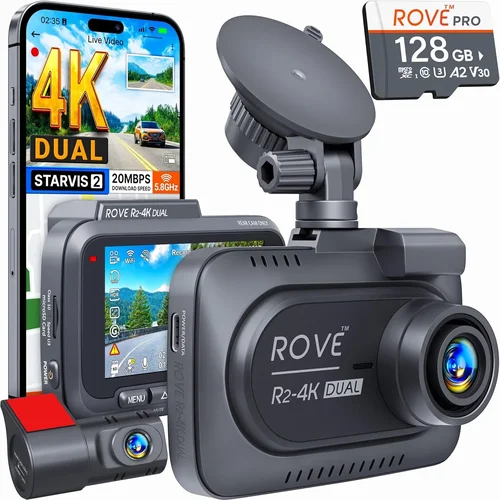
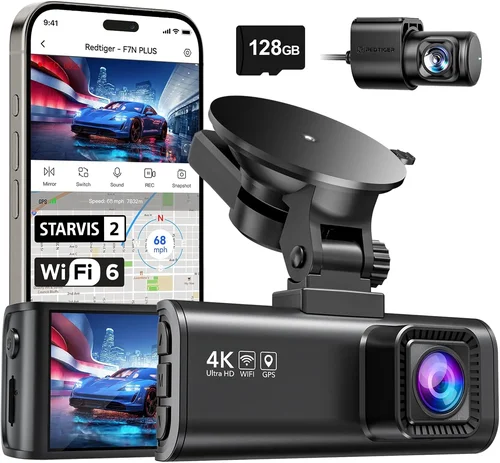
Best Dash Cam for Long Trips Buying Guide
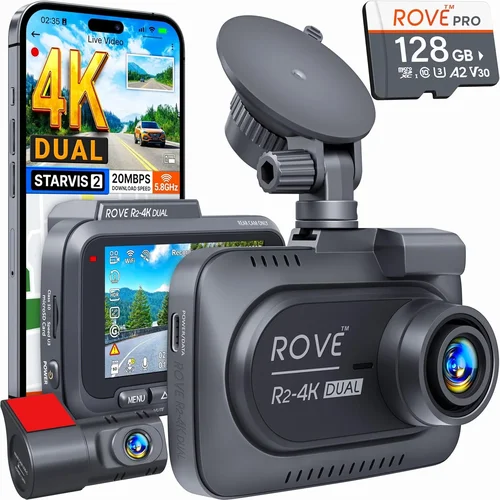
For long road trips, your vehicle isn’t just transportation—it’s a mobile office, entertainment center, and safety net all rolled into one. But even the most careful drivers can find themselves in situations where having video evidence of an incident could make all the difference between insurance hassle and peace of mind. That’s where a high-quality dash cam becomes essential rather than optional.
This comprehensive buying guide will walk you through everything you need to know about selecting the best dash cam for extended journeys. Whether you’re planning cross-country adventures, daily work commutes that double as weekend getaways, or simply want reliable protection for those inevitable highway encounters, understanding your options is crucial. We’ll cover technical specifications, feature comparisons, real-world performance considerations, and expert recommendations that go beyond basic product descriptions.
The market today offers everything from budget-friendly single-lens models to sophisticated dual-camera systems with GPS tracking, night vision capabilities, and cloud connectivity. With so many choices available across different price points and functionality levels, making an informed decision requires understanding what truly matters for long-distance driving scenarios.

What to Look for When Buying Dash Cams
When shopping for a dash cam specifically designed for long trips, several critical factors determine whether you’ll get reliable performance versus disappointment after just a few hours on the road.
1. Budget & Price Range
Your budget should align with your expected usage frequency and desired features. Entry-level models ($50-$80) offer basic recording but may lack durability for extended use. Mid-range options ($80-$150) typically provide better build quality and essential features like loop recording and motion detection. Premium systems ($150-$300+) deliver professional-grade performance with advanced stabilization, superior low-light capture, and robust mounting solutions suitable for months of continuous operation.
2. Performance Specifications
Resolution matters more than megapixels—look for at least 1080p Full HD recording, though 2K or 4K Ultra HD provides significantly clearer detail for license plates and facial recognition during incidents. Frame rate (measured in fps) affects motion smoothness; 30fps is standard while 60fps captures fast-moving objects more accurately. The sensor type (CMOS vs. Sony STARVIS) impacts low-light performance, crucial for dawn/dusk recordings common on extended drives.
3. Build Quality & Durability
Long trips expose dash cams to temperature extremes, vibrations, and potential impacts. Aluminum alloy housings outperform plastic enclosures in heat resistance and impact absorption. Consider operating temperature ranges—professional models handle -4°F to 140°F (-20°C to 60°C). Waterproof ratings (IP67 or higher) protect against rain and splashes during unexpected weather changes.
4. Features & Functionality
Essential long-trip features include:
– Loop Recording: Automatically overwrites oldest footage when storage fills
– Parking Mode: Motion/G-sensor triggered recording while parked (requires hardwiring)
– GPS Tracking: Records location speed data for accident reconstruction
– WDR (Wide Dynamic Range):< /strong> Balances bright headlights with dark interiors
– Emergency Lock: Auto-saves critical events using built-in G-sensors
5. Brand Reputation
Established brands like BlackVue, Thinkware, Garmin, and Nextbase invest heavily in R&D and customer support. Research user forums and professional reviews before purchasing lesser-known manufacturers whose products may lack firmware updates or warranty coverage after initial sales spikes.
6. Warranty & Support
Look for minimum 1-year warranties covering both hardware defects and software issues. Responsive customer service with multiple contact channels indicates commitment to ongoing support—critical when troubleshooting field issues during remote travel locations.
7. Size & Portability
Compact designs (under 3 inches tall) minimize windshield obstruction while maintaining wide-angle lenses (130-170° FOV). Some travelers prefer removable batteries for easy transfer between vehicles or charging during rest stops without needing car outlets.
8. User Reviews & Ratings
Filter reviews by verified purchasers who mention specific use cases similar to yours. Pay attention to recurring complaints about battery life, false triggers in parking mode, or difficulty accessing files post-incident. High Amazon/retailer ratings combined with detailed forum discussions provide stronger validation than marketing claims alone.
Different Types of Dash Cams

Common Buying Mistakes to Avoid
❌ Mistake: Prioritizing Resolution Over Low-Light Performance
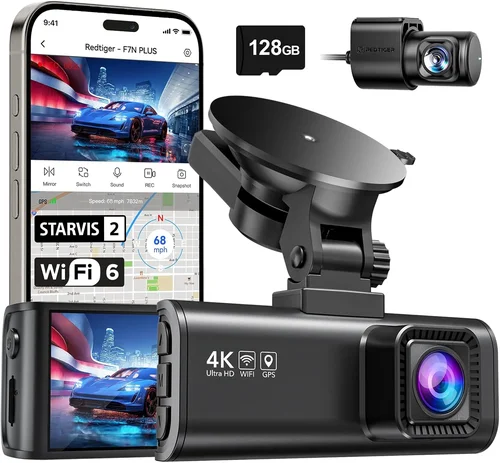
Why it’s bad: A 4K camera with poor low-light sensitivity produces grainy footage during sunrise/sunset drives when most incidents occur. Higher resolution without adequate sensor technology offers diminishing returns for actual evidence quality.
What to do instead: Check sensor specifications and read sample videos showing nighttime performance before comparing megapixel counts. Sony STARVIS sensors consistently outperform generic CMOS chips in dim conditions.
❌ Mistake: Ignoring Parking Mode Limitations
Why it’s bad: Most budget models require constant power via cigarette lighter adapter during parking—creating fire hazards and draining batteries. Without proper hardwiring setup, your valuable parking footage never records.
What to do instead: Verify compatibility with professional installation kits or purchase models offering capacitor-based parking modes that don’t rely solely on internal batteries.
❌ Mistake: Choosing Based Solely on Price
Why it’s bad: Cheapest options often use inferior capacitors prone to failure after months of temperature cycling. You might save $30 upfront but lose all footage due to sudden shutdowns during critical moments.
What to do instead: Allocate 15-20% extra for reputable brands known for component longevity. The marginal cost difference frequently pays for itself through reliability.
❌ Mistake: Overlooking Storage Requirements
Why it’s bad: Assuming microSD cards included with cheap units will suffice leads to rapid capacity overloads. Loop recording deletes old files only after filling available space—meaning recent important clips disappear before you notice.
What to do instead: Calculate required storage: For 1080p at 30fps, expect 1GB per minute. A 16-hour drive needs 96GB minimum. Invest in UHS-I Class 3 cards from trusted manufacturers like SanDisk or Samsung.
❌ Mistake: Neglecting Windshield Obstruction
Why it’s bad: Tall dash cams block driver visibility—especially problematic during emergency maneuvers or navigating tight parking spaces. Poor placement also creates blind spots for detecting rear-end collisions.
What to do instead: Measure your dashboard clearance before purchasing. Opt for slim profiles under 2.5″ height with flexible mounting arms allowing precise positioning away from critical sightlines.
❌ Mistake: Assuming All Brands Use Same Software
Why it’s bad: File formats vary between manufacturers—some use proprietary containers incompatible with free players like VLC. This complicates evidence extraction if legal action becomes necessary later.
What to do instead: Confirm playback compatibility during research phase. Professional brands like BlackVue offer universal viewers while others require expensive paid software subscriptions.
Budget Guidelines: How Much Should You Spend?
Entry-Level ($50 – $80)
These models provide basic front-facing recording with minimal frills. Expect plastic construction, limited dynamic range, and basic motion detection. Suitable for occasional weekend trips if you prioritize cost over longevity. Avoid if you drive frequently or need reliable parking mode functionality.
Mid-Range ($80 – $150)
The sweet spot for most long-distance travelers. Features include metal housings, improved low-light sensors, GPS tracking, and robust loop recording. Many offer dual-camera bundles within this range. Ideal balance between performance and value for regular road warriors.
Premium ($150 – $300)
Professional-grade systems with military-spec components, superior image stabilization, advanced WDR processing, and cloud connectivity. Often include hardwiring kits and premium microSD cards. Best choice if you demand maximum reliability for business travel or extensive personal journeys.
Luxury ($300+)
Top-tier models featuring 4K recording, AI-powered object detection, thermal imaging capabilities, and redundant storage options. Typically target commercial fleets or extreme adventure enthusiasts. Justifiable only if your trips involve high-risk environments or substantial financial exposure.
Expert Tips for Getting the Best Deal
Timing Your Purchase
Black Friday/Cyber Monday offers significant discounts on mid-to-premium models. However, avoid January sales when retailers clear outdated inventory—these often lack latest firmware improvements or warranty terms. Spring travel season (March-May) sees moderate pricing with better stock availability.
Retailer Selection
Amazon carries widest selection but check return policies—many third-party sellers don’t accept returns on opened electronics. B&H Photo offers competitive prices with professional-grade products and knowledgeable staff. Local auto accessory stores provide immediate hands-on testing opportunities unavailable online.
Spotting Hidden Deals
Watch for bundle promotions including extra mounts, cables, or extended warranties. Sign up for brand newsletters—they often send exclusive discount codes not available elsewhere. Refurbished units from authorized dealers sometimes carry full manufacturer warranties at 20-30% savings.
Warranty Verification
Always register your device immediately after purchase. Unregistered units may void warranties if issues arise. Keep original packaging and receipts until warranty period expires. International buyers should confirm warranty coverage in their country before purchasing region-locked models.
Return Policies
Test basic functionality within first week—especially focus accuracy and audio clarity. If experiencing frequent false triggers in parking mode, request return before long trip departure. Some retailers impose restocking fees for opened dash cam boxes—factor this into decision-making.
Pre-Purchase Testing
If possible, visit physical stores to compare lens glare patterns and button responsiveness. Hold models to assess weight distribution and perceived build quality. Ask staff about common failure points reported by other customers.
Future-Proofing
Choose models with firmware update capabilities. Manufacturers occasionally release performance enhancements or bug fixes years after launch. Discontinued products lose support quickly, leaving you vulnerable to emerging compatibility issues.

Frequently Asked Questions
Q: Do I really need GPS tracking for long trips?
A: Yes, especially if you frequently encounter hit-and-run incidents or need to prove lawful speed compliance. GPS logs create immutable timestamps and locations that court systems recognize as credible evidence. Without it, you risk losing critical context during disputes.
Q: Can dash cams record during entire road trip duration?
A: Absolutely—provided proper power supply and sufficient storage. Professional hardwired models operate continuously without battery concerns. Loop recording ensures indefinite operation by automatically deleting oldest footage when memory fills. Plan for 16-32GB cards per day of travel depending on resolution settings.
Q: What’s the difference between capacitor vs lithium-ion parking modes?
A: Capacitors handle brief surge demands better than batteries during temperature extremes. Lithium cells degrade rapidly in hot/cold climates when repeatedly drained. Capacitor-based systems maintain reliability through seasonal changes common during extended travels across diverse regions.
Q: Are there legal restrictions on dash cam usage?
A: Regulations vary by state/province regarding audio recording laws. Most states allow video-only recording without consent since it doesn’t capture private conversations. However, some jurisdictions prohibit pointing cameras toward private property without signage. Research local laws before purchasing dual-lens systems.
Q: How do I prevent false triggers in parking mode?
A: Adjust sensitivity thresholds based on environment—lower settings reduce tree branch vibrations while higher values catch actual impacts. Park in shaded areas when possible to minimize thermal expansion/contraction effects. Consider installing physical covers for extreme climates.
Q: Can dash cams survive extreme weather conditions?
A: Quality models rated IP67 waterproof and operating temperatures from -4°F to 140°F (-20°C to 60°C). Avoid leaving units exposed during desert heatwaves or arctic cold snaps unless manufacturer specifies wider tolerances. Interior cabin temperatures remain manageable with proper ventilation.
Q: What maintenance do dash cams require?
A: Monthly cleaning of lens and housing removes dust/oil buildup affecting image quality. Periodically format microSD cards through camera menus rather than computer formatting which can corrupt partitions. Update firmware when manufacturers release improvements.
Q: How secure are dash cam recordings?
A: Encryption varies by model—some use AES-256 for stored files while others remain unencrypted. For sensitive trips, consider manually transferring files to encrypted external drives after each leg. Avoid cloud storage services if privacy concerns outweigh convenience benefits.
Q: Should I mount cameras inside or outside vehicle?
A: Always interior mounting only. Exterior housings trap moisture causing condensation damage. Interior placement avoids precipitation exposure while maintaining optimal angle for documenting road events. Ensure mounting doesn’t obstruct airbags or emergency equipment access.
Q: Can dash cams help with insurance claims?
A: Yes—clear footage reduces claim investigation time and settlement disputes. Providers increasingly request video evidence to verify accident circumstances quickly. Store original files securely; never edit or compress footage before submitting to insurers.
Our Final Recommendations
Best for Budget-Conscious Buyers
The Viofo A119 V3 delivers exceptional value at under $100 while maintaining solid performance fundamentals. Its compact design minimizes visibility interference and includes reliable loop recording with decent low-light capability. While lacking GPS tracking, its stable firmware and durable aluminum casing make it ideal for cost-aware travelers prioritizing core functionality over premium features.
Best Overall Value
BlackVue DR970X-2CH earns top honors for balancing advanced features with proven reliability. Dual 1080p cameras capture crisp details from both perspectives, while cloud connectivity enables remote playback and real-time alerts. Military-grade components withstand temperature extremes encountered during cross-country adventures. The bundled hardwiring kit eliminates battery anxiety for uninterrupted parking surveillance.
Best Premium Option
Thinkware U1000 sets industry standards for professional-grade performance. 2K recording captures unprecedented detail for license plates and road signs, while superior WDR handles challenging lighting transitions seamlessly. Advanced impact detection algorithms reduce false positives during routine vibrations. Comprehensive warranty and responsive support justify its premium positioning for serious road warriors.
Best for Beginners
The Rexing V1P offers plug-and-play simplicity without sacrificing essential protections. Automatic file management, intuitive menu navigation, and included suction cup mount lower the learning curve for new users. Though lacking GPS, its stable operation and affordable price point make it perfect for first-time dash cam adopters building confidence through gradual feature adoption.
Best for Advanced Users
Garmin Dashcam Mini combines sleek aesthetics with powerful capabilities tailored for tech-savvy travelers. Ultra-wide 140° FOV captures expansive scenes while voice control adds hands-free convenience during stops. Superior image stabilization smooths out highway vibrations, and seamless smartphone integration simplifies file transfers. Its compact form factor appeals to drivers preferring minimalist dash aesthetics.
Conclusion: Making the Right Choice
Selecting the optimal dash cam for long trips requires balancing technical specifications against practical realities of extended travel. Rather than chasing absolute maximum specs, focus on features that address your specific pain points—whether that’s reliable parking surveillance during overnight stays, crystal-clear documentation for disputed incidents, or effortless file management across multiple vehicles.
Remember that true value emerges from consistent performance over thousands of miles, not just impressive launch-day capabilities. Invest in reputable brands with transparent warranties and active user communities who share real-world experiences. Test basic functions immediately upon receipt, and establish maintenance routines early to preserve footage integrity throughout your journey.
Ultimately, the best dash cam isn’t the most expensive or technically complex—it’s the one you’ll actually use consistently because it fits naturally into your travel habits and provides genuine peace of mind when miles accumulate. By prioritizing durability, usability, and evidence quality over flashy extras, you’ll equip yourself with a vigilant co-pilot ready to document whatever adventures lie ahead.