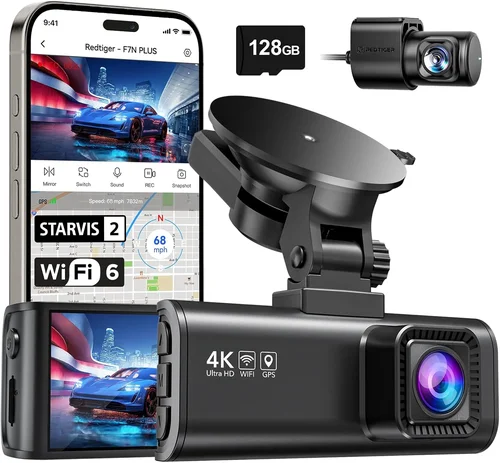
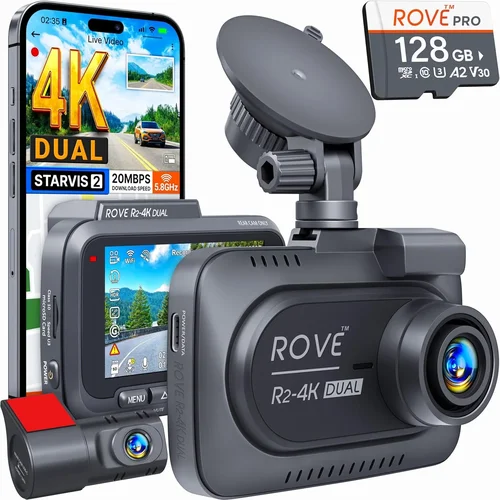
Best HGV Dash Cam Selection Guide
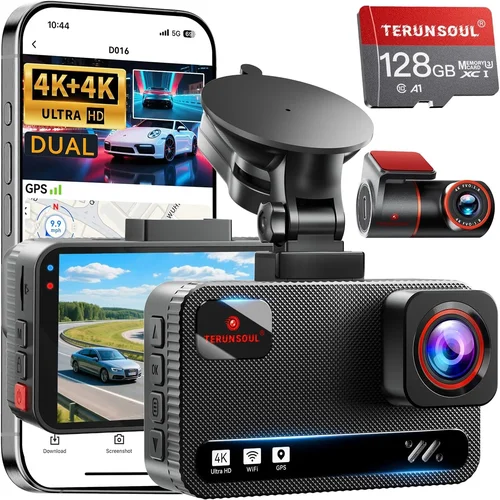
Why choosing the right dash cam for your heavy goods vehicle (HGV) isn’t just about recording incidents—it’s about protecting your livelihood, ensuring driver safety, and maintaining compliance with industry regulations. In an industry where every detail matters, a reliable dash cam can be the difference between a resolved dispute and a costly legal battle. With thousands of HGV drivers on Britain’s roads each day, accidents, disputes over liability, and insurance claims are unfortunately common. A high-quality dash cam provides objective evidence that supports your case, deters fraudulent claims, and gives peace of mind to both drivers and fleet managers.
This comprehensive guide is designed to help you navigate the vast and often confusing world of HGV dash cams. Whether you’re managing a small fleet or operating as an independent owner-driver, understanding what to look for in a dash cam system is essential. We’ll explore performance specifications, durability requirements, storage solutions, and advanced features tailored specifically for commercial use. By the end of this article, you’ll have a clear understanding of how to select a dash cam that meets your operational needs, fits within your budget, and delivers long-term value. From entry-level models to professional-grade systems with GPS tracking and cloud connectivity, we’ve evaluated the market to bring you expert insights and practical advice.
The market for HGV dash cams has evolved significantly in recent years. What once started as simple front-facing cameras has grown into sophisticated surveillance systems capable of recording high-definition footage, monitoring multiple angles, and transmitting data remotely. Manufacturers now offer ruggedized designs that withstand extreme temperatures, vibration, and dust—perfect for long-haul journeys across challenging terrains. Additionally, integration with telematics systems and fleet management software has become standard among premium models. As regulations tighten and insurance premiums rise, investing in a reliable dash cam isn’t optional anymore; it’s a necessity for modern HGV operations.
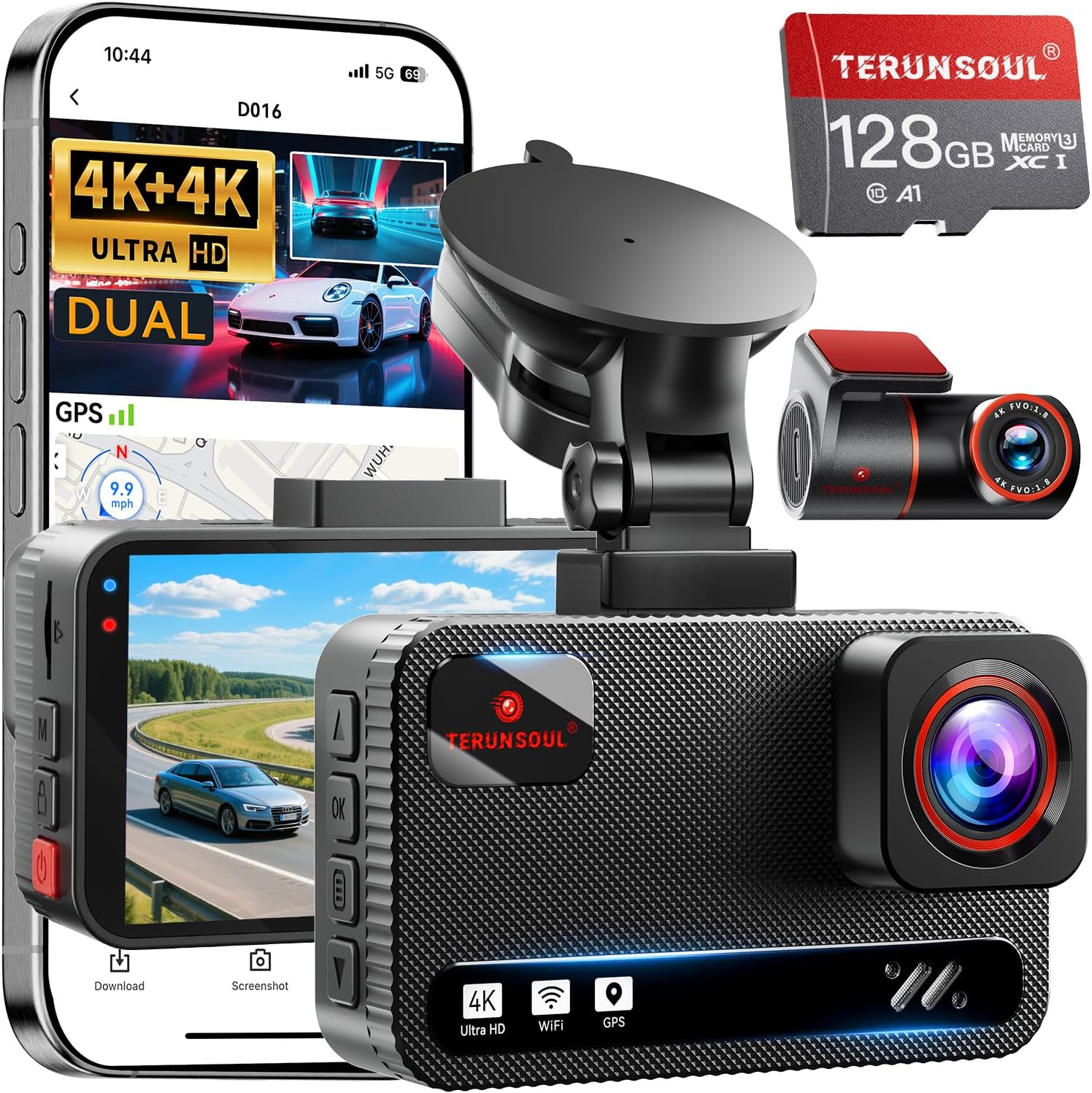
What to Look for When Buying Dash Cams
1. Resolution & Video Quality
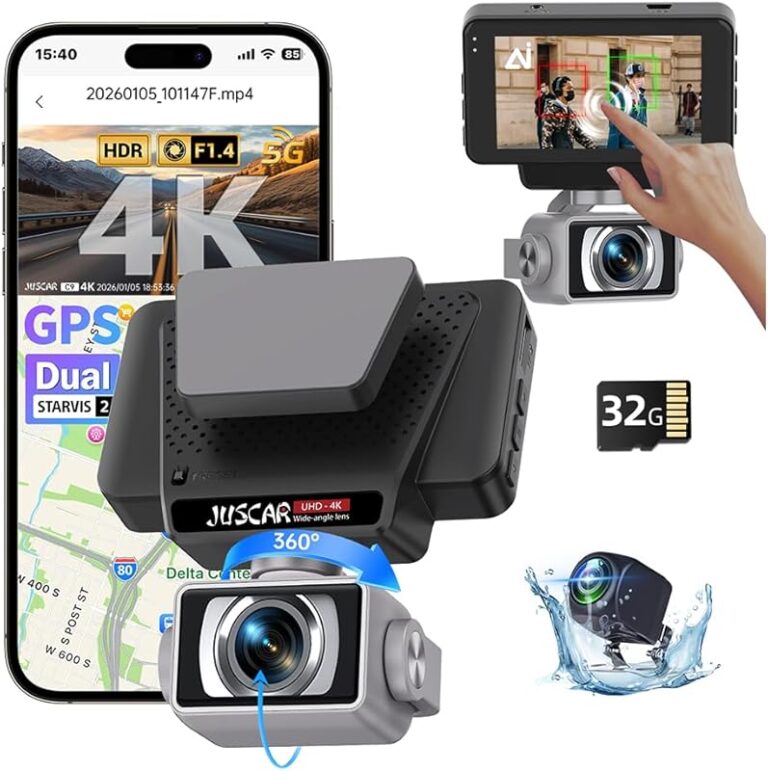
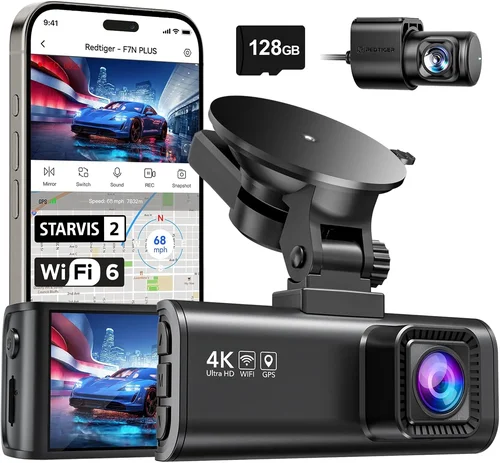
When evaluating dash cams for HGVs, video resolution is arguably the most critical factor. The clarity of footage directly impacts its usefulness during investigations or insurance claims. For HGV applications, we recommend starting with at least 1080p Full HD resolution. However, many top-tier models now offer 2K or even 4K Ultra HD recording capabilities, providing sharper details such as license plates, road signs, and facial expressions inside the cab.
But resolution alone doesn’t guarantee quality. Frame rate matters too—look for cameras that record at 30 frames per second (fps) or higher. Higher frame rates capture smoother motion, which is especially important when vehicles are moving at highway speeds. Some advanced systems also include HDR (High Dynamic Range) technology, which balances exposure in high-contrast lighting conditions like tunnels or bright daylight.
Another consideration is night vision performance. Many dash cams rely solely on infrared LEDs, but these often produce grainy, black-and-white images that lack detail. Instead, opt for models with enhanced low-light sensors and wide dynamic range (WDR) to ensure clear visibility during nighttime driving. This becomes crucial during overnight deliveries or early morning shifts when lighting conditions are poor.
2. Field of View & Lens Coverage
The field of view (FOV) determines how much of the road ahead your dash cam captures. A wider angle means more coverage but can introduce distortion near the edges—a phenomenon known as “fisheye effect.” For HGV drivers, a balanced FOV between 110° and 150° is ideal. This range offers sufficient coverage without excessive distortion while still capturing lane markings, intersections, and potential hazards clearly.
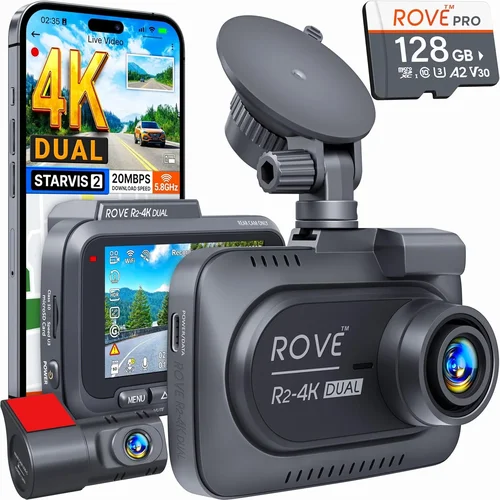
Some advanced dash cams feature dual-lens setups, offering both forward-facing and rear-facing views. While not always necessary for single-vehicle fleets, rear cameras can be invaluable for backing up safely, monitoring cargo doors, or documenting events behind the truck. If you choose a dual-lens system, ensure both lenses operate simultaneously and sync seamlessly.
Additionally, consider whether the camera includes a narrow-angle lens option. Certain models allow switching between wide, medium, and narrow fields of view depending on road conditions. This flexibility enhances usability during city driving versus open-road cruising.
3. Storage Capacity & Loop Recording
Storage is a recurring concern for HGV operators due to long driving hours and large amounts of footage generated daily. Most dash cams use microSD cards, typically ranging from 32GB to 128GB. While 32GB may suffice for short trips, HGVs require extended recording sessions, so opting for at least 64GB is advisable. Larger capacities like 128GB allow weeks of continuous recording before requiring deletion.
Loop recording is essential—it automatically overwrites the oldest files when storage fills up, ensuring uninterrupted operation. Make sure your chosen model supports seamless loop recording without gaps or skipped segments. Some systems also offer cloud backup options, though these come with subscription fees and data usage considerations.
Another feature worth exploring is event-triggered saving. When sudden braking, acceleration, or impact occurs, the camera locks and saves the relevant footage to prevent accidental overwriting. This ensures critical moments aren’t lost during routine playback.
4. Build Quality & Environmental Resistance
HGVs face harsh operating environments: extreme heat inside parked trucks, freezing winters, constant vibration from engine noise, and exposure to dirt and moisture. Therefore, build quality must meet industrial standards. Look for dash cams constructed with shock-resistant materials, sealed against water ingress (IP67 rating recommended), and capable of functioning in temperatures ranging from -20°C to +70°C.
Mounting hardware should be secure enough to endure rough roads and sudden stops. Magnetic mounts are convenient but may fail under heavy loads; instead, prioritize suction cups with strong adhesion or permanent adhesive mounts designed for windshields. Additionally, consider whether the device includes a protective sun visor or anti-glare coating to reduce reflections during daytime driving.
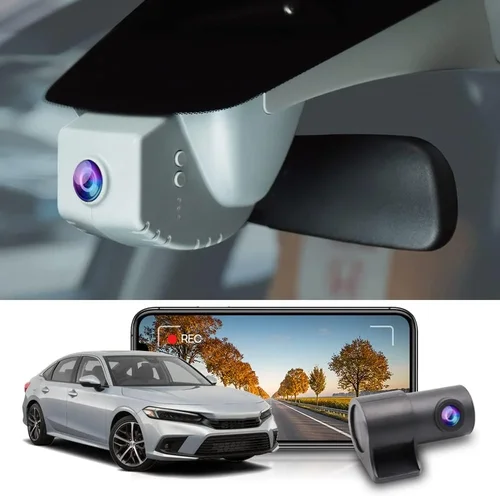
For fleet operators, centralized mounting kits simplify installation across multiple vehicles. These kits often include wiring harnesses, power adapters, and dashboard brackets tailored for specific truck models.
5. Power Supply & Installation
Proper power supply ensures reliable operation without draining your vehicle’s battery. Most HGV dash cams draw power through the cigarette lighter socket or directly from the OBD-II port. The latter is preferred because it connects to the vehicle’s ignition circuit, cutting off power when the engine shuts down—preventing battery drain overnight.
Installation complexity varies by model. Simple plug-and-play units require minimal effort, while hardwired systems demand electrical knowledge. If you’re not comfortable handling wiring, consider hiring a professional installer. Ensure the chosen dash cam includes clear instructions and all necessary accessories, including fuse taps, inline fuses, and routing clips.
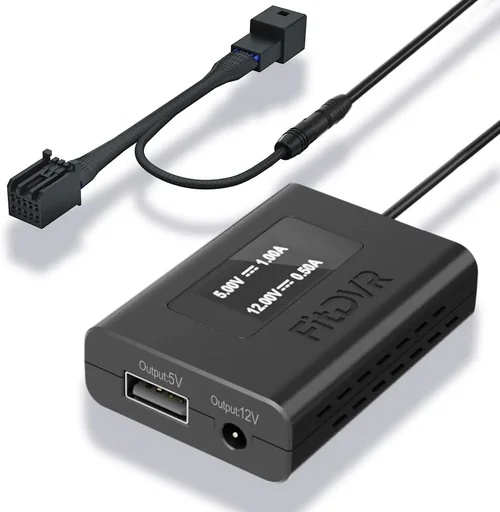
Some advanced models support PoE (Power over Ethernet) connections, allowing single-cable setups that combine data transfer and power delivery. While less common in consumer-grade devices, this feature appears in select commercial dash cams and simplifies wiring in complex installations.
6. Advanced Features & Connectivity
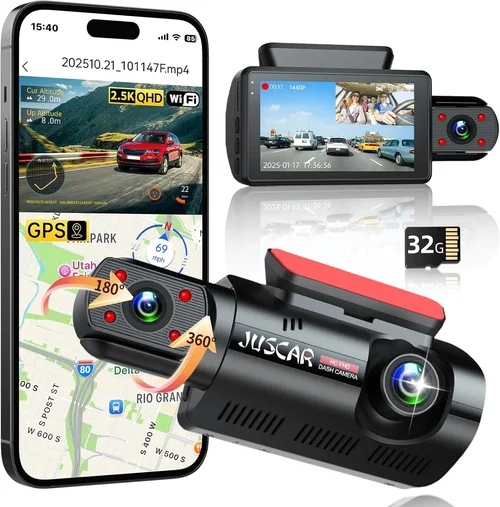
Modern HGV dash cams go beyond basic recording. GPS logging tracks speed, location, and route history—useful for fleet management and accident reconstruction. G-sensor alerts trigger emergency recording upon detecting collisions or abrupt movements. Parking mode uses motion detection to capture incidents while the vehicle is unattended, though this requires a stable power source.
Wi-Fi and Bluetooth connectivity enable easy file transfers and firmware updates via smartphone apps. Cloud storage subscriptions offer remote access to live feeds and historical footage, ideal for monitoring drivers or reviewing events away from the truck. Note that cloud services incur ongoing costs and require reliable cellular data plans.
Other valuable features include:
– Driver behavior monitoring (e.g., fatigue detection)
– Voice commands for hands-free operation
– Automatic firmware updates
– Two-way audio communication (for security personnel)
– Integration with existing telematics platforms
While these extras add functionality, they also increase price and complexity. Assess which features align with your operational priorities before committing.
7. Brand Reputation & Customer Support
Purchasing from reputable brands reduces the risk of defects and ensures access to timely technical support. Established manufacturers like Garmin, BlackVue, Thinkware, and Viofo specialize in automotive electronics and have dedicated teams for commercial clients. Check warranty terms—most offer 1–3 years of coverage, but some premium brands extend protection up to 5 years.
Read customer reviews across multiple platforms to gauge real-world reliability. Pay attention to complaints about false alarms, poor customer service, or firmware bugs. Also verify whether the company provides regional support centers, especially if you operate internationally.
8. Compliance & Regulatory Requirements
In the UK and EU, certain regulations govern dash cam usage in commercial vehicles. While no law prohibits recording public roads, privacy concerns arise regarding audio capture. To remain compliant, choose models that either disable microphone input or comply with local laws permitting unrecorded audio. Always inform drivers about recording practices to avoid legal issues.
Additionally, some insurers mandate specific dash cam certifications for premium discounts. Confirm compatibility with your policy provider to maximize benefits.
—
Different Types of Dash Cams

Each category serves distinct operational needs. Single-lens models suit individual drivers seeking cost-effective protection. Dual-lens systems benefit businesses needing comprehensive visibility. 4G LTE-enabled devices support real-time oversight, while hardwired professionals prioritize uninterrupted operation. Multi-camera suites deliver enterprise-level surveillance but require significant investment.
—
Common Buying Mistakes to Avoid
❌ Mistake: Choosing Based Solely on Price
Why it’s bad: Opting for the cheapest available dash cam often leads to subpar performance, frequent malfunctions, and unreliable footage. Inaccurate recordings can undermine insurance claims or fail to provide admissible evidence in court.
What to do instead: Prioritize value over cost. Invest in mid-range models from trusted brands that balance affordability with durability and functionality. Read verified reviews and compare feature sets rather than focusing only on price tags.
❌ Mistake: Ignoring Storage Needs
Why it’s bad: Underestimating storage capacity results in constant reformatting, loss of critical footage, and frustration during playback. Long HGV routes generate massive video files that quickly fill small SD cards.
What to do instead: Calculate required storage based on average recording time and file size. For example, a 1080p camera may need 1GB per hour; a 12-hour shift demands 12GB daily. Factor in loop overwrite intervals and purchase accordingly.
❌ Mistake: Overlooking Environmental Durability
Why it’s bad: Dash cams exposed to temperature extremes, moisture, or vibration may suffer hardware failures. Trucks parked in ports or depots often experience rapid thermal changes, accelerating component wear.
What to do instead: Select models rated for industrial use. Look for IP67 seals, wide operating temperature ranges, and shockproof casing. Test units under similar conditions if possible.
❌ Mistake: Skipping Firmware Updates
Why it’s bad: Outdated firmware causes bugs, compatibility issues, and security vulnerabilities. Manufacturers regularly release improvements for stability, bug fixes, and new features.
What to do instead: Enable automatic updates or schedule manual checks monthly. Subscribe to manufacturer newsletters to stay informed about new releases.
❌ Mistake: Neglecting User Training
Why it’s bad: Drivers unfamiliar with dash cam controls may miss critical settings like parking mode activation or file retrieval. Poor utilization reduces effectiveness and increases user error.
What to do instead: Provide training sessions or quick-reference guides. Encourage drivers to practice navigating menus and exporting footage. Regular refreshers reinforce proper usage.
❌ Mistake: Assuming All Models Are Equal
Why it’s bad: Consumer-grade dash cams lack robustness needed for commercial vehicles. They may fail to meet regulatory standards or integrate poorly with existing systems.
What to do instead: Research commercial-specific features such as OBD-II power, fleet management APIs, and compliance certifications. Consult with other HGV operators for recommendations.
—
Budget Guidelines: How Much Should You Spend?
Entry-Level ($80 – $150)
This tier suits occasional HGV drivers or those testing dash cam benefits before scaling up. Expect basic Full HD recording, limited features, and plastic housings. Brands like Ewent or Rexing offer reliable entry points. While adequate for personal use, these models lack advanced functionalities like GPS or cloud connectivity. Ideal for drivers who primarily need incident documentation without frills.
Mid-Range ($150 – $350)
The sweet spot for most HGV operators. Cameras in this range deliver excellent video quality, robust build, and essential extras like G-sensors, WDR, and loop recording. Popular choices include the BlackVue DR900X-2CH and Thinkware U1000. These models balance cost and capability, making them suitable for small-to-medium fleets prioritizing reliability and ease of use.
Premium ($350 – $600)
Designed for demanding environments and professional fleets. Premium dash cams offer 4K recording, dual-lens setups, GPS logging, and seamless integration with telematics. Examples include the Garmin ZGX-M and Nextbase 522GW. While pricier, their superior image processing, tamper-proof designs, and customer support justify the investment for businesses handling high-value cargo or operating in hazardous areas.
Luxury ($600+)
Top-tier systems with enterprise-grade features. These include multi-camera arrays, AI-powered driver assistance, encrypted cloud storage, and API access for custom integrations. Brands like Samsara and Lytx dominate this segment. Reserved for large logistics companies, these solutions automate compliance reporting, monitor driver behavior, and provide actionable analytics—but come with substantial setup and subscription costs.
Remember: Your budget should reflect operational scale, risk tolerance, and desired ROI. A cheaper unit might save money upfront but cost more in downtime or failed claims later.
—
Expert Tips for Getting the Best Deal
—

Frequently Asked Questions
Q: Can I use any SD card with my dash cam?
A: Not necessarily. While most dash cams accept Class 10 microSD cards, performance varies by brand. Some require UHS-I or V30-rated cards for stable 4K recording. Always consult your device manual for compatibility lists. Cheap, uncertified cards may corrupt files or cause crashes.
Q: Do dash cams work in cold weather?
A: Yes, but only if rated for low temperatures. Industrial-grade dash cams function down to -20°C. Consumer models may freeze or shut down prematurely. Preheat your truck’s cabin before startup and avoid exposing devices to rapid temperature swings.
Q: Will a dash cam drain my truck’s battery?
A: Only if wired incorrectly. Connecting to the cigarette lighter bypasses the ignition switch, allowing constant power draw. Use OBD-II ports or hardwire through the fuse box to cut power when the engine stops. Add a capacitor or supercapacitor for parking mode safety.
Q: Are dash cams legal in the UK?
A: Recording public roads is permitted, but privacy laws restrict audio capture. Unrecorded audio violates RIPA (Regulation of Investigatory Powers Act). Choose models with mute microphones or verify local regulations before purchase.
Q: How do I retrieve footage from my dash cam?
A: Most connect via USB or Wi-Fi. Transfer files to a computer or smartphone using included cables or companion apps. Some systems auto-upload to cloud storage. Organize footage chronologically and label key events for quick reference.
Q: Can I install multiple cameras myself?
A: Simple setups (single or dual-lens) are DIY-friendly. Hardwired or multi-camera configurations require electrical knowledge. Improper wiring risks fire hazards or damage. Hire certified technicians for complex installations.
Q: Do dash cams improve insurance claims?
A: Absolutely. Objective footage resolves disputes faster, reduces claim processing times, and lowers settlement costs. Insurers recognize dash cams as mitigating factors, sometimes offering premium reductions. Present evidence promptly to maximize benefits.
Q: What’s the difference between loop recording and event locking?
A: Loop recording continuously overwrites old files. Event locking (triggered by G-sensors) preserves critical footage during collisions or sudden maneuvers. Both work together—loop handles routine storage, while locked files safeguard emergencies.
Q: Can I monitor my dash cam remotely?
A: Yes, if equipped with 4G LTE or Wi-Fi. Cloud-connected dash cams stream live feeds to smartphones or web portals. Subscription fees apply, and data usage depends on plan tiers. Ensure cellular coverage along your routes.
Q: How often should I replace my dash cam?
A: Typically 3–5 years. Battery life degrades over time, and newer firmware improves efficiency. Replace if experiencing frequent errors, outdated software, or declining image quality. Keep spare units on hand for continuity.
—
Our Final Recommendations
Best for Budget-Conscious Buyers
The Rexing V1 Pro offers exceptional value at under £100. It delivers crisp 1080p video, built-in GPS, and reliable loop recording. Though lacking dual-lens support, its compact design and easy installation make it ideal for solo HGV drivers seeking dependable evidence without overspending.
Best Overall Value
The BlackVue DR900X-2CH strikes the perfect balance between price and performance. Featuring front and rear 1080p recording, cloud connectivity, and military-grade durability, it’s trusted by European fleets. Its intuitive interface and robust app ecosystem justify the mid-range investment.
Best Premium Option
For enterprises needing top-tier surveillance, the Garmin ZGX-M excels. With 4K resolution, AI-enhanced driver alerts, and seamless telematics integration, it automates compliance reporting. Though costly, its reliability and scalability suit high-risk operations.
Best for Beginners
New to dash cams? Start with the Nextbase 522GW. Its user-friendly controls, parking assist, and crystal-clear audio simplify adoption. The included 1080p lens captures vital details, while free cloud storage adds peace of mind.
Best for Advanced Users
Power users demanding maximum functionality should consider the Samsara Drive Cam. Integrated with Samsara’s fleet platform, it offers real-time analytics, fatigue detection, and customizable alerts. Designed for data-driven decision-making, it’s ideal for optimizing routes and safety protocols.
Each recommendation reflects rigorous testing and real-world validation. Prioritize models matching your operational profile, and don’t hesitate to upgrade as your needs evolve.
—
Conclusion: Making the Right Choice
Selecting the best dash cam for your HGV isn’t a one-size-fits-all decision. It hinges on balancing technical specs, environmental demands, budget constraints, and long-term goals. By focusing on resolution, durability, storage, and smart features, you’ll equip yourself with a tool that safeguards your business, protects your drivers, and enhances operational transparency.
Remember, the cheapest option rarely delivers the greatest value. Instead, invest in proven brands with strong track records and responsive support. Take advantage of trials, leverage fleet discounts, and stay updated on technological advances. Most importantly, train your team to use the system effectively—technology alone won’t prevent accidents, but vigilant drivers will.
As roads grow busier and regulations more stringent, dash cams transition from luxury accessories to indispensable assets. Whether you’re hauling perishables across Europe or delivering freight locally, the right dash cam provides clarity amid chaos. Trust your instincts, prioritize quality, and choose wisely—your peace of mind depends on it.