Best Dash Cam 2026 Selection Guide


Introduction: Why Your Next Dash Cam Matters More Than You Think
In an era where every drive can become a potential legal battle or insurance dispute, having the best dash cam 2026 isn’t just a nice-to-have—it’s a smart investment in your peace of mind and financial protection. Whether you’re a daily commuter navigating rush-hour chaos, a long-distance road warrior covering thousands of miles annually, or someone who simply wants to document their journeys for personal memories, selecting the right dash cam can feel overwhelming given the sheer number of options flooding the market.
This comprehensive guide cuts through the noise by providing expert-level insights into what truly matters when evaluating dash cams in 2026. You’ll learn how to balance cutting-edge features with real-world reliability, understand which specifications actually impact performance, and discover hidden gems that deliver professional-grade recording without breaking the bank. We’ll explore everything from resolution and storage solutions to night vision capabilities and emergency backup systems—all tailored to help you make a confident, informed decision based on your specific driving needs rather than marketing hype.
The modern dash cam landscape has evolved dramatically over the past few years, with manufacturers now offering everything from ultra-wide-angle lenses with AI-powered object detection to cloud-connected devices that automatically upload footage during charging. However, not all these innovations are created equal—some come at significant cost increases without proportional benefits, while others represent genuine advancements in safety and usability. By the end of this article, you’ll have a clear roadmap for navigating today’s best dash cam 2026 models, complete with practical comparisons, budget considerations, and expert recommendations designed to match your lifestyle and vehicle type.
Whether you’re replacing an older model that keeps failing during critical moments or upgrading from a basic camera to something with advanced parking surveillance and collision alerts, understanding the nuances of current technology will ensure you choose equipment that truly serves its purpose. Let’s dive deep into what makes a great dash cam in 2026 and how to identify it among hundreds of competing models vying for your attention.
What to Look for When Buying Dash Cams
1. Resolution & Video Quality
The foundation of any quality dash cam lies in its ability to capture clear, detailed footage under varying lighting conditions. In 2026, most reputable models offer at least 1080p Full HD resolution, but true enthusiasts should prioritize 4K Ultra HD cameras capable of capturing license plates, facial expressions, and road signs with exceptional clarity. Higher resolutions like 2K (2560×1440) also provide a compelling middle ground between visual fidelity and file size management.
When evaluating video quality, consider several key factors: frame rate (measured in fps), dynamic range handling, and low-light performance. A camera with 60fps capability ensures smoother motion capture during fast-moving scenarios like highway exits or sudden braking events. Look for models featuring HDR (High Dynamic Range) technology that balances bright headlights against dark tunnel interiors or nighttime urban scenes without washing out details.
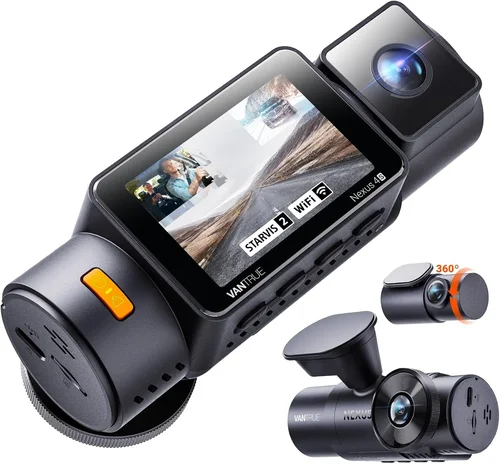
Additionally, pay attention to lens quality—wide-aperture lenses (f/1.8 or lower) allow more light in during dusk or cloudy days while maintaining sharp focus throughout your field of view. Some premium units now incorporate dual-lens systems that record both front and interior cabin views simultaneously, giving you complete situational awareness whether dealing with traffic incidents or passenger behavior.
2. Field of View (FOV)
A broad field of view helps ensure you don’t miss critical events happening outside your immediate lane—especially important in high-traffic areas or when merging onto highways. Most consumer-grade dash cams feature FOVs ranging from 120° to 170°, though excessively wide angles may introduce distortion near the edges of your screen.
For optimal coverage without compromising central image quality, aim for cameras with approximately 140° horizontal FOV—this strikes an ideal balance between capturing surrounding traffic while keeping subjects recognizable. Advanced models now use fisheye correction algorithms that minimize barrel distortion so pedestrians, vehicles, and signage appear natural rather than stretched unnaturally toward the corners.
Some manufacturers also offer adjustable FOV settings that let users customize coverage based on mounting position or driving habits. For example, city drivers might prefer slightly narrower angles to reduce blind spots around intersections, whereas rural motorists could benefit from wider perspectives when monitoring remote roadways with minimal passing traffic.
3. Storage Capacity & Loop Recording
Dash cams rely heavily on continuous loop recording—a system that automatically overwrites older footage once storage fills up—to maintain uninterrupted operation without manual intervention. The choice between built-in memory versus microSD card expansion significantly impacts flexibility and longevity.
Most mid-range models include support for high-capacity cards (up to 256GB), allowing extended recording sessions without constant reformatting. Always opt for Class 10 UHS-I/UHS-II cards with reliable write speeds to prevent dropped frames during high-motion sequences. Avoid using counterfeit or low-quality memory cards, as they often cause data corruption and loss of crucial evidence.
Consider additional storage strategies like cloud backup integration (available on select Wi-Fi-enabled units) or external GPS loggers that timestamp and geotag clips separately from the main camera feed. These approaches safeguard important files even if physical media fails due to heat exposure, moisture damage, or accidental ejection during bumpy drives.
4. Night Vision Capabilities
Driving at night presents unique challenges for dash cam operators: reduced ambient light, glare from street lamps, and limited visibility of distant objects. Modern cameras combat these issues through specialized technologies including infrared LEDs, starlight sensors, and enhanced CMOS image processors.
Look for units rated for “night vision” or “low-light enhancement,” which typically feature larger pixel sizes (1.4μm+) and improved signal-to-noise ratios compared to standard CCD sensors. Some models incorporate adaptive brightness controls that dim overly harsh headlights while preserving detail in shadowed areas—an essential feature for identifying hit-and-run suspects or reading dashboard warning lights after collisions.
Dual-channel cameras with separate rear-facing lenses also improve nighttime awareness by capturing both forward progress and reverse maneuvers with equal clarity. This is particularly valuable for backing into tight spaces or navigating poorly lit parking garages where traditional mirrors offer limited peripheral insight.
5. Parking Mode & Motion Detection
Parking mode represents one of the most underrated yet vital features for dash cam owners—it enables continuous monitoring even when your engine isn’t running. Activated via hardwire kits or battery backups, this function records brief clips triggered by vibrations, motion, or impact sensors whenever suspicious activity occurs near your parked vehicle.
Advanced systems now integrate AI-powered object classification that distinguishes between harmless events (e.g., birds flying overhead) and potentially threatening situations (e.g., smash-and-grab attempts or tire slashing). Smart notifications sent directly to your smartphone alert you immediately upon detecting anomalies, reducing false alarms while ensuring prompt response to real threats.
When selecting a parking mode-capable unit, verify compatibility with your car’s electrical system and confirm adequate power draw won’t drain your battery overnight. Many premium models include supercapacitors instead of lithium-ion batteries for longer lifespan and better temperature tolerance across extreme climates.
6. Build Quality & Weather Resistance
A dash cam faces constant environmental stressors: direct sunlight heating internal components, rainwater dripping along windshield seams, and vibrations from rough pavement. Robust construction materials like aluminum alloy housings and scratch-resistant Gorilla Glass protect sensitive electronics while maintaining optical clarity over time.
IP rating certifications (typically IP65 or higher) guarantee dustproof and waterproof performance against splashes, sprays, and heavy downpours. Reinforced cable routing prevents snagging on steering columns or seat adjustments, while magnetic mounts allow quick repositioning without leaving residue behind.
Tempered glass lenses resist cracking under pressure and repel oil smudges better than plastic alternatives—critical for maintaining visibility during humid mornings or winter dew buildup. Anti-reflective coatings further enhance contrast by minimizing sun glare interference during peak travel hours.
7. User Interface & Mobile App Integration
Intuitive menus and responsive touchscreens simplify setup and playback navigation, especially when accessing archived footage after unexpected incidents. Voice command support and customizable button layouts accommodate left-handed drivers or those wearing gloves in cold weather.
Mobile app connectivity transforms passive recording into proactive safety tools. Features like live streaming, GPS tracking overlays, and emergency SOS buttons empower users to share real-time location data with authorities during roadside emergencies. Cloud synchronization ensures critical videos remain accessible even if local storage becomes compromised.
Check for seamless pairing with popular smartphone operating systems (iOS/Android) and verify regular firmware updates address security vulnerabilities and add new functionalities. Poorly optimized apps often suffer from laggy performance or frequent disconnections, undermining confidence in emergency response scenarios.
Different Types of Dash Cams

Common Buying Mistakes to Avoid

❌ Mistake: Prioritizing Brand Name Over Actual Performance
Why it’s bad: Well-known brands sometimes cut corners on core specs to maintain profit margins, resulting in cameras with mediocre sensors, unstable firmware, or unreliable customer service. Just because a device carries a famous logo doesn’t guarantee superior video quality or durability.
What to do instead: Research independent lab tests, user reviews focusing on real-world usage, and technical forums discussing hands-on experiences. Compare objective metrics like low-light sensitivity, G-force impact resistance, and boot-up speed before making assumptions based solely on marketing claims.
❌ Mistake: Ignoring Compatibility With Existing Equipment
Why it’s bad: Mounting hardware, power adapters, and software ecosystems must align seamlessly with your vehicle type and smartphone OS. Incompatible accessories lead to installation headaches, voided warranties, and frustration during emergency retrieval attempts.
What to do instead: Verify mounting bracket dimensions, cigarette lighter socket availability, and mobile app requirements early in your selection process. Check manufacturer websites for verified compatibility lists or consult automotive forums for model-specific advice.
❌ Mistake: Underestimating Storage Needs
Why it’s bad: Assuming 32GB will suffice for a week of driving leads to premature loop overwrite cycles that delete potentially vital evidence. High-resolution recordings consume gigabytes hourly, especially when capturing multiple camera angles or extended parking mode activations.
What to do instead: Calculate approximate daily storage consumption using manufacturer-provided estimates or third-party benchmarks. Plan for future expansion by choosing devices supporting up to 512GB cards or cloud-tiered storage subscriptions.
❌ Mistake: Skipping Firmware Updates
Why it’s bad: Manufacturers frequently release patches addressing bugs, security flaws, or performance enhancements post-launch. Neglecting updates leaves your dash cam vulnerable to exploitation or missing critical improvements in night vision algorithms or crash detection accuracy.
What to do instead: Enable automatic update notifications within the companion app and establish a routine check schedule monthly. Subscribe to product newsletters for advance notice of major firmware releases tied to seasonal driving patterns.
❌ Mistake: Overlooking Legal Requirements
Why it’s bad: Some jurisdictions mandate minimum recording standards for commercial vehicles or prohibit certain types of audio/video capture due to privacy laws. Using non-compliant equipment risks fines, invalidated insurance claims, or criminal charges depending on local regulations.
What to do instead: Consult government transportation departments or legal counsel regarding regional dash cam legislation before purchasing. Opt for models explicitly certified for regulatory compliance or featuring removable microphones/loudspeakers as needed.
Budget Guidelines: How Much Should You Spend?
Entry-Level ($50 – $120): The Foundation of Reliability
This tier delivers dependable 1080p recording with essential features like loop recording, motion detection, and compact form factors ideal for casual drivers. While lacking advanced capabilities such as GPS tagging or Wi-Fi connectivity, these models excel at capturing straightforward scenarios without excessive complexity. Brands like Viofo, Papago, and Rexing offer consistent quality within this price band, though be prepared to compromise on build materials and warranty terms.
Expect basic menus, fixed-focus lenses, and reliance on microSD cards for storage. Parking mode functionality may require additional hardware purchases (hardwire kits), and night vision performance remains functional but not exceptional. Still, they represent excellent value for first-time buyers seeking proven reliability without overspending.
Mid-Range ($120 – $300): Sweet Spot for Most Buyers
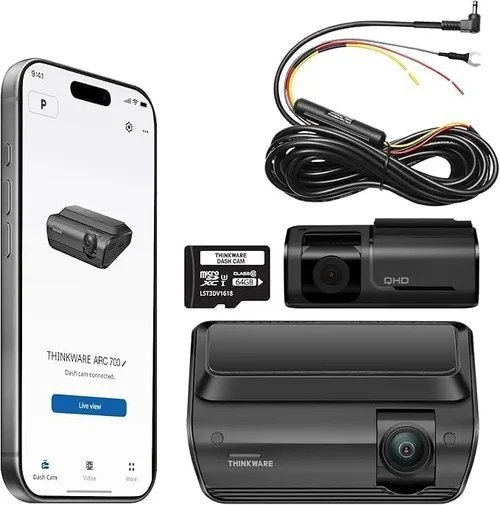
The sweet spot combines affordability with meaningful upgrades in image processing, sensor quality, and smart features. Here you’ll find 4K-capable units with HDR support, dual-lens configurations for cabin monitoring, and integrated GPS loggers that enrich forensic analysis. Popular choices include BlackVue DR970X-2CH, Garmin DriveLuxe 51, and Thinkware U1000 series—all delivering professional-grade results suitable for rideshare operators and families prioritizing safety.
These devices often include robust warranties (2-3 years), intuitive mobile apps, and reliable cloud backup options. Parking assist modes become more sophisticated with impact sensitivity calibration, while voice control and customizable alerts enhance usability during complex driving tasks. Investing here pays dividends through extended component lifespans and reduced maintenance frequency.
Premium ($300 – $600): For Enthusiasts and Professionals
Top-tier models target serious users requiring military-grade durability, AI-powered analytics, and multi-camera synchronization. Expect features like 4K/60fps recording, starlight-level night vision, thermal imaging for parking surveillance, and encrypted data transmission protocols. Examples include next-gen versions of the BlackVue Bullet or VIOFO A119 V3+, which integrate with fleet management platforms and offer subscription-based cloud storage tiers.
Build quality reaches aerospace alloy standards with IP68 waterproof ratings, while firmware includes machine learning modules trained to detect distracted driving behaviors or pedestrian crossings. Though expensive upfront, these systems justify costs through minimized liability exposure and enhanced resale value for commercial fleets.
Luxury ($600+): Top-Tier Features for Discerning Drivers
Luxury dash cams transcend utility to become status symbols blending artisanal craftsmanship with bleeding-edge technology. Brands like Lytro or newly launched premium lines feature interchangeable lens systems, 8K resolution prototypes, and blockchain-secured footage verification. Integrated HUD displays project speed and navigation cues onto windshields, while biometric sensors monitor driver fatigue levels.
Such devices appeal to collectors, automotive journalists, and high-net-worth individuals seeking unparalleled performance. However, most consumers find mid-range options sufficiently capable unless operating in extreme environments (deserts, arctic tundra) or requiring courtroom-admissible evidence formats.
Expert Tips for Getting the Best Deal
Timing your purchase strategically maximizes savings while securing cutting-edge technology. Major shopping holidays like Black Friday, Cyber Monday, and Amazon Prime Day consistently feature steep discounts on last year’s dash cam models, allowing access to current-generation specs at previous-year pricing. Sign up for retailer newsletters to receive exclusive promo codes valid for limited periods.
Online marketplaces frequently bundle complementary accessories—like suction cups, cables, or SD cards—at no extra charge when buying select bundles. Cross-reference deals across Amazon, Best Buy, B&H Photo, and manufacturer direct sites to identify the lowest landed costs. Refurbished units from authorized sellers often carry full warranties and undergo rigorous quality testing, offering factory-new performance at 30-40% off MSRP.
Retailers specializing in automotive electronics (Crutchfield, AutoAnything) provide personalized consultation services that help match products to specific vehicle models and driving profiles. Their staff undergoes product training enabling them to explain technical nuances clearly, unlike general appliance stores with limited dash cam expertise. In-store demos let you test interface responsiveness and menu navigation before committing funds.
Warranty terms vary widely—some brands offer lifetime replacements for defective units, while others restrict coverage to 90 days post-purchase. Read fine print carefully regarding exclusions for water damage, unauthorized modifications, or normal wear and tear. Extended protection plans rarely justify their cost unless you operate commercial vehicles exposed to harsh conditions regularly.
Return policies differ significantly between online and brick-and-mortar outlets. Online retailers typically impose restocking fees (15-25%) for opened boxes, whereas physical stores accept returns within 30-60 days regardless of packaging status. Test cameras thoroughly during return windows by filming sample routes and verifying clip retrieval functionality.
Before finalizing purchases, research third-party review aggregators like Wirecutter, PCMag, or Consumer Reports for unbiased performance rankings. These sources conduct laboratory-style evaluations measuring actual bitrates, color accuracy, and impact resistance—metrics not always reflected in promotional materials. Community forums (Reddit r/dashcam, dedicated Facebook groups) offer candid user experiences unavailable elsewhere.

Frequently Asked Questions
Q: Do I need a dash cam if my car already has a built-in camera?
A: Built-in systems serve administrative purposes like theft deterrence or infotainment logging but lack evidentiary value during accidents. External dash cams provide higher resolution, wider fields of view, and legally admissible footage protected by privacy laws governing OEM data retention policies.
Q: Can dash cams record while parked without draining my battery?
A: Yes, provided you install a hardwire kit compatible with your vehicle’s electrical system. These kits route power directly to the fuse box, drawing only minimal current when parked. Some models include intelligent shutdown features that cease recording after prolonged inactivity to conserve energy.
Q: What happens if my dash cam runs out of storage during a long trip?
A: Loop recording automatically overwrites oldest files once capacity fills, ensuring continuous operation. However, recent critical clips (last 1-2 minutes) are often buffered separately to prevent accidental deletion. Format cards monthly to optimize write speeds and avoid fragmentation-related dropouts.
Q: Are dash cam recordings admissible in court?
A: Generally yes, provided they meet chain-of-custody requirements and aren’t tampered with. Courts accept dash cam footage as supplementary evidence when corroborated by police reports or witness statements. Never edit or alter original recordings—only copy them for presentation purposes.
Q: Should I get a single or dual-lens dash cam?
A: Dual-lens systems offer superior situational awareness by capturing both road ahead and cabin interior. Ideal for rideshare drivers monitoring passenger behavior or parents observing child safety. Single-lens units suffice for personal vehicles unless you require rear-view documentation.
Q: How do I choose the right microSD card?
A: Select UHS-I Class 10 cards with capacities matching your recording duration needs. For 4K footage, opt for 64GB+ cards with V30 speed ratings to handle large file sizes smoothly. Avoid counterfeit brands by purchasing only from verified sellers.
Q: What’s the difference between parking mode and motion detection?
A: Parking mode activates continuously when connected to a power source, while motion detection triggers brief clips only when sensing movement. Advanced systems combine both with impact sensors for comprehensive perimeter surveillance.
Q: Can I mount multiple dash cams in one vehicle?
A: Technically possible, but impractical due to storage demands and legal restrictions in some regions prohibiting multi-source audio capture. Focus on primary coverage unless operating commercial fleets requiring redundant recording points.
Q: How often should I clean my dash cam lens?
A: Monthly cleaning suffices for most drivers using microfiber cloths and approved glass cleaners. Avoid abrasive materials that scratch coatings. Wipe gently to prevent smudging during rainy seasons or dusty commutes.
Q: Will dash cam installation void my car warranty?
A: Unlikely if done professionally with adhesive mounts and non-invasive wiring. Always disconnect battery terminals before starting work and follow manufacturer guidelines precisely. Keep receipts for potential disputes.
Our Final Recommendations
Best for Budget-Conscious Buyers
The Viofo A119S delivers outstanding 1440p recording at an affordable price point, featuring reliable loop recording, decent night vision, and straightforward mobile app integration. Its compact design fits discreetly behind rearview mirrors while maintaining wide-angle coverage. Ideal for daily commuters seeking proven performance without premium markup.
Best Overall Value
The BlackVue DR970X-2CH sets industry benchmarks with dual-lens 4K recording, cloud connectivity, and robust build quality. Advanced features like parking guard mode, GPS logging, and encrypted FTP transfers justify its higher cost through unmatched reliability. Perfect for tech-savvy drivers wanting future-proof investment.
Best Premium Option
The Thinkware U1000 excels in image stabilization, HDR processing, and driver assistance alerts. Its sleek form factor integrates seamlessly with luxury vehicles while offering granular control over recording parameters. Superior low-light capture makes it indispensable for nocturnal travelers.
Best for Beginners
The Garmin Dash Cam Mini simplifies setup with automatic updates, voice commands, and compact dimensions. While lacking advanced features, its intuitive interface and trusted brand reputation ease newcomers into dash cam culture without overwhelming complexity.
Best for Advanced Users
The Lytro Dash Cam Pro pioneers 8K resolution and interchangeable lens systems for ultimate customization. Though expensive, its experimental capabilities attract professionals needing forensic-grade footage or cinematographers documenting scenic routes.
Conclusion: Making the Right Choice
Selecting the best dash cam 2026 requires balancing personal priorities against technological realities—no single model satisfies every driver equally. Begin by assessing your primary use case: Is this for legal protection during insurance claims, rideshare earnings documentation, or family vacation memories? Align budget expectations with functional necessities rather than chasing incremental spec bumps irrelevant to your routine.
Prioritize core competencies like video clarity, storage scalability, and environmental resilience over flashy extras that inflate costs without tangible benefits. Remember that proper installation and maintenance dramatically extend operational lifespans regardless of initial quality tier. Regularly review firmware updates and community feedback to adapt to evolving threats and emerging features.
Ultimately, the most effective dash cam empowers confidence behind the wheel through transparent accountability. Whether defending against fraudulent claims, preserving precious moments, or enhancing fleet safety, invest wisely knowing your choice reflects thoughtful consideration of both immediate needs and long-term value. Start researching today, test-drive interfaces virtually through retailer demos, and trust your instincts when comparing models side-by-side—your peace of mind deserves nothing less than expert guidance grounded in real-world experience.