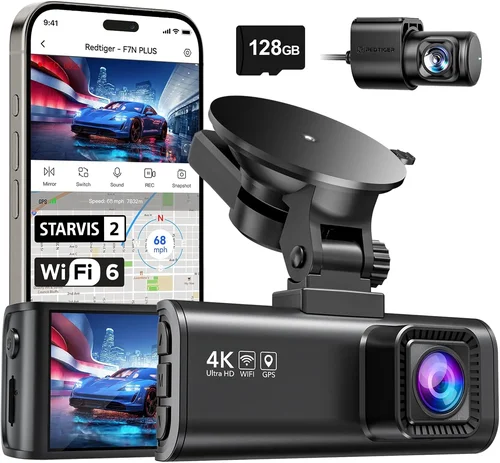
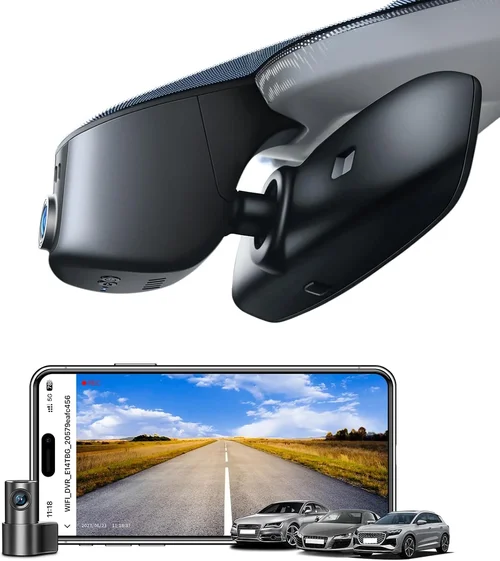
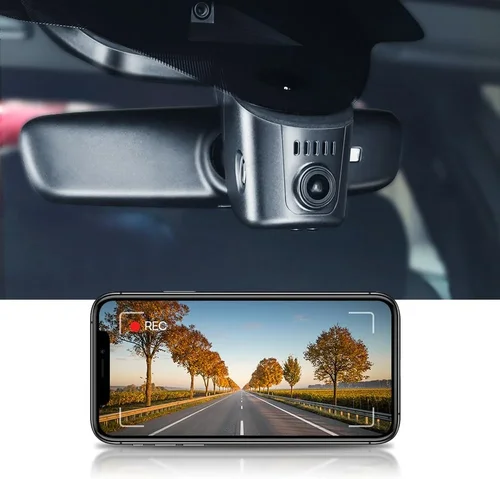
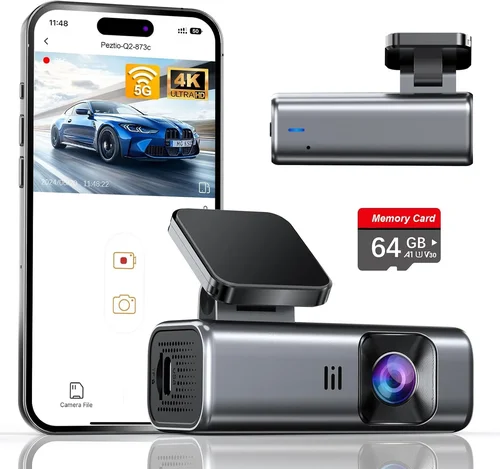
Ultimate Dash Cam 2026 Buying Guide
Why this guide matters
The dash cam market has evolved dramatically in recent years, transforming from a simple rear-view camera accessory into a sophisticated safety and security system for modern vehicles. As we look ahead to 2026, the technology continues to advance at an unprecedented pace, offering features that were once the realm of science fiction. Whether you’re concerned about insurance claims, want to monitor your driving habits, or simply desire peace of mind knowing your vehicle is protected, choosing the right dash cam has never been more important.
This comprehensive buying guide will walk you through everything you need to know about selecting the best dash cam for your specific needs. You’ll learn how to evaluate different specifications, understand which features matter most, and discover how to avoid common pitfalls that could cost you both money and valuable footage. We’ll explore the latest technological advancements including AI-powered detection, cloud connectivity, and enhanced night vision capabilities.
What readers will learn
By the end of this guide, you’ll have a complete understanding of what makes dash cams effective and how to make an informed decision based on your budget, vehicle type, and personal requirements. You’ll discover how resolution, field of view, storage options, and additional features like GPS and parking mode can dramatically impact your experience. We’ll also cover installation considerations, maintenance tips, and how to maximize the value of your investment.
Brief overview of the market
The dash cam industry is experiencing rapid innovation with manufacturers competing to deliver better image quality, smarter features, and more reliable performance. In 2026, we’re seeing significant improvements in processing power, battery life, and connectivity options. Many models now feature dual cameras for front and rear coverage, built-in Wi-Fi for easy file transfer, and advanced driver assistance systems (ADAS) integration. The market has become increasingly segmented, with options ranging from basic single-camera units to professional-grade multi-camera systems capable of recording in extreme conditions.

What to Look for When Buying Dash Cams
1. Resolution & Video Quality
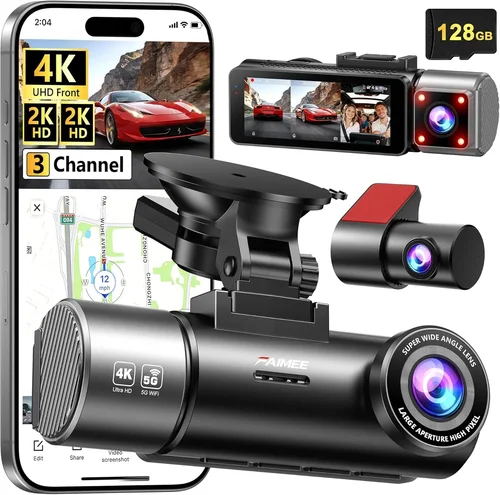
Video resolution remains one of the most critical factors when evaluating dash cams. The standard has evolved significantly, with most premium models now offering 4K recording capabilities. For optimal clarity, look for cameras that support at least 1080p resolution at 30 frames per second, though higher frame rates like 60fps provide smoother motion capture during fast-moving scenarios.
The quality difference between 1080p and 4K is substantial, especially when reviewing footage or using it as evidence in legal situations. Higher resolution means you can zoom in on license plates or faces without losing detail. However, keep in mind that 4K recording typically requires more storage space and may reduce overall recording time due to larger file sizes.
When testing video quality, pay attention to low-light performance, color accuracy, and dynamic range. A good dash cam should maintain clear visibility even in challenging lighting conditions such as tunnels, nighttime driving, or bright sunlight glare. Some advanced models now feature HDR (High Dynamic Range) technology to balance exposure across different areas of the frame.
2. Field of View (FOV)
The field of view determines how much of the road and surrounding environment your dash cam can capture. Most dash cams offer between 100-170 degrees of horizontal coverage. A wider angle provides better peripheral awareness but may introduce some distortion near the edges of the frame.
For city driving and typical highway speeds, a 130-150 degree FOV strikes the right balance between coverage and image clarity. If you frequently drive in tight spaces or parallel park often, consider a camera with a slightly narrower FOV for crisper details. Some advanced models now feature adjustable FOV settings that allow you to switch between wide-angle and standard views depending on your needs.
Consider your primary use case when selecting FOV: commuters might prefer broader coverage to capture lane changes and intersections, while long-distance drivers might prioritize center-focused clarity for highway scenarios.
3. Storage Options & Capacity
Storage is crucial for dash cam functionality, as you need sufficient space to store hours of continuous recording. Most dash cams use microSD cards, typically ranging from 32GB to 256GB capacity. The choice depends heavily on your recording preferences and usage patterns.
Basic models often come with 32GB cards, which provide about 2-3 hours of 1080p recording. For extended coverage, 64GB cards offer 4-6 hours, while 128GB cards give you 8-12 hours of footage. Professional users or those who need comprehensive coverage might opt for 256GB cards providing up to 24 hours of recording.
Look for dash cams with loop recording functionality, which automatically overwrites the oldest footage when storage fills up. This ensures you always have recent recordings available without manual intervention. Some advanced models support cloud storage or direct USB connections for easier file management.
4. Night Vision Capabilities
Nighttime driving presents unique challenges for dash cams, requiring specialized sensors and processing algorithms to deliver usable footage. Modern dash cams employ several techniques to enhance low-light performance including larger image sensors, improved ISO sensitivity, and intelligent noise reduction.
Look for cameras with f/1.8 or lower aperture values, as smaller f-numbers allow more light to reach the sensor. Advanced night vision features include infrared LEDs (though these are more common in security cameras), smart exposure adjustment, and dedicated low-light optimization modes.
Real-world testing shows that dash cams with excellent night vision can maintain readable license plate information even in poorly lit urban environments. This capability proves invaluable for identifying vehicles involved in hit-and-runs or for documenting nighttime incidents.
5. Parking Mode & Motion Detection
Parking mode transforms your dash cam into a 24/7 security system by recording activity around your parked vehicle. This feature uses either G-sensor triggers (detecting sudden impacts) or time-lapse recording (continuous low-frame-rate monitoring).
Advanced parking modes now include battery protection features that automatically stop recording when your car’s battery drains below a safe threshold. Some models offer cellular connectivity so you can receive alerts when motion is detected near your parked car.
When evaluating parking mode, consider the trade-off between battery drain and security coverage. More frequent recording increases protection but may discharge your vehicle’s battery if the car isn’t running. Many dash cams solve this by connecting to your OBD-II port or hardwiring directly to your car’s electrical system.
6. Build Quality & Weather Resistance
Dash cams face harsh environmental conditions including extreme temperatures, moisture, and constant vibration. Premium models feature ruggedized housings designed to withstand these challenges while maintaining optical clarity.
Look for cameras with IP rating certifications indicating dust and water resistance. While most consumer dash cams don’t require formal ratings, build quality manifests in materials used, sealing against moisture, and durability testing results.
Vibration resistance is particularly important since dash cams mount directly to your windshield. High-quality mounts use flexible materials and secure attachment methods that prevent the camera from shifting during rough roads or emergency braking.
7. Additional Features & Smart Technology
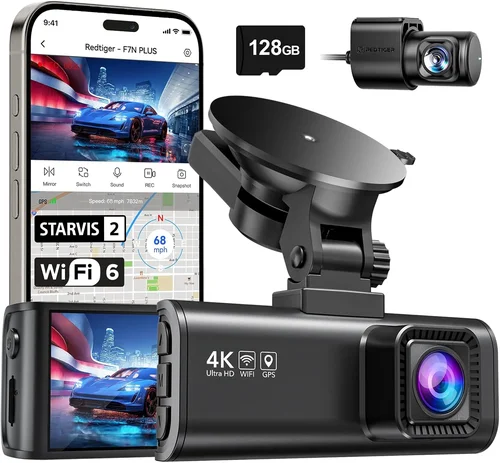
Modern dash cams come packed with convenience and safety-enhancing features beyond basic recording. These include GPS tracking for speed and location logging, Wi-Fi connectivity for wireless file transfer, voice commands, and integration with smartphone apps.
Some advanced models now feature AI-powered incident detection that automatically saves footage when sudden braking, swerving, or impact is detected. Driver behavior monitoring systems track things like forward collision warning and lane departure alerts.
Cloud connectivity allows remote viewing of live footage and automatic backup to secure servers. This proves especially valuable for fleet operators or those who want peace of mind knowing their recordings are safely stored off-site.
8. Ease of Use & Interface Design
A well-designed interface makes a significant difference in daily usability. Look for dash cams with intuitive menus, responsive touch controls, and clear status indicators. Some models feature voice guidance or mobile app integration for hands-free operation.
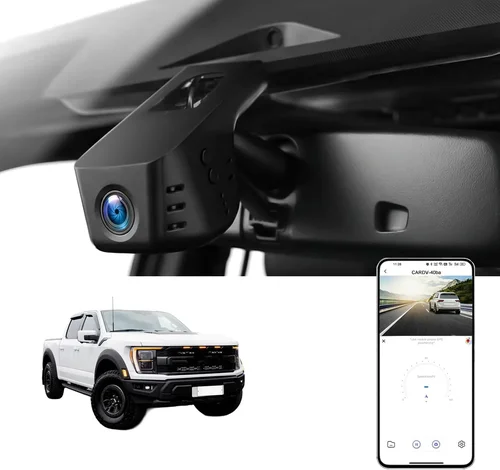
Installation simplicity varies considerably between models. Basic dash cams mount easily on your windshield, while advanced systems may require professional installation for wiring and configuration. Consider whether you want plug-and-play convenience or are willing to handle more complex setup procedures.
Menu navigation should be logical and quick to access essential functions like switching between recording modes, adjusting settings, or manually saving important clips. Brightness and contrast settings should adapt well to different lighting conditions inside your vehicle.
9. Brand Reputation & Customer Support
Choosing a reputable brand ensures access to reliable customer service, regular firmware updates, and consistent product quality. Established manufacturers typically invest more in research and development, resulting in more innovative features and better long-term reliability.
Research user reviews across multiple platforms to gauge real-world satisfaction. Pay attention to response times for technical support inquiries and the availability of replacement parts. Brands with strong warranties (typically 1-3 years) demonstrate confidence in their products’ durability.
Professional-grade dash cams from trusted manufacturers often come with dedicated support lines and online resources including installation guides, troubleshooting documentation, and community forums where users share tips and solutions.
10. Warranty & Return Policy
A comprehensive warranty protects your investment against manufacturing defects and premature failures. Most reputable brands offer at least a one-year limited warranty covering both hardware and software issues. Premium models may include extended warranty options or accidental damage protection.
When purchasing online, check the return policy duration and restocking fees. Some retailers offer generous return windows allowing you to test the dash cam in your actual vehicle before committing long-term. Physical stores may provide immediate hands-on testing opportunities that aren’t available through online channels.
Consider the total cost of ownership including potential replacement costs if your unit fails prematurely. While cheaper models might seem attractive initially, their shorter lifespan could result in higher costs over time compared to investing in a more durable option.
11. Size & Portability Considerations
The physical dimensions of your dash cam affect both visibility and discretion. Compact designs minimize obstruction of your forward view while still providing adequate recording angles. Ultra-thin profiles help maintain a clean dashboard appearance.
Portable dash cams designed for rental cars or secondary vehicles offer flexibility without permanent installation. These typically feature rechargeable batteries and magnetic mounts that attach securely to various surfaces. They’re ideal for travelers or those who frequently switch between vehicles.
Size also impacts heat dissipation and battery performance. Larger cameras with active cooling fans may run cooler during extended recording sessions but consume more power. Smaller units generate less heat but might struggle with thermal management in hot climates.
12. Audio Recording Capabilities
Built-in microphones enable audio recording that captures conversations inside your vehicle or sounds from outside incidents. This adds another layer of evidence for insurance claims or legal proceedings. However, privacy concerns have led some jurisdictions to restrict or prohibit audio recording.
Quality varies significantly between models, with some mics picking up distant sounds while others focus primarily on cabin conversations. Noise cancellation technology helps filter out wind and engine noise for clearer audio capture. Some dash cams allow you to disable audio recording entirely for privacy compliance.
When audio recording is enabled, ensure your dash cam complies with local laws regarding electronic surveillance. Many regions require consent from all parties being recorded, so check regulations before relying on audio evidence.
13. Compatibility With Your Vehicle
While most dash cams work with any vehicle, certain installations require specific considerations. Vehicles with panoramic sunroofs or complex dashboard layouts might limit mounting options. Some luxury cars have curved glass that affects adhesive strength or camera alignment.
If you plan to install a dual-camera system, verify that your chosen model supports rear camera compatibility and that the wiring won’t interfere with other vehicle systems. Professional installation services can help navigate these complexities while ensuring proper electrical connections and secure mounting.
Consider your vehicle’s age and electrical system when selecting wiring options. Older cars might require additional adapters for OBD-II connections, while newer vehicles with advanced electronics benefit from factory-integrated solutions.
14. Price-to-Performance Ratio
Balancing features against budget requires careful consideration of your priorities. Entry-level dash cams offer basic functionality at affordable prices, while mid-range models provide significant improvements in image quality and additional features. Premium options deliver professional-grade performance but come at higher price points.
Achieving the best value involves matching features to your actual usage patterns. If you drive infrequently or primarily in well-lit conditions, you might not need the highest-end specifications. Conversely, daily commuters or commercial drivers benefit from advanced safety features and robust construction.
Remember that the cheapest option isn’t always the most economical long-term solution. Reliable dash cams tend to last several years with proper care, making their initial cost spread across multiple years of protection and peace of mind.
Different Types of Dash Cams

Common Buying Mistakes to Avoid

❌ Mistake: Prioritizing Price Over Quality
Why it’s bad: Choosing the cheapest available option often leads to disappointment. Low-cost dash cams frequently suffer from poor image quality, unreliable performance, and short lifespans that negate any initial savings. These units may fail within months or produce unusable footage in real-world conditions.
What to do instead: Focus on value rather than absolute lowest price. Invest in reputable brands with proven track records and positive user feedback. Remember that a reliable dash cam serves as your first line of defense in accident situations, making quality investment worthwhile.
❌ Mistake: Ignoring Storage Requirements
Why it’s bad: Insufficient storage capacity forces frequent file deletion or incomplete recording cycles. Without adequate space, you risk missing critical moments during accidents or incidents. Additionally, inadequate storage selection leads to purchasing expensive replacement cards later.
What to do instead: Calculate your expected recording needs based on driving frequency and duration. Factor in loop recording behavior and compression ratios when estimating required capacity. Choose slightly more storage than initially needed for flexibility.
❌ Mistake: Overlooking Installation Challenges
Why it’s bad: Complex installations can lead to improper mounting, electrical issues, or voided warranties. Attempting DIY setups without proper knowledge risks damaging vehicle electronics or creating safety hazards through obstructed visibility.
What to do instead: Research installation difficulty for your specific model before purchasing. Consider professional installation services for complex wiring requirements or if you’re uncomfortable with electrical connections. Verify that mounting locations won’t interfere with airbags or other safety systems.
❌ Mistake: Neglecting Weather and Environmental Factors
Why it’s bad: Dash cams operate in harsh conditions including extreme temperatures, moisture, and constant vibration. Ignoring these factors results in premature failure, lens fogging, or degraded image quality that compromises evidence integrity.
What to do instead: Check manufacturer specifications for operating temperature ranges and environmental ratings. Choose models with appropriate seals and protective coatings for your climate. Consider anti-fog treatments for lens protection in humid conditions.
❌ Mistake: Assuming All Features Are Essential
Why it’s bad: Loading up on unnecessary features inflates costs without corresponding benefits. Extra capabilities like advanced GPS tracking or elaborate smartphone integration might not match your actual usage patterns or technical comfort level.
What to do instead: Create a priority list of must-have versus nice-to-have features based on your driving habits and budget constraints. Start with fundamental requirements like resolution and field of view before adding secondary features.
❌ Mistake: Failing to Update Firmware
Why it’s bad: Outdated firmware can cause compatibility issues, security vulnerabilities, or missed bug fixes that affect performance. Manufacturers regularly release updates that improve stability, add new features, and enhance existing functionality.
What to do instead: Regularly check manufacturer websites for firmware updates and follow recommended installation procedures. Enable automatic update notifications if available to ensure your dash cam stays current with the latest improvements.
❌ Mistake: Not Considering Long-Term Costs
Why it’s bad: Initial purchase price represents only part of the total ownership expense. Replacement microSD cards, potential professional installation fees, and extended warranty costs add up over time, sometimes exceeding the original device cost.
What to do instead: Calculate total cost of ownership including accessories, installation, and ongoing expenses. Compare lifetime costs between different models to make truly informed purchasing decisions that account for long-term value.
Budget Guidelines: How Much Should You Spend?
Entry-Level Dash Cams ($50 – $100)
This price range offers basic functionality suitable for occasional use or budget-conscious buyers. Units in this category typically provide 1080p recording, 120-degree field of view, and essential features like loop recording and G-sensor incident detection. While image quality may not match premium models, these dash cams serve adequately for general protection purposes.
Pros include affordability, ease of installation, and minimal learning curve. However, limitations include reduced low-light performance, fewer advanced features, and potentially shorter lifespan compared to more expensive options. Entry-level models work well for infrequent drivers, secondary vehicles, or those testing dash cam technology before committing to higher-end purchases.
Recommended use cases include city commuting with moderate traffic, short-distance trips, or as backup protection for already well-equipped vehicles. These dash cams represent the minimum viable investment for basic accident documentation and peace of mind.
Mid-Range Dash Cams ($100 – $300)
The sweet spot for most buyers, mid-range dash cams deliver significant improvements in image quality, feature set, and build reliability. This category includes dual-camera systems, 2K resolution, advanced parking modes, and better low-light performance. Many models in this range also offer smartphone connectivity and cloud storage capabilities.
These dash cams provide excellent value by combining professional-grade features with reasonable pricing. Users typically experience crisp, detailed footage suitable for insurance claims and legal evidence. Enhanced processing power enables smoother video playback and more accurate incident detection algorithms.
Ideal for daily commuters, regular drivers, and those seeking comprehensive protection without breaking the bank. Mid-range models strike the perfect balance between cost and capability, making them the preferred choice for the majority of consumers entering the dash cam market.
Premium Dash Cams ($300 – $600)
Premium dash cams represent top-tier performance with cutting-edge technology and professional-grade features. This category includes 4K recording, superior low-light capabilities, advanced driver assistance systems, and robust build quality designed for demanding conditions. Many premium models offer customizable settings and sophisticated analytics.
Features like HDR imaging, enhanced night vision, and intelligent incident detection provide unmatched protection and evidence quality. Premium units often include extended warranties, superior customer support, and regular firmware updates that keep pace with technological advances.
Perfect for enthusiasts, professionals, or anyone prioritizing maximum protection and evidence quality. Premium dash cams justify their higher price through exceptional reliability, advanced capabilities, and peace of mind knowing you have the best available technology protecting your vehicle.
Luxury & Professional-Grade ($600+)
At the high end of the market, luxury dash cams and professional systems offer enterprise-level functionality for commercial fleets, security operations, or extreme performance requirements. These systems often include multiple cameras, centralized management software, and integration with vehicle telematics systems.
Professional-grade dash cams feature military-spec components, redundant recording systems, and specialized mounting solutions designed for harsh environments. Cloud-based management platforms enable real-time monitoring, automated backup, and comprehensive reporting capabilities.
Designed for organizations with extensive vehicle fleets or specialized security needs, luxury dash cams represent the ultimate in protection and evidence collection technology. While expensive, these systems provide unparalleled reliability and functionality for mission-critical applications.
Expert Tips for Getting the Best Deal
Timing your purchase strategically can yield significant savings on dash cam investments. Major shopping events like Black Friday, Cyber Monday, and holiday sales often feature substantial discounts from established retailers. Electronics manufacturers also occasionally run promotional campaigns during industry trade shows or product launch periods.
Consider buying slightly earlier or later in the year when retailers clear inventory. Spring and fall typically see more aggressive pricing as companies prepare for seasonal demand shifts. Sign up for email newsletters from reputable retailers to receive exclusive deals and early access to sales events.
Where you purchase your dash cam significantly impacts both price and support quality. Online retailers often offer competitive pricing and convenient home delivery, while physical stores provide immediate testing opportunities and hands-on assistance. Evaluate each channel based on your specific needs and comfort level.
Major online platforms like Amazon, Best Buy, and Walmart frequently bundle dash cams with accessories like extra memory cards or installation kits, increasing overall value. Local auto parts stores may offer installation services that add convenience but increase total cost. Compare bundled packages against individual item pricing to identify true savings.
Manufacturer websites sometimes provide direct-to-consumer discounts unavailable through third-party retailers. These deals often include extended warranties or special financing options that enhance the overall value proposition. Direct purchases also guarantee authentic products with full manufacturer support.
Spotting genuine deals requires understanding normal pricing patterns and avoiding obvious scams. Be skeptical of extremely low prices that seem too good to be true—they often indicate counterfeit products or refurbished units sold as new. Stick to reputable sellers with verified customer reviews and transparent return policies.
Warranty length and terms significantly affect long-term value. Extended warranties should cover both hardware defects and accidental damage for maximum protection. Read the fine print carefully to understand what’s included and excluded from coverage. Some manufacturers offer subscription-based protection plans that provide annual renewals with updated terms.
Return policies vary widely between retailers, impacting your ability to test products before committing. Generous return windows (typically 30-90 days) allow thorough evaluation in your actual vehicle. Physical stores may offer shorter return periods but provide immediate exchange options if problems arise.
Testing dash cams before purchasing ensures compatibility with your vehicle and meets your expectations. Request demonstration units from retailers or borrow friends’ equipment for trial periods. Pay attention to mounting stability, menu responsiveness, and overall build quality during hands-on evaluation.
Bundle deals that include installation services, extra accessories, or extended warranties often provide better value than individual item purchases. Calculate the true cost per component to determine if bundled pricing justifies the convenience. Sometimes paying slightly more upfront for comprehensive packages eliminates future hassle and expense.
Seasonal demand fluctuations affect pricing throughout the year. Winter months see increased interest in dash cams for snowy conditions and reduced daylight, while summer brings higher demand for vacation travel protection. Planning purchases around these patterns can yield better deals when supply meets lower demand.

Frequently Asked Questions
Q: What resolution should I choose for my dash cam?
A: For optimal balance of quality and storage efficiency, 2K resolution (2560×1440) represents the sweet spot for most drivers. This provides excellent detail for license plates and road signs while maintaining reasonable file sizes. If you prioritize absolute maximum detail, 4K recording delivers superior clarity but requires more storage and processing power.
Q: How much storage do I actually need?
A: For typical daily driving, a 64GB microSD card provides 4-6 hours of 1080p recording, which covers most commutes and errands. If you drive frequently or need comprehensive coverage, upgrade to 128GB for 8-12 hours. Professionals or those needing extended event documentation should consider 256GB cards.
Q: Do dash cams drain my car battery?
A: Modern dash cams consume very little power when recording, but parking mode can contribute to battery drain if not properly configured. Most models include intelligent battery protection that stops recording when voltage drops too low. Hardwiring to your car’s electrical system eliminates battery concerns entirely.
Q: Can dash cams record audio?
A: Yes, most dash cams include built-in microphones for audio recording, but legality varies by jurisdiction. Some regions require consent from all parties being recorded. Always check local laws before enabling audio features, and consider disabling audio recording for privacy compliance.
Q: How do I choose the right field of view?
A: For general driving, 130-150 degrees provides excellent coverage without excessive distortion. Wider angles (160+) capture more peripheral detail but may introduce barrel distortion near edges. Narrower views (120-130) offer crisper center detail ideal for highway driving or parking scenarios.
Q: What’s the difference between hardwired and battery-powered dash cams?
A: Hardwired dash cams connect directly to your car’s electrical system for unlimited recording but require professional installation. Battery-powered units offer plug-and-play convenience but need recharging and may drain your car battery during parking mode. Most users prefer hardwired solutions for continuous protection.
Q: How long do dash cam batteries last?
A: Built-in rechargeable batteries typically last 1-3 hours of continuous recording. Actual life depends on model, settings, and environmental conditions. For extended use, hardwire your dash cam to your car’s electrical system to eliminate battery concerns entirely.
Q: Can I use dash cam footage as evidence?
A: Dash cam footage generally qualifies as admissible evidence in legal proceedings when properly documented. However, chain-of-custody requirements and authenticity standards apply. Maintain organized filing systems and backup copies to preserve evidence integrity for insurance claims or court cases.
Q: Do I need a separate rear camera?
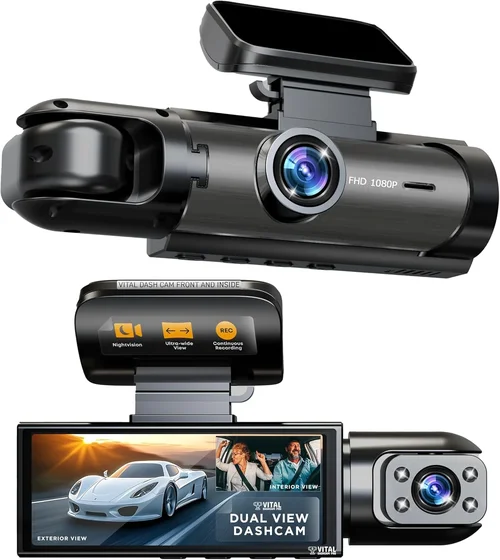
A: Dual-camera systems provide comprehensive coverage but add complexity and cost. Single-camera dash cams suffice for most drivers since they capture the primary interaction point during incidents. Consider rear cameras only if you frequently park in high-risk areas or need complete vehicle coverage.
Q: How do I protect my dash cam from theft?
A: Use discreet mounting locations away from obvious theft targets. Some dash cams feature hidden mounting brackets that conceal the device behind your rearview mirror. Security cables or anti-theft mounting systems provide additional protection for parked vehicles.
Our Final Recommendations
Best for Budget-Conscious Buyers
For those seeking essential protection without overspending, the Viofo A119 V3 delivers excellent value with 2K resolution, reliable performance, and straightforward operation. This model provides outstanding image quality in a compact package that fits most vehicle dashboards comfortably. Its intuitive interface and reliable loop recording make it perfect for everyday driving protection.
The A119 V3’s balanced feature set includes essential safety technologies like G-sensor incident detection and parking mode, all while maintaining an affordable price point. Users praise its consistent performance and reliable operation over extended periods. While it lacks some advanced features found in premium models, this dash cam excels at its core purpose of providing clear, dependable footage when you need it most.
Best Overall Value
The Garmin Dashcam Mini strikes the perfect balance between capability and convenience with its sleek design and robust feature set. This model offers 1080p recording, GPS tracking, and advanced driver alerts in a compact form factor that integrates seamlessly with Garmin’s ecosystem. Its premium build quality and reliable performance make it ideal for daily commuters and regular drivers.
Garmin’s reputation for reliability and excellent customer support adds significant value beyond the base price. The dashcam includes automatic incident detection, cloud backup capabilities, and seamless smartphone integration that enhances daily usability. Users appreciate the intuitive interface and consistent performance across various driving conditions and weather scenarios.
Best Premium Option
For those demanding the absolute best in performance and features, the BlackVue DR970X-2CH stands out as the premier choice. This professional-grade system delivers 4K front recording with 1080p rear camera coverage, cloud connectivity, and advanced driver assistance features. Its robust build quality and comprehensive feature set justify the premium investment for serious drivers and professionals.
The DR970X-2CH’s cloud-based management platform provides unparalleled convenience with remote viewing, automatic backup, and real-time alerts. Advanced safety features include forward collision warning, lane departure alerts, and intelligent parking monitoring. Professional users praise its rock-solid reliability and comprehensive documentation capabilities for insurance and legal purposes.
Best for Beginners
The Rexing V1P MAX offers an exceptional entry point into dash cam technology with its user-friendly interface and reliable performance. This model provides 2K resolution, GPS tracking, and Wi-Fi connectivity in a package designed specifically for first-time users. Its straightforward setup process and intuitive controls make it perfect for those new to dash cam technology.
Beginners appreciate the clear instructions, helpful mobile app, and responsive customer support that accompany the Rexing V1P MAX. The dash cam includes essential safety features like incident detection and parking mode while maintaining an approachable price point. Its reliable performance and consistent image quality help build confidence for new users transitioning into dash cam ownership.
Best for Advanced Users
The Thinkware U1000 represents the pinnacle of consumer dash cam technology with its 4K recording capabilities, advanced driver assistance systems, and professional-grade features. This model caters to experienced users who demand maximum protection and evidence quality for demanding driving scenarios. Its comprehensive feature set includes HDR imaging, enhanced night vision, and sophisticated analytics.
Advanced users value the U1000’s customizable settings, robust build quality, and extensive documentation capabilities. The dash cam includes cloud connectivity, automatic backup, and professional-grade mounting solutions designed for extreme conditions. Its comprehensive safety suite and reliable performance make it the ultimate choice for users who prioritize maximum protection and evidence integrity above all else.
Conclusion: Making the Right Choice
Selecting the perfect dash cam requires careful consideration of your specific needs, driving habits, and budget constraints. Rather than chasing the latest technology or focusing solely on price points, successful buyers prioritize features that align with their actual usage patterns and protection requirements. The dash cam market has matured significantly, offering reliable options across every price range with varying levels of capability and sophistication.
Your decision should reflect a balance between essential protection and available resources. Even basic dash cams provide valuable accident documentation and peace of mind, while advanced systems offer comprehensive safety features and evidence quality suitable for professional applications. Consider your primary driving scenarios, environmental conditions, and desired level of protection when evaluating different models and features.
Remember that a dash cam serves as your first line of defense and evidence collection tool in challenging situations. Investing in quality equipment pays dividends through reliable performance, clear documentation, and enhanced safety awareness. Take time to research thoroughly, read user reviews, and test equipment when possible before making your final decision.
The best dash cam for you combines appropriate features, reliable performance, and long-term value that matches your driving lifestyle. Whether you choose a budget-friendly option for occasional use or a premium system for comprehensive protection, your investment contributes to safer roads and greater peace of mind knowing your vehicle and loved ones are better protected on every journey.