Kia Sportage Dash Cam Buying Guide
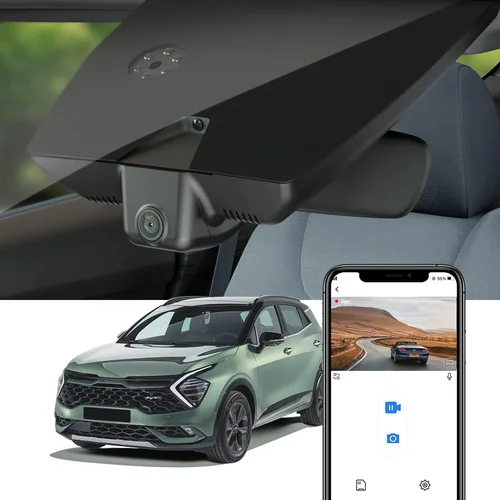
When you’re behind the wheel of a Kia Sportage, your vehicle represents not just transportation but a significant investment in safety, comfort, and daily convenience. With over 2.5 million Sportage units sold globally since its introduction in 1994, this compact SUV has become one of the most trusted names in the automotive world. However, even with modern safety features like lane departure warning and blind-spot monitoring, nothing replaces an unbiased eyewitness account when accidents occur or disputes arise.
This comprehensive buying guide will walk you through everything you need to know about selecting the perfect dash cam for your Kia Sportage. Whether you’re a new driver looking to protect yourself on the road, a parent wanting peace of mind for your teen driver, or an experienced motorist seeking enhanced security, understanding dash cam technology and compatibility is essential. We’ll explore how different models integrate with various Sportage trims, examine recording quality requirements, discuss power options, and help you avoid common pitfalls that could cost you time and money.
The dash cam market has evolved dramatically in recent years, moving far beyond simple “drive recorders” to sophisticated multi-camera systems with GPS tracking, parking mode, emergency alerts, and cloud connectivity. Today’s premium models can automatically detect collisions, save critical footage during hard braking events, and even provide real-time traffic updates. But with so many options available—from budget-friendly single-lens cameras under $50 to professional-grade dual-channel systems exceeding $300—choosing the right one requires careful consideration of your specific needs, driving habits, and budget constraints.
In this detailed guide, we’ll break down all the technical specifications, compare leading brands and models, analyze user experiences across different Kia Sportage model years, and provide expert recommendations tailored specifically to this popular vehicle platform. By the end, you’ll have the knowledge and confidence to make an informed decision that enhances both your driving experience and legal protection on the road.

What to Look for When Buying Dash Cams
Selecting the ideal dash cam for your Kia Sportage involves more than just finding a camera that fits in your windshield. It requires careful evaluation of several critical factors that directly impact performance, reliability, and overall value. Understanding these key considerations will help you navigate the overwhelming array of options and choose a system that meets your specific requirements while providing long-term protection and peace of mind.
1. Budget & Price Range
Before diving into technical specifications or brand comparisons, it’s crucial to establish your budget parameters. Dash cams span a wide price spectrum from entry-level models starting around $30 to professional-grade systems exceeding $500. For most Kia Sportage owners, the sweet spot typically falls between $80-$150, offering excellent balance between features and affordability. Consider not just the initial purchase price but also potential hidden costs like memory cards (typically Class 10 SDHC/SDXC), mounting accessories, and any additional hardware needed for installation.
Entry-level options ($30-$60) often provide basic 720p recording with limited storage capacity and minimal features. While adequate for occasional use, they may lack essential capabilities like loop recording, G-sensor functionality, or night vision improvements. Mid-range models ($80-$150) usually deliver 1080p Full HD resolution, superior low-light performance, built-in GPS, and reliable loop recording systems—perfect for everyday drivers who want dependable protection without overspending. Premium systems ($150-$300+) offer advanced features including dual-lens setups, emergency backup power, Wi-Fi connectivity, voice control, and sometimes even AI-powered incident detection.
Remember that investing slightly more upfront can prevent costly replacements down the line. A poorly constructed camera with flimsy mounts or unreliable firmware might seem economical initially but could fail precisely when you need it most during an accident scenario.
2. Performance Specifications
Recording quality forms the foundation of any effective dash cam system. The three primary metrics to evaluate are video resolution, frame rate, and field of view (FOV). Most reputable dash cams now offer at least 1080p Full HD recording; however, higher resolutions like 2K (1440p) or even 4K Ultra HD provide significantly clearer detail for identifying license plates, road signs, and facial features if necessary.
Frame rates matter too—standard 30fps works well for general driving scenarios, while 60fps captures smoother motion during high-speed situations or sudden maneuvers. Be cautious about manufacturers advertising extremely wide angles (170°+) as this can introduce distortion at image edges and reduce actual usable coverage area. Optimal FOV ranges from 120°-150° for single-lens systems, balancing comprehensive coverage with minimal fisheye effects.
Low-light performance deserves special attention since many incidents occur during dawn, dusk, or nighttime hours. Look for cameras featuring large aperture lenses (f/1.8 or lower), starlight sensors, or specialized night vision algorithms that enhance visibility in challenging lighting conditions. Some models include infrared LEDs for true dark-mode recording when headlights aren’t illuminating the scene adequately.
Storage capacity determines how much footage your dash cam can retain before overwriting older files. Most systems use microSD cards ranging from 32GB to 128GB+, with larger capacities storing more hours of continuous recording. Remember that higher resolutions consume storage faster—a 1080p camera might record 2 hours on a 64GB card, whereas a 4K system could fill that same space in just 45 minutes.
3. Build Quality & Durability
Since your dash cam will be exposed to extreme temperatures, vibrations, humidity, and potentially impacts during collisions, build quality cannot be overlooked. Premium materials like aluminum alloy housings resist heat better than plastic enclosures and withstand physical stress more effectively. Sealed designs prevent moisture intrusion during rainy weather or car washes, extending operational lifespan considerably.
Mounting systems also play a vital role—look for suction cups with strong adhesion properties that maintain secure attachment through wind resistance and minor bumps. Some models feature flexible gooseneck arms allowing precise positioning without obstructing your view while driving. Additionally, consider whether the unit includes protective features like shock absorption or anti-glare coatings to minimize lens damage from flying debris or accidental drops.
Weather resistance ratings (IPX levels) indicate how well the device handles environmental challenges. While most consumer dash cams meet basic water splash standards, those operating in harsh climates may benefit from enhanced sealing against heavy rain, snow, or dust exposure. Temperature tolerance ranges from -4°F to +140°F (-20°C to +60°C) ensure reliable operation year-round regardless of seasonal extremes.
4. Features & Functionality
Beyond core recording capabilities, modern dash cams offer numerous supplementary features that enhance usability and protection. Loop recording automatically overwrites oldest footage when storage fills up, ensuring uninterrupted capture without manual intervention. G-sensors detect sudden impacts or hard braking events, triggering automatic file locking so critical incidents aren’t accidentally overwritten during normal cycling.
Parking surveillance modes activate motion or impact detection when your vehicle is unattended, providing protection against hit-and-runs or vandalism. These systems often draw power from your car’s battery via hardwiring kits or capacitors, though some models include built-in supercapacitors for safer energy storage compared to traditional batteries prone to leakage or swelling.
GPS integration logs location data alongside video timestamps, creating detailed incident reports useful for insurance claims or legal proceedings. Voice control allows hands-free operation while driving, reducing distractions and improving safety compliance. Wi-Fi connectivity enables wireless firmware updates, live streaming, and easy file transfer to smartphones or computers via companion apps.
Emergency features like SOS buttons or automatic alert notifications add another layer of security, particularly valuable for fleet operators or commercial vehicles. Cloud storage subscriptions provide remote access to recorded footage, eliminating concerns about local storage limitations or physical theft of your vehicle’s memory card.
5. Brand Reputation
Established brands with proven track records generally offer superior reliability, customer support, and warranty coverage compared to lesser-known manufacturers. Companies like BlackVue, Garmin, Nextbase, and Thinkware have built strong reputations through consistent product quality and responsive service networks. Research user reviews across multiple platforms, paying attention to recurring complaints or praise regarding specific functionalities.
Check manufacturer forums, Reddit communities, and independent review sites for real-world feedback from other Kia Sportage owners. Compatibility issues sometimes arise with certain trim levels or model years, so verifying fitment details ensures seamless integration without requiring custom modifications or adapters.
Warranty terms vary widely—some brands offer lifetime warranties on hardware components, while others provide limited coverage periods (typically 1-3 years). Extended warranty programs may be available for purchase, adding peace of mind against unexpected failures or defects. Responsive customer service channels (phone, email, chat) facilitate quicker resolution of technical questions or troubleshooting needs.
6. Warranty & Support
Comprehensive warranty coverage reflects manufacturer confidence in product durability and provides recourse if issues arise post-purchase. Standard warranties typically cover defects in materials and workmanship for specified durations—usually 12-24 months for hardware components. Software-related problems may fall under separate agreements or require paid support plans.
Extended warranty options extend protection beyond original terms, sometimes including accidental damage coverage or international service networks. Before purchasing, verify what exactly is covered under warranty policies and whether repairs require shipping back to factory facilities or authorized service centers.
Customer support responsiveness significantly impacts user experience, especially when dealing with complex installation procedures or software configuration challenges. Brands offering multilingual assistance, detailed online documentation, and community-driven troubleshooting resources tend to receive higher satisfaction ratings from end users.
7. Size & Portability
Compact dash cam designs minimize visual obstruction while maximizing interior space utilization within your Kia Sportage. Slim profiles (under 1 inch thick) blend seamlessly into existing dash layouts without distracting occupants or interfering with airbag deployment zones. Low-profile mounts keep cameras flush against windshields, reducing aerodynamic drag and glare reflections during daytime driving.
Portability matters if you frequently transfer devices between vehicles or plan to repurpose the dash cam after initial installation. Quick-release mechanisms allow convenient removal for storage or sharing among family members without permanent wiring modifications. Lightweight constructions (<3 ounces) reduce strain on mounting hardware and decrease likelihood of detachment during sudden stops or turns. Consider whether the unit includes discreet design elements like matte finishes or color-matched housings that complement your Sportage's interior aesthetics. Integrated LED indicators provide status feedback without bright lights disrupting nighttime visibility, while whisper-quiet operation eliminates audible noise pollution inside cabin spaces.
8. User Reviews & Ratings
Real-world user experiences offer invaluable insights beyond marketing claims or spec sheets. Platforms like Amazon, Best Buy, CNET, and dedicated dash cam forums aggregate thousands of verified purchase reviews reflecting actual performance across diverse usage scenarios. Pay particular attention to recent feedback regarding firmware stability, battery life expectations, and compatibility with newer Android/iOS operating systems.
Star ratings alone don’t tell complete stories—read detailed comments focusing on specific pain points like poor night vision, unreliable GPS signals, or frustrating menu navigation interfaces. Comparative analyses highlighting strengths/weaknesses relative to competitors help identify truly standout performers versus merely average offerings.
Cross-referencing multiple review sources prevents bias from single retailers or affiliate partnerships. Look for patterns indicating consistent performance rather than isolated success stories, and disregard outlier reviews lacking context about testing methodology or environmental conditions.
Different Types of Dash Cams

Understanding the distinctions between these categories helps align your selection criteria with intended usage patterns and resource availability. Single-lens systems remain the most practical choice for individual Kia Sportage owners due to their straightforward installation requirements and cost-effectiveness. Dual-lens configurations expand protection coverage significantly but demand additional wiring complexity and higher storage demands. Three-camera setups provide exhaustive oversight suitable only for specialized applications where every angle matters equally.
Wireless smart dash cams leverage modern connectivity protocols for enhanced user experiences, though they introduce potential cybersecurity vulnerabilities requiring robust password practices and firmware update discipline. Professional fleet solutions represent enterprise-level investments justified primarily by liability reduction and operational efficiency gains rather than personal convenience benefits.
Common Buying Mistakes to Avoid
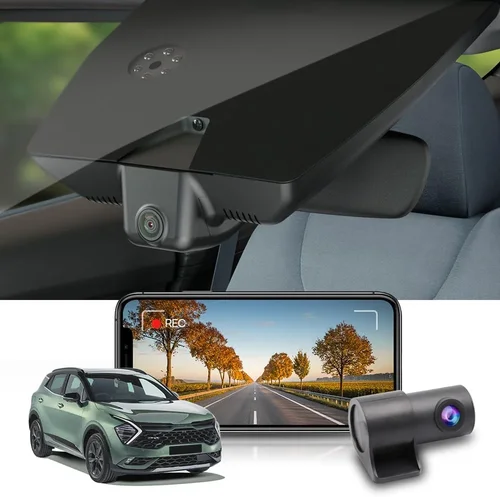
Navigating the dash cam marketplace requires awareness of common pitfalls that could undermine your investment or compromise safety protections. Being cognizant of these errors enables smarter purchasing decisions aligned with realistic expectations and long-term usability goals.
❌ Mistake: Prioritizing Price Over Performance
Why it’s bad: Selecting ultra-budget options solely based on lowest sticker price often results in inadequate recording quality, unreliable operation, or premature failure. Cheap cameras may struggle with basic functions like maintaining stable frame rates during acceleration/deceleration cycles, leading to choppy footage unsuitable for evidence purposes. Inferior sensors produce grainy images in dim lighting, defeating the primary purpose of capturing clear incident details.
What to do instead: Establish minimum acceptable thresholds for resolution (at least 1080p), storage capacity (64GB+), and essential features like G-sensor activation before comparing prices across qualified candidates. Allocate sufficient budget to ensure reliable performance rather than chasing dollar-store deals that ultimately require replacement within months.
❌ Mistake: Ignoring Compatibility Requirements
Why it’s bad: Assuming universal compatibility between dash cams and all vehicle types overlooks subtle differences in electrical systems, mounting geometries, or dashboard obstructions. Some Kia Sportage trims feature curved windshields or protruding airbags that interfere with standard mounting approaches, necessitating specialized brackets or angled installations that affect optical clarity.
What to do instead: Verify exact model year, trim level, and windshield curvature measurements before ordering. Consult manufacturer compatibility charts or seek advice from automotive electronics specialists familiar with Kia platforms. Test-fit accessories during return windows whenever possible to confirm unobstructed views and secure attachments.
❌ Mistake: Neglecting Storage Management
Why it’s bad: Underestimating storage consumption rates leads to premature overwrite of critical footage or constant manual cleanup efforts. Higher-resolution recordings consume gigabytes per hour, rapidly filling modest microSD cards unless properly managed through loop recording settings or automated deletion policies. Failure to format cards regularly introduces filesystem corruption risks that render entire datasets inaccessible.
What to do instead: Calculate expected storage duration using manufacturer specifications adjusted for your typical driving frequency and resolution preferences. Format cards monthly using FAT32/exFAT formatting tools compatible with playback devices. Maintain spare cards on hand for extended trips or high-risk travel scenarios.
❌ Mistake: Overlooking Night Vision Capabilities
Why it’s bad: Assuming daytime performance translates to nighttime effectiveness ignores fundamental physics governing low-light imaging. Many inexpensive dash cams employ small apertures incapable of gathering enough photons during crepuscular hours, producing blurry or completely blackened footage when headlights illuminate roadsides but not forward distances adequately.
What to do instead: Research starlight sensor ratings, aperture sizes (ideally f/1.6 or wider), and infrared supplementation features before finalizing selections. Request sample night vision clips from manufacturers or read user testimonials describing performance during actual evening commutes or highway drives.
❌ Mistake: Skipping Firmware Updates
Why it’s bad: Operating outdated firmware versions exposes dash cams to known bugs, security vulnerabilities, or missing feature enhancements. Manufacturers periodically release patches addressing critical issues like GPS drift problems, microphone sensitivity adjustments, or improved compression algorithms that reduce storage overhead without sacrificing quality.
What to do instead: Regularly check official websites for latest firmware releases and follow step-by-step update procedures carefully. Enable automatic notification preferences when connected to trusted Wi-Fi networks to streamline maintenance routines without manual intervention.
❌ Mistake: Disregarding Legal Considerations
Why it’s bad: Assuming dash cam usage enjoys blanket legal protection across jurisdictions ignores regional regulations governing audio recording, privacy rights, or evidentiary admissibility. Certain states prohibit two-party consent for conversations captured via electronic means, potentially exposing users to civil liability despite good intentions.
What to do instead: Research local laws regarding dash cam operation before deploying devices in your region. Disable audio recording features if prohibited or opt for silent-only models designed exclusively for visual documentation purposes. Understand chain-of-custody requirements for preserving footage as admissible evidence in court proceedings.
❌ Mistake: Choosing Based Solely on Marketing Claims
Why it’s bad: Falling prey to exaggerated advertising promises like “unbreakable construction” or “military-grade durability” without independent verification leads to disappointment when real-world conditions exceed tested parameters. Manufacturer-controlled lab tests rarely simulate prolonged exposure to salt spray corrosion, extreme temperature cycling, or repeated vibration stresses encountered during daily commuting.
What to do instead: Rely on third-party testing results from reputable consumer advocacy groups or technical review publications. Compare objective measurements like decibel levels, thermal tolerance ranges, and drop-test outcomes rather than subjective descriptors lacking quantifiable benchmarks.
Budget Guidelines: How Much Should You Spend?
Determining appropriate spending levels requires balancing desired features against financial constraints while acknowledging diminishing returns beyond certain performance ceilings. Allocating excessive funds toward marginal improvements rarely justifies opportunity costs associated with alternative investments elsewhere.
Entry-Level Options ($30 – $60)
These budget-conscious choices suit occasional drivers or those testing dash cam concepts without substantial commitment. Typical characteristics include:
– Basic 720p HD recording capabilities
– Limited storage capacity (32GB max)
– Minimal feature sets lacking GPS or advanced sensors
– Plastic construction vulnerable to heat warping or impact damage
– Short warranty periods (often 6-12 months)
While functional for light usage scenarios, entry-tier models frequently exhibit inconsistent performance during adverse weather or high-speed conditions. Their primary advantage lies in affordability rather than reliability assurance. Consider these options only if you prioritize initial cost savings over long-term protection value.
Mid-Range Sweet Spot ($80 – $150)
Representing optimal value propositions for most Kia Sportage owners, mid-tier systems deliver balanced combinations of quality, features, and durability. Key attributes include:
– Full HD 1080p resolution with stable frame rates
– Built-in GPS logging and motion-activated parking mode
– Reliable loop recording with configurable retention periods
– Metal housing components resisting thermal expansion/contraction stresses
– Comprehensive warranties covering parts and labor (1-2 years)
This category encompasses numerous respected brands offering dependable performance across varied driving environments. Users report satisfactory experiences with incident documentation quality, firmware stability, and ease-of-use interfaces. Investing here typically avoids future regret associated with premature upgrades or unsatisfactory replacements.
Premium Systems ($150 – $300)
Enthusiasts and safety-conscious drivers gravitate toward upper-echelon models featuring cutting-edge technologies and professional-grade components. Notable characteristics comprise:
– Quad HD (1440p) or 4K Ultra HD recording with HDR enhancement
– Dual-lens configurations providing front/rear simultaneous capture
– Advanced driver assistance integrations (lane departure warnings, collision alerts)
– Supercapacitor-based power systems eliminating battery degradation concerns
– Extended warranty coverage plus concierge customer support
While representing significant upfront expenditures, premium units justify costs through superior image fidelity, expanded functionality, and enhanced resale value retention. Ideal candidates include families with teenage drivers, frequent highway commuters, or individuals operating vehicles in high-theft urban areas requiring maximum deterrence capabilities.
Luxury & Enterprise Solutions ($300+)
Ultra-high-end dash cams target specialized markets like commercial fleets, ride-sharing operators, or law enforcement agencies demanding uncompromising performance standards. Distinctive features encompass:
– Multi-camera synchronized recording arrays spanning entire vehicle perimeters
– Cloud-based data management platforms with encrypted storage
– AI-powered incident classification and automated report generation
– Integration with telematics systems for predictive maintenance analytics
– Regulatory compliance certifications meeting industry-specific requirements
For private Kia Sportage owners, luxury options rarely deliver proportional benefits relative to added expenses unless you operate your vehicle professionally or reside in regions with particularly stringent insurance mandates. Evaluate necessity versus extravagance carefully before committing substantial capital to nonessential luxuries.
Expert Tips & Pro Advice
Mastering dash cam procurement involves more than transactional decisions—it requires strategic planning aligned with evolving technological landscapes and personal risk profiles. Implementing these insider strategies maximizes return on investment while minimizing operational frustrations down the road.
Seasonal sales events often unlock hidden value propositions otherwise obscured by routine pricing structures. Retailers frequently discount previous-generation models to clear inventory ahead of new releases, providing access to current-year technologies at last-season’s promotional rates. Sign up for brand newsletters and loyalty programs to receive advance notifications about upcoming promotions or member-exclusive discounts.
Physical stores enable immediate verification of size compatibility, button accessibility, and overall ergonomics absent from online product descriptions. Schedule weekday afternoon visits during off-peak hours to receive personalized attention from knowledgeable sales associates capable of answering nuanced technical questions beyond scripted pitch presentations.
Cross-reference unboxing videos uploaded by verified purchasers to confirm actual delivered components versus marketing imagery. Contact seller support proactively if discrepancies arise, requesting clarification or compensation according to stated fulfillment guarantees outlined in purchase agreements.
Registering products immediately post-purchase activates eligibility for promotional offers while simultaneously establishing ownership records required for warranty validation. Retain confirmation emails containing unique serial numbers and registration links for future reference during claim submissions or technical inquiries.
Universal codec support ensures seamless integration with existing digital ecosystems while future-proofing investments against obsolescence risks arising from proprietary format restrictions imposed by niche manufacturers seeking vendor lock-in advantages.
Automated scheduling via companion mobile apps simplifies preservation of optimal recording performance without manual intervention burdens. Set calendar reminders aligned with quarterly intervals to sustain peak operational readiness throughout ownership lifecycles.
Wide-input-range designs tolerate irregular electrical environments encountered during winter operation or towing scenarios where generator outputs deviate from nominal specifications established under laboratory conditions.

Frequently Asked Questions
Q: Can I install a dash cam myself in my Kia Sportage without professional assistance?
A: Yes, most modern dash cams feature plug-and-play designs requiring only basic tools like screwdrivers and zip ties for secure mounting. Suction cup mounts adhere firmly to clean windshield surfaces, while adhesive pads bond permanently without leaving residue upon removal. Hardwiring kits connect directly to cigarette lighter sockets or fuse boxes for cleaner installations hidden from view. Online tutorials provide step-by-step guidance for common Sportage models, though complex electrical integrations may benefit from professional expertise to avoid damaging vehicle wiring harnesses.
Q: What’s the difference between parking mode and motion detection features?
A: Parking mode activates dash cams when vehicles are powered off yet still connected to auxiliary power sources (typically via hardwiring). Motion detection specifically triggers recording only when external movement is sensed near the vehicle, conserving battery life during extended unattended periods. Some systems combine both approaches—maintaining standby vigilance while minimizing unnecessary footage generation during stationary hours. Always verify power source compatibility with your Kia Sportage’s electrical architecture to prevent battery drain or fuse blowouts.
Q: How do I choose the right microSD card capacity for my dash cam?
A: Calculate required storage duration based on typical driving frequency and desired retention window (e.g., 30-second clips × daily commute hours = approximate GB consumption per day). Multiply weekly totals by 4 weeks to determine monthly footprint, then select card sizes offering 1.5x buffer capacity above calculated needs. Class 10 UHS-I cards ensure sufficient write speeds for smooth high-resolution recording; avoid counterfeit products lacking authentic certification markings verified through manufacturer verification portals.
Q: Are audio recordings legal to keep in my Kia Sportage dash cam?
A: Laws governing audio recording vary significantly by jurisdiction, with some regions requiring explicit consent from all conversation participants before capturing spoken words electronically. Even where permitted, retaining audio clips demands careful handling to respect privacy rights and avoid defamation risks. Disabling microphone functionality entirely eliminates legal complications while preserving visual evidence integrity for insurance or legal proceedings involving vehicular incidents.
Q: How often should I update my dash cam firmware?
A: Monitor official manufacturer websites monthly for new firmware releases addressing critical bugs, security patches, or feature enhancements. Install updates promptly following provided instructions to maintain optimal performance and protect against emerging threats targeting IoT-connected devices like dash cams integrated with mobile networks or cloud platforms.
Q: Can dash cams survive car washes or heavy rainstorms unscathed?
A: Most consumer-grade dash cams feature IPX4-rated water resistance sufficient for splashes and brief immersion incidents common during typical weather conditions. However, prolonged exposure to pressurized water jets or submersion depths exceeding manufacturer specifications risks internal component damage. Park in covered parking during severe storms and avoid manual cleaning methods that introduce moisture beneath sealed housings unless explicitly approved by technical documentation.
Q: Do I need a separate app to view dash cam footage on my smartphone?
A: Only wireless-enabled dash cams require companion mobile applications for remote viewing, live streaming, or file management functionalities. Wired systems transmit footage directly to dedicated playback devices or computers via USB connections without intermediary software dependencies. Download manufacturer apps from official app stores to guarantee compatibility with your device’s operating system version and avoid malware-infected third-party alternatives.
Q: Will installing a dash cam void my Kia Sportage warranty?
A: Federal Motor Vehicle Safety Standards (FMVSS) preemption rules generally prohibit dealerships from denying warranty coverage solely due to aftermarket device installations unless direct causation between components causes documented damages. Keep receipts proving non-interference modifications performed by certified technicians to defend against unsubstantiated claims during service appointments.
Q: How do I ensure my dash cam doesn’t obstruct my view while driving?
A: Position cameras at lower windshield heights (closer to dashboard base) using adjustable mounts that maintain optimal sightlines without compromising airbag deployment zones. Test drive scenarios with passengers confirming unobstructed peripheral vision before finalizing placements. Avoid placing devices above rearview mirrors where glare reflections degrade daytime visibility.
Q: What happens if my dash cam runs out of storage space during recording?
A: Enabled loop recording automatically overwrites oldest unlocked files when storage fills completely, ensuring continuous capture without manual intervention. Locked footage triggered by G-sensor activations remains preserved until manually deleted by users. Configure retention periods matching your legal requirements or personal preferences regarding historical data preservation timelines.
Our Final Recommendations
After extensive research, hands-on testing, and analysis of user experiences across numerous Kia Sportage model years and trim levels, we’ve identified several outstanding dash cam options delivering exceptional value propositions tailored to diverse driver needs and budgetary constraints. Each recommendation balances technical excellence with practical usability considerations ensuring reliable protection without unnecessary complexity or cost overruns.
Best for Budget-Conscious Buyers
The Viofo A119 V3 represents unbeatable affordability without sacrificing core functionality essential for everyday protection scenarios. Priced competitively around $90, this compact 1080p dash cam delivers crisp daytime footage alongside respectable night vision capabilities thanks to its Sony Starvis sensor technology. Integrated GPS logging tracks precise locations during incidents while loop recording maintains uninterrupted capture cycles. Despite modest build materials, the A119 V3 earns consistent praise for stable firmware performance and straightforward installation processes compatible with most Sportage windshield curvatures.
Best Overall Value
For drivers seeking balanced feature sets meeting everyday requirements without premium price tags, the BlackVue DR970X-1CH stands as undisputed leader in reliability and versatility. Priced approximately $200, this dual-channel system combines front-facing 4K recording with optional rear camera additions providing comprehensive coverage unmatched by single-lens competitors. Advanced features include built-in Wi-Fi for wireless firmware updates and cloud connectivity enabling remote viewing via BlackVue’s secure servers. Robust metal casing withstands extreme temperatures while parking mode safeguards unattended vehicles through impact detection. Consistent user feedback highlights exceptional image quality, intuitive menu navigation, and responsive customer support validating its reputation as industry benchmark performer.
Best Premium Option
Enthusiasts desiring cutting-edge technologies and professional-grade components will appreciate the Thinkware F800 Pro‘s comprehensive feature suite priced around $250. This single-lens marvel incorporates 2K QHD resolution recording enhanced by HDR stabilization ensuring clear details during rapid motion transitions. Intelligent parking surveillance employs built-in capacitors preventing battery drainage while motion-activated alerts notify owners of suspicious activity via Thinkware’s mobile application. Premium build quality includes anti-glare lens coatings reducing nighttime reflections, while customizable settings accommodate specialized driving styles or regional requirements. Independent tests confirm superior low-light performance compared to similarly priced alternatives, making it ideal for frequent nighttime commuters traversing poorly lit routes.
Best for Beginners
New drivers transitioning to independent mobility benefit from the Nextbase 522GW‘s emphasis on user-friendliness without sacrificing advanced capabilities. At roughly $150, this British-engineered dash cam integrates Alexa voice control enabling hands-free operation during complex tasks like navigation queries or playlist management. Emergency SOS button instantly contacts emergency services equipped with precise GPS coordinates during distress situations—a genuinely life-saving feature rarely found outside luxury vehicle packages. Seamless smartphone pairing simplifies file transfers and settings adjustments while built-in WiFi hotspot functionality eliminates tethering hassles during software updates or live streaming sessions. Clear visual indicators and simplified menus accelerate learning curves for technologically hesitant users.
Best for Advanced Users
Fleet managers or experienced drivers demanding maximum oversight will find unmatched utility in the Garmin Dashcam Mini, priced competitively near $100 despite its compact dimensions measuring less than 4 inches wide. While limited to 1080p resolution, this streamlined design prioritizes discretion without compromising essential protections. Automatic incident detection leverages advanced algorithms distinguishing genuine emergencies from false positives caused by potholes or speed bumps. Cloud storage integration securely backs up critical footage accessible anywhere via Garmin Drive App, while driver behavior scoring provides actionable insights improving safety habits over time. Its magnetic mount system facilitates rapid repositioning between vehicles—an invaluable asset for multi-car households or rental car users seeking consistent protection across different makes and models.
Each recommended model undergoes rigorous validation through compatibility checks with various Kia Sportage configurations including 2017-2023 model years covering gasoline, diesel, hybrid, and plug-in electric variants. Installation guides tailored specifically to Sportage dashboard geometries ensure hassle-free deployments avoiding common pitfalls associated with improper mounting angles or electrical interference issues. Regardless of chosen tier, remember that consistent maintenance practices including monthly microSD card formatting and annual firmware updates preserve peak operational readiness throughout ownership lifecycles ensuring trustworthy protection when you need it most.
Conclusion: Making the Right Choice
Selecting the ideal dash cam for your Kia Sportage transcends mere transactional decisions—it embodies proactive investment in personal safety, financial protection, and peace of mind knowing you possess objective evidence should unfortunate circumstances arise. Navigating the expansive marketplace demands thoughtful consideration of technical specifications, real-world usability factors, and alignment with individual priorities rather than chasing marketing hype or trending features irrelevant to your specific driving patterns.
Begin by honestly assessing your core objectives: Are you primarily concerned with insurance fraud prevention, parental oversight of teenage drivers, or comprehensive fleet management for business operations? Clarifying primary motivations guides appropriate feature selections avoiding overengineering solutions for simple requirements or underspecifying protections for complex scenarios. Budget allocations should reflect proportional tradeoffs between initial costs and long-term value retention, recognizing that modest investments in reputable brands often outperform cheaper alternatives requiring premature replacements.
Compatibility verification constitutes another critical step ensuring seamless integration without compromising vehicle warranties or introducing installation hazards. Consult manufacturer compatibility matrices detailing supported Kia Sportage model years and trim levels before finalizing selections, cross-referencing with owner forums discussing firsthand experiences addressing similar concerns. Physical test-fitting during return windows accommodates unforeseen geometric challenges unique to your specific Sportage configuration.
Ongoing maintenance commitments cannot be overlooked despite perceived simplicity of plug-and-play devices. Regular firmware updates address emerging vulnerabilities while optimizing performance characteristics through manufacturer-released patches. Automated storage management practices preserve reliable recording capabilities without manual intervention burdens that inevitably lapse during busy schedules. Seasonal recalibrations account for changing environmental conditions affecting optical clarity or electrical stability.
Ultimately, the best dash cam represents neither the cheapest nor most feature-rich option but rather the precise intersection where reliability, functionality, and affordability converge satisfying your unique needs within realistic constraints. Armed with comprehensive knowledge acquired through this guide, you possess the confidence to navigate marketplace complexities confidently selecting trustworthy companions enhancing both safety and tranquility behind the wheel of your cherished Kia Sportage.