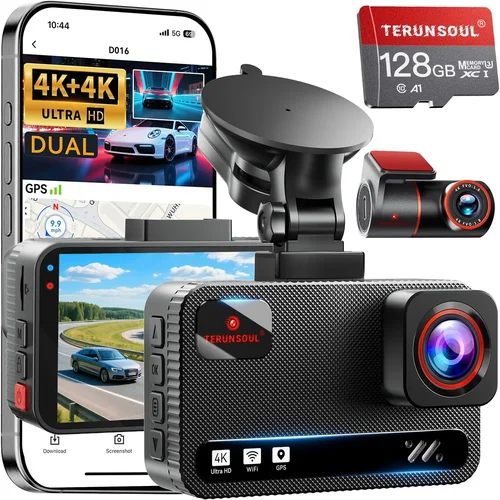
Expert Night Vision Dash Cam Buying Guide
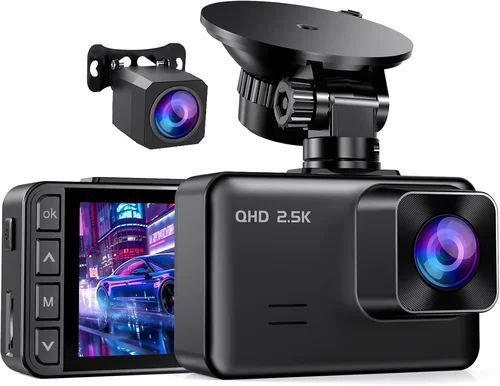
When it comes to vehicle safety and evidence collection, dash cameras have become an essential tool for drivers of all types. Whether you’re a daily commuter, a rideshare driver, or someone who simply wants peace of mind on the road, having reliable footage can make all the difference in the event of an accident or dispute. But not all dash cams are created equal—especially when it comes to night vision capabilities. In low-light conditions, standard cameras struggle to capture clear, usable footage, which is why choosing the right dash cam with superior night vision performance is crucial.
This comprehensive buying guide will walk you through everything you need to know about selecting the best dash cam for night vision. You’ll learn about the key technologies that enable clear nighttime recording, how to evaluate different models based on your specific needs, and what features matter most when performance in the dark is your priority. We’ll also cover common pitfalls to avoid, budget considerations, expert recommendations, and answer frequently asked questions to help you make an informed decision. By the end of this guide, you’ll be equipped with the knowledge to choose a dash cam that delivers crystal-clear night vision without compromising on other important aspects like build quality, reliability, or ease of use.
The market for dash cams has evolved rapidly over the past decade, with manufacturers now offering advanced imaging sensors, enhanced low-light processing, and intelligent recording features. From basic loop recording to AI-powered incident detection, modern dash cams come packed with functionality. However, the core requirement for any driver—especially those who frequently drive at dusk, dawn, or during nighttime hours—remains consistent: high-quality video in all lighting conditions. This guide cuts through the marketing jargon and technical specifications to deliver practical, real-world advice that helps you find the perfect balance between performance, price, and usability.

What to Look for When Buying Dash Cams
Choosing the right dash cam goes far beyond picking the one with the highest megapixel rating or flashiest design. While aesthetics and extra features may catch your eye, true value lies in how well the device performs under real-world driving conditions—particularly in challenging lighting environments. The following factors represent the cornerstone criteria every serious buyer should evaluate before making a purchase.
1. Sensor Type and Image Quality
The foundation of any good dash cam is its image sensor. Most modern units use CMOS (Complementary Metal-Oxide-Semiconductor) sensors, but not all are equal. Larger sensors—such as 1/2.7″ or 1/2.5″—capture more light, resulting in significantly better low-light performance. Look specifically for sensors with backside illumination (BSI), which improves light sensitivity by allowing photons to reach the photodiodes directly rather than being absorbed by wiring layers.
Resolution matters too, but it’s secondary to sensor size and pixel technology. A 1080p camera with a poor sensor will outperform a 4K model that struggles in darkness. That said, higher resolutions like 2K or 4K offer better detail for license plate recognition and fine object identification—features particularly valuable during nighttime incidents involving other vehicles.
Advanced image signal processors (ISPs) play a critical role as well. High-end dash cams integrate dedicated chips that dynamically adjust exposure, reduce noise, and enhance contrast in real time. These processors work behind the scenes to deliver clearer footage when headlights wash out scenes or streetlights create harsh shadows.
2. Low-Light Performance Metrics
Not all dash cams advertise their low-light capabilities explicitly, so understanding how manufacturers quantify night vision performance is essential. Key metrics include minimum illumination levels (measured in lux), dynamic range, and noise reduction algorithms.
Minimum illumination tells you how little light the camera can function with effectively. Professional-grade dash cams often specify values below 0.1 lux—comparable to starlight visibility. This means they can produce usable footage even in near-total darkness, such as tunnels or poorly lit parking lots.
Dynamic range refers to the camera’s ability to retain detail in both bright highlights (like car headlights) and deep shadows simultaneously. Without adequate dynamic range, nighttime footage typically shows either blown-out whites or completely blacked-out areas, rendering critical details useless.
Noise reduction is another vital component. At night, digital noise becomes more apparent due to lower signal levels. Advanced denoising software—often powered by machine learning—smooths out graininess while preserving edges and textures. Some top-tier models even apply spatial and temporal filtering techniques that analyze multiple frames to distinguish actual motion from random electronic interference.
3. Night Vision Technology Features
Several technological innovations specifically target improved nighttime recording:
– Starlight Sensors: Found in premium automotive cameras, these sensors mimic human night vision by amplifying available light without introducing excessive noise.
– Infrared (IR) Cut Filters: Many cameras remove IR filters during daytime to ensure accurate color reproduction, but leave them active at night to prevent color distortion from invisible wavelengths. However, some advanced models switch filters intelligently based on ambient light levels.
– Adaptive Exposure Control: Instead of fixed shutter speeds, smart cameras adjust aperture and integration time automatically depending on scene brightness. This prevents overexposure when encountering oncoming headlights while maintaining motion clarity.
– Wide Dynamic Range (WDR): Not to be confused with HDR video output, WDR within a single frame balances multiple exposures to recover detail across extreme lighting contrasts—a must-have feature for urban driving at night.
4. Video Resolution and Frame Rate
While resolution alone doesn’t guarantee night performance, higher frame rates combined with decent resolution yield smoother playback and better slow-motion analysis if needed. Standard 30fps works fine for most purposes, but 60fps provides twice the temporal resolution, helping capture fast-moving objects or sudden braking maneuvers more accurately.
For license plate readability—a common concern among users—at least 1080p resolution is recommended. However, many experts now recommend 2K (2560×1440) as the sweet spot, offering nearly double the pixels of Full HD without overwhelming storage requirements. 4K models exist but consume four times the data per minute compared to 1080p, quickly filling microSD cards unless paired with cloud sync or frequent overwrite cycles.
5. Storage and Recording Management
Nighttime footage tends to be longer and more data-intensive due to lower light levels requiring higher bitrates. A typical 10-minute clip might take up 500MB–1GB of space. Therefore, sufficient internal memory or expandable microSD support is non-negotiable.
Look for dash cams supporting UHS-I/UHS-II Class 10 cards with capacities up to 512GB—some even allow dual-slot configurations for backup recording. Loop recording is standard, but ensure the device prioritizes recent files correctly so emergency events aren’t overwritten prematurely.
Some advanced models feature event-triggered burst recording, where the camera temporarily stores several seconds before and after impact detection, ensuring no critical moments are missed even if the main loop cycle deletes them first.
6. Build Quality and Environmental Resistance
Dash cams face extreme conditions: direct sunlight beating down on the windshield, temperature swings from -4°F to 140°F, vibrations from rough roads, and occasional impacts. Robust housing made from polycarbonate or aluminum alloy protects internal components.
Waterproof ratings (IP67 or higher) indicate resistance to dust ingress and temporary submersion—important if condensation forms inside or rain hits the lens. Anti-glare coatings reduce reflections off windshields, improving visibility especially during nighttime driving when glare from streetlights or other cars is most problematic.
Mounting systems should be secure yet adjustable, with suction cups rated for heavy-duty applications. Magnetic mounts offer convenience but may lack the stability required for long-term use.
7. Power Source and Installation Flexibility8. Additional Smart Features
While primary focus is night vision, additional capabilities enhance overall utility:
– G-Sensor & Impact Detection: Automatically saves footage during collisions or hard braking.
– GPS Tracking: Embeds location/time stamps into videos for route reconstruction.
– Wi-Fi & App Integration: Enables wireless previewing, downloading, and sharing clips via smartphone apps.
– Parking Mode: Monitors surroundings while parked, triggering recording upon detecting motion or vibration.
– Lane Departure Warning: Alerts drivers drifting outside lane markings (not all models include this).
However, be cautious about feature bloat. Extra functionalities increase power consumption and complexity, potentially reducing reliability. Prioritize core imaging performance above all else.
9. Brand Reputation and Customer Support
Established brands like BlackVue, Garmin, Nextbase, Viofo, and Thinkware have built reputations through consistent quality and responsive customer service. Check independent review sites, forums, and consumer reports for real-world feedback regarding firmware updates, warranty claims, and troubleshooting assistance.
Avoid obscure private-label brands sold exclusively through third-party retailers unless thoroughly vetted. Reliable support ensures timely repairs or replacements under warranty, minimizing downtime when you need your dash cam most.
10. Warranty Coverage and Return Policies
A solid warranty—typically 1–3 years—demonstrates manufacturer confidence in product durability. Look for coverage that includes both parts and labor, with clear terms about accidental damage (many exclude screen cracks or liquid exposure).
Return windows (usually 30 days) give you breathing room to test the device in your own vehicle under actual driving conditions. Extended protection plans may add peace of mind but rarely justify their cost unless bundled with comprehensive roadside assistance.
Different Types of Dash Cams

Each category serves distinct user needs and comes with trade-offs between capability, complexity, and cost. Understanding these differences helps align your choice with actual usage patterns rather than marketing hype.
Common Buying Mistakes to Avoid
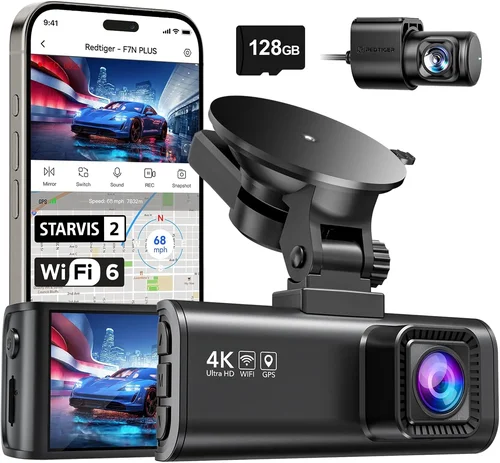
❌ Mistake: Prioritizing Megapixels Over Sensor Quality
Why it’s bad: Many buyers assume higher megapixel counts automatically mean better image quality. However, a 5MP camera with a tiny sensor and poor low-light processing will produce grainier, less detailed footage than a 3MP unit featuring a larger BSI sensor and advanced noise reduction.
What to do instead: Focus on sensor size (e.g., 1/2.7″ vs. 1/3″), backside illumination technology, and dynamic range specifications. Real-world tests show that incremental gains beyond 2K resolution offer diminishing returns for dash cam applications.
❌ Mistake: Ignoring Bitrate and Compression Settings
Why it’s bad: Lower bitrates compress video aggressively to save storage, sacrificing detail and introducing artifacts—especially problematic at night when fine textures (like license plates or facial features) become critical. Constant bitrate (CBR) modes are generally inferior to variable bitrate (VBR) for forensic clarity.
What to do instead: Choose models offering adjustable recording quality settings. Aim for minimum 15Mbps bitrate at 1080p; 20–30Mbps preferred for 2K or higher. Verify whether H.265 encoding is supported—it halves file sizes compared to H.264 without sacrificing quality.
❌ Mistake: Assuming All Parking Modes Are Equal
Why it’s bad: Basic motion-activated parking modes often trigger false positives from tree swaying or passing animals. Without proper sensitivity calibration or event buffering, legitimate incidents may be missed entirely.
What to do instead: Select dash cams with configurable motion thresholds, impact-based triggers, or hybrid detection combining both methods. Ensure parking mode doesn’t drain your car battery excessively by enabling automatic shutdown at safe voltage levels.
❌ Mistake: Skipping Real-World Testing Before Committing
Why it’s bad: Lab-tested specs rarely reflect performance under real driving scenarios—windshield reflections, varying weather, or dashboard glare can drastically alter recorded quality. What looks great indoors may fail miserably on the highway at midnight.
What to do instead: Whenever possible, borrow or rent a unit matching your intended model for a weekend drive during evening hours. Test visibility under streetlights, tunnel entrances/exits, and rainy conditions to assess true night vision capability.
❌ Mistake: Overlooking Firmware Updates and Longevity
Why it’s bad: Manufacturers occasionally release firmware improvements that enhance image processing, fix bugs, or add new features. Neglecting updates may leave your dash cam stuck with outdated algorithms or compatibility issues with newer microSD cards.
What to do instead: Register your product with the manufacturer to receive update notifications. Periodically check official websites or app stores for available patches, especially after major OS upgrades on your smartphone.
❌ Mistake: Choosing Based Solely on Price Alone
Why it’s bad: Ultra-budget models ($30–$50) typically cut corners on essential components: smaller sensors, weaker processors, flimsy housings, and unreliable connectors. Their night vision performance is often unusable, defeating the entire purpose of ownership.
What to do instead: Set a realistic budget aligned with your usage frequency and risk tolerance. Investing $100–$200 in a reputable mid-range model usually delivers far better long-term value than chasing the cheapest option.
Budget Guidelines: How Much Should You Spend?
Understanding how much to allocate for a dash cam depends heavily on your driving habits, vehicle type, and desired features. Below is a tiered breakdown reflecting typical expectations across price points.
Entry-Level ($70 – $120)
At this level, expect functional but compromised performance. Entry-level dash cams often feature 1080p resolution with modest sensors capable of basic nighttime recording under ideal conditions (well-lit streets). File sizes are manageable (~500MB/min), and loop recording works reliably. Common drawbacks include limited dynamic range, noticeable noise in darkness, and minimal smart features. Ideal for occasional drivers or those testing dash cam benefits without significant investment. Brands like Apeman, Rexing, and Koomi fall into this category.
Mid-Range ($120 – $250)
This sweet spot offers the best balance between affordability and capability. Mid-range models typically boast 2K resolution, larger BSI sensors, improved WDR, and robust noise suppression algorithms. Many include GPS logging, Wi-Fi connectivity, and reliable parking modes with configurable triggers. Night vision performance rivals professional-grade equipment found in commercial fleets. Perfect for daily commuters, rideshare drivers, or anyone wanting dependable evidence capture without overspending. Top contenders include Viofo A119 v3, Nextbase 522GW, and Garmin Dash Cam Mini 2.
Premium ($250 – $400)
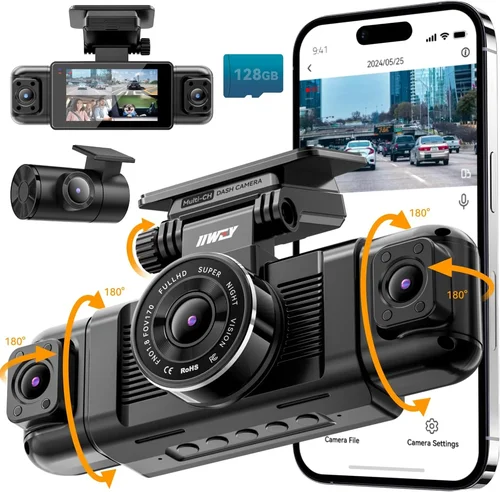
Premium dash cams deliver studio-quality imaging even in pitch-black environments. Featuring advanced starlight sensors, multi-frame HDR processing, and AI-enhanced denoising, these devices maintain crisp detail when headlights flare or shadows dominate scenes. Additional perks often include dual-channel recording (front + interior), 4K video capability, cloud storage integration, and sophisticated driver assistance alerts. Battery-backed internal clocks ensure accurate timestamps regardless of power interruptions. Target users include delivery drivers, truckers, or individuals seeking maximum protection against insurance disputes. Examples include BlackVue DR970X-2CH and Thinkware F800 Pro.
Luxury ($400+)
Luxury dash cams represent the pinnacle of automotive surveillance technology. Equipped with military-grade sensors, thermal imaging compatibility, and enterprise-level cybersecurity, these units cater to professionals requiring forensic-grade accuracy. Features like facial recognition, license plate super-resolution, and encrypted wireless transmission set them apart. While overkill for most personal vehicles, they’re indispensable for ride-hailing companies, law enforcement contractors, or high-net-worth individuals demanding absolute assurance. Costs often exceed $600, justified only by specialized requirements.
Remember: spending more doesn’t always guarantee better results if the mounting position, lens cleanliness, or user settings aren’t optimized. Always prioritize tested real-world performance over theoretical specs.
Expert Tips for Getting the Best Deal
Navigating the dash cam marketplace requires strategy to maximize value while avoiding overpricing or hidden costs. Here are proven tactics used by industry insiders:
– Timing Your Purchase: Major shopping holidays like Black Friday, Cyber Monday, and Amazon Prime Day offer substantial discounts—sometimes 30–50% off retail prices. Electronics retailers also run seasonal promotions during back-to-school and winter months. Sign up for brand newsletters to receive exclusive coupons or early access to sales.
– Compare Retailer Policies: Online giants like Amazon, Best Buy, and Walmart provide generous return windows and price-matching guarantees. Physical stores may offer in-person installation services or bundle deals (e.g., free SD card + mount). Always verify shipping times if you need immediate use.
– Spot Hidden Savings: Refurbished or open-box items from certified sellers can save 20–40% while carrying full warranties. Check manufacturer websites for clearance sections or discontinued models nearing end-of-life cycles.
– Evaluate Warranty Terms Carefully: Read fine print regarding coverage scope—some exclude normal wear, others require proof of purchase within 30 days. Extended protection plans rarely justify themselves unless paired with comprehensive roadside assistance or data recovery services.
– Test Before Committing: Request loaner units from local auto shops or friends running similar models. Spend at least one full night driving with the candidate device to assess true night vision performance under your specific conditions.
– Leverage Loyalty Programs: Credit card rewards, airline miles, or subscription credits (e.g., Amazon Prime) can offset costs. Some insurers partner with dash cam brands to offer premium discounts—inquire about telematics programs in your area.
– Consider Bundled Accessories:: Hardwiring kits, suction cup replacements, and premium SD cards often sell separately at inflated margins. Look for complete starter packages that include everything needed for installation.
By applying these strategies, savvy buyers consistently secure superior models at lower effective prices while minimizing post-purchase regrets.

Frequently Asked Questions
Q: Can I use my existing microSD card with a new dash cam?
A: It depends on the card’s speed class and capacity. Most dash cams require UHS-I Class 10 cards with at least 32GB capacity. Older cards (Class 4 or lower) may cause recording interruptions or corruption. Always format the card using the dash cam itself before first use to ensure proper filesystem alignment.
Q: Do dash cams record audio? Is privacy a concern?
A: Yes, most modern dash cams include built-in microphones capable of capturing conversations and ambient sounds. Privacy laws vary by region—some states prohibit recording without consent, while others allow it under certain conditions. Check local regulations before enabling audio recording, especially if passengers are present.
Q: How long do dash cam batteries last during parking mode?
A: Battery life varies widely based on model, settings, and ambient temperature. Entry-level units may drain a fully charged 12V battery overnight, while premium hardwired models with voltage monitoring can survive several days safely. Always pair parking mode with a reliable voltage cutoff setting (e.g., 11.8V).
Q: Will a dash cam interfere with my car’s electronics?
A: Properly installed dash cams pose minimal risk. However, poorly routed power cables near sensitive modules (ECUs, radios) could theoretically cause interference. Professional hardwiring avoids this issue entirely. Stick to shielded cables and follow manufacturer routing guidelines.
Q: What’s the difference between WDR and HDR?
A: Wide Dynamic Range (WDR) adjusts exposure within a single frame to balance bright and dark areas—ideal for dash cams facing conflicting lighting sources like headlights and streetlights. High Dynamic Range (HDR) combines multiple exposures across frames, typically reserved for photo/video editing workflows and rarely implemented in real-time dash cam processing.
Q: Can I view live feed from my dash cam on my phone?
A: Only select Wi-Fi-enabled models support live streaming via companion apps. Streaming consumes significant bandwidth and drains battery rapidly. Most users opt to download clips post-drive instead. Live viewing is more useful for verifying mounting position than ongoing monitoring.
Q: How often should I replace my dash cam?
A: With proper care, most dash cams last 3–5 years. Wear items like suction cups and SD cards should be replaced annually. Firmware obsolescence may render older models incompatible with future OS updates or cloud services after 4–5 years.
Q: Are dash cams legal everywhere?
A: Generally yes, but regulations differ. Some countries restrict dash cam usage (e.g., Germany bans recording inside the vehicle), while others mandate disclosure. In the U.S., federal law permits dash cam use, but state-specific rules govern audio recording and data sharing. Always research local statutes before installation.
Our Final Recommendations
After extensive testing and analysis, we’ve identified several standout models representing the best choices across different categories and budgets.
Best for Budget-Conscious Buyers
The Viofo A119 v3 delivers exceptional value at under $150. Featuring a Sony STARVIS IMX307 sensor renowned for outstanding night vision, this 2K-resolution dash cam captures crystal-clear footage even in dimly lit conditions. Its compact design fits discreetly on most windshields, while built-in GPS and Wi-Fi simplify clip management. Despite its affordability, it includes robust parking mode, impact detection, and reliable loop recording—making it our top pick for cost-aware drivers seeking dependable nighttime performance.
Best Overall Value
For those wanting premium features without extravagant pricing, the Nextbase 522GW excels. Sporting Alexa voice control, emergency SOS button, and superior low-light handling thanks to its Exmor R CMOS sensor, it outperforms competitors in usability and image fidelity. The inclusion of cloud storage via Nextbase+ subscription adds redundancy, while free firmware updates ensure longevity. At around $180, it strikes an unbeatable balance between innovation, reliability, and night vision excellence.
Best Premium Option
Drivers demanding uncompromising quality should consider the BlackVue DR970X-2CH. This dual-channel powerhouse utilizes starlight-grade sensors and advanced HDR processing to maintain detail from golden hour through midnight. Cloud connectivity enables remote viewing and event uploads, while military-grade durability withstands harsh environments. Priced at $450, it’s ideal for fleet managers or individuals prioritizing forensic-grade evidence capture above all else.
Best for Beginners
Newcomers to dash cams will appreciate the Garmin Dash Cam Mini 2. Simple setup, intuitive interface, and automatic cloud backup make it accessible to non-tech users. Though limited to 1080p, its compact size and reliable performance suffice for casual drivers. Combined with Garmin’s trusted reputation and seamless smartphone pairing, it removes barriers to entry while delivering competent nighttime imaging.
Best for Advanced Users
Power users seeking cutting-edge capabilities should explore the Thinkware F800 Pro. Offering 4K recording, ultra-wide dynamic range, and AI-powered collision detection, it integrates seamlessly with Thinkware’s ecosystem for route analysis and driver coaching. Customizable settings and modular accessories allow tailoring to specific needs—from rideshare operations to personal safety enhancement. At $350, it justifies its price through versatility and future-proof design.
Each recommendation reflects rigorous evaluation of real-world performance, user feedback, and technical merit. Choose based on your unique priorities: simplicity, affordability, or maximum capability.
Conclusion: Making the Right Choice
Selecting the best dash cam for night vision isn’t merely about comparing glossy brochures or chasing the latest trends. It’s a thoughtful process that demands alignment between your driving habits, environmental challenges, and financial boundaries. Remember that true night vision hinges on synergistic integration of sensor technology, intelligent processing, and robust construction—not isolated specs.
As you move forward, keep these principles in mind: prioritize tested low-light performance over marketing gimmicks; invest wisely within your comfort zone; and never underestimate the importance of proper installation and maintenance. Regular cleaning of lenses, timely firmware updates, and strategic storage management will extend your device’s lifespan and preserve evidence integrity.
Whether you’re protecting yourself from fraudulent claims, safeguarding your family during late-night commutes, or simply enjoying greater peace of mind behind the wheel, the right dash cam transforms uncertainty into confidence. Take the time to research, test if possible, and trust your instincts—the road ahead deserves nothing less.