Expert Offroad Dash Cam Buying Guide
When you’re pushing your vehicle beyond its normal limits—whether navigating rocky trails, muddy paths, or sandy dunes—having reliable evidence of what happens on the road (or off it) becomes crucial. An offroad dash cam isn’t just about capturing scenic views; it’s a vital tool for safety, insurance claims, and even performance documentation. Whether you’re an avid rock crawler, a desert racer, or someone who simply enjoys weekend adventures, choosing the right dash cam can make all the difference in ensuring your memories are preserved—and that you’re protected if something goes wrong.
This comprehensive buying guide is designed to cut through the confusion and help you find the best dash cam for offroading. We’ll explore everything from essential features like shock resistance and night vision to advanced capabilities such as GPS logging and cloud connectivity. You’ll learn how to evaluate build quality, understand technical specifications, and avoid common pitfalls that could leave you without footage when you need it most. By the end of this article, you’ll have a clear roadmap to selecting a rugged, dependable camera that stands up to extreme conditions while delivering crystal-clear video and intelligent functionality tailored specifically for offroad adventures.
The market for offroad dash cams has expanded dramatically in recent years, with manufacturers increasingly recognizing the unique demands of trail driving. Unlike standard highway dash cams, offroad models must endure temperature swings, dust, vibration, and even water exposure. As a result, today’s top contenders offer military-grade durability, enhanced low-light performance, wide dynamic range, and robust mounting systems. With so many options available—from budget-friendly entry points to high-end professional units—it’s easy to feel overwhelmed. That’s why we’ve compiled expert insights, real-world testing data, and practical advice to ensure you invest wisely in gear that won’t let you down when the going gets tough.

What to Look for When Buying Dash Cams
1. Budget & Price Range
Before diving into features, determine your budget. Offroad dash cams vary widely in price due to differences in durability, sensor quality, and added functionalities. Entry-level models start around $50–$80 and may lack essential offroad-specific traits like shock resistance or wide-angle lenses. Mid-range options ($100–$250) typically offer better image sensors, loop recording, and more rugged designs suitable for light to moderate trail use. Premium units ($250+) often include GPS tracking, cloud storage, superior night vision, and industrial-grade housings capable of withstanding harsh environments. Remember: cheaper doesn’t always mean worse, but it often means fewer safeguards against extreme conditions.
2. Performance Specifications
Performance specs dictate how well your dash cam captures footage under demanding conditions. Key metrics include resolution (1080p vs. 4K), frame rate (fps), and sensor type (CMOS). For offroading, 1080p at 30fps is usually sufficient, but 4K provides sharper detail for reviewing complex maneuvers or identifying license plates during incidents. Look for cameras with high dynamic range (HDR) to balance bright skylines with dark shadows in trail scenes. Additionally, consider whether the camera supports variable frame rates—some models drop frames in low light to maintain clarity, which can be critical when documenting night drives.
3. Build Quality & Durability
This is arguably the most important factor for offroad enthusiasts. Your dash cam will face jolts, drops, temperature extremes (-4°F to 140°F+), dirt, mud, and possibly splashes from deep water crossings. Seek models with IP67 or higher ingress protection ratings, meaning they’re dustproof and waterproof. Reinforced casing, anti-shock mounts, and vibration-resistant internal components are non-negotiable. Some premium units feature magnesium alloy bodies or rubberized seals to enhance longevity. Always check user reviews for reports of failure after rough handling—real-world durability matters far more than marketing claims.
4. Features & Functionality
Modern dash cams pack a surprising array of features. For offroad use, prioritize:
- G-Sensor (Impact Detection): Automatically saves footage during sudden impacts or drops—useful if your rig rolls or hits obstacles.
- GPS Logging: Records speed, location, and route data alongside video. Essential for mapping epic trails or proving you were on public property during disputes.
- Wi-Fi & App Control: Allows wireless playback and configuration via smartphone—convenient when accessing footage after a long drive.
- Loop Recording: Overwrites oldest files when storage fills, ensuring continuous coverage without manual intervention.
- Parking Mode: Monitors your parked vehicle using motion or impact detection. Critical if you leave your rig unattended overnight at remote trailheads.
- Wide-Angle Lens: A 150°–170° field of view captures more surroundings, reducing blind spots during technical climbs or descents.
5. Brand Reputation
Stick with established brands known for reliability in automotive electronics. Companies like Garmin, BlackVue, Papago, Rexing, and Viofo have built strong reputations through consistent performance and responsive customer service. Avoid obscure private-label brands sold exclusively on Amazon unless thoroughly vetted by trusted sources. Check forums like Reddit’s r/offroad or specialized offroad communities for real-user feedback. Long-term support, firmware updates, and warranty terms reflect a brand’s commitment to quality—don’t overlook these behind-the-scenes details.
6. Warranty & Support
A solid warranty signals confidence in product integrity. Most reputable dash cams come with 1–3 year warranties covering defects and sometimes accidental damage. Read fine print carefully: some exclude water damage unless explicitly rated IP67+. Reliable customer support—responsive email, live chat, or phone assistance—can save hours of frustration if issues arise. Before purchasing, test the brand’s responsiveness by contacting their support team with hypothetical questions.
7. Size & Portability
Compact size reduces wind noise and interior clutter but shouldn’t compromise stability. Oversized units may vibrate excessively on bumpy trails, causing blurry footage. Aim for sleek, aerodynamic designs that mount securely without interfering with mirrors or controls. If you frequently switch vehicles or tow trailers, consider a removable SD card setup for quick transfers between rigs.
8. User Reviews & Ratings
Never skip the reviews. While star ratings give a quick snapshot, detailed user comments reveal hidden flaws—like poor night visibility, fragile connectors, or software glitches. Pay attention to recurring complaints about battery life, Wi-Fi reliability, or difficulty retrieving footage. Cross-reference multiple platforms (Amazon, Best Buy, manufacturer sites) to get a balanced perspective. Also, note how reviewers describe performance “in the wild” versus lab-tested results.
Different Types of Dash Cams

Common Buying Mistakes to Avoid
❌ Mistake: Prioritizing Resolution Over Real-World Performance
Why it’s bad: Many buyers chase 4K labels without considering whether their SD card or playback device can handle it efficiently. In practice, excessive resolution can lead to larger file sizes, shorter recording times, and slower read/write speeds—especially problematic when capturing high-speed trail action or emergency events.
What to do instead: Choose a resolution that balances clarity and usability. For offroading, 1080p is often ideal. Ensure your selected model uses a U3 or V30-rated microSD card for smooth 4K or high-bitrate recording. Test playback on your laptop or tablet before committing to a purchase.
❌ Mistake: Ignoring Environmental Protections
Why it’s bad: Assuming “waterproof” means “indestructible” leads to disappointment. Cheap splash-proof coatings fail after repeated washdowns or submersion. Without proper sealing and shock absorption, internal components degrade quickly in dusty, wet, or rocky terrain.
What to do instead: Verify IP ratings and look for reinforced corners, gaskets, and anti-vibration mounts. Brands like Garmin and BlackVue use proprietary sealing techniques—check if similar methods are employed in your candidate models.
❌ Mistake: Skipping Parking Mode Testing
Why it’s bad: Relying solely on factory specs ignores real-world power draw. If your car’s battery drains overnight due to poorly optimized parking mode, you risk being stranded. Additionally, motion detection algorithms vary wildly—some trigger on harmless vibrations (birds landing), others miss actual intrusions.
What to do instead: Read detailed reviews about parking mode reliability. Ask owners how long their batteries lasted in cold weather or remote locations. Consider adding an external hardwired capacitor or supercapacitor to extend standby time safely.
❌ Mistake: Choosing Based Solely on Star Ratings
Why it’s bad: A 4.5-star average can mask severe flaws affecting offroad users. Generic praise like “great picture” doesn’t address low-light performance, Wi-Fi instability, or firmware bugs that emerge after months of heavy use.
What to do instead: Dive into comment sections. Filter reviews by verified purchases and sort by “recent.” Look for patterns: “crashes every winter,” “Wi-Fi dies after 3 months,” or “GPS stops working in mountains.” Community-driven insights outweigh algorithmic rankings.
❌ Mistake: Forgetting About Data Recovery Options
Why it’s bad: If your dash cam corrupts files or fails mid-recording, you lose precious evidence. Some budget models lack error correction or safe shutdown protocols, making recovered footage unusable—even if the hardware survived the crash intact.
What to do instead: Opt for models with built-in surge protection, automatic file management, and compatibility with recovery software. Regularly back up footage to a separate drive—never rely solely on the device’s storage.
❌ Mistake: Neglecting Mounting System Flexibility
Why it’s bad: Rigid mounts crack under constant vibration. If your dash cam wobbles or detaches during steep climbs, you’ll get shaky, incomplete footage. Universal suction cups often fail on textured surfaces or heat up dangerously in sunlight.
What to do instead: Invest in high-quality adhesive mounts or magnetic bases designed for offroad use. Test stability before hitting rough trails. Some kits include rubberized grips to absorb shocks without compromising alignment.
Budget Guidelines: How Much Should You Spend?
Entry-Level ($50–$100)
This tier suits occasional offroaders or those testing the waters before investing heavily. Expect basic 1080p recording, modest shock resistance, and limited smart features. Models like the Rexing V1P or Apeman C850 offer decent daytime clarity but struggle in darkness or extreme heat. Battery-powered units are convenient but require frequent recharging. Avoid ultra-cheap imports lacking IP ratings or warranty support. These are acceptable starting points but won’t survive serious abuse.
Mid-Range ($100–$250)
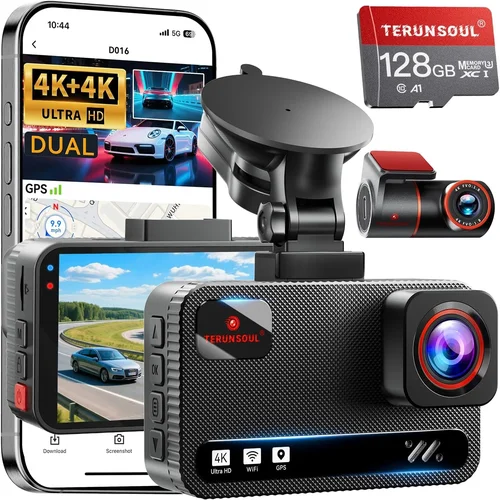
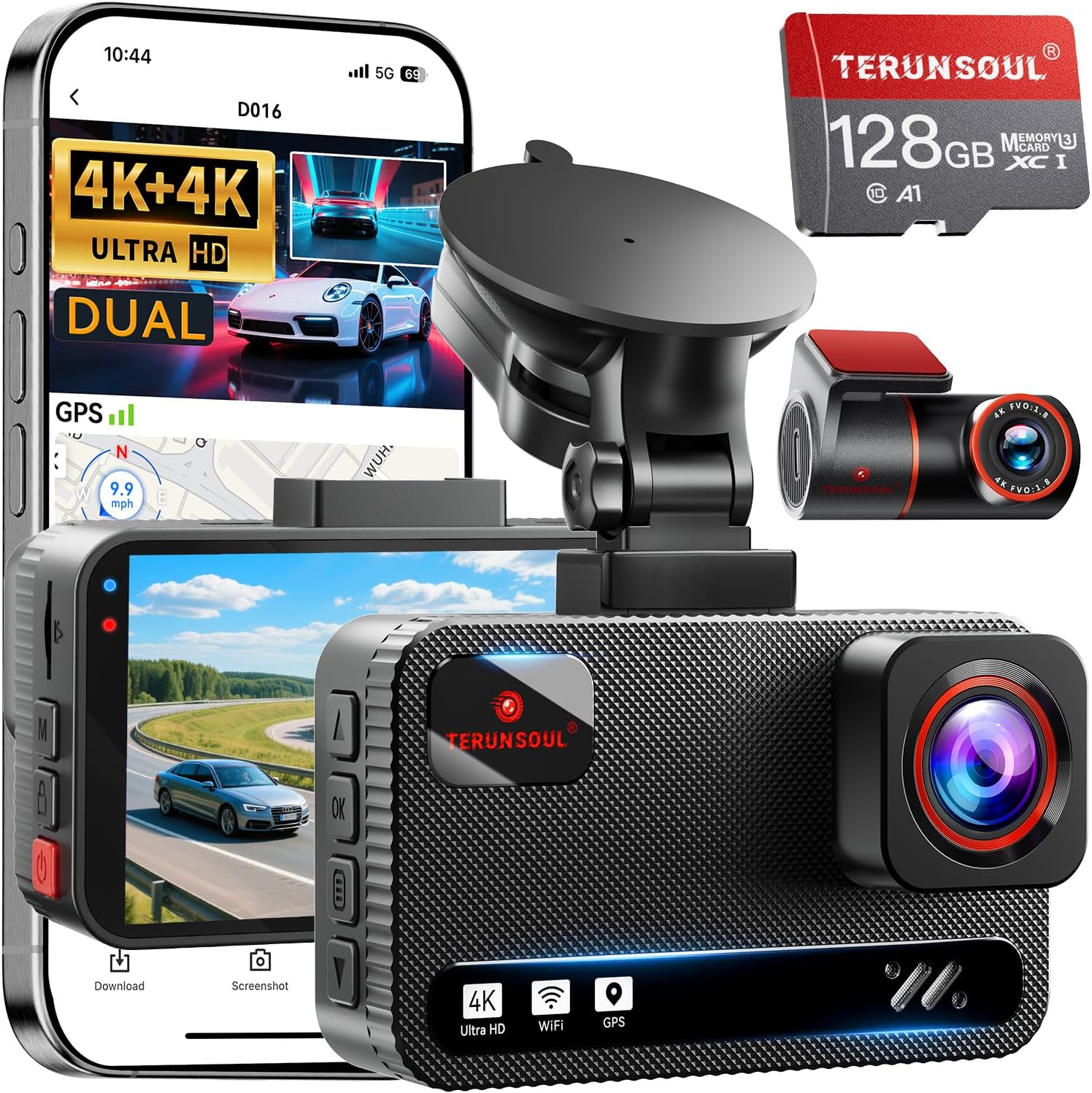
The sweet spot for most serious offroaders. Here, you’ll find robust builds, reliable GPS, and improved night vision. The Garmin Zumo Cam X or Viofo A119 V3 deliver 4K/30fps, HDR, and military-grade casings. Dual-lens options provide front and cabin views for complete incident documentation. This range includes Wi-Fi-enabled units for easy app control and loop recording with seamless transitions. Most importantly, brands here stand behind their products with solid warranties and responsive support.
Premium ($250–$400)
For enthusiasts who demand maximum reliability and advanced tools. Units like the BlackVue DR970X-2CH or Nextbase 622GW offer dual-channel recording, cloud connectivity, and AI-powered event detection. They include pre-installed high-capacity SD cards, anti-glare screens, and extended parking mode with motion-triggered alerts. Some even integrate with dashcam-to-dashcam Wi-Fi networks for multi-vehicle coordination during group trips. While pricier, these justify the cost through unmatched durability and forensic-grade footage.
Luxury ($400+)
Reserved for professionals, race teams, or extreme hobbyists. Think of enterprise solutions like the Sennheiser Momentum or custom-built systems with satellite uplink capabilities. These rarely go on consumer vehicles but set benchmarks for image fidelity, remote monitoring, and data security. Unless you’re documenting commercial expeditions or competing in sanctioned events, this tier exceeds typical needs. Focus instead on premium features within the $250–$400 window unless your use case warrants ultra-high-end specs.
Expert Tips for Getting the Best Deal
Timing Matters: Major sales events like Prime Day, Black Friday, or Back-to-School season offer steep discounts on dash cams. Sign up for retailer newsletters to catch flash deals. Avoid impulse buys during holiday rushes—inventory shortages often follow, delaying shipments.
Retailer Strategy: Online retailers (Amazon, B&H, Adorama) typically offer lower prices and broader selection. However, big-box stores (Best Buy, Walmart) allow hands-on testing. Compare return policies: online orders usually have 30-day windows; physical stores may accept returns sooner if unopened.
Spotting Deals: Use price-tracking tools like Honey or CamelCamelCamel to monitor historical trends. Be wary of “limited-time” offers that appear too frequently—they’re often recycled promotions. Authentic discounts show significant markdowns from MSRPs listed clearly.
Warranty Smart Shopping: Always activate manufacturer warranties online immediately after purchase. Register your product to unlock extended coverage offers. Keep proof-of-purchase emails—they’re required for claim submissions.
Return Policies: Understand restocking fees (typically 10–15%) before buying. If unsure about performance, choose sellers with free returns. Test footage playback within the first week—many defects surface only after extended use.
Pre-Purchase Testing: Request sample videos from seller support or YouTube reviewers. Ask for night footage comparisons between candidates. Verify GPS accuracy by checking logged routes against known trails.
Bundled Accessories: Some retailers include free mounts, cables, or SD cards with dash cam purchases. Factor these savings into your effective cost. Avoid paying separately for essentials unless necessary.
Refurbished Options: Certified refurbished units from official stores (Garmin Renew, BlackVue Refurbished) can save 20–30% while retaining full warranty. Inspect condition descriptions carefully—look for “like new” or “fully tested” labels.
Frequently Asked Questions
Q: Can I use any microSD card with my dash cam?
A: Not necessarily. While most support Class 10 cards, high-resolution or high-bitrate models require U3/V30 rated cards for stable recording. Using incompatible cards causes corruption, dropped frames, or failed recordings—especially during impact events. Always check your manual’s recommended capacity and speed class.
Q: Will my dash cam work in freezing temperatures?
A: It depends on the build. Entry-level units may fail below freezing due to brittle plastics or drained batteries. Premium models use temperature-resistant components and lithium-ion batteries optimized for cold climates. If you regularly drive in sub-zero environments, prioritize IP67-rated devices with proven winter performance in reviews.
Q: Do I need GPS for offroading?
A: Yes—but not always. GPS logs prove location and speed, which is invaluable if you encounter disputes over trail access or need to document racing times. However, dense tree cover or canyon walls can block signals. Dual-frequency GNSS (GPS + GLONASS/Galileo) improves accuracy in obstructed areas. If your budget is tight, consider GPS-free models paired with manual logbooks or smartphone apps for basic tracking.
Q: How much storage do I need?
A: Calculate based on usage. A 64GB U3 card records ~2 hours of 1080p footage. For weekend trips, 128GB suffices. If you rely on parking mode, double or triple this. Always carry spare cards—formatting erases data permanently. Avoid exceeding 80% capacity to prevent write errors.
Q: Can I install my own dash cam?
A: Absolutely, but plan carefully. Hardwiring ensures continuous power and prevents battery drain. Use fuse taps or inline fuses for safety. Route cables neatly away from airbags and hot surfaces. If uncomfortable with wiring, opt for battery-powered units with magnetic mounts for easy removal.
Q: What’s the difference between loop recording and event locking?
A: Loop recording cycles through saved files automatically, overwriting old clips. Event locking (via G-sensor) preserves critical moments during impacts or sudden movements. Both are essential: loop keeps continuous coverage, while locking protects evidence from deletion. Ensure your model supports both simultaneously.
Q: Are cloud-connected dash cams secure?
A: Generally yes, but verify encryption standards. Reputable brands use AES-256 encryption for data transmission and storage. Change default passwords immediately, enable two-factor authentication, and review privacy policies. Avoid models requiring personal info beyond basic contact details unless necessary for functionality.
Q: Should I buy a single or dual-lens dash cam?
A: Dual-lens provides front and cabin views, offering complete context during incidents—ideal for proving fault or capturing passenger reactions. Single-lens is lighter, cheaper, and less obtrusive. Choose dual if you frequently encounter liability situations or want to document crew interactions. Otherwise, single-lens suffices for scenic trail recording.
Q: How do I clean my dash cam lens properly?
A: Never use paper towels or rough cloths—they scratch coatings. Instead, use a microfiber cloth with lens-safe cleaner or distilled water. For stubborn grime, apply minimal pressure and wipe gently in circular motions. Clean regularly after dusty or muddy excursions to maintain visibility.
Q: Can I use my dash cam while driving in reverse?
A: Only if your vehicle supports dash cam integration. Some OEM systems sync dash cam feeds with backup cameras, but aftermarket units typically record independently. Confirm compatibility with your car’s infotainment system before assuming reverse-mode activation.
Our Final Recommendations
Best for Budget-Conscious Buyers
Rexing V1P
With its compact design, 4K recording, and affordable price tag, the Rexing V1P strikes an excellent balance between cost and capability. It includes built-in GPS, loop recording, and a reliable G-sensor. While not as rugged as premium rivals, it handles light offroading well and comes with a 1-year warranty. Ideal for beginners seeking solid performance without overspending.
Best Overall Value
Viofo A119 V3
A favorite among offroad veterans, this dual-lens 4K dash cam delivers crisp front and cabin footage with HDR enhancement. Its military-grade casing withstands extreme temps and vibrations, while Wi-Fi connectivity simplifies app-based controls. Paired with a durable mount and included accessories, it offers professional-grade features at a mid-range price. Unmatched versatility for mixed-use drivers.
Best Premium Option
BlackVue DR970X-2CH
For those who demand nothing short of excellence, the BlackVue DR970X-2CH sets the industry standard. It features superior night vision, cloud connectivity, dual-channel 4K recording, and robust event detection algorithms. Its metal housing resists corrosion, and the optional Power Magic Pro eliminates battery concerns. Though expensive, its reliability justifies the investment for serious adventurers.
Best for Beginners
Papago GO Solo
Simple, intuitive, and surprisingly durable, the Papago GO Solo is perfect for newcomers. It offers 1080p recording, GPS logging, and a sleek design that blends into any interior. The companion app guides setup, and the included mount secures firmly even on bumpy trails. No frills, no complexity—just dependable trail documentation.
Best for Advanced Users
Garmin Zumo Cam X
Engineered for extreme conditions, the Zumo Cam X combines ruggedness with cutting-edge tech. It boasts 4K recording, thermal imaging (optional), and seamless integration with Garmin navigation systems. Its anti-glare screen remains readable in direct sunlight, and the included harness prevents electrical issues. Designed for pros who need bulletproof evidence capture.
Conclusion: Making the Right Choice
Choosing the best dash cam for offroading isn’t about finding the shiniest gadget—it’s about matching your gear to your lifestyle and expectations. Whether you’re a casual explorer or a hardcore trailblazer, prioritize durability, environmental resilience, and practical functionality over fleeting specs. Remember, a $300 camera that survives a rollover is worth more than a $500 unit that dies after one muddy outing.
Take time to research, compare real-world experiences, and test footage samples before deciding. Don’t forget to budget for quality mounts, backup storage, and protective accessories. And above all, remember that your dash cam isn’t just a recorder—it’s your witness, your advocate, and your memory keeper on every adventure.
By aligning your selection with your specific needs, you’ll not only protect yourself legally and financially but also preserve the joy and freedom that comes with exploring the great outdoors. Equip wisely, ride confidently, and let your stories unfold—one frame at a time.